

Eciton lucanoides
- Scientific Name
- Eciton lucanoides
- Subfamily
- Dorylinae
- Author
- Emery, 1894
- Distribution
- Found in 6 countries
Eciton lucanoides Overview
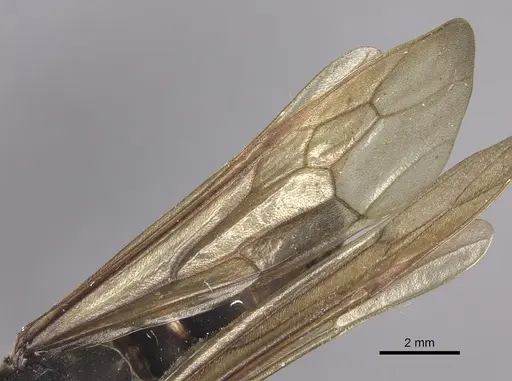
Eciton lucanoides is an ant species of the genus Eciton. It is primarily documented in 6 countries , including Colombia, Costa Rica, Ecuador. Detailed taxonomic data and occurrence records can be further explored via authoritative databases such as AntWeb or the Global Biodiversity Information Facility (GBIF).
Eciton lucanoides
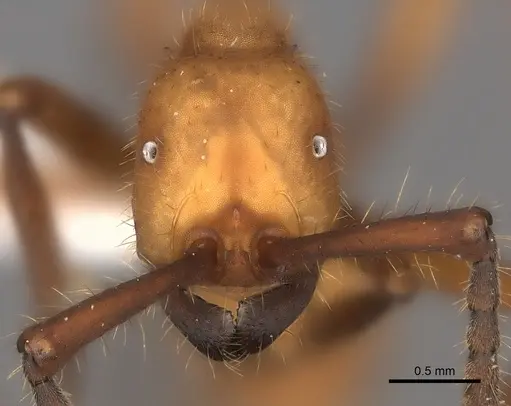
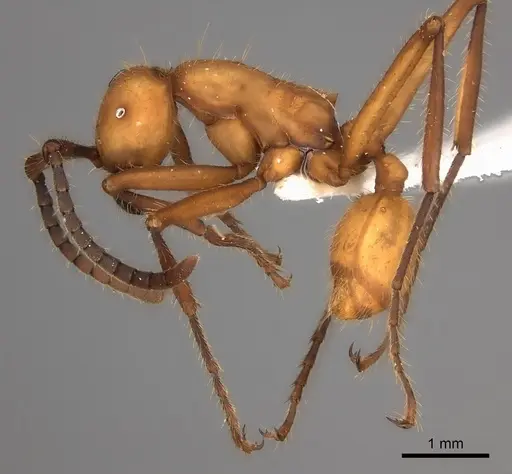
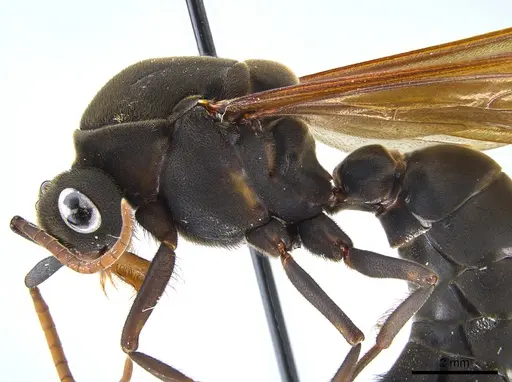
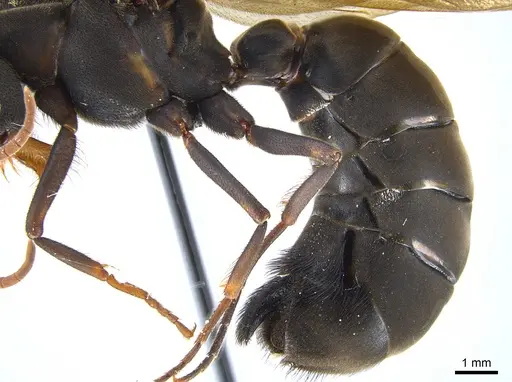
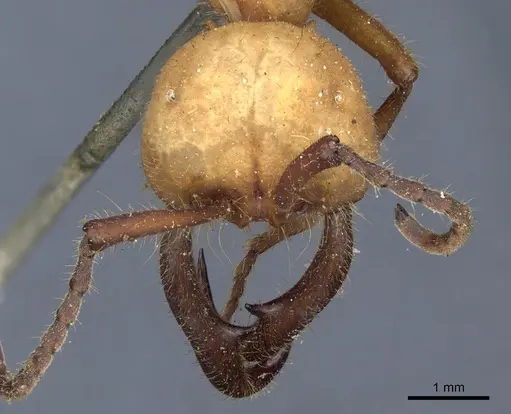
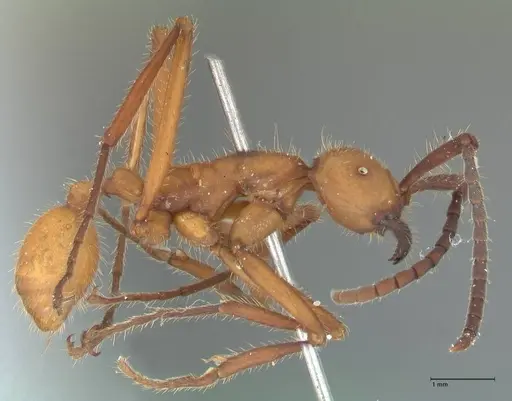
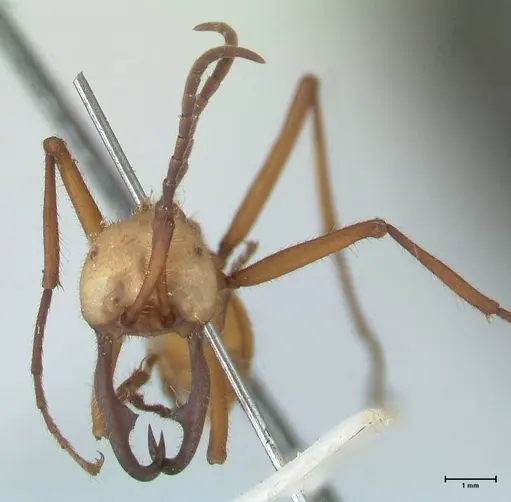
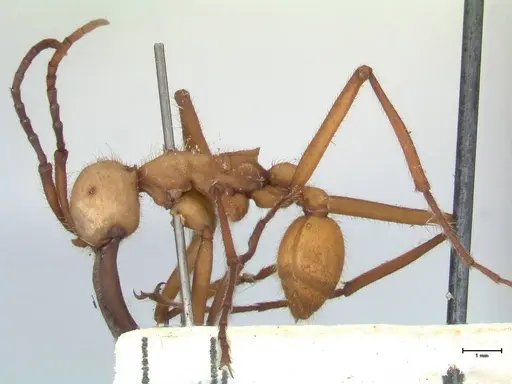
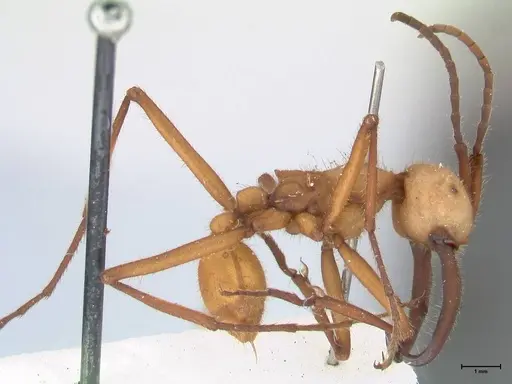
Eciton lucanoides is a predatory army ant species native to the Neotropical region, found across Bolivia, Brazil, Colombia, Costa Rica, Nicaragua, Panama, and Peru [1]. Workers are orange-yellow to reddish with distinctive sickle-shaped mandibles and a tooth on the inner margin. Minor workers measure around 3-5mm while major workers (soldiers) have larger heads with powerful mandibles [2]. This species inhabits mature wet forests throughout the Atlantic slope, with highest densities at mid-elevations but remaining abundant in lowland areas [3]. Unlike the carpet-raiding Eciton burchellii, E. lucanoides conducts raids exclusively in columns, hunting wasps and other ants as primary prey [3].
Quick Summary
- Difficulty: Expert
- Origin & Habitat: Neotropical rainforests of Central and South America, specifically mature wet forests throughout the Atlantic slope from Costa Rica to Bolivia [3][1]. Found in lowland to mid-elevation sites, with highest densities at mid-elevation areas like La Selva Biological Station in Costa Rica [2].
- Colony Type: Single-queen colony with massive worker populations typical of army ants. Colonies contain hundreds of thousands of workers and have distinct nomadic and stationary phases in their activity cycle [3].
- Colony: Monogyne
- Founding: Semi-claustral
- Size & Growth:
- Queen: Large (queen size not specifically documented in available sources, estimated based on Eciton genus patterns)
- Worker: Minor workers: 3-5mm, Major workers (soldiers): larger with robust mandibles [2]
- Colony: Colonies reach hundreds of thousands of workers, typical for Eciton species [3]
- Growth: Fast, colonies grow rapidly once established with continuous brood production
- Development: Estimated 3-5 weeks at optimal tropical temperatures (inferred from Eciton genus patterns) (Development timeline is inferred from related Eciton species, specific data for E. lucanoides not available)
- Antkeeping:
- Temperature: Requires warm, stable tropical conditions around 24-28°C, never below 20°C. Being a strict Neotropical species, they cannot tolerate cool temperatures [3][2].
- Humidity: High humidity required, rainforest conditions. Keep substrate consistently moist but not waterlogged. Provide a water source for drinking.
- Diapause: No, this is a tropical species without hibernation. Activity continues year-round in captivity [3].
- Nesting: Bivouacs in hollow trees, logs, and protected above-ground locations in the wild. In captivity, requires a large, naturalistic setup with multiple connected chambers or a custom formicarium with extensive space for colony movement [3].
- Behavior: Highly aggressive predatory behavior with column raids. Workers hunt cooperatively, attacking wasp nests and ant colonies. Raids occur during day or night, with peak activity between 11:00-11:30 a.m. [3]. Colonies are nomadic, regularly emigrating to new hunting grounds. Major workers (soldiers) have powerful mandibles and will defend the colony aggressively. Escape prevention is critical, these ants are excellent climbers and will exploit any gap. Their small worker size (3-5mm) means they can squeeze through surprisingly small openings.
- Common Issues: Colony collapse from temperature drops below 20°C, tropical species cannot tolerate cool conditions, Inability to provide adequate hunting space, colonies need extensive territory to conduct raids, Starvation if live prey is not constantly available, they are obligate predators on social insects, Escape through tiny gaps due to small worker size, requires excellent barrier systems, Stress from captivity leading to colony abandonment of bivouac sites
Housing and Colony Setup
Eciton lucanoides is one of the most challenging ant species to keep in captivity. These are not beginner ants, they require expert-level care and significant resources. Housing must provide extensive space for the colony to conduct raids and maintain a proper bivouac. A large naturalistic setup with multiple connected chambers or a custom-built formicarium with generous dimensions is essential. The colony needs to move freely between nesting and hunting areas. Temperature must be maintained at 24-28°C using heating elements if room temperature is insufficient. Humidity should be high (70-85%) with consistently moist substrate. Unlike many ants, Eciton cannot be kept in simple test tube setups, they need space to exhibit natural raiding behavior. [3]
Feeding and Diet
Eciton lucanoides is an obligate predator that hunts primarily wasps and other ants [3]. In captivity, you must provide a constant supply of live prey, typically other ant colonies (especially smaller species), wasp colonies, or large quantities of insects. They will not accept sugar water or honey as a primary food source. Prey items should be offered regularly, with the colony consuming large numbers of insects during raiding periods. The hunting behavior is spectacular to observe, columns of workers systematically search for and attack prey colonies. Expect to maintain cultures of feeder insects or have access to regular wild-caught prey. This species is not suitable for keepers who cannot provide live prey daily.
Behavior and Raiding Patterns
Unlike Eciton burchellii which conducts carpet-like raids across forest floors, E. lucanoides raids exclusively in columns [3]. These raids are characteristically narrower than those of Eciton hamatum, the species they most closely resemble. Raids can occur during both day and night, with peak activity typically between 11:00 and 11:30 a.m. [3]. The colony operates on a nomadic cycle, regularly abandoning bivouac sites to move to new hunting grounds. Emigrations typically occur around 11:00 p.m., later than other species, reflecting their primarily subterranean nature [3]. Soldiers with their powerful mandibles defend the colony aggressively when threatened. This species is associated with mimic beetles (Ecitophya rettenmeyeri) that infiltrate their colonies [4].
Temperature and Environmental Needs
As a strict Neotropical species, E. lucanoides requires warm, stable conditions that mimic tropical rainforest environments. Temperature must never drop below 20°C, prolonged cool conditions will kill the colony. Ideal range is 24-28°C, which can be maintained using heating cables or mats placed on one side of the enclosure to create a temperature gradient. High humidity (70-85%) is essential. Provide a water source for drinking and maintain moist substrate. Since they do not undergo diapause, year-round warm conditions are required. These ants are not suitable for keeping in rooms without climate control. [3][2]
Legal and Ethical Considerations
Before acquiring Eciton lucanoides, verify that it is legal to keep in your jurisdiction. This species is not commonly available in the ant-keeping hobby and is protected in many of its native countries. Capturing colonies from the wild can damage wild populations and disrupt ecosystem relationships. If you obtain a colony, never release it outside its native range, Eciton species are not established in North America or Europe, and accidental releases could cause ecological damage. These ants are best observed in their natural habitat rather than kept in captivity.
Frequently Asked Questions
Can I keep Eciton lucanoides as a beginner antkeeper?
No, Eciton lucanoides is not suitable for beginners. This species requires expert-level care, including constant live prey availability, extensive housing space, precise temperature (24-28°C), and high humidity. They are obligate predators that cannot survive without hunting. Most antkeepers should start with easier species like Lasius, Camponotus, or Tetramorium.
How long does it take for first workers to appear in Eciton lucanoides?
The exact development timeline for E. lucanoides has not been documented, but based on related Eciton species, expect approximately 3-5 weeks from egg to worker at optimal tropical temperatures. Colonies grow rapidly once established with continuous brood production.
What do Eciton lucanoides eat?
They are obligate predators that primarily hunt wasps and other ant colonies [3]. In captivity, you must provide live prey, typically other ant colonies, wasp colonies, or large quantities of insects. They will not accept sugar water, honey, or dead insects as primary food. This species cannot be kept without a constant supply of live prey.
Can I keep multiple queens together?
No, Eciton lucanoides is monogyne (single-queen colonies). Queens fight to the death if forced together. In the wild, colonies are founded by a single queen who then produces all workers for the lifetime of the colony.
Do Eciton lucanoides need hibernation?
No, as a strict tropical species, they do not hibernate or undergo diapause [3]. They remain active year-round and require constant warm temperatures. Temperature drops below 20°C can be fatal.
Why are my Eciton lucanoides dying?
Common causes include: temperature below 20°C (fatal to this tropical species), lack of live prey (they will starve without hunting), insufficient humidity, stress from inadequate space, or escape leading to colony loss. These ants have specific needs that are difficult to meet in captivity.
Are Eciton lucanoides good for ant farms?
No, they are not suitable for observation ant farms. They require extensive space to conduct raids, specific prey (live wasps and ants), and precise environmental conditions. They are best appreciated in the wild or by expert keepers with custom-built setups.
How big do Eciton lucanoides colonies get?
Colonies reach hundreds of thousands of workers, typical for established Eciton species [3]. This makes them one of the largest ant colonies in the Neotropics. The queen lives for many years and continuously produces eggs.
References

This caresheet is licensed under CC BY-SA 4.0 .
CASENT0217471
View on AntWeb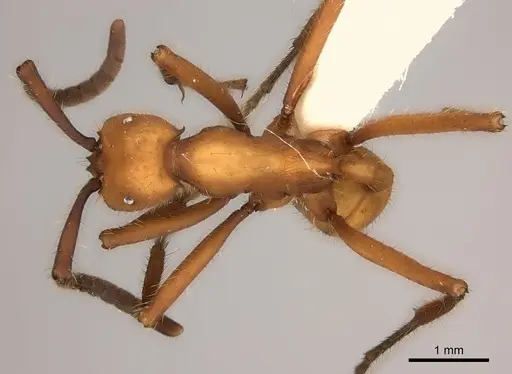
CASENT0217472
View on AntWeb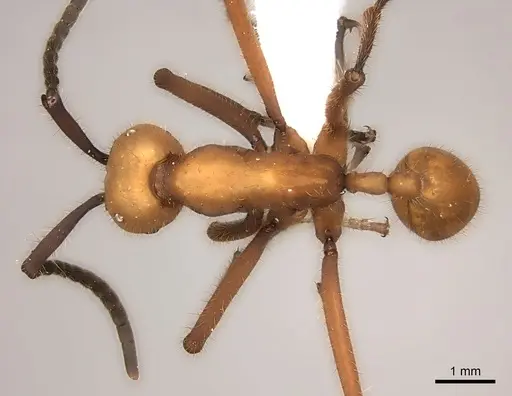
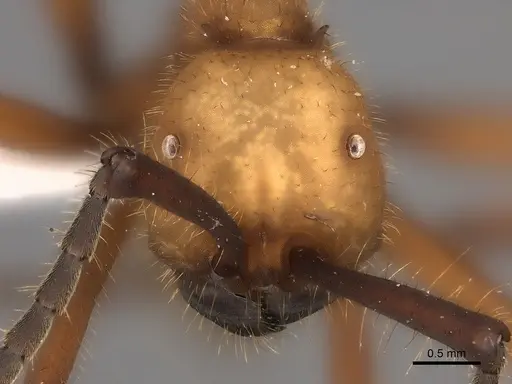
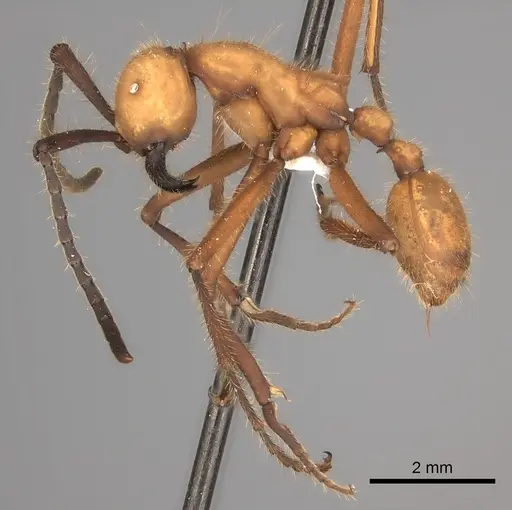
CASENT0249459
View on AntWeb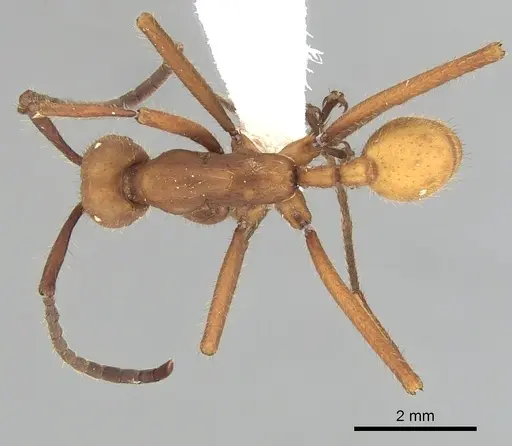
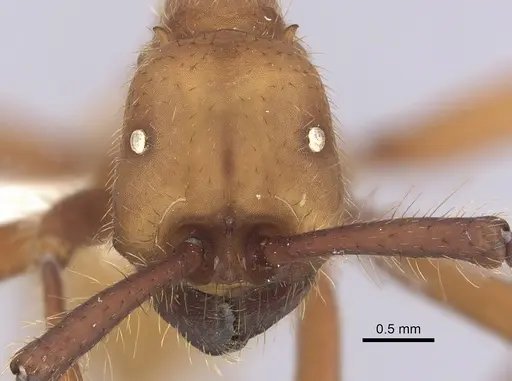
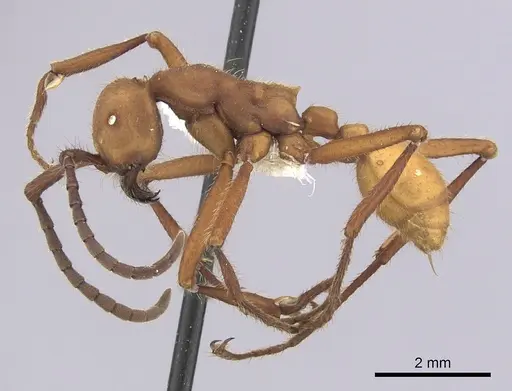
CASENT0650670
View on AntWeb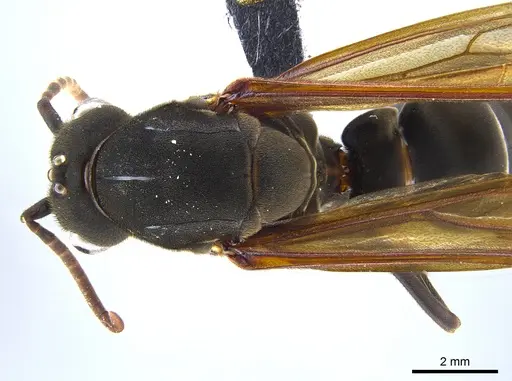
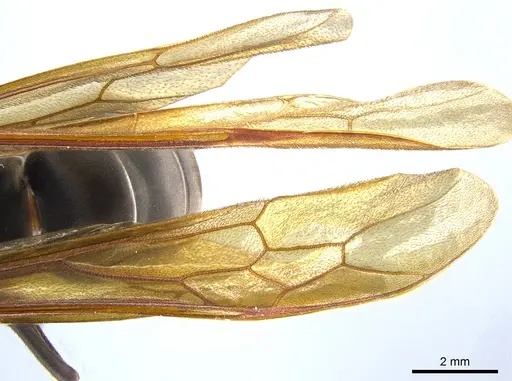
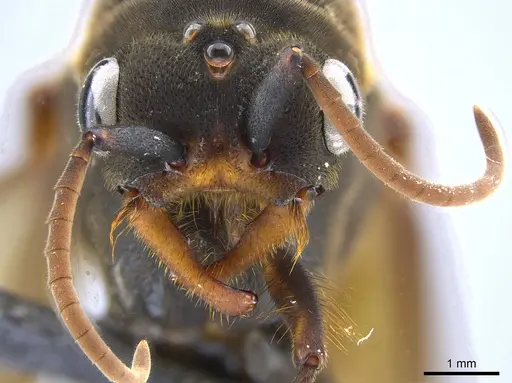
CASENT0903719
View on AntWeb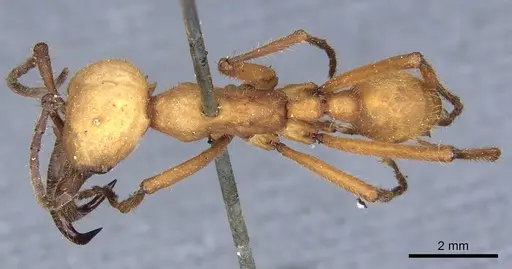
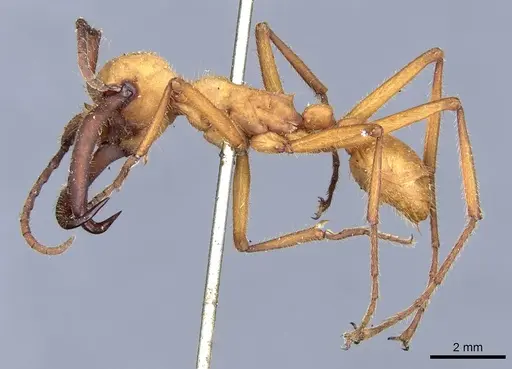
FOCOL1131
View on AntWeb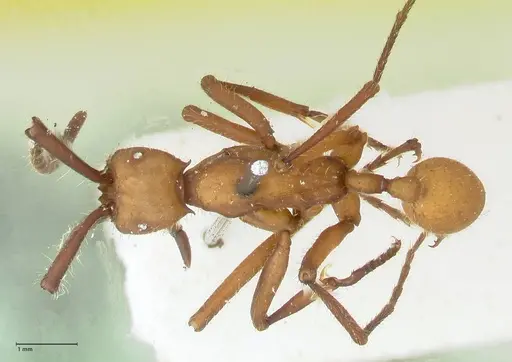
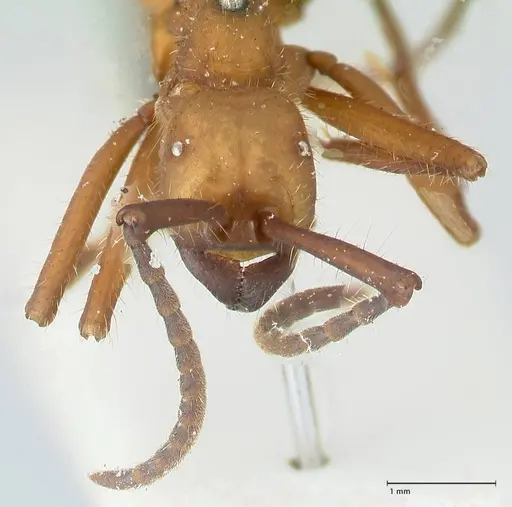
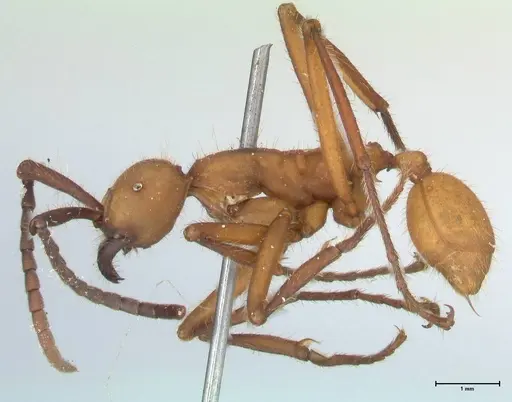
FOCOL1132
View on AntWeb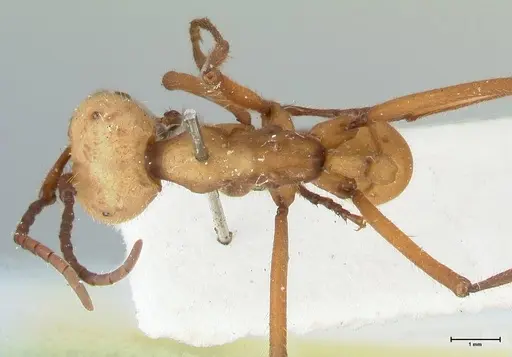
INBIOCRI001283561
View on AntWeb
Literature
Loading...Loading products...