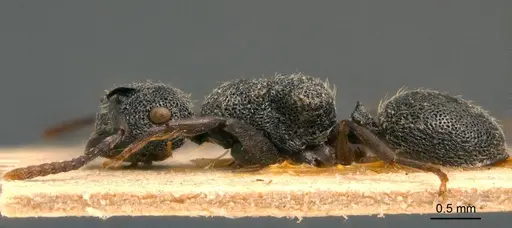
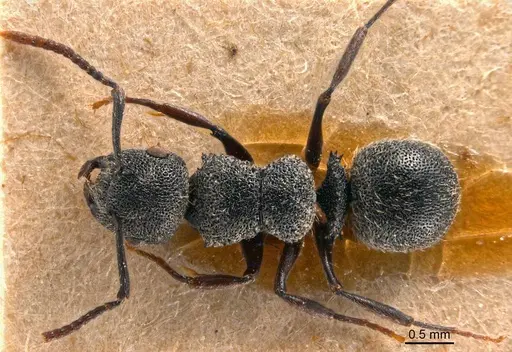
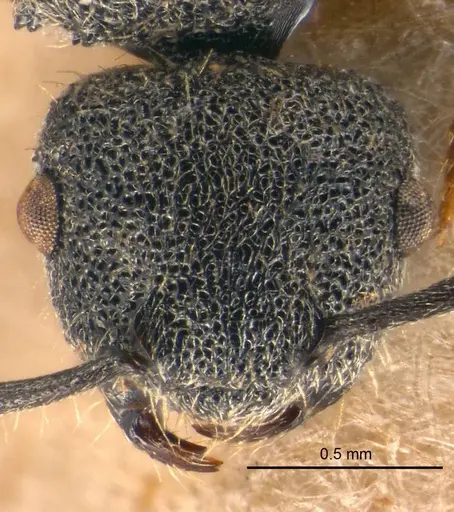
Echinopla rugosa - "Rugose Spiny Ant"
Echinopla rugosa is a fascinating ant species known for its unique, stout body and rough, porous surface, giving it a 'rugose' or wrinkled appearance. These ants are predominantly black, often with a subtle bluish to greenish shimmer. They are relatively small, with workers measuring around 4.2 mm in total length. A distinctive feature is their petiole, which is dentate, having three sharp teeth laterally below a lateral spine, and a dorsal row of six teeth with a pair of minute denticles on the lateral spine. This species belongs to the larger genus Echinopla, which is characterized by bizarre body structures and generally inhabits tropical forest canopies.
- Difficulty: Medium
- Origin & Habitat: Southeast Asia, including Borneo, Brunei Darussalam, Indonesia, Malaysia, and Singapore. in Arboreal, typically found in the canopy of tropical forests..
- Colony Type: Monogyne, claustral founding.
- Size & Growth:
- Queen: Not specified
- Worker: 4.2-4.2mm
- Colony: Small (hundreds). Slow growth.
- Antkeeping:
- Temperature: Maintain temperatures between 24-28°C for optimal brood development and colony activity. Consistent warmth is crucial for tropical species like Echinopla rugosa..
- Humidity: High humidity, around 70-80%, is essential. This can be achieved by providing a consistently moist nest and potentially a humidified outworld..
- Diapause: Not required. Not specified at Not specified.
- Nesting: Arboreal setup is preferred, mimicking their natural habitat. Nests with fine tunnels and chambers, such as acrylic or Ytong nests, with good humidity retention are suitable. Natural setups incorporating wood or bamboo could also work..
- Behavior: Low (towards handler, food or other ants) aggressiveness.
- Common Issues: Humidity fluctuations, Mold in nest, Colony stalling, Queen stress.
Keeping Echinopla rugosa might be a bit more challenging than your typical beginner species, primarily due to their preference for arboreal nesting and the need for consistent tropical conditions. These ants are naturally found high up in the forest canopy, which means replicating their environment is key to their well-being. Focus on providing a vertical nest setup that allows them to climb and explore, mimicking the branches and hollows they’d inhabit in the wild.
Humidity is paramount for Echinopla rugosa. Without adequate moisture, their delicate brood can easily dry out, halting colony growth. Investing in a reliable hygrometer to monitor humidity levels is highly recommended. You might need to regularly re-moisten their nest or employ an external humidification system, especially if you live in a drier climate. Consider using a setup that inherently retains humidity well, such as certain types of acrylic formicaria or even natural wood with carved chambers.
Their diet is primarily omnivorous, meaning they’ll appreciate a mix of protein and carbohydrates. For protein, small feeder insects like fruit flies or roaches are excellent choices, providing the necessary nutrients for the queen to lay eggs and for the larvae to develop into strong workers. For carbohydrates, a good quality sugar water or honey-based solution will keep your foragers energized. Always offer a variety and observe what your colony prefers.
Due to their unique morphology, particularly the rough, spiny exoskeleton, these ants might not be the fastest movers, but their distinct appearance makes them a captivating species to observe. Their relatively small colony size, typically around a hundred individuals, means they won’t outgrow their setup too quickly, making them a more manageable species for keepers who prefer smaller, more intimate colonies. Just be patient with their growth rate, as tropical species can sometimes take their time expanding.
Frequently Asked Questions
What kind of nest is best for *Echinopla rugosa*?
For Echinopla rugosa, an arboreal setup is ideal, mimicking their natural home in tropical forest canopies. Nests made from acrylic with carved chambers or those that integrate natural elements like bamboo or cork bark can work well. The key is to provide a good balance of moisture and ventilation.
How often should I feed my *Echinopla rugosa* colony?
You should offer food to your Echinopla rugosa colony every 2-3 days, adjusting based on their consumption. Provide a mix of protein (small insects) and carbohydrates (sugar water or honey dew) to meet all their nutritional needs.
Do *Echinopla rugosa* ants sting or bite?
Echinopla rugosa are not known to sting. While they might attempt to bite as a defensive mechanism if they feel threatened, their bite is generally not considered painful or medically significant to humans.
What temperature and humidity do *Echinopla rugosa* require?
These ants thrive in tropical conditions, so aim for temperatures between 24-28°C and a high humidity level of 70-80%. Consistent temperature and humidity are crucial for their health and brood development.
Are *Echinopla rugosa* a good species for beginner antkeepers?
Echinopla rugosa are generally considered a 'Medium' difficulty species. While not overly aggressive and having smaller colony sizes, their specific needs for consistent high humidity and arboreal nesting might be a bit challenging for a complete beginner. It's best for keepers with some experience.
How large do *Echinopla rugosa* colonies get?
Echinopla colonies, including Echinopla rugosa, tend to be on the smaller side, typically reaching around a hundred individuals. This makes them a more manageable option compared to species that form massive supercolonies.
Do *Echinopla rugosa* need to hibernate?
No, Echinopla rugosa are a tropical species and do not require diapause or hibernation. They should be kept at stable warm temperatures year-round.
What kind of food do *Echinopla rugosa* eat?
As omnivores, Echinopla rugosa will consume a variety of foods. Their diet should consist of insect proteins like small crickets, fruit flies, or roaches, alongside sugary liquids such as honey water or commercially prepared ant nectar. They are also known to be herbivorous.
What are common issues when keeping *Echinopla rugosa*?
Common issues can include difficulty maintaining consistent high humidity, which can lead to dry brood. Overfeeding can cause mold growth, especially in humid setups. Colony stalling or queen stress can also occur if environmental parameters aren't met consistently.
How fast do *Echinopla rugosa* colonies grow?
Echinopla rugosa colonies have a slow growth rate. Patience is key with this species as it will take some time for the colony to expand significantly.
Do *Echinopla rugosa* workers vary in size?
While the genus Echinopla can exhibit some polymorphism, Echinopla rugosa workers are typically quite uniform in size, around 4.2 mm. They do not usually have distinct minor, major, or super major castes like some other ant species.