

Dorymyrmex smithi
- Scientific Name
- Dorymyrmex smithi
- Tribe
- Leptomyrmecini
- Subfamily
- Dolichoderinae
- Author
- Cole, 1936
- Common Name
- Smith's Pyramid Ant
- Distribution
- Found in 2 countries
Dorymyrmex smithi Overview
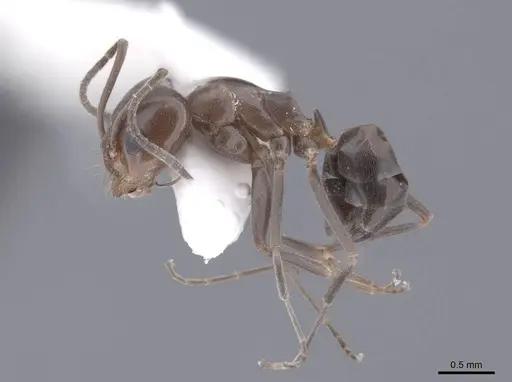
Dorymyrmex smithi (commonly known as the Smith's Pyramid Ant) is an ant species of the genus Dorymyrmex. It is primarily documented in 2 countries , including Mexico, United States of America. Detailed taxonomic data and occurrence records can be further explored via authoritative databases such as AntWeb or the Global Biodiversity Information Facility (GBIF).
Dorymyrmex smithi - "Smith's Pyramid Ant"
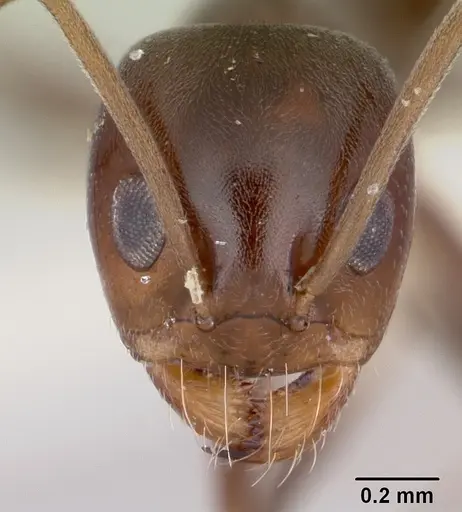
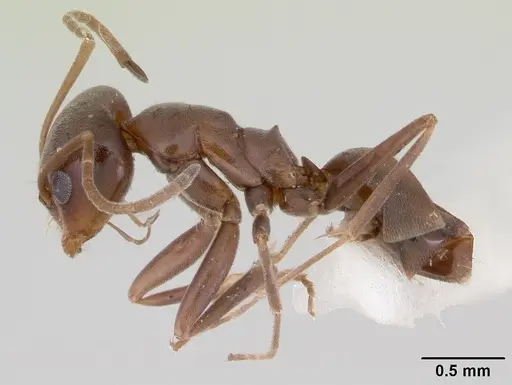
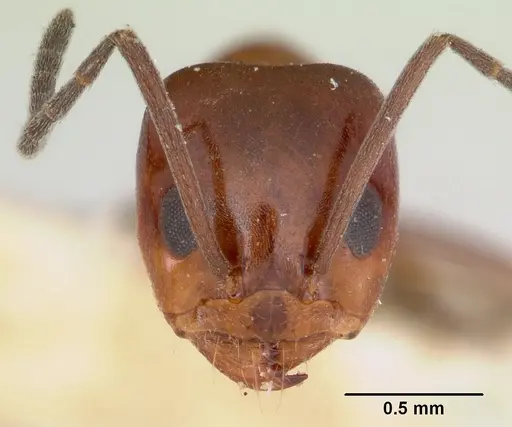
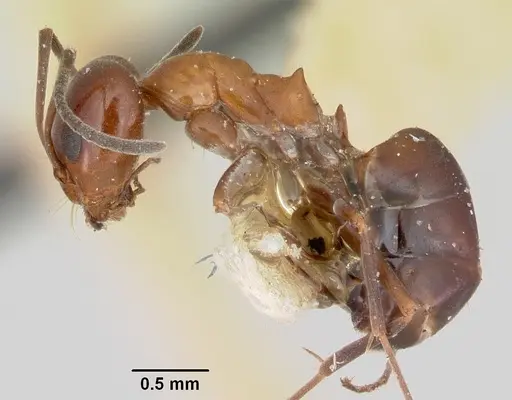
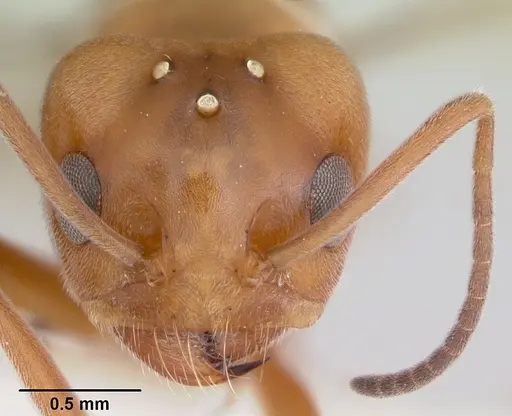
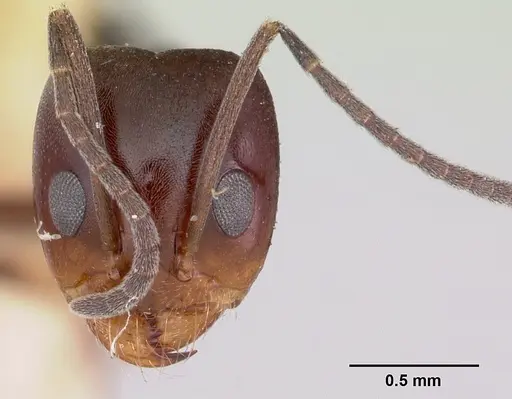
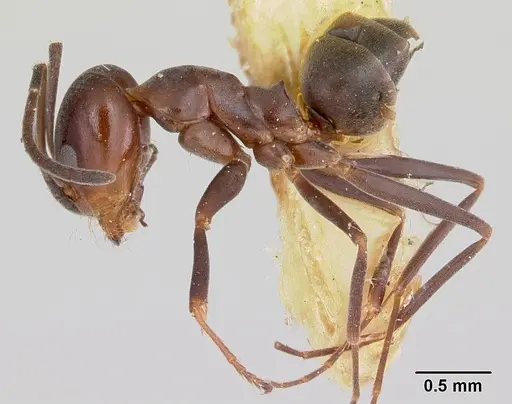
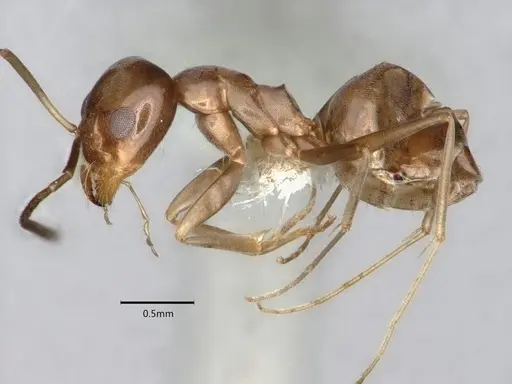
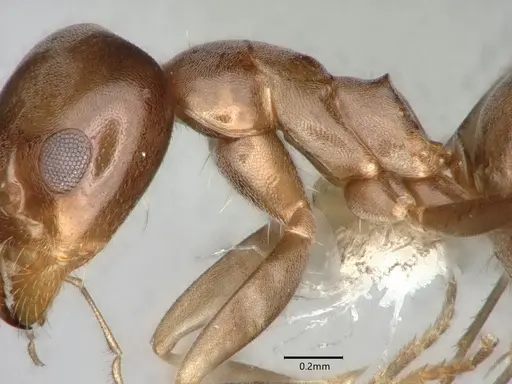
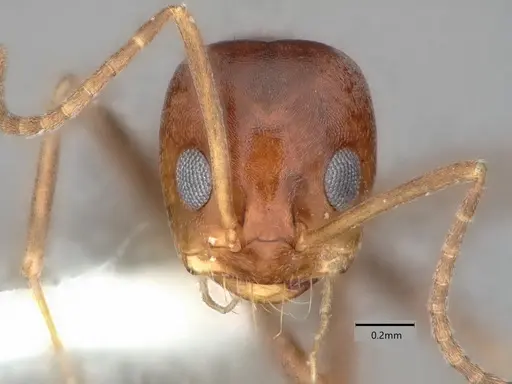
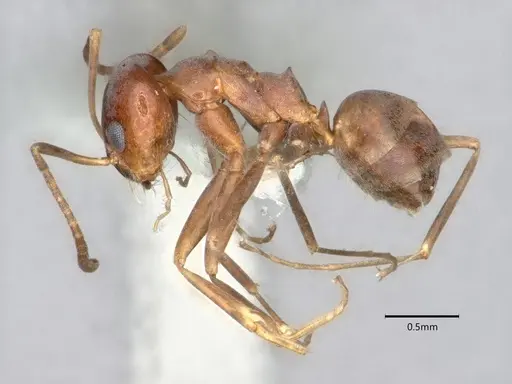
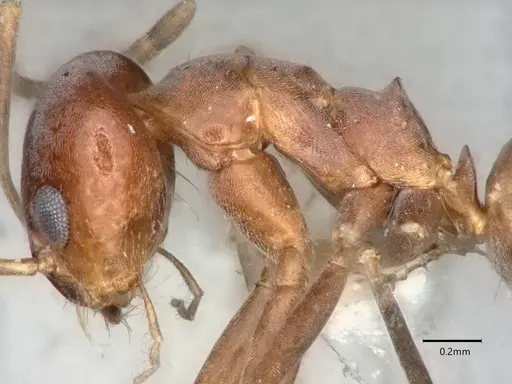
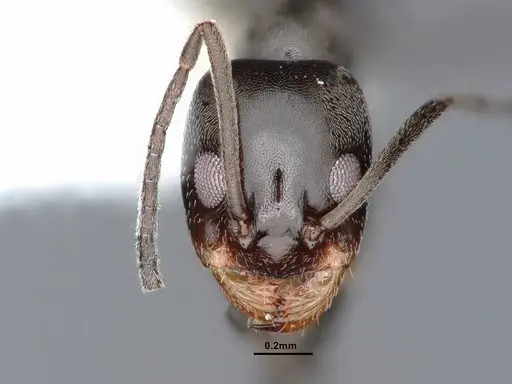
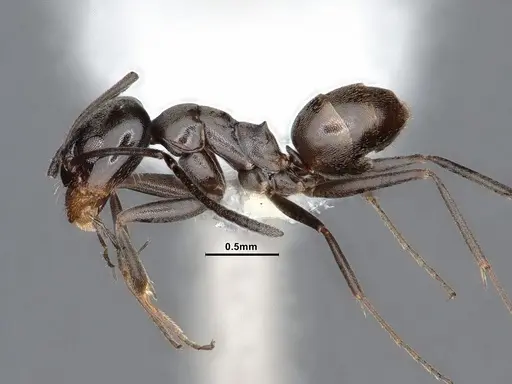
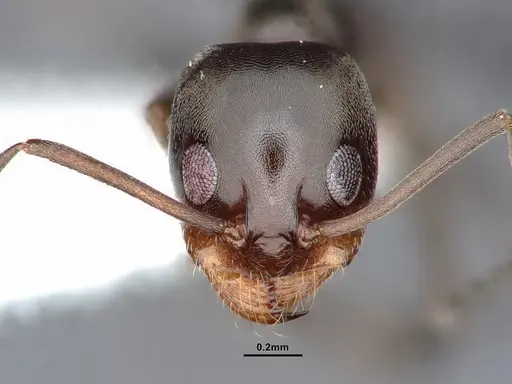
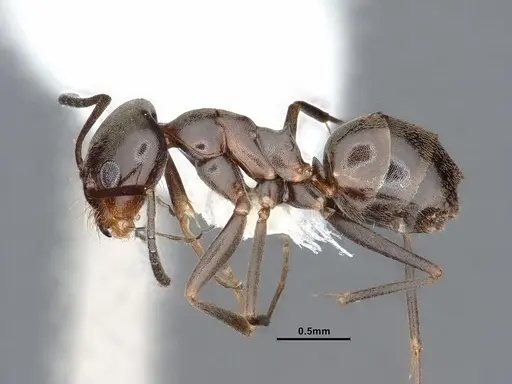
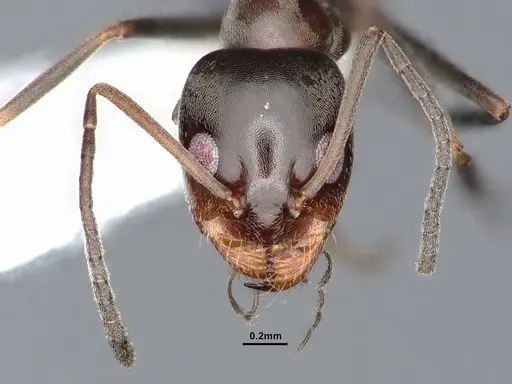
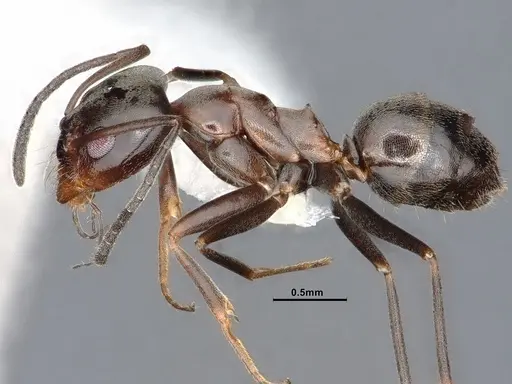
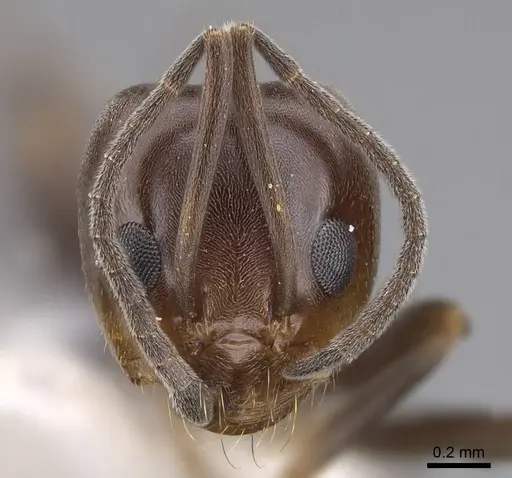
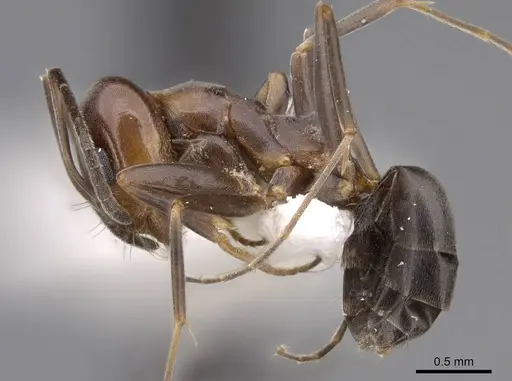
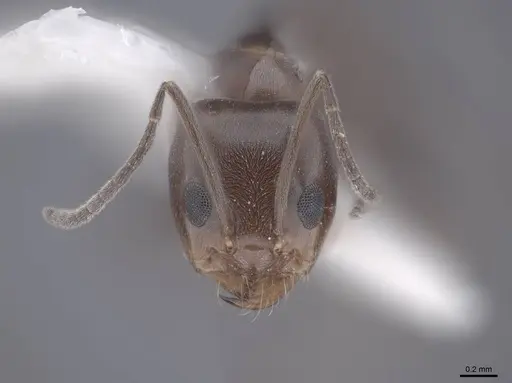
Dorymyrmex smithi is a small, slender ant native to much of the United States and Mexico. Workers are around 2.5-4mm with a distinctive pyramidal-shaped head profile typical of the genus. They have a dark brown to black body with lighter yellowish-brown legs and antennae. This species is famous for its extreme polydomy, forming massive networks of hundreds or even thousands of interconnected nests across the landscape [1]. Colonies are polygynous, meaning they have multiple queens working together, and recent research suggests they may form supercolonies with workers from nests up to 35km apart showing no aggression toward each other [1]. What makes D. smithi truly unique is its temporary parasitic lifestyle, queens invade nests of other ant species, kill the resident queen, and have the host workers raise their brood until the colony becomes fully Dorymyrmex [1].
Quick Summary
- Difficulty: Medium
- Origin & Habitat: Native to the Nearctic region, found across much of the United States from North Dakota to Florida and west to Colorado and New Mexico, also in Mexico (Veracruz). Inhabits disturbed sandy habitats like sandhills, open fields, and roadsides [1][2].
- Colony Type: Polygynous (multiple queens per colony) with extreme polydomy, hundreds to thousands of connected nests forming supercolonial networks [1]. Temporary parasitic founding using host species Dorymyrmex bureni and Dorymyrmex pyramicus [1].
- Colony: Polygyne, Supercolonial
- Queen: Temporary parasitic
- Size & Growth:
- Queen: 5-6mm (estimated based on genus)
- Worker: 2.5-4mm [2]
- Colony: Extremely large, supercolonies can contain thousands of workers across thousands of nests [1]
- Growth: Moderate
- Development: 6-10 weeks (estimated based on related Dolichoderinae species) (Development time is estimated, no specific study found for this species. Temperature will significantly affect development speed.)
- Antkeeping:
- Temperature: Keep at 24-28°C. They naturally inhabit warm, sunny areas and need heat to thrive. A heating cable on one side of the nest creates a gradient [1].
- Humidity: Low to moderate, prefer dry to slightly moist sandy substrate. Avoid overly damp conditions. Think sandy, well-drained soil [1].
- Diapause: Likely, as a temperate species, they probably need a winter rest period. Provide 3-4 months at 10-15°C during winter [1].
- Nesting: Y-tong or plaster nests work well. They prefer dry, sandy conditions. Provide a shallow water reservoir but ensure good drainage, they don't like damp nests [1].
- Behavior: Workers are active foragers that search for food individually. They are highly aggressive toward host species (D. bureni, D. pyramicus) in normal encounters, but cooperate peacefully in mixed parasitic nests [1]. Workers flare their mandibles and hold their ground when threatened. They are not stinging ants but may bite if handled. Escape risk is moderate, use standard barriers but they're not particularly good climbers [1].
- Common Issues: temporary parasitism makes founding difficult, you need a host colony to establish a new colony, supercolonial nature means they may not thrive in isolation, they expect network dynamics, colonies can become extremely large, requiring significant space, damp conditions will kill them, keep nesting area dry, may be aggressive toward other ant species if housed nearby
Understanding Their Unique Parasitic Lifestyle
Dorymyrmex smithi is one of the few ant species that uses temporary social parasitism to establish new colonies. Unlike some ants that permanently parasitize host colonies, D. smithi queens only need temporary help. A newly mated queen will locate a nest of a host species (typically Dorymyrmex bureni or Dorymyrmex pyramicus), invade it, and kill the resident queen. The host workers, now without their own queen, become surrogate caregivers for the D. smithi brood. This creates a 'mixed nest' with workers from both species cooperating peacefully, remarkable because these same species are normally highly aggressive toward each other in the field [1]. Over time, the host workers die off naturally and the colony becomes entirely D. smithi. For antkeepers, this means establishing a colony requires either collecting a mixed nest from the wild or somehow providing a host colony, pure D. smithi colonies cannot found new nests independently. This is the biggest challenge in keeping this species.
Housing and Nest Setup
Dorymyrmex smithi prefers dry, sandy nesting conditions similar to their natural habitat in sandhills and disturbed areas. A Y-tong (acrylic) nest or plaster formicarium works well, both allow you to control humidity precisely. Keep the nesting area relatively dry with a small water reservoir in an outworld area for humidity. They do NOT tolerate damp conditions well, this is a species that thrives in arid to semi-arid conditions. Provide a temperature gradient using a heating cable on one side of the nest, targeting 24-28°C in the warm zone. Because they form supercolonies in the wild with hundreds or thousands of nests, they may not do well in tiny, isolated setups, consider providing extra space or multiple connected chambers. Outworld size should be proportional to colony size, they need room to forage and expand. [1][2]
Feeding and Diet
Like other Dorymyrmex species, D. smithi workers are generalist foragers that collect honeydew from aphids and tend scale insects, along with small insects and nectar. In captivity, offer sugar water or honey as a constant energy source, plus protein sources like small crickets, mealworms, or fruit flies. They are not specialized predators, so focus on sugar + protein combinations. Feed small prey items appropriate to worker size, these are tiny ants, so prey should be appropriately sized. Remove uneaten prey after 24-48 hours to prevent mold. A varied diet helps, but they are not picky eaters. Fresh water should always be available. [1]
Colony Structure and Supercolonies
One of the most fascinating aspects of D. smithi is their extreme polydomy, they build networks of hundreds or thousands of interconnected nests rather than a single nest. Studies have documented over 2,000 individual nests within a single field [1]. Recent behavioral experiments showed workers from nests 35km apart showed almost no aggression toward each other, suggesting they function as massive supercolonies [1]. This has implications for antkeepers: isolated single-queen colonies may not thrive the same way wild colonies do. If possible, keeping multiple connected nests or larger setups may better match their natural social structure. They are polygynous, meaning multiple queens coexist in the colony network, this is normal and expected, not a sign of colony stress.
Seasonal Care and Overwintering
As a temperate species found across much of the United States, D. smithi experiences seasonal temperature changes in the wild and requires a winter rest period. During fall/winter (roughly November-February in the Northern Hemisphere), reduce temperatures to 10-15°C to simulate hibernation. You can move them to a cooler location like a garage or basement, or use a refrigerator for short periods. Reduce feeding during this time, the colony will be less active. Do not feed during deep hibernation. In spring, gradually warm them back up and resume normal feeding. This annual cycle helps maintain colony health and triggers proper reproductive behavior. Without this rest period, colonies may become stressed or fail to produce reproductives. [1]
Frequently Asked Questions
How do I start a Dorymyrmex smithi colony?
Starting a D. smithi colony is challenging because they are temporary parasites, they cannot found colonies independently. You need to collect a mixed nest from the wild (containing both D. smithi and host species workers), or find an established wild colony. Pure D. smithi colonies cannot be started from a single queen like most ants. This makes them one of the more difficult species to establish in captivity [1].
What temperature do Dorymyrmex smithi ants need?
Keep them warm at 24-28°C. They naturally inhabit warm, sunny sandy habitats and need heat to remain active and develop brood properly. Use a heating cable on one side of the nest to create a temperature gradient, allowing workers to choose their preferred temperature zone [1].
Are Dorymyrmex smithi good for beginners?
No, they are not recommended for beginners. Their temporary parasitic lifestyle makes them extremely difficult to establish, you cannot start a colony from a single queen like most ant species. They require either a wild-collected mixed nest or a complex setup involving host species. Additionally, they need specific dry, sandy conditions and large spaces to form supercolonies [1].
How big do Dorymyrmex smithi colonies get?
D. smithi colonies can become massive. In the wild, supercolonies can contain thousands of workers across hundreds or even thousands of interconnected nests. One study documented over 2,000 individual nests in a single field [1]. A captive colony can potentially grow to thousands of workers with proper care.
Do Dorymyrmex smithi need hibernation?
Yes, as a temperate species found across much of the United States, they require a winter rest period. Provide 3-4 months at 10-15°C during winter (roughly November-February). Gradually reduce temperatures in fall and increase in spring. This helps maintain colony health and triggers proper reproductive cycles [1].
What do Dorymyrmex smithi eat?
They are generalist feeders. Offer sugar water or honey constantly for energy, plus protein sources like small crickets, mealworms, fruit flies, or other tiny insects. They also collect honeydew from aphids in the wild, so they may tend aphid colonies in captivity. Remove uneaten prey after 24-48 hours to prevent mold.
Can I keep multiple Dorymyrmex smithi queens together?
Yes, this is normal and expected. D. smithi is polygynous, colonies naturally have multiple queens. In fact, their supercolonial structure means multiple queens across the nest network is standard. You do not need to separate queens, they coexist peacefully [1].
Why are my Dorymyrmex smithi dying?
The most common causes are: 1) Damp conditions, they need dry nesting areas, not humid setups, 2) Starting with a pure colony instead of a mixed nest, they cannot found independently, 3) Isolation stress, they naturally form supercolonies and may struggle in tiny, isolated setups, 4) Temperature issues, they need warmth (24-28°C) and will slow or die in cool conditions. Check these factors first.
References

This caresheet is licensed under CC BY-SA 4.0 .
CASENT0103442
View on AntWeb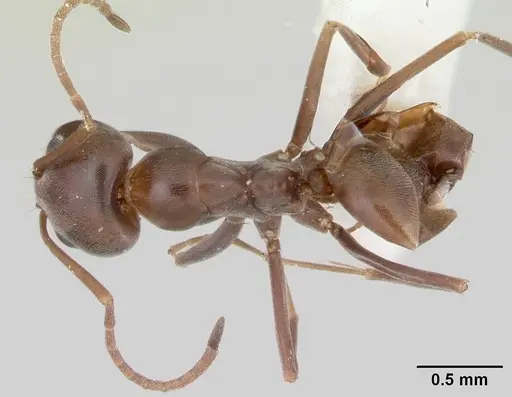
CASENT0103443
View on AntWeb
CASENT0103444
View on AntWeb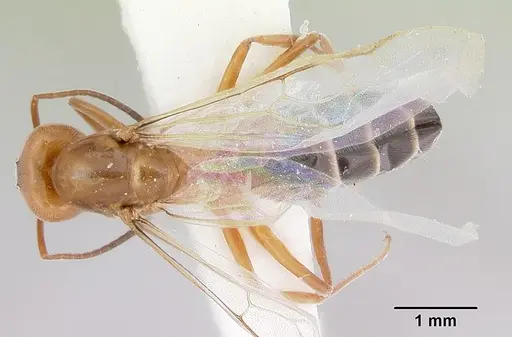
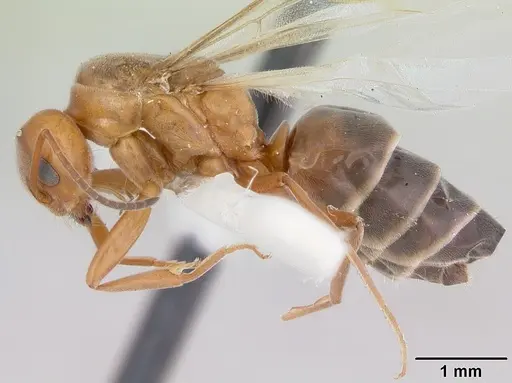
CASENT0103445
View on AntWeb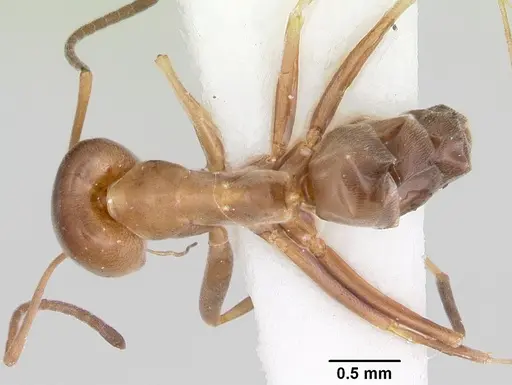
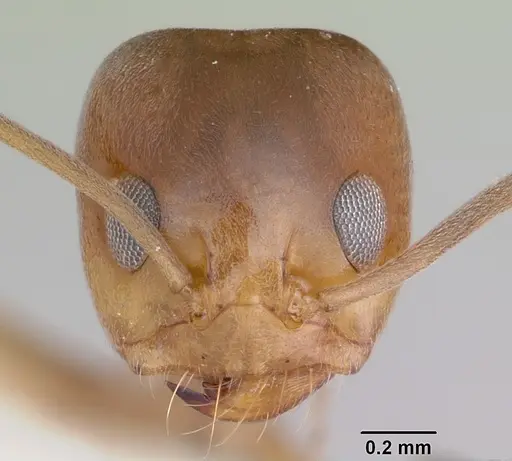
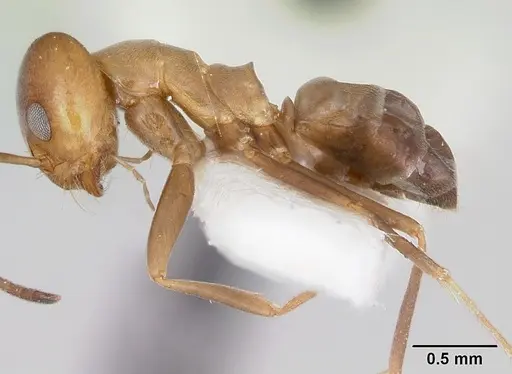
CASENT0103446
View on AntWeb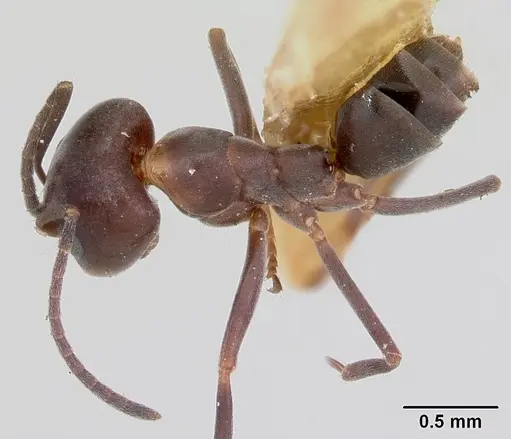
CASENT0103893
View on AntWeb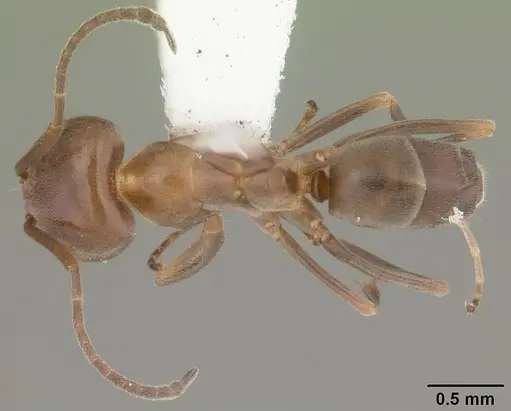
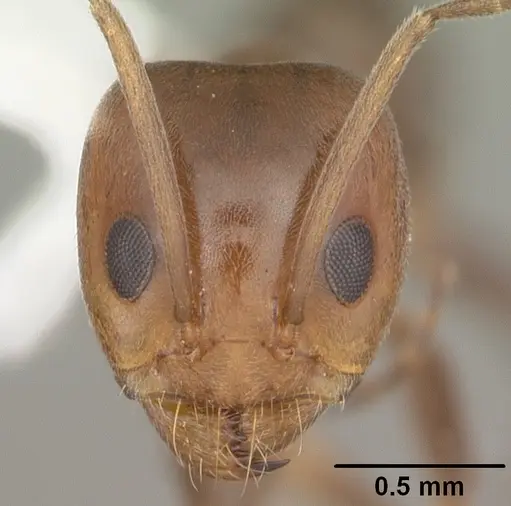
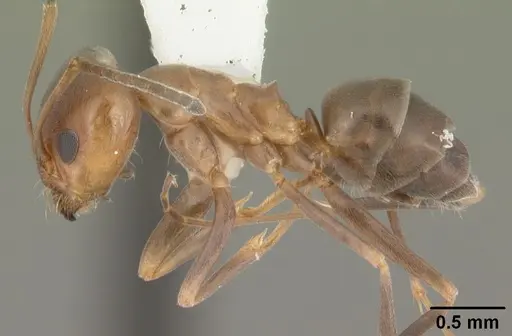
CASENT0841257
View on AntWeb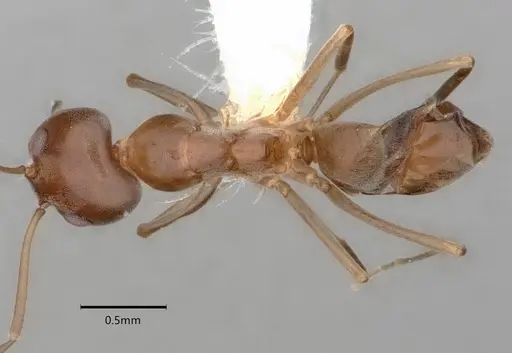
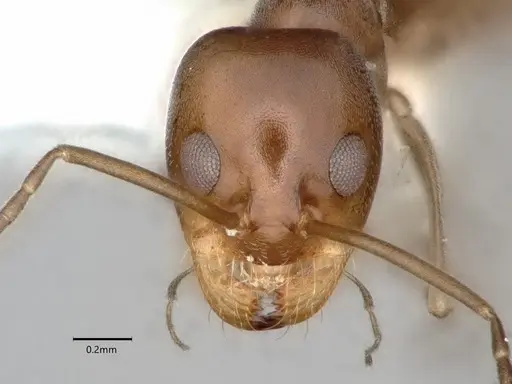
CASENT0841367
View on AntWeb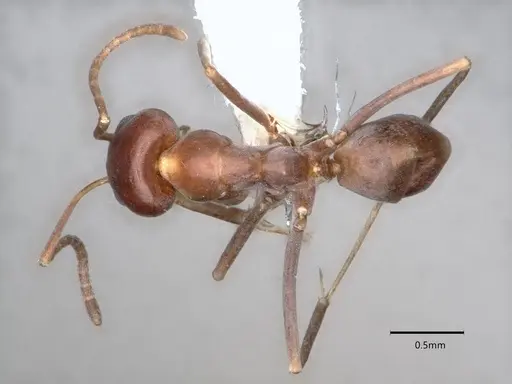
CASENT0884343
View on AntWeb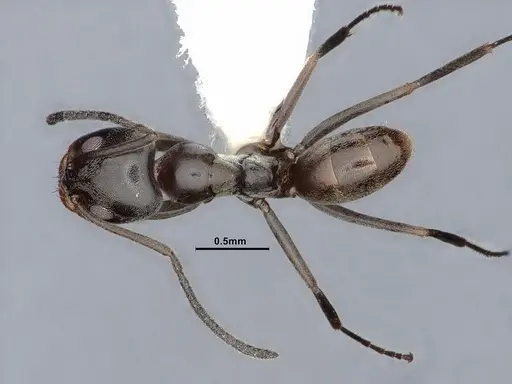
CASENT0884344
View on AntWeb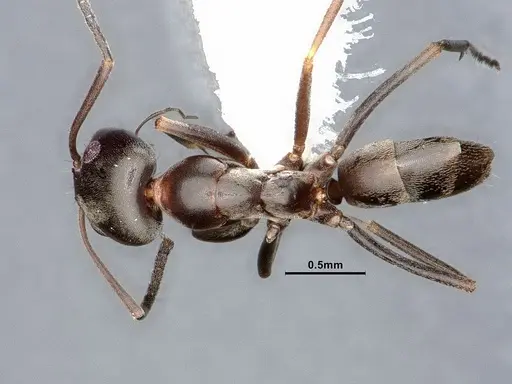
CASENT0884345
View on AntWeb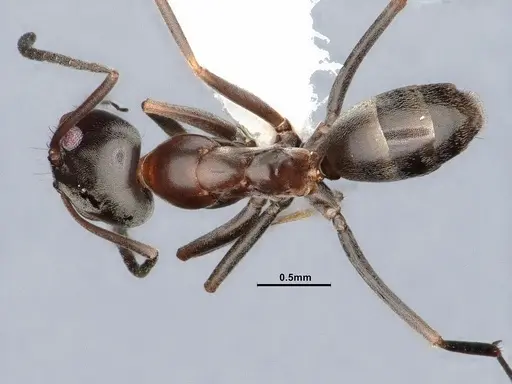
CASENT0914497
View on AntWeb
FMNHINS0000062566
View on AntWeb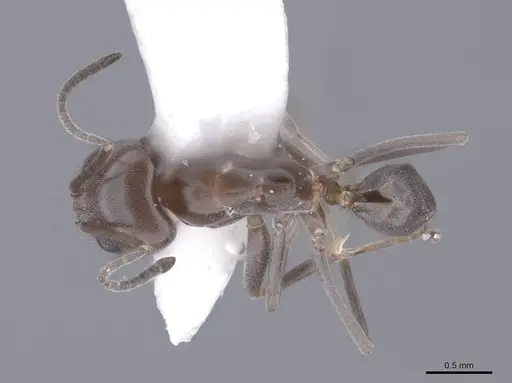
Literature
Loading...Loading products...