
Dorymyrmex bureni exhibits a clear seasonal flight window. Peak flight activity is concentrated in May, with the overall period spanning May to August.
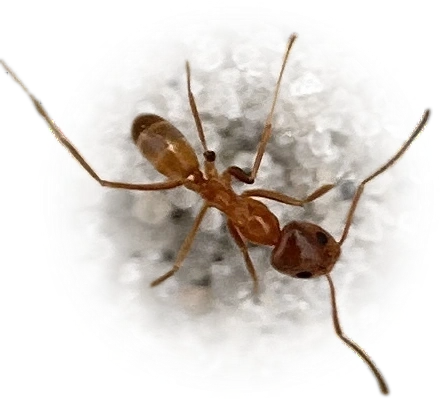
Dorymyrmex bureni
- Scientific Name
- Dorymyrmex bureni
- Tribe
- Leptomyrmecini
- Subfamily
- Dolichoderinae
- Author
- Trager, 1988
- Common Name
- Buren's Pyramid Ant
- Distribution
- Found in 2 countries
- Nuptial Flight
- from May to August, peaking in May
AI Identifiable
try →
Dorymyrmex bureni Overview
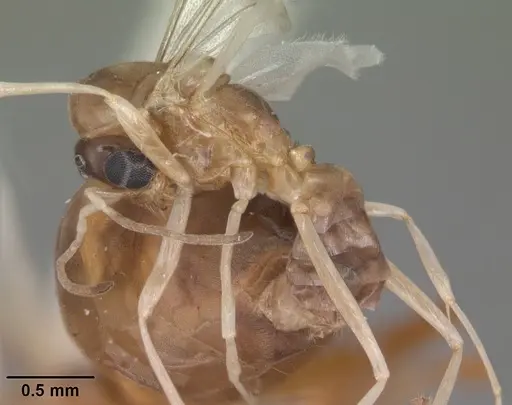
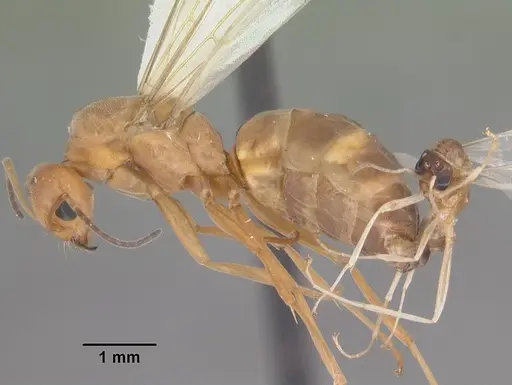
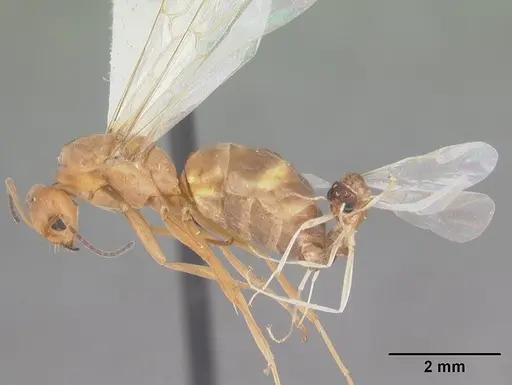
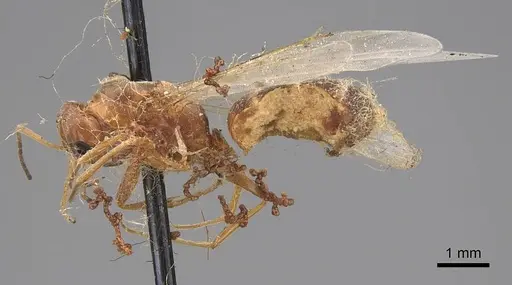
Dorymyrmex bureni (commonly known as the Buren's Pyramid Ant) is an ant species of the genus Dorymyrmex. It is primarily documented in 2 countries , including Mexico, United States of America. Detailed taxonomic data and occurrence records can be further explored via authoritative databases such as AntWeb or the Global Biodiversity Information Facility (GBIF).
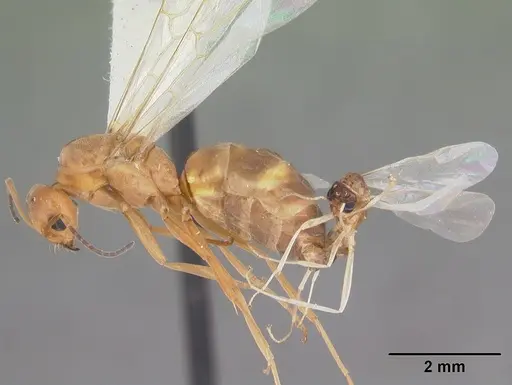
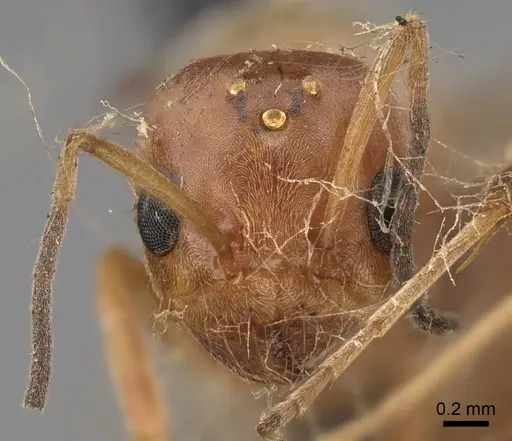
The nuptial flight of Dorymyrmex bureni is a significant biological event, typically occurring from May to August, peaking in May. During this time, winged queens and males leave the nest to mate and establish new colonies.
Dorymyrmex bureni - "Buren's Pyramid Ant"
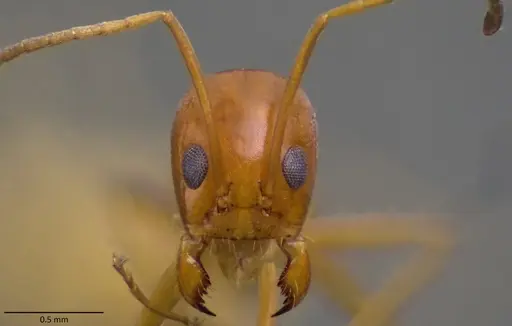
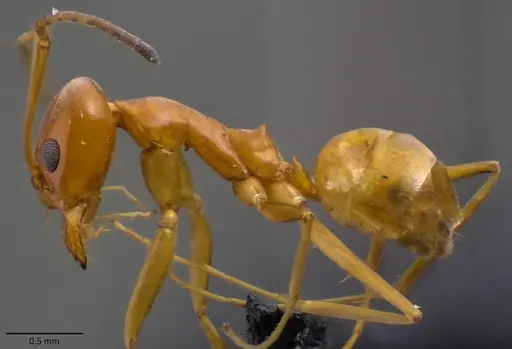
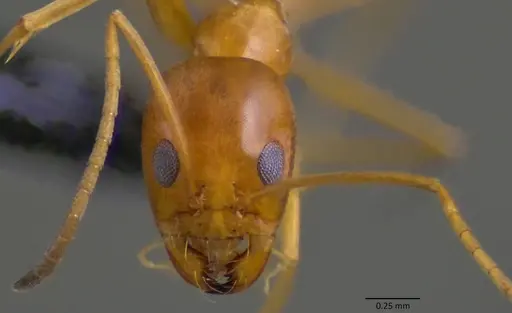
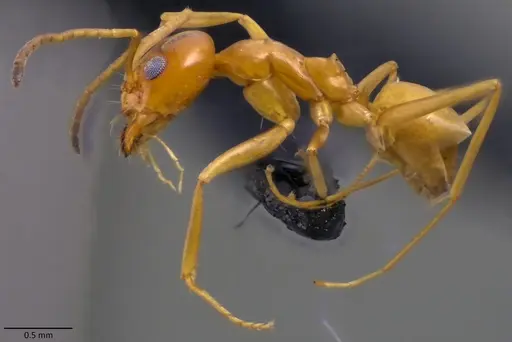
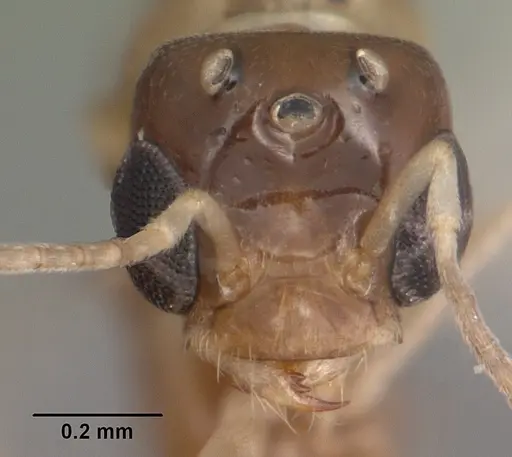
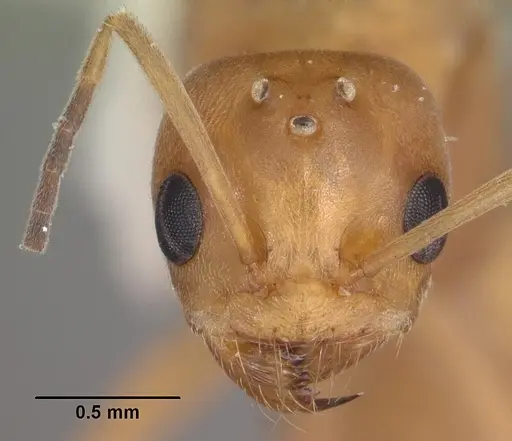
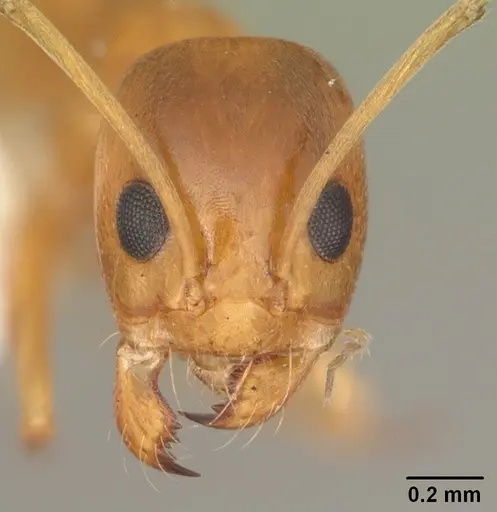
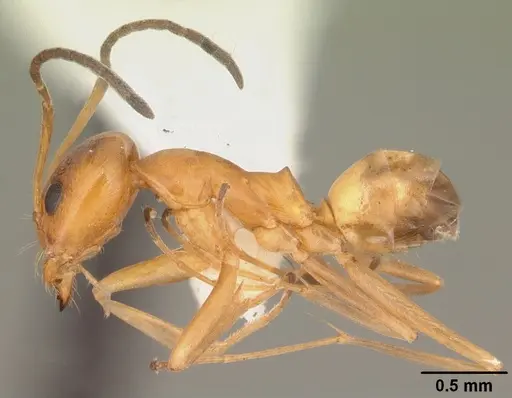
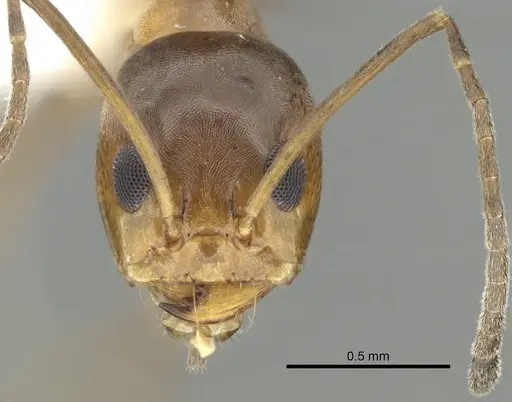
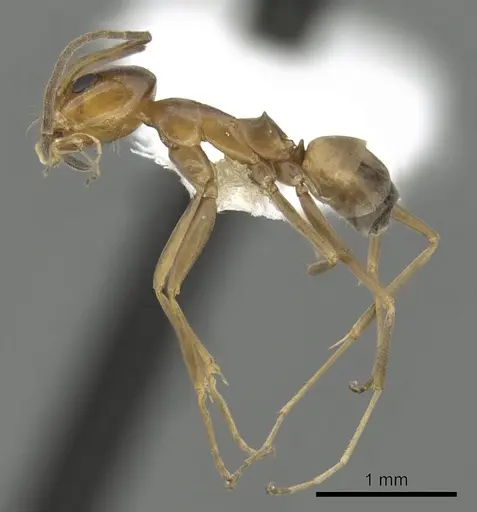
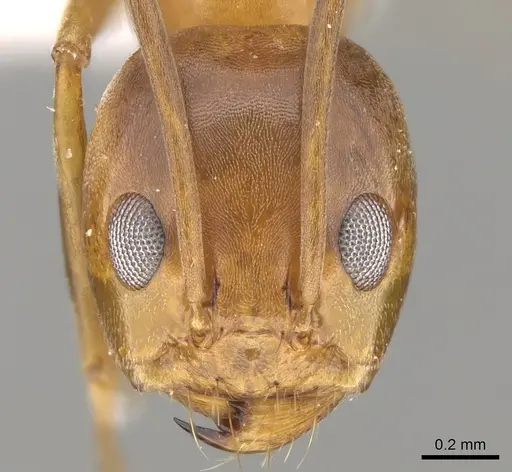
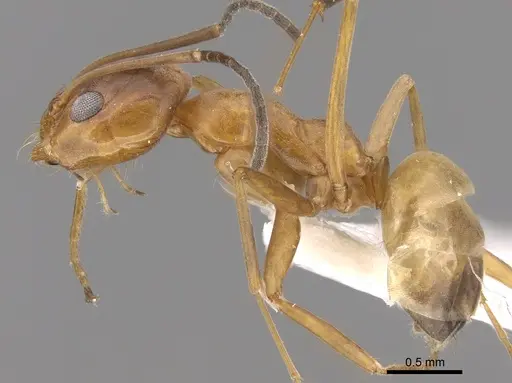
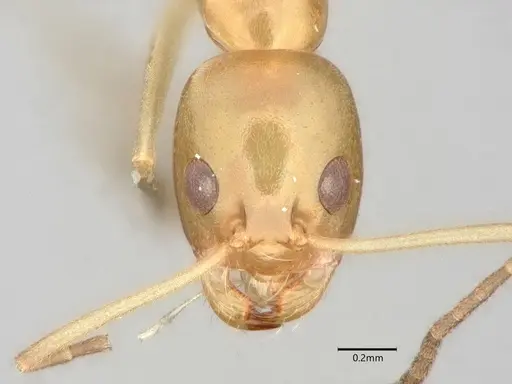
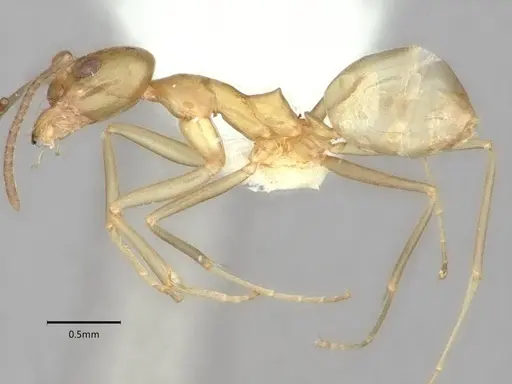
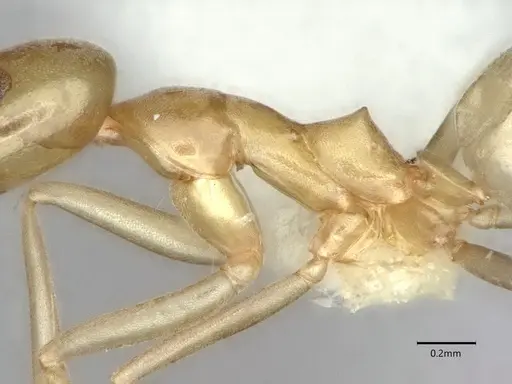
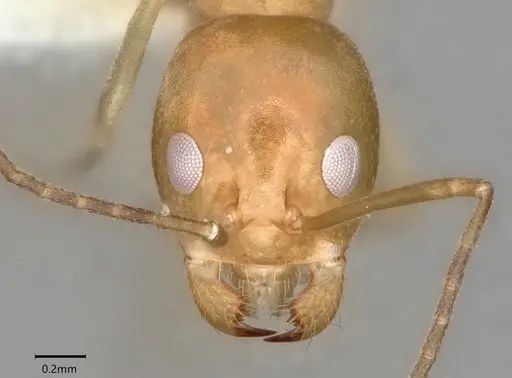
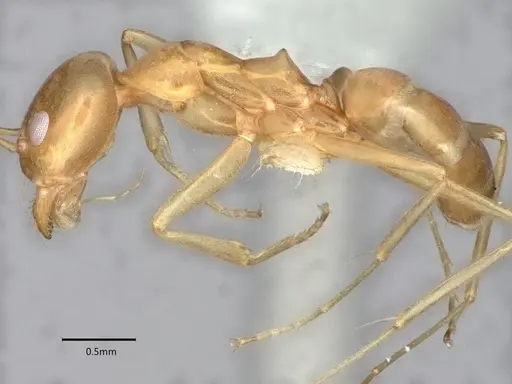
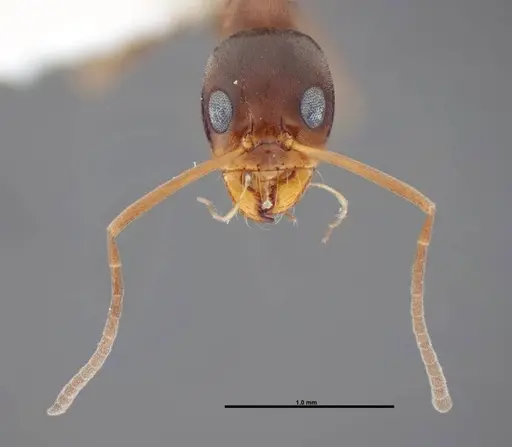
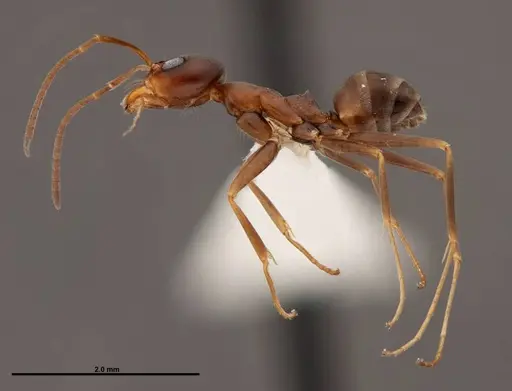
Dorymyrmex bureni is a small, light red to yellowish ant native to the southeastern United States and southern Mexico. Workers measure 2-6mm and are characterized by their smooth mesonotum without a sharp angle, which distinguishes them from similar species. They are a common sight in open, disturbed sandy habitats including roadsides, lawns, pastures, sandhills, and coastal dunes throughout their range [1]. Unlike their close relative Dorymyrmex smithi which forms large multi-nest colonies, D. bureni maintains single-queen colonies with one nest per colony [2]. This species plays an important ecological role as a predator of small arthropods and is known for its ability to coexist alongside the invasive red imported fire ant, even actively preying on fire ant queens and workers [1].
Quick Summary
- Difficulty: Easy
- Origin & Habitat: Native to the southeastern United States from Maryland and Virginia south to Florida, west to Mississippi, Louisiana, Texas, and south into southern Mexico. Found in open, disturbed sandy habitats such as sandhills, open fields, roadsides, coastal dunes, pastures, lawns, and parks [2][1][3].
- Colony Type: Monogyne (single-queen colonies). Each colony occupies a single nest and is headed by one queen. This differs from Dorymyrmex smithi which is polydomous (multiple connected nests) [2].
- Colony: Monogyne
- Founding: Claustral
- Size & Growth:
- Queen: 1.19-1.25mm [2]
- Worker: 0.85-1.05mm head length, typically 2-6mm total length [4][2]
- Colony: Up to 1,000 workers [5]
- Growth: Moderate
- Development: Estimated 6-8 weeks based on typical Dolichoderinae development patterns (Development time inferred from genus-level data, specific timing not directly documented for this species)
- Antkeeping:
- Temperature: Keep at room temperature (20-26°C). They are heat-tolerant and naturally occur in warm climates. In captivity, standard room temperature is suitable [6].
- Humidity: Low to moderate. These are dry habitat ants that prefer well-drained sandy substrates. Keep the nest area relatively dry with some moisture available at the water reservoir end of test tubes [3][7].
- Diapause: Likely partial or no true diapause. In their native range (Florida, Gulf Coast), they remain active year-round on warm days. They may reduce activity in winter but do not require cold hibernation [2].
- Nesting: Best kept in test tubes or Y-tong nests with sandy/dry substrate. They naturally nest in sandy soils and create deep nests (up to 2m in the wild). Provide a setup that allows for good drainage [7][8].
- Behavior: Generally non-aggressive and quick to flee when disturbed. Workers are fast-moving and forage primarily on the soil surface. They are known to attack and kill fire ant queens and workers, making them beneficial in areas with fire ant invasions [1]. They are stingless, so pose no threat to humans [9]. Colonies are active during the day in warm weather but young colonies may show more nocturnal foraging. They readily colonize newly disturbed areas and are considered a 'weedy' species due to their rapid colonization of disturbed habitats [1].
- Common Issues: tiny size means escapes are likely without fine mesh barriers, colonies may be outcompeted by larger or more aggressive ant species in multi-species setups, test tube setups need good ventilation to prevent mold in their dry habitat, newly caught colonies may have parasites from the wild, slow growth compared to faster-developing invasive ants may frustrate beginners
Nuptial Flight Activity Analysis 311 observations
Flight Activity by Hour 311 observations
Dorymyrmex bureni nuptial flight activity peaks around 22:00 during the night. Activity is spread across a 24-hour window (00:00–23:00). Times may be influenced by human observation patterns.
Housing and Nest Setup
Dorymyrmex bureni does well in standard test tube setups or Y-tong nests. Since they naturally nest in sandy soils and are adapted to dry conditions, use a sandy substrate rather than the typical peat/soil mixes. The nest should have good drainage, these ants do not tolerate constantly wet conditions. A test tube with a cotton ball separating the water reservoir from the foraging area works well. Because they create deep nests in the wild (sometimes over 2 meters deep), they appreciate vertical space in their nest. Escape prevention is important, they are small and can squeeze through small gaps, so ensure your setup has tight-fitting barriers [7][8].
Feeding and Diet
These ants are predators and generalists. In the wild, they actively hunt small arthropods and are known to be particularly effective predators of fire ant reproductives. They also collect honeydew from aphids and scale insects, and will remove seeds. In captivity, offer a varied diet: small live prey like fruit flies, pinhead crickets, or mealworms (cut to appropriate size), sugar water or honey as an energy source, and occasional seeds. They are avid predators, expect them to readily take small insects. Since they naturally forage on the soil surface, place food in the outworld where they can easily access it [10][1][11].
Temperature and Seasonal Care
Dorymyrmex bureni is a warmth-loving species native to the southeastern US and Mexico. They tolerate high temperatures well and are found in hot, sunny habitats. Keep them at room temperature (20-26°C), no special heating is required unless your home is particularly cool. They remain active year-round in their native range and may only reduce activity during cold spells. Unlike many temperate ants, they do not require a true hibernation period. However, they do prefer warm conditions and will be more active and grow faster when kept warm. They partition foraging from fire ants by foraging at different temperatures, they are more active during cooler parts of the day in summer [1][6].
Behavior and Colony Dynamics
This species forms monogyne colonies, each nest has a single queen. Colonies are relatively small compared to many ants, typically reaching a few hundred workers at most. Workers are fast-moving and diurnal, though colonies in early stages may show more nocturnal activity. They are not aggressive toward humans (stingless) and are considered beneficial because they prey on fire ants. In the wild, you can often find 'bone piles' near their nests containing fire ant remains. They are quick to colonize newly disturbed ground, making them one of the first ants to appear in cleared areas. Unlike Dorymyrmex smithi, they do not form supercolonies or polydomous nests [2][1].
Interaction with Other Species
Dorymyrmex bureni has a notable relationship with Dorymyrmex smithi, it serves as a host for temporary social parasitism. A parasitic D. smithi queen will invade a D. bureni nest, kill the resident queen, and have the D. bureni workers raise her offspring. These mixed nests eventually become entirely D. smithi as the original workers die off. Outside of this parasitism, the two species are highly aggressive toward each other. D. bureni workers tend to retreat quickly when encountering D. smithi, while D. smithi workers are more aggressive. They also coexist with the invasive red imported fire ant (Solenopsis invicta) and actually help control fire ant populations by preying on queens and workers [2][1].
Frequently Asked Questions
Are Dorymyrmex bureni ants good for beginners?
Yes, they are considered easy to keep. They are small, non-aggressive, stingless, and tolerate a range of conditions. They don't require hibernation and are not particularly demanding. Their main requirements are a dry, sandy nest environment and small live prey for protein [1][9].
How long does it take for Dorymyrmex bureni to produce first workers?
Based on typical Dolichoderinae development, expect first workers (nanitics) approximately 6-8 weeks after the queen lays eggs, assuming temperatures around 24-26°C. Development time has not been specifically documented for this species, so this is an estimate based on related ants.
Can I keep multiple Dorymyrmex bureni queens together?
No, this species is monogyne, each colony has a single queen. Unlike Dorymyrmex smithi, they do not form multi-queen colonies. Combining unrelated queens will likely result in fighting [2].
What do Dorymyrmex bureni eat?
They are predators that primarily eat small insects and arthropods. They also collect honeydew from aphids and scale insects, and will occasionally take seeds. In captivity, feed small live insects (fruit flies, pinhead crickets), sugar water or honey, and occasional small seeds [10][11].
How big do Dorymyrmex bureni colonies get?
Colonies typically reach a few hundred workers, rarely exceeding 1,000 workers. This is relatively small compared to many common ant species [5].
Do Dorymyrmex bureni need hibernation?
No, they do not require true hibernation. As a species native to the warm southeastern US and Mexico, they remain active year-round and only reduce activity during cold weather. Room temperature conditions are suitable year-round [2].
Why are my Dorymyrmex bureni dying?
Common causes include: too much moisture (they prefer dry conditions), mold in the nest from poor ventilation, being outcompeted by other ants for food, or stress from frequent disturbances. Ensure they have a dry, well-ventilated nest and are not being harassed by larger ants.
When should I move Dorymyrmex bureni to a formicarium?
You can keep them in test tubes indefinitely, even for established colonies. They do well in simple setups. Only move to a formicarium if you want to observe their tunneling behavior or have a very large colony that outgrows the test tube.
References

This caresheet is licensed under CC BY-SA 4.0 .
ANTWEB1041787
View on AntWeb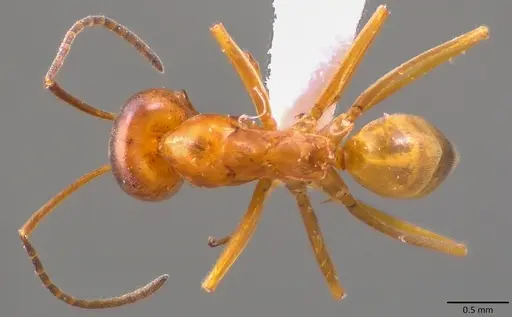
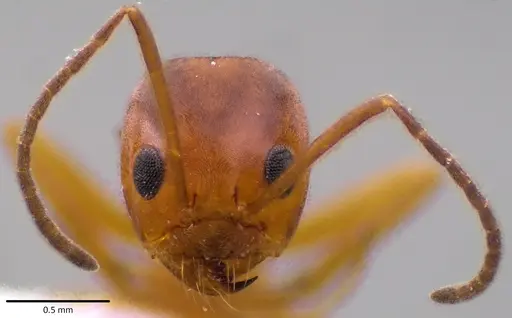
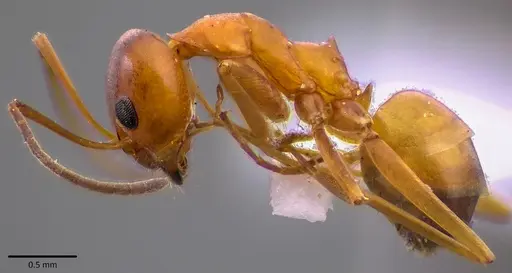
ANTWEB1060103
View on AntWeb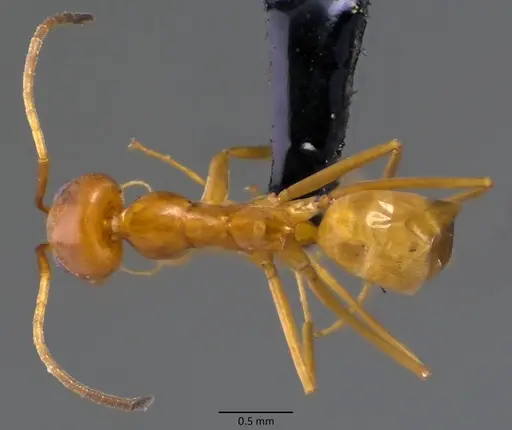
ANTWEB1060104
View on AntWeb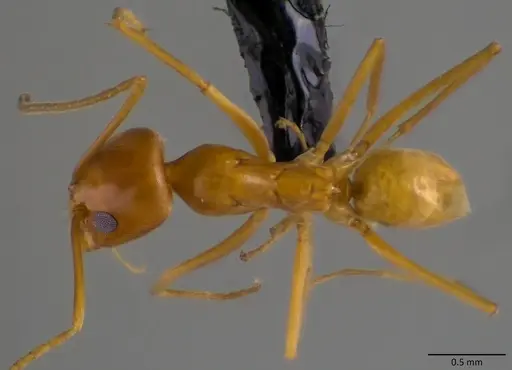
CASENT0102701
View on AntWeb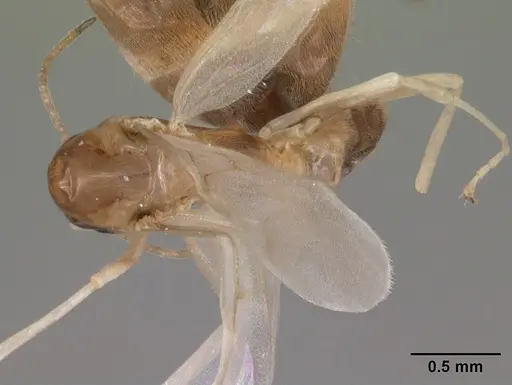
CASENT0103862
View on AntWeb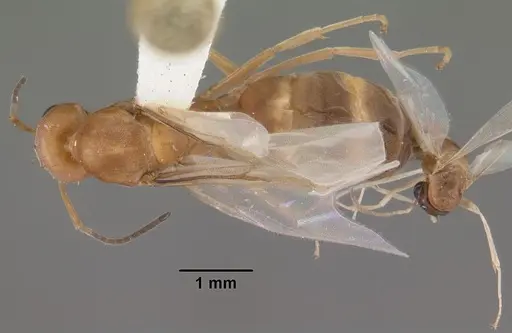
CASENT0103863
View on AntWeb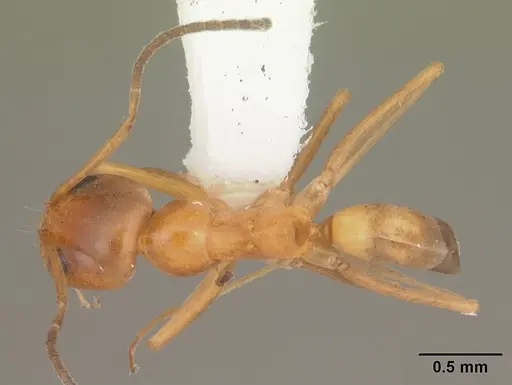
CASENT0249670
View on AntWeb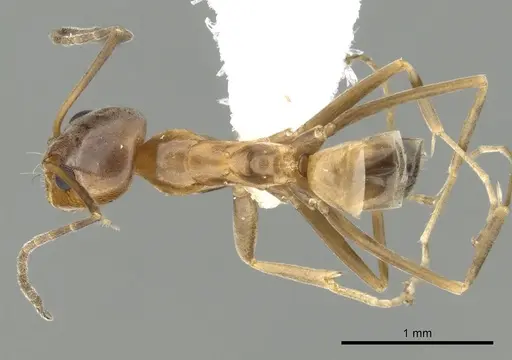
CASENT0281176
View on AntWeb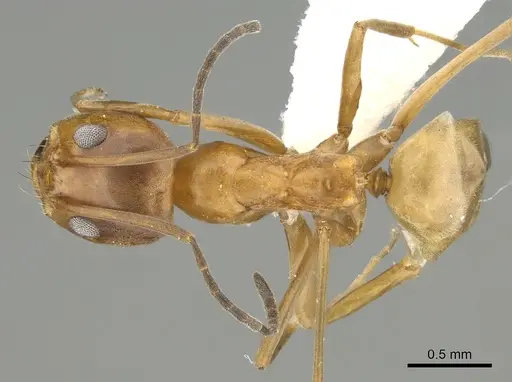
CASENT0841087
View on AntWeb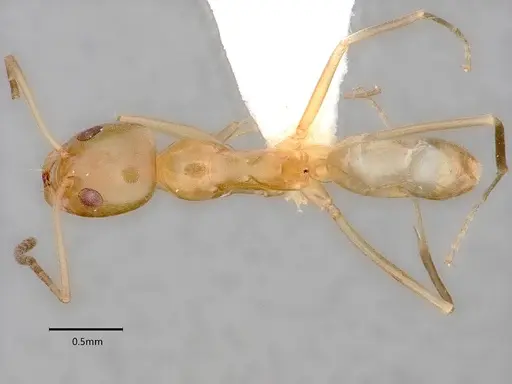
CASENT0841247
View on AntWeb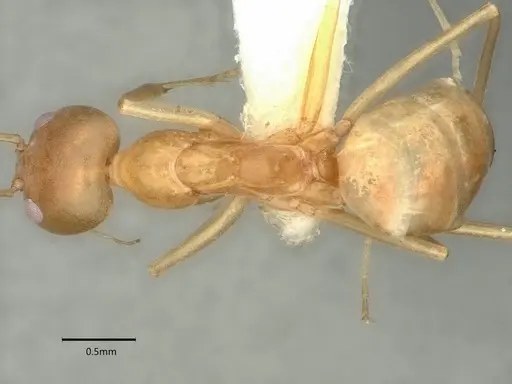
CASENT0923040
View on AntWeb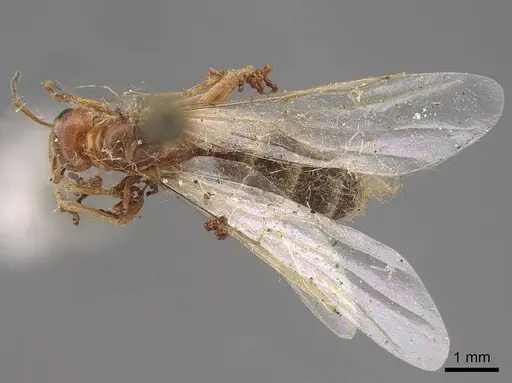
FMNHINS0000062862
View on AntWeb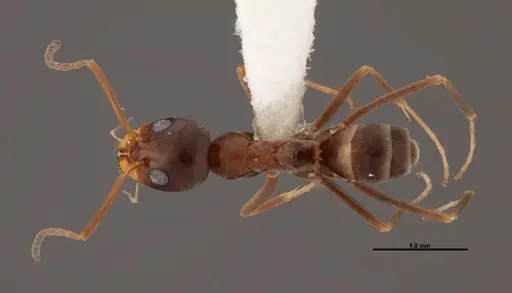
Literature
Loading...Loading products...