

Dolichoderus lugens
- Scientific Name
- Dolichoderus lugens
- Tribe
- Dolichoderini
- Subfamily
- Dolichoderinae
- Author
- Emery, 1894
- Distribution
- Found in 4 countries
Dolichoderus lugens Overview
Dolichoderus lugens is an ant species of the genus Dolichoderus. It is primarily documented in 4 countries , including Colombia, Ecuador, Peru. Detailed taxonomic data and occurrence records can be further explored via authoritative databases such as AntWeb or the Global Biodiversity Information Facility (GBIF).
Dolichoderus lugens
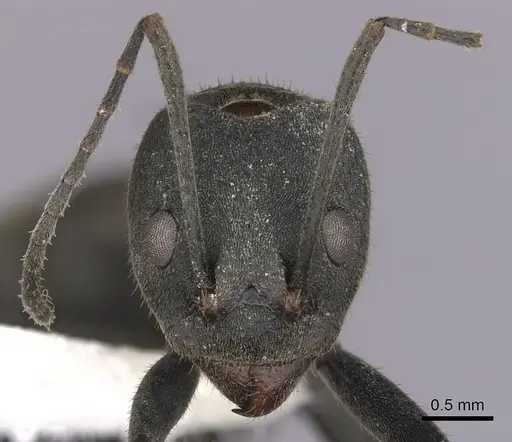
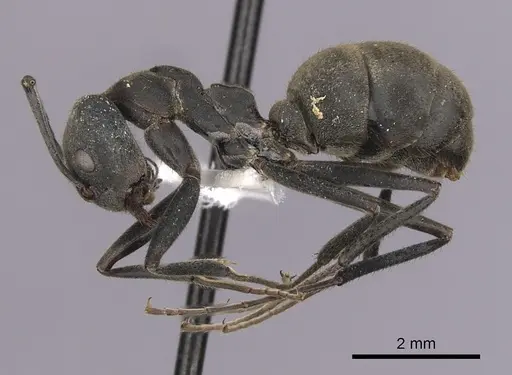
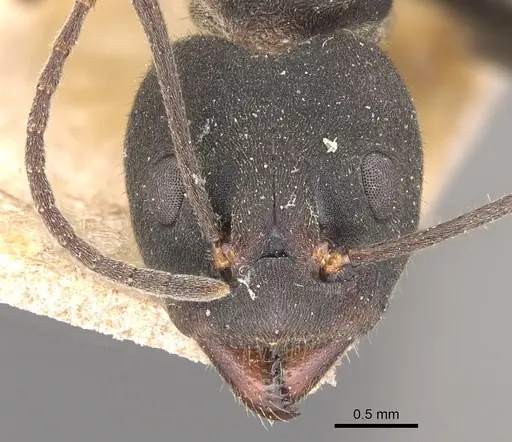
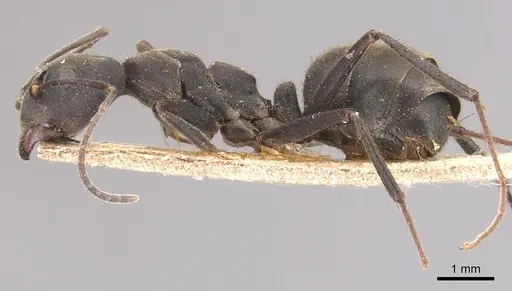
Dolichoderus lugens is a Neotropical ant species native to northern South America, ranging from Bolivia and Brazil through Colombia, Ecuador, French Guiana, Guyana, and Suriname. Workers are uniformly black to dark brown with coarse punctures (tiny pits) covering their body, and have distinctive thick, rounded petiole nodes. They measure approximately 3-5mm and lack spines on the propodeum and petiole. The species was once thought to occur in Mexico, but those records were later identified as misidentifications of Camponotus striatus. In their natural habitat, these ants nest in humid tropical forest areas below 1,150m elevation, often near water bodies in deciduous to evergreen vegetation. They are known prey items for army ants (Eciton rapax and Eciton hamatum), which indicates they nest at ground level where they can be hunted by these nomadic predators.
Quick Summary
- Difficulty: Medium
- Origin & Habitat: Northern South America, Bolivia, Brazil, Colombia, Ecuador, French Guiana, Guyana, Suriname. Found in humid tropical forests below 1,150m elevation in deciduous to evergreen vegetation, often near water bodies [1][2][3].
- Colony Type: Colony structure is unconfirmed. Most Dolichoderus species are monogyne (single queen), but this has not been directly documented for D. lugens.
- Size & Growth:
- Queen: Estimated 5-7mm based on genus typical sizes
- Worker: Estimated 3-5mm based on genus typical sizes
- Colony: Unknown for this species. Related Dolichoderus species typically reach several hundred workers.
- Growth: Moderate, inferred from typical Dolichoderus development patterns
- Development: Estimated 6-10 weeks at optimal temperature based on genus patterns (Development time is unconfirmed for this specific species. Tropical Dolichoderus species generally develop faster than temperate ants.)
- Antkeeping:
- Temperature: Keep around 24-28°C. Being a Neotropical species from humid tropical forests, they prefer warm and stable conditions. A gentle gradient allowing them to move between warmer and cooler areas is ideal.
- Humidity: High humidity is essential, these ants come from humid tropical habitats near water bodies. Keep nest substrate consistently moist but not waterlogged. Provide a water tube or moisture source.
- Diapause: No, as a tropical species, they do not require true hibernation. However, they may show reduced activity during cooler periods or dry seasons in their native range.
- Nesting: In captivity, they do well in Y-tong (AAC), plaster, or acrylic nests that can maintain humidity. They prefer nests with multiple chambers and moderate to tight passages. Avoid dry, airy setups.
- Behavior: Dolichoderus ants are generally non-aggressive and not known for stinging. Like other Dolichoderinae, they may spray formic acid as a defense when threatened. They are ground-nesting ants that forage on the forest floor. Workers are moderate in size and activity level. Escape risk is moderate, standard barrier methods (Fluon) work well for this genus.
- Common Issues: high humidity requirements can lead to mold if ventilation is poor, balance is key, tropical species may struggle in cool, dry rooms, monitor temperature closely, wild-caught colonies may carry army ant predation stress or parasites from their native habitat, slow colony growth may lead to overfeeding, offer appropriate portions for colony size, small colony size makes them vulnerable to stress, minimize disturbances during founding
Housing and Nest Setup
Dolichoderus lugens does well in nests that can hold humidity while providing good ventilation. Y-tong (AAC) nests work excellently because they maintain stable moisture levels and provide the dark, enclosed spaces these ants prefer. Plaster nests are another good option, they naturally hold moisture and create a humid microclimate. Acrylic nests with moisture chambers also work well. The key is avoiding setups that dry out quickly or allow stagnant air to build up. For the outworld, a simple container with a textured floor works fine, these ants are moderate foragers and don't need massive spaces. Use standard escape prevention like Fluon on the rim of the outworld. [1][2]
Feeding and Diet
In the wild, Dolichoderus lugens forages for honeydew and small insects. In captivity, offer a varied diet: sugar water or honey as a constant energy source, and protein-rich foods like small crickets, mealworms, fruit flies, or other small insects. They are not specialized predators, so standard ant feeding protocols apply. Feed them a few times per week, the exact frequency depends on colony size. Remove uneaten prey after 24-48 hours to prevent mold. A constant sugar source (honey water or sugar water on a cotton ball) should always be available once the colony reaches 10+ workers.
Temperature and Humidity Management
As a Neotropical species from humid forest habitats, D. lugens needs warm and humid conditions. Keep the nest area at 24-28°C, room temperature in most homes may be adequate, but you may need a heating cable on one side of the nest during cooler months. Place the heating on top of the nest, not underneath, to avoid evaporating all the moisture. Humidity is critical: the nest substrate should feel consistently damp but never soggy. A water tube connected to the nest helps maintain humidity. If you see condensation on the nest walls, the humidity is good. If the substrate dries quickly or workers cluster near the water source, increase moisture. Good ventilation prevents mold while maintaining humidity, avoid completely sealed nests. [1]
Behavior and Colony Dynamics
Dolichoderus lugens is a calm, non-aggressive species. Workers are moderately active and forage individually rather than in large raiding parties. Like other Dolichoderinae, they can secrete formic acid as a defensive spray, though this is rarely needed in captivity and poses no real threat to keepers. Colonies grow at a moderate pace, don't expect the rapid growth seen in some fast-moving species. Founding colonies may take several months to produce their first workers (nanitics), and the queen may appear inactive during this time. This is normal, she is sealed in her chamber laying eggs and tending to brood. Once workers arrive, activity increases significantly. The colony will continue growing over the next year or two to reach several hundred workers.
Seasonal Care and Wintering
Unlike temperate ant species, D. lugens does not require a true hibernation period. Being from the tropics, they experience a fairly stable climate year-round. However, in captivity you may notice reduced activity during what would be the dry season in their native range (roughly December through March in the northern hemisphere). During this period, you can slightly reduce feeding and allow the colony to slow down naturally. Do not force hibernation or expose them to cold temperatures below about 20°C. If your room temperature drops significantly in winter, use a gentle heat source to maintain the 24-28°C range. The most important thing is avoiding temperature swings and keeping humidity stable throughout the year.
Frequently Asked Questions
How long does it take for Dolichoderus lugens to produce first workers?
The exact timeline is unconfirmed for this species, but based on typical Dolichoderus development, expect 6-10 weeks from egg to first worker at optimal temperature (24-28°C). The queen will remain sealed in her chamber during this time, living off her stored fat reserves. Be patient, founding colonies often appear inactive but are simply growing.
What size colony does Dolichoderus lugens reach?
Colony size is not directly documented for this species, but related Dolichoderus species typically reach several hundred workers. Expect moderate growth over 1-2 years to reach a mature colony size.
Can I keep multiple Dolichoderus lugens queens together?
The colony structure is unconfirmed for this species. Most Dolichoderus are monogyne (single queen), and there is no evidence that D. lugens can be kept in polygynous conditions. It is not recommended to combine unrelated foundress queens.
What temperature do Dolichoderus lugens need?
Keep them at 24-28°C. As a Neotropical species from humid tropical forests, they prefer warm and stable conditions. A heating cable on one side of the nest can help maintain optimal temperature, especially in cooler months.
Are Dolichoderus lugens good for beginners?
This species is rated as Medium difficulty. They require warm, humid conditions that may take some effort to maintain consistently. They are not as forgiving as some hardy species, but they are calm and non-aggressive once established. If you can provide the humidity and warmth they need, they make interesting pets.
What do Dolichoderus lugens eat?
They accept standard ant foods: sugar water or honey for energy, and small insects like crickets, mealworms, or fruit flies for protein. Offer a varied diet and remove uneaten food after 24-48 hours to prevent mold.
Do Dolichoderus lugens need hibernation?
No, they do not require hibernation. Being a tropical species, they do not enter winter dormancy. However, they may show reduced activity during cooler periods, so maintain warm temperatures year-round.
Why is my Dolichoderus lugens colony dying?
Common causes include: too low temperature (below 20°C), humidity that is too dry or too wet (mold), overfeeding leading to mold, or stress from excessive disturbance. Check that your setup maintains 24-28°C and consistent (not waterlogged) humidity. Minimize nest inspections during the founding stage.
When should I move Dolichoderus lugens to a formicarium?
You can keep them in a test tube setup for the founding stage. Once the colony reaches 20-30 workers and you see they are active and healthy, you can move them to a proper nest. However, they can also thrive in test tubes long-term if humidity is maintained. Many keepers transition to a Y-tong or plaster nest when the colony is established.
References

This caresheet is licensed under CC BY-SA 4.0 .
CASENT0249639
View on AntWeb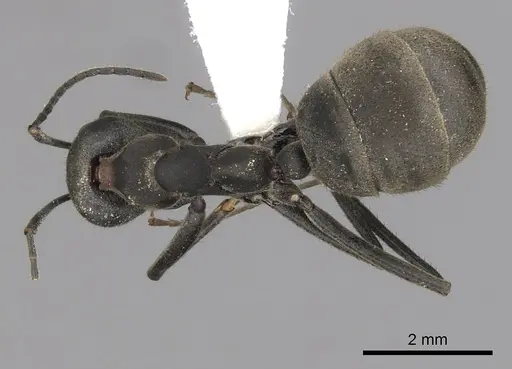
CASENT0905032
View on AntWeb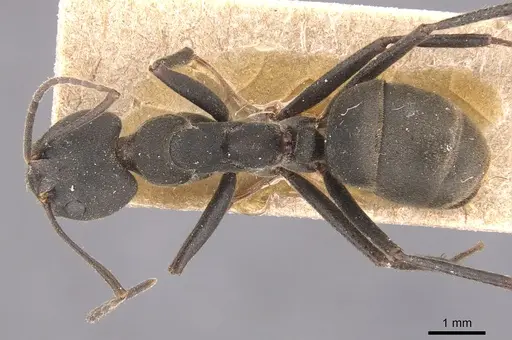
Literature
Loading...Loading products...