

Camponotus striatus
- Scientific Name
- Camponotus striatus
- Subgenus
- Myrmobrachys
- Tribe
- Camponotini
- Subfamily
- Formicinae
- Author
- Smith, 1862
- Distribution
- Found in 8 countries
Camponotus striatus Overview
Camponotus striatus is an ant species of the genus Camponotus. It is primarily documented in 8 countries , including Colombia, Costa Rica, Guatemala. Detailed taxonomic data and occurrence records can be further explored via authoritative databases such as AntWeb or the Global Biodiversity Information Facility (GBIF).
Camponotus striatus
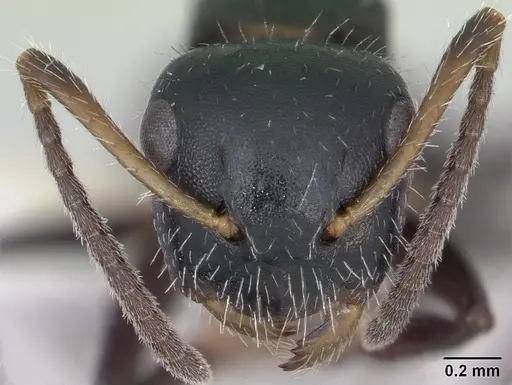
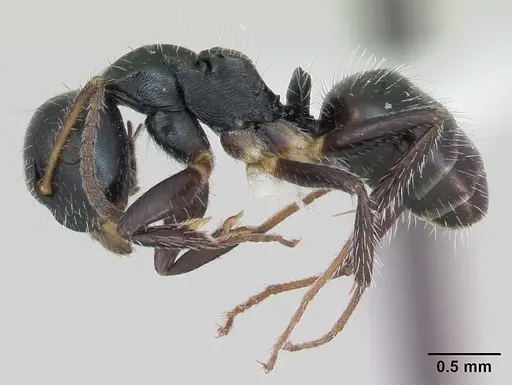
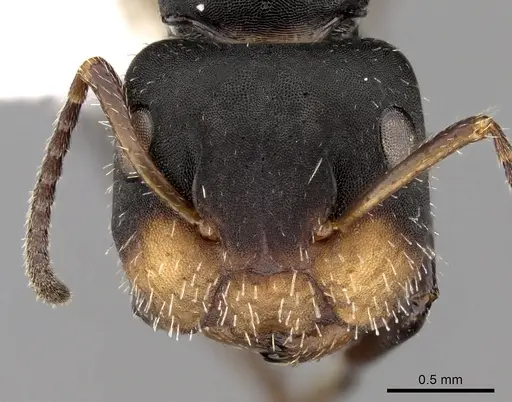
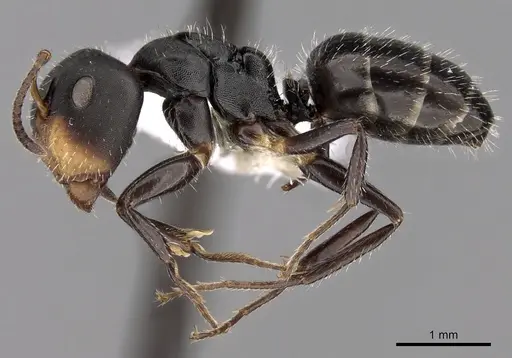
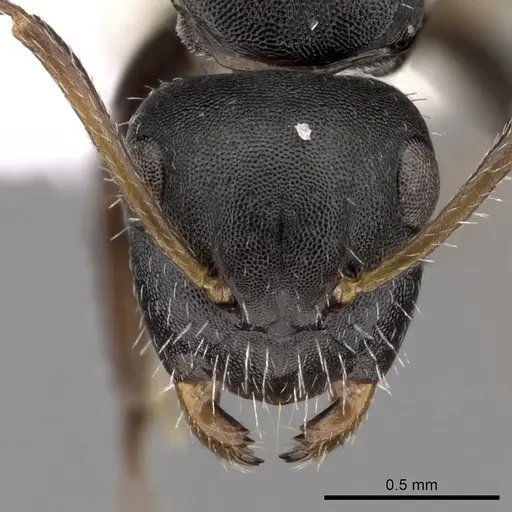
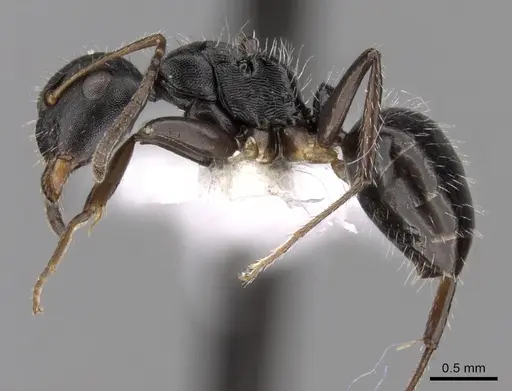
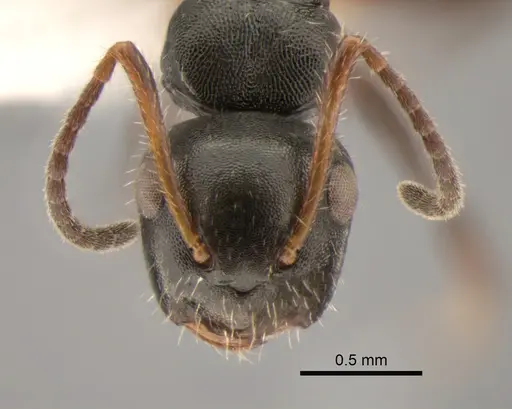
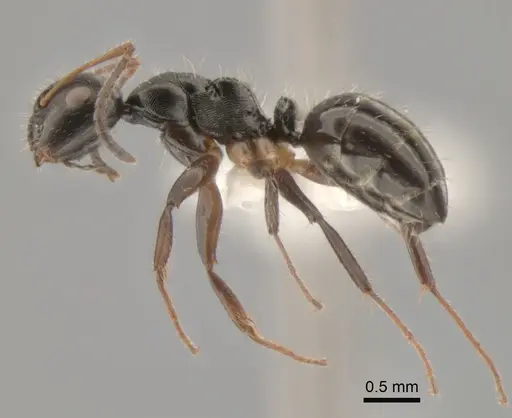
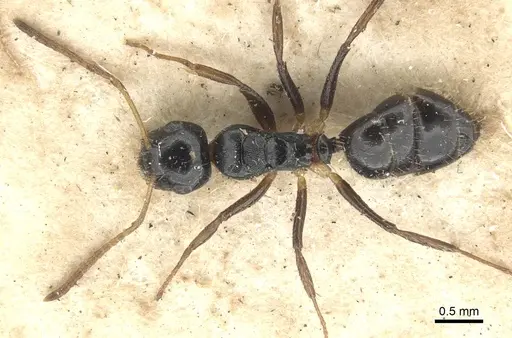
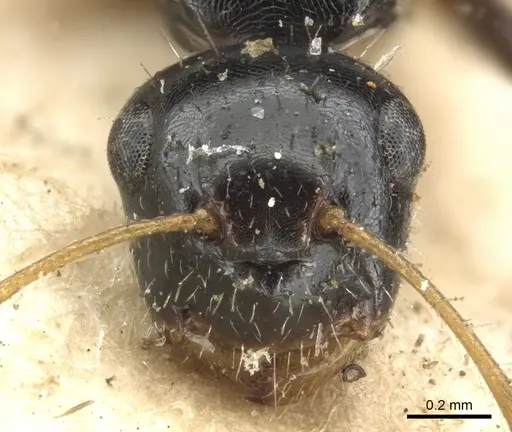
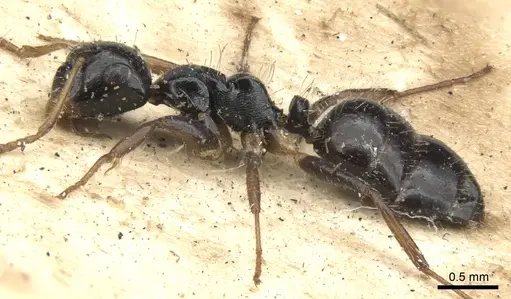
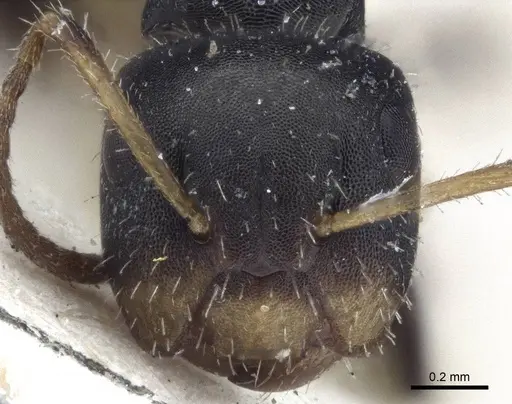
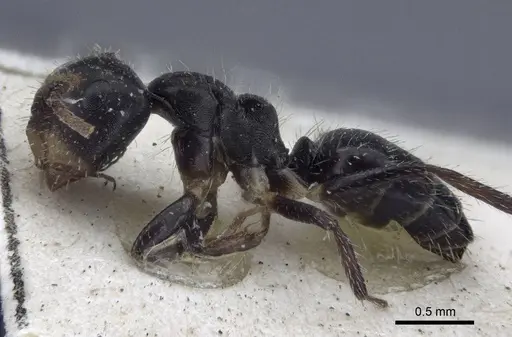
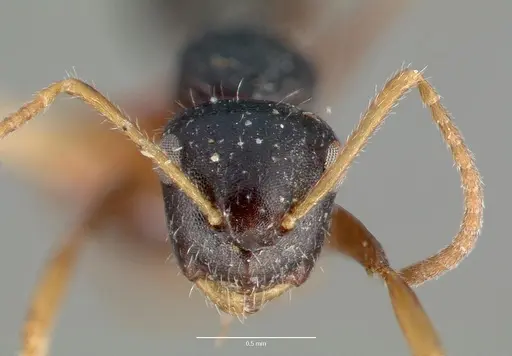
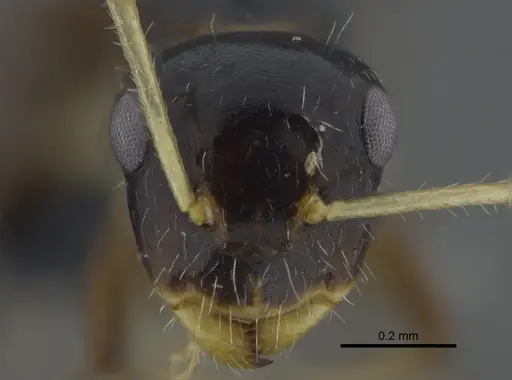
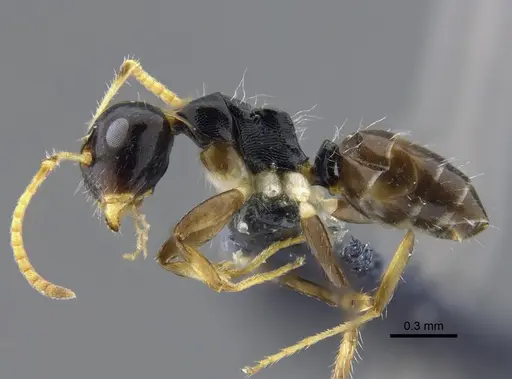
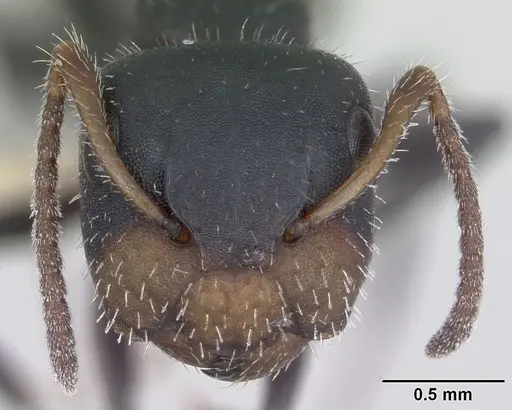
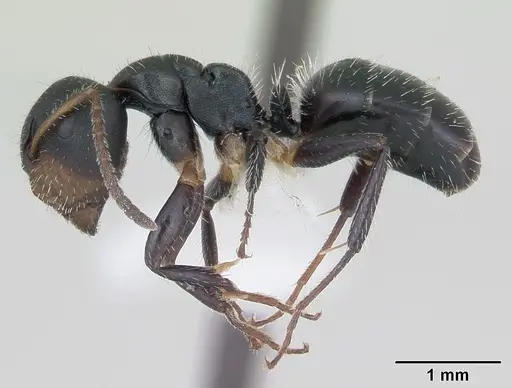
Camponotus striatus is a Neotropical carpenter ant belonging to the subgenus Myrmobrachys. Workers measure 3-4mm and have a distinctive appearance: the head (especially the front half), antennae, and legs are yellowish to reddish-brown, while the rest of the body is black. The mesosoma has fine striated sculpture with concentric circles on the dorsal surface, and the body is covered in erect hairs including around the eyes. This species is a twig-nesting arboreal ant that nests in hollow stems, dead vegetation, and sometimes in Acacia shrubs. They are found from Mexico down through Central America to Argentina, inhabiting diverse ecosystems from cloud forests to tropical dry forests at elevations ranging from sea level to nearly 2000m [1][2].
What makes C. striatus unusual is its association with plants like Tripsacum dactyloides (a grass) and various coffee agroecosystems, and its role as an aphid-tender, they have been documented attending Sitobion avenae aphids on grasses. They produce an unpleasant odor likely as a defense mechanism against predators. This species is considered rare in tropical forests and shows preferences for shaded coffee plantations and forest edges [2][3].
Quick Summary
- Difficulty: Medium
- Origin & Habitat: Neotropical species ranging from Mexico to Argentina. Found in tropical forests, cloud forests, and tropical dry forests. Nests in hollow stems, twigs, and dead vegetation in forest edges and coffee agroecosystems at 650-1900m elevation [1][2][4].
- Colony Type: Multiple-queen colonies documented in natural nests. Likely polygynous (multi-queen) based on observations of 'several queens in nests' [1]. Colony structure in captivity is unconfirmed but likely similar to wild colonies.
- Colony: Polygyne
- Founding: Claustral
- Size & Growth:
- Queen: Unconfirmed, likely 7-9mm based on typical Camponotus dimensions
- Worker: 3-4mm minor workers,4mm major workers (soldiers) [2]
- Colony: Likely several hundred workers based on typical Camponotus growth patterns
- Growth: Moderate, typical for tropical Camponotus species
- Development: Estimated 6-8 weeks at optimal tropical temperatures (24-28°C) based on related Camponotus species (Development is likely faster than temperate species due to tropical origin. Nanitics (first workers) typically emerge smaller than normal workers.)
- Antkeeping:
- Temperature: Keep at 24-28°C. This is a tropical species that prefers warmth. Room temperature within this range works well, or use a heating cable on one side of the nest to create a gentle gradient.
- Humidity: Moderate to high humidity (60-80%). They naturally inhabit humid tropical forests and coffee agroecosystems. Keep the nest substrate slightly moist but not waterlogged. Mist occasionally and provide a water source.
- Diapause: No, this is a tropical species that does not require hibernation. Maintain warm temperatures year-round.
- Nesting: Arboreal twig-nester. In captivity, they do well in Y-tong (AAC) nests, plaster nests, or naturalistic setups with narrow chambers. Provide twigs or hollow stems if possible. They prefer tight-fitting chambers scaled to their small size. Avoid large open spaces [1].
- Behavior: Generally calm and non-aggressive for a Camponotus species. They are arboreal and spend most of their time in the nest and on plants. Workers forage individually and may tend aphids for honeydew. They produce a defensive odor when disturbed. Escape risk is moderate, their small size (3-4mm) means they can squeeze through small gaps, so use tight-fitting lids and fine mesh barriers. They are not strong climbers on smooth surfaces but may escape through tiny openings [2].
- Common Issues: escape prevention is critical due to their small size, they can squeeze through standard gaps, tropical species may struggle in cool or dry environments, monitor temperature and humidity closely, wild-caught colonies may carry parasites that can decimate captive colonies, slow founding phase, claustral queens may take months before first workers emerge, rare in the hobby so captive stock is limited, finding a colony may be difficult
Nest Preferences and Housing
Camponotus striatus is an arboreal twig-nesting species that naturally nests in hollow stems, dead twigs, and vegetation in tropical forests and coffee plantations. In captivity, they do well in Y-tong (AAC) nests or plaster nests with narrow chambers scaled to their small 3-4mm worker size. Naturalistic setups with actual twigs or small hollow stems work well if you can maintain proper humidity. The key is providing tight chambers, these ants don't do well in large, open spaces. A test tube setup can work for founding colonies, but you may need to transfer to a more structured nest as the colony grows. Because they are small, ensure all connections between the nest and outworld are narrow enough to prevent escapes [1][2].
Feeding and Diet
Like most Camponotus species, C. striatus is omnivorous. They will accept sugar sources (honey water, sugar water) and protein (small insects like fruit flies, mealworms, crickets). In the wild, they have been documented attending Sitobion avenae aphids, so they likely collect honeydew as part of their diet. Offer a constant sugar source and protein prey 2-3 times per week. Remove uneaten prey after 24-48 hours to prevent mold. Because they are small, prey items should be appropriately sized, tiny insects or pre-killed pieces work better than large prey [3].
Temperature and Seasonal Care
This is a tropical species native to Central and South American forests. Keep your colony at 24-28°C year-round. They do not require hibernation or cooling periods, in fact, cool temperatures can slow their development significantly and may even be harmful. Room temperature in most homes should work well, but you may need a small heating cable or heating mat during winter if your room drops below 24°C. Place heating on top of the nest (never underneath where it can dry out the substrate). They prefer stable temperatures rather than dramatic fluctuations. Since they come from humid tropical environments, moderate humidity of 60-80% is ideal [4].
Behavior and Colony Dynamics
Camponotus striatus colonies contain multiple queens (polygynous), which is somewhat unusual among Camponotus species. Workers are small (3mm minors,4mm majors) and relatively docile. When disturbed, they can produce an unpleasant odor as a defensive mechanism, this is documented in the scientific literature and is a real consideration for keepers. They are arboreal by nature, so they prefer to stay on plants and within their nest structure rather than foraging extensively on the ground. In captivity, they are moderate climbers but their small size means escape prevention is essential. Colonies grow moderately, expect several months from founding to first workers, then gradual growth over 1-2 years to a mature colony of several hundred workers [1][2].
Range and Distribution
Camponotus striatus has a broad Neotropical distribution spanning from Mexico through Central America (Costa Rica, Honduras, Panama, Guatemala) to South America (Colombia, likely Argentina). In Mexico, they have been recorded in multiple states including Nayarit, Veracruz, Tabasco, Yucatán, Quintana Roo, Chiapas, Jalisco, and newly documented in Tamaulipas. They inhabit diverse ecosystems from cloud forest to tropical dry forest at elevations ranging 20-1,990m. They are commonly found in coffee agroecosystems and forest edges, often nesting in dead vegetation and twigs. This species is considered rare in primary tropical forests but more common in disturbed areas like coffee plantations [2][5][6].
Frequently Asked Questions
Can I keep Camponotus striatus in a test tube?
Yes, test tubes work well for founding colonies. Use a small test tube with a cotton ball providing water access. Once the colony reaches 15-20 workers, consider moving to a proper nest like a Y-tong or plaster formicarium with appropriately sized chambers for their tiny workers.
How long does it take for Camponotus striatus to produce first workers?
Based on typical Camponotus development, expect 6-8 weeks from egg to first worker (nanitics) at optimal temperature (24-28°C). The queen will seal herself in and not emerge until her first workers hatch. This founding phase can take several months, so patience is required.
Are Camponotus striatus good for beginners?
This species is rated Medium difficulty. They are more challenging than common temperate species because they require warm, humid tropical conditions year-round and do not tolerate temperature drops. They are also rare in the antkeeping hobby, making colonies harder to find. Experienced antkeepers familiar with tropical species will have more success.
Can I keep multiple Camponotus striatus queens together?
Yes, this species is naturally polygynous (multiple queens per colony) in the wild. However, combining unrelated foundress queens in captivity has not been documented and may result in aggression. If you acquire a colony, it likely already contains multiple queens.
What do Camponotus striatus eat?
They are omnivorous. Offer sugar water or honey constantly, and protein (small insects like fruit flies, pinhead crickets, or mealworms) 2-3 times per week. They may also accept honeydew from aphids if you keep any aphid-infested plants near the colony.
Do Camponotus striatus need hibernation?
No, this is a tropical species that does not require hibernation. Keep them warm year-round at 24-28°C. Cooling them down can slow or stop development and may harm the colony.
How big do Camponotus striatus colonies get?
Based on typical Camponotus growth patterns and their tropical distribution, colonies likely reach several hundred workers over 1-2 years. They are not among the largest Camponotus species.
Why are my Camponotus striatus dying?
Common causes include: temperatures below 24°C (tropical species need warmth), low humidity, escape through tiny gaps due to their small size, parasites from wild-caught colonies, or mold from overwatering. Check your temperature, humidity, and escape prevention first.
When should I move Camponotus striatus to a formicarium?
Move from test tube to a proper nest when the colony reaches 15-30 workers. Use a nest with small, tight chambers appropriate for their 3-4mm worker size. Y-tong or plaster nests work well for this species.
References

This caresheet is licensed under CC BY-SA 4.0 .
CASENT0173559
View on AntWeb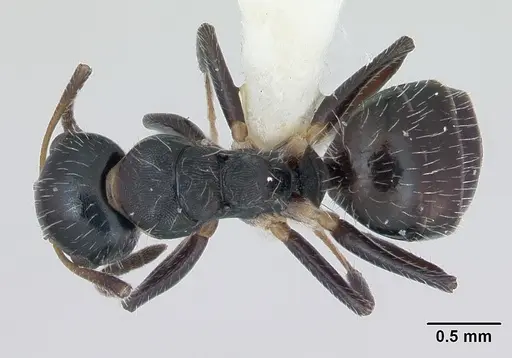
CASENT0280121
View on AntWeb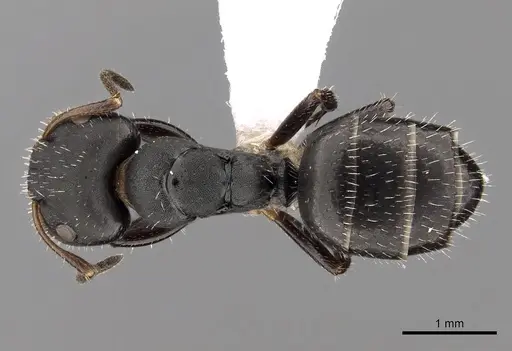
CASENT0280122
View on AntWeb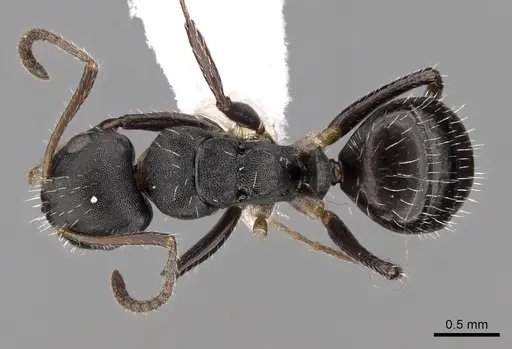
CASENT0882309
View on AntWeb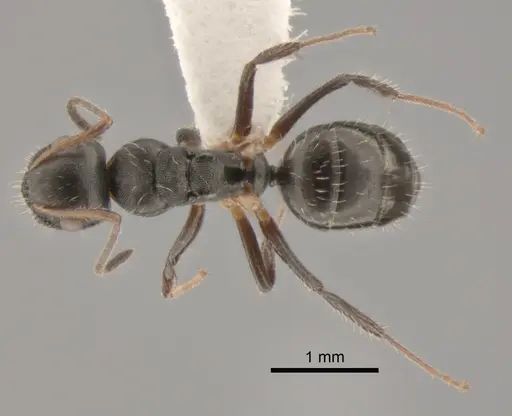
CASENT0903642
View on AntWeb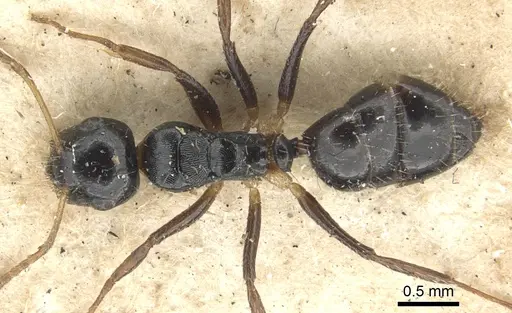
CASENT0916613
View on AntWeb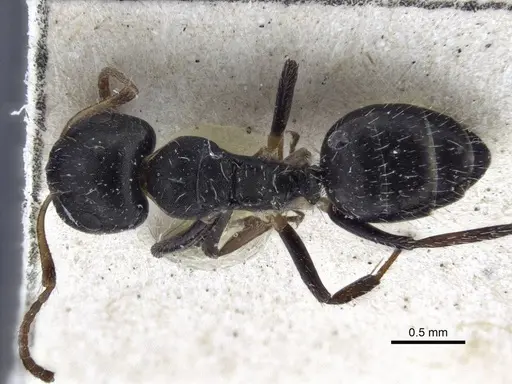
CASENT0923555
View on AntWeb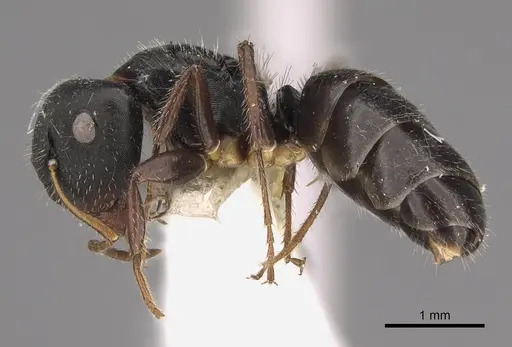
CASTYPE00606
View on AntWeb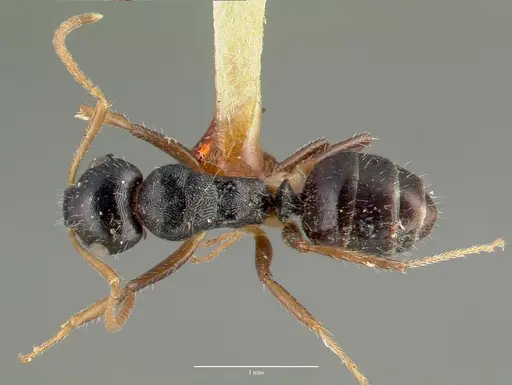

CBUMAGENT41776
View on AntWeb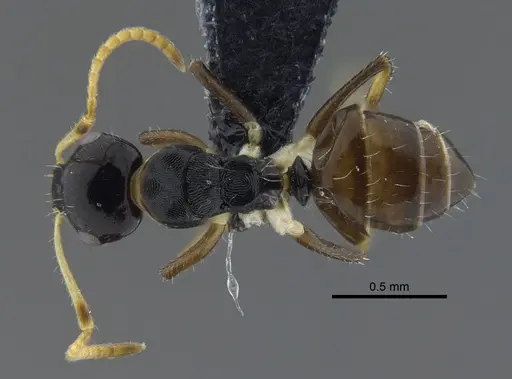
INBIOCRI002280548
View on AntWeb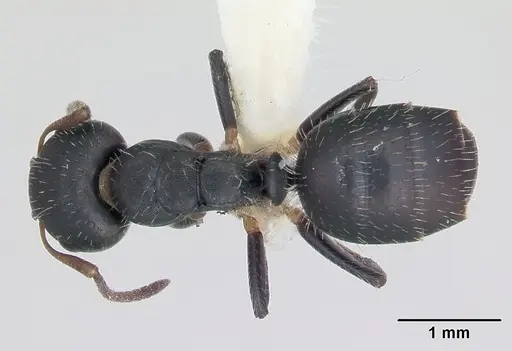
Literature
Loading...Loading products...