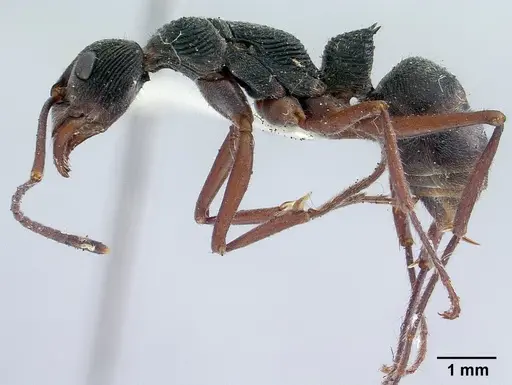
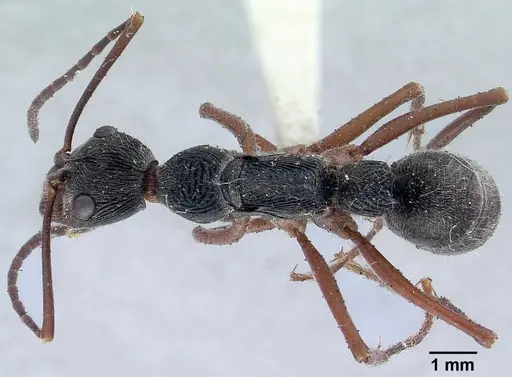
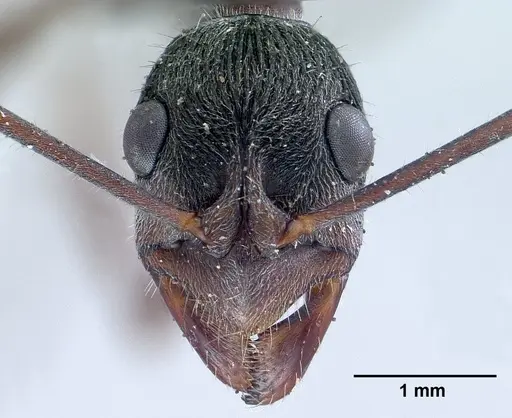
Diacamma rugosum - "Asian Bullet Ant (informal)"
Diacamma rugosum is a fascinating and unique ant species known for its 'queenless' social structure, where a specialized worker, called a gamergate, takes on the reproductive role. These medium to large-sized ants typically have a black body with distinctive silvery hairs and a textured exoskeleton. They are active hunters, often seen foraging individually or in tandem runs to guide nestmates to larger food sources. While sometimes informally called 'Asian Bullet Ants,' their sting is generally less potent than true bullet ants, though it can still cause local pain.
- Difficulty: Medium
- Origin & Habitat: Southeast Asia (ranging from India to Australia and Vanuatu) in Tropical and subtropical rainforests, nesting in soil, rotting logs, under stones, or tree cavities..
- Colony Type: Monogyne (single gamergate), claustral (without feeding) but typically started from a split or group with a gamergate founding.
- Size & Growth:
- Queen: 10-14mm
- Worker: 9-14mm
- Colony: Medium (typically 100-300 workers, sometimes up to 450). Slow (initial growth can be very slow, reaching 10-20 workers in the first year, then up to 100 in the second year) growth.
- Antkeeping:
- Temperature: Nest area: 24-28°C; Foraging area: 21-30°C. Maintaining a stable warm environment is crucial..
- Humidity: Nest area: 60-80% (ideally 80-99%); Foraging area: 50-70%. High humidity is preferred in the nest for brood development..
- Diapause: Not required. Not specified at Not specified.
- Nesting: Prefers moist loamy soil, plaster, or aerated concrete nests. They will tear up plants in planted terrariums. Ensure anti-escape setups are very secure, as they are excellent climbers..
- Behavior: Medium (aggressive hunters, will sting if threatened) aggressiveness.
- Common Issues: Escape artists due to climbing ability, Humidity fluctuations, Lack of consistent protein supply, Stress from vibrations or excessive light, Difficulty establishing new gamergate if original dies and conditions are not met.
One of the most remarkable aspects of Diacamma rugosum is their unique reproductive system. Unlike most ant species, they don't have a morphologically distinct queen caste. Instead, a single fertilized worker, known as a gamergate, takes on the reproductive role. All female workers eclose with a pair of specialized thoracic appendages called 'gemmae.' The reigning gamergate will typically mutilate the gemmae of newly emerged workers, preventing them from reproducing and solidifying her status. If the gamergate dies, a new worker can develop into a gamergate, ensuring the colony's continuity.
Diacamma rugosum are active and aggressive hunters, requiring a high protein diet for proper brood development. They are generalist predators, often consuming live or dead insects like fruit flies, crickets, and even termites. While they accept sweet liquids such as honey water or sugar water, they do not engage in trophallaxis (mouth-to-mouth food sharing), which is typical for ponerine ants. Instead, they will carry smaller prey back to the nest or, for larger food items, engage in 'tandem running,' where one worker guides another to the food source by touching antennae.
Keeping Diacamma rugosum is considered moderately difficult, making them more suitable for experienced antkeepers. Their active nature and formidable sting, while not as severe as a true bullet ant, necessitate careful handling. They are also adept climbers, so a secure, escape-proof setup is absolutely essential. Providing the right temperature and humidity gradients, with a warmer, humid nest area and a slightly cooler, less humid foraging area, is key to their success in captivity.
Colony growth is relatively slow, especially in the initial stages. A young colony might only reach 10-20 workers in its first year, gradually increasing to around 100 workers by the second year, with established colonies typically housing a few hundred individuals. This slower growth rate makes observing their unique behaviors, such as gamergate dynamics and tandem running, quite rewarding. Due to their specific needs and defensive capabilities, thorough research and preparation are vital before attempting to keep this fascinating species.
Frequently Asked Questions
What makes Diacamma rugosum unique among ant species?
Diacamma rugosum stands out because it's a 'queenless' species. Instead of a queen, a special worker, called a gamergate, handles all the reproduction. This gamergate is a fertilized worker, and her presence dictates the colony's hierarchy.
How does reproduction work without a queen in Diacamma rugosum?
All female workers are born with tiny appendages called gemmae. The dominant gamergate will actually mutilate these gemmae on other workers, preventing them from reproducing. If the active gamergate passes away, another worker can then develop into a new gamergate and take over the egg-laying duties.
Are Diacamma rugosum difficult to keep for a beginner antkeeper?
They are generally considered a 'medium' difficulty species, meaning they're not really for first-time antkeepers. Their specific humidity and temperature needs, active nature, and powerful sting require some prior experience and careful handling to ensure a thriving colony.
What should I feed my Diacamma rugosum colony?
These ants are primarily predatory and need a lot of protein. Offer them live or dead insects like fruit flies, crickets, and even termites. They also enjoy sweet liquids like honey water or sugar water, but remember they won't do trophallaxis, so put the food directly where they can access it.
Do Diacamma rugosum sting, and how painful is it?
Yes, they do sting, and it can be quite painful, causing localized reactions. While not as potent as the notorious 'bullet ant' (despite the informal common name), their sting is still something to be mindful of. Always exercise caution when interacting with your colony.
What kind of nest is best for Diacamma rugosum?
They thrive in nests that can maintain high humidity, such as plaster or aerated concrete formicaria. They also appreciate some substrate in their nest. Avoid planted terrariums, as they tend to destroy plants. Most importantly, ensure your setup is highly escape-proof, as these ants are known climbers.
Do these ants need a hibernation period?
No, Diacamma rugosum are a tropical species and do not require diapause or hibernation. They remain active year-round as long as their temperature and humidity requirements are met.
How large can a Diacamma rugosum colony get?
In captivity, their colonies typically reach sizes of around 100 to 300 workers, though some wild colonies can grow slightly larger, up to 450 individuals. Colony growth can be quite slow initially, but established colonies offer a rewarding observation experience.
What is 'tandem running' in Diacamma rugosum?
Tandem running is a unique foraging behavior where one ant, after finding a food source, guides another nestmate to it. They follow each other closely, often touching antennae, instead of laying down a long-lasting pheromone trail like many other ant species.
Can I start a Diacamma rugosum colony from just a single worker?
It's highly recommended to start with a colony that already has an established gamergate and a group of workers. Colonies are usually started through a 'split' from an existing colony, as establishing a new gamergate from an orphaned worker can be challenging.
What are the key temperature and humidity levels for Diacamma rugosum?
For the nest, aim for temperatures between 24-28°C and humidity around 60-80%, even up to 99% in some areas. The foraging area can be slightly cooler, from 21-30°C, with humidity between 50-70%. Consistent humidity in the nest is critical for brood development.
Do Diacamma rugosum have different worker castes, like majors or minors?
No, Diacamma rugosum workers are monomorphic, meaning there's generally no significant size difference or specialized worker castes like majors or minors. All workers look quite similar morphologically, which is why the gamergate's reproductive distinction is so fascinating.