

Diacamma magdalenae
- Scientific Name
- Diacamma magdalenae
- Tribe
- Ponerini
- Subfamily
- Ponerinae
- Author
- Laciny <i>et al.</i>, 2015
- Distribution
- Found in 1 countries
Diacamma magdalenae Overview
Diacamma magdalenae is an ant species of the genus Diacamma. It is primarily documented in 1 countries , including Brunei Darussalam. Detailed taxonomic data and occurrence records can be further explored via authoritative databases such as AntWeb or the Global Biodiversity Information Facility (GBIF).
Diacamma magdalenae
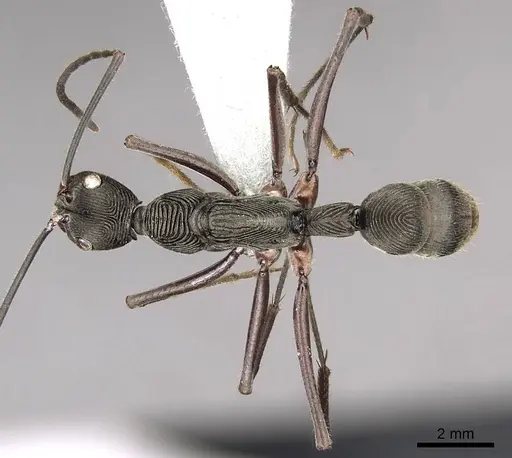
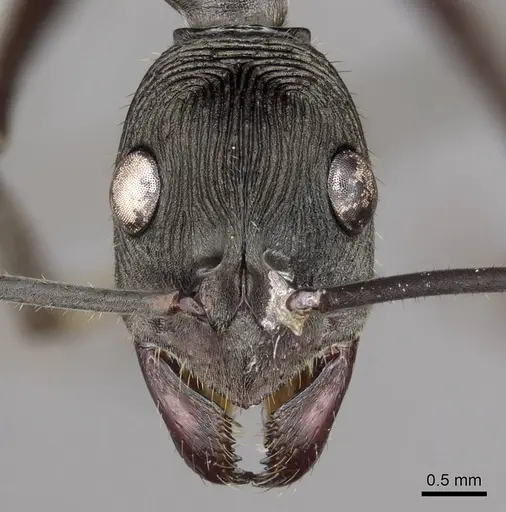
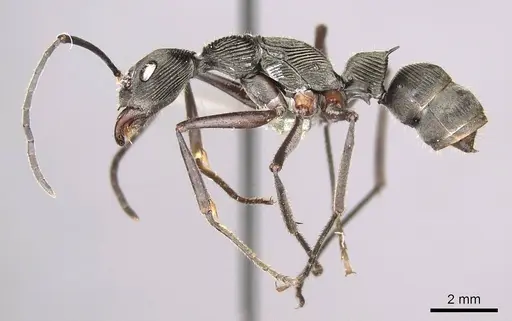
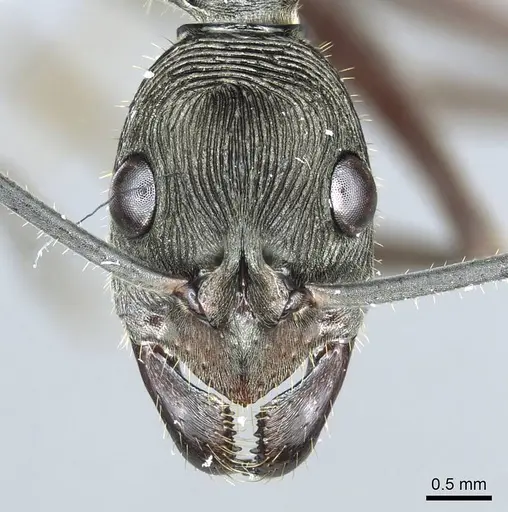
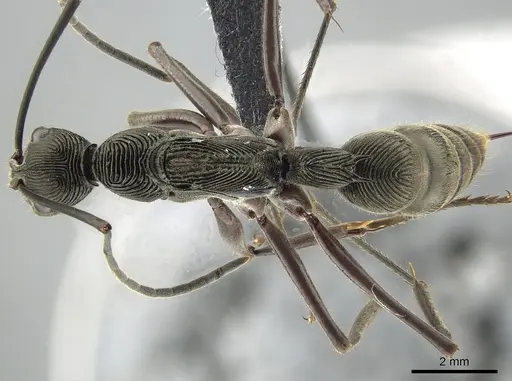
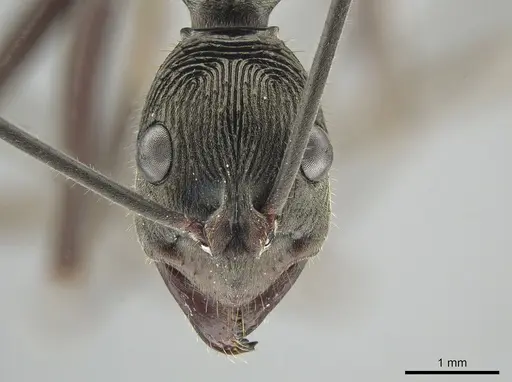
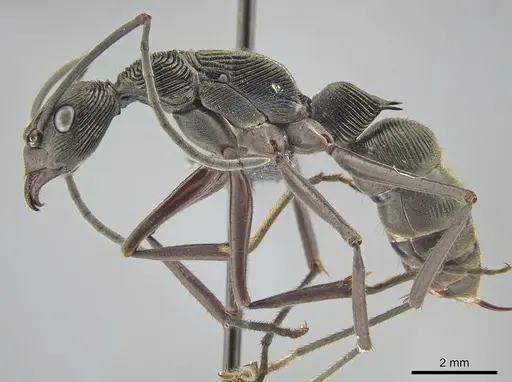
Diacamma magdalenae is a moderately large, slender ant species measuring 12.72-14.80mm in total length [1]. Workers have a distinctive appearance with a black trunk, dark reddish-brown mandibles and legs, and coarse striation running from the head (genae) to the first gaster segment [1]. The species is notable for its compressed petiole with long, narrow spines and unique striation patterns on gaster tergites 2-3, a trait that sets it apart from related species like D. intricatum and D. holosericum [1]. This species was only described in 2015 and is known only from Borneo, specifically Sarawak and West Kalimantan, where it inhabits various forest types including alluvial, dipterocarp, and kerangas forests [1][2]. The genus Diacamma is famous among ant enthusiasts for having gamergates, workers that can become reproductive and replace the queen if she dies, making their social structure particularly interesting to observe in captivity.
Quick Summary
- Difficulty: Medium
- Origin & Habitat: Borneo (Sarawak, West Kalimantan) in tropical forest habitats including alluvial forest, dipterocarp forest, and kerangas/limestone forest [1][2]
- Colony Type: Gamergate species, colonies are typically queenless with reproductive workers (gamergates) that can replace the queen if she dies. This is a unique trait of the Diacamma genus.
- Special: Gamergates
- Size & Growth:
- Queen: This species appears to be ergatoid (wingless queen) or may have queen replacement via gamergates, exact queen morphology unconfirmed for this specific species
- Worker: 12.72-14.80mm total length [1]
- Colony: Unknown for this species, related Diacamma species typically reach several hundred workers
- Growth: Moderate, inferred from genus patterns
- Development: Unknown for this species. Based on typical Ponerinae development, expect 6-10 weeks at optimal temperature. (Direct development data unavailable for D. magdalenae. Related Diacamma species suggest moderate growth rates typical of tropical Ponerinae ants.)
- Antkeeping:
- Temperature: Keep at 24-28°C. As a tropical Borneo species, they need warm, stable temperatures. Use a heating cable on one side of the nest to create a gentle gradient.
- Humidity: Keep substrate consistently moist but not waterlogged. Forest floor conditions, aim for damp substrate with some drier areas for workers to regulate. Mist occasionally and provide a water tube.
- Diapause: No, as a tropical species from Borneo, they do not require hibernation. Keep temperatures stable year-round.
- Nesting: In captivity, they do well in naturalistic setups with moist substrate or acrylic/plaster nests. They prefer dark, humid nest chambers. A Y-tong or plaster formicarium with good humidity retention works well.
- Behavior: Diacamma magdalenae is a predatory ant typical of the genus. Workers are active foragers that hunt small invertebrates. They have a potent sting though the exact pain level for this species is unconfirmed, expect moderate sting severity similar to other Ponerinae. They are not aggressive toward humans but will defend their nest. Escape prevention is important, while larger than many ants, they can still squeeze through small gaps. Use standard barriers. The most fascinating aspect is their gamergate system: if the queen dies, a worker can become reproductive and take over egg-laying duties, this is one of the few ant genera where you can actually observe this replacement happen in captivity.
- Common Issues: humidity control is critical, too dry and brood will die, too wet and mold becomes a problem, tropical species require stable warm temperatures, cold snaps can be fatal, predatory diet means you need consistent access to live prey, failure to feed adequately causes colony decline, gamergate replacement is complex, if your queen dies, the transition period can cause colony instability, limited available information means this species is better suited for intermediate antkeepers
Understanding the Gamergate System
Diacamma magdalenae belongs to one of the most fascinating ant genera for observing social dynamics. Unlike most ant species that have a single queen (monogyne), Diacamma species are typically queenless and instead have gamergates, workers that have developed the ability to reproduce and lay eggs. If the reproductive worker dies or the colony loses its gamergate, another worker can step up and become reproductive. This makes them unique among captive ant species. In your colony, you may never see a 'queen', instead, look for a slightly larger, reproductive worker that is actively laying eggs. The transition between reproductive workers can sometimes cause a brief period of tension in the colony, but typically resolves naturally. This system also means you cannot introduce a new queen to an established colony, the gamergate system is self-sustaining.
Housing and Nest Setup
For Diacamma magdalenae, provide a humid nest environment that mimics the tropical forest floor of Borneo. Acrylic nests, plaster formicariums, or naturalistic setups with moist substrate all work well. The key is maintaining consistent humidity without letting the nest become waterlogged. Use a water tube or reservoir connected to the nest to allow workers to drink and help maintain moisture levels. These ants prefer dark, enclosed spaces, avoid brightly lit nest chambers. In a naturalistic setup, use a deep substrate layer (at least 5-10cm) with pieces of rotting wood or leaf litter to create natural foraging opportunities. The outworld should be escape-proof with a barrier like fluon on the rim. Since workers are 12-14mm, standard test tubes can work for founding colonies but you'll need to upgrade to a larger formicarium as the colony grows.
Feeding and Diet
Diacamma magdalenae is a predatory ant, meaning they hunt and kill live prey rather than scavenging on sugar alone. In captivity, offer small live invertebrates such as fruit flies, small crickets, mealworms, and other appropriately-sized bugs. Feed protein-rich prey 2-3 times per week, adjusting based on colony size and consumption. While some Diacamma species may occasionally accept sugar water or honey, protein should be the primary food source. Remove uneaten prey after 24-48 hours to prevent mold. A water tube should always be available. For enrichment, you can add leaf litter to the outworld, this creates hunting opportunities as workers search through the debris for tiny prey like springtails.
Temperature and Seasonal Care
As a tropical species from Borneo, Diacamma magdalenae requires warm temperatures year-round. Keep the nest area at 24-28°C with minimal temperature fluctuations. A heating cable placed on one side of the nest can create a gentle thermal gradient that allows ants to regulate their own temperature by moving between warmer and cooler areas. Avoid placing the nest near air conditioning vents, windows, or other cold areas. Unlike temperate species, they do not require a diapause or winter rest period. Maintaining stable, warm conditions is essential for brood development and colony health. If your room temperature is consistently in this range, you may not need additional heating.
Behavior and Handling
Workers of Diacamma magdalenae are active foragers that patrol their territory searching for prey. They have a functional sting as members of the subfamily Ponerinae, while not dangerously toxic, a sting can cause moderate pain and should be avoided. These ants are not aggressive toward humans when undisturbed but will sting if threatened or if their nest is disturbed. They are not suitable for open viewing without proper escape prevention. The species is not known for being particularly shy or nocturnal, you should see regular foraging activity during the day. Their large size (12-14mm) makes them easier to observe than many ant species, though they remain fast-moving hunters.
Frequently Asked Questions
Do Diacamma magdalenae ants have a queen?
No, Diacamma magdalenae is a queenless ant species. Instead of a traditional queen, colonies have gamergates, reproductive workers that can lay eggs and replace each other if needed. This is a unique trait of the Diacamma genus that makes them fascinating to observe.
How long does it take for Diacamma magdalenae to develop from egg to worker?
The exact development time for this species has not been documented. Based on related Diacamma species and typical Ponerinae development, expect approximately 6-10 weeks from egg to first worker at optimal warm temperatures (around 26°C).
What do Diacamma magdalenae eat?
They are predatory ants that need live protein prey. Feed small live insects like fruit flies, small crickets, mealworms, or other appropriately-sized invertebrates 2-3 times per week. They may occasionally accept sugar water but protein should be their primary food source.
Are Diacamma magdalenae good for beginners?
This species is rated as Medium difficulty and is better suited for intermediate antkeepers. While visually impressive and fascinating to observe, the need for consistent warmth, humidity control, and live prey makes them more challenging than species like Lasius or Camponotus that have more flexible care requirements.
What temperature do Diacamma magdalenae need?
Keep them at 24-28°C year-round. As a tropical Borneo species, they need warm, stable conditions without the temperature drops that would trigger hibernation in temperate species.
How big do Diacamma magdalenae colonies get?
Colony size for this specific species has not been documented, but related Diacamma species typically reach several hundred workers. Given their large worker size (12-14mm), expect moderate-sized colonies compared to some of the more prolific Myrmicinae species.
Do Diacamma magdalenae need hibernation?
No, they do not require hibernation. As a tropical species from Borneo, they need warm conditions year-round. Do not expose them to cold temperatures or attempt to cool them down during winter.
Can I keep multiple Diacamma magdalenae colonies together?
Diacamma colonies are typically independent and should be kept separate. Unlike some ants that can form supercolonies, each colony maintains its own territory. Introducing workers from another colony will likely result in aggression.
When should I move Diacamma magdalenae to a formicarium?
Move them when the colony outgrows its founding setup. For a founding colony in a test tube, transfer to a larger nest (acrylic, plaster, or naturalistic) once you have 20-30 workers and the test tube is becoming crowded.
References

This caresheet is licensed under CC BY-SA 4.0 .
Literature
Loading...Loading products...