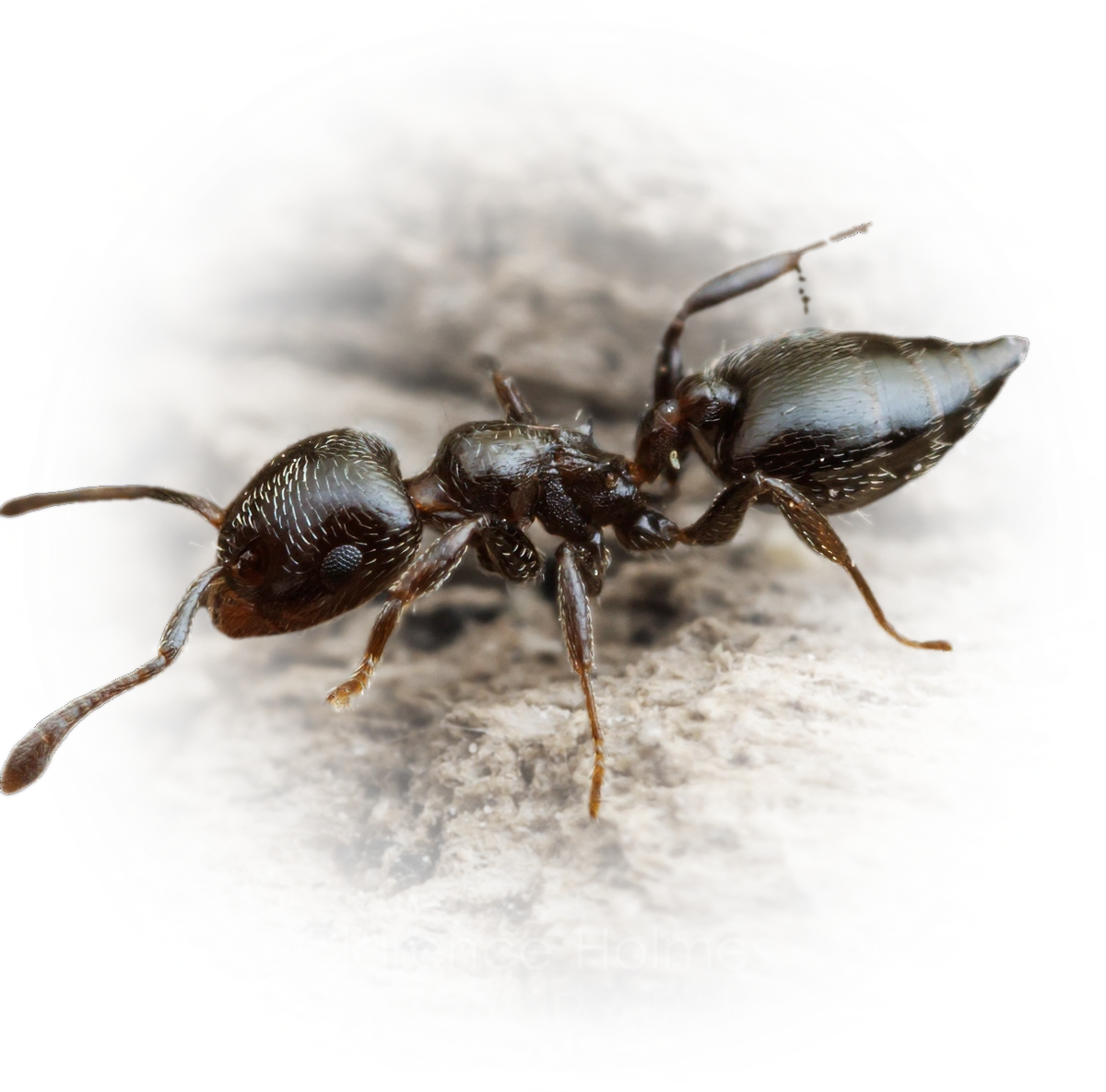

Crematogaster torosa
- Scientific Name
- Crematogaster torosa
- Subgenus
- Orthocrema
- Tribe
- Crematogastrini
- Subfamily
- Myrmicinae
- Author
- Mayr, 1870
- Distribution
- Found in 8 countries
Crematogaster torosa Overview
Crematogaster torosa is an ant species of the genus Crematogaster. It is primarily documented in 8 countries , including Brazil, Colombia, Costa Rica. Detailed taxonomic data and occurrence records can be further explored via authoritative databases such as AntWeb or the Global Biodiversity Information Facility (GBIF).
Crematogaster torosa
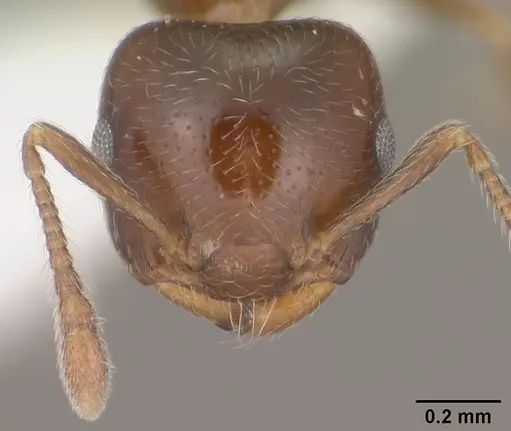
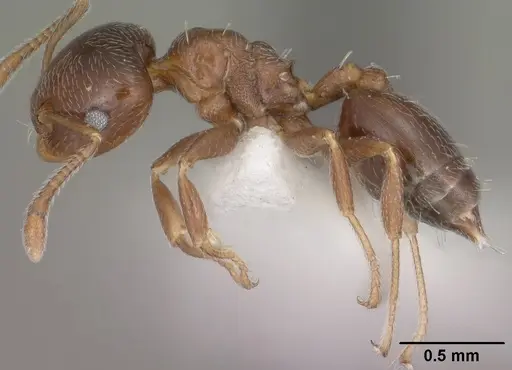
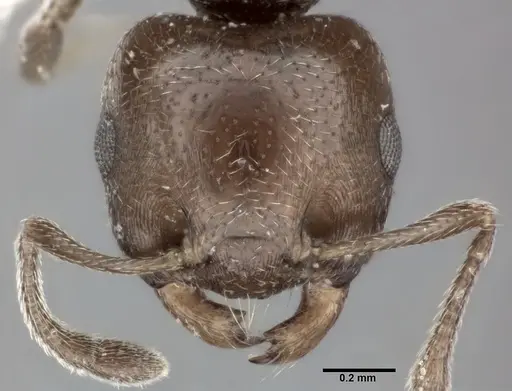
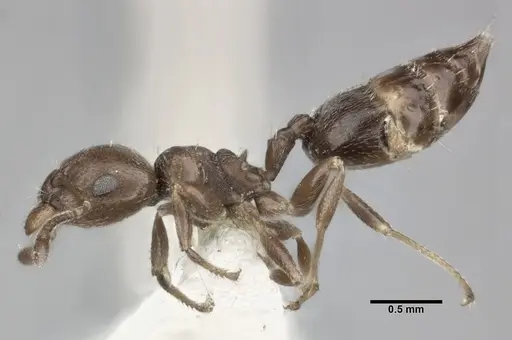
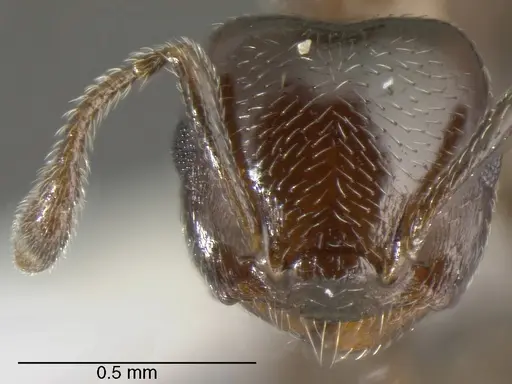
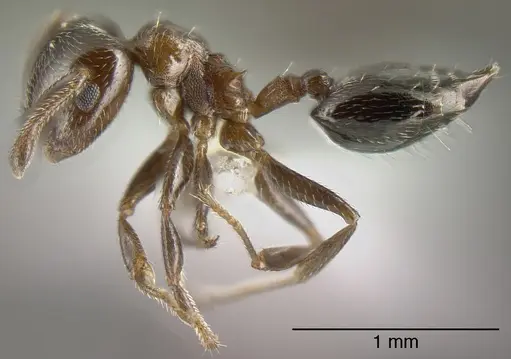
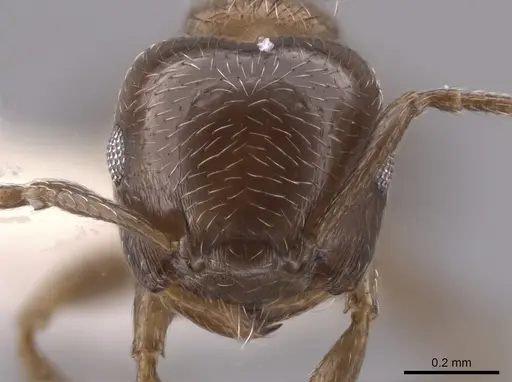
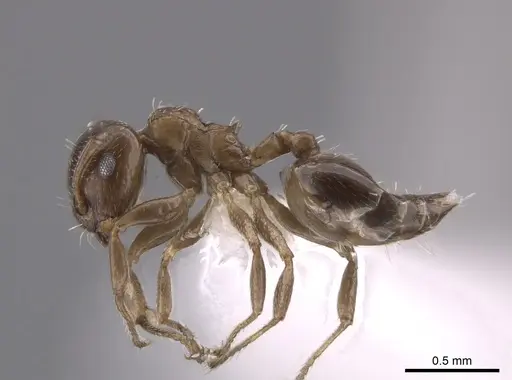
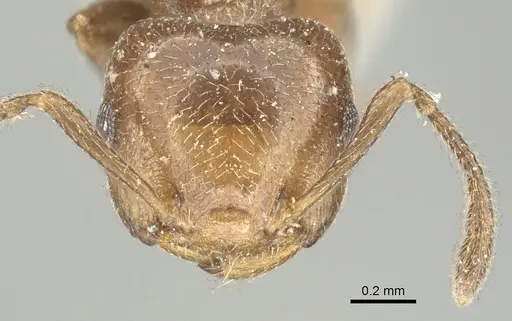
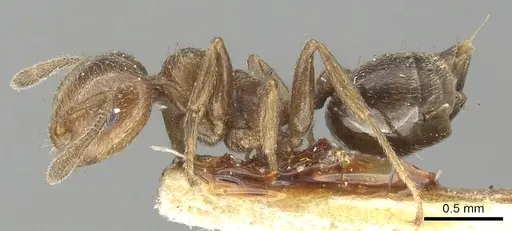
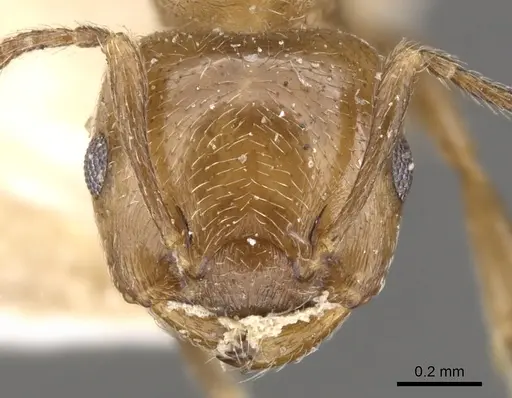
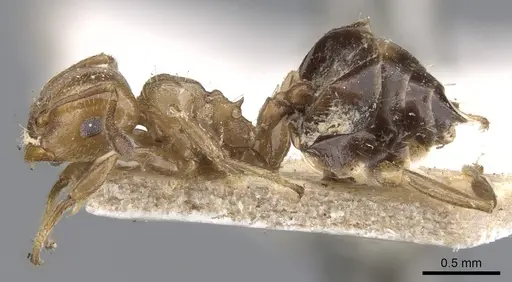
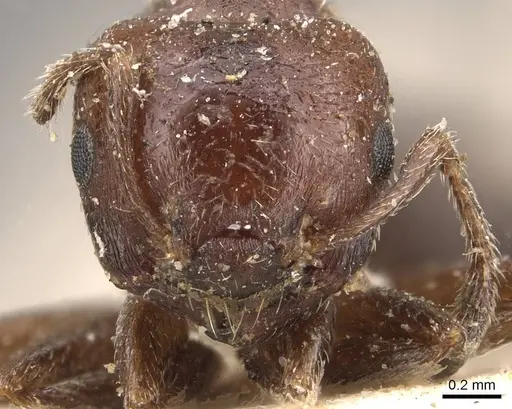
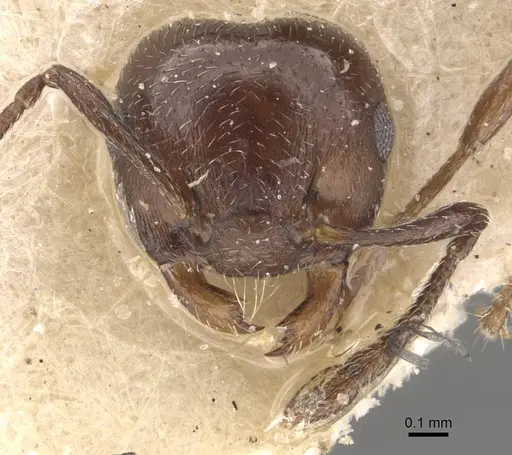
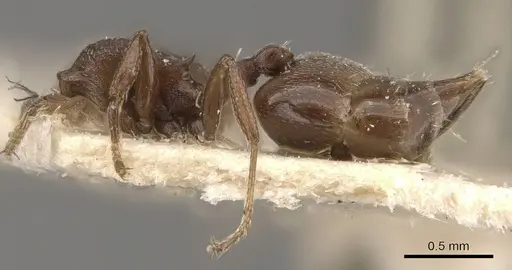
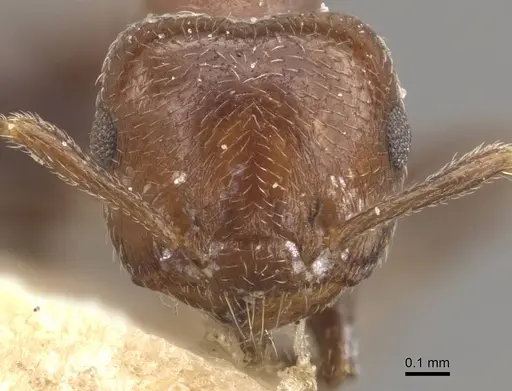
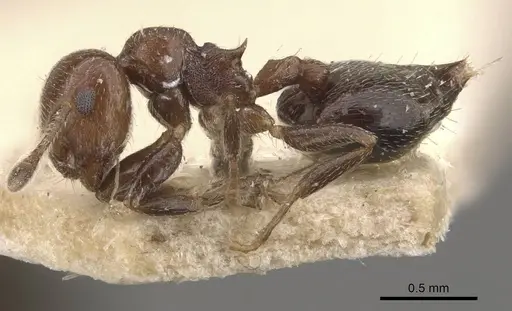
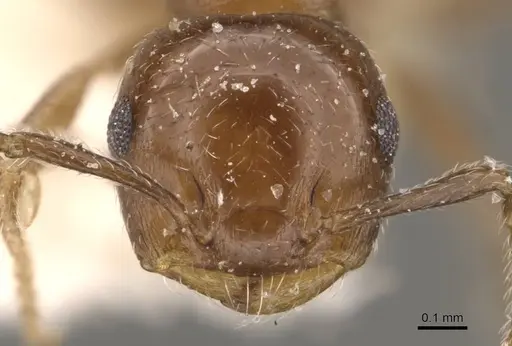
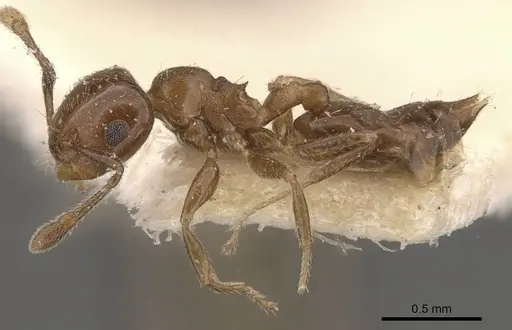
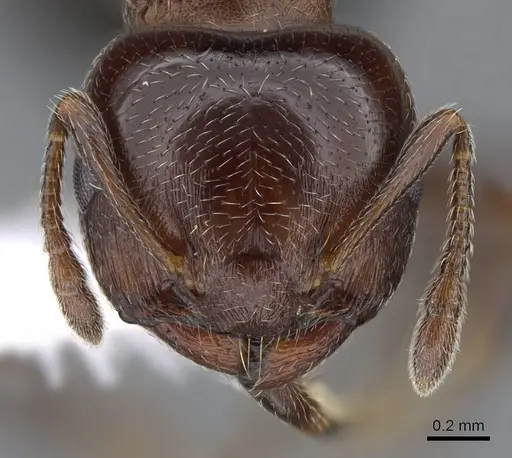
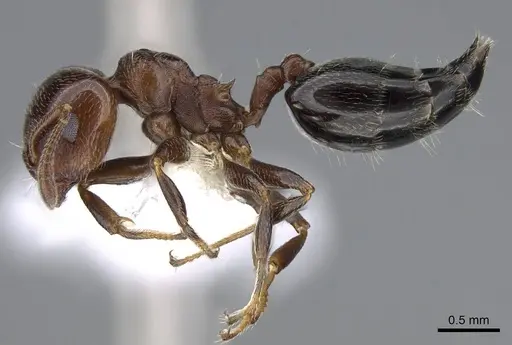
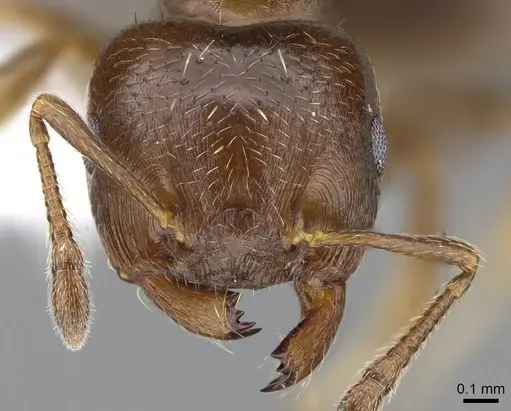
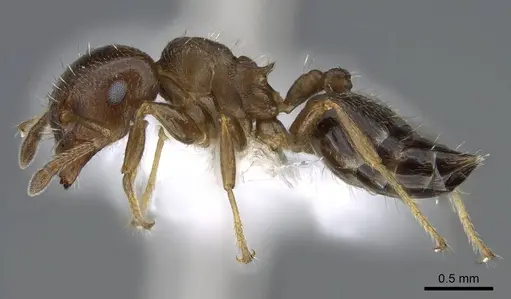
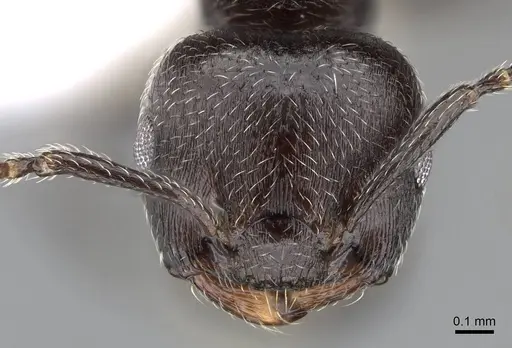
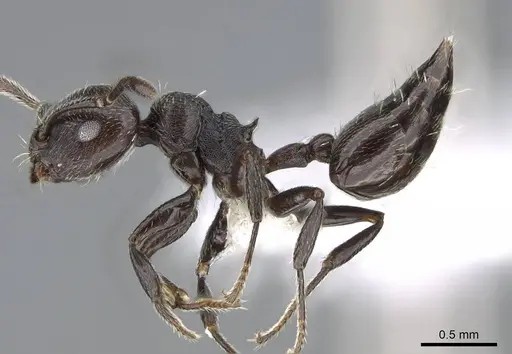
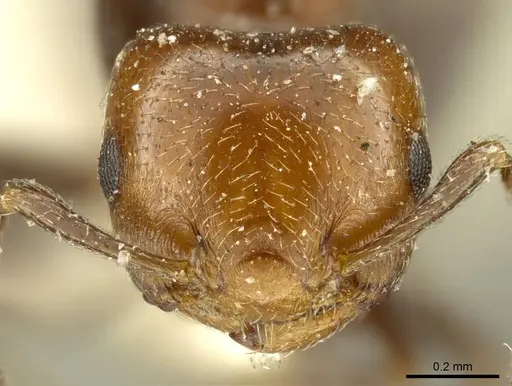
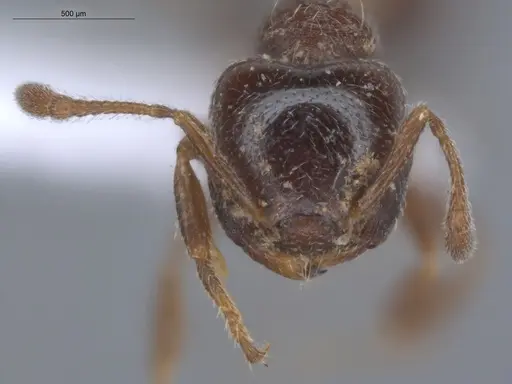
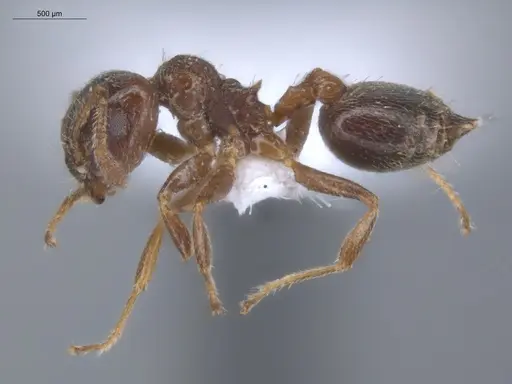
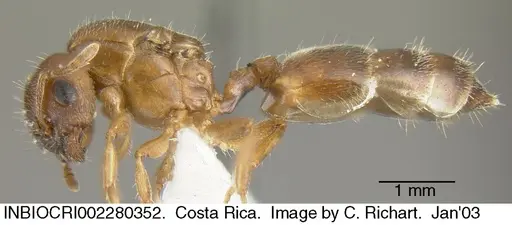
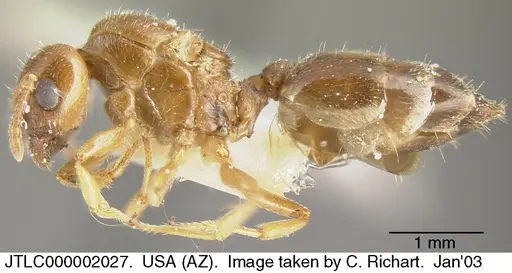
Crematogaster torosa is a small to medium-sized arboreal ant known for its distinctive heart-shaped abdomen that it lifts up when disturbed, giving it the 'acrobat' name. Workers measure 2.5-4mm with a variable coloration that ranges from yellowish-brown to dark brown/black depending on the population. This species belongs to the Crematogaster crinosa complex and can be difficult to distinguish from related species like C. crinosa and C. rochai. The queens are relatively large compared to workers, measuring around 6-8mm [1].
What makes C. torosa particularly interesting is its highly social nesting behavior, it forms large polydomous colonies that spread across multiple nest sites in trees and shrubs. These ants are versatile foragers that scavenge, tend aphids for honeydew, and visit extrafloral nectaries. They're common in urban areas across their range and readily nest in dead branches, tree knots, and even living stems of myrmecophytic plants. Their ability to construct small carton structures to protect nest entrances and shelter sap-sucking insects is unique among arboreal ants [1].
Quick Summary
- Difficulty: Medium
- Origin & Habitat: Native to the Americas, ranging from the southern United States through Mexico and Central America to Argentina. This species thrives in open, seasonally dry areas, highly disturbed areas, pasture edges, and urban parks. It can also be found in the canopy of mature wet forests. In Costa Rica, it's a common species in urban areas like the parks in San José [1].
- Colony Type: Monogyne, single queen colonies. Based on sample size of two, colony founding is monogynous with a single physogastric queen found in the center of small colonies [1]. Polydomous, colonies spread across multiple connected nest sites.
- Colony: Monogyne
- Founding: Claustral
- Size & Growth:
- Queen: Approximately 6-8mm (inferred from genus patterns and HL measurements of 0.578-1.045mm for workers, with queens significantly larger)
- Worker: 2.5-4mm (HL 0.578-1.045mm, HW 0.629-1.179mm) [1]
- Colony: Likely several hundred to over 1000 workers in mature colonies. Sampled nests show up to 200 individuals, but polydomous colonies can be much larger [2]
- Growth: Moderate, estimated based on typical Crematogaster patterns
- Development: 6-10 weeks (estimated based on genus-level data for similar Crematogaster species) (Development time inferred from related species in the crinosa group. Temperature-dependent, warmer conditions may accelerate development.)
- Antkeeping:
- Temperature: Keep at 22-26°C. This species tolerates a range from roughly 18-30°C given its broad tropical to subtropical distribution. A gentle temperature gradient allows ants to self-regulate [1].
- Humidity: Moderate humidity around 50-70%. These ants are adaptable and can handle drier conditions than many tropical species, reflecting their presence in seasonally dry habitats. Provide a water tube for drinking access.
- Diapause: No true diapause required. However, colonies may reduce activity in cooler months if ambient temperatures drop. In their natural range, they remain active year-round.
- Nesting: Arboreal nesting species, requires vertical space and climbing structures. Provide dead branches, cork bark, or a vertical formicarium setup. They readily accept artificial nests but need climbing surfaces to mimic their natural arboreal habitat. Y-tong (AAC) nests work well, or create a naturalistic setup with cork bark and branches. They may construct carton baffles similar to their wild behavior [1].
- Behavior: Crematogaster torosa workers are active, generalized scavengers that forage primarily during the day but occasionally at night. They are not aggressive toward humans and rarely sting. When disturbed, they raise their abdomen in a characteristic defensive posture, this is where the 'acrobat' name comes from. Workers are excellent climbers and will readily ascend branches, plants, and the sides of formicaria. They form foraging trails between nest sites and can be quite active. Escape risk is moderate, they are small but not as tiny as some Myrmicinae, so standard barriers usually work well. They are generalist feeders accepting most ant foods [3].
- Common Issues: polydomous colonies may split, if ants feel cramped, they may establish secondary nests elsewhere in the enclosure, arboreal nature means they need climbing structures, without vertical space, colonies may not thrive, small colony size at founding means patience is required, they grow slower than ground-nesting species, carton-building behavior may clog feeding areas, provide clean spaces for food, queen loss during founding is common, claustral queens sometimes fail without clear cause
Nest Preferences and Housing
Crematogaster torosa is an arboreal species that naturally nests in plant cavities, dead branches, knots in living trees, and sometimes even inside living stems of myrmecophytic plants like acacias and Triplaris. In captivity, they do well in Y-tong (AAC) nests with added climbing structures, or you can create a naturalistic setup with cork bark, branches, and other vertical elements. The key is providing vertical space, these ants naturally live above ground and need to climb. A test tube setup can work for founding colonies, but add a vertical branch or cork piece once workers emerge. They may attempt to construct small carton structures to modify their nest entrance, which is normal behavior. Ensure the outworld has plenty of climbing surfaces and consider adding small plants or branches for them to explore. [1]
Feeding and Diet
These ants are generalist scavengers and will accept a wide variety of foods. In the wild, they feed on small prey, dead insects, honeydew from aphids and scale insects, and extrafloral nectar from plants [3]. In captivity, offer a balanced diet: protein sources like small crickets, mealworms, fruit flies, or other small insects 2-3 times per week. They also need sugar, provide sugar water, honey, or diluted honey water regularly. They will readily take protein baits and sugar sources. Because they're arboreal and often visit extrafloral nectaries, adding small plants or artificial flowers with sugar water can enrich their environment. Remove uneaten food after 24-48 hours to prevent mold.
Temperature and Seasonal Care
Keep your colony at 22-26°C for optimal activity and brood development. This species has a broad temperature tolerance reflecting its wide geographic range from the southern US to South America, they can handle 18-30°C but grow best in the middle of that range. A heating cable on one side of the nest creates a temperature gradient they can choose from. No true diapause is required since they're tropical/subtropical, but if you keep them in a region with cold winters, they may naturally slow down. There's no need to refrigerate them, just reduce feeding and expect less activity during cooler months. Avoid temperatures below 15°C for extended periods. [1]
Colony Structure and Polydomy
One of the most interesting aspects of C. torosa is their polydomous colony structure, they maintain multiple nest sites that are connected by worker traffic. In the wild, you might find workers moving in columns between different nest locations in the same tree or across a garden [1]. In captivity, this means your colony may try to establish secondary nests in different areas of their enclosure. This is normal behavior and not a sign of colony failure. You may notice workers traveling between the nest and other areas of the outworld, especially if you've provided multiple potential nest sites. The colony remains centered around the queen, but workers distribute throughout the available space. This social structure also means they're quite active and visible, you'll see workers constantly moving about.
Behavior and Handling
Crematogaster torosa is a calm, non-aggressive species that works well for antkeeping. When threatened, workers perform their characteristic 'acrobat' display, raising the abdomen up over the head, which is where the common name comes from. They may release a small amount of formic acid from the abdomen tip as a defensive secretion, but this is mild and rarely affects keepers. They are excellent climbers and will walk up glass, plastic, and most surfaces. Escape prevention is important but not as critical as with tiny species, standard barrier methods work well. Workers are diurnal but can occasionally forage at night. They form distinct foraging trails and will quickly discover and exploit food sources. Watch for columns of workers moving between nest sites, this is normal polydomous behavior. [1]
Growth and Development
Colony growth is moderate, faster than some slow-growing genera but not as rapid as species like Lasius. A newly mated queen will found her colony claustrally, sealing herself in a chamber and laying eggs. The first workers (nanitics) will be smaller than normal workers but can already tend brood and forage. Over the first year, a successful colony might grow to 50-100 workers. Mature colonies can reach several hundred to over a thousand workers in optimal conditions. The queen can live for many years, with colonies potentially persisting for a decade or more. Brood development takes several weeks, estimate 6-10 weeks from egg to worker at optimal temperature. The colony will show seasonal variation in brood production, with more brood in warmer months. [1][2]
Frequently Asked Questions
How long does it take for Crematogaster torosa to produce first workers?
Expect first workers (nanitics) to emerge in about 6-10 weeks after the queen lays eggs, assuming temperatures around 24-26°C. This is an estimate based on related Crematogaster species since specific development timing for C. torosa hasn't been directly studied. The claustral founding phase lasts until the first workers emerge, the queen seals herself in and doesn't forage during this time.
Can I keep multiple Crematogaster torosa queens together?
No, this species is monogyne, meaning colonies naturally have a single queen. Multiple unrelated queens will fight. However, you may see ergatoid (wingless) replacement reproductives in established colonies, these are workers that can become reproductive if the primary queen dies, which is different from keeping multiple founding queens together.
Do Crematogaster torosa ants sting?
They have a stinger but rarely use it against humans. When threatened, they more commonly perform their characteristic 'acrobat' display, raising the abdomen over the head, and may release a mild formic acid secretion. The sting is not medically significant and most keepers never get stung.
What is the best nest type for Crematogaster torosa?
Y-tong (AAC) nests work well, or create a naturalistic setup with cork bark and branches. The key requirement is vertical space, these are arboreal ants that naturally nest above ground. Add climbing structures, branches, or cork pieces to the outworld. They may modify nest entrances with carton material, which is normal behavior.
How big do Crematogaster torosa colonies get?
Mature colonies can reach several hundred to over 1000 workers. They're polydomous, meaning the colony spreads across multiple connected nest sites. In the wild, colonies can be quite large with hundreds of workers distributed among various nest chambers in trees.
Do Crematogaster torosa need hibernation?
No, they don't require a true diapause. As a tropical/subtropical species, they remain active year-round in their natural range. If you keep them in a temperate climate with cold winters, they may naturally reduce activity in cooler months, but there's no need to refrigerate them like temperate species.
What do Crematogaster torosa eat?
They're generalist scavengers. Offer small insects (crickets, mealworms, fruit flies) as protein 2-3 times per week, and provide constant access to sugar sources like sugar water, honey, or diluted honey. They also naturally tend aphids for honeydew and visit extrafloral nectaries, so a varied diet works best.
Are Crematogaster torosa good for beginners?
They are intermediate in difficulty. They're more challenging than basic species like Lasius niger because they need vertical space and climbing structures, but they're harder than some advanced species. They're rewarding because of their interesting polydomous behavior and active foraging. They're not aggressive and don't require special care like hibernation.
References

This caresheet is licensed under CC BY-SA 4.0 .
CASENT0102828
View on AntWeb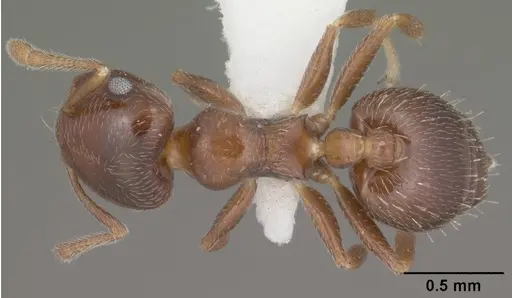
CASENT0193195
View on AntWeb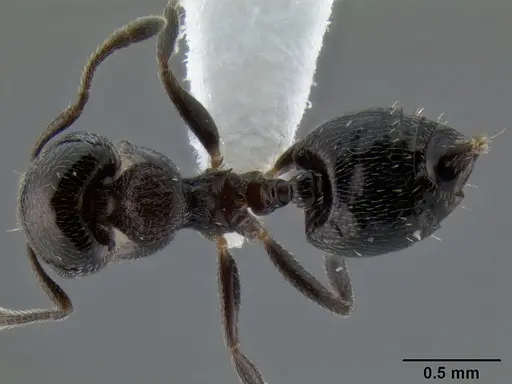
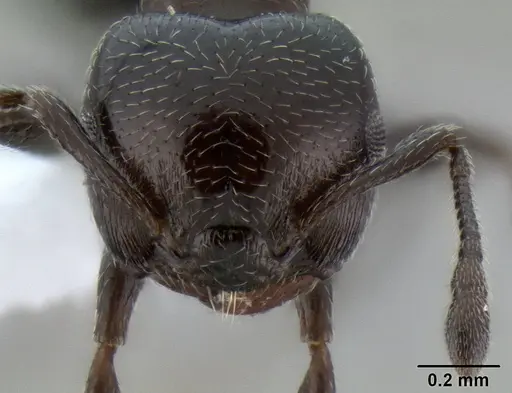
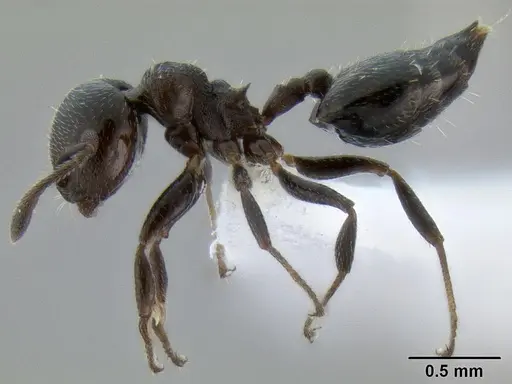
CASENT0246034
View on AntWeb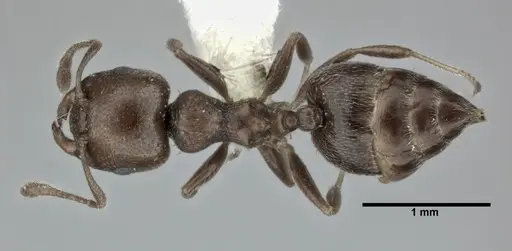
CASENT0625399
View on AntWeb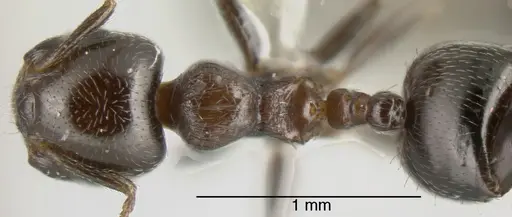
CASENT0637880
View on AntWeb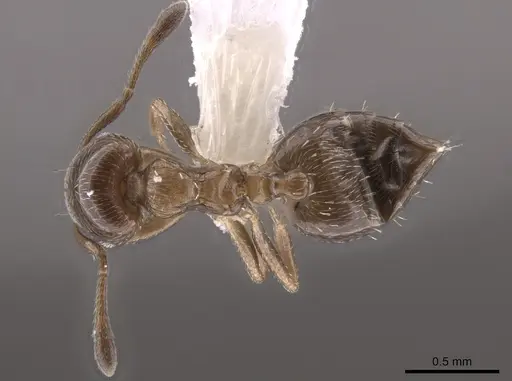
CASENT0902161
View on AntWeb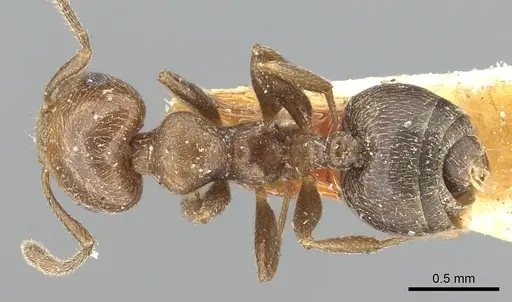
CASENT0902169
View on AntWeb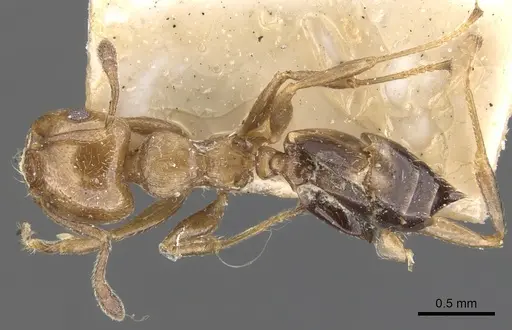
CASENT0908405
View on AntWeb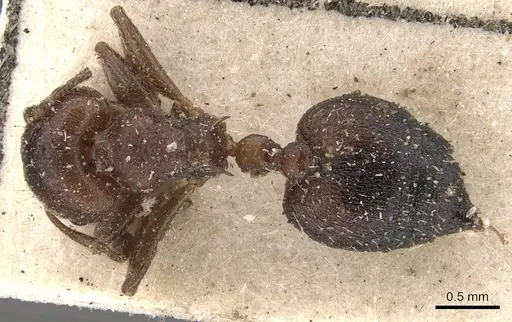
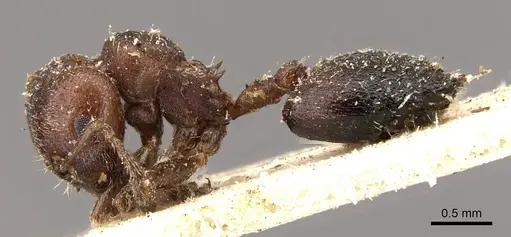
CASENT0908406
View on AntWeb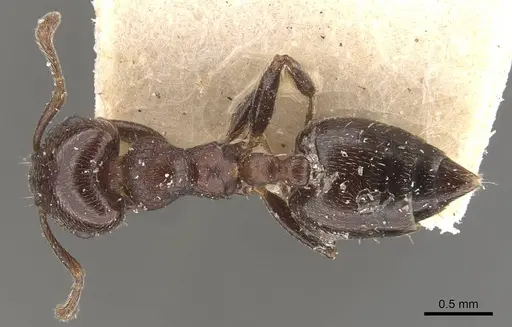
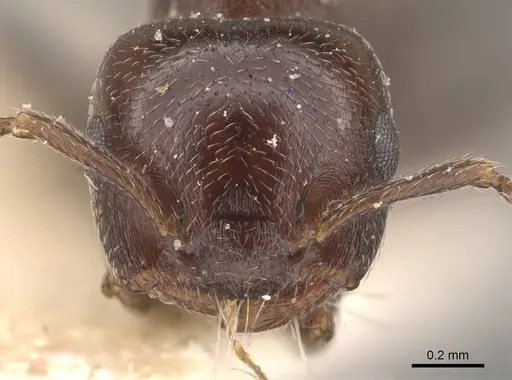
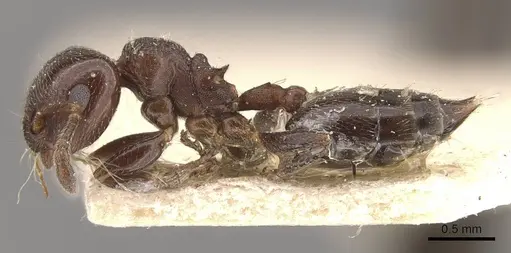
CASENT0908407
View on AntWeb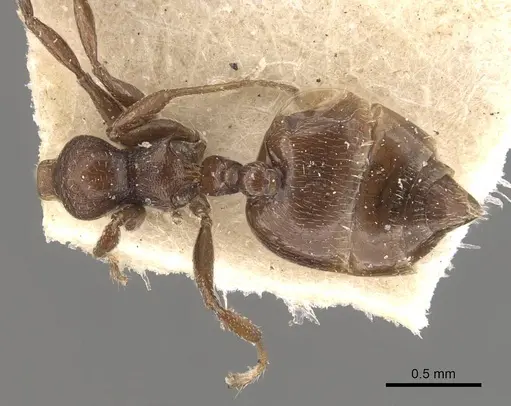
CASENT0908408
View on AntWeb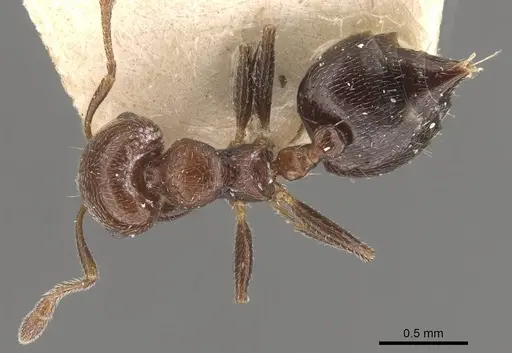
CASENT0908409
View on AntWeb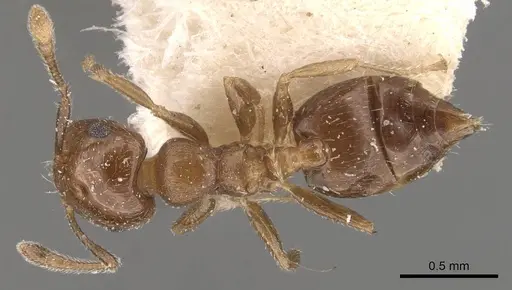
CASENT0914649
View on AntWeb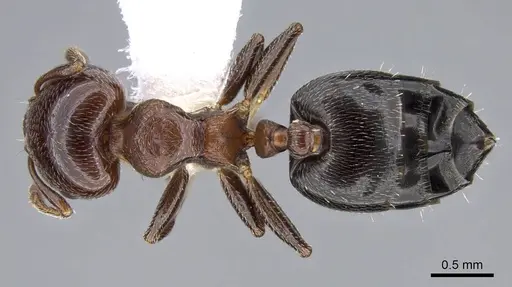
CASENT0914650
View on AntWeb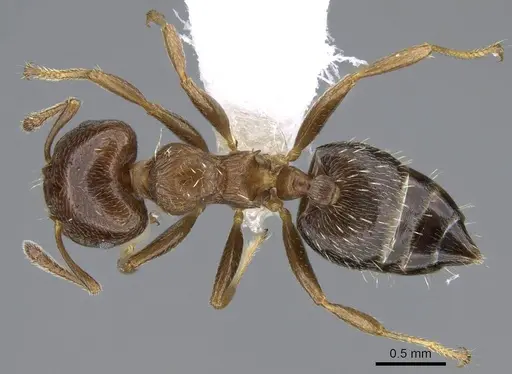
CASENT0914651
View on AntWeb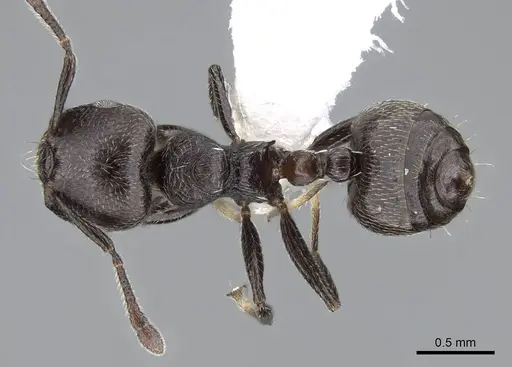
CASENT0919709
View on AntWeb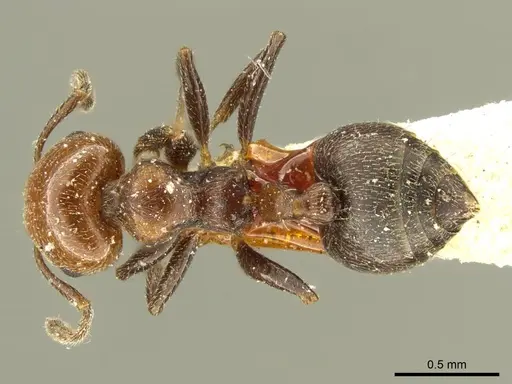
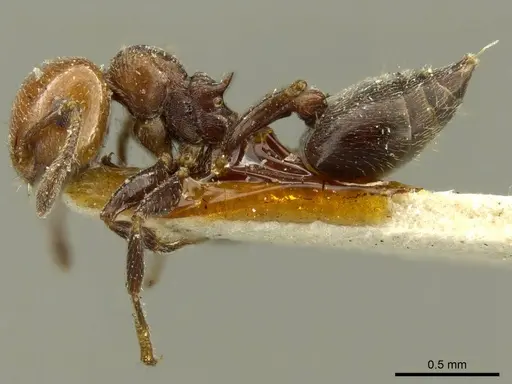
CBUMAGENT41928
View on AntWeb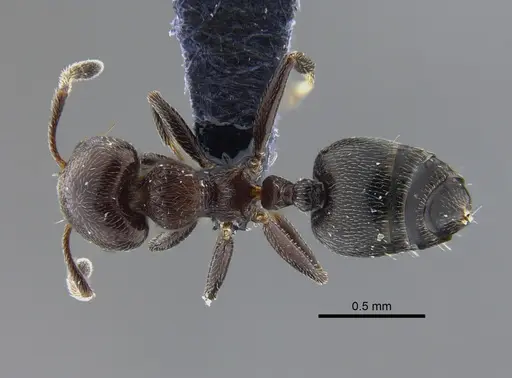
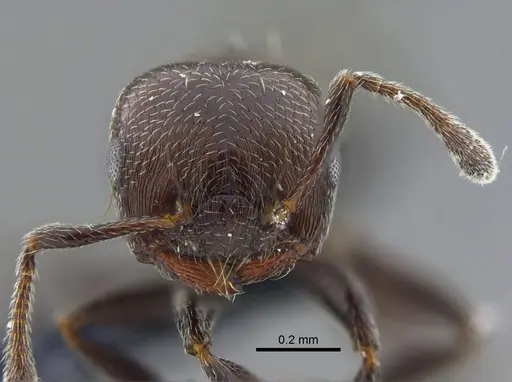
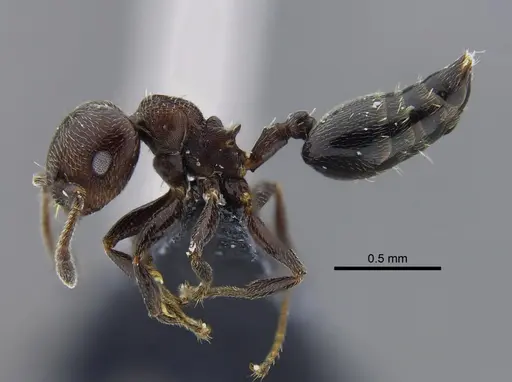
ECOFOG-MI15-0164-25
View on AntWeb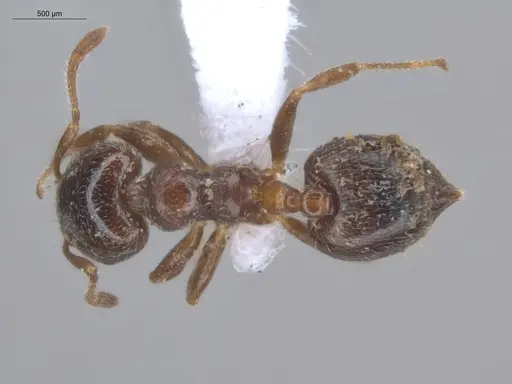
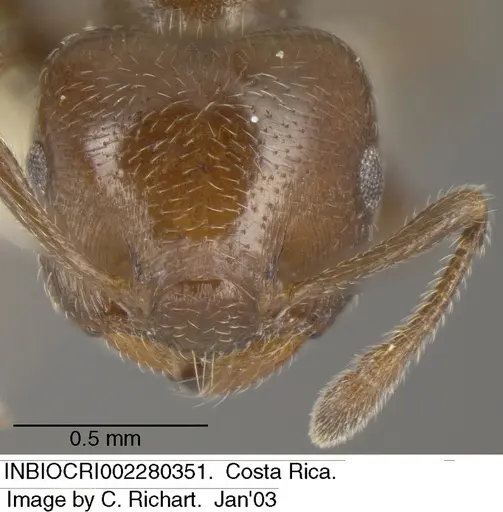
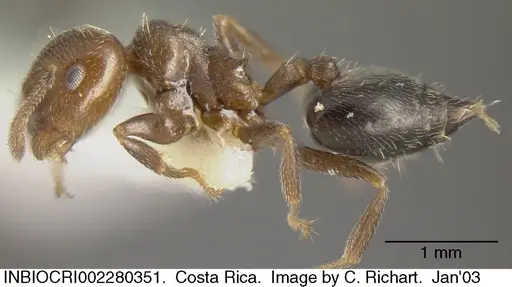
INBIOCRI002280351
View on AntWeb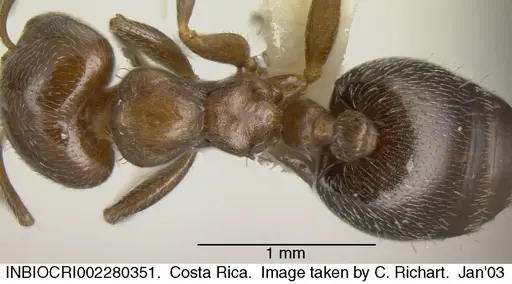
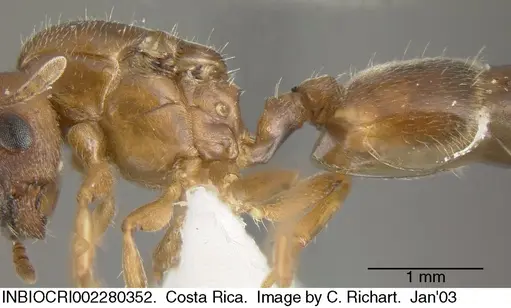
INBIOCRI002280352
View on AntWeb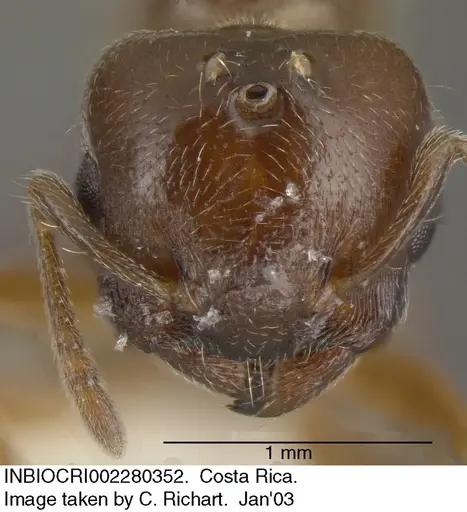
JTLC000002027
View on AntWeb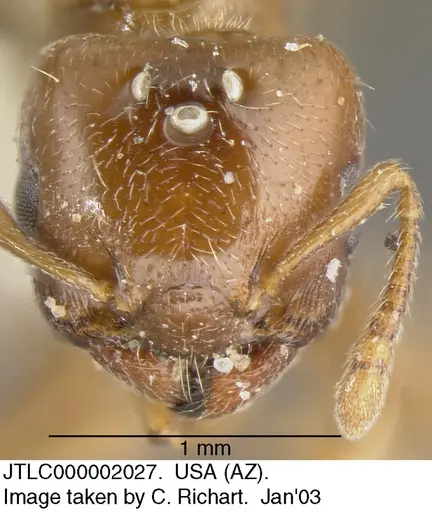
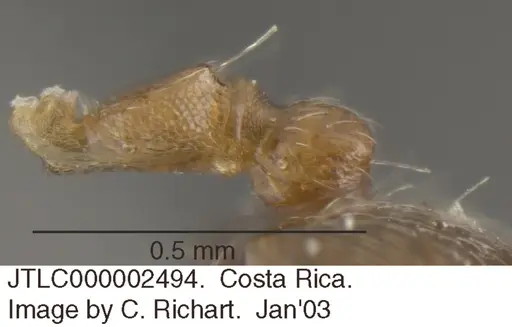
JTLC000002494
View on AntWeb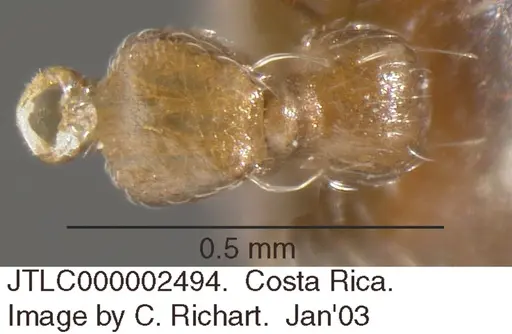
Literature
Loading...Loading products...