

Crematogaster madagascariensis
- Scientific Name
- Crematogaster madagascariensis
- Tribe
- Crematogastrini
- Subfamily
- Myrmicinae
- Author
- André, 1887
- Distribution
- Found in 1 countries
Crematogaster madagascariensis Overview
Crematogaster madagascariensis is an ant species of the genus Crematogaster. It is primarily documented in 1 countries , including Madagascar. Detailed taxonomic data and occurrence records can be further explored via authoritative databases such as AntWeb or the Global Biodiversity Information Facility (GBIF).
Crematogaster madagascariensis
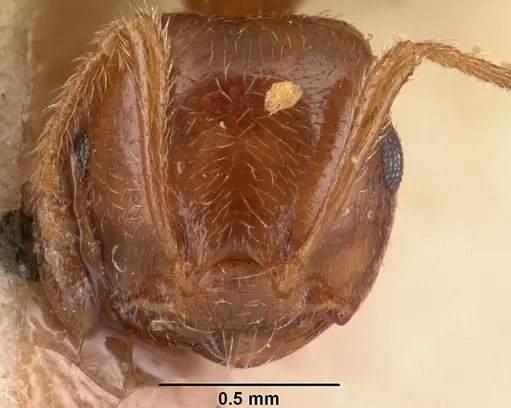
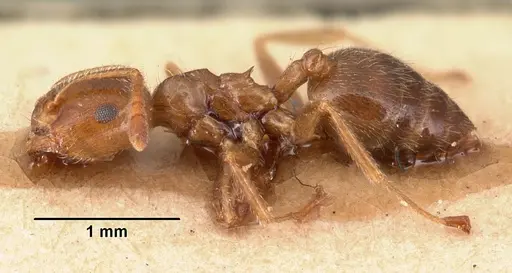
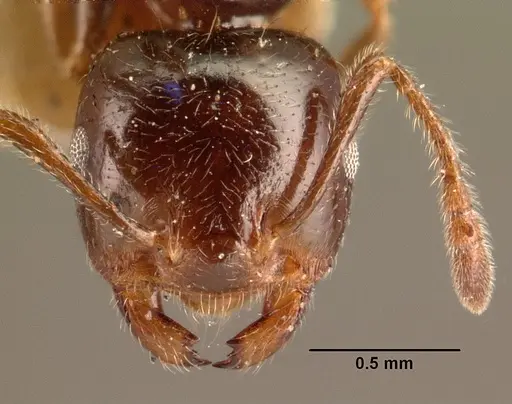
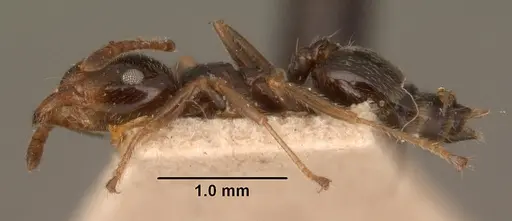
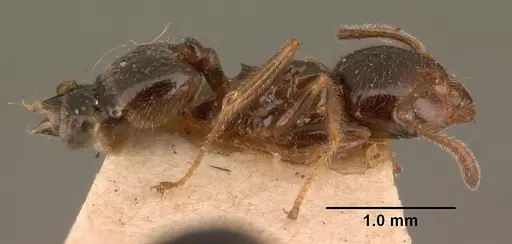
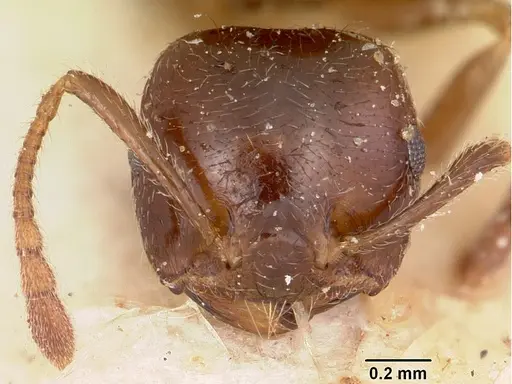
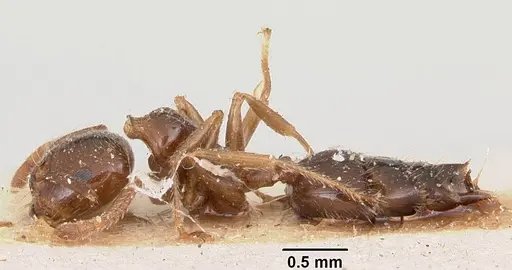
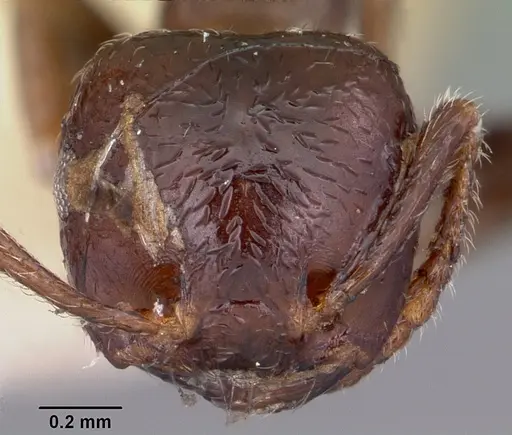
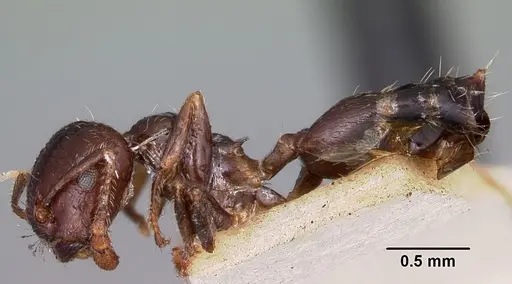
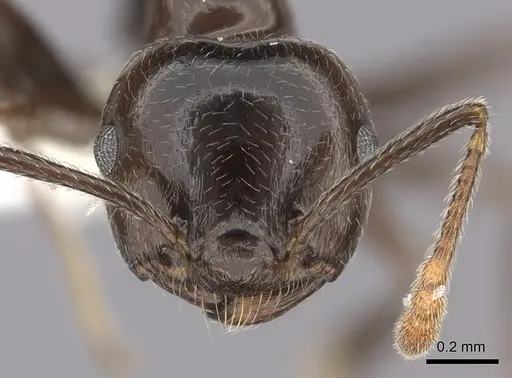
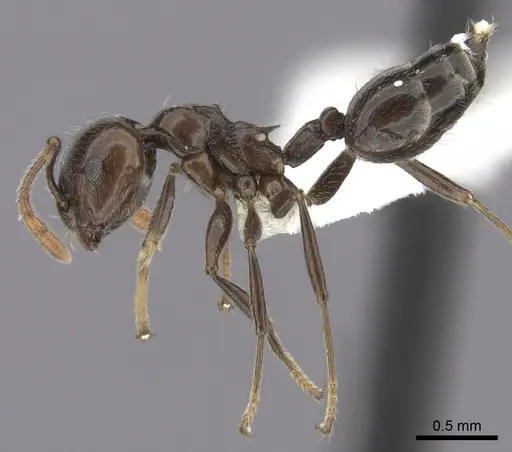
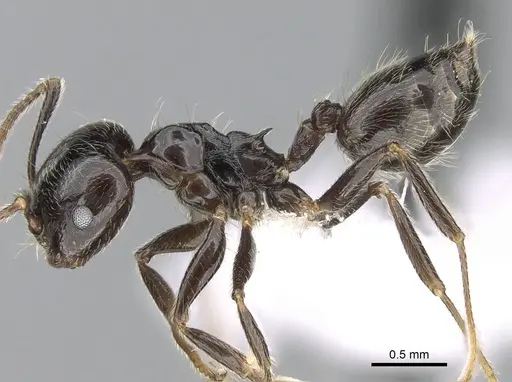
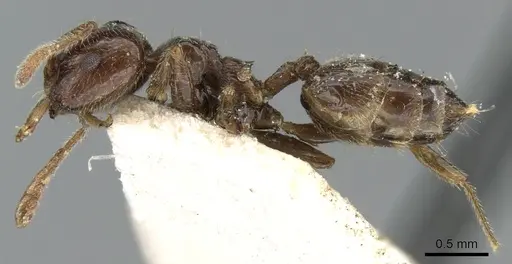
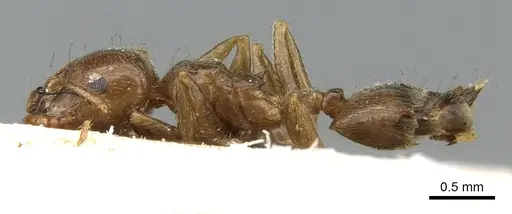
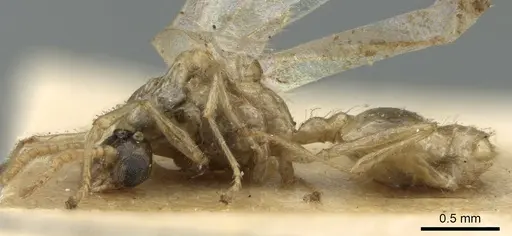
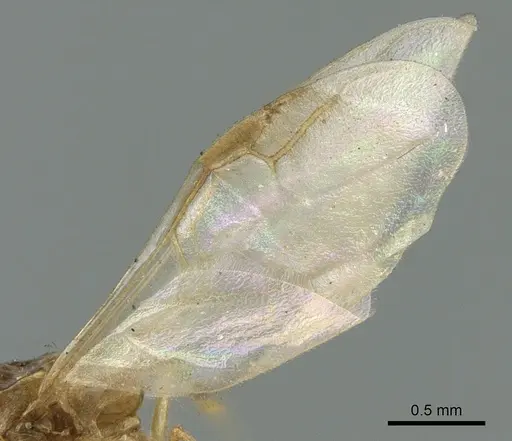
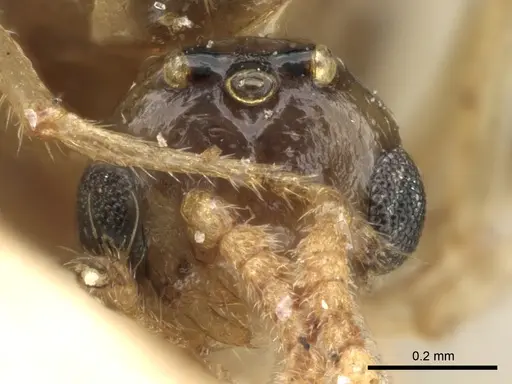
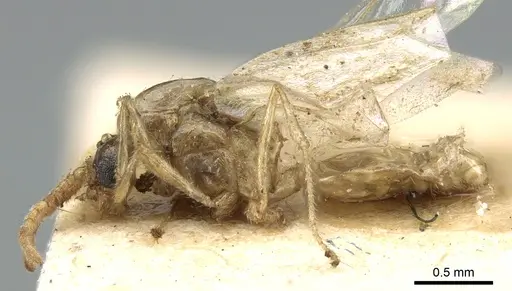
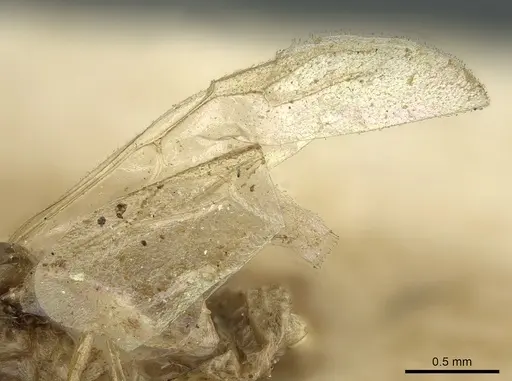
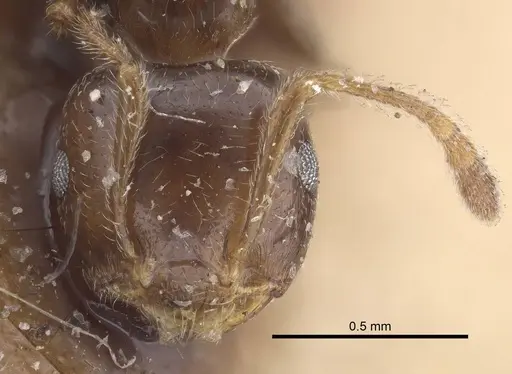
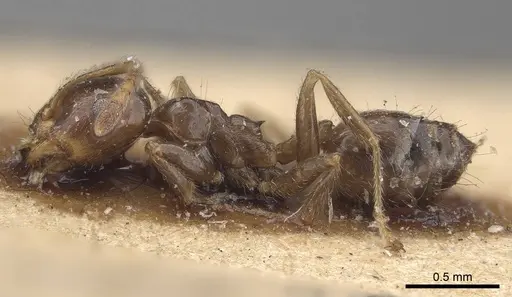
Crematogaster madagascariensis is a small to medium-sized ant native to Madagascar, belonging to the Crematogaster kelleri-group. Workers measure 0.86-1.11mm in head width and 0.92-1.16mm in body length, with queens reaching 1.39mm head width and 2.21mm body length. They are light to dark brown in color, with a distinctive heart-shaped gaster that they raise when threatened, giving them their 'acrobat ant' common name. This species is primarily found in mid-elevation to montane rainforests in Madagascar's central highlands, though some populations exist in northern and eastern lowland areas [1].
This species is arboreal, nesting in hollow branches several centimeters wide [2]. It is one of the more common ant species in Madagascar's coastal rainforests, ranking as the third to fourth most common ant in inland transects [2]. However, very few colony collections have been made, so much of its biology remains undocumented. The species co-occurs with Crematogaster kelleri and Crematogaster hazolava in its range [1].
Quick Summary
- Difficulty: Medium
- Origin & Habitat: Madagascar, primarily mid-elevation to montane rainforest in central highlands, with populations in northern and eastern lowland areas [1]. Type locality is Tamatave on the east coast. Arboreal nester, found in hollow branches [2].
- Colony Type: Colony structure is unconfirmed. Based on typical Crematogaster patterns, likely single-queen colonies with claustral founding. Very few colony collections exist [1].
- Size & Growth:
- Queen: 1.39mm head width,2.21mm body length [1]
- Worker: 0.86-1.11mm head width,0.92-1.16mm body length [1]
- Colony: Large colonies, documented as potentially territorially dominant [2]
- Growth: Unknown, no development data available
- Development: Unconfirmed, no direct measurements exist. Based on typical Crematogaster genus patterns and tropical climate, estimated 4-8 weeks at optimal temperature. (This is an estimate based on genus-level data since no species-specific development study exists.)
- Antkeeping:
- Temperature: Tropical species, keep at 24-28°C. Provide a gentle temperature gradient allowing workers to self-regulate. Room temperature in most homes should work if kept in a warm room.
- Humidity: Moderate to high, Madagascar rainforests are humid environments. Keep nest substrate moist but not waterlogged. Provide a water source. Mist occasionally and ensure good ventilation to prevent mold.
- Diapause: No, Madagascar is tropical with no cold winter. This species does not require hibernation. Keep at stable warm temperatures year-round.
- Nesting: Arboreal species, prefers nests that mimic hollow branches. Y-tong (AAC) nests or plaster nests with narrow chambers work well. Provide twigs or cork bark pieces in naturalistic setups. Avoid fully enclosed test tubes as they prefer more open arboreal-style spaces.
- Behavior: Generally active and agile ants. As with other Crematogaster species, they raise their gaster when threatened as a defensive display, this is their signature 'acrobat' behavior. Workers are quick-moving and good foragers. They are known to be territorially dominant in their native range [2]. Escape prevention should be moderate, workers are small (under 5mm) but not tiny enough to require extreme measures like fine mesh. They are not known to be particularly aggressive but will defend their colony vigorously.
- Common Issues: limited availability, very few colony collections exist and this species is rarely available in the antkeeping hobby, lack of documented care information, most recommendations are inferred from genus patterns rather than species-specific studies, arboreal nesting means standard test tube setups may not be ideal, they prefer more open, branch-like spaces, tropical species needs warm, stable temperatures year-round, avoid cold drafts, large colony size means they need significant space as they grow
Natural History and Distribution
Crematogaster madagascariensis is endemic to Madagascar, where it is primarily found in mid-elevation to montane rainforests in the central highlands region. The type locality is Tamatave on the east coast, though the species has not been collected recently from this area, suggesting habitat destruction may have limited its lower elevation distribution. Exceptions to the highland preference exist in the north (R.S. Manongarivo and P.N. Marojejy) and east coast (P.N. Mananara-Nord and Foret Ivohibe) where populations exist at lower elevations [1].
This is an arboreal species that nests in hollow branches several centimeters wide. It is one of the more common ant species in Madagascar's coastal rainforests, ranking as the third most common in inland transect 1 (12% relative frequency) and fourth most common in inland transect 2 (10% relative frequency) [2]. Colonies can become large enough to be potentially territorially dominant. The species shows a positive association with Crematogaster kelleri in its distribution [2]. Very few colony collections have been made, meaning much of its detailed biology remains undocumented.
Identification and Physical Characteristics
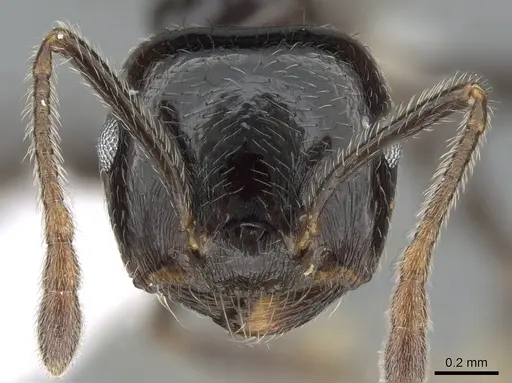
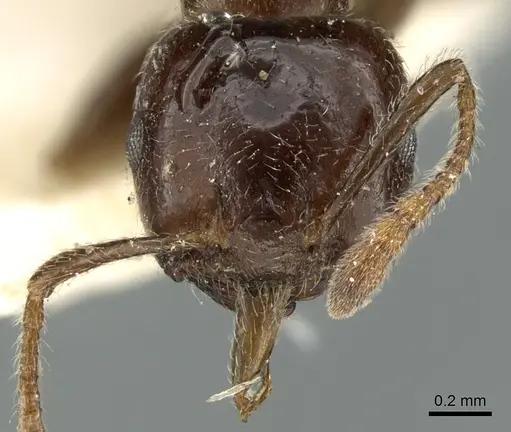
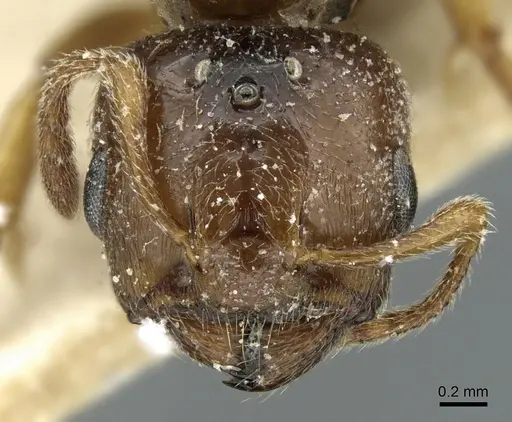
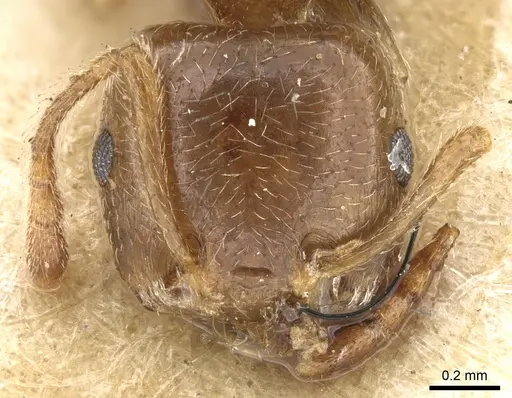
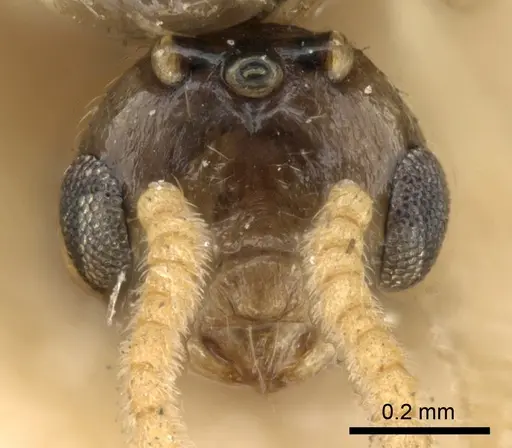
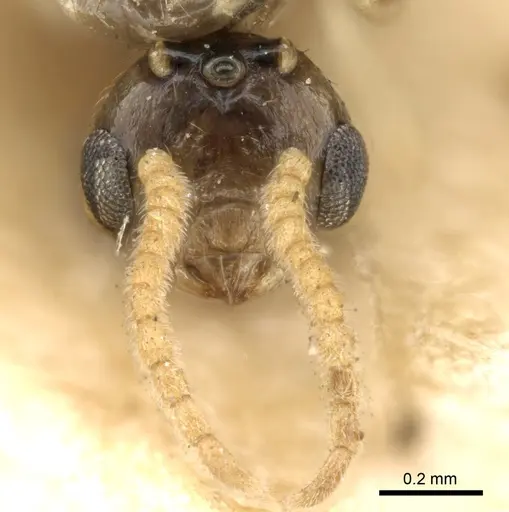
Workers of Crematogaster madagascariensis measure 0.86-1.11mm in head width (HW) and 0.92-1.16mm in body length (WL) [1]. They are light to dark brown in color, which helps distinguish them from yellow-colored Crematogaster hafahafa and some Crematogaster hazolava populations. They lack the median postpetiolar stripe found in brown-colored C. hazolava workers.
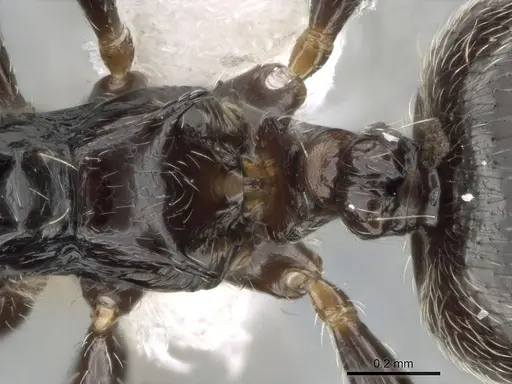
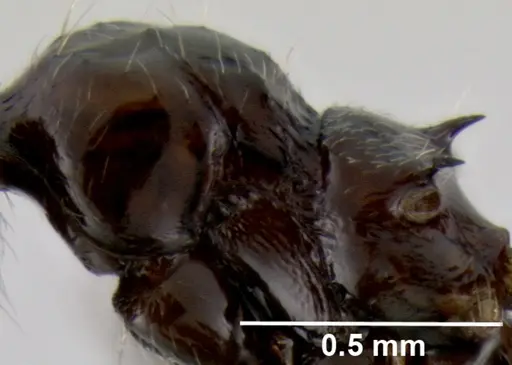
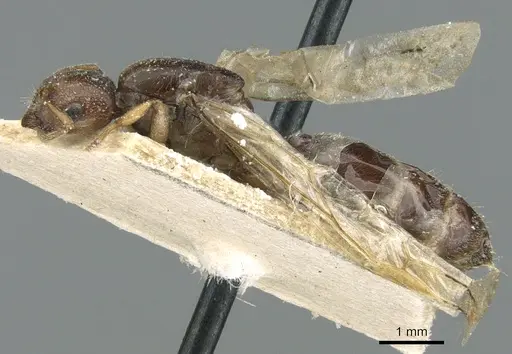
The species is a member of the Crematogaster kelleri-group. Key identification features include the position of the propodeal spiracle, which is situated confluent with the base of the propodeal spines, below the spine base in C. kelleri and C. tavaratra. Workers are generally larger than related species C. hazolava (HW 0.66-0.89) and C. hafahafa (HW 0.68-0.72) [1]. Queens are significantly larger at 1.39mm HW and 2.21mm WL, with five teeth on the masticatory margin of mandibles (workers have four) [1].
Housing and Nest Preferences
Since this is an arboreal species that naturally nests in hollow branches, captive housing should reflect their natural preferences. Y-tong (AAC) nests or plaster nests with narrow chambers work well for this species. The chambers should be appropriately scaled to their worker size (roughly 1mm body width). Avoid fully enclosed test tube setups as they seem to prefer more open, branch-like spaces typical of arboreal nesters.
For naturalistic setups, provide cork bark, twigs, or other materials that mimic their natural hollow branch habitat. Ensure the nest area maintains moderate humidity while providing ventilation to prevent mold. A water test tube should always be available. Because colonies can grow large and become territorially dominant, plan for expansion space as the colony grows. [2][1]
Feeding and Diet
While no specific feeding studies exist for C. madagascariensis, Crematogaster species are generally omnivorous with a preference for protein sources and sugar. In their native habitat, they likely forage for small insects, honeydew, and nectar.
In captivity, offer a varied diet including: protein sources like small crickets, mealworms, fruit flies, or other small insects, sugar sources like honey water or sugar water (offered periodically), and occasional treats like small pieces of fruit. Feed protein 2-3 times per week and provide constant access to sugar water. Remove uneaten prey after 24-48 hours to prevent mold. As this is an active, foraging species, ensure food is accessible and placed near active foraging areas.
Temperature and Seasonal Care
As a tropical species from Madagascar, Crematogaster madagascariensis requires warm, stable temperatures year-round. Aim for 24-28°C in the nest area. A gentle temperature gradient allows workers to self-regulate by moving between warmer and cooler areas. Most room temperatures in heated homes will fall within or near this range.
Unlike temperate species, this ant does not require hibernation or diapause. Avoid cold drafts, air conditioning vents, or placing the colony near windows with significant temperature fluctuations. If your room temperature falls below 24°C, consider using a heating cable or heating mat on one side of the nest (placed on top of the nest, not underneath, to avoid excessive drying). Monitor colony activity, if workers seem sluggish, gradually increase temperature. [1]
Behavior and Temperament
Crematogaster ants are known for their distinctive defensive behavior, when threatened, they raise their heart-shaped gaster over their head, giving them the 'acrobat ant' common name. This posture allows them to spray formic acid or other defensive chemicals from their abdominal glands.
Workers are quick-moving and active foragers. In their native habitat, colonies can become large and territorially dominant, competing with other ant species for resources [2]. They are not typically aggressive toward keepers but will defend their nest vigorously if disturbed. Escape prevention should be moderate, workers are small (under 5mm) but not among the smallest ants, so standard barriers typically suffice. However, always use barrier tape or fluon on edges as a precaution.
Frequently Asked Questions
How long does it take for Crematogaster madagascariensis to produce first workers?
The exact development timeline is unconfirmed as no species-specific study exists. Based on typical Crematogaster genus patterns and their tropical origin, expect approximately 4-8 weeks from egg to first worker at optimal temperature (24-28°C). This is an estimate, actual times may vary.
Can I keep Crematogaster madagascariensis in a test tube setup?
While possible, a test tube setup is not ideal for this arboreal species. They naturally nest in hollow branches and seem to prefer more open spaces. A Y-tong (AAC) nest, plaster nest, or naturalistic setup with cork bark/twigs works better. Test tubes can work for founding colonies but consider transitioning to a more appropriate setup as the colony grows.
Do Crematogaster madagascariensis ants sting?
Crematogaster ants do not have a stinger like some ant species. Instead, they defend by raising their gaster and spraying formic acid or defensive chemicals. The spray can be irritating to skin and eyes, so handle with care. They are not considered dangerous to humans.
What temperature do Crematogaster madagascariensis need?
Keep them at 24-28°C. As a tropical Madagascar species, they need warm, stable temperatures year-round. No hibernation or diapause is required. A gentle temperature gradient allows self-regulation.
How big do Crematogaster madagascariensis colonies get?
Colonies can become large, they are documented as potentially territorially dominant in their native range [2]. The exact maximum is unknown, but expect several hundred to over a thousand workers at maturity. Plan for significant expansion space.
Are Crematogaster madagascariensis good for beginners?
This species is rated as Medium difficulty. While not the most challenging, it is a rarely kept species with limited documented care information. Most recommendations are inferred from genus patterns rather than species-specific studies. Expect some experimentation to find optimal conditions. Not recommended as a first ant unless you have experience with other Crematogaster species.
Do Crematogaster madagascariensis need hibernation?
No. As a tropical species from Madagascar, they do not require hibernation or winter cooling. Keep temperatures stable and warm year-round (24-28°C).
What do Crematogaster madagascariensis eat?
Based on typical Crematogaster diet, offer small insects (protein) 2-3 times per week and provide constant access to sugar water or honey. They are omnivorous and will also accept nectar, fruit, and other sweet substances. Remove uneaten food promptly.
When should I move my colony to a formicarium?
Move from a founding setup to a larger formicarium or naturalistic setup when the colony reaches roughly 20-30 workers and the founding setup feels cramped. This arboreal species prefers Y-tong or plaster nests with branch-like spaces. Don't wait too long, large colonies can become territorial and may struggle in undersized setups.
Can I keep multiple Crematogaster madagascariensis queens together?
The colony structure is unconfirmed for this species. Based on typical Crematogaster patterns, they are likely single-queen (monogyne) colonies. Combining unrelated queens is not recommended without documented evidence that they accept multiple queens. If you obtain a multi-queen colony, keep them together only if they are clearly peaceful, monitor for aggression.
References

This caresheet is licensed under CC BY-SA 4.0 .
CASENT0101409
View on AntWeb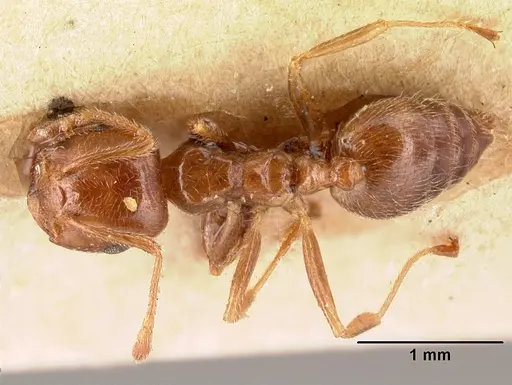
CASENT0101410
View on AntWeb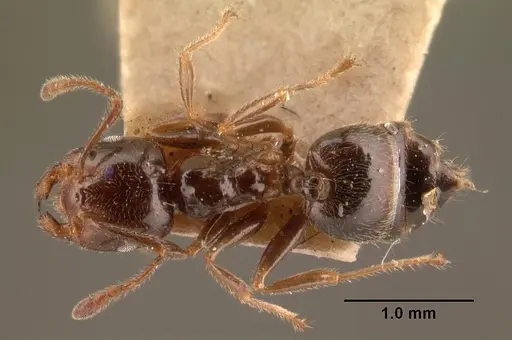
CASENT0101866
View on AntWeb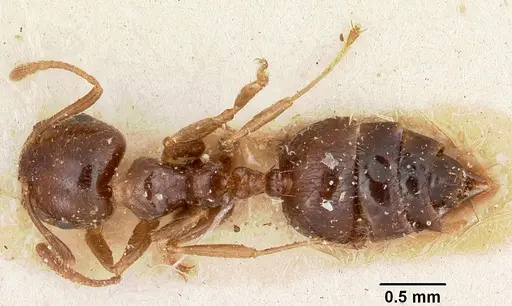
CASENT0102938
View on AntWeb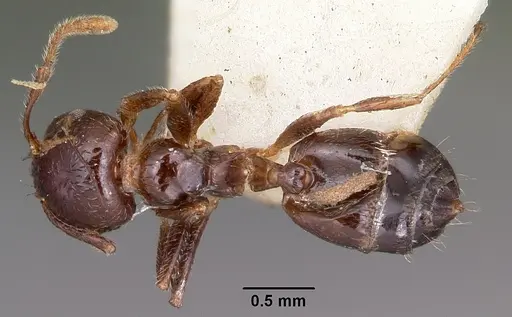
CASENT0127516
View on AntWeb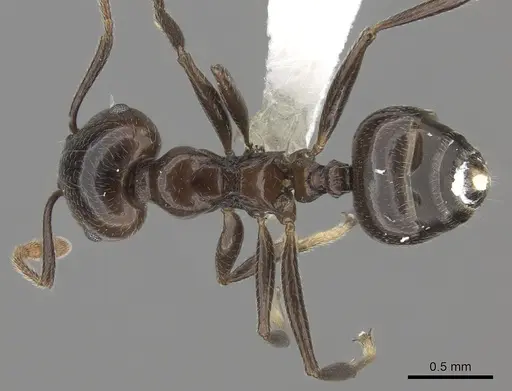
CASENT0193446
View on AntWeb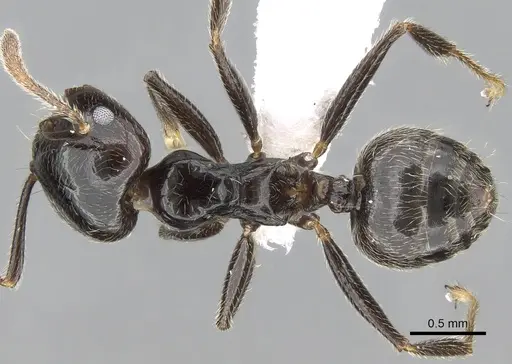
CASENT0193580
View on AntWeb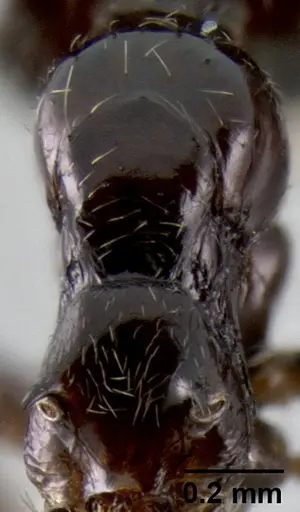
CASENT0906628
View on AntWeb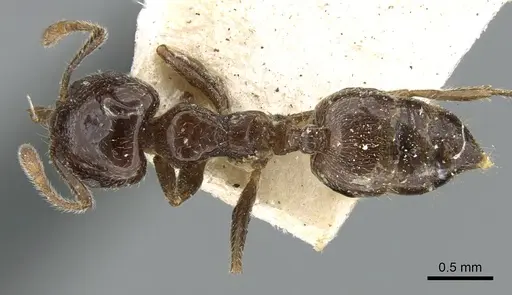
CASENT0906629
View on AntWeb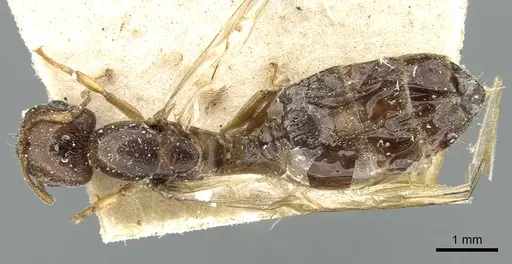
CASENT0906630
View on AntWeb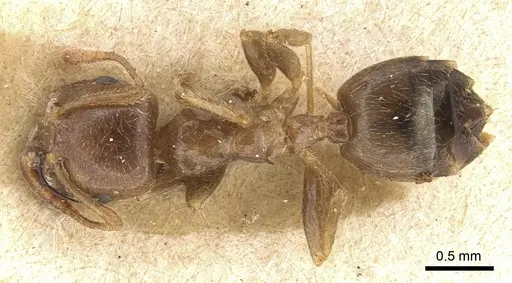
CASENT0906631
View on AntWeb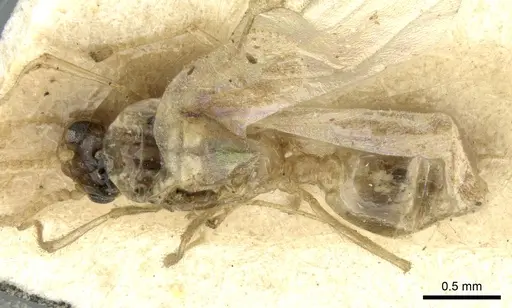
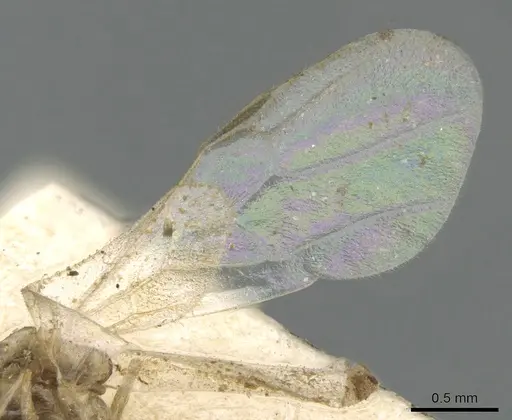
CASENT0906632
View on AntWeb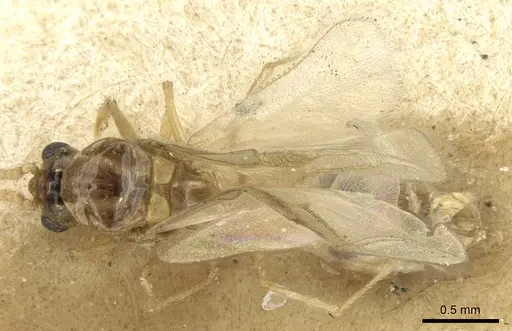
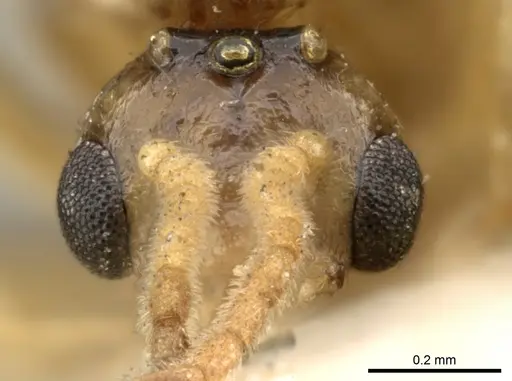
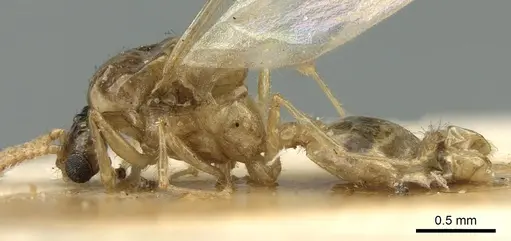
CASENT0906633
View on AntWeb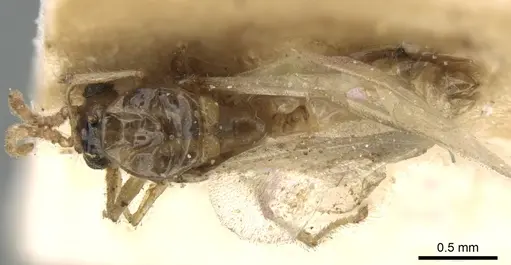
CASENT0919671
View on AntWeb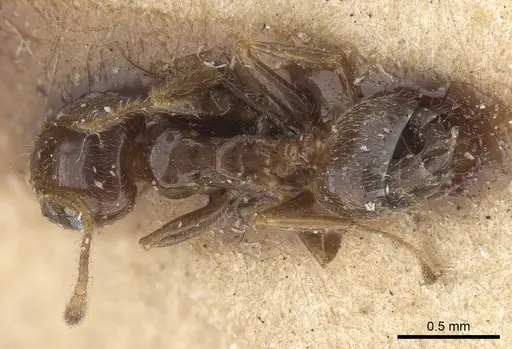
Literature
Loading...Loading products...