

Crematogaster kelleri
- Scientific Name
- Crematogaster kelleri
- Tribe
- Crematogastrini
- Subfamily
- Myrmicinae
- Author
- Forel, 1891
- Distribution
- Found in 1 countries
Crematogaster kelleri Overview
Crematogaster kelleri is an ant species of the genus Crematogaster. It is primarily documented in 1 countries , including Madagascar. Detailed taxonomic data and occurrence records can be further explored via authoritative databases such as AntWeb or the Global Biodiversity Information Facility (GBIF).
Crematogaster kelleri
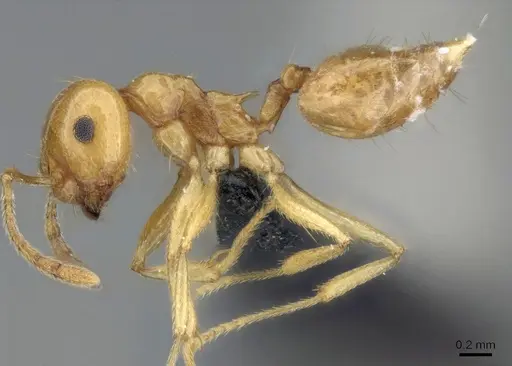
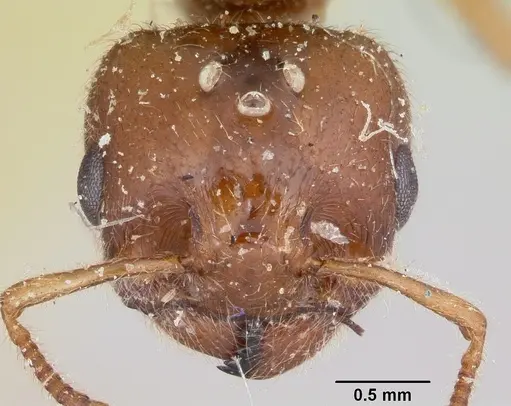
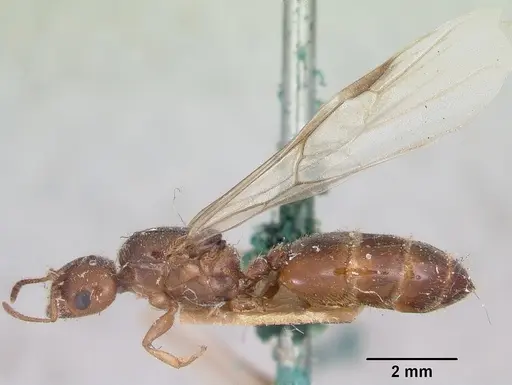
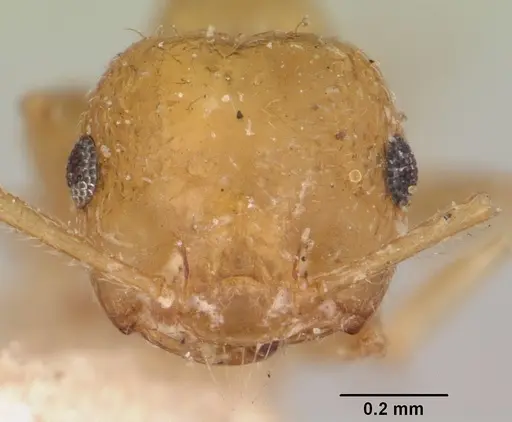
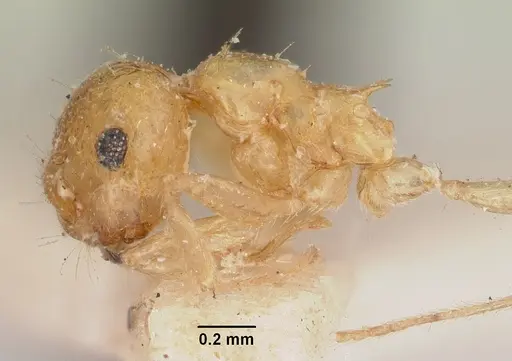
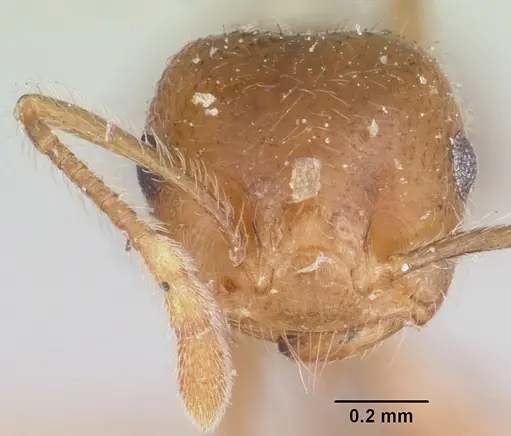
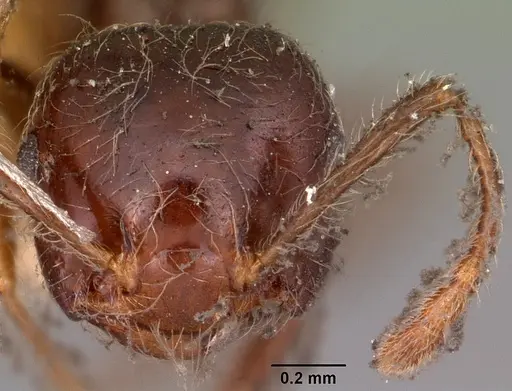
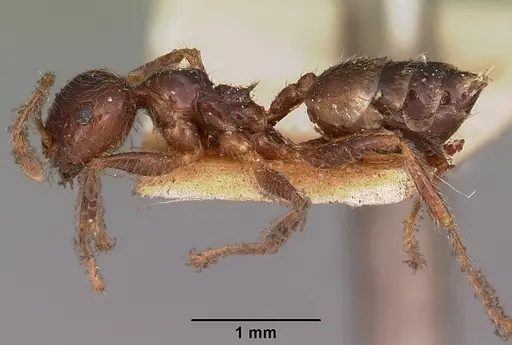
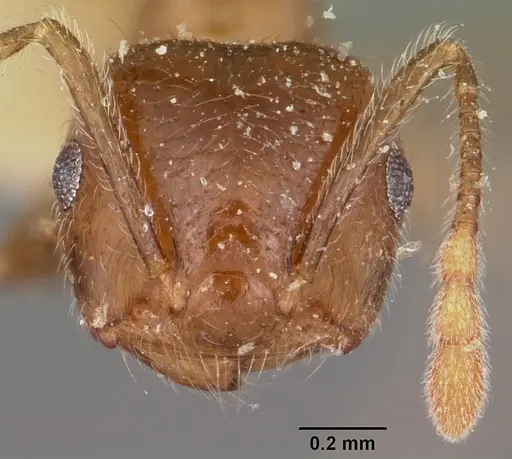
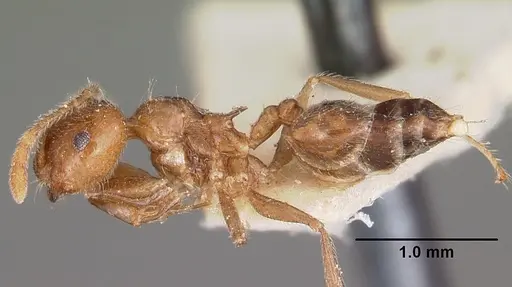
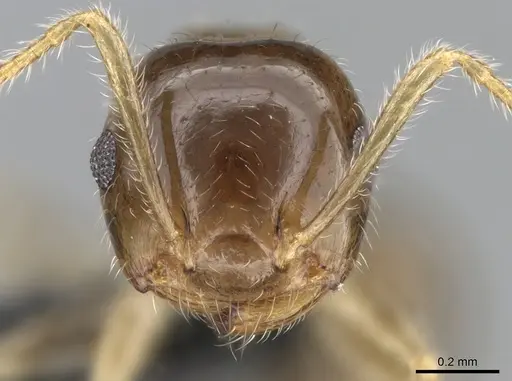
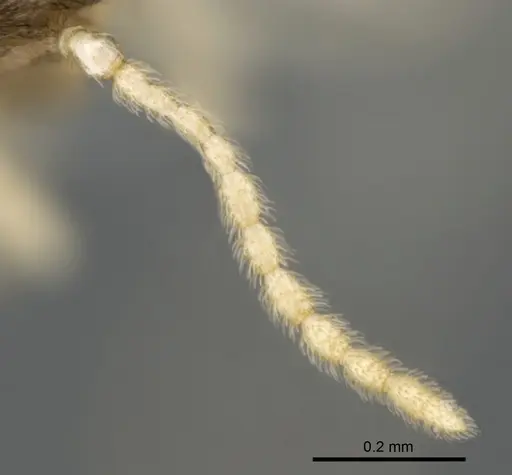
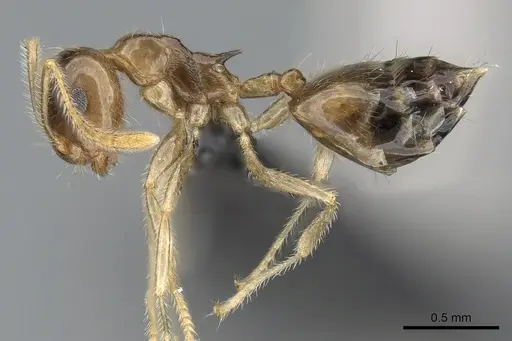
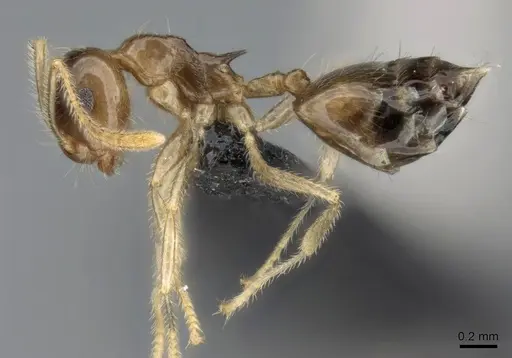
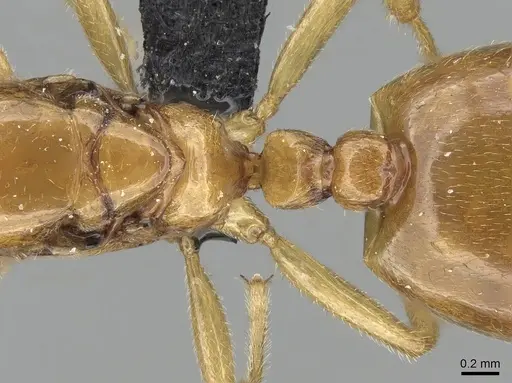
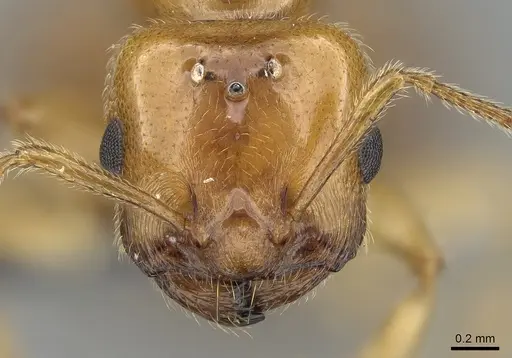
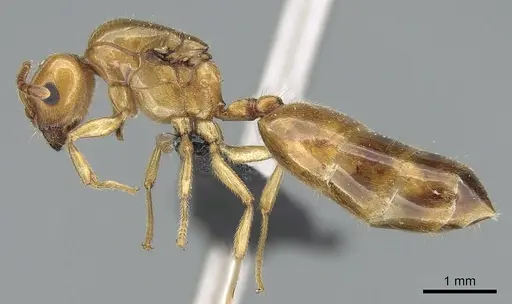
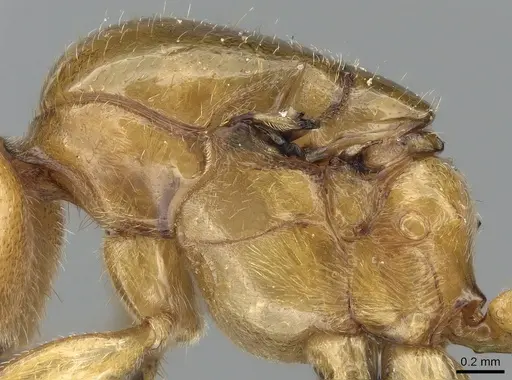
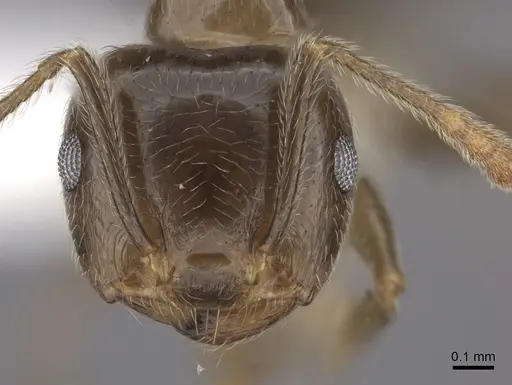
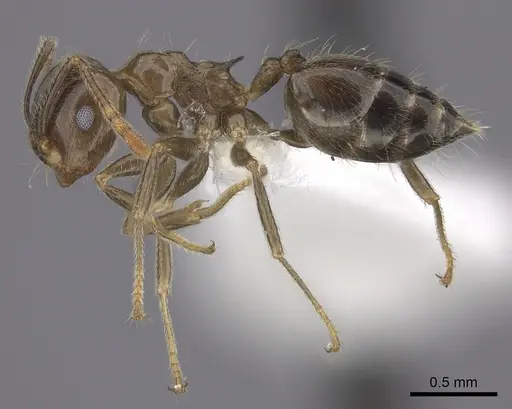
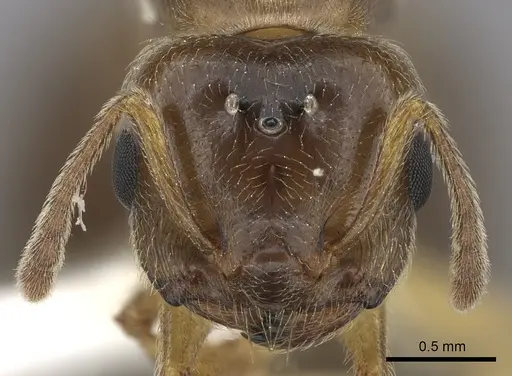
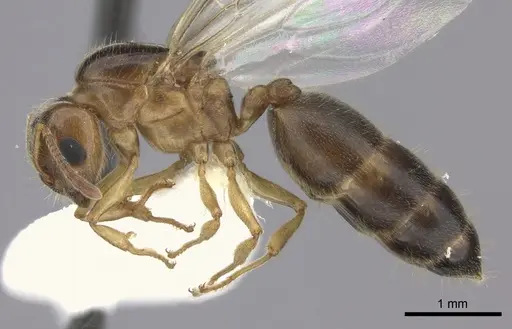
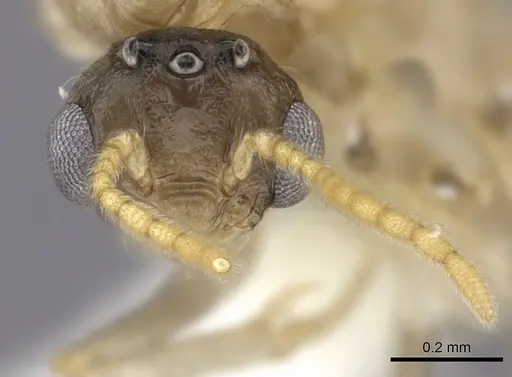
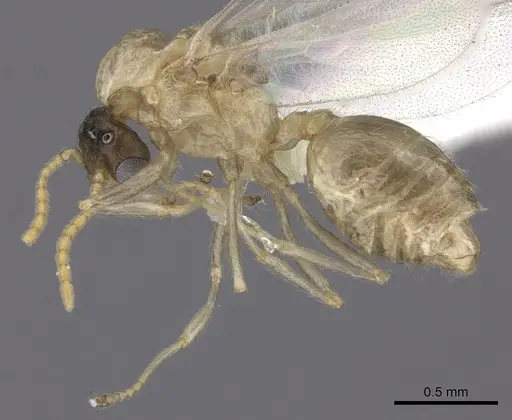
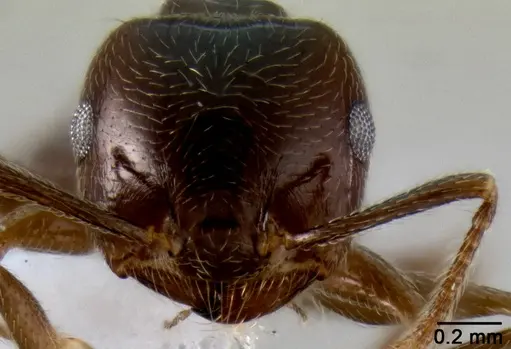
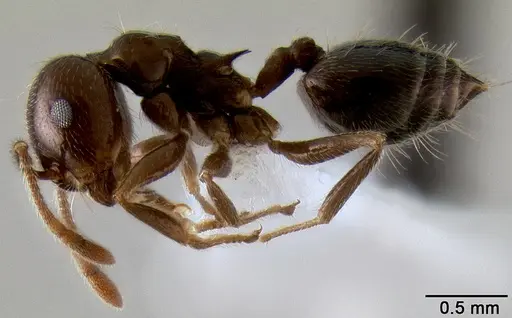
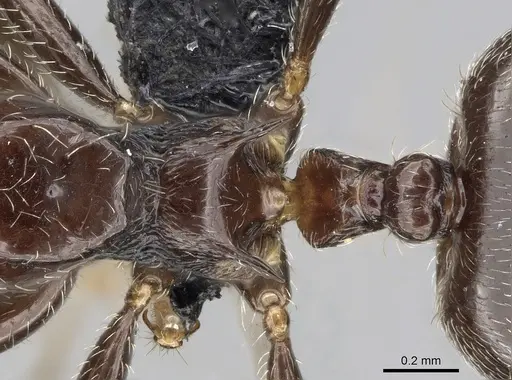
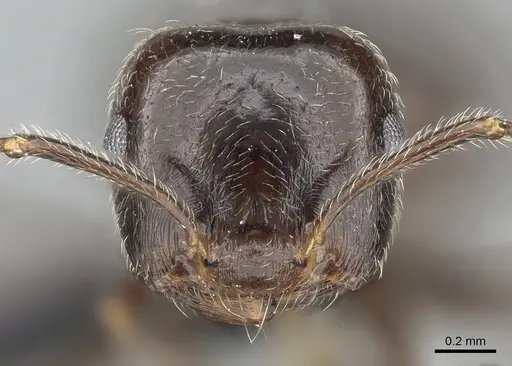
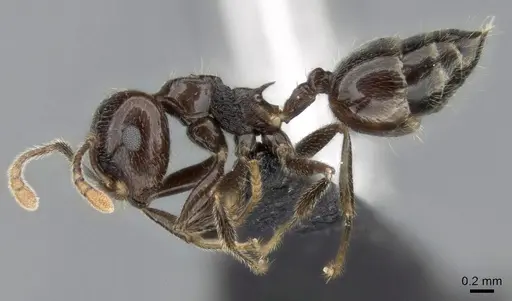
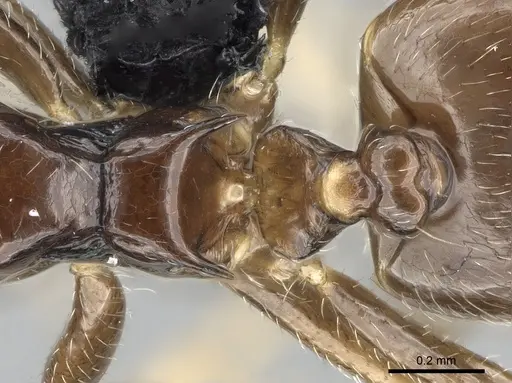
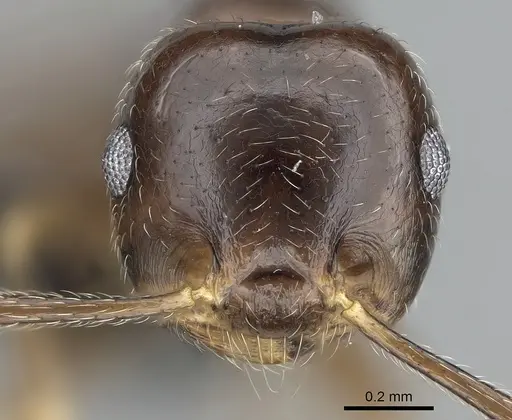
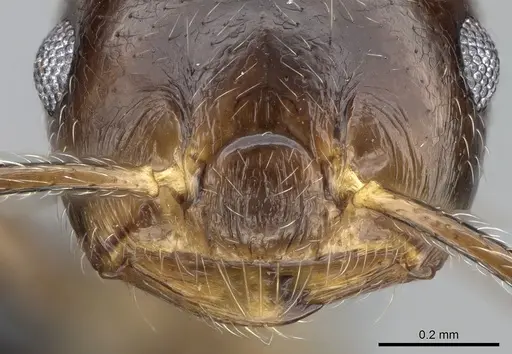
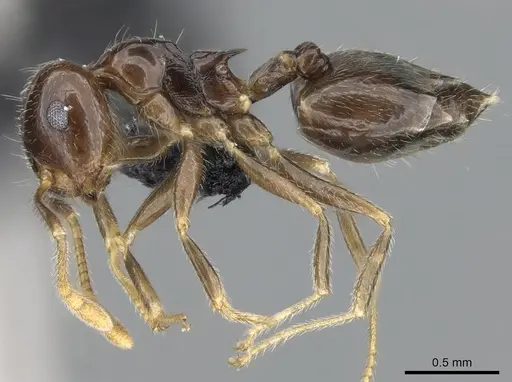
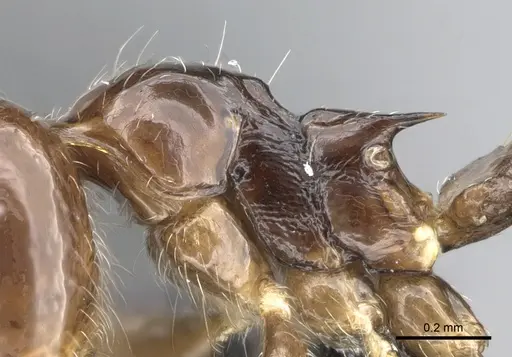
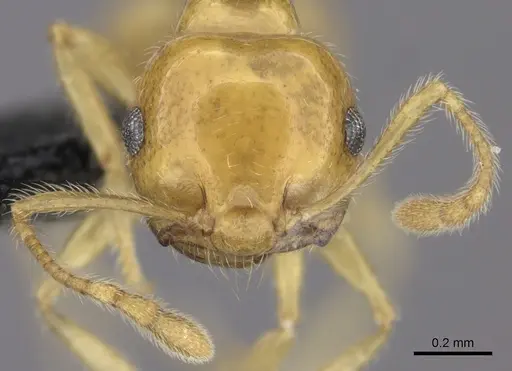
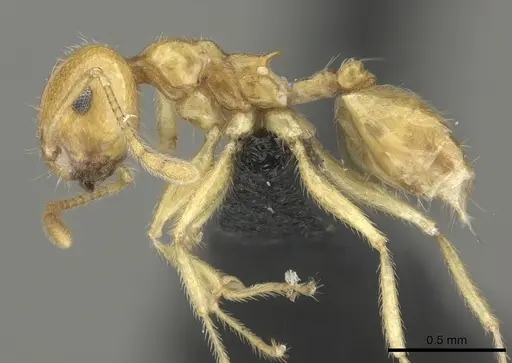
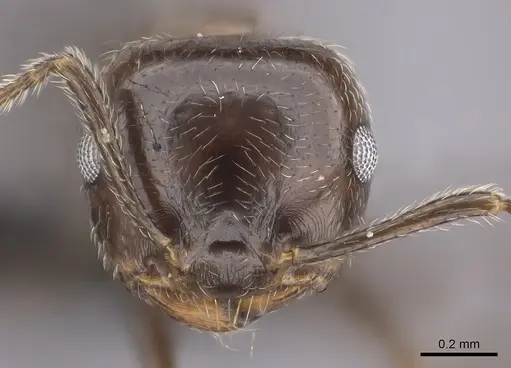
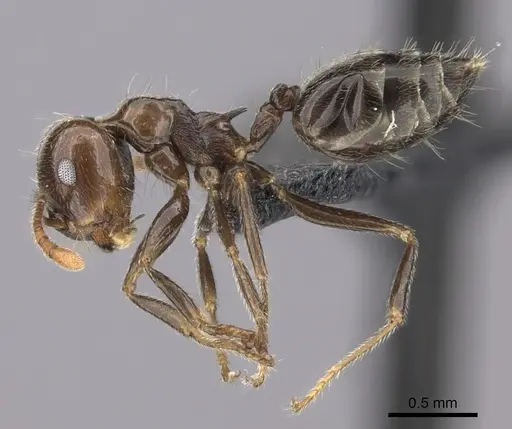
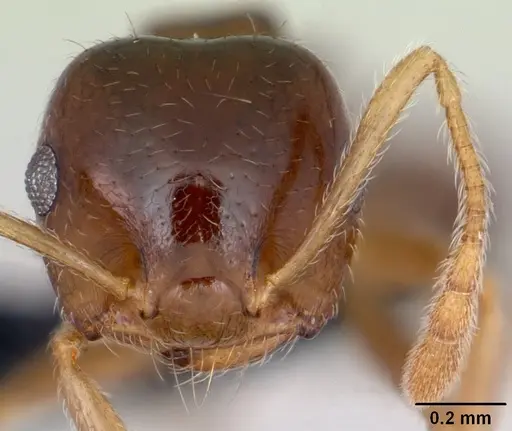
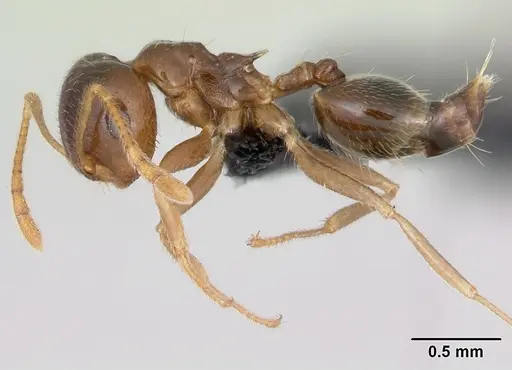
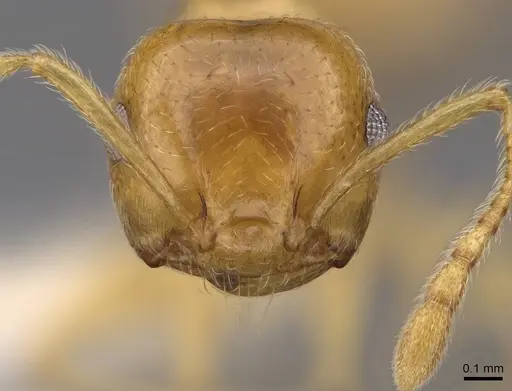
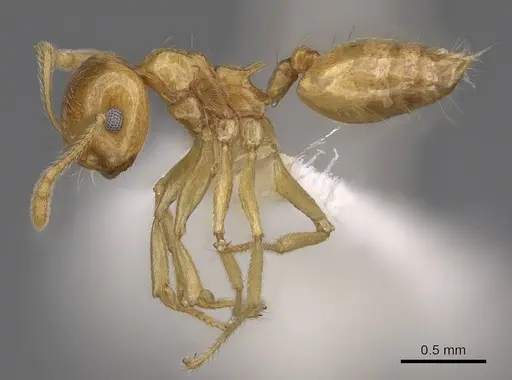
Crematogaster kelleri is a small to medium-sized ant native to Madagascar and the Seychelles. Workers measure 0.6-1.2mm and come in two distinct color forms: a variable brown form (ranging from pale tan to nearly black) and a bright yellow form that stays consistent within colonies. This species is arboreal by nature, building nests in dead branches, under bark, and in moss mats on tree trunks, though they occasionally nest on the ground under stones or in rotting logs. Colonies can be polydomous, meaning they spread across multiple nest sites on a single tree. What makes this species particularly interesting is its remarkable morphological variation, even within the same colony, you'll find workers of different sizes and colors working together [1].
Quick Summary
- Difficulty: Medium
- Origin & Habitat: Madagascar and Seychelles, found throughout humid and dry forests from sea level to 2000m elevation, with highest numbers in lowland rainforests and littoral forests [1][2]
- Colony Type: Likely monogyne (single queen) with polydomous nest structure, colonies spread across multiple nest sites in trees [1]
- Colony: Monogyne
- Founding: Claustral
- Size & Growth:
- Queen: 1.15-1.42mm [2], estimated from morphology
- Worker: 0.60-1.16mm [1]
- Colony: Likely moderate, large colonies documented but exact numbers unknown [3]
- Growth: Moderate, estimated based on tropical arboreal ant patterns
- Development: 6-8 weeks, estimated from related Crematogaster species (Development time is estimated based on typical tropical Myrmicinae patterns. Direct measurements for this species are not available.)
- Antkeeping:
- Temperature: Keep at 24-28°C, these are tropical forest ants that prefer warmth. A gentle gradient allows workers to regulate their temperature
- Humidity: Moderate to high, arboreal species need humidity but not saturation. Provide a moist nest area with some dry areas available. Mist occasionally but avoid standing water
- Diapause: No true diapause, as a tropical species from Madagascar, they do not require hibernation. Activity may slow slightly during cooler months but no special winter treatment is needed
- Nesting: Arboreal nesters need vertical space and climbing opportunities. Y-tong (AAC) nests work well, or provide dead branches/twigs in a naturalistic setup. They prefer tight chambers and narrow passages scaled to their small size [1][2]
- Behavior: These ants are active foragers that patrol trees and vegetation. They are not particularly aggressive but will defend their nest vigorously. Workers are excellent climbers and will explore vertical surfaces readily. Their small size means escape prevention must be excellent, they can squeeze through tiny gaps. Colonies can grow quite large and may become territorially dominant in their enclosure [3].
- Common Issues: escape prevention is critical due to their tiny size, use fine mesh and tight-fitting lids, polydomous colonies may spread workers throughout the outworld, ensure all areas are secure, wild-caught colonies may have parasites that affect survival in captivity, overheating is a risk, keep away from direct sunlight and excessive heat sources, colonies may abandon nest sites if conditions are unsuitable, monitor for stress behaviors
Nest Preferences and Housing
Crematogaster kelleri is an arboreal species that naturally nests in dead branches, under bark, and in canopy moss. In captivity, they do well in Y-tong (acrylic) nests with chambers sized appropriately for their small workers. Provide vertical space and include twigs or branches for them to explore, this mimics their natural arboreal habitat. The nest should have tight-fitting connections to the outworld since these tiny ants can escape through remarkably small gaps. A naturalistic setup with actual twigs or small branches works well if you can maintain proper humidity. Keep the nest area humid but ensure adequate ventilation to prevent mold. [1][2]
Feeding and Diet
Like most Crematogaster species, these ants are omnivorous and will accept a variety of foods. Offer sugar sources regularly, honey water or sugar water is readily accepted. They also need protein from insect sources such as small crickets, fruit flies, or mealworms. In the wild, they forage for honeydew from aphids and scale insects, so they may also accept sugary liquids. Feed them every 2-3 days, removing any uneaten prey after 24 hours. A constant sugar source is recommended since they have high energy demands from their active foraging.
Temperature and Seasonal Care
As a tropical species from Madagascar, Crematogaster kelleri prefers warm conditions around 24-28°C. They are found from sea level to 2000m elevation in various forest types, indicating they can tolerate a range of conditions but prefer warmth and humidity. No hibernation or diapause is required, these ants remain active year-round. Avoid temperature extremes and keep them away from direct sunlight which can overheat the nest quickly. A heating cable on one side of the nest can create a temperature gradient if your room temperature falls below 24°C. Monitor colony activity, if workers cluster near the heat source, increase temperature slightly. [1]
Behavior and Colony Structure
This species exhibits polydomous nesting behavior in the wild, meaning colonies occupy multiple nest sites across a single tree. In captivity, this may translate to workers exploring and potentially establishing secondary nest sites in different areas of their enclosure. Colonies can grow quite large and become dominant within their territory. Workers are active foragers that readily climb vertical surfaces. They are not particularly aggressive toward keepers but will defend their nest vigorously if threatened. The two color forms (brown and yellow) can appear in the same population, and colonies may contain workers of different sizes, this variation is completely normal for this species. [1][3]
Growth and Development
Queen size ranges from 1.15-1.42mm, making them relatively small among Crematogaster. Workers show significant size variation within colonies, ranging from 0.6-1.2mm. Development from egg to worker likely takes 6-8 weeks at optimal temperatures based on related species patterns. The first workers (nanitics) will be smaller than mature workers and may be lighter in color. Growth rate is moderate, expect several months before you have a substantial worker population. Colonies continue growing as long as conditions are suitable and the queen remains healthy. [1]
Escape Prevention
Due to their very small size (workers under 1.2mm), excellent escape prevention is essential. Use test tube setups with cotton plugs that are properly fitted, or better yet, use dedicated ant keeping equipment with tight-sealing lids. Any connections between nest and outworld should have multiple barriers. Fine mesh (at least 0.5mm or smaller) is necessary for any ventilation openings. Check all seams and edges regularly, these tiny ants can find gaps you might miss. A barrier of fluon or petroleum jelly on the upper rim of the outworld provides an additional deterrent.
Frequently Asked Questions
Can I keep Crematogaster kelleri in a test tube?
Yes, test tubes work well for founding colonies. Use a small test tube with a water reservoir sealed with cotton, the queen will seal herself in to raise her first workers. Make sure the cotton is packed tightly since these tiny ants can squeeze through gaps. Once the colony reaches 20-30 workers, consider moving to a proper formicarium or larger test tube setup.
How long does it take for first workers to appear?
Expect first workers (nanitics) to emerge in about 6-8 weeks at optimal temperature (around 26°C). This is an estimate based on related Crematogaster species, direct development data for C. kelleri is not available. The first workers will be smaller than mature workers and may take several more weeks to reach full size.
Do Crematogaster kelleri ants sting?
Crematogaster ants have a stinger but it is very small and rarely able to penetrate human skin. They are not considered dangerous to keepers. If handled roughly, they may attempt to sting but the sensation is minimal for most people.
What do Crematogaster kelleri eat?
They are omnivorous. Offer sugar water or honey constantly as their primary energy source. Feed protein (small insects like fruit flies, pinhead crickets, or mealworms) 2-3 times per week. They will also scavenge on dead insects in their enclosure.
Do they need hibernation?
No, these are tropical ants from Madagascar and do not require hibernation. They remain active year-round. You may notice slightly reduced activity during cooler months, but no special winter treatment is needed.
Are Crematogaster kelleri good for beginners?
They are moderate difficulty. Their small size and escape risk make them slightly more challenging than larger species. However, their adaptability to various conditions and straightforward diet make them manageable for keepers who pay attention to escape prevention. Not recommended as a very first ant but suitable for those with some experience.
When should I move them to a formicarium?
Move to a larger setup once the colony reaches 30-50 workers and the test tube is becoming crowded. A Y-tong or acrylic nest with a connected outworld works well. Ensure the transition is gradual and the new nest is properly humidified before introducing the colony.
Why are my Crematogaster kelleri dying?
Common causes include: escape-related losses (check all barriers), overheating from direct sunlight or heat sources, excessive humidity causing mold, or starvation if sugar sources run out. Also check for stress from vibrations or light exposure, these ants prefer dark, quiet locations. Wild-caught colonies may carry parasites that affect captivity.
Can I keep multiple queens together?
Not recommended, combining unrelated queens of this species has not been documented. In the wild, colonies appear to have single queens (monogyne). Multiple foundresses would likely result in fighting. If you acquire a colony, assume single-queen structure.
How big do colonies get?
Colonies can grow quite large based on related species and field observations showing large, territorially dominant colonies [3]. Expect several hundred to potentially over 1000 workers in mature colonies. The polydomous nature means they may spread across multiple nest sites.
What makes the yellow and brown color forms?
This species has two distinct color forms that do not interbreed within colonies, a brown form (variable from pale tan to nearly black) and a yellow form (bright and consistent). Both forms can occur in the same area (sympatry) but one usually dominates. Yellow workers come from yellow colonies, brown from brown colonies, the color is genetically determined, not variable within individual colonies like size can be.
References

This caresheet is licensed under CC BY-SA 4.0 .
CASENT0060043
View on AntWeb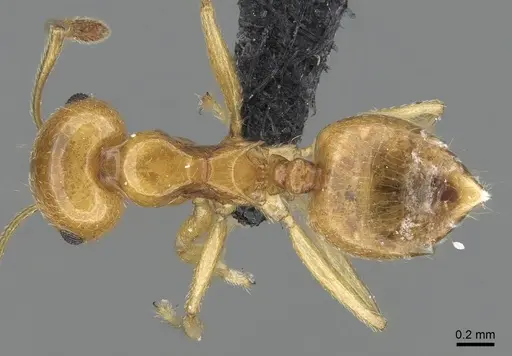
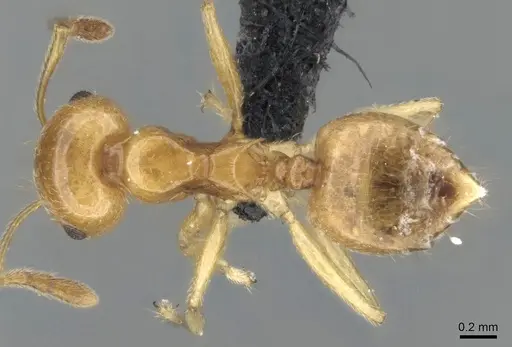
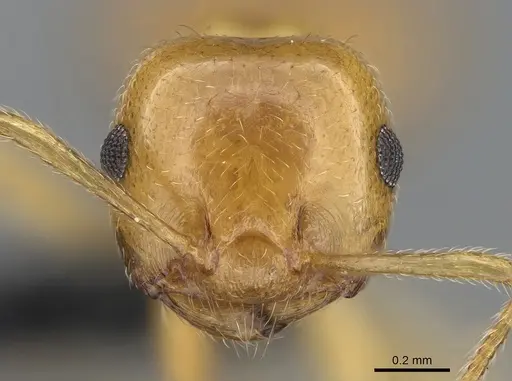
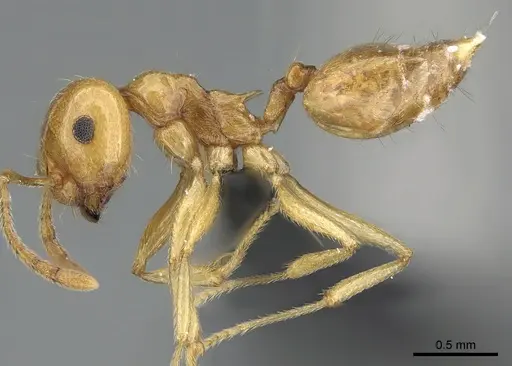
CASENT0101557
View on AntWeb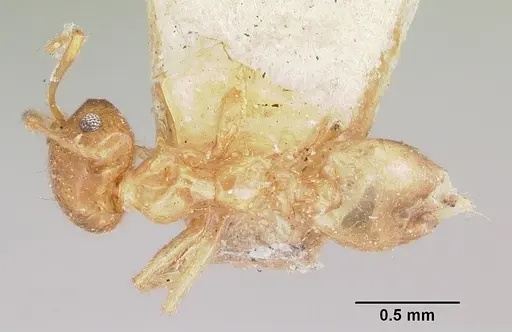
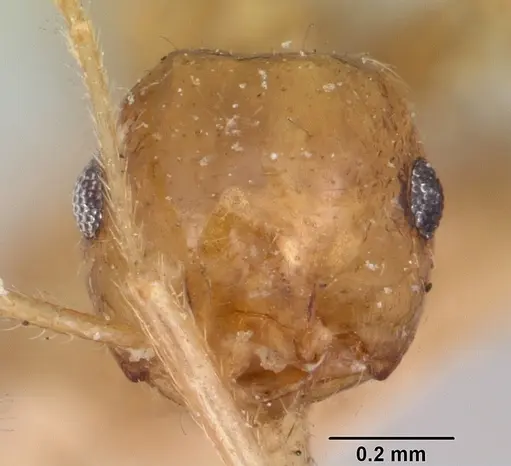
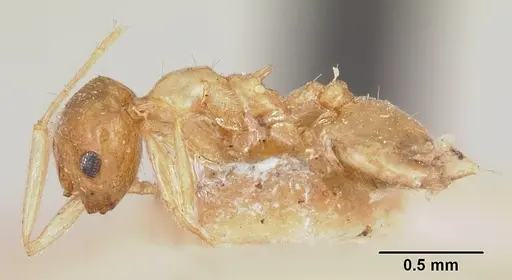
CASENT0101578
View on AntWeb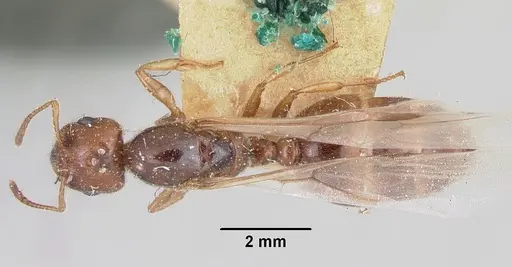
CASENT0101620
View on AntWeb
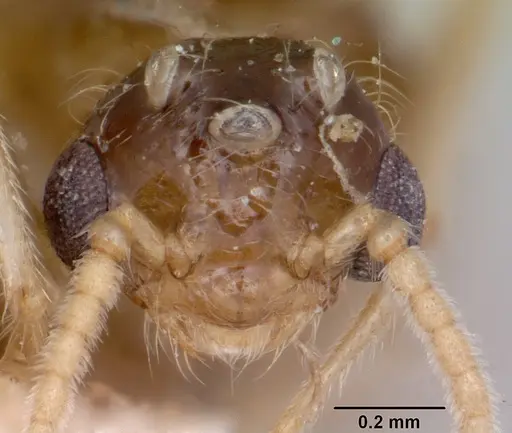
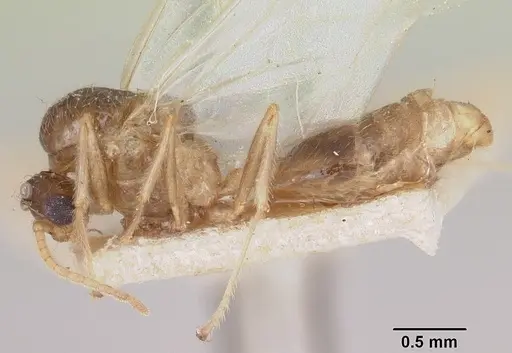
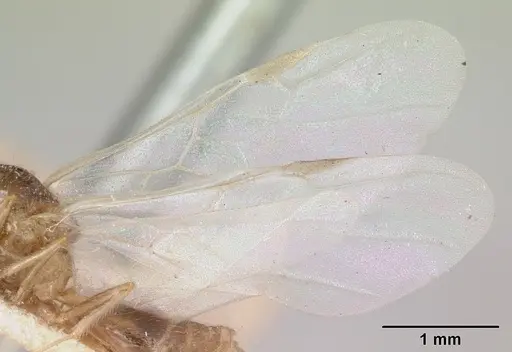
CASENT0101735
View on AntWeb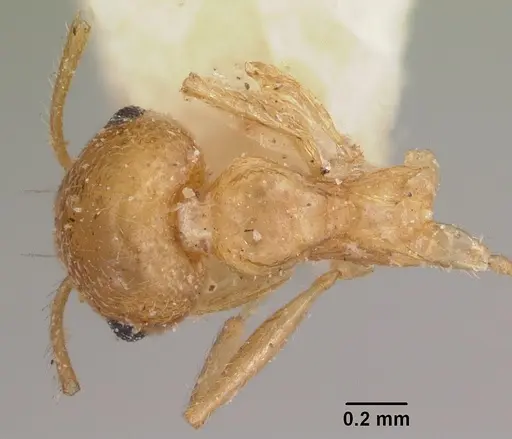
CASENT0101769
View on AntWeb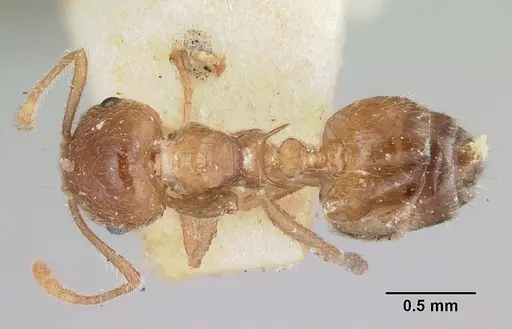
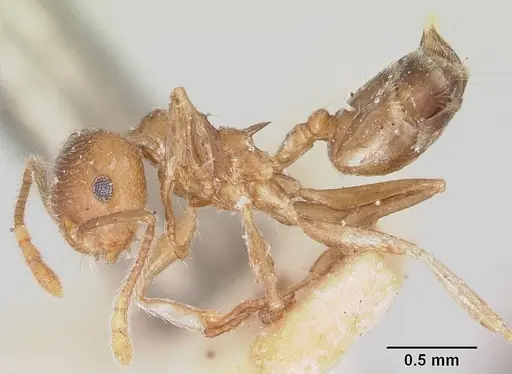
CASENT0102056
View on AntWeb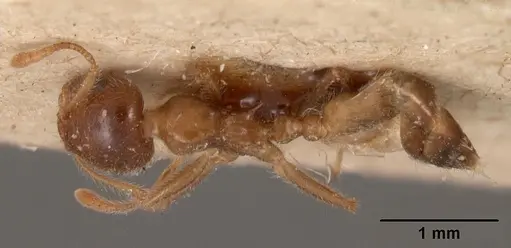
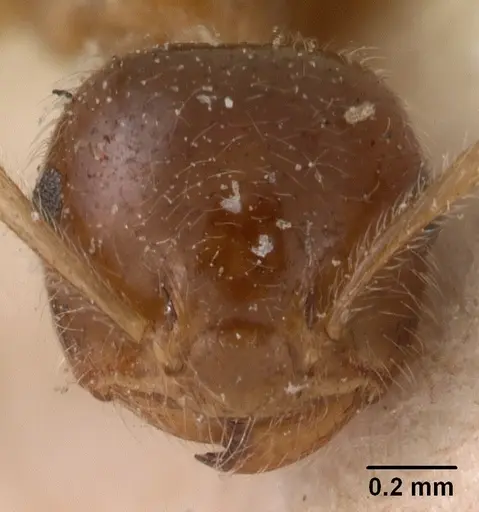
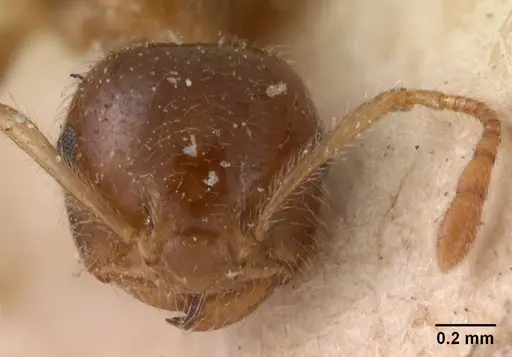
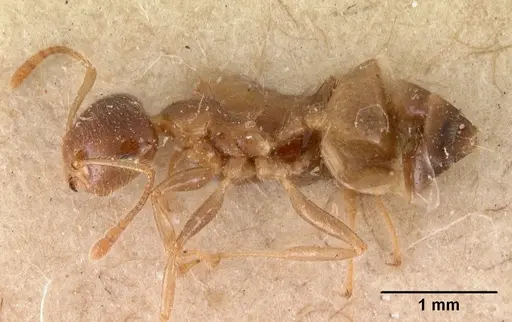
CASENT0102057
View on AntWeb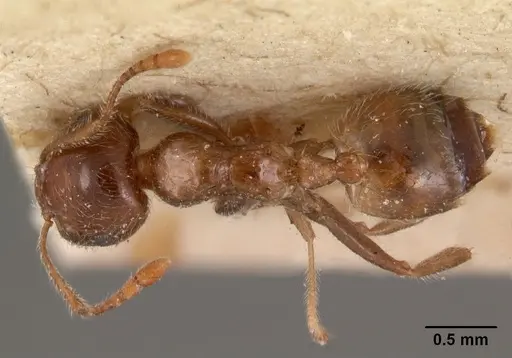
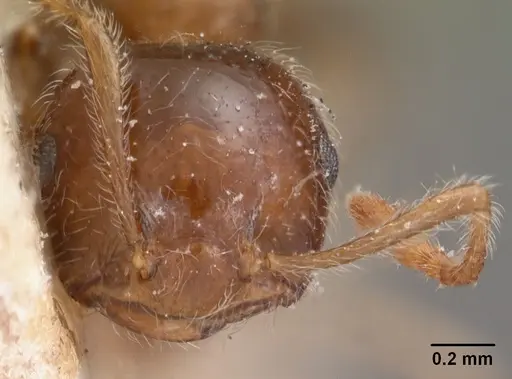
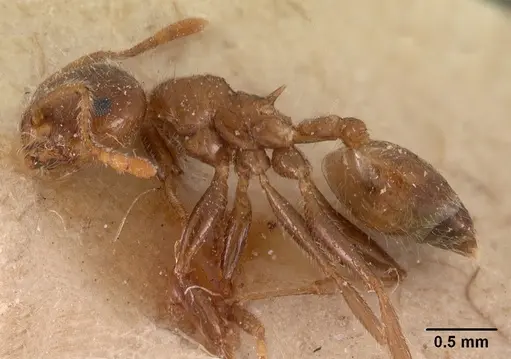
CASENT0102940
View on AntWeb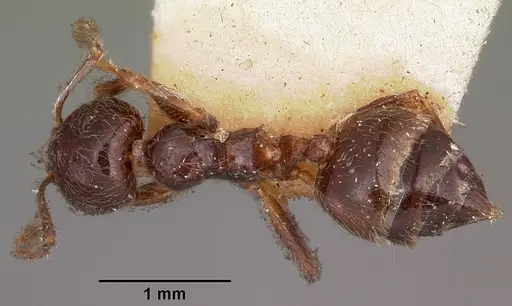
CASENT0104593
View on AntWeb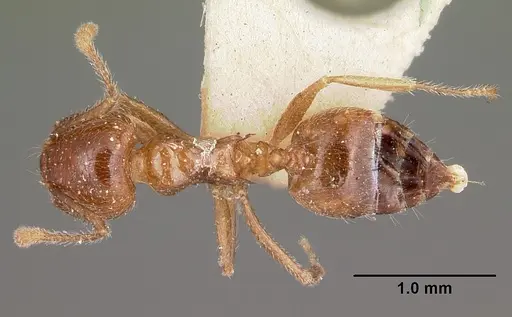
CASENT0107013
View on AntWeb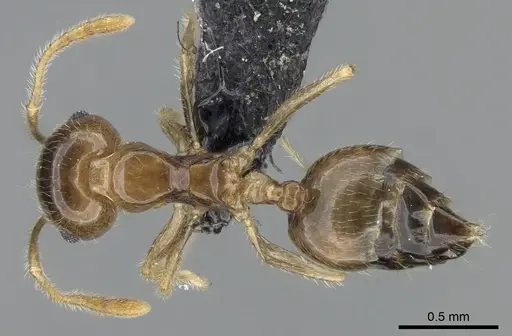
CASENT0124998
View on AntWeb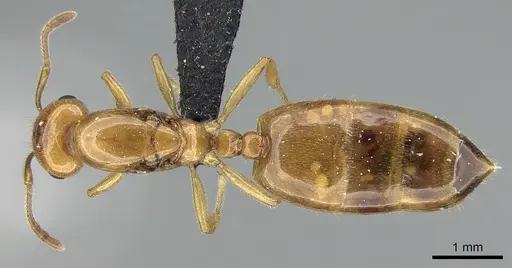
CASENT0193255
View on AntWeb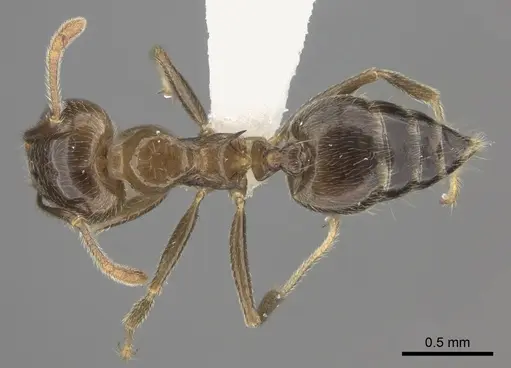
CASENT0193256
View on AntWeb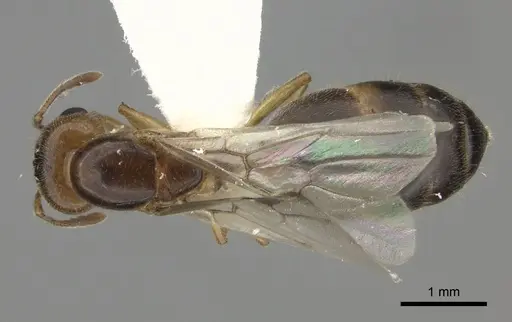
CASENT0193257
View on AntWeb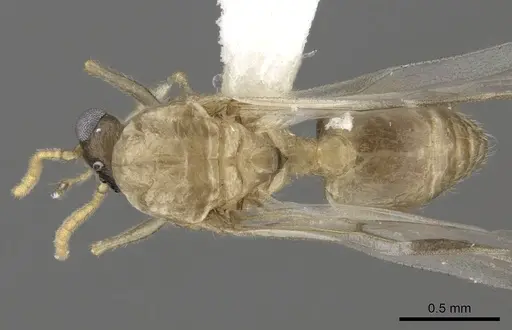
CASENT0193264
View on AntWeb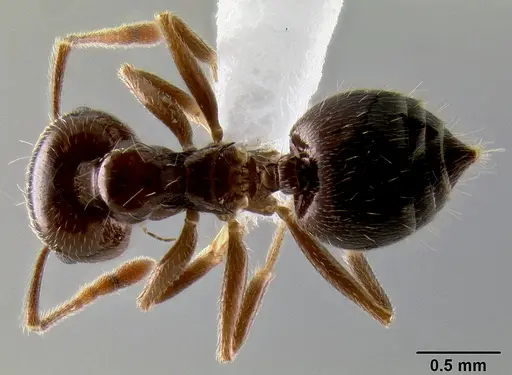
CASENT0193283
View on AntWeb
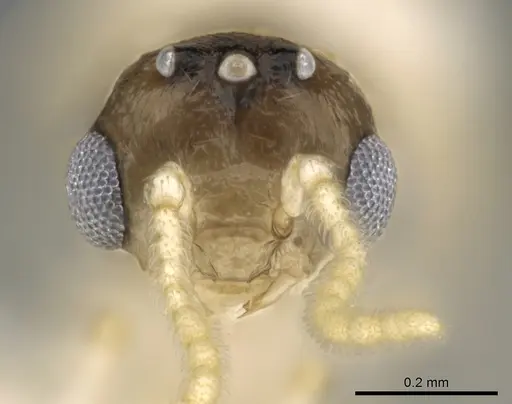
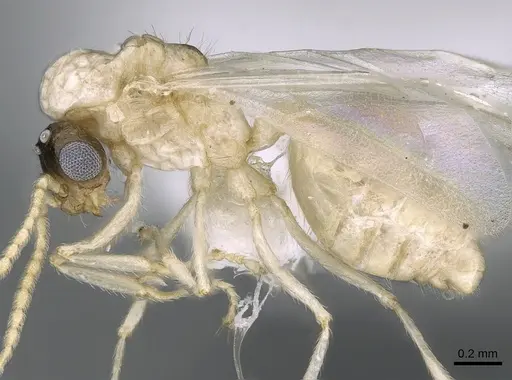
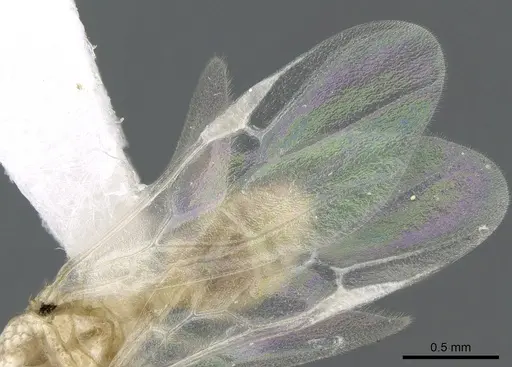
CASENT0317629
View on AntWeb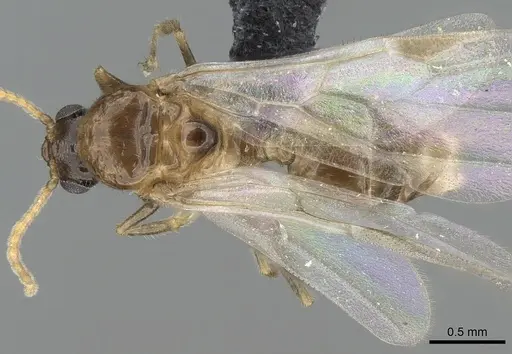
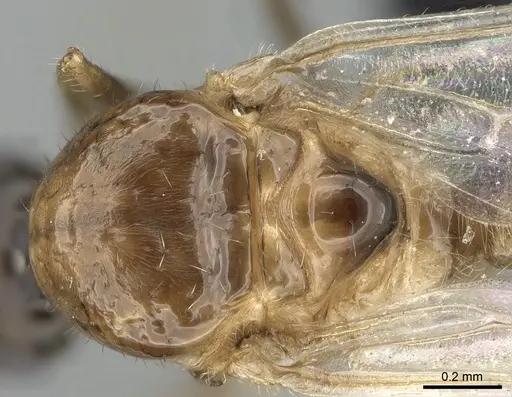
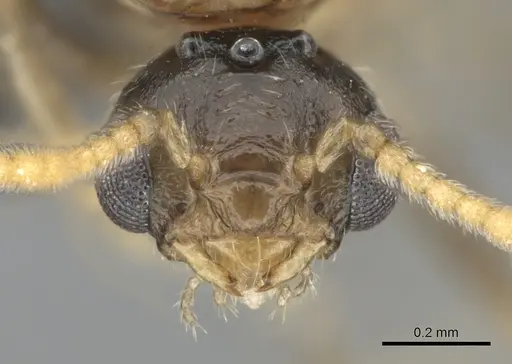
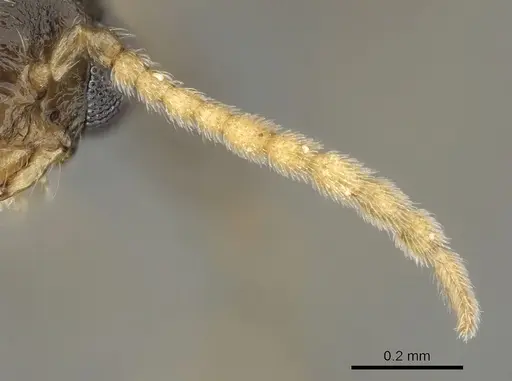
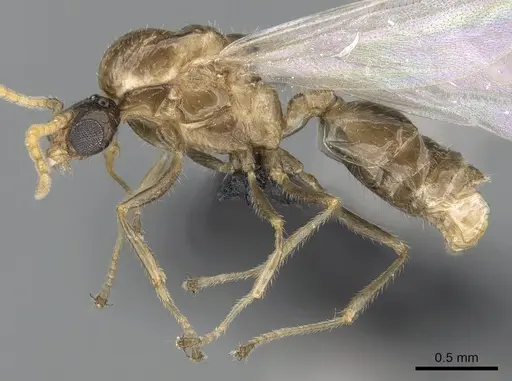
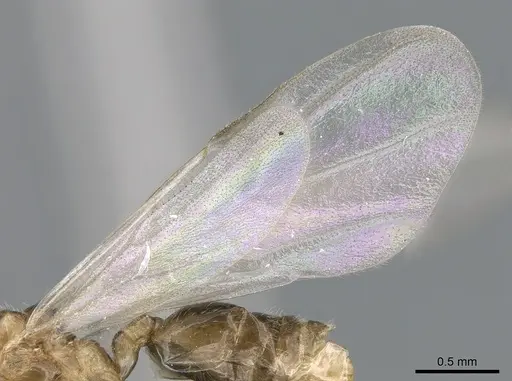
CASENT0437340
View on AntWeb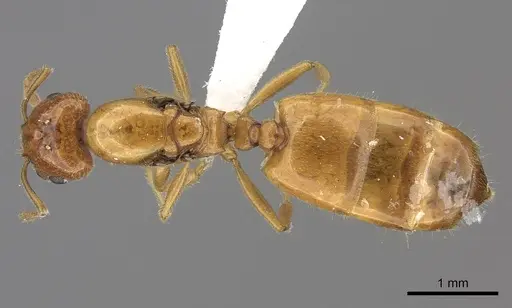
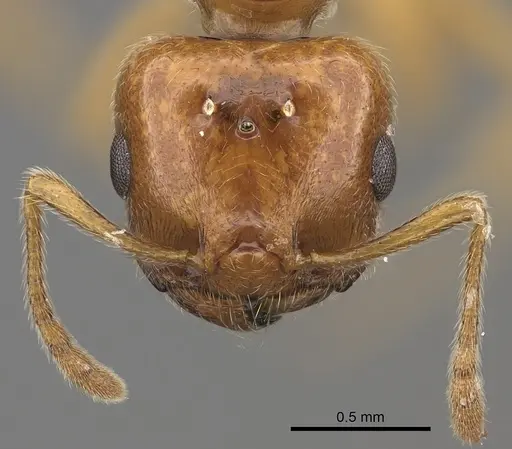
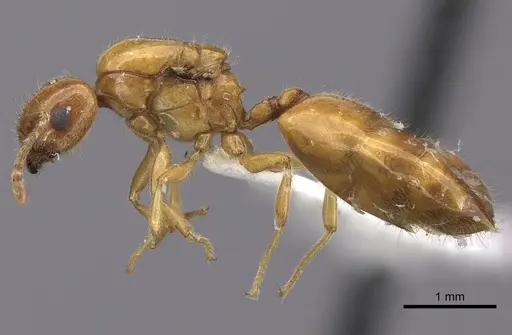
CASENT0454305
View on AntWeb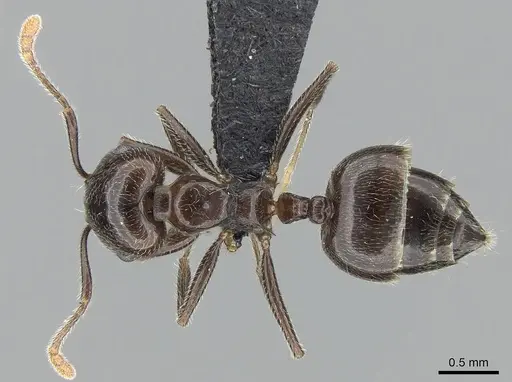
CASENT0466090
View on AntWeb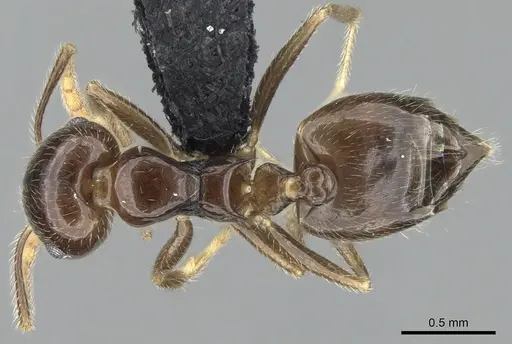
CASENT0484684
View on AntWeb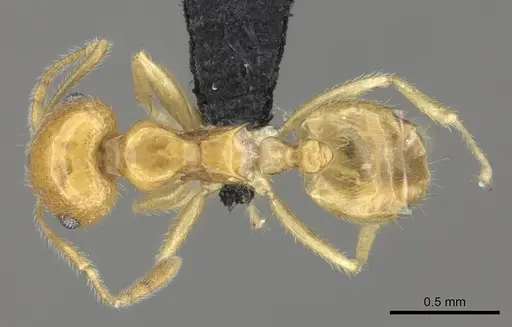
CASENT0492999
View on AntWeb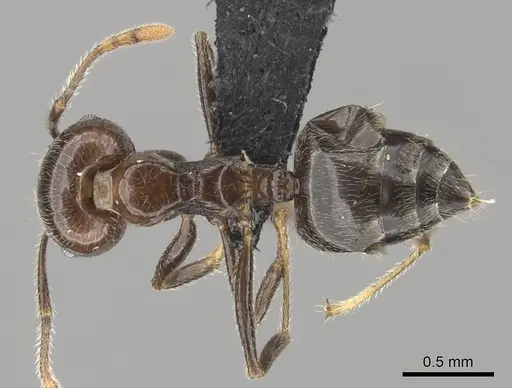
CASENT0498885
View on AntWeb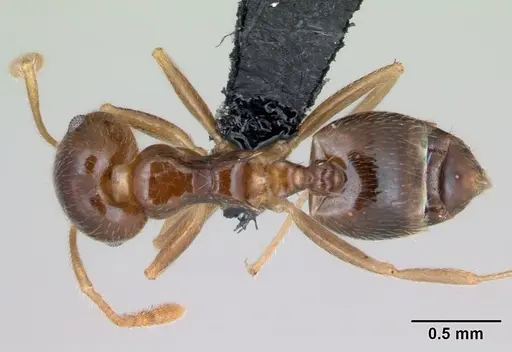
CASENT0922637
View on AntWeb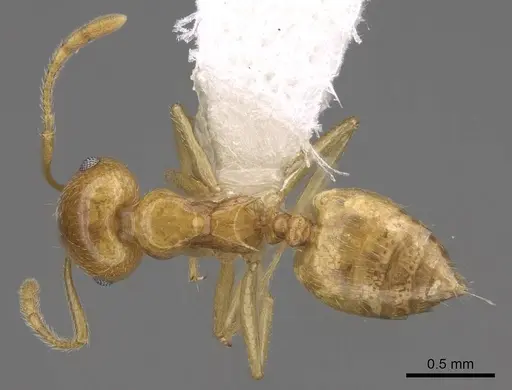
Literature
Loading...Loading products...