

Crematogaster lineolata
- Scientific Name
- Crematogaster lineolata
- Tribe
- Crematogastrini
- Subfamily
- Myrmicinae
- Author
- Say, 1836
- Common Name
- Small-lined Acrobat Ant
- Distribution
- Found in 1 countries
Crematogaster lineolata Overview
Crematogaster lineolata (commonly known as the Small-lined Acrobat Ant) is an ant species of the genus Crematogaster. It is primarily documented in 1 countries , including United States of America. Detailed taxonomic data and occurrence records can be further explored via authoritative databases such as AntWeb or the Global Biodiversity Information Facility (GBIF).
Crematogaster lineolata - "Small-lined Acrobat Ant"
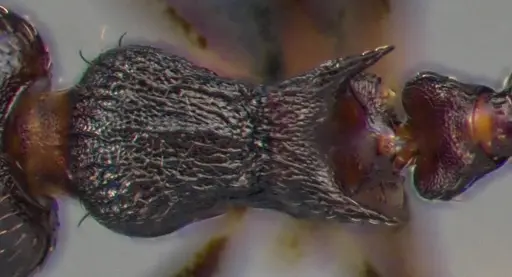
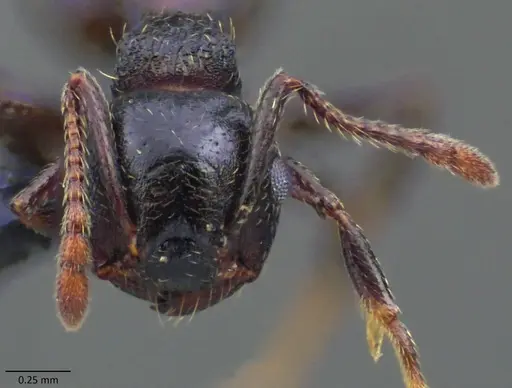
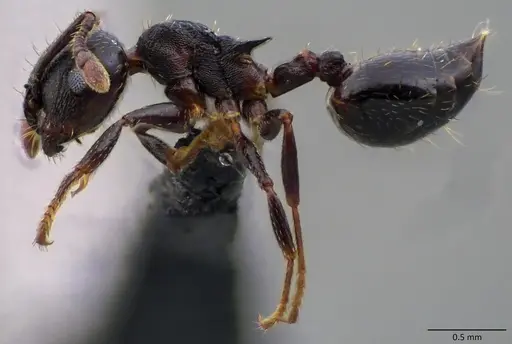
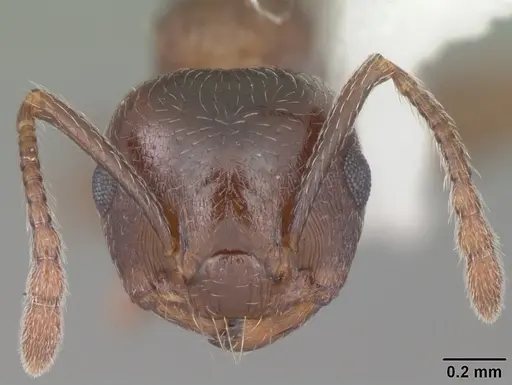
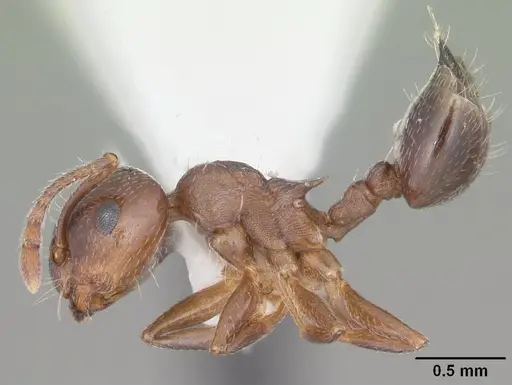
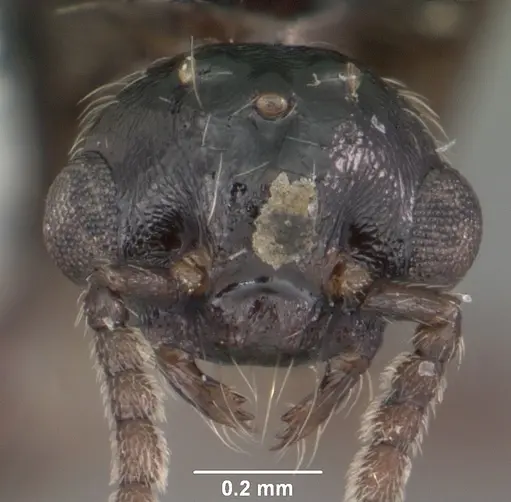
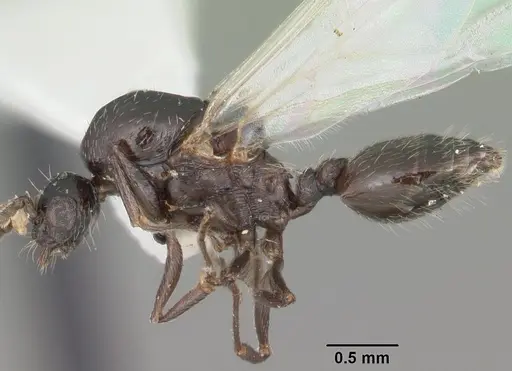
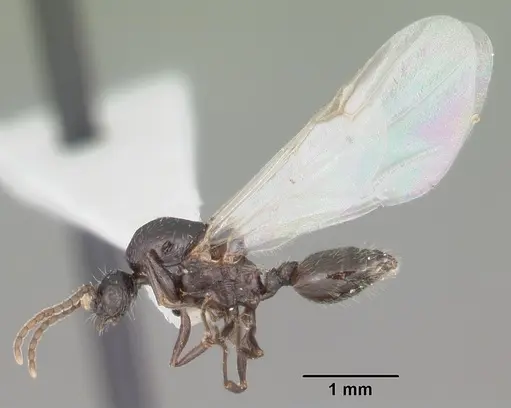
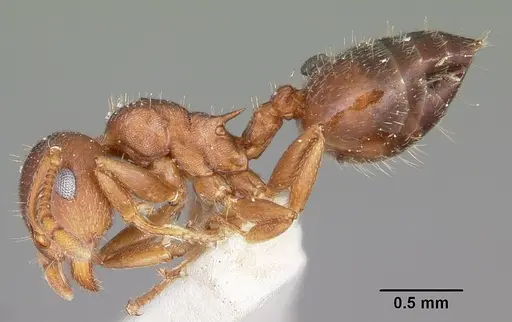
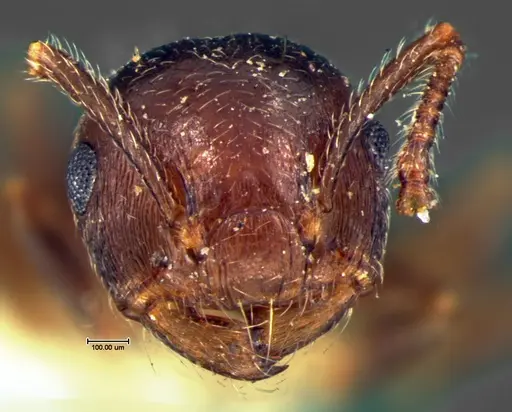
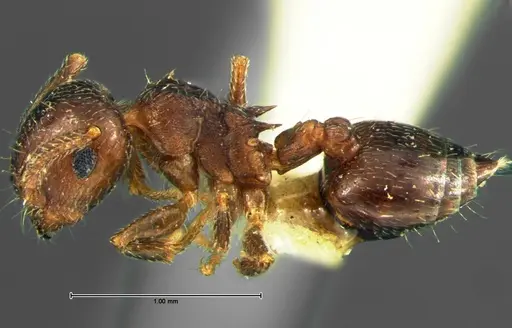
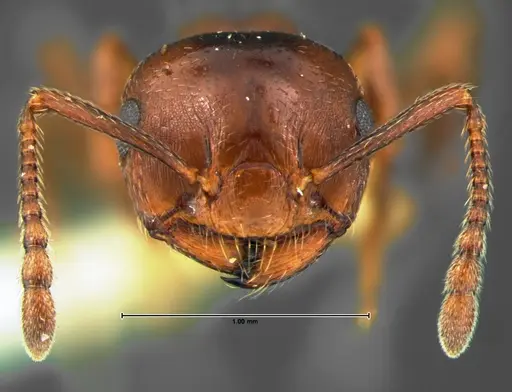
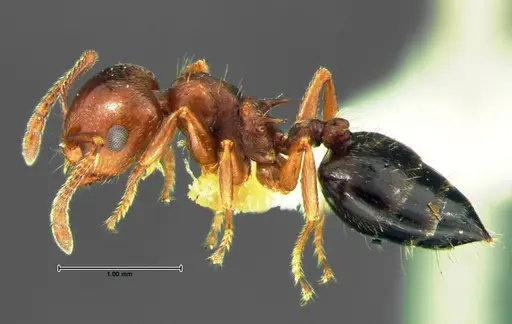
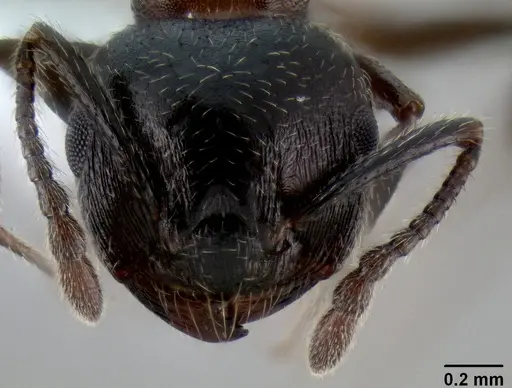
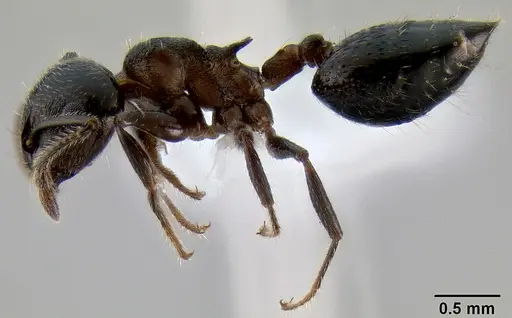
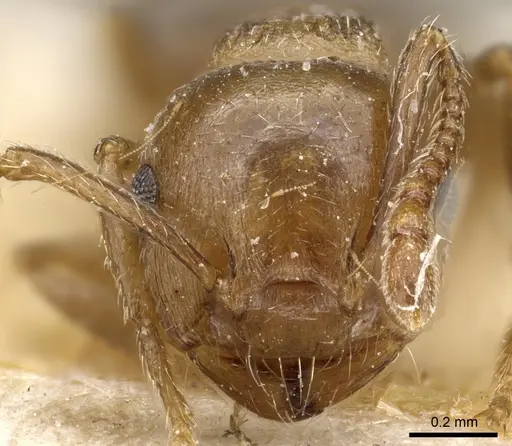
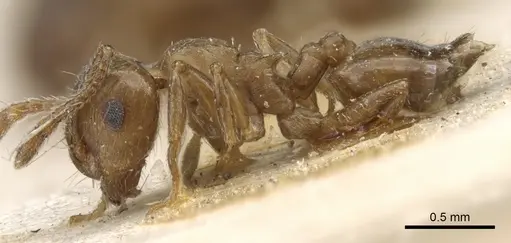
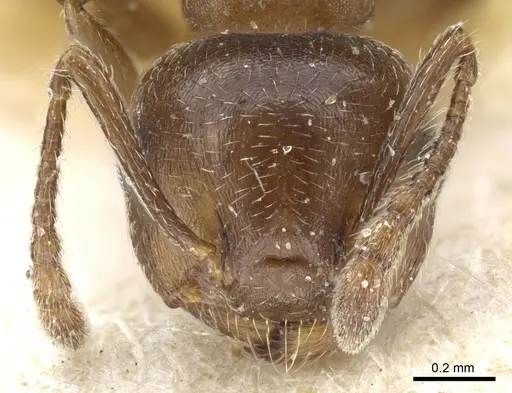
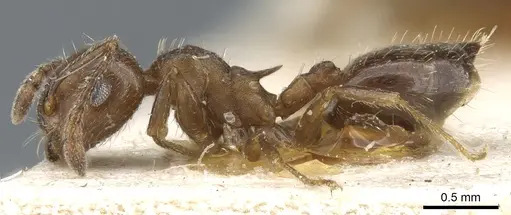
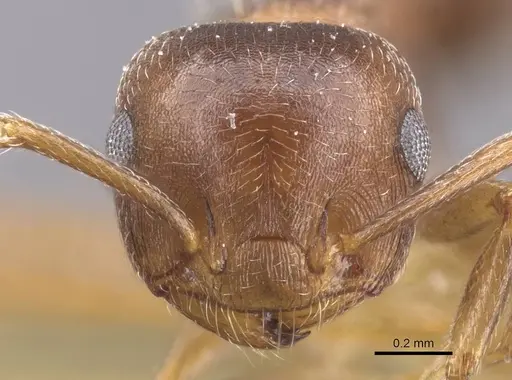
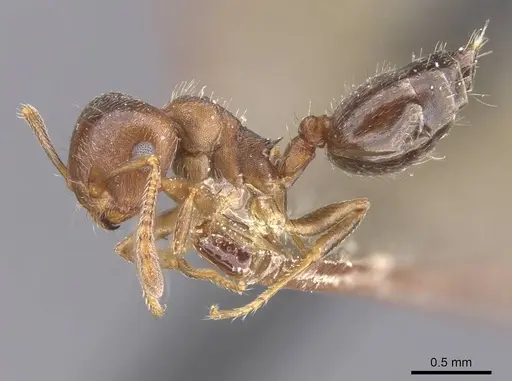
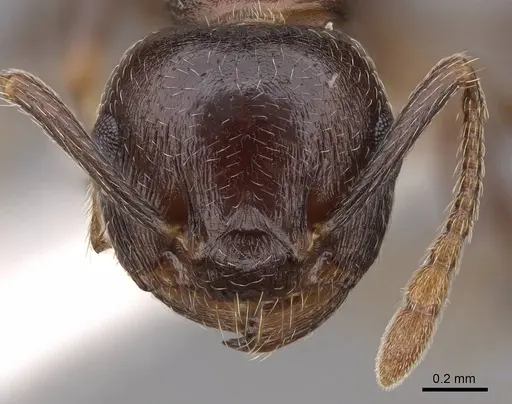
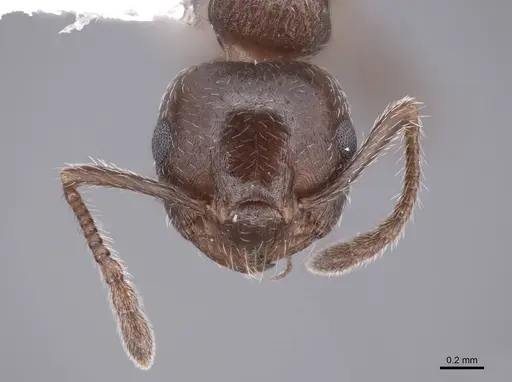
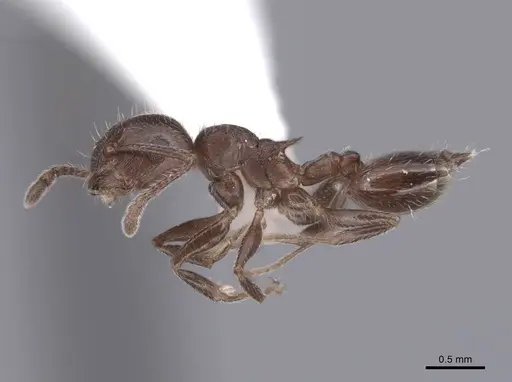
Crematogaster lineolata is a medium-sized ant native to eastern North America, recognizable by its distinctive heart-shaped abdomen that arches over its back when disturbed. Workers measure 2.8-4.2mm with a coloration ranging from medium orangish-brown to dark reddish-brown, with the head often slightly darker and the gaster nearly black [1]. The key identifying features include appressed pubescence on the head and numerous erect hairs on the pronotum and mesonotum [1]. This species belongs to the Crematogaster scutellaris group and is one of the most common ants in eastern deciduous forests, where it nests in soil, leaf litter, and various cavities like acorns, hickory nuts, and hollow twigs [2].
What makes C. lineolata particularly interesting is its remarkable adaptability to warming conditions. Research shows this species thrives with climatic warming, its abundance increased by 190% per degree of temperature increase in experimental studies, and it has doubled in abundance over 35-year periods as summer temperatures rose [3][4]. This heat tolerance, combined with its polydomous colony structure (multiple nest sites), has made it a dominant species in southeastern oak forests. However, it faces competition from invasive fire ants in some areas [5].
Quick Summary
- Difficulty: Easy
- Origin & Habitat: Eastern North America, from Quebec and Ontario south to Florida, west to Michigan, North Dakota, Colorado, and Texas. Also found in northern Mexico. Inhabits oak woodland, deciduous forests, and grasslands [6][1].
- Colony Type: Monogyne (single queen) colonies with polydomous structure, colonies occupy multiple nest sites across their territory [1][7]. Each nesting cavity (acorn, hickory nut, or log cavity) typically contains workers only, with the queen in one central location [7].
- Colony: Monogyne
- Founding: Claustral
- Size & Growth:
- Queen: Approximately 5-6mm (estimated based on genus patterns)
- Worker: 2.8-4.2mm [1]
- Colony: Up to a few hundred workers, colonies are relatively small compared to many Myrmicinae [6][7]
- Growth: Moderate
- Development: 6-8 weeks (estimated based on typical Crematogaster development at room temperature) (Development time is estimated from genus patterns since specific development data for this species is not available)
- Antkeeping:
- Temperature: Room temperature (20-24°C) is suitable. This is a heat-tolerant species with upper thermal tolerance between 42-46°C [8][9]. They do well at typical room temperature and can tolerate warmer conditions.
- Humidity: Moderate humidity preferred. Keep nest substrate moist but not waterlogged. They naturally nest in decaying wood and cavities which hold moderate moisture.
- Diapause: Yes, this is a temperate species that benefits from a winter rest period. Reproductives develop in late summer/fall, suggesting a seasonal cycle [1]. Keep at cool room temperature (10-15°C) for 2-3 months during winter.
- Nesting: Prefers cavities in decaying wood, acorns, hickory nuts, or hollow twigs [2][7]. In captivity, they do well in Y-tong (AAC) nests, plaster nests with cork inserts, or naturalistic setups with hollow twigs/branches. Avoid fully artificial acrylic nests without organic materials.
- Behavior: Crematogaster lineolata is an aggressive defender of its nest. When disturbed, workers rapidly emerge and the distinctive heart-shaped abdomen arches over the body as a threat display [10]. They can bite and secrete formic acid from the rear, smearing it into bite wounds [10]. Workers forage actively on the ground and up into vegetation, following odor trails to food sources [1]. They are generalist feeders and will recruit heavily to protein and sugar sources. Colonies are polydomous, spreading across multiple cavities. Escape risk is moderate, use standard barriers.
- Common Issues: colonies can be defensive when nest is disturbed, handle gently and avoid vibrations, polydomous nature means they may establish satellite colonies in multiple locations in the outworld, small colony size means growth is slower than many beginner species, patience required, invasive fire ants (Solenopsis invicta) can negatively impact this species in the wild, but this doesn't affect captive colonies, they may infest buildings naturally, ensure your setup is secure to prevent unwanted home invasions
Housing and Nest Setup
Crematogaster lineolata does well in setups that mimic its natural cavity-nesting preferences. Y-tong (AAC) nests work well, as do plaster nests with cork or wood inserts. The key is providing narrow cavities that the ants can defend, they prefer tight spaces over open chambers. A naturalistic setup with hollow twigs, small logs, or cork bark arranged in an outworld gives them options for establishing multiple chambers. Since they are polydomous in the wild, they appreciate having several connected or semi-connected spaces. Keep the nest area humid but ensure good ventilation to prevent mold. A water test tube setup connected to the nest works for humidity, but check that condensation doesn't build up excessively. [1][2][7]
Feeding and Diet
This is a generalist species with a varied diet. In the wild, they scavenge on dead insects and collect honeydew from aphids and scale insects [1]. They are known to tend several aphid species including Aphis coreopsidis, Aphis fabae, Aphis gossypii, and others [11]. They also prey on small insects like Virginia-pine sawfly larvae [1]. In captivity, offer a mix of protein (small crickets, mealworms, fruit flies) and sugar sources (honey water, sugar water). They will readily attend toaphids if you establish a small aphid colony on a plant in their outworld. Feed protein 2-3 times per week and keep sugar water available constantly. Remove uneaten prey after 24 hours to prevent mold.
Temperature and Seasonal Care
Crematogaster lineolata is remarkably heat-tolerant, with upper thermal limits between 42-46°C [8][9]. This makes them forgiving of temperature variations, room temperature (20-24°C) is ideal, and they will do well in warmer conditions. However, they are also found in northern areas and benefit from a winter rest period. During winter, reduce temperature to 10-15°C for 2-3 months to simulate natural seasonal cycles. This helps synchronize their reproductive cycle and promotes healthy colony development. In summer, they are highly active foragers and will readily exploit food sources across the outworld.
Behavior and Defense
When threatened, Crematogaster lineolata puts on a memorable defensive display. The workers emerge rapidly from the nest, and the distinctive heart-shaped abdomen lifts and arches over the body in a threat posture [10]. They can bite and will apply formic acid from their abdomen directly into the wound, making their bite more irritating than many ants of their size [10]. This defensive behavior makes them entertaining to watch but means you should avoid disturbing the nest unnecessarily. They are not aggressive toward humans otherwise, only when their nest is threatened. Workers forage actively and will establish trails to food sources, recruiting nestmates efficiently.
Colony Structure and Growth
This species has a unique colony structure, it is monogyne (single queen) but polydomous, meaning the colony occupies multiple nest sites [1][7]. In the wild, you might find workers and brood scattered across several hollow acorns or hickory nuts, with the queen in one central location [7]. This explains why colonies found in hickory nuts often had no queen, they were satellite nests. In captivity, this means your colony may seem to spread out, with workers establishing foraging stations in different parts of the outworld. Colony size remains relatively modest, typically a few hundred workers [6]. Growth is moderate, with new reproductives produced in late summer and fall [1].
Frequently Asked Questions
How long does it take for Crematogaster lineolata to produce first workers?
Expect first workers (nanitics) approximately 6-8 weeks after the queen lays her first eggs, assuming room temperature around 22-24°C. This is an estimate based on typical Crematogaster development patterns, as specific development timing for this species hasn't been documented.
Can I keep Crematogaster lineolata in a test tube setup?
Yes, test tube setups work well for founding colonies. Use a standard test tube with a water reservoir sealed with cotton. Once the colony reaches 20-30 workers, consider moving them to a more spacious setup like a Y-tong nest or naturalistic terrarium with cavity-holding materials.
Do Crematogaster lineolata ants sting?
They don't have a stinger, but they can bite and secrete formic acid into the wound, which causes irritation [10]. The bite is more annoying than painful for humans, but the defensive display with their heart-shaped abdomen raised is quite dramatic.
What do Crematogaster lineolata eat?
They are generalists, they'll eat dead insects, small live prey, and collect honeydew from aphids [1]. In captivity, offer protein sources like small crickets, mealworms, or fruit flies, plus sugar water or honey. They will tend aphids if given access to a plant.
Are Crematogaster lineolata good for beginners?
Yes, they are considered easy to keep. They are adaptable to temperature, accept a wide variety of foods, and are not difficult to house. The main considerations are their defensive bite and the need for winter cooling. Their slower colony growth compared to some species requires patience.
Do Crematogaster lineolata need hibernation?
Yes, they benefit from a winter rest period. Reduce temperatures to 10-15°C for 2-3 months during winter. This helps maintain natural seasonal rhythms and supports healthy colony development. They can tolerate cooler temperatures than many species.
How big do Crematogaster lineolata colonies get?
Colonies typically reach a few hundred workers [6]. This is smaller than many Myrmicinae species. The polydomous nature means workers may be spread across multiple nest sites, so don't be surprised if you find satellite groups in different parts of the setup.
Why does my Crematogaster lineolata colony have workers in different parts of the outworld?
This is normal behavior, C. lineolata is polydomous, meaning the colony naturally occupies multiple nest sites [1]. Workers will establish satellite colonies in cavities around the outworld. This is not a sign of colony failure but natural behavior.
When will Crematogaster lineolata produce alates (reproductives)?
Males appear from July to late August, while females (queens) develop from late August through October [1]. If you want to establish new colonies, this is when nuptial flights occur. The timing aligns with warm summer months.
References

This caresheet is licensed under CC BY-SA 4.0 .
ANTWEB1060093
View on AntWeb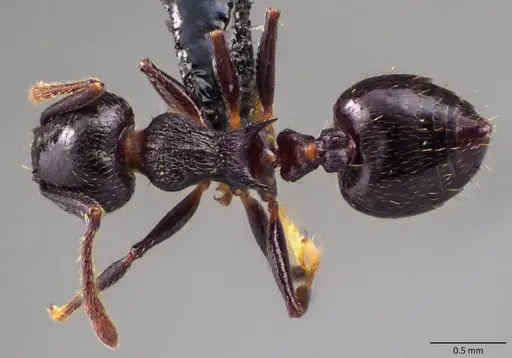
CASENT0103781
View on AntWeb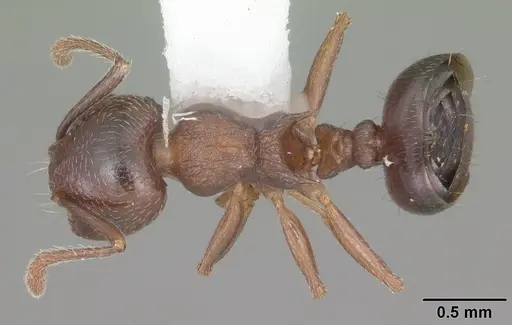
CASENT0103782
View on AntWeb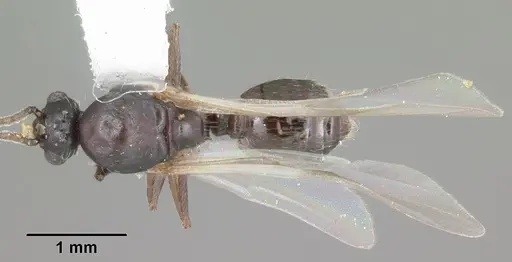
CASENT0103785
View on AntWeb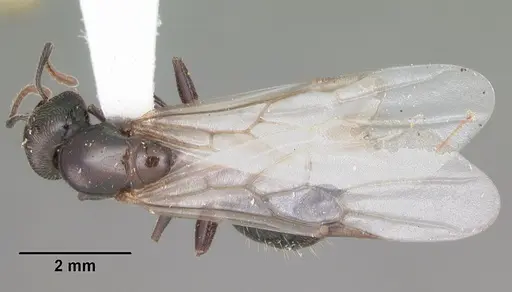
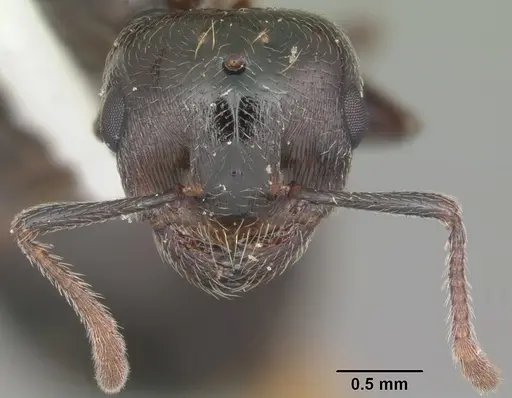
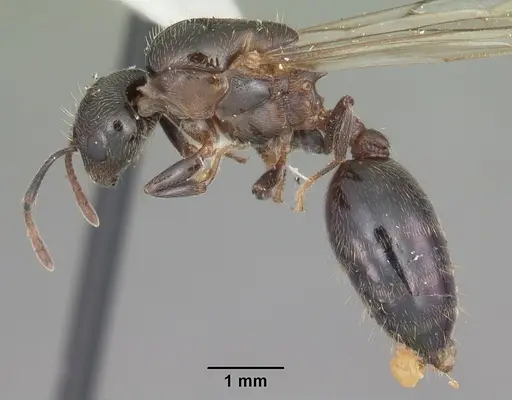
CASENT0104694
View on AntWeb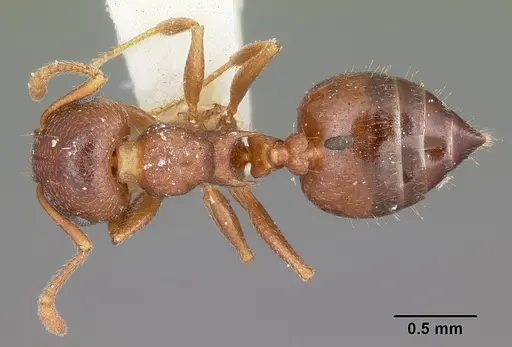
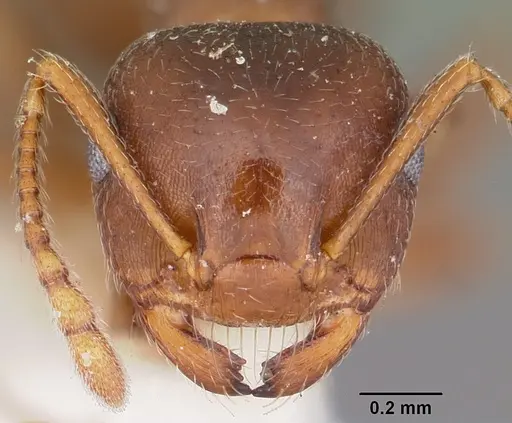
CASENT0105681
View on AntWeb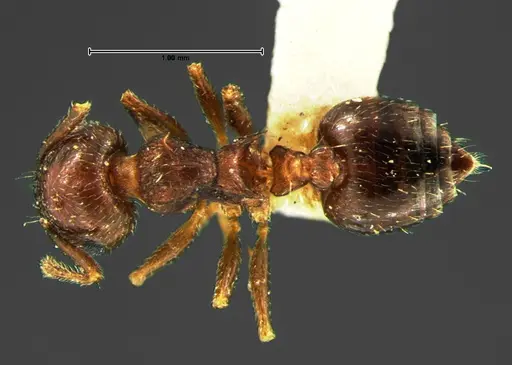
CASENT0105682
View on AntWeb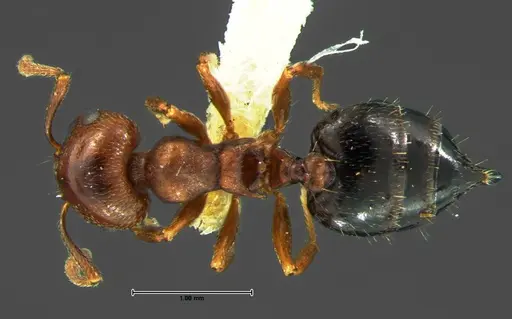
CASENT0193619
View on AntWeb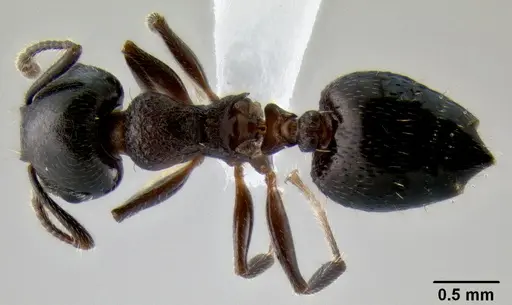
CASENT0904536
View on AntWeb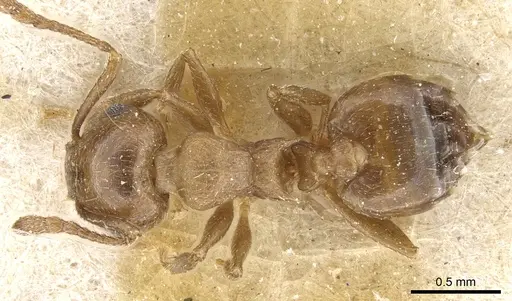
CASENT0904537
View on AntWeb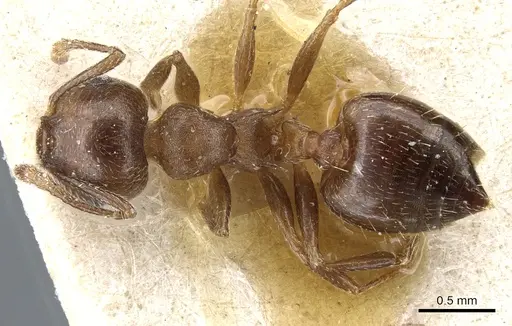
CASENT0912717
View on AntWeb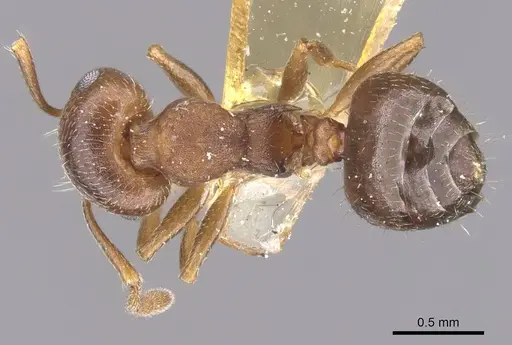
CASENT0922733
View on AntWeb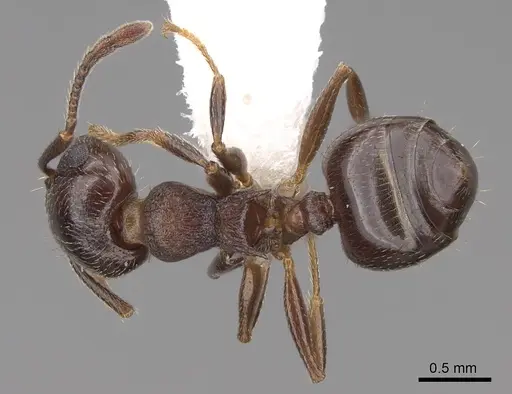
FMNHINS0000062944
View on AntWeb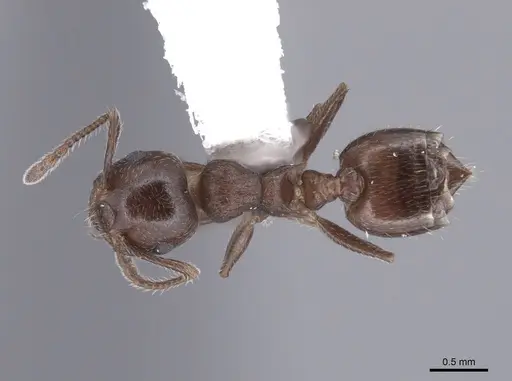
Literature
Loading...Loading products...