

Crematogaster hespera
- Scientific Name
- Crematogaster hespera
- Tribe
- Crematogastrini
- Subfamily
- Myrmicinae
- Author
- Buren, 1968
- Distribution
- Found in 2 countries
Crematogaster hespera Overview
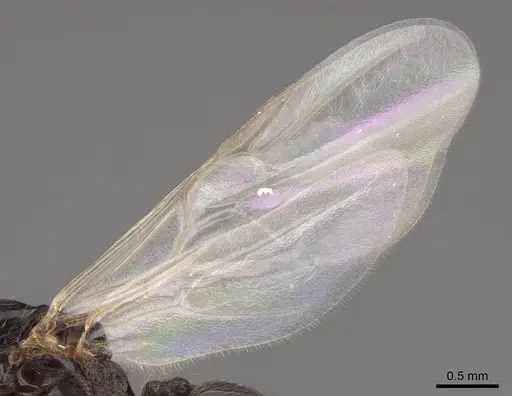
Crematogaster hespera is an ant species of the genus Crematogaster. It is primarily documented in 2 countries , including Mexico, United States of America. Detailed taxonomic data and occurrence records can be further explored via authoritative databases such as AntWeb or the Global Biodiversity Information Facility (GBIF).
Crematogaster hespera
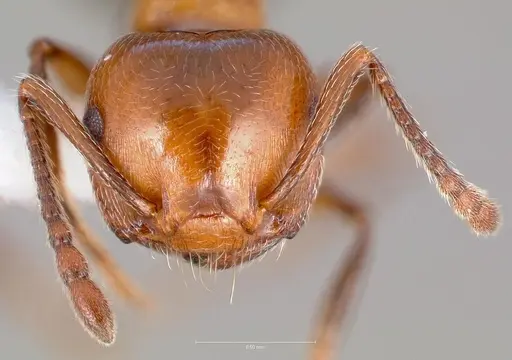
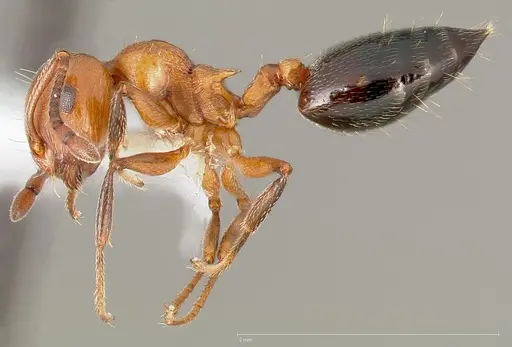
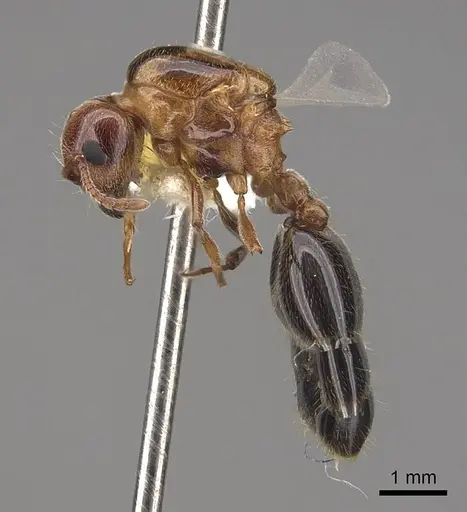
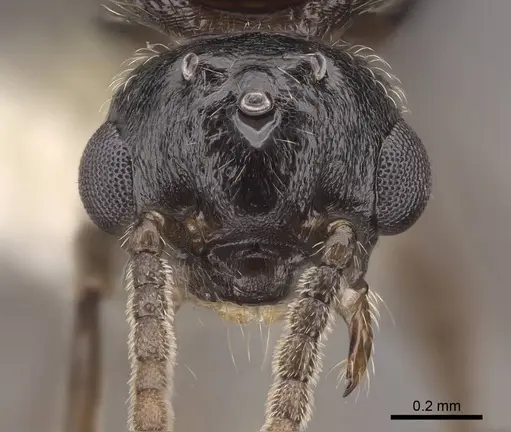
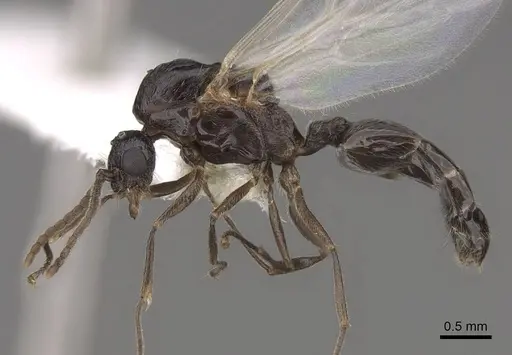
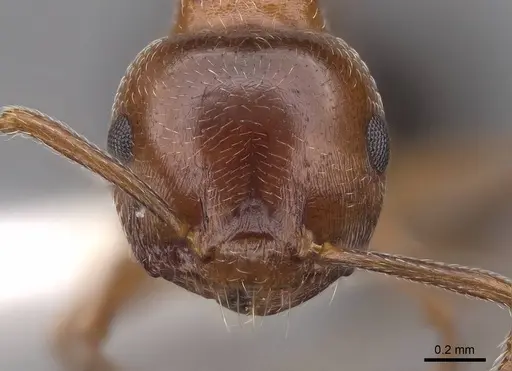
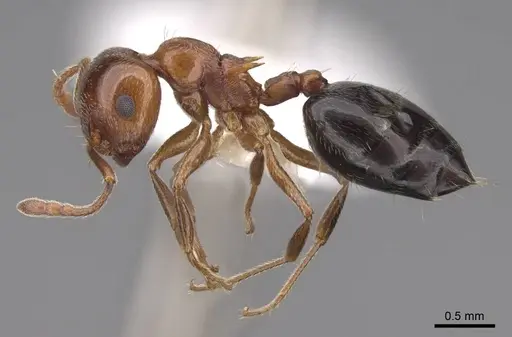
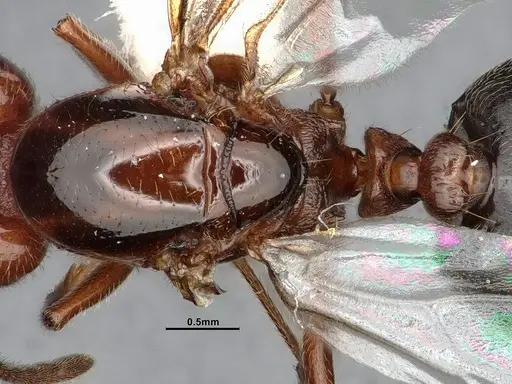
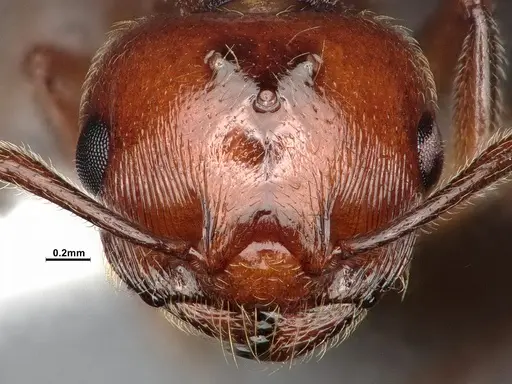
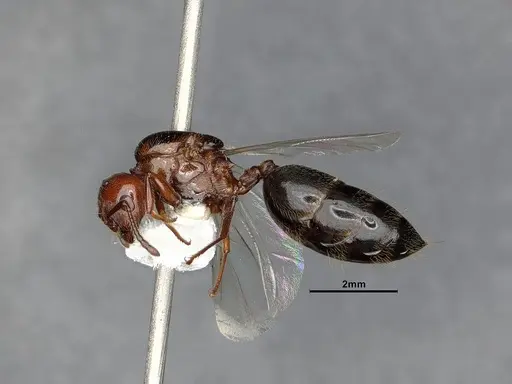
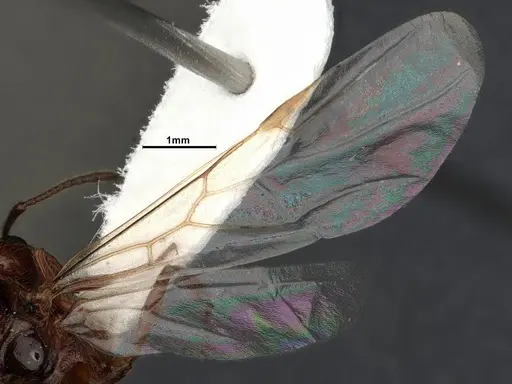
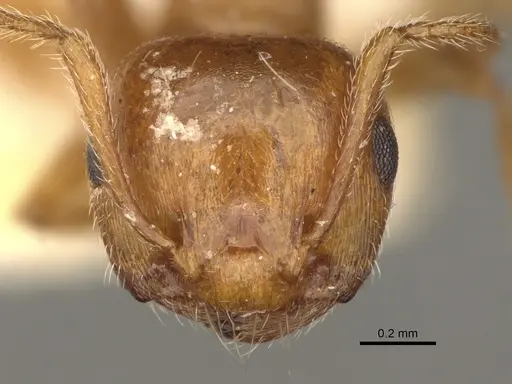
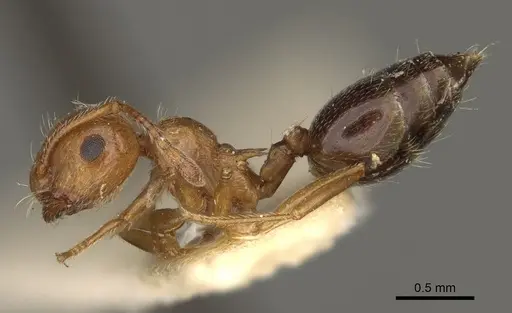
Crematogaster hespera is a small to medium-sized ant native to the southwestern United States and northern Mexico. Workers measure 3-4.5mm with a distinctive bicolored appearance, they have an orange-brown to reddish-brown head and mesosoma with a dark brown to black gaster (abdomen). Queens are larger at around 7mm. These ants belong to the Crematogaster scutellaris group and are easily identified by their finely striate thorax and the shape of their postpetiole. They get their genus name from the unusual heart-shaped abdomen that appears to be 'cut' at the top.
These ants are largely arboreal, naturally nesting under tree bark, in dead branches, and in downed logs. They are commonly found in riparian woodland with cottonwood trees, though they also inhabit coastal scrub, chaparral, sand dunes, and mixed conifer forests. Their range spans from California and Baja California east through Arizona, New Mexico, and into western Texas, north to Utah [1].
Quick Summary
- Difficulty: Medium
- Origin & Habitat: Native to the southwestern United States and northern Mexico, from California east to western Texas, north to Utah. Found in riparian woodland (especially cottonwood trees), coastal scrub, chaparral, sand dunes, grassland, and mixed coniferous forest at elevations between 2000-5500 feet [1][2].
- Colony Type: Colony structure is not well-documented in scientific literature. Based on typical Crematogaster patterns, colonies are likely single-queen (monogyne) with ergatoid replacement reproductives possible. Colonies are predominantly arboreal, nesting under bark or in dead wood [1].
- Colony: Monogyne
- Founding: Claustral
- Size & Growth:
- Queen: Approximately 7mm [2]
- Worker: 3-4.5mm [2]
- Colony: Likely several hundred to a few thousand workers based on related species in the scutellaris group, exact numbers unconfirmed
- Growth: Moderate, estimated based on genus patterns
- Development: Estimated 6-8 weeks at optimal temperature based on typical Crematogaster development (Development time is inferred from related species in the genus. Actual timeline may vary based on temperature and conditions.)
- Antkeeping:
- Temperature: Keep around 22-26°C. They naturally occur in desert to riparian habitats across the Southwest, so they can tolerate warmer conditions. A gentle gradient is beneficial, allow them to choose their preferred temperature zone
- Humidity: Moderate humidity around 50-70%. As arboreal nesters, they prefer drier conditions than ground-nesting ants. Provide a moisture gradient with a damp section and a drier section so ants can self-regulate
- Diapause: Yes, they experience winter dormancy in their native range where temperatures drop significantly. Provide a hibernation period of 2-3 months at 10-15°C during winter months
- Nesting: Arboreal specialists, they do best with nesting options that mimic tree bark or dead branches. Y-tong (AAC) nests work well, or a naturalistic setup with cork bark, dead branches, or wooden elements. They also accept test tubes with cotton if given vertical orientation. Avoid fully soil-based nests [1][2].
- Behavior: Crematogaster hespera is relatively calm and not particularly aggressive. They are active foragers that search for food both in the canopy and on the ground. Workers are attracted to protein baits like tuna and rotten meat, and they tend honeydew-producing insects. They have a functional stinger but it's small and rarely penetrates human skin, the sting is mild. They are excellent climbers and will explore vertical surfaces readily. Because of their small size and arboreal nature, escape prevention is important, they can squeeze through small gaps [2].
- Common Issues: escape prevention is critical due to their small size, use fine mesh and tight-fitting lids, colonies may struggle if kept in fully soil-based nests, they prefer arboreal setups, invasive Argentine ants (Linepithema humile) negatively impact this species in the wild, keep colonies away from potential introduction sources, slow founding phase means colonies are vulnerable during first few months, overheating can be a risk given their desert and riparian habitats, avoid temperatures above 30°C
Nest Preferences and Housing
Crematogaster hespera is an arboreal species, meaning they naturally nest in elevated locations like under tree bark, inside dead branches, and in hollow stems. In captivity, they do best with nest setups that mimic these conditions. Y-tong (acrylic) nests with narrow chambers work well, as do naturalistic setups featuring cork bark, wooden branches, or bamboo sections. You can also keep them in test tubes arranged vertically to simulate their natural arboreal habitat.
Avoid fully soil-based or digging-formicarium setups, these ants prefer to nest above ground rather than underground. If you do use a naturalistic terrarium, provide plenty of climbing structures and elevated nesting sites. The key is giving them vertical space and materials they can tunnel into or nest under. Many keepers successfullly keep Crematogaster in setups with multiple small chambers connected by tubes, allowing the colony to expand gradually [1][2].
Feeding and Diet
In the wild, Crematogaster hespera workers are attracted to protein baits and have been documented feeding on rotten liver and tuna fish. They also tend coccids (scale insects) on plant roots, collecting the honeydew these insects produce. This means they need a diet rich in protein along with sugar sources.
For captive colonies, offer protein foods like small crickets, mealworms, fruit flies, or other small insects 2-3 times per week. They will also accept sugar water, honey, or commercial ant jelly. Since they naturally forage in trees and shrubs, placing food at elevated positions in the outworld can encourage natural foraging behavior. Remove uneaten protein within 24-48 hours to prevent mold. A varied diet helps ensure healthy colony development [2].
Temperature and Seasonal Care
These ants are native to the American Southwest, where they experience both hot summers and cold winters. They can tolerate a range of temperatures but do best in the warm range of 22-26°C. In their natural habitat across California, Arizona, New Mexico, and Texas, summer temperatures regularly exceed 30°C, but they avoid extreme heat by nesting in shaded tree bark and under rocks.
During winter months in their native range, temperatures drop significantly, and colonies enter a period of reduced activity. You should provide a hibernation period of 2-3 months during winter, keeping the colony at 10-15°C. This can be achieved by moving the colony to a cooler location like a garage or basement, or using a reptile cooler. Do not hibernate them below freezing, and ensure they have access to some moisture during this period. The hibernation period helps trigger reproductive cycles and promotes colony health.
Behavior and Colony Dynamics
Crematogaster hespera workers are relatively calm compared to many ant species. When disturbed, they may raise their abdomen (gaster) in a defensive display, this is characteristic of the genus and serves as a warning signal. They have a small stinger, but it rarely penetrates human skin, and the sting is mild and short-lived.
Workers are active foragers that search both vertically (in trees and plants) and on the ground. They communicate using chemical trails and can recruit nestmates to food sources. Colonies grow gradually, founding queens raise their first workers (nanitics) alone, and these initial workers are typically smaller than mature workers. As the colony expands, worker size increases. The colony will produce reproductive castes (new queens and males) when it reaches sufficient size, typically during late summer in preparation for nuptial flights.
Escape Prevention and Handling
Because of their small size (workers are only 3-4.5mm), Crematogaster hespera is excellent at finding and squeezing through tiny gaps. Escape prevention is critical for keeping this species successfully. Use test tube setups with tight-fitting cotton plugs, or better yet, use foam or rubber stoppers. If using formicariums, ensure all connections and edges are sealed with fluon or other barrier methods.
When observing or transferring colonies, work in a contained area (like a bathtub or large plastic bin) to prevent escapes. These ants are good climbers and will explore any surface, including plastic and glass. A thin barrier of fluon applied to the upper inner edges of formicarium lids works well. Despite their small size, they are not fragile, they can handle gentle handling when necessary. Just avoid sudden movements and never shake or drop colonies.
Frequently Asked Questions
Can I keep Crematogaster hespera in a test tube?
Yes, test tubes work well for founding colonies and small to medium-sized colonies. Keep the test tube oriented vertically or at an angle to mimic their arboreal nature. Use a tight-fitting barrier like fluon on the lid if housing them long-term in test tubes.
What do Crematogaster hespera ants eat?
They need a balanced diet of protein and sugar. Offer small insects like fruit flies, pinhead crickets, or mealworms 2-3 times per week. They also readily accept sugar water, honey, or commercial ant jelly. In the wild, they are attracted to baits like tuna and rotten meat.
How long does it take for the first workers to emerge?
Based on typical Crematogaster development, expect 6-8 weeks from egg to first worker (nanitics) at optimal temperature (around 24-26°C). The founding queen seals herself in and raises the first brood alone.
Do Crematogaster hespera ants sting?
They have a small stinger, but it rarely penetrates human skin. The sting is mild and feels like a brief pinch. Their primary defense is raising the abdomen in a warning display rather than stinging.
Are Crematogaster hespera good for beginners?
They are moderate difficulty, easier than some more demanding species but not the easiest choice for complete beginners. Their small size requires attention to escape prevention, and they need arboreal-style housing rather than typical digging setups. They are rewarding to keep once you understand their preferences.
Do Crematogaster hespera need hibernation?
Yes, they benefit from a winter rest period of 2-3 months at 10-15°C. This mimics their natural seasonal cycle in the southwestern US where winters are cold. Skip hibernation only for very young colonies or if you cannot provide proper cooling.
When should I move my colony to a formicarium?
Move them when the colony reaches around 50-100 workers and the test tube is becoming crowded. For arboreal species like this, a Y-tong or naturalistic setup with climbing structures works better than a digging formicarium.
Why are my Crematogaster hespera dying?
Common causes include: wrong humidity (too wet causes mold, too dry causes desiccation), temperatures too high or too low, escape-related losses due to their small size, or poor nutrition. Check that your setup matches their arboreal preferences and that escape prevention is adequate.
Can I keep multiple Crematogaster hespera queens together?
Not recommended. Unlike some social insects, combining unrelated foundress queens typically leads to fighting. Single-queen colonies are standard for this species based on typical Crematogaster behavior.
How big do Crematogaster hespera colonies get?
Based on related species in the scutellaris group, colonies likely reach several hundred to a few thousand workers. Exact maximum size is unconfirmed in scientific literature for this specific species.
What is the best nest type for Crematogaster hespera?
Y-tong (acrylic) nests or naturalistic setups with cork bark, wooden branches, or bamboo sections work best. They are arboreal specialists and do poorly in soil-based digging formicariums. Provide vertical nesting options.
Are Crematogaster hespera invasive?
No, they are native to the southwestern United States and northern Mexico. They are actually negatively impacted by invasive Argentine ants (Linepithema humile) in their native range. Never release ant colonies in non-native areas.
References

This caresheet is licensed under CC BY-SA 4.0 .
CASENT0005669
View on AntWeb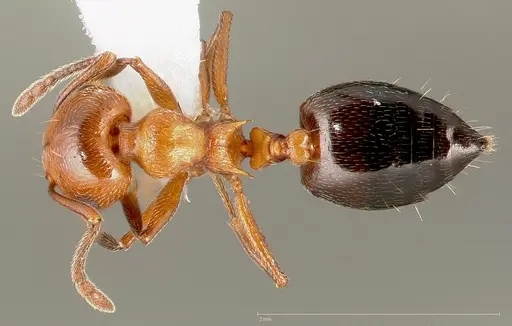
CASENT0221904
View on AntWeb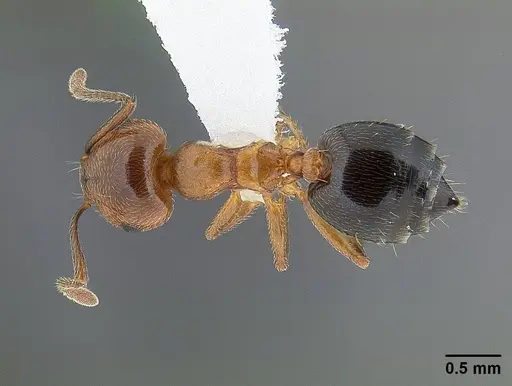
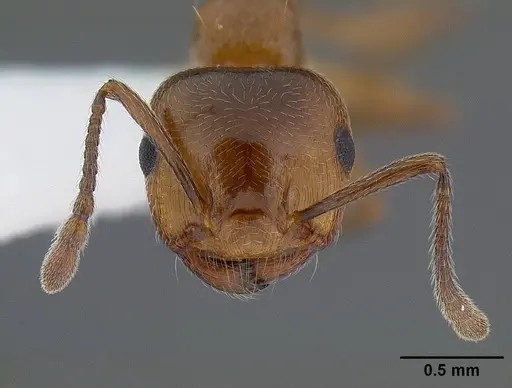
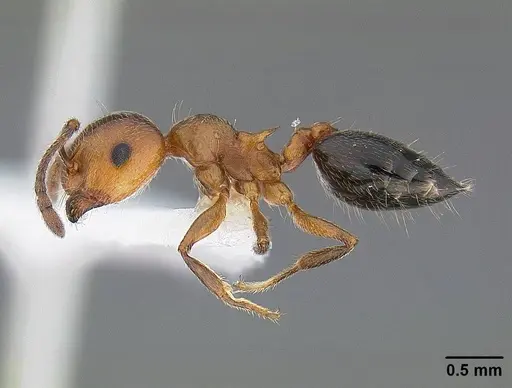
CASENT0843684
View on AntWeb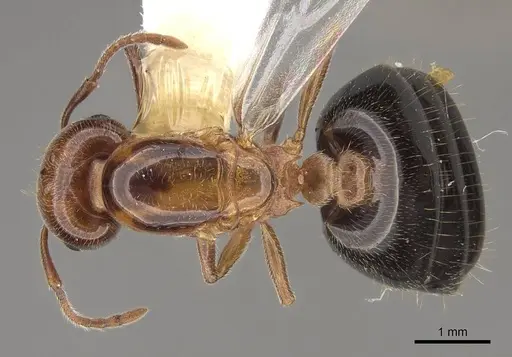
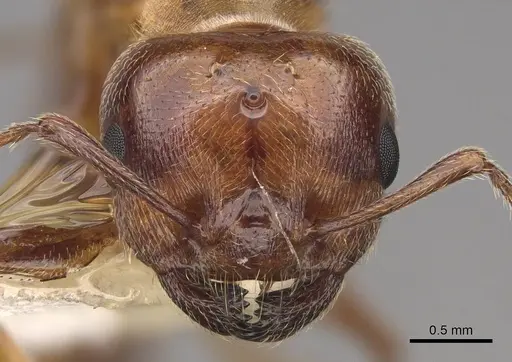
CASENT0843685
View on AntWeb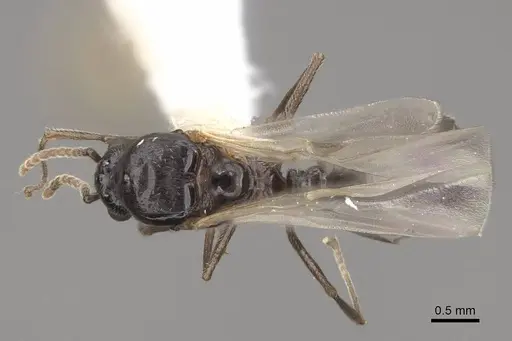
CASENT0922730
View on AntWeb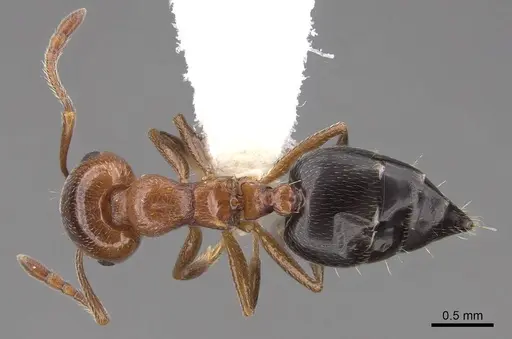
CASENT4031315
View on AntWeb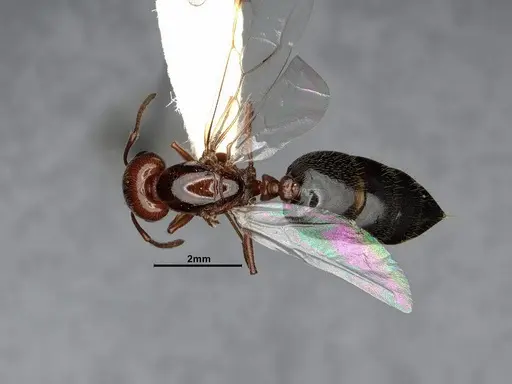
USNMENT00529501
View on AntWeb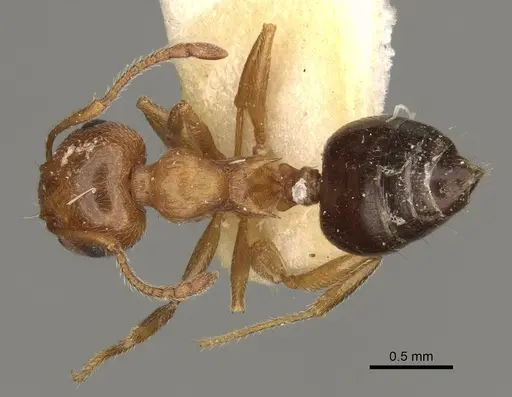
Literature
Loading...Loading products...