

Crematogaster excisa
- Scientific Name
- Crematogaster excisa
- Tribe
- Crematogastrini
- Subfamily
- Myrmicinae
- Author
- Mayr, 1895
- Distribution
- Found in 4 countries
Crematogaster excisa Overview
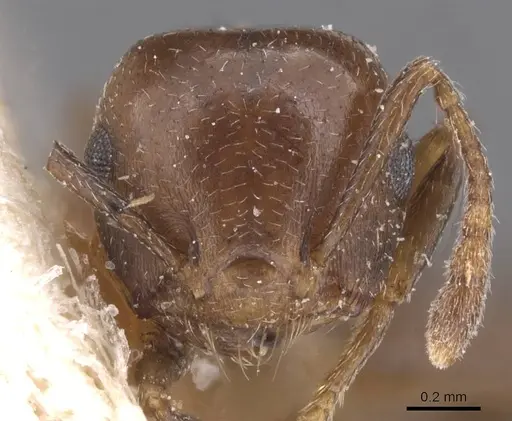
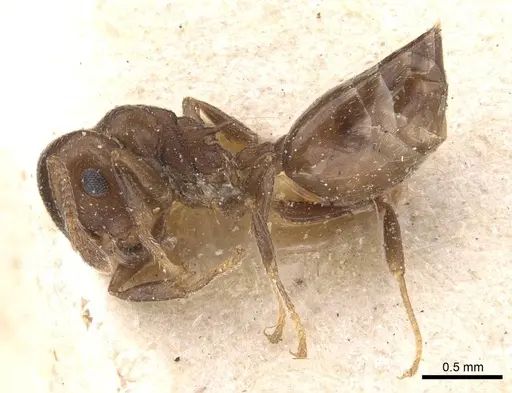
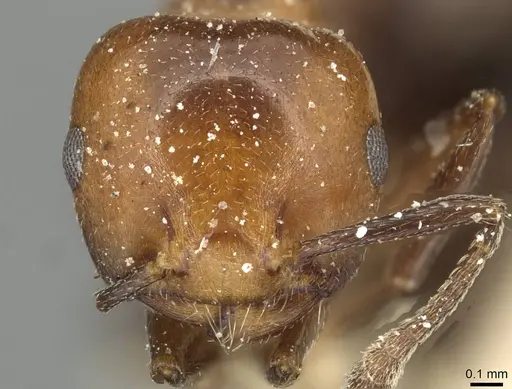
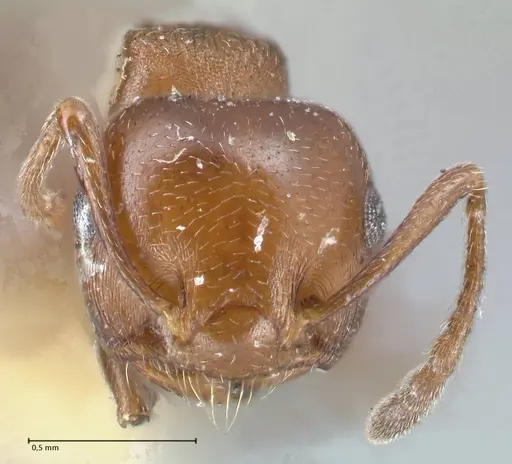
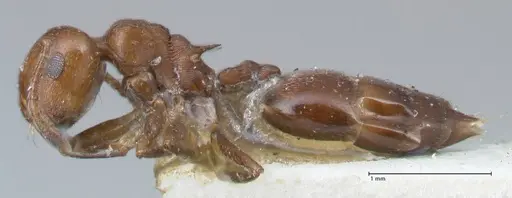
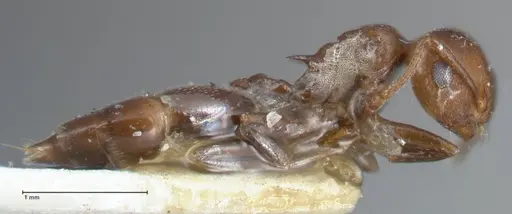
Crematogaster excisa is an ant species of the genus Crematogaster. It is primarily documented in 4 countries , including Congo, Democratic Republic of the, Rwanda. Detailed taxonomic data and occurrence records can be further explored via authoritative databases such as AntWeb or the Global Biodiversity Information Facility (GBIF).
Crematogaster excisa
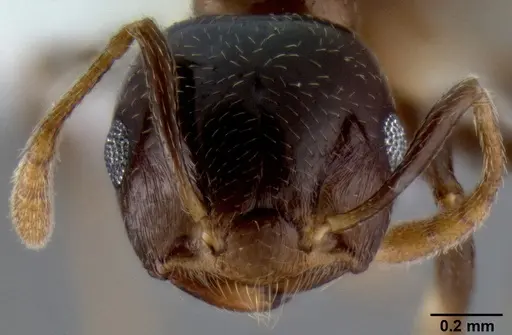
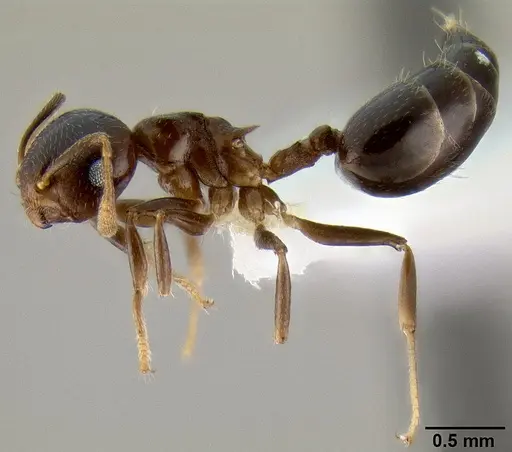
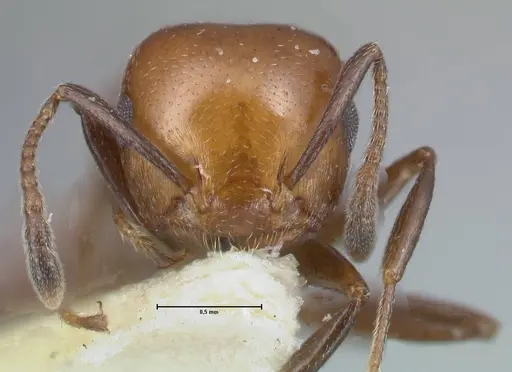
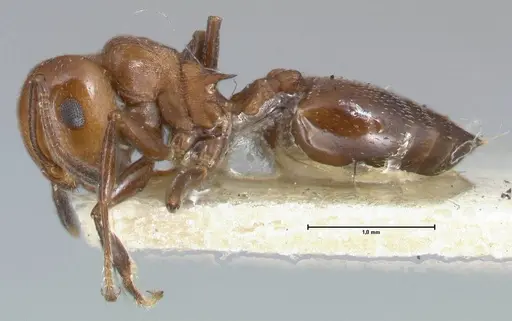
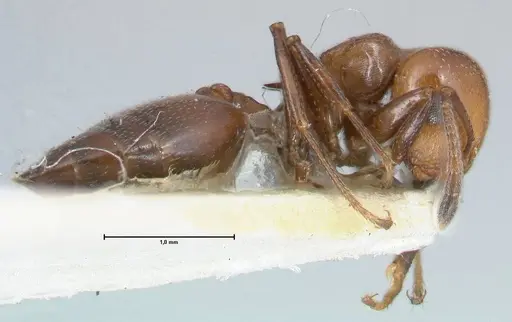
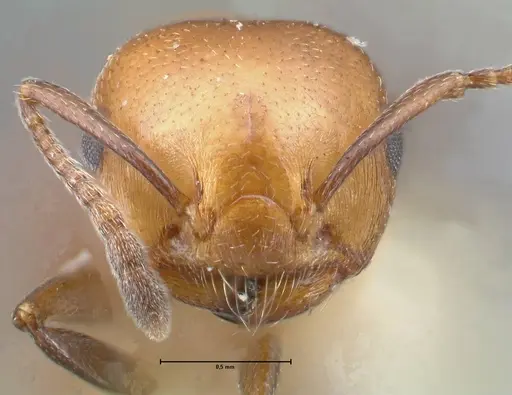
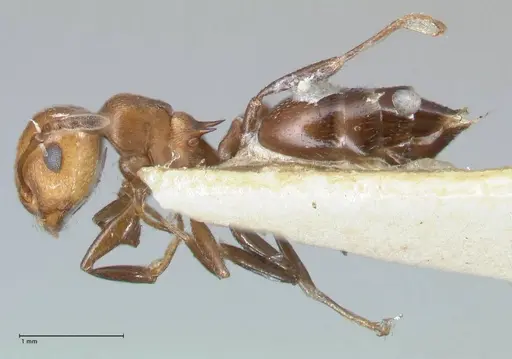
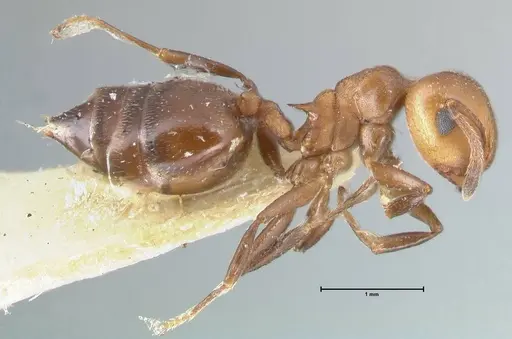
Crematogaster excisa is a small arboreal ant species native to the Afrotropical region, found across central and west Africa including Congo, Democratic Republic of Congo, Sierra Leone, Benin, Nigeria, Gambia, and recently recorded in Rwanda [1]. Workers are tiny at 2-4mm with the characteristic Crematogaster heart-shaped abdomen that they raise like an acrobat when threatened. This species belongs to the Crematogaster castanea group and nests in hollow branches, dead wood, and under bark in trees [2]. A notable trait is their commensal relationship with Oecophylla longinoda, they often live in close association with these weaver ants without being parasites, benefiting from their territory while potentially avoiding predators.
Quick Summary
- Difficulty: Medium
- Origin & Habitat: Arboreal ant from the Afrotropical region, found in hollow tree branches, dead wood, and under bark across west and central Africa. Specimens have been collected from tree-trunks in rocky savannah and hollow trees in forested areas [3]. The species has been recorded in diverse habitats from Congo's lowland forests to Rwanda's Akagera National Park [4][1].
- Colony Type: Colony structure is unconfirmed, the species may be monogyne (single queen) like many Crematogaster, but polygyny cannot be ruled out. More research needed on queen number.
- Size & Growth:
- Queen: Estimated 5-7mm based on genus patterns
- Worker: 2-4mm [2]
- Colony: Likely several hundred workers based on typical Crematogaster colony sizes
- Growth: Moderate
- Development: Estimated 6-8 weeks based on typical Myrmicinae development at warm temperatures (Development time is estimated, no specific study found for this species. Tropical origin suggests faster development than temperate species.)
- Antkeeping:
- Temperature: Keep at 24-28°C, they are a tropical species accustomed to warm conditions. A gentle heat gradient in the nest allows workers to regulate their temperature.
- Humidity: Moderate to high, arboreal ants prefer slightly drier conditions than ground-nesting species. Keep nest substrate lightly moist but allow some drying between waterings. The hollow branch nesting in nature suggests they tolerate some dryness.
- Diapause: No, as a tropical species, they do not require hibernation. Keep temperatures stable year-round.
- Nesting: Arboreal setup works best, they prefer nests in wood or cork bark that mimics their natural hollow branch habitat. Y-tong (AAC) nests with narrow chambers or wooden formicaria suit them well. Provide climbing structures and branches in the outworld.
- Behavior: Crematogaster excisa is an arboreal species that forages in trees and surrounding vegetation. They are active climbers and will explore branches, leaves, and vertical surfaces. Workers have the characteristic habit of raising their gaster when alarmed, this is where the 'acrobat ant' name comes from. They are not particularly aggressive but will defend their nest vigorously. Escape prevention is important given their small size, use fine mesh and tight-fitting barriers. They are commensal with Oecophylla longinoda, suggesting they are adapted to living near aggressive ants without direct conflict.
- Common Issues: small size means escapes are likely without fine mesh barriers, arboreal species may not thrive in ground-based test tube setups, provide elevated nesting, tropical species may struggle if temperatures drop below 22°C, limited research means care parameters are estimates from genus knowledge
Nest Preferences and Housing
Crematogaster excisa is an arboreal species that naturally nests in hollow branches, dead wood, and under bark in trees [2]. In captivity, provide a setup that mimics this arboreal habitat. Wooden formicaria, cork bark nests, or Y-tong (AAC) nests work well, these provide the dark, enclosed spaces they prefer. Avoid fully horizontal test tube setups, as they prefer vertical or elevated nesting sites. The outworld should include climbing structures like branches, twigs, or artificial plants that allow them to forage at different heights. This species does well with moderate humidity, the nest should be lightly moist but not wet, with some variation allowed to let the ants choose their preferred microclimate.
Feeding and Diet
Like other Crematogaster species, they likely have an omnivorous diet. In the wild, arboreal Crematogaster often tend aphids for honeydew and hunt small insects. In captivity, offer a varied diet: sugar water or honey as an energy source, and protein sources like small crickets, mealworms, fruit flies, or other small insects. They are small ants, so prey items should be appropriately sized. Feed sugar sources constantly and protein 2-3 times per week. Remove uneaten prey after 24-48 hours to prevent mold. Their small size means even small prey items are substantial meals for them.
Temperature and Seasonal Care
As a tropical Afrotropical species, Crematogaster excisa requires warm conditions. Keep the nest area at 24-28°C for optimal brood development. Room temperature may be sufficient if your home stays in this range, otherwise use a heating cable on one side of the nest to create a gentle gradient. Avoid temperatures below 22°C as this species is not adapted to cool conditions. Unlike temperate ants, they do not require a winter diapause period, maintain consistent temperatures year-round. Sudden temperature drops or drafts can stress colonies. Monitor colony activity as a guide, if workers become sluggish, the nest may be too cool. [1][3]
Behavior and Colony Dynamics
This species shows the classic Crematogaster defensive behavior, when threatened, workers raise their heart-shaped abdomen over their head, ready to spray formic acid or bite. This 'acrobat' posture gives them their common name. They are arboreal foragers, spending much of their time climbing on vegetation and branches in the outworld. The species has a documented commensal relationship with Oecophylla longinoda, one of the most aggressive African ants. This suggests C. excisa has evolved to coexist with aggressive species without direct conflict, likely through vertical stratification (staying in different parts of the tree) or chemical mimicry. In captivity, they are generally peaceful but will defend their nest vigorously if threatened. Their small size makes escape prevention critical, use fine mesh barriers and check for tiny gaps regularly. [2]
Field Observations and Distribution
Crematogaster excisa has been documented across west and central Africa. Historical collections include specimens from Zambi, Thysville, Faradje, and near Lie in the Belgian Congo (now Democratic Republic of Congo) [3]. In Thysville, specimens were found in a tree-trunk in rocky savannah habitat. In Faradje, they were collected from a hollow tree. More recently, the species was recorded for the first time in Rwanda's Akagera National Park in 2026 [1], expanding the known range eastward. This distribution pattern across the Congo basin and West Africa suggests they are adaptable to various forest and savannah habitats within the tropical zone. The wide distribution but relatively few documented records may reflect their arboreal nesting habits making them less commonly collected than ground-nesting species.
Frequently Asked Questions
Can I keep Crematogaster excisa in a test tube?
Test tubes are not ideal for this arboreal species. They naturally nest in hollow branches and wood, so a wooden formicarium, cork bark nest, or Y-tong (AAC) nest works much better. If you must use a test tube, provide it vertically and add climbing structures in the outworld.
How long does it take for Crematogaster excisa to produce first workers?
Exact development time is unconfirmed for this species, but based on typical Myrmicinae development at warm tropical temperatures, expect 6-8 weeks from egg to first worker. Keep temperatures at 24-28°C for optimal development.
Do Crematogaster excisa ants sting?
Crematogaster ants can bite and spray formic acid as a defense, but they are too small to penetrate human skin effectively. Their main defense is the acrobat display, raising the gaster, rather than stinging.
Are Crematogaster excisa good for beginners?
This species is rated Medium difficulty. While not the hardest species, the lack of specific research on their care and their arboreal nature means they require more attention to housing than common ground-nesting ants. Experience with other Crematogaster or arboreal species helps.
What temperature do Crematogaster excisa need?
Keep them at 24-28°C. This is a tropical species from the African continent and does not tolerate cool temperatures. A heating cable on part of the nest can help maintain these temperatures.
Do Crematogaster excisa need hibernation?
No. As a tropical species from the Afrotropical region, they do not require hibernation or winter cooling. Maintain warm temperatures year-round.
How big do Crematogaster excisa colonies get?
Colony size is not specifically documented, but typical Crematogaster colonies reach several hundred workers. This is a moderately sized genus, not among the largest or smallest ant colonies.
Why are my Crematogaster excisa escaping?
Their small size (2-4mm workers) makes them excellent escape artists. Use fine mesh (0.5mm or smaller), check all lid seals, and ensure any tubing connections are tight. Inspect the outworld for tiny gaps regularly.
Can I keep multiple Crematogaster excisa queens together?
Colony structure is unconfirmed for this species. Many Crematogaster are monogyne (single queen), but polygyny has been documented in some species. Without specific research on C. excisa, it is safer to start with a single queen.
What do Crematogaster excisa eat?
They are omnivorous like most Crematogaster. Offer sugar water or honey constantly for energy, and protein sources like small insects (fruit flies, pinhead crickets, mealworms) 2-3 times per week.
References

This caresheet is licensed under CC BY-SA 4.0 .
CASENT0193753
View on AntWeb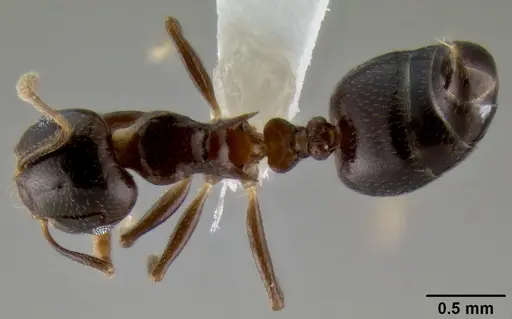
CASENT0912668
View on AntWeb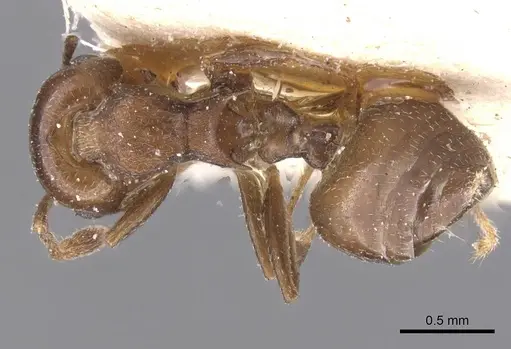
CASENT0915373
View on AntWeb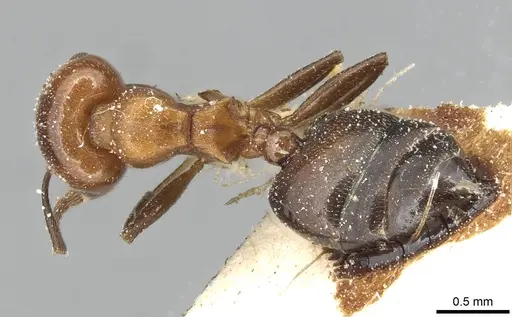
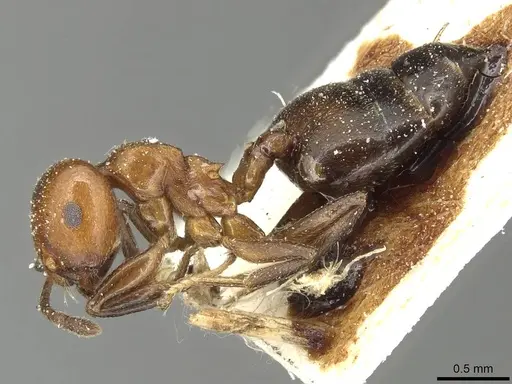
CASENT0919666
View on AntWeb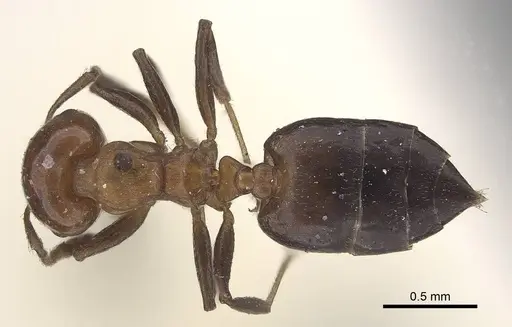
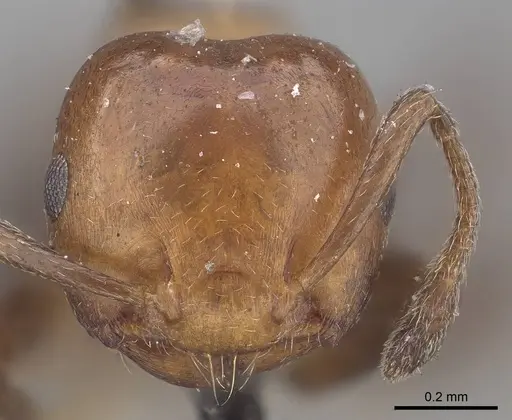
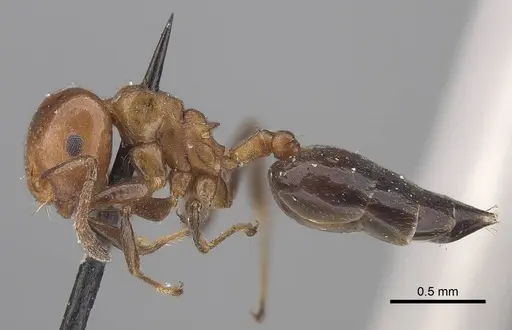
FOCOL1499
View on AntWeb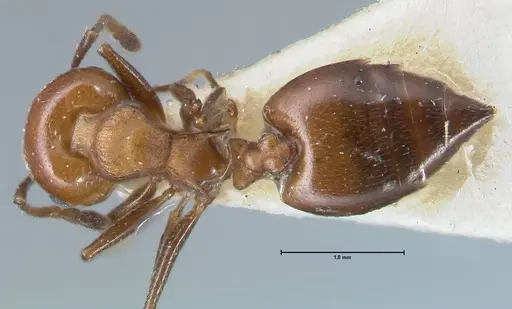
FOCOL1500
View on AntWeb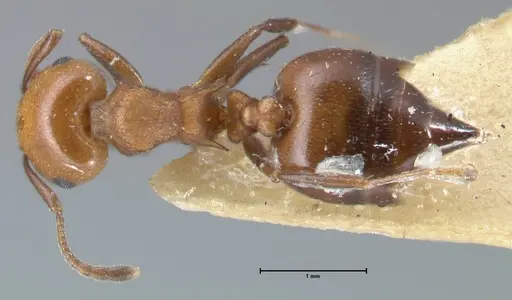
FOCOL1501
View on AntWeb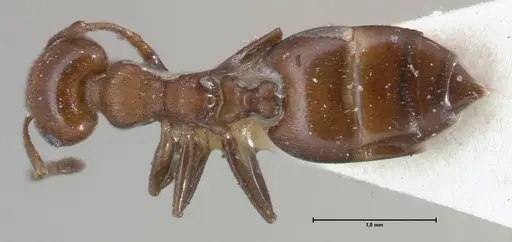
Literature
Loading...Loading products...