

Crematogaster castanea
- Scientific Name
- Crematogaster castanea
- Tribe
- Crematogastrini
- Subfamily
- Myrmicinae
- Author
- Smith, 1858
- Common Name
- Red Cocktail ant
- Distribution
- Found in 11 countries
Crematogaster castanea Overview
Crematogaster castanea (commonly known as the Red Cocktail ant) is an ant species of the genus Crematogaster. It is primarily documented in 11 countries , including Botswana, Kenya, Malawi. Detailed taxonomic data and occurrence records can be further explored via authoritative databases such as AntWeb or the Global Biodiversity Information Facility (GBIF).
Crematogaster castanea - "Red Cocktail ant"
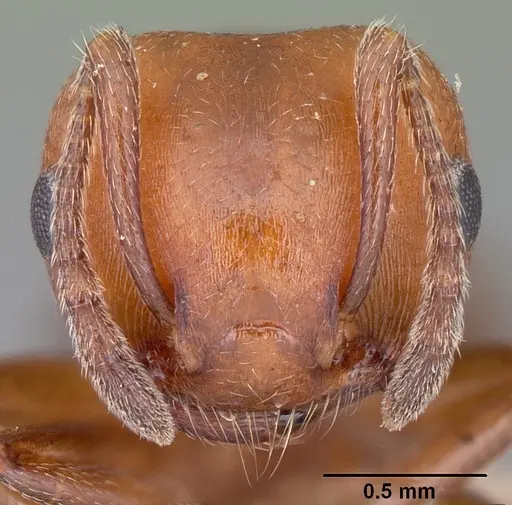
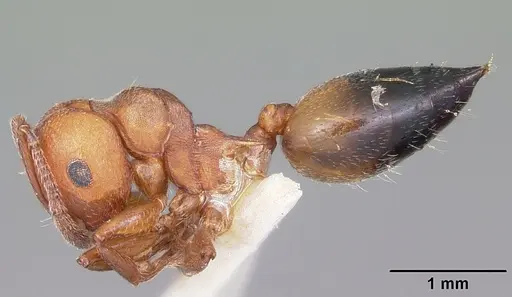
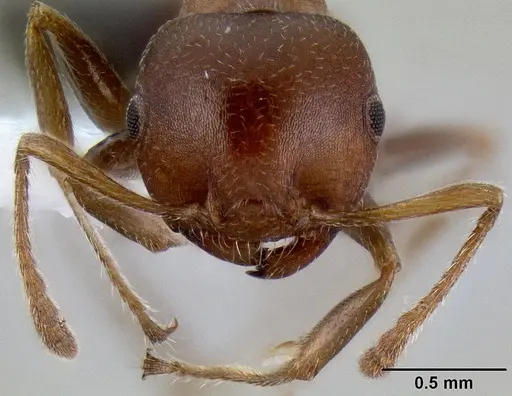
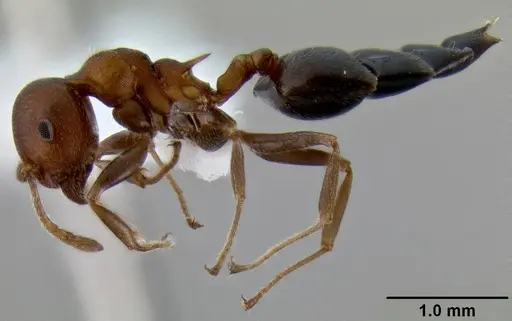
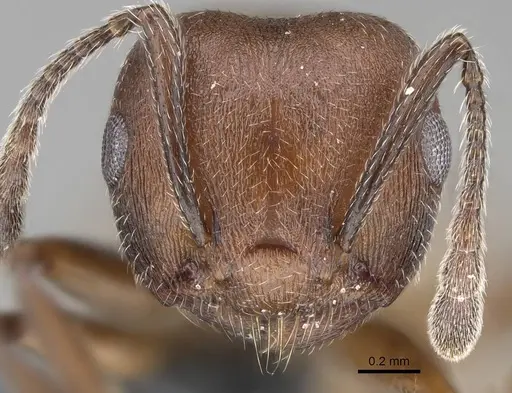
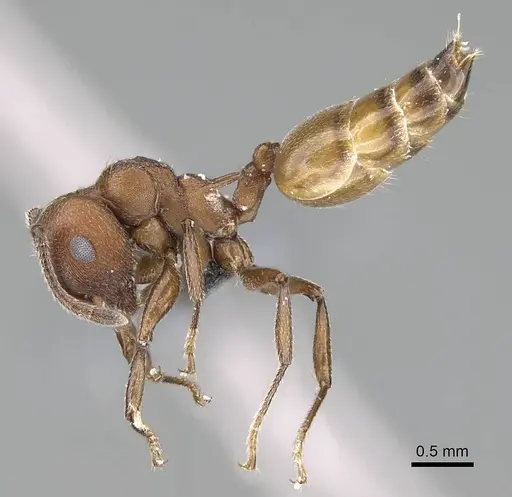
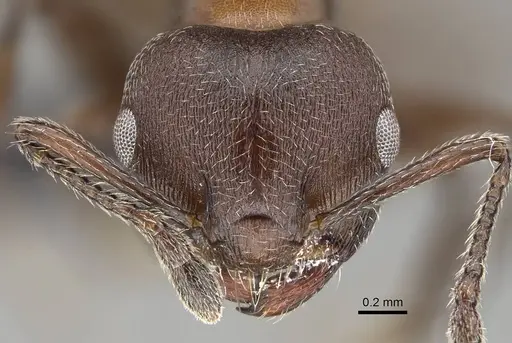
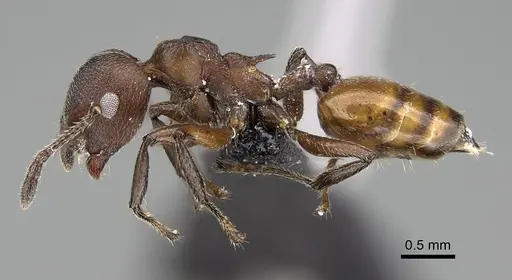
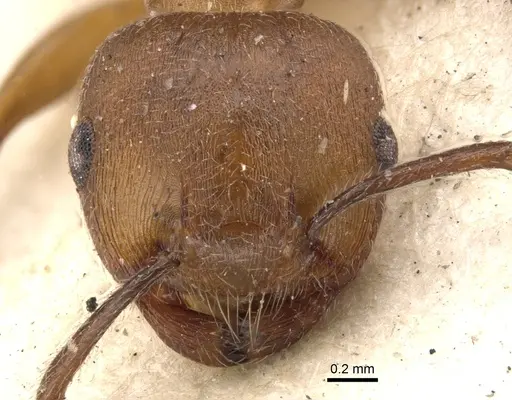
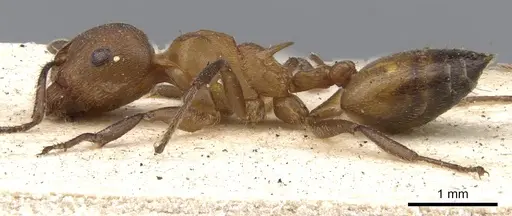
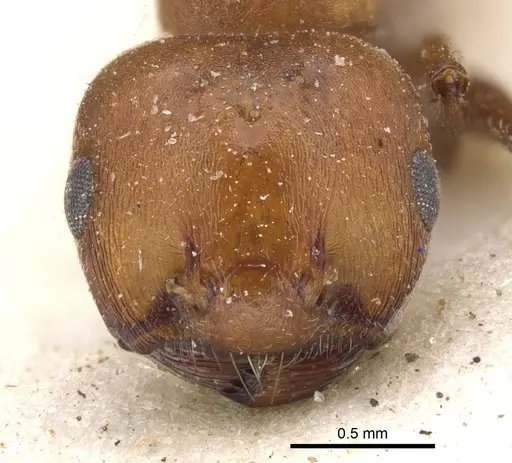
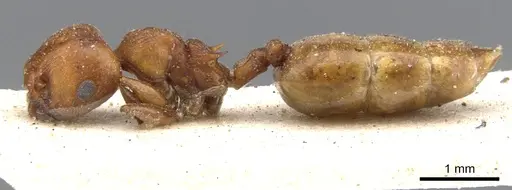
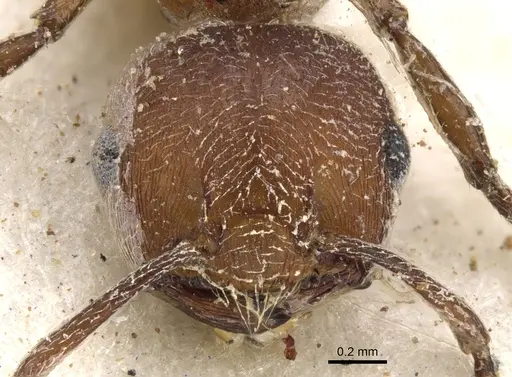
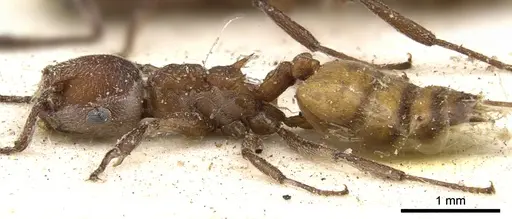
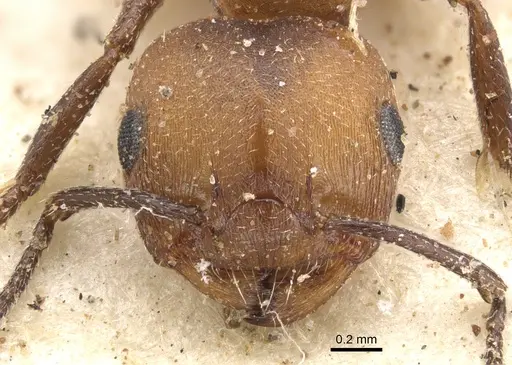
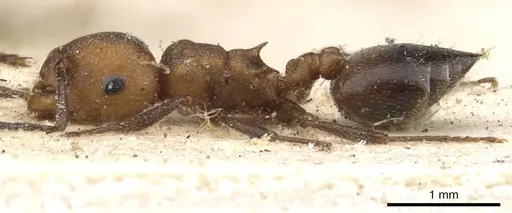
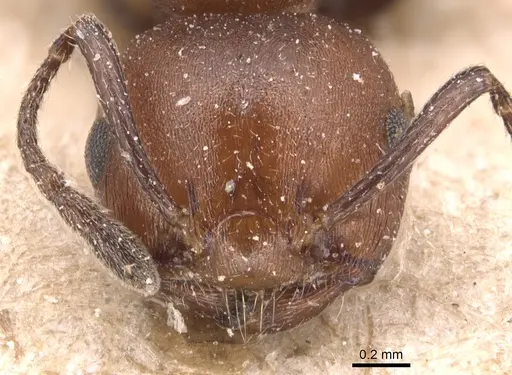
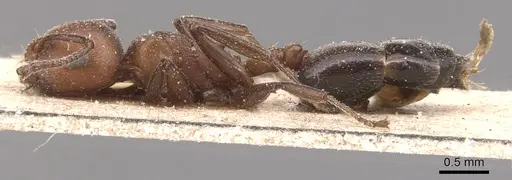
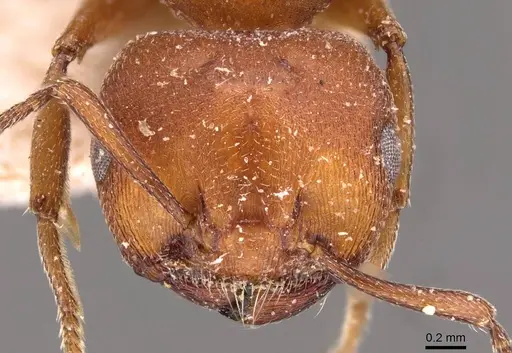
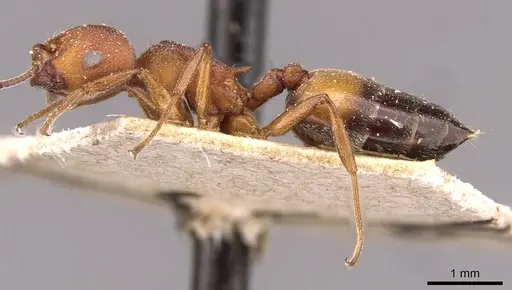
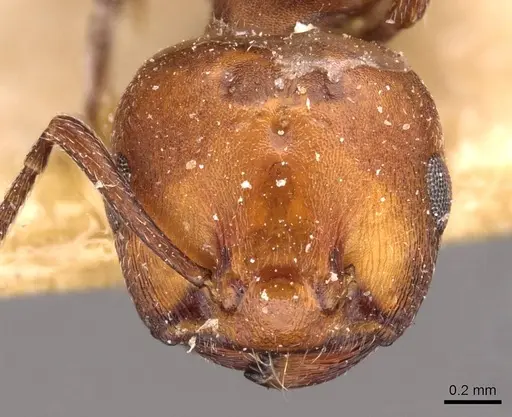
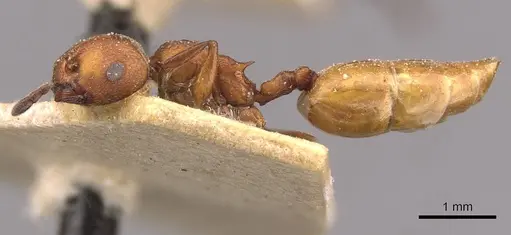
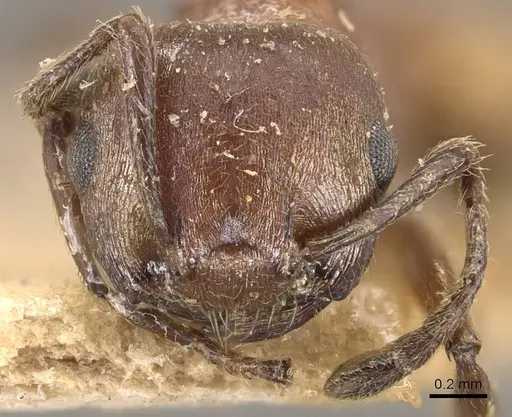
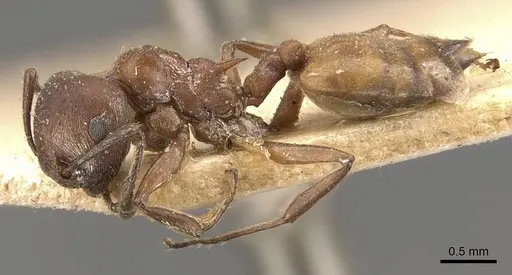
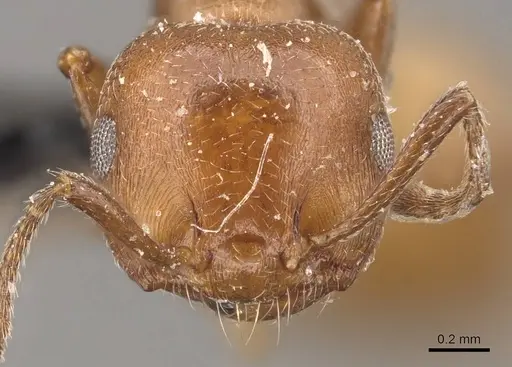
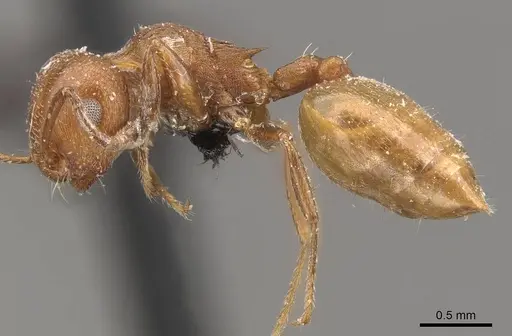
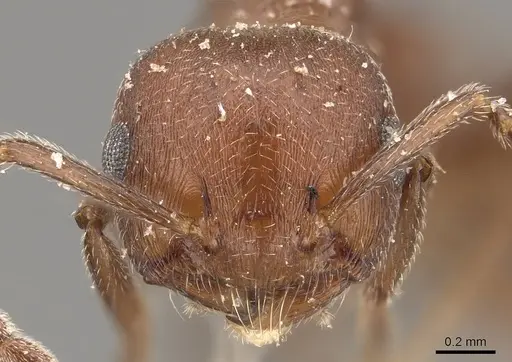
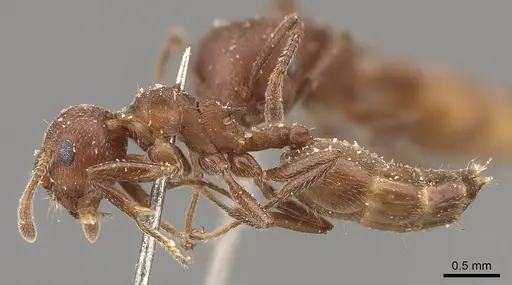
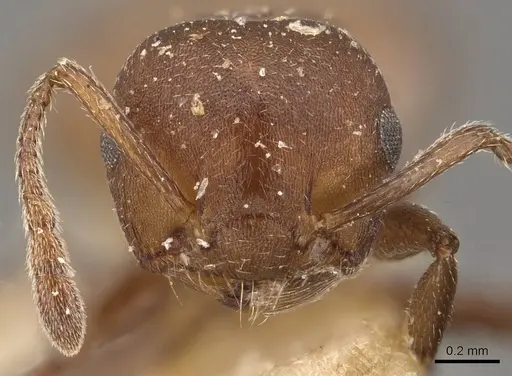
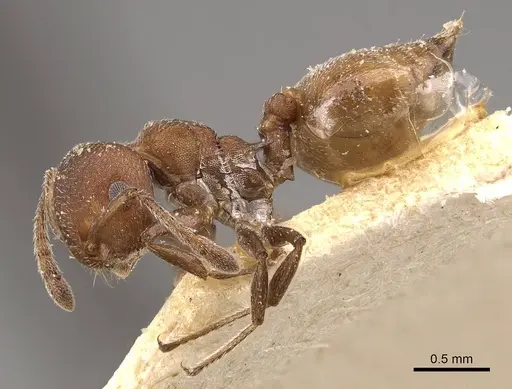
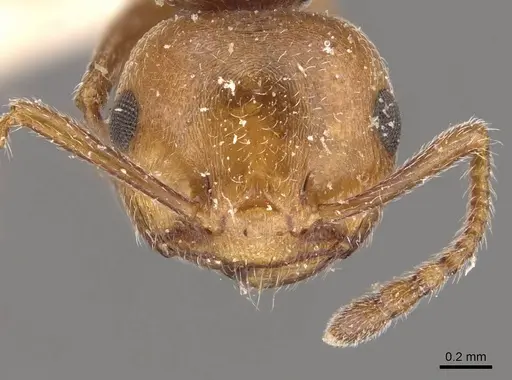
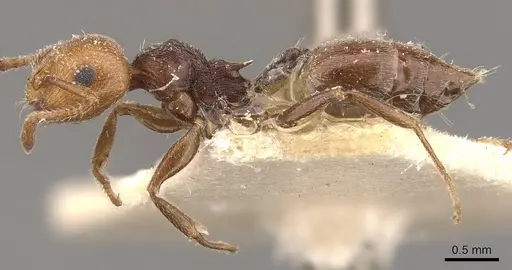
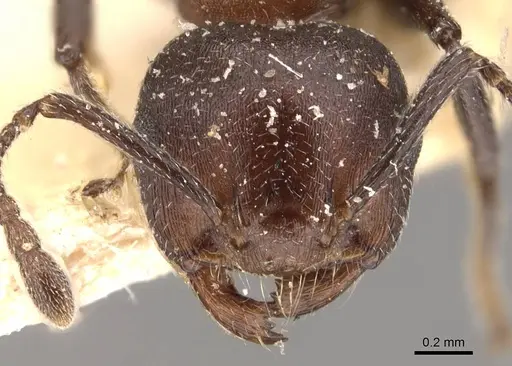
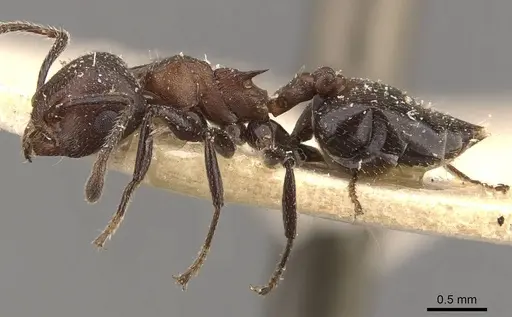
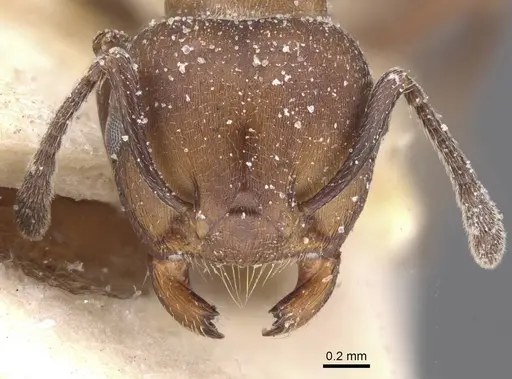
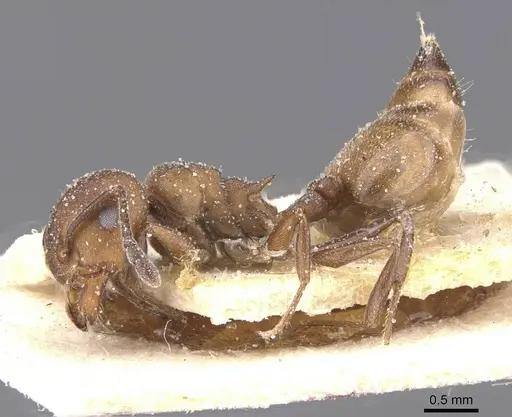
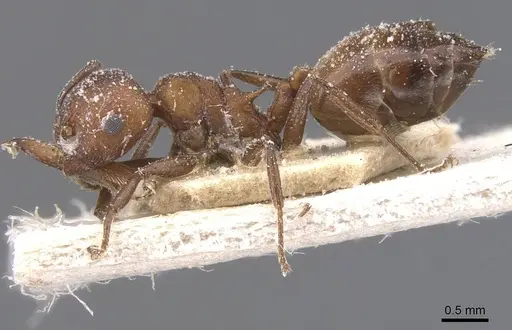
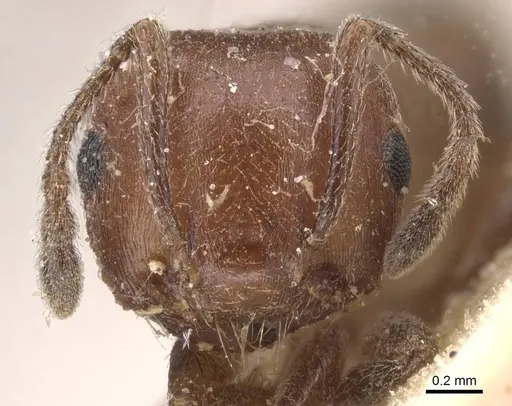
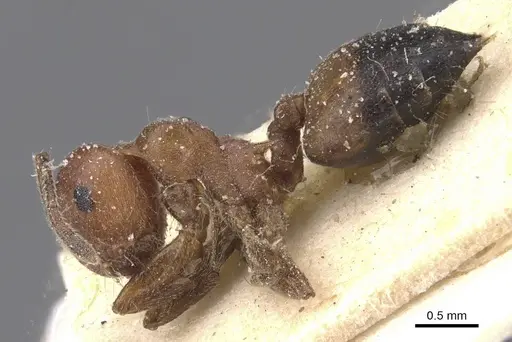
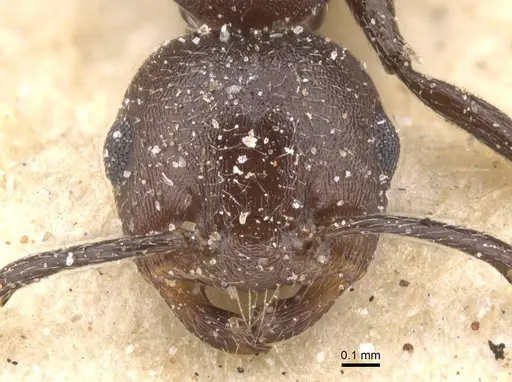
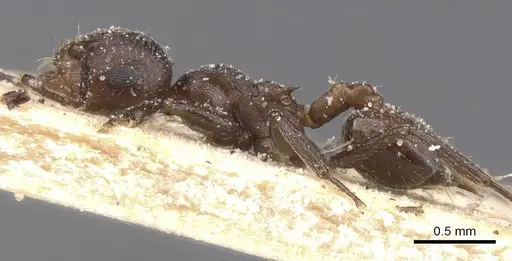
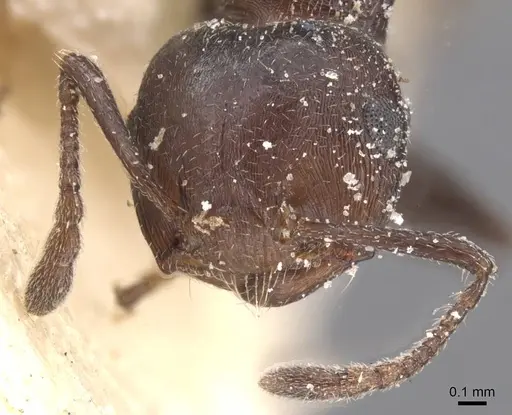
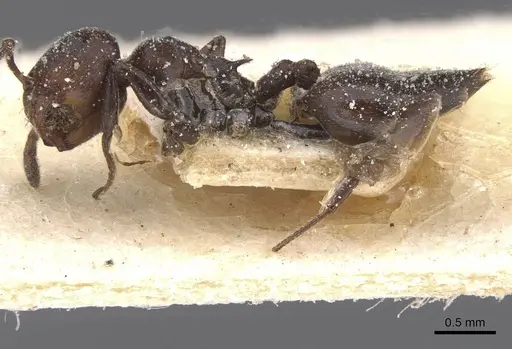
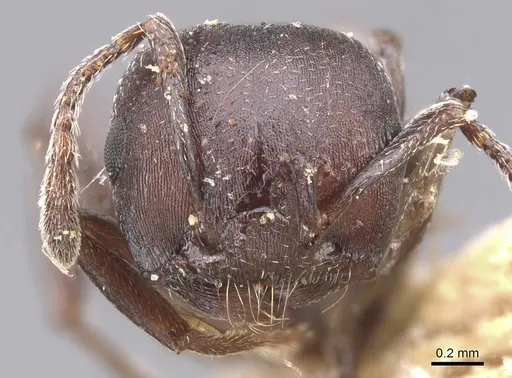
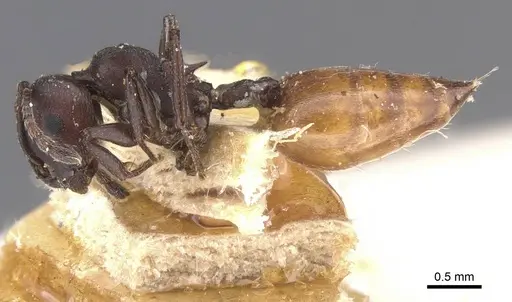
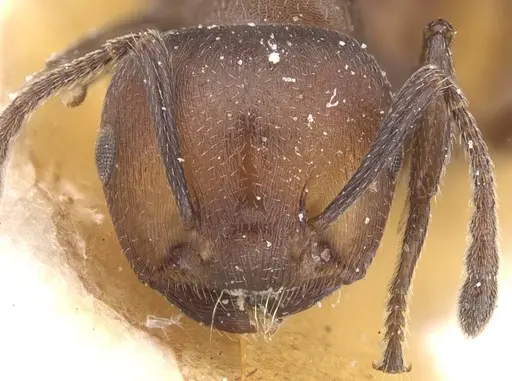
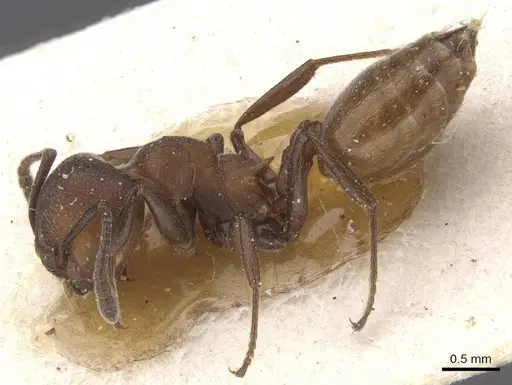
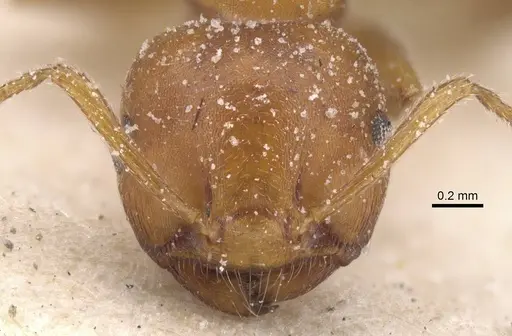
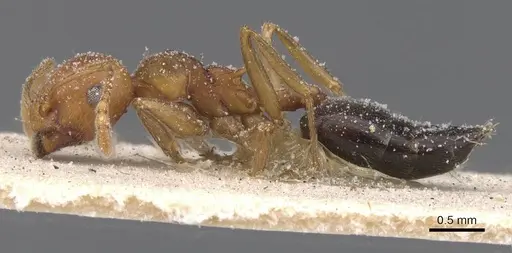
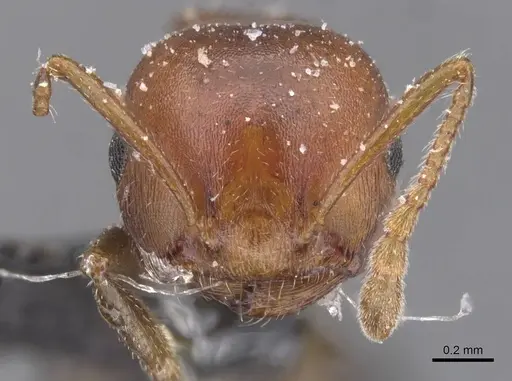
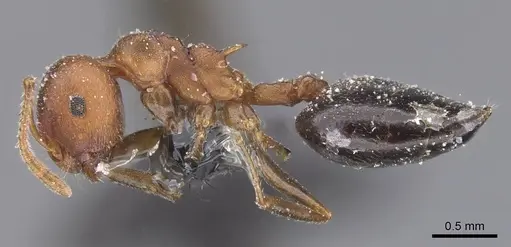
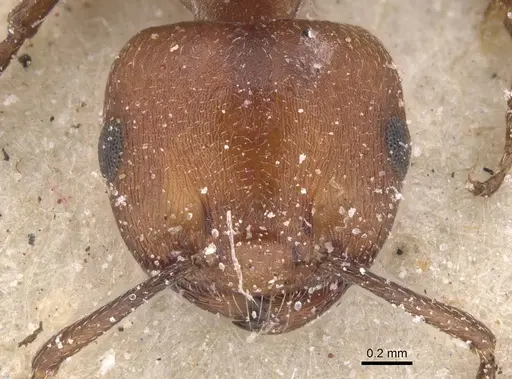
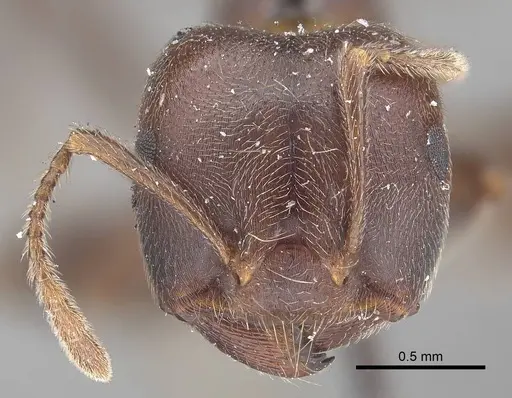
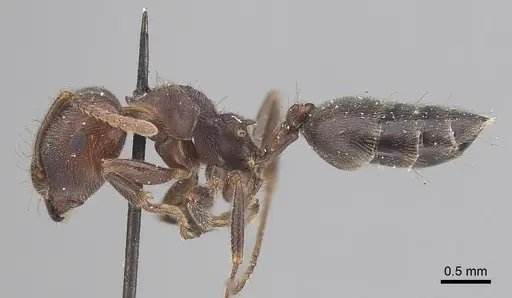
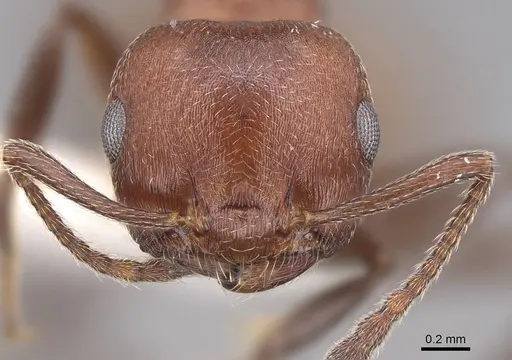
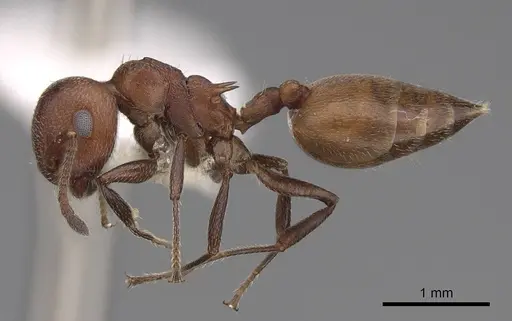
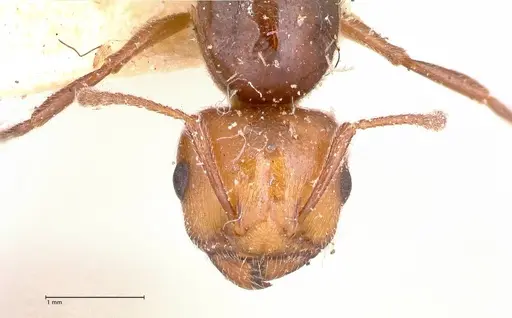
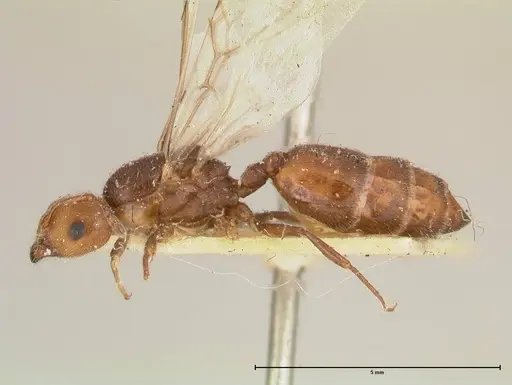
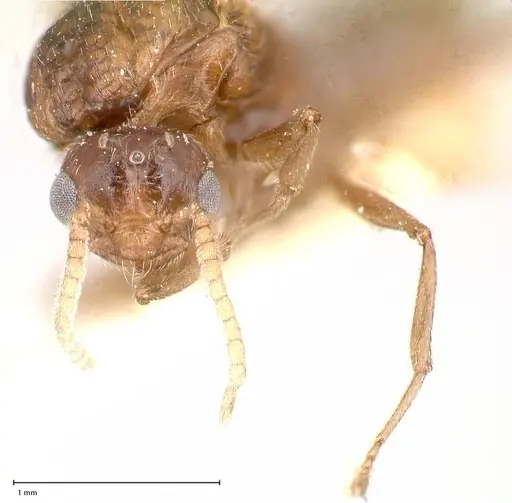
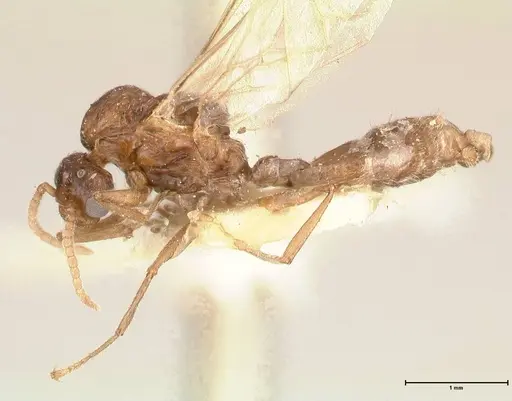
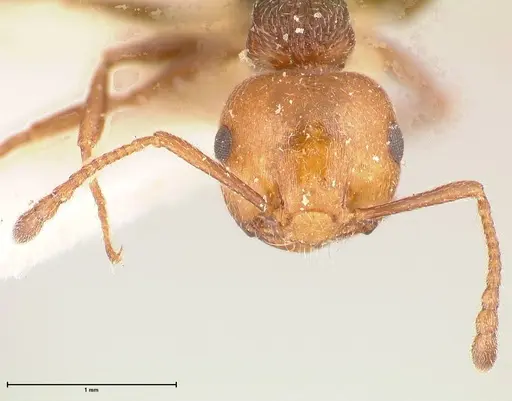
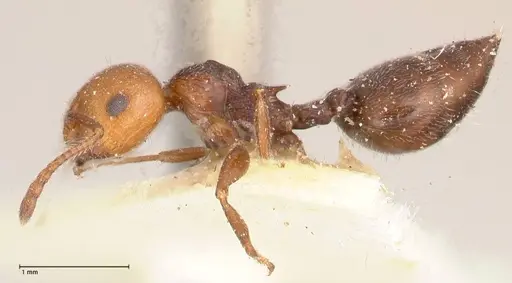
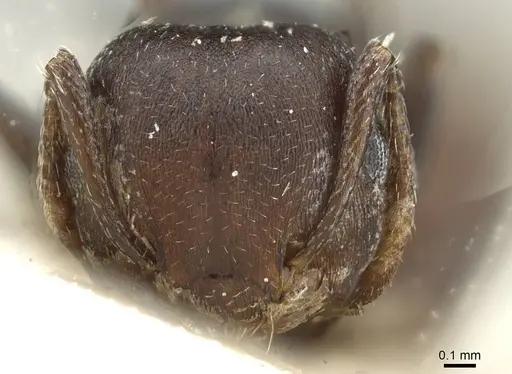
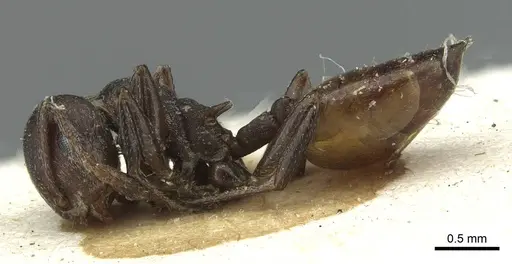
Crematogaster castanea is a small arboreal ant species native to Africa and Madagascar. Workers are around 3-4mm with a distinctive heart-shaped abdomen (the 'acrobat' part of their name comes from their ability to raise their abdomen over their head when threatened). They range in color from reddish-brown to nearly black depending on the subspecies. This species belongs to the Crematogaster castanea group and is closely related to Crematogaster tricolor, from which it can be distinguished by its uniform coloration versus the tricolored pattern [1].
What makes C. castanea particularly interesting is its ecological role as a tree-nesting ant that actively tends hemipteran insects like psyllids and protects them from predators by constructing shelters from dead leaves [2]. They are also known to be obligate ant-associates of certain butterfly species (Cigaritis natalensis and Cigaritis ella), providing protection in exchange for honeydew [3]. In African savannas, they are important colonizers of damaged tree bark, particularly marula trees, where they build nests in wound areas [4].
Quick Summary
- Difficulty: Medium
- Origin & Habitat: Native to the Afrotropical region including South Africa, Kenya, Rwanda, Uganda, Democratic Republic of Congo, Namibia, Nigeria, Eritrea, and the Malagasy region (Madagascar, Mauritius, Mayotte) [5]. They are arboreal ants found in hollows in trees, hollow branches, and tree galls [6].
- Colony Type: Monogyne (single-queen colonies). The species forms single-queen colonies in tree hollows and branch cavities.
- Colony: Monogyne
- Founding: Claustral
- Size & Growth:
- Queen: Approximately 7-8mm (4 lines in original description) [7]
- Worker: Approximately 3-4mm (2 lines in original description) [7]
- Colony: Colony size data is limited, but Crematogaster colonies typically reach several hundred workers. Based on related species, expect moderate-sized colonies.
- Growth: Moderate
- Development: Estimated 5-8 weeks at optimal temperature based on genus patterns (Development time is inferred from typical Crematogaster genus patterns as species-specific data is not available)
- Antkeeping:
- Temperature: Keep at 24-28°C. As a tropical/subtropical species, they prefer warm conditions. Room temperature (22-26°C) is generally suitable, with a slight heating gradient beneficial for colony growth.
- Humidity: Moderate to high humidity (50-70%). Being arboreal, they tolerate drier conditions than ground-nesting ants but benefit from some moisture. Provide a water tube as primary drinking source.
- Diapause: No true diapause. This is a tropical species that does not require hibernation. Activity may reduce slightly during cooler periods but no special winter treatment is needed.
- Nesting: Arboreal nesters, they naturally nest in tree hollows, branch cavities, and galls. In captivity, they do well in acrylic nests, Y-tong nests, or cork nests that simulate their natural tree-hole habitat. They prefer nests with multiple chambers connected by narrow tunnels.
- Behavior: Crematogaster castanea is an active forager with a generally non-aggressive temperament toward humans. Workers are quick-moving and will readily defend their nest if threatened, raising their abdomen in the classic 'acrobat' defensive posture. They are excellent climbers and may escape if given the chance. They use trail pheromones (R)-2-dodecanol to coordinate foraging [8]. They are not known for stinging, their primary defense is the formic acid they can spray from their abdomen.
- Common Issues: escape prevention is critical, they are excellent climbers and will find any gap in setup, colonies may be slow to establish initially, patience is needed during founding phase, arboreal nature means they need vertical space and climbing surfaces, wild-caught colonies may have parasites or diseases that can cause colony failure, overfeeding can lead to mold issues in their nesting area
Nest Preferences and Housing
Crematogaster castanea is an arboreal species that naturally nests in tree hollows, hollow branches, and galls [6]. In captivity, they adapt well to various nest types that simulate these conditions. Acrylic nests and Y-tong (AAC) nests work well because they provide the dark chambers these ants prefer. Cork nests are also excellent since they mimic the natural tree-hole environment. Avoid setups with excessive open space, these ants feel secure in tighter, more enclosed chambers.
Because they are arboreal, they benefit from some vertical climbing space in their outworld. Include branches, twigs, or vertical surfaces for them to explore. They are excellent climbers and will readily traverse vertical surfaces, so ensure your formicarium has a secure barrier at the top to prevent escapes. A test tube setup works well for the founding colony, then transition to a small formicarium as the colony grows.
Feeding and Diet
In the wild, C. castanea tends hemipteran insects (like psyllids and planthoppers) and collects honeydew as a primary food source [2]. They also forage for small insects and likely scavenge protein sources. In captivity, offer a varied diet:
Protein: Small insects like fruit flies, small crickets, mealworms, and other small arthropods. Feed protein 2-3 times per week depending on colony size.
Sugar: They readily accept sugar water, honey, or maple syrup. Provide a constant sugar source, this is essential for colony energy and brood development.
Water: Always provide fresh water. A water tube with a cotton plug works well.
These ants are not picky eaters and typically accept most offered foods. The key is variety, rotate between protein sources and always keep sugar available.
Temperature and Seasonal Care
As a tropical/subtropical species from Africa and Madagascar, C. castanea prefers warm temperatures. Keep the nest area at 24-28°C for optimal brood development. Room temperature (22-26°C) is generally acceptable, but slightly warmer conditions will encourage faster growth and more activity.
A small heating cable or heating mat on one side of the nest can create a beneficial temperature gradient. Place the heating on top of the nest, not underneath, to avoid drying out the nest material. This allows workers to regulate their temperature by moving between warmer and cooler areas.
No diapause or hibernation is required for this species. They are active year-round when kept at appropriate temperatures. You may notice slightly reduced activity during cooler months if your room temperature drops, but this is not a true diapause, they simply become less active in cooler conditions. [5]
Behavior and Defense
Crematogaster castanea workers are quick, active foragers with a generally non-aggressive temperament toward keepers. However, they will defend their nest vigorously if threatened. When disturbed, they exhibit the characteristic 'acrobat' behavior of raising their abdomen over their head, which gives the genus its common name.
Their primary defense mechanism is spraying formic acid from their abdomen rather than stinging. This can be irritating to skin but is not dangerous to humans. The spray is more of a deterrent than a serious threat.
These ants are highly social and coordinated. They use chemical trail pheromones (specifically (R)-2-dodecanol) to mark paths to food sources [8][9]. When a worker finds food, she lays a trail back to the nest, and other workers follow the chemical trail to the food source.
They are excellent climbers and can scale most surfaces. Escape prevention is essential, even small gaps in your setup will be discovered and exploited.
Ecological Role and Symbioses
One of the most fascinating aspects of C. castanea is its ecological role in Africa. These ants are known to form mutualistic relationships with hemipteran insects like Hilda patruelis and Diaphorina enderleini, which feed on plant sap [2][10]. The ants protect these insects from predators and in return receive honeydew, a sugary secretion rich in carbohydrates.
Remarkably, C. castanea constructs shelters using dead leaves to protect their hemipteran partners from predators [2]. This behavior shows their advanced social organization and demonstrates that they are not just passive honeydew collectors but active farmers.
They are also obligate ant-associates of certain butterfly species, particularly Cigaritis natalensis and Cigaritis ella (butterflies in the Lycaenidae family) [3]. These butterflies have evolved to trick the ants into caring for their caterpillars, gaining protection from predators.
In savanna ecosystems, C. castanea plays an important role as a colonizer of damaged trees, particularly marula trees where they nest in bark wounds [4]. Their nesting activity can actually prevent bark regeneration, showing they can significantly impact their environment.
Frequently Asked Questions
How long does it take for Crematogaster castanea to have first workers?
First workers (nanitics) typically appear within 5-8 weeks after the queen lays her first eggs, assuming temperatures around 24-28°C. This is an estimate based on typical Crematogaster genus development patterns, as species-specific development data is not available.
Can I keep Crematogaster castanea in a test tube?
Yes, test tubes work well for founding colonies. Use a standard test tube setup with a water reservoir (filled with water and stopped with cotton) connected to a dry chamber. Once the colony reaches 20-30 workers, consider moving them to a small formicarium or acrylic nest.
Do Crematogaster castanea ants sting?
No, they do not sting. Their primary defense is spraying formic acid from their abdomen. When threatened, they raise their abdomen over their head in the 'acrobat' pose, this is a warning display rather than an actual sting. The spray can be irritating to skin but is not dangerous.
What do Crematogaster castanea eat?
They are omnivores that accept both sugar and protein. Offer sugar water, honey, or maple syrup as a constant sugar source. For protein, provide small insects like fruit flies, small crickets, or mealworms 2-3 times per week. They also naturally tend hemipteran insects for honeydew in the wild.
Are Crematogaster castanea good for beginners?
They are rated as medium difficulty. They are more challenging than simple species like Lasius because they are arboreal and need specific nesting conditions. However, they are not overly aggressive and adapt well to captivity. Beginners should be prepared for their escape-artist abilities and need for climbing space.
Do Crematogaster castanea need hibernation?
No, they do not require hibernation. This is a tropical species from Africa and Madagascar that remains active year-round when kept at appropriate temperatures (24-28°C). You may notice reduced activity during cooler periods, but no special winter treatment is needed.
How big do Crematogaster castanea colonies get?
Based on related species, colonies typically reach several hundred workers. The exact maximum is not well documented for this specific species, but Crematogaster colonies are generally moderate-sized compared to some other genera.
When should I move Crematogaster castanea to a formicarium?
Move them when the test tube becomes crowded or the water reservoir needs frequent refilling. This is typically around 20-40 workers. Choose a nest with multiple chambers and ensure there are climbing surfaces in the outworld. They prefer darker, more enclosed nesting areas.
Why are my Crematogaster castanea escaping?
Crematogaster ants are excellent climbers and will escape through even tiny gaps. Use excellent escape prevention: apply Fluon or similar barrier to the upper edges of your setup, ensure all lids fit tightly, and check for any gaps larger than 1mm. They can squeeze through surprisingly small spaces.
Can I keep multiple Crematogaster castanea queens together?
No, this is a monogyne (single-queen) species. Multiple unrelated queens will fight until only one remains. Only keep one queen per colony. If you find multiple queens in the wild, they are likely from separate colonies, not a polygyne colony.
References

This caresheet is licensed under CC BY-SA 4.0 .
CASENT0102953
View on AntWeb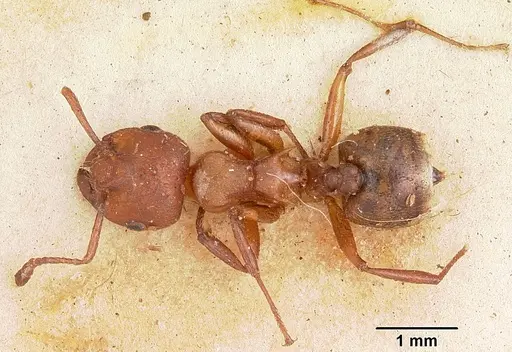
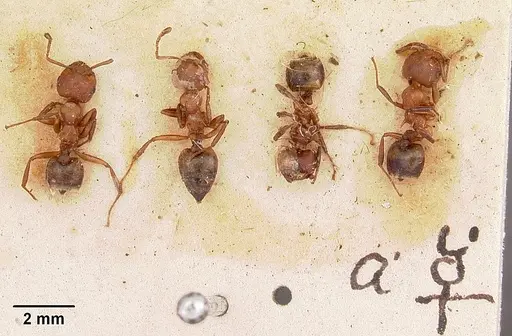
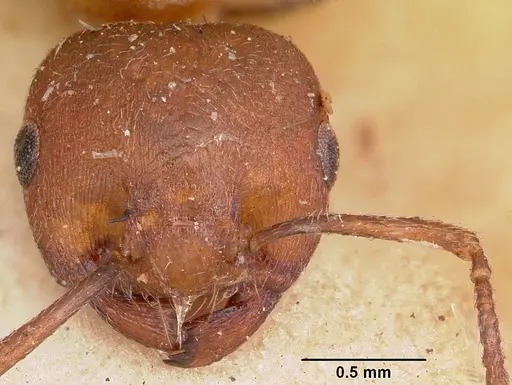
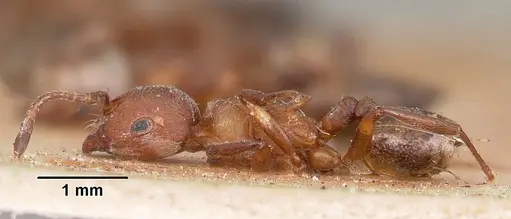
CASENT0102970
View on AntWeb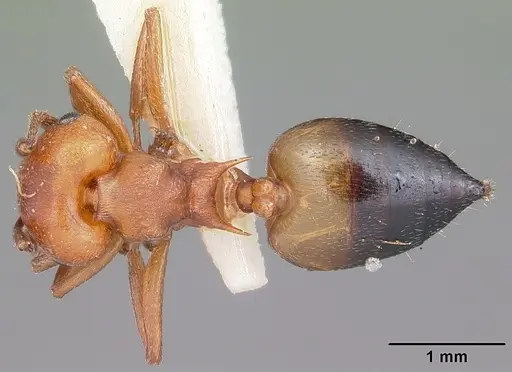
CASENT0193606
View on AntWeb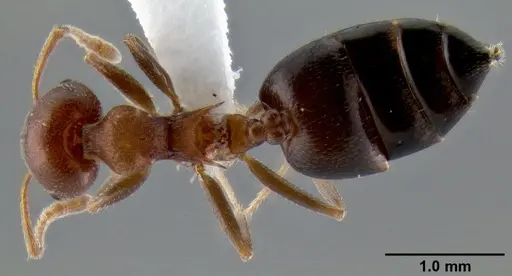
CASENT0785950
View on AntWeb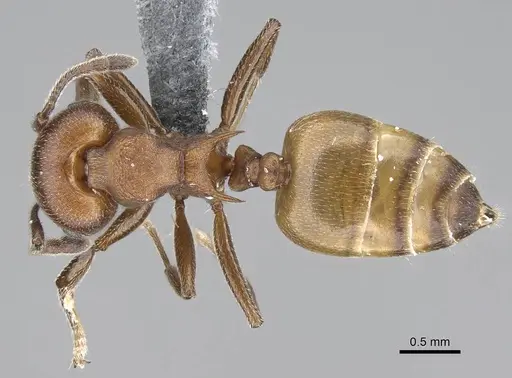
CASENT0822207
View on AntWeb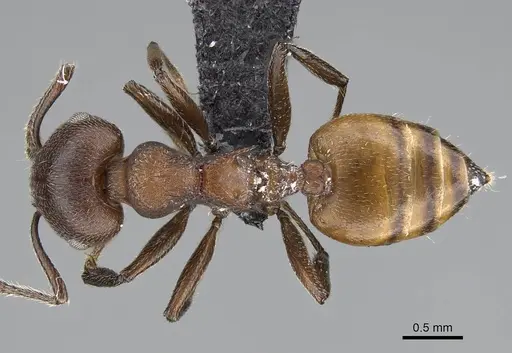
CASENT0902083
View on AntWeb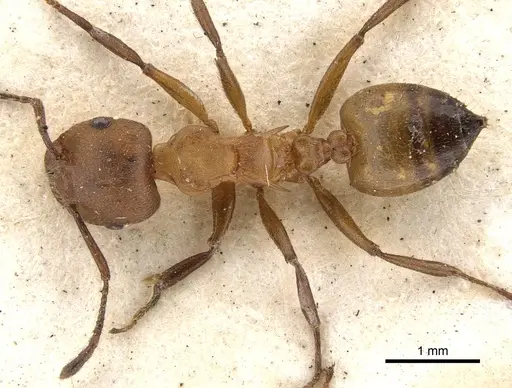
CASENT0902084
View on AntWeb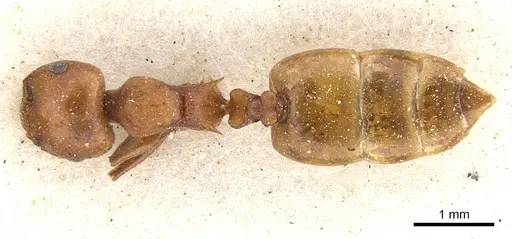
CASENT0902085
View on AntWeb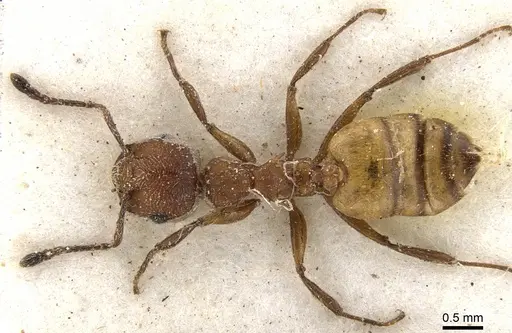
CASENT0902086
View on AntWeb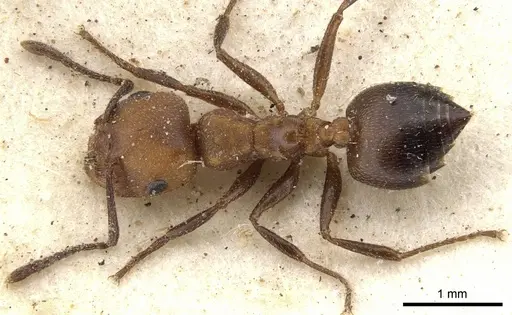
CASENT0904512
View on AntWeb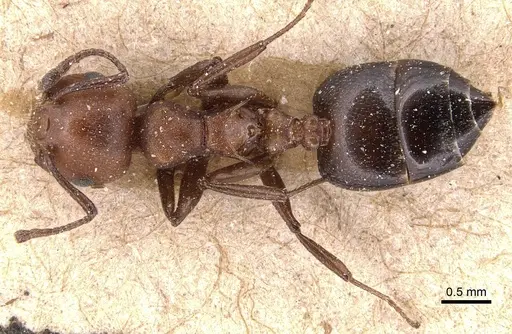
CASENT0908503
View on AntWeb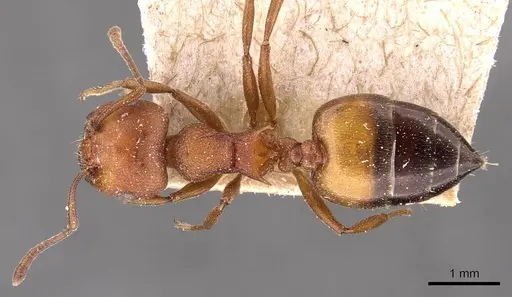
CASENT0908504
View on AntWeb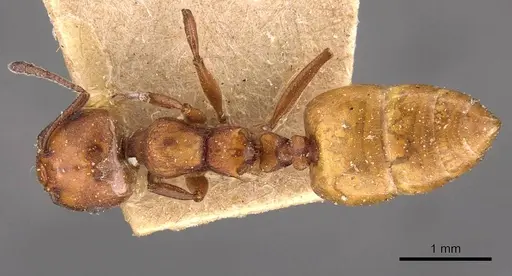
CASENT0908505
View on AntWeb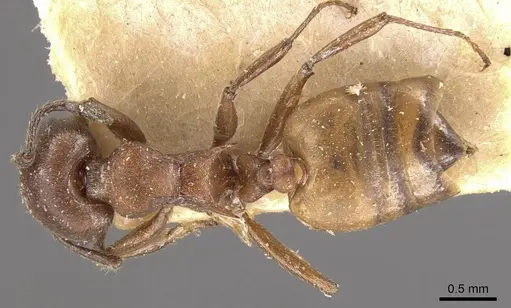
CASENT0908506
View on AntWeb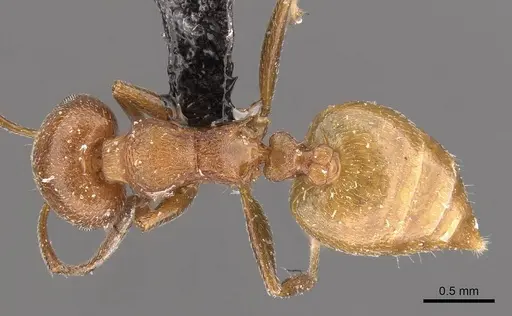
CASENT0908507
View on AntWeb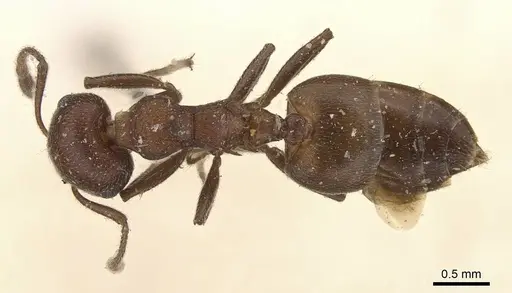
CASENT0908508
View on AntWeb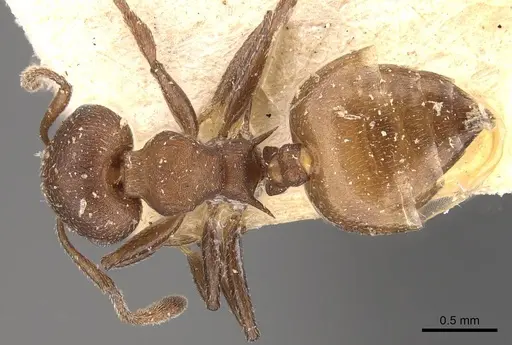
CASENT0908509
View on AntWeb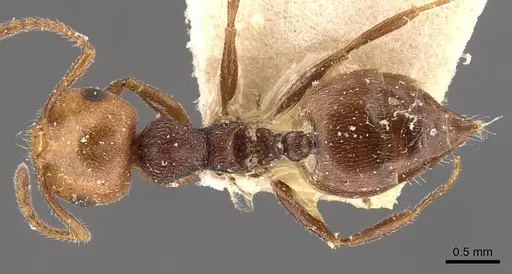
CASENT0908510
View on AntWeb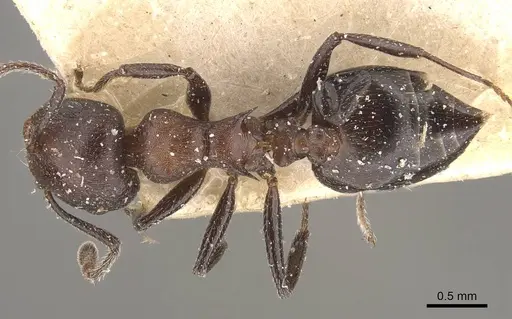
CASENT0912647
View on AntWeb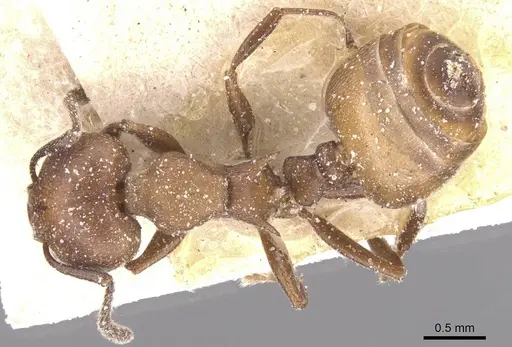
CASENT0912648
View on AntWeb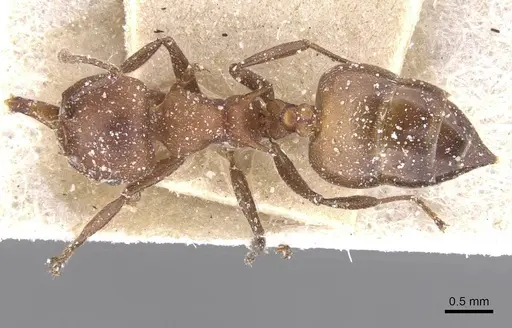
CASENT0912649
View on AntWeb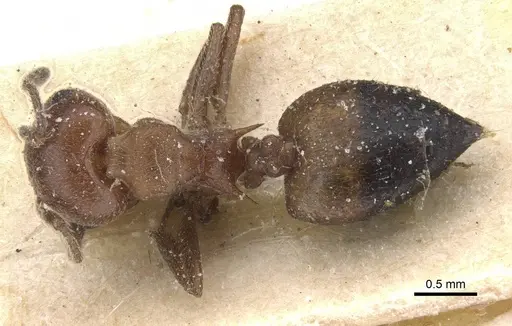
CASENT0912650
View on AntWeb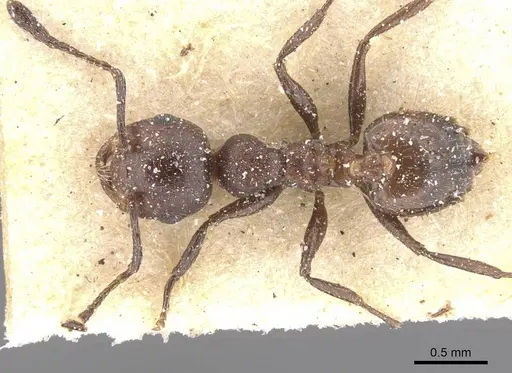
CASENT0912652
View on AntWeb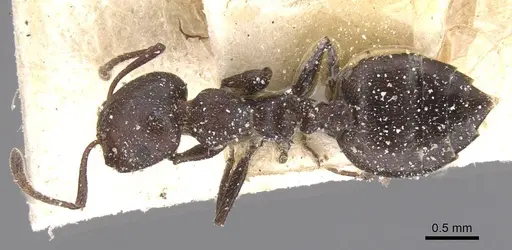
CASENT0912653
View on AntWeb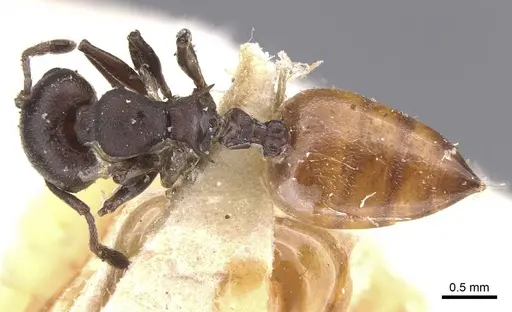
CASENT0912654
View on AntWeb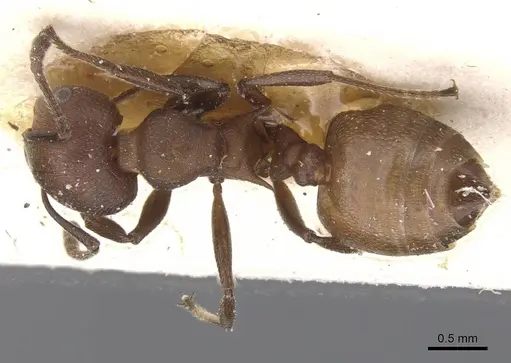
CASENT0912655
View on AntWeb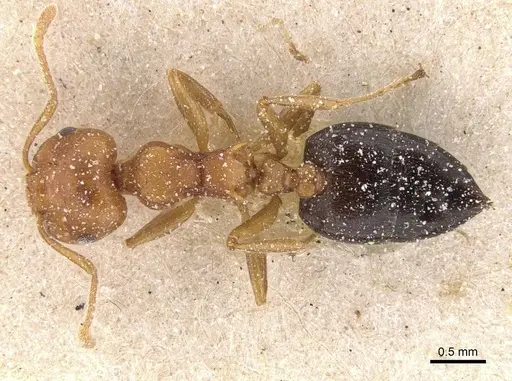
CASENT0912656
View on AntWeb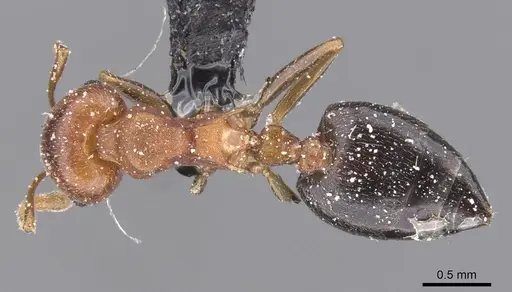
CASENT0912657
View on AntWeb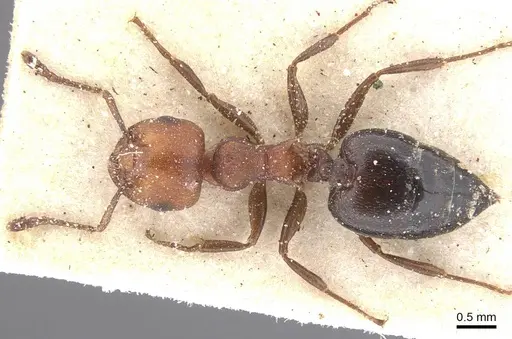
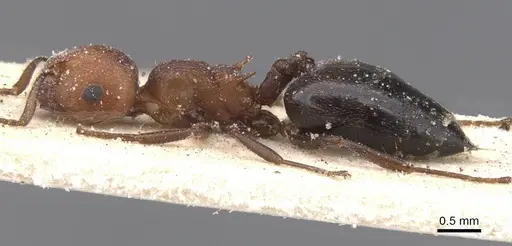
CASENT0919663
View on AntWeb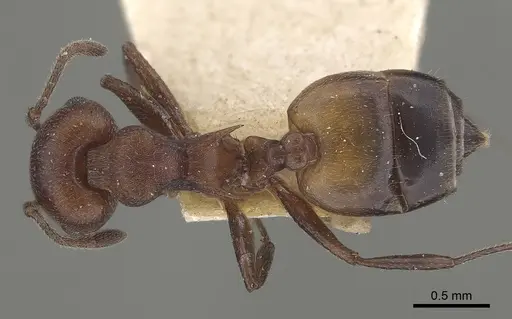
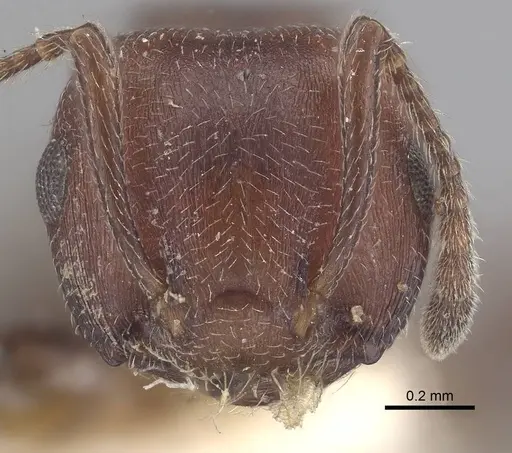
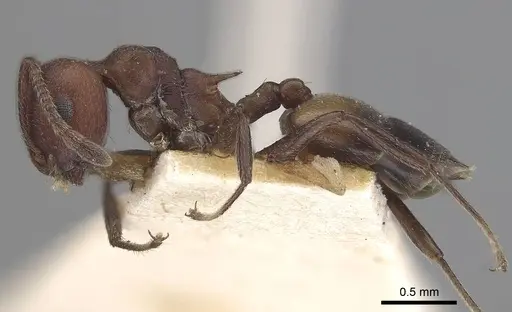
CASENT0919664
View on AntWeb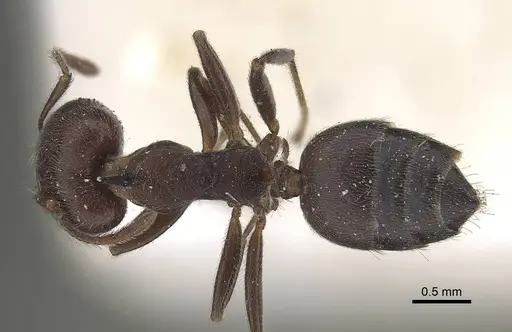
CASENT0922646
View on AntWeb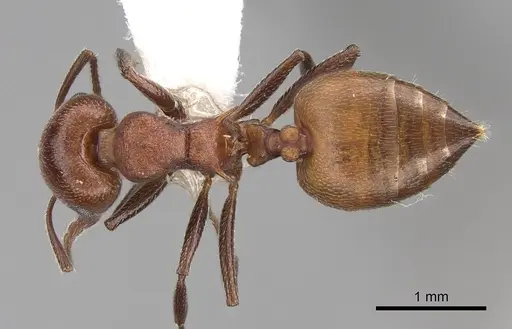
FOCOL0653
View on AntWeb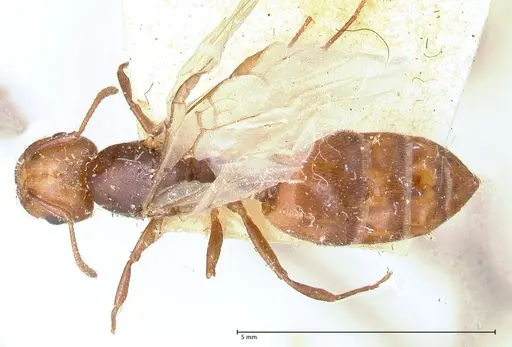
FOCOL0654
View on AntWeb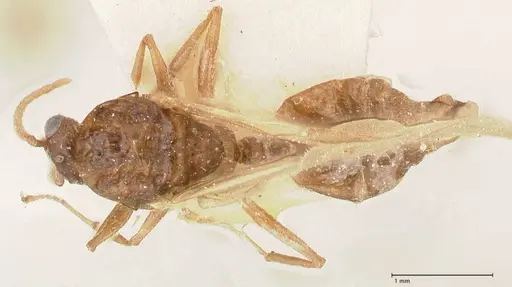
FOCOL0655
View on AntWeb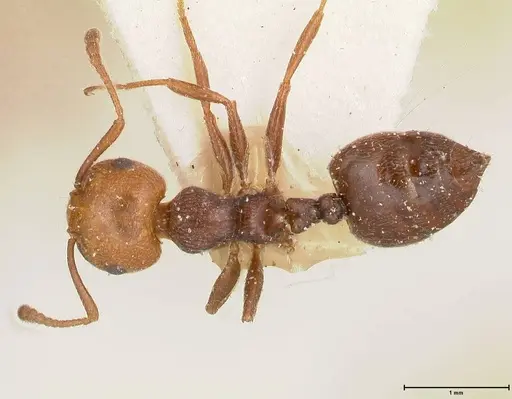
RMCAENT000017760
View on AntWeb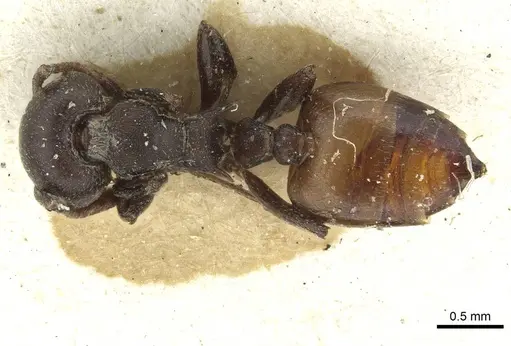
Literature
Loading...Loading products...