

Crematogaster tricolor
- Scientific Name
- Crematogaster tricolor
- Tribe
- Crematogastrini
- Subfamily
- Myrmicinae
- Author
- Gerstäcker, 1859
- Distribution
- Found in 4 countries
Crematogaster tricolor Overview
Crematogaster tricolor is an ant species of the genus Crematogaster. It is primarily documented in 4 countries , including Comoros, Madagascar, Mayotte. Detailed taxonomic data and occurrence records can be further explored via authoritative databases such as AntWeb or the Global Biodiversity Information Facility (GBIF).
Crematogaster tricolor
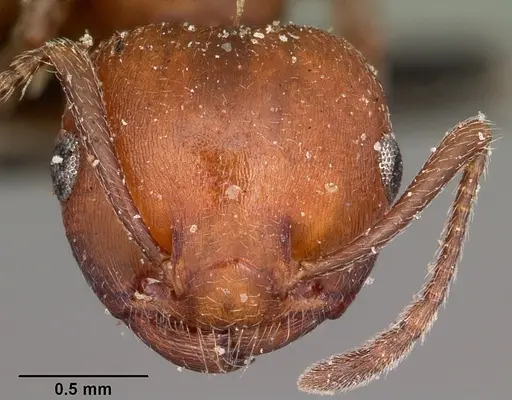
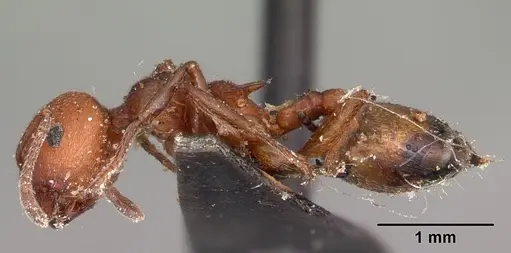
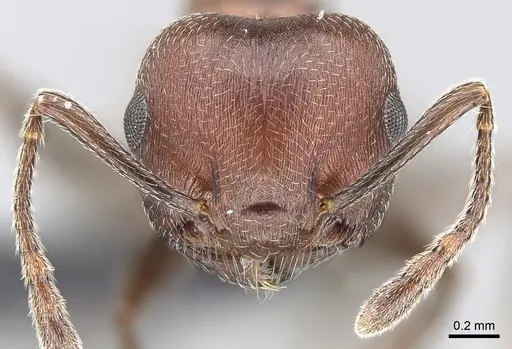
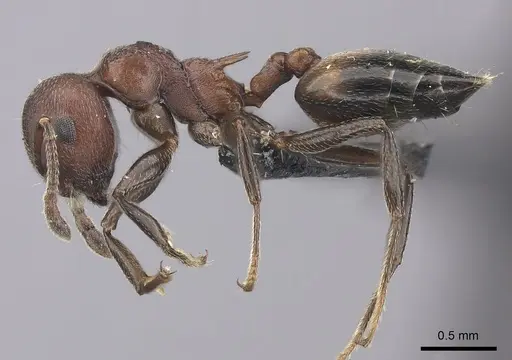
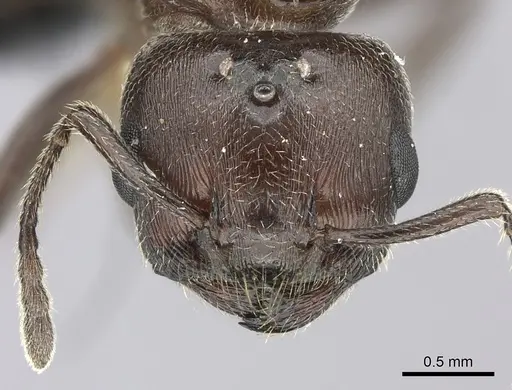
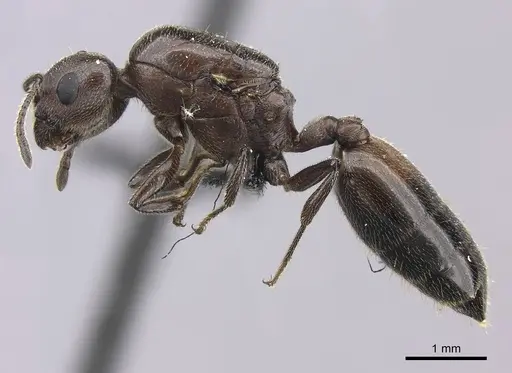
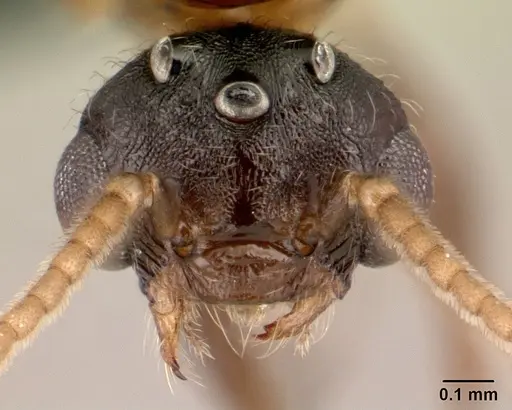
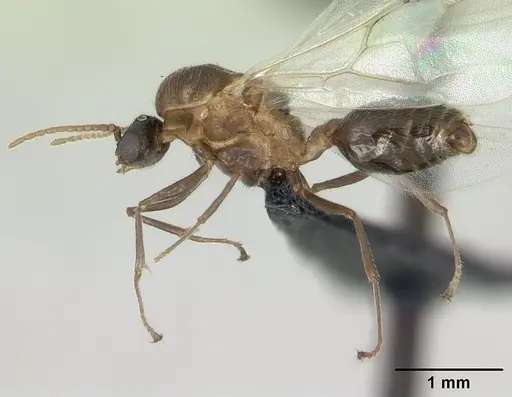
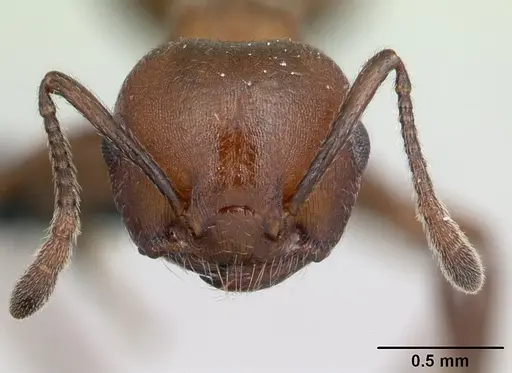
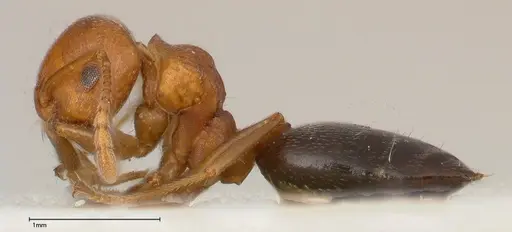
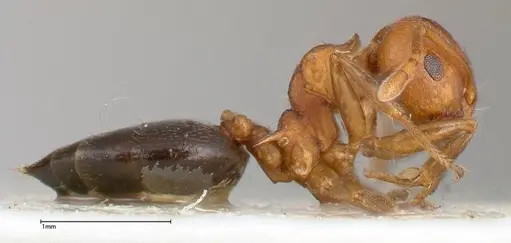
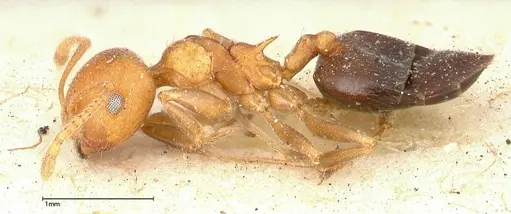
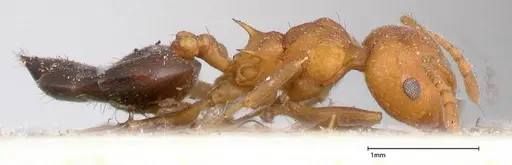
Crematogaster tricolor is a small to medium-sized ant known for its striking tricoloration: the head and mesosoma are reddish-orange, the first half of abdominal segment four is yellow, and the rest of the abdomen is black [1]. Workers measure 0.71-1.27mm in head width, making them a fairly small species [1]. This ant is native to Eastern Africa and the Malagasy region, originally described from Mozambique and found across Madagascar, Comoros, Mayotte, and mainland Africa from Somalia south to Mozambique [1][2]. The species gets its name from the distinctive three-color pattern that sets it apart from other Crematogaster species in the region [1].
Quick Summary
- Difficulty: Medium
- Origin & Habitat: Native to Mozambique, Madagascar, Comoros, Mayotte, and Eastern Africa. Found in coastal scrublands, urban and disturbed habitats, dry forest, and littoral forest at elevations from sea level to 1240m [1][3].
- Colony Type: Colony structure is not well documented in scientific literature. Based on typical Crematogaster behavior, likely monogyne (single queen) but facultatively polygyne colonies have been documented in some related species. Further research needed to confirm.
- Colony: Monogyne
- Founding: Claustral
- Size & Growth:
- Queen: 1.61-1.77mm head width [1]
- Worker: 0.71-1.27mm head width (4.2-4.8mm total length) [1][2]
- Colony: Colony size is unconfirmed, but related species typically reach several hundred workers. Estimated moderate-sized colonies.
- Growth: Moderate, based on typical Crematogaster development patterns
- Development: 6-8 weeks at optimal temperature (estimated based on genus patterns) (Development time is inferred from typical Crematogaster patterns. Specific data for this species is not available.)
- Antkeeping:
- Temperature: Keep at 24-28°C. This species comes from warm tropical and subtropical regions, so maintain warm conditions year-round. A gentle temperature gradient allows workers to regulate their preferred zone [1][2].
- Humidity: Moderate humidity around 50-70%. Provide a moist nest chamber but allow some drying between waterings. The arboreal nesting habit suggests they prefer conditions that aren't overly wet [1].
- Diapause: No, being a tropical/subtropical species, they do not require hibernation. Keep temperatures consistent year-round.
- Nesting: Arboreal nester in nature, they nest in dead twigs above ground [1]. In captivity, a Y-tong (AAC) nest or plaster nest with narrow chambers works well. Provide twigs or small branches in a naturalistic setup for enrichment. Avoid large open spaces, they prefer tight, enclosed chambers scaled to their size.
- Behavior: Crematogaster tricolor is an arboreal species that forages in trees and shrubs. They are known to tend honeydew-producing insects and have been found associated with the mango mealybug Rastrococcus iceryoides in Kenya and Tanzania [4]. Workers are active foragers and will readily explore vertical spaces. They may show defensive behavior when their nest is disturbed, Crematogaster ants can raise their abdomen as a warning and may emit defensive chemicals. Their small size means escape prevention is important, use fine mesh and tight-fitting barriers. They are generally not aggressive toward keepers but will defend their colony.
- Common Issues: escape prevention is critical due to their small size, they can squeeze through tiny gaps, tropical species requires consistent warmth, cold drafts can stress or kill colonies, arboreal nesting means they prefer vertical space and may not use horizontal formicaria effectively, wild-caught colonies may carry parasites that can devastate captive colonies, slow founding phase means new colonies need patience, queens can take months to establish first workers
Housing and Nest Setup
Crematogaster tricolor is an arboreal species that naturally nests in dead twigs and small branches above ground [1]. In captivity, provide a nest that mimics this arboreal habitat. Y-tong (AAC) nests work well because they provide tight, enclosed chambers. Plaster nests or acrylic nests with narrow passages are also suitable. Avoid large, open spaces, these ants prefer cozy chambers scaled to their colony size. If using a naturalistic setup, include small twigs or branches for them to explore and potentially nest in. Test tube setups can work for founding colonies but may need to be upgraded as the colony grows. Ensure excellent escape prevention, their small size means they can escape through gaps that would hold larger ants. Use fine mesh on any ventilation holes.
Feeding and Diet
In the wild, Crematogaster tricolor tends honeydew-producing insects and has been found associated with the mango mealybug Rastrococcus iceryoides [4]. They are also known to live in Acacia drepanolobium galls and defend them from intruders [5]. In captivity, offer a varied diet including sugar water or honey as a carbohydrate source, and protein sources like small insects (fruit flies, small mealworms, crickets). Protein should be offered 2-3 times per week. Sugar water should be available constantly, replace every 2-3 days to prevent fermentation. These ants are foragers that will send workers out to discover food, so place food where foragers can easily find it. Remove uneaten protein after 24 hours to prevent mold.
Temperature and Seasonal Care
As a species from tropical and subtropical Africa and Madagascar, Crematogaster tricolor needs warm conditions year-round. Keep the nest area at 24-28°C. Temperatures below 20°C can stress these ants and slow or stop brood development. Use a heating cable or mat on one side of the nest to create a gentle temperature gradient, allowing workers to move to their preferred temperature zone. Place the heating element on top of the nest, not underneath, to prevent excessive drying. Room temperature within this range is acceptable. Do not hibernate this species, they do not experience cold winters in their native range. Maintain consistent temperatures throughout the year, avoiding drafts from windows or air conditioning vents. [1][2]
Behavior and Colony Dynamics
Crematogaster tricolor workers are active foragers that readily explore their environment. The genus name Crematogaster means 'pot-bellied ant' referring to their distinctive heart-shaped abdomen that they can raise when threatened. When disturbed, workers may emit defensive chemicals from their abdominal glands, this is their primary defense mechanism rather than stinging. They are not typically aggressive toward keepers but will vigorously defend their nest. Colonies grow from a single queen who seals herself in during founding (claustral founding). The first workers, called nanitics, are smaller than normal workers and help expand the nest before larger workers develop. This species co-occurs with several other Crematogaster species in the wild including C. dentata, C. maina, C. lobata, and others [1], suggesting they can coexist with related species in captivity if space allows.
Growth and Development
Queen ants measure 1.61-1.77mm in head width and are significantly larger than workers (0.71-1.27mm) [1]. The queen seals herself in a small chamber to lay eggs and raise the first brood alone, living off her stored fat reserves until nanitic workers emerge. Development from egg to worker takes approximately 6-8 weeks under optimal warm conditions, based on typical Crematogaster patterns. The first generation is typically small, nanitic workers are often smaller than mature workers. Growth rate is moderate, established colonies can reach several hundred workers over time. Patience is essential during the founding phase, as queens may take 1-3 months to produce their first workers. Do not disturb the queen during this critical period.
Frequently Asked Questions
How long does it take for Crematogaster tricolor to produce first workers?
Based on typical Crematogaster development, expect 6-8 weeks from egg to worker at optimal temperature (24-28°C). The founding queen may take 1-3 months to lay eggs and raise her first brood, so patience is essential during the founding phase.
What do Crematogaster tricolor ants eat?
They need a balanced diet of carbohydrates and protein. Offer sugar water or honey constantly, and protein (small insects like fruit flies, pinhead crickets, or small mealworms) 2-3 times per week. They are known to tend honeydew-producing insects in the wild.
Do Crematogaster tricolor ants sting?
They do not have a painful sting. Their primary defense is emitting chemical secretions from their abdomen when threatened. They may raise their distinctive heart-shaped abdomen as a warning sign.
What temperature do Crematogaster tricolor ants need?
Keep them warm at 24-28°C year-round. They are a tropical/subtropical species and do not tolerate cold well. Avoid temperatures below 20°C.
Can I keep multiple Crematogaster tricolor queens together?
Colony structure is not well documented for this species. Most Crematogaster are monogyne (single queen), but some related species can be facultatively polygyne. It is not recommended to combine unrelated foundress queens as they typically fight.
What size colony do Crematogaster tricolor ants reach?
Colony size is not specifically documented, but related Crematogaster species typically reach several hundred workers. Expect moderate growth rate over 1-2 years to reach a substantial colony.
Do Crematogaster tricolor ants need hibernation?
No, they do not need hibernation. As a tropical/subtropical species from Africa and Madagascar, they require consistent warm temperatures year-round.
What nest type is best for Crematogaster tricolor?
Y-tong (AAC) nests or plaster nests with narrow chambers work well. They are arboreal nesters in the wild (nesting in dead twigs above ground), so provide tight, enclosed chambers rather than large open spaces. A naturalistic setup with small twigs can provide enrichment.
Are Crematogaster tricolor ants good for beginners?
They are rated as medium difficulty. They require warm temperatures year-round and need escape prevention due to their small size. The main challenges are maintaining consistent heat and being patient during the slow founding phase.
Why is my Crematogaster tricolor colony dying?
Common causes include: temperatures below 20°C (cold stress), poor escape prevention allowing escapes, disturbance during founding phase, or wild-caught colonies carrying parasites. Ensure warm, stable conditions and minimal disturbance to founding queens.
References

This caresheet is licensed under CC BY-SA 4.0 .
CASENT0104590
View on AntWeb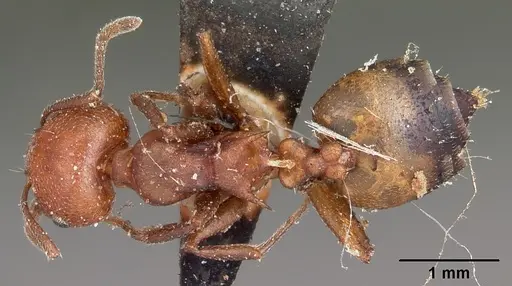
CASENT0104591
View on AntWeb


CASENT0120944
View on AntWeb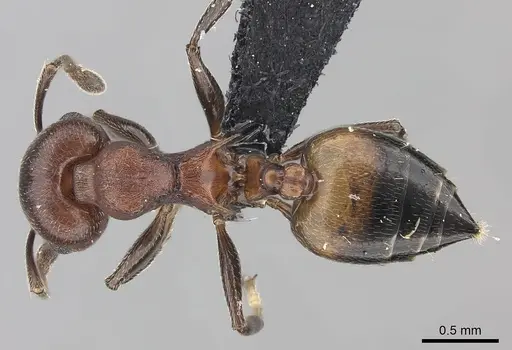
CASENT0120949
View on AntWeb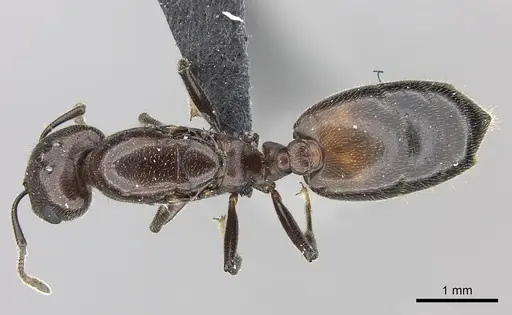
CASENT0121078
View on AntWeb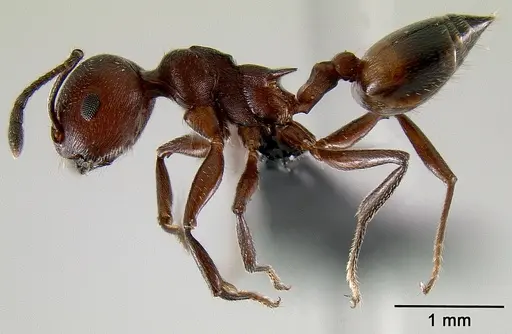
CASENT0136505
View on AntWeb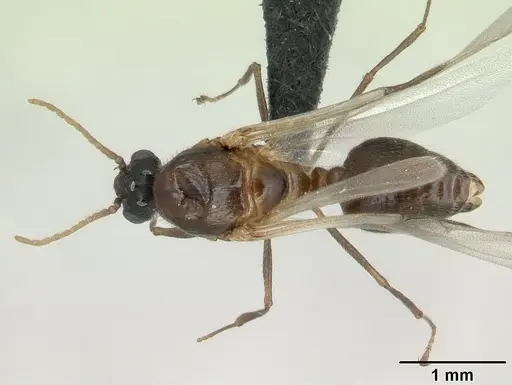
CASENT0178194
View on AntWeb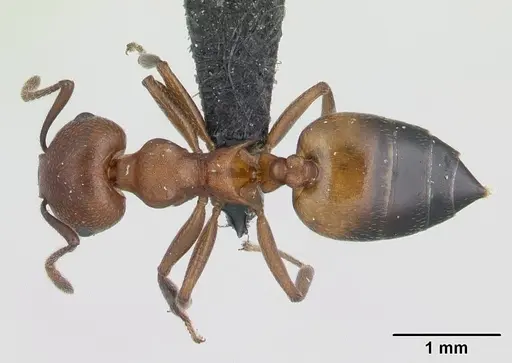
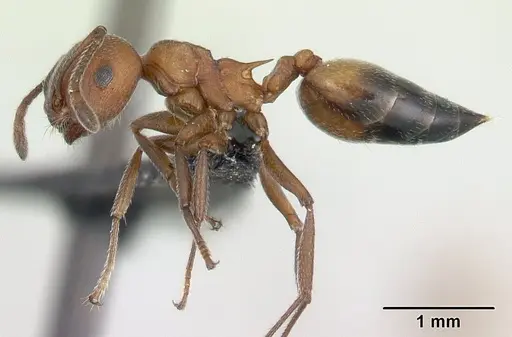
CASENT0922647
View on AntWeb
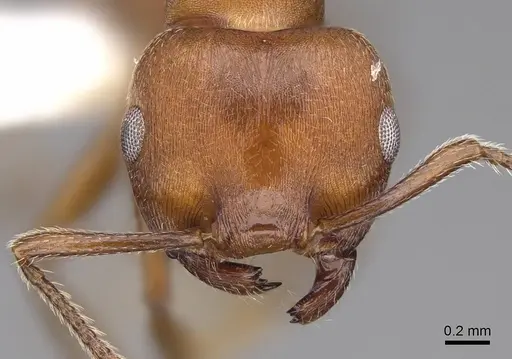

FOCOL0428-1
View on AntWeb


FOCOL0428-2
View on AntWeb


FOCOL0428-3
View on AntWeb

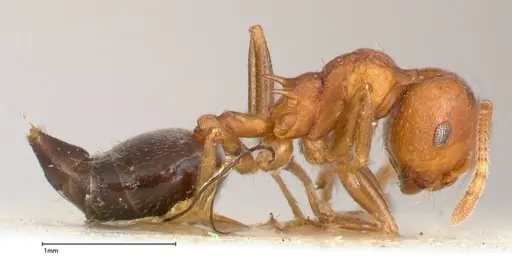
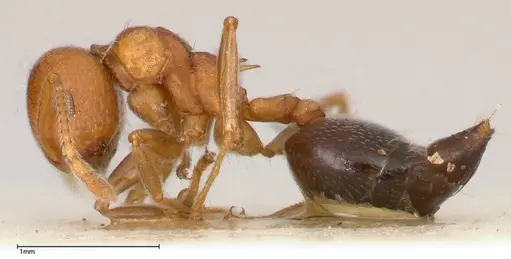
FOCOL0428-4
View on AntWeb

FOCOL0429
View on AntWeb

Literature
Loading...Loading products...