

Crematogaster emeryana
- Scientific Name
- Crematogaster emeryana
- Tribe
- Crematogastrini
- Subfamily
- Myrmicinae
- Author
- Creighton, 1950
- Distribution
- Found in 2 countries
Crematogaster emeryana Overview
Crematogaster emeryana is an ant species of the genus Crematogaster. It is primarily documented in 2 countries , including Mexico, United States of America. Detailed taxonomic data and occurrence records can be further explored via authoritative databases such as AntWeb or the Global Biodiversity Information Facility (GBIF).
Crematogaster emeryana
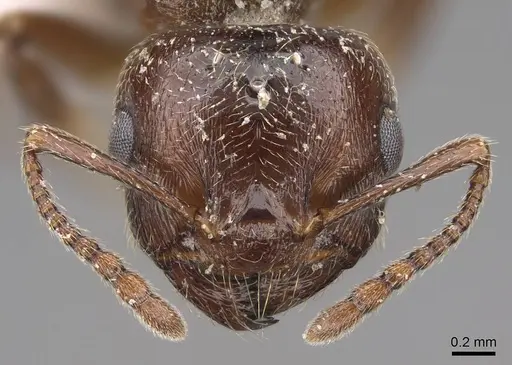
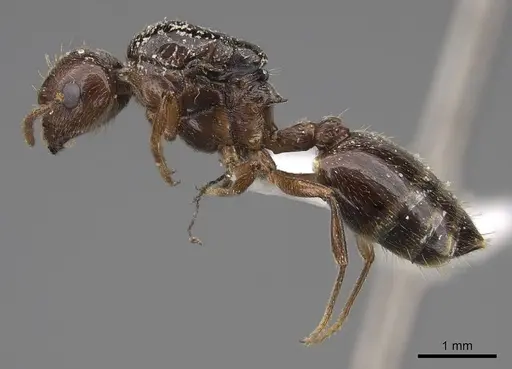
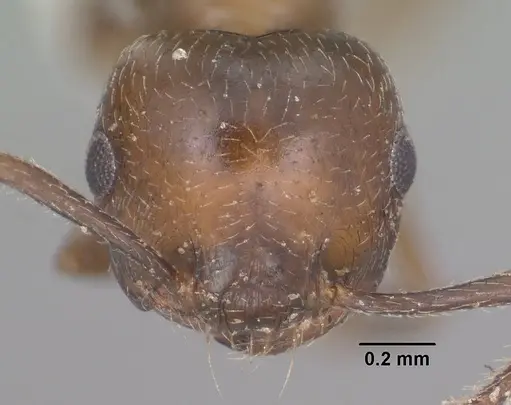
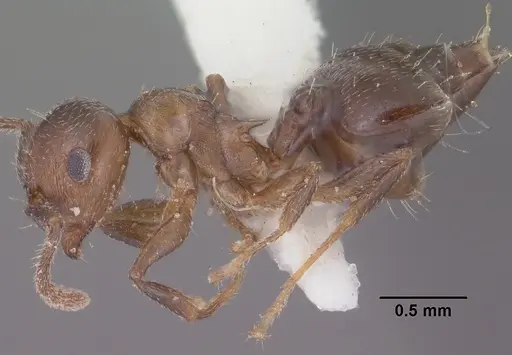
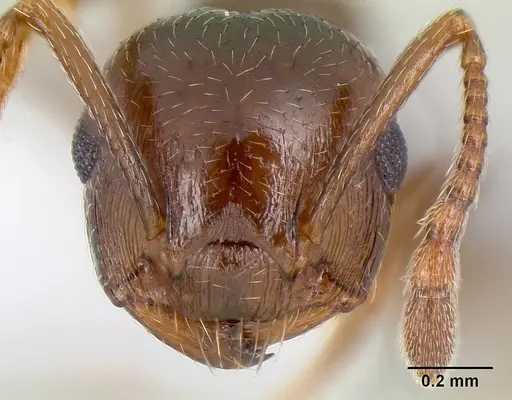
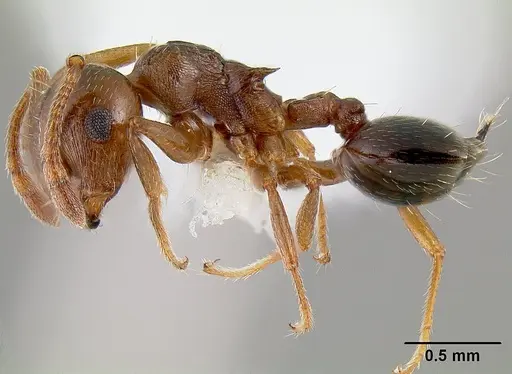
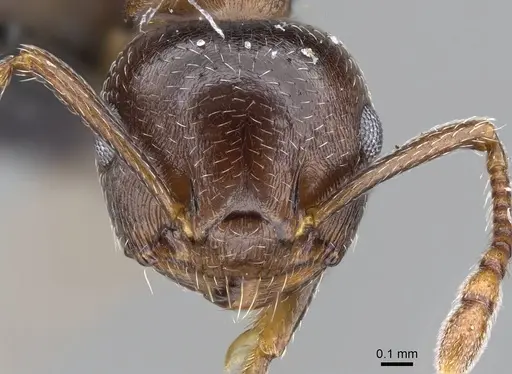
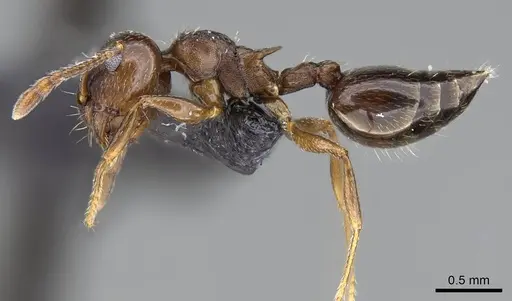
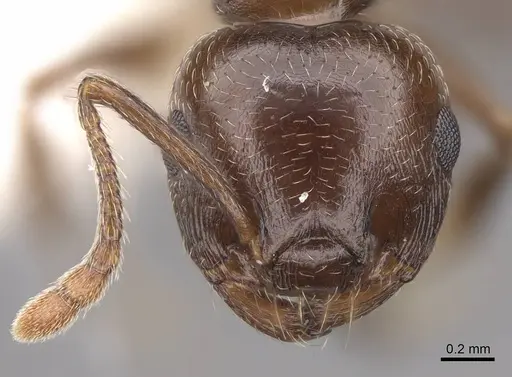
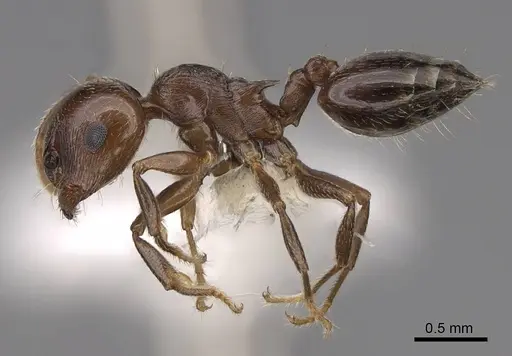
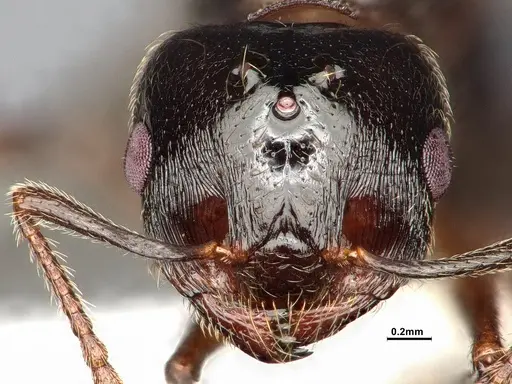
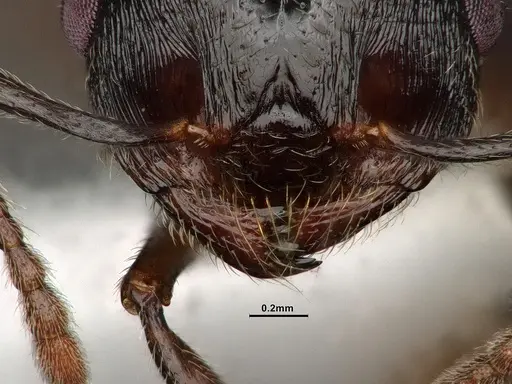
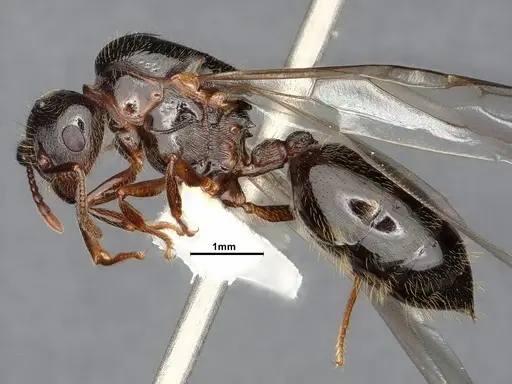
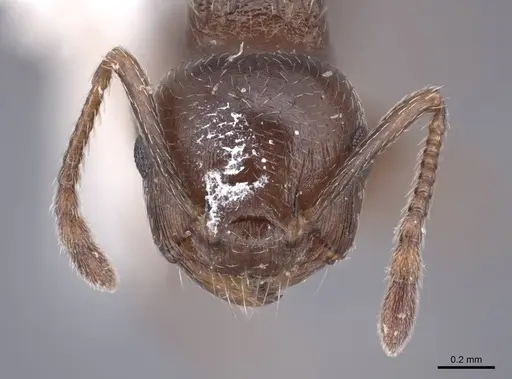
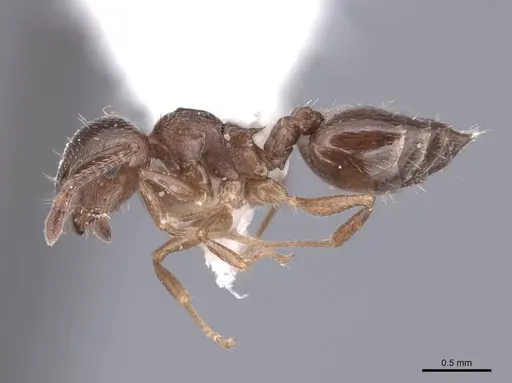
Crematogaster emeryana is a small to medium-sized ant known for its distinctive heart-shaped gaster that it raises like an acrobat when disturbed, hence the common name 'acrobat ant.' Workers are typically 3-5mm with a dark brown to black body and relatively short propodeal spines. This species can be identified by the combination of rugose sculpturing and short bristle-like hairs on the pronotum, plus at least one pair of hairs on the rear of the mesonotum [1]. They are nearly identical to Crematogaster cerasi, but the dorsal surface of the propodeal spine is straight rather than sinuate [1].
These ants are ground-dwelling and found across the southwestern United States and northwestern Mexico, from Colorado and Utah south into northern Mexico [1][2]. They nest under stones, in dead branches of oaks, under bark of logs, and even in oak galls. Colonies are polygynous, meaning multiple queens live together, up to 9 dealate females have been found in a single nest [3]. Workers are relatively sluggish and quickly escape when their nest is disturbed.
Quick Summary
- Difficulty: Easy
- Origin & Habitat: Southwestern United States and northwestern Mexico, including Arizona, Texas, Colorado, Utah, and Baja California. Found in mountain forests, oak forests, riparian canyon forests, grasslands, and urban habitats [3].
- Colony Type: Polygynous, multiple queens (up to 9) in a single nest [3]. Workers are monomorphic (all the same size) [4].
- Colony: Polygyne
- Founding: Claustral
- Size & Growth:
- Queen: Estimated 5-7mm based on genus typical size
- Worker: 3-5mm [1]
- Colony: Unknown maximum, but polygynous colonies with multiple queens can grow substantial
- Growth: Moderate, inferred from genus patterns
- Development: Estimated 6-10 weeks based on typical Crematogaster development [1] (Brood present year-round in warmer parts of range, development likely faster in warmer conditions)
- Antkeeping:
- Temperature: Keep around 22-26°C. They forage across a huge temperature range of 14.4-62.2°C in the wild [3], so they are quite adaptable. A gentle gradient allows them to choose their preferred temperature.
- Humidity: Moderate humidity preferred. They nest under stones and in rotting wood, so the nest substrate should be slightly moist but not waterlogged. Provide a water tube as usual.
- Diapause: Likely, as a temperate/subtropical species from higher elevations (found over 6,000 ft altitude in some areas [5]), they probably need a winter rest period. Reduce temperature to around 15°C for 2-3 months.
- Nesting: Will readily use test tubes for founding, then transition to Y-tong or plaster nests. They prefer nests with some moisture retention. Natural setups with stones or rotting wood pieces work well since that's their natural nesting preference.
- Behavior: Workers are relatively sluggish and tend to flee when disturbed rather than attack. They raise their gaster as a defensive display, the 'acrobat' behavior. They are not particularly aggressive but will use their mild sting if cornered. Escape prevention should be good since they are small but not tiny, standard barriers work well. They forage on the ground and in leaf litter.
- Common Issues: colonies may fail if kept too dry, they prefer slightly moist nest conditions, polygynous colonies can be tricky to establish if you're combining unrelated queens, they may fight, slow-moving workers can be overlooked and accidentally crushed during nest checks, they are small enough that standard test tube barriers should work, but check for gaps, as ground-dwelling ants, they may struggle in overly dry formicariums
Housing and Nest Setup
Crematogaster emeryana does well in standard test tube setups for colonies. Use a test tube with a water reservoir sealed with cotton, this provides constant humidity without flooding. For larger colonies, a Y-tong (acrylic) nest or plaster formicarium works well. They prefer slightly moist nest conditions since in the wild they nest under stones and in rotting wood where there's some moisture [3]. Avoid overly dry setups as this can cause colony decline. A small outworld for foraging completes the setup. Standard escape prevention (fluon on rim, barrier tape) works well for this species, they're not particularly strong climbers but are small enough to squeeze through very small gaps, so check your setup carefully.
Feeding and Diet
Like most Crematogaster species, these ants are omnivorous. They will readily accept sugar sources (honey water, sugar water) and protein (small insects like fruit flies, mealworms, crickets). In the wild they forage on the ground and in leaf litter, so they likely scavenge and hunt small invertebrates. Offer a varied diet: a constant sugar source and protein prey 2-3 times per week for growing colonies. Remove uneaten prey after 24-48 hours to prevent mold. They are not specialized predators, so a standard ant diet works well. [3]
Temperature and Seasonal Care
Keep your colony at room temperature (22-26°C) with a gentle gradient if possible. These ants are remarkably temperature-tolerant, in the wild they forage at soil surface temperatures ranging from 14.4°C all the way up to 62.2°C [3]! This means they can handle typical room temperatures without issue. For winter, reduce temperature to around 15°C for 2-3 months to simulate their natural seasonal cycle. They are found at elevations over 6,000 feet in some areas [5], so they are adapted to colder winters and do need a diapause period. Do not keep them warm year-round, this can stress the colony and shorten the queen's lifespan.
Colony Structure and Behavior
Crematogaster emeryana is polygynous, meaning colonies naturally have multiple queens, up to 9 dealate (wingless) females have been found in a single nest [3]. This is unusual compared to many ant species that have just one queen. Workers are monomorphic (all the same size) [4]. The most distinctive behavior is their 'acrobat' defense, when threatened, they raise their heart-shaped gaster high, which is how they got their common name. Workers are relatively sluggish and prefer to escape rather than fight. They are sometimes enslaved by the ant Dorymyrmex insanus in the Mojave Desert [3], which is an interesting natural history note but not something you'll encounter in captivity.
Frequently Asked Questions
How long does it take for Crematogaster emeryana to produce first workers?
Based on typical Crematogaster development, expect 6-10 weeks from egg to first worker at room temperature (around 24°C). claustral founding means the queen seals herself in and raises the first brood alone without foraging.
Can I keep multiple queens together in one colony?
Yes, this species is naturally polygynous, multiple queens live together in established colonies. However, if you're starting a colony from scratch with multiple unrelated foundress queens, introduce them carefully and monitor for aggression. It's generally safer to start with one queen or a small group that has already bonded.
Do Crematogaster emeryana ants sting?
Yes, they have a stinger and will use it if threatened. However, they are not aggressive and prefer to flee. The sting is mild, these are small ants and their sting is not particularly painful to humans.
What temperature range is best for Crematogaster emeryana?
Room temperature (22-26°C) works well. These ants are incredibly temperature-tolerant in the wild, foraging from 14°C to over 60°C. A simple room temperature setup is fine, with a slight drop in temperature (around 15°C) for winter diapause.
Do they need hibernation?
Yes, they likely need a winter rest period. As a species found at higher elevations in the southwestern US, they are adapted to seasonal temperature changes. Reduce temperature to around 15°C for 2-3 months during winter.
Are Crematogaster emeryana good for beginners?
Yes, they are considered easy to keep. They are adaptable to temperature, not overly aggressive, and have straightforward dietary needs. Their polygynous colony structure also makes them more forgiving of queen loss.
What do Crematogaster emeryana eat?
They are omnivores. Offer sugar water or honey constantly, and protein (small insects like fruit flies, mealworms) 2-3 times per week. They forage on the ground so will readily take prey items.
When should I move them to a formicarium?
Start with a test tube setup for the founding colony. Once the colony reaches 30-50 workers and you see they're outgrowing the tube, you can move them to a larger setup like a Y-tong or plaster formicarium. They prefer slightly moist conditions.
Why do they raise their gaster?
This is their signature 'acrobat' defense behavior. When threatened, they raise their heart-shaped gaster up like an acrobat showing off. This makes them look bigger and prepares them to use their stinger if needed. It's a defensive display rather than an aggressive attack.
How big do Crematogaster emeryana colonies get?
Exact maximum is unknown, but polygynous colonies (multiple queens) can grow quite large, likely several hundred to a few thousand workers. The multiple queen system supports larger colony sizes.
References

This caresheet is licensed under CC BY-SA 4.0 .
CASENT0000111
View on AntWeb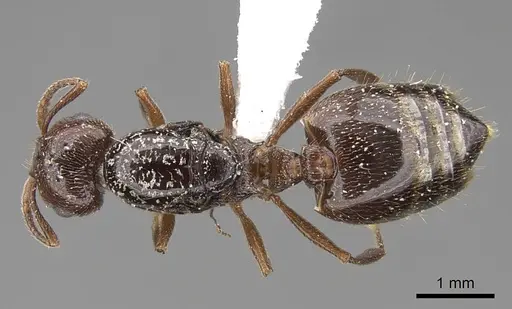
CASENT0102831
View on AntWeb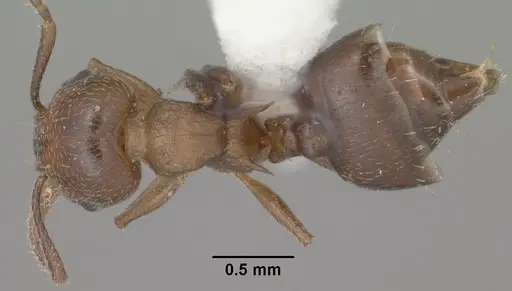
CASENT0106034
View on AntWeb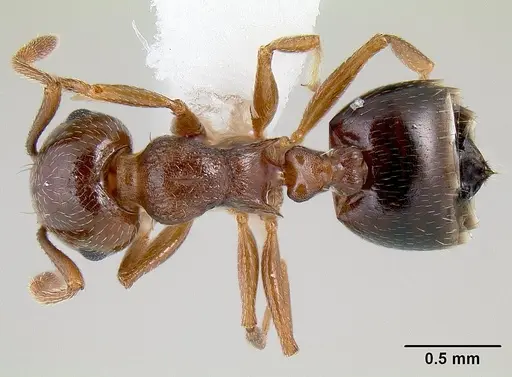
CASENT0914535
View on AntWeb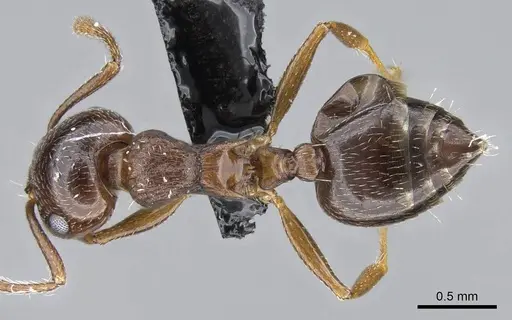
CASENT0922729
View on AntWeb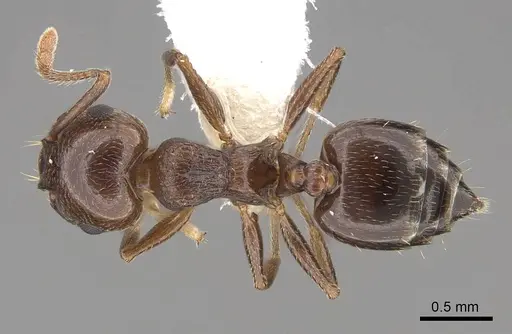
CASENT4031314
View on AntWeb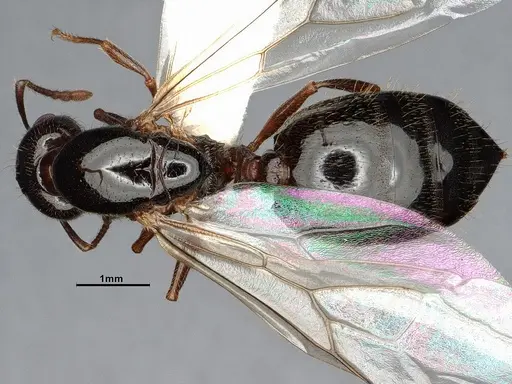
FMNHINS0000062948
View on AntWeb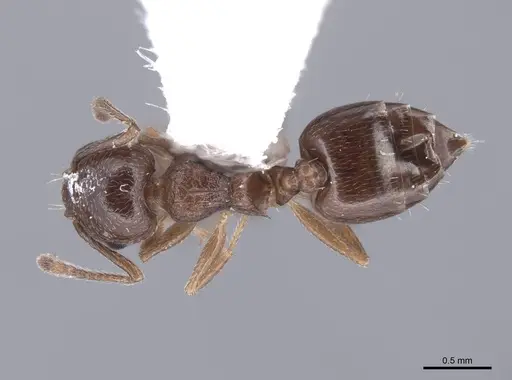
Literature
Loading...Loading products...