
Crematogaster cerasi shows a August to September flight window. Peak activity occurs in September, with nuptial flights distributed across 2 months.
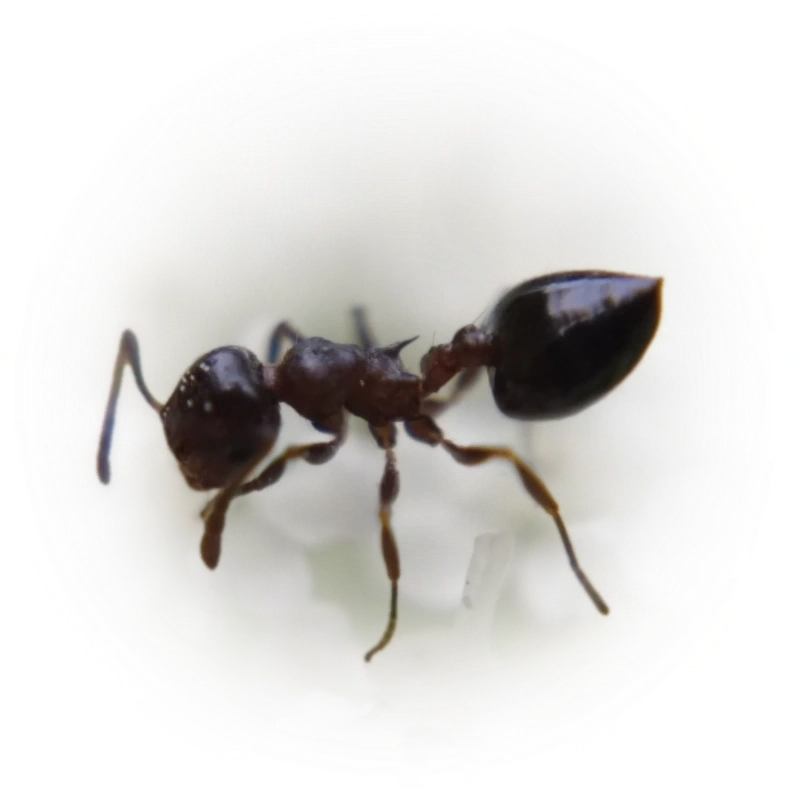
Crematogaster cerasi
- Scientific Name
- Crematogaster cerasi
- Tribe
- Crematogastrini
- Subfamily
- Myrmicinae
- Author
- Fitch, 1855
- Common Name
- Cherry Acrobat Ant
- Distribution
- Found in 3 countries
- Nuptial Flight
- from August to September, peaking in September
AI Identifiable
try →
Crematogaster cerasi Overview
Crematogaster cerasi (commonly known as the Cherry Acrobat Ant) is an ant species of the genus Crematogaster. It is primarily documented in 3 countries , including Canada, Mexico, United States of America. Detailed taxonomic data and occurrence records can be further explored via authoritative databases such as AntWeb or the Global Biodiversity Information Facility (GBIF).
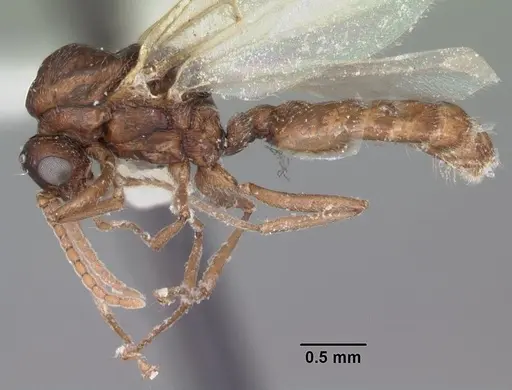
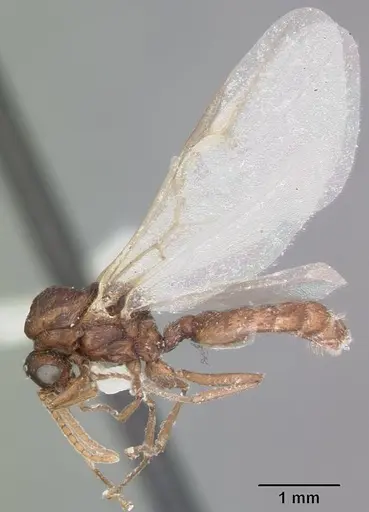
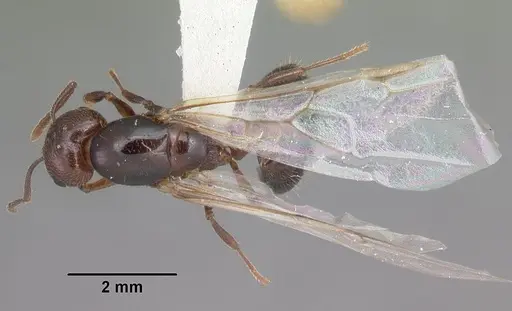
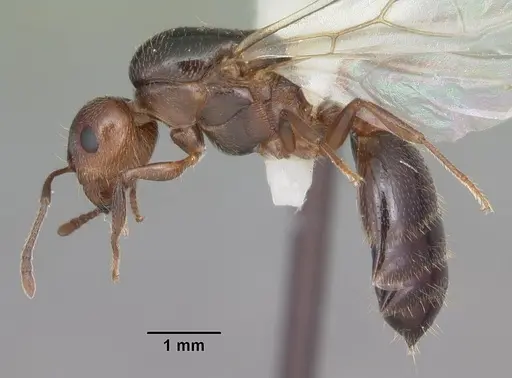
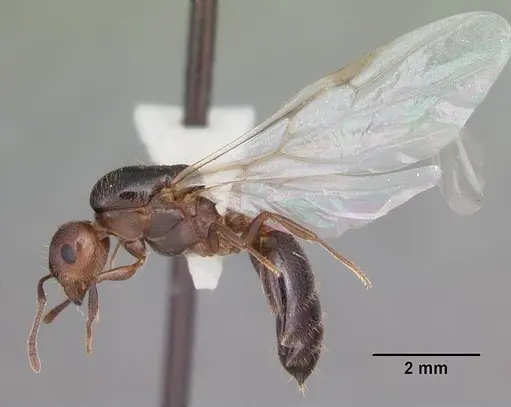
The nuptial flight of Crematogaster cerasi is a significant biological event, typically occurring from August to September, peaking in September. During this time, winged queens and males leave the nest to mate and establish new colonies.
Crematogaster cerasi - "Cherry Acrobat Ant"
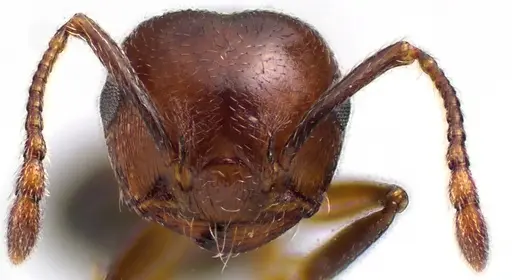
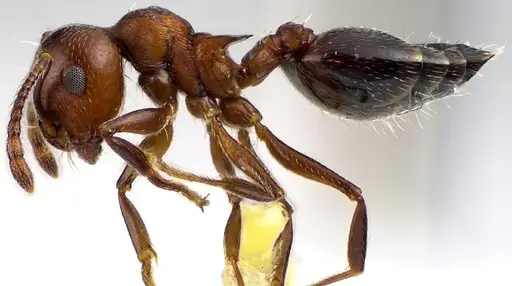
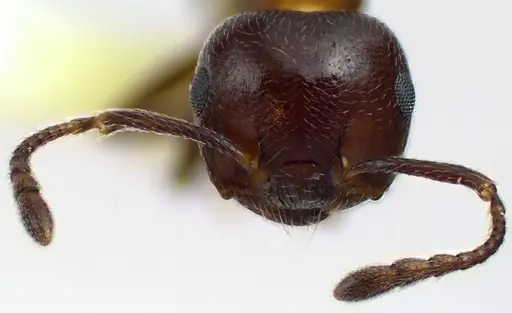
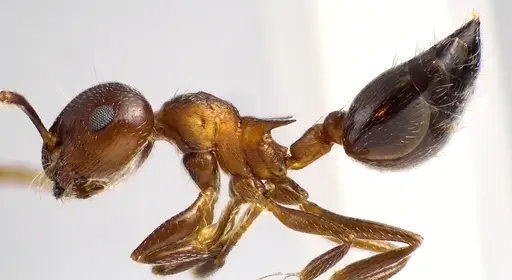
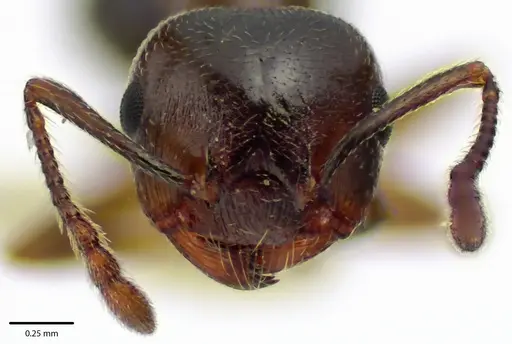
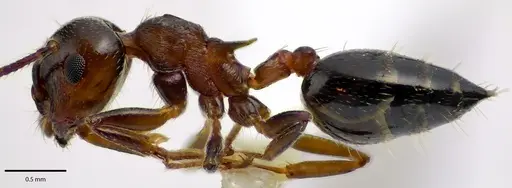
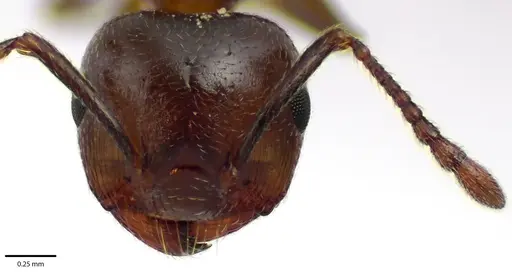
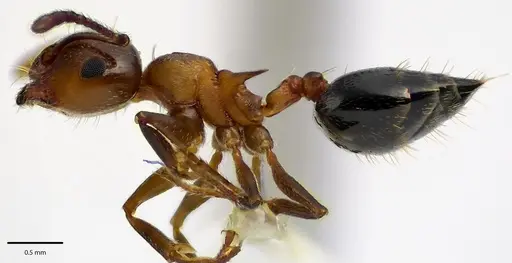
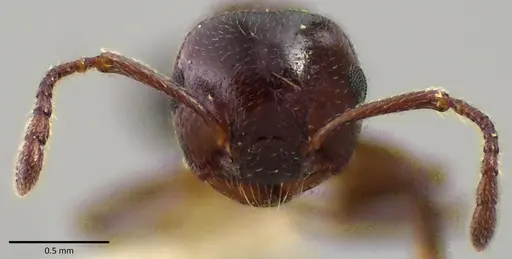
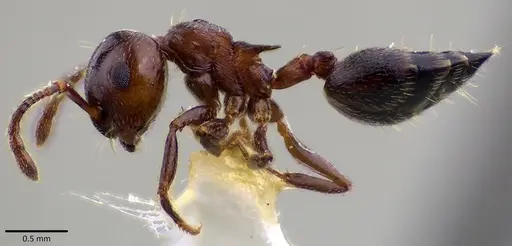
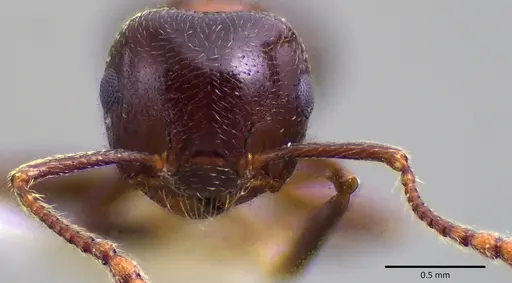
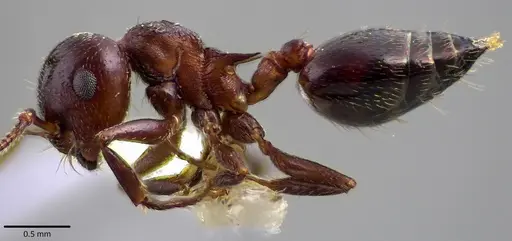
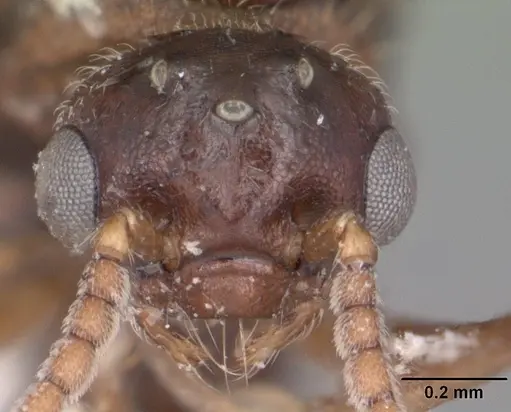
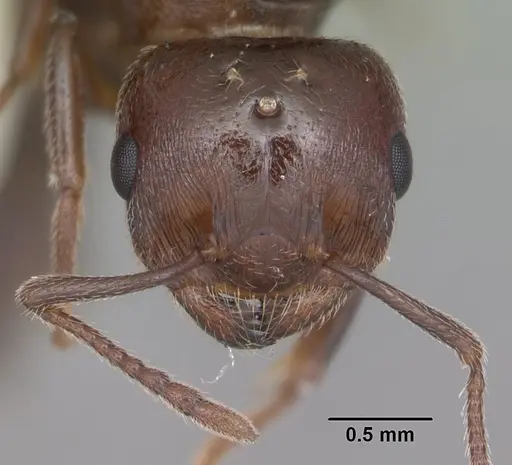
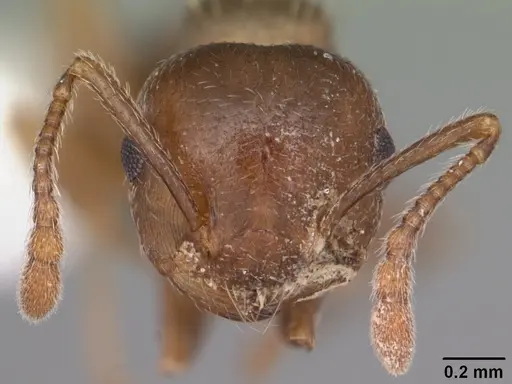
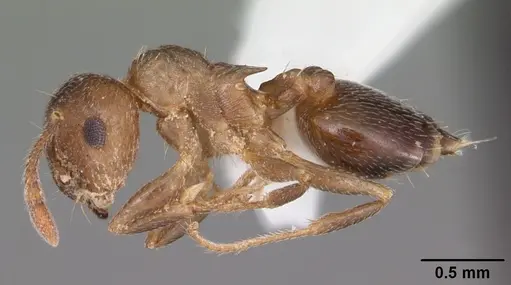
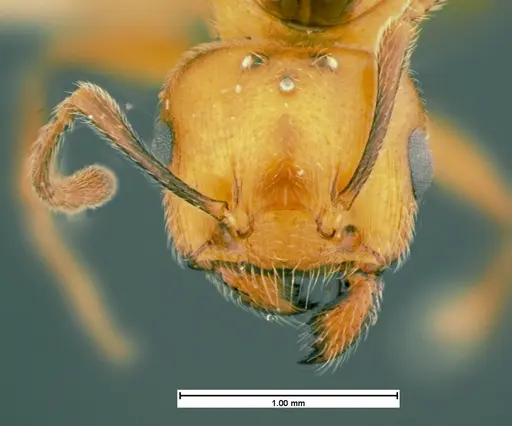
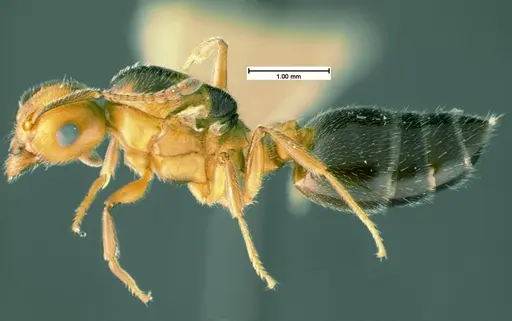
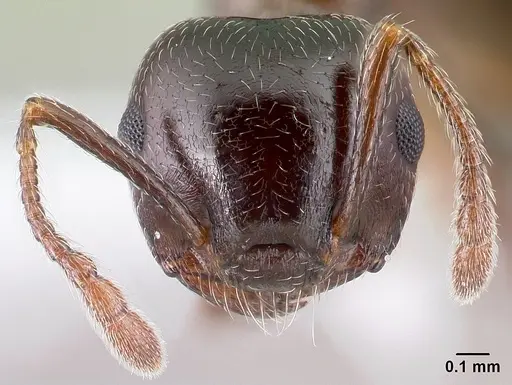
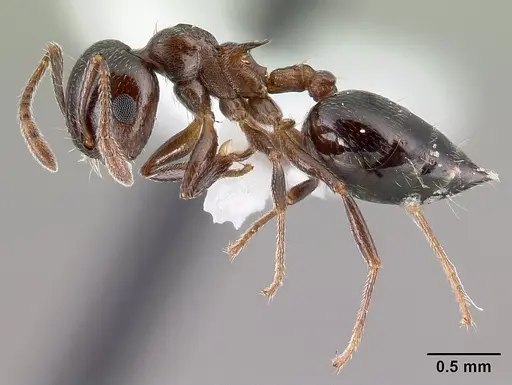
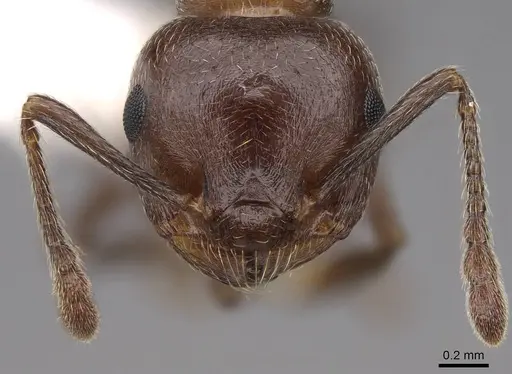
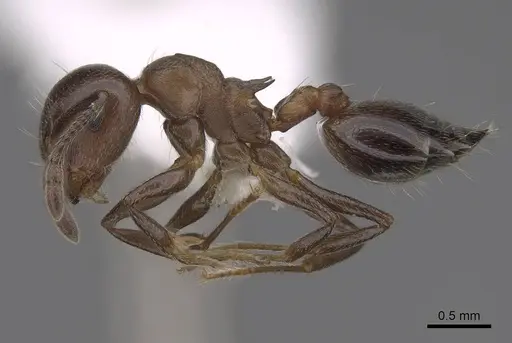
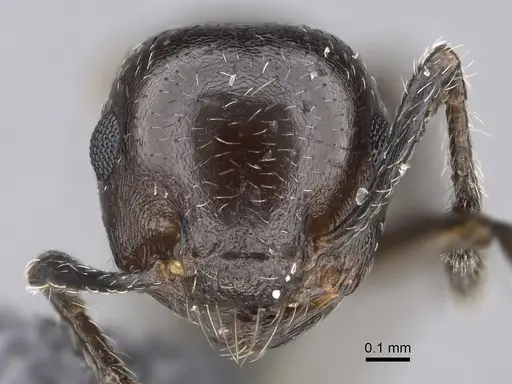
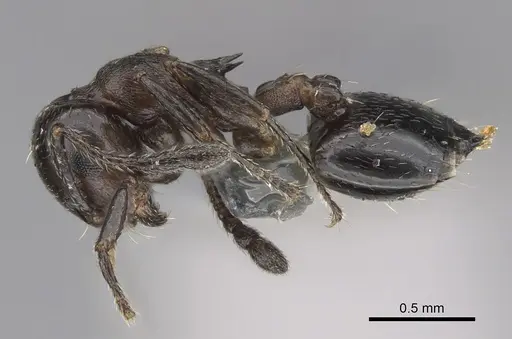
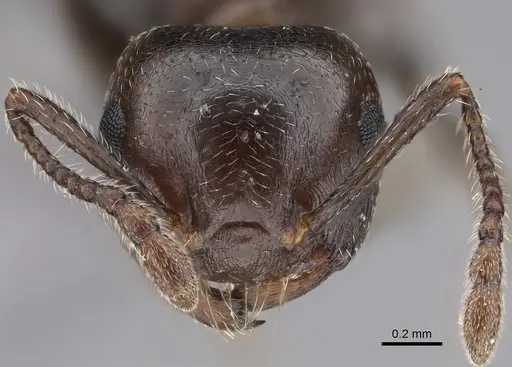
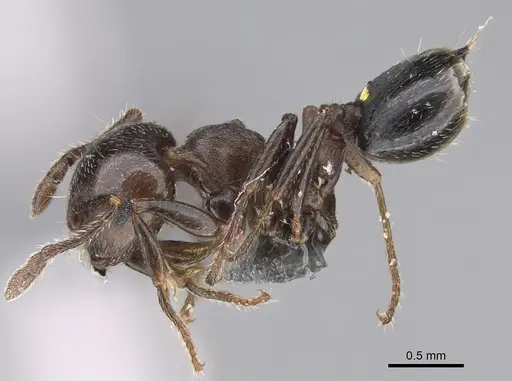
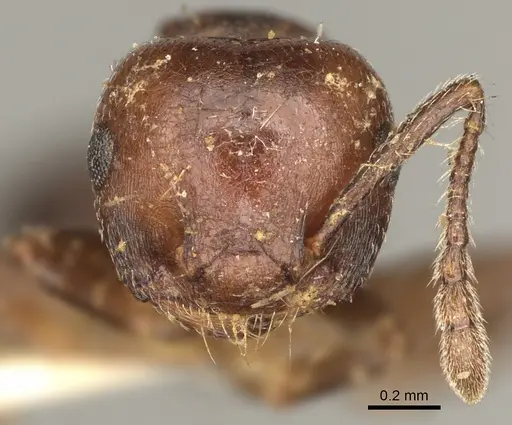
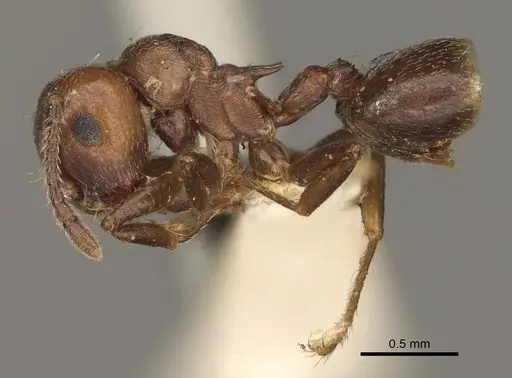
Crematogaster cerasi is a small to medium-sized ant native to North America, ranging from southern Canada through most of the United States and into northern Mexico. Workers measure 2.7-4.0mm and are dark yellowish-brown to very dark reddish-brown with an almost black gaster. They get their common name from their distinctive behavior of carrying their abdomen raised over their head like an acrobat when disturbed or attacking. This species is easily identified by the combination of appressed (flat-lying) pubescence on the head and erect hairs restricted to the corners of the pronotum (shoulders), with usually none on the mesonotum [1][2].
What makes C. cerasi particularly interesting is its remarkable flexibility in nesting and foraging. These ants nest in an incredible variety of locations, rotten logs, stumps, soil under stones, hollow twigs and stems, and even inside hickory nuts. They are generalist feeders, readily attracted to protein baits like peanut butter and sausage, and they actively tend aphids for honeydew. Their workers are aggressive when defending the nest and possess a functional stinger. They also play an important ecological role as predators, including consuming monarch butterfly eggs and larvae [3][2].
Quick Summary
- Difficulty: Easy
- Origin & Habitat: Native to North America, found from southern Canada (Ontario, Nova Scotia, Quebec) through most of the United States, west to Michigan, South Dakota, Arkansas, and New Mexico, with populations extending southwest into northern Mexico (Baja California, Coahuila, Nuevo León, Sonora, Tamaulipas). Inhabits diverse environments including woods, forest edges, open areas, and has adapted to urban ecosystems [2][1][4].
- Colony Type: Monogyne, single-queen colonies with documented monogynous (one queen) structure [5]. Multiple dealate females are sometimes found in nests, suggesting possible polygynous tendencies in some populations, but the primary colony structure is single-queen [2].
- Colony: Monogyne
- Founding: Claustral
- Size & Growth:
- Queen: 2.76-3.24 mm [2]
- Worker: 2.7-4.0 mm [1][2]
- Colony: Several hundred workers in large nests [2]
- Growth: Moderate
- Development: 6-8 weeks (estimated based on typical Crematogaster development) (Brood found in nests from March to September, indicating active brood production throughout warm months [2])
- Antkeeping:
- Temperature: Room temperature (20-24°C) is suitable. This species tolerates a wide temperature range as it naturally occurs from Canada to Mexico. Keep at typical room temperature around 21-24°C with some variation acceptable [2].
- Humidity: Moderate humidity preferred. In nature they nest in decaying wood and soil, which should be kept moderately moist but not waterlogged. Provide a water source and mist occasionally [2][1].
- Diapause: Yes, they are a temperate species that slows activity in winter. Foragers are active as early as February and alates (reproductives) appear mid-July to late October, suggesting a seasonal cycle [1][2]. Provide a cool period (10-15°C) for 2-3 months during winter.
- Nesting: Highly flexible. In captivity they do well in naturalistic setups with rotting wood pieces, test tubes with cotton water reservoirs, or acrylic/formicarium nests. They prefer nests in slightly decaying wood or soil-filled setups that can hold some moisture. Provide multiple chambers and tunnels [2].
- Behavior: Crematogaster cerasi workers are aggressive when their nest is disturbed and will readily sting. They carry their abdomen raised over their head in a characteristic defensive posture, hence the name 'acrobat ant.' They are active foragers, both on the ground and arboreally (on trees and vegetation), and readily come to protein baits. Workers follow odor trails meticulously to foraging areas [2]. They have a functional stinger and will use it defensively. Escape prevention is important as they are small and can squeeze through small gaps.
- Common Issues: stinging, workers have a functional stinger and will use it defensively when nest is disturbed, escape risk, small size means they can slip through tiny gaps, use fine mesh and tight-fitting barriers, sensitive to disturbance, aggressive defense of nest can lead to stress if handled roughly, urban sensitivity, this species does poorly in highly disturbed areas and cannot recover after construction disturbance [6], aphid farming, they will tend aphids in captivity which can be beneficial or problematic depending on setup
Nuptial Flight Activity Analysis 94 observations
Flight Activity by Hour 94 observations
Crematogaster cerasi nuptial flight activity peaks around 13:00 during the late morning to early afternoon. Activity is spread across a 15-hour window (03:00–17:00). A secondary activity peak occurs around 15:00. Times may be influenced by human observation patterns.
Housing and Nest Setup
Crematogaster cerasi is adaptable and will accept various nest types. For best results, use a naturalistic setup with rotting wood pieces or a formicarium filled with soil/soil-like substrate. They also do well in test tube setups with a water reservoir, though you may need to provide additional wood or cardboard for them to modify. The key is providing slightly humid conditions that mimic their natural nesting in decaying wood and under stones. They prefer chambers that aren't too large, appropriately scaled to their colony size. Since they are arboreal foragers in addition to ground foragers, include some vertical elements or branches in the outworld. Escape prevention is critical due to their small size, use fluon on container edges and fine mesh on any ventilation [2][1].
Feeding and Diet
This is a generalist species with a varied diet. In captivity, they readily accept protein sources like mealworms, small crickets, and other small insects. They are strongly attracted to sweet liquids as well, sugar water, honey, and fruit will be taken. In the wild, they are known to tend aphids for honeydew, steal nectar from flowers like Catalpa, and forage for insects. They also disperse seeds (myrmecochory). For a healthy colony, provide a varied diet: protein (insects) 2-3 times per week, constant access to sugar water or honey, and occasional fruits or other sweets. They will form persistent foraging trails once they find a reliable food source [2][1].
Temperature and Seasonal Care
Crematogaster cerasi tolerates a wide temperature range, reflecting its vast natural distribution from Canada to Mexico. Room temperature (20-24°C) is ideal for keeping them active and healthy. They do not require heating in most home environments. During winter, provide a cool period at 10-15°C for 2-3 months to simulate their natural seasonal cycle. Foragers become active as early as February in the wild, showing they can handle cool starts to the season. Alates (reproductives) appear from mid-July through late October, indicating a distinct breeding season. After this period, reduce feeding and allow the colony to slow down for winter dormancy [1][2].
Behavior and Defense
These ants are well-known for their defensive behavior. When threatened, workers raise their abdomen over their head and thorax like an acrobat, this is where their common name comes from. They have a functional stinger and will use it, though the sting is mild for humans. Workers are aggressive in defending their nest and will readily attack perceived threats. They are also known for their meticulous trail-following behavior, using chemical pheromone trails to direct nestmates to food sources. In the wild, they can be found foraging on tree trunks, on the ground, and even on vegetation like cholla cactus. They adapt well to urban environments but do poorly in highly disturbed areas, one study showed they disappeared after construction and could not recover [2][6].
Colony Development
Colonies grow moderately fast once established. Queens measure 2.76-3.24mm and are claustral, sealing themselves in a chamber to raise the first brood alone on stored fat reserves. Workers appear within 6-8 weeks under good conditions. Large colonies can reach several hundred workers. Brood is produced from March to September in the wild, with sexuals (alates) appearing in July through September. Founding queens have been found in May in southern New Mexico. The colony cycle typically involves new alates being produced annually in late summer, with nuptial flights occurring around midday when temperatures reach 78-86°F (26-30°C) [2][1].
Ecological Role and Interactions
Crematogaster cerasi plays several important ecological roles. They are predators that consume insects including monarch butterfly eggs and larvae, helping control pest populations. They are also known to tend aphids and scale insects, protecting these sap-sucking insects from predators in exchange for honeydew. This can make them a minor agricultural pest. They disperse seeds through myrmecochory, contributing to plant propagation. Their nests host various guest organisms including Myrmecophila crickets, certain beetles, and pseudoscorpions. They are also parasitized by phorid flies (Pseudacteon onyx) which lay eggs in workers, eventually killing them. Interestingly, the red imported fire ant (Solenopsis invicta) has little effect on their populations [2][3].
Frequently Asked Questions
Does Crematogaster cerasi sting?
Yes, they have a functional stinger and will use it defensively when their nest is disturbed. However, the sting is mild for humans, similar to a minor mosquito bite. The more notable defensive behavior is their characteristic 'acrobat' posture where they raise their abdomen over their head [7][2].
How long does it take for the first workers to emerge?
Expect first workers (nanitics) approximately 6-8 weeks after the queen lays eggs, assuming room temperature conditions (around 21-24°C). This is typical for Crematogaster species. The queen is claustral, she seals herself in and raises the first brood alone on stored fat reserves [2].
Can I keep multiple Crematogaster cerasi queens together?
This species is primarily monogyne (single queen). While multiple dealate females have been found in some nests in the wild, this is not the typical colony structure. It is not recommended to combine unrelated foundress queens, they would likely fight. Start with a single mated queen for the best chance of success [5][2].
What do Crematogaster cerasi eat?
They are generalist feeders. Provide protein (small insects like mealworms, fruit flies, small crickets) 2-3 times per week, and constant access to sugar sources (sugar water, honey, or fruit). They are strongly attracted to protein baits and will readily forage on sweet liquids. They also tend aphids for honeydew if given the opportunity [2][1].
Do they need hibernation?
Yes, they are a temperate species and benefit from a winter rest period. Provide 2-3 months at cool temperatures (10-15°C) during winter. This mimics their natural cycle where foragers are active from February through fall, with alates appearing in late summer [1][2].
Are Crematogaster cerasi good for beginners?
Yes, they are considered a good species for beginners. They are adaptable, accept a wide variety of foods, and are not overly difficult to keep. However, their small size and ability to escape through tiny gaps means you need good escape prevention. Their sting is mild but present, so they may not be ideal if you're afraid of stings [1][2].
How big do colonies get?
Large colonies can reach several hundred workers. In the wild, nests with several hundred workers are common. They are not among the largest ant species but can form substantial colonies over time [2].
What size enclosure do they need?
Start with a simple test tube setup for the founding queen. Once the colony reaches 20-30 workers, you can move them to a small formicarium or naturalistic setup. They do well in setups with rotting wood pieces or soil-filled chambers. The outworld should allow for foraging trails, a standard plastic container works well [2][1].
Why is it called the acrobat ant?
They get their name from their distinctive defensive behavior. When threatened, workers raise their abdomen up over their head and thorax, looking like an acrobat performing a balancing act. This posture allows them to aim their stinger effectively against threats [7].
References

This caresheet is licensed under CC BY-SA 4.0 .
ANTWEB1041626
View on AntWeb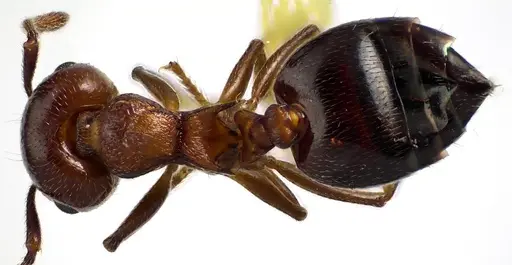
ANTWEB1041629
View on AntWeb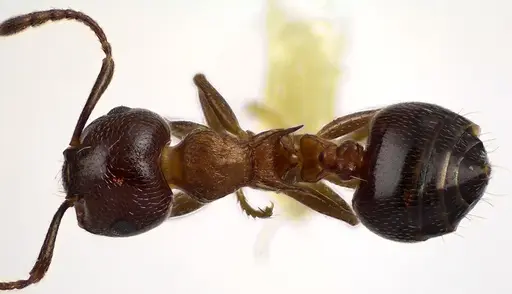
ANTWEB1041687
View on AntWeb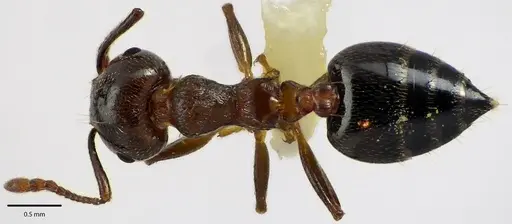
ANTWEB1041688
View on AntWeb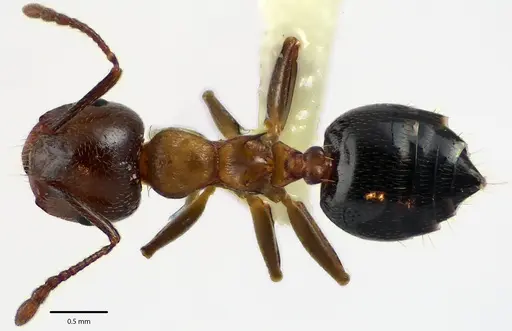
ANTWEB1041797
View on AntWeb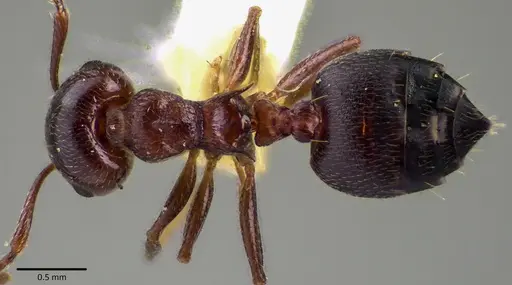
ANTWEB1041801
View on AntWeb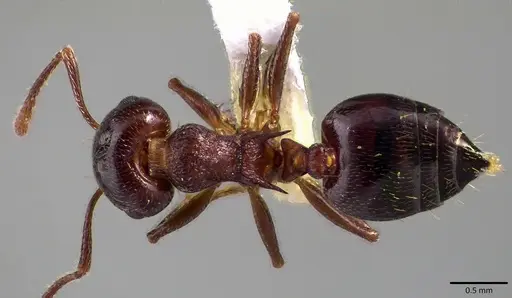
CASENT0103773
View on AntWeb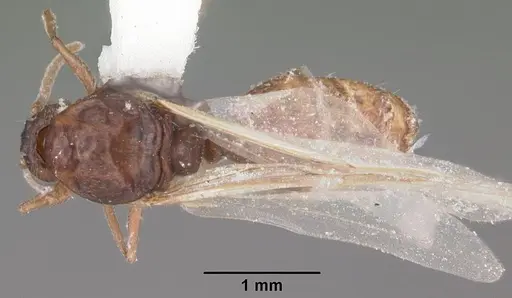
CASENT0103775
View on AntWeb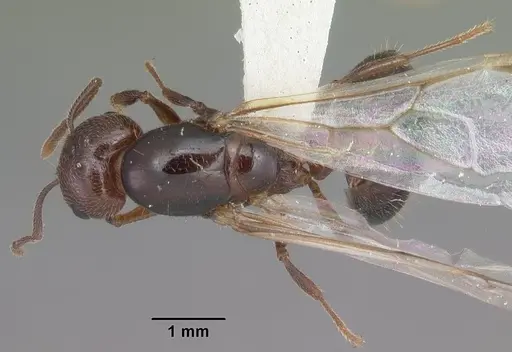
CASENT0103776
View on AntWeb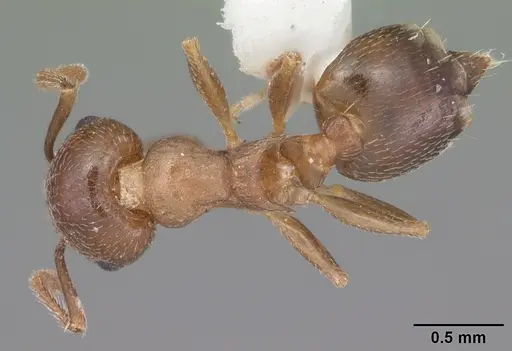
CASENT0105545
View on AntWeb
CASENT0179856
View on AntWeb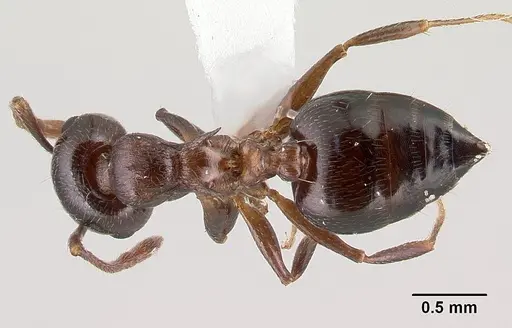
CASENT0922725
View on AntWeb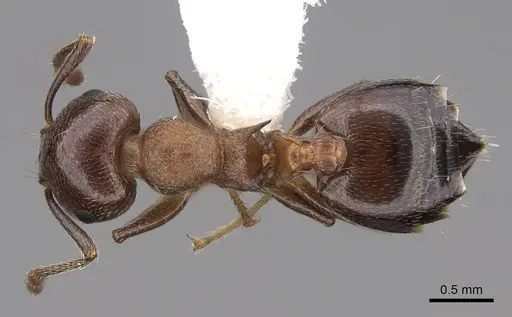
CASENT0923233
View on AntWeb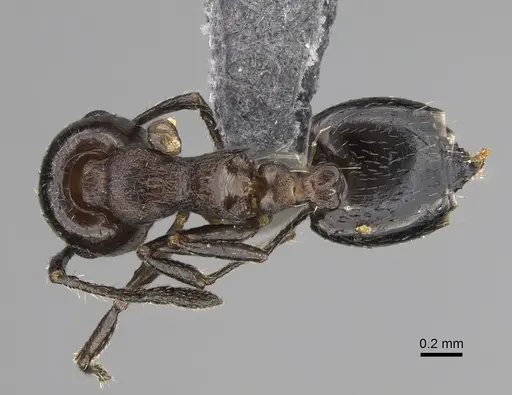
CASENT0923234
View on AntWeb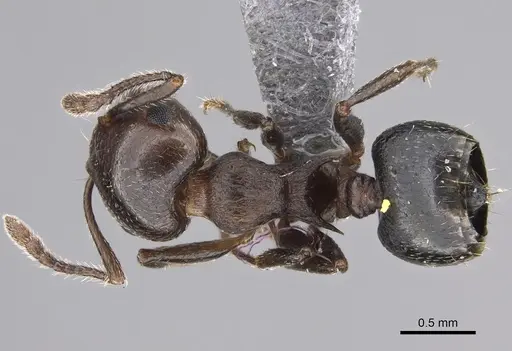
USNMENT00529078
View on AntWeb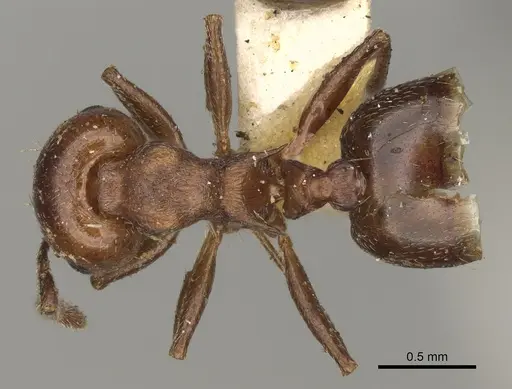
Literature
Loading...Loading products...