

Crematogaster ampullaris
- Scientific Name
- Crematogaster ampullaris
- Tribe
- Crematogastrini
- Subfamily
- Myrmicinae
- Author
- Smith, 1861
- Distribution
- Found in 2 countries
Crematogaster ampullaris Overview
Crematogaster ampullaris is an ant species of the genus Crematogaster. It is primarily documented in 2 countries , including Indonesia, Philippines. Detailed taxonomic data and occurrence records can be further explored via authoritative databases such as AntWeb or the Global Biodiversity Information Facility (GBIF).
Crematogaster ampullaris
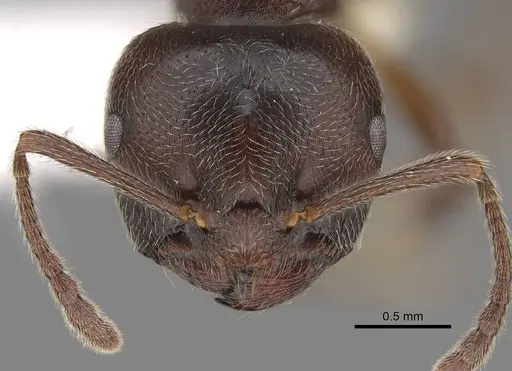
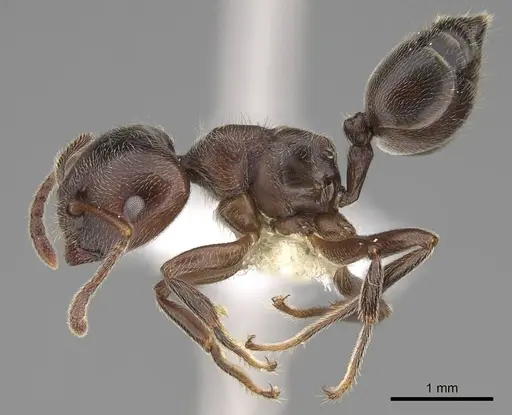
Crematogaster ampullaris is a small to medium-sized ant species belonging to the subgenus Physocrema. Workers measure 1.12-1.34mm in head width and show pronounced size polymorphism, with larger workers developing as the colony matures [1]. The body coloration ranges from reddish brown to black, and unlike many Crematogaster species, this one lacks propodeal spines entirely [1]. The thorax is strongly constricted in the middle, giving workers a distinctive waist-like appearance typical of acrobat ants [1].
This species is native to Southeast Asia, found across the Indomalaya region including Indonesia (Sulawesi, Timor), the Philippines (Leyte), Brunei, Borneo, and Ceram [2][1]. It belongs to the Crematogaster inflata-group and is the only species in this group found outside the Oriental region, being instead distributed in the Australasian region [3]. C. ampullaris is sister species to Crematogaster sewardi, with genetic divergence estimated at around 4.38 million years ago [3]. These ants are canopy-dwelling, typically found in low vegetation in rainforest environments and in the canopy of lowland dipterocarp forests [2].
Quick Summary
- Difficulty: Medium
- Origin & Habitat: Southeast Asia, Indonesia (Sulawesi, Timor), Philippines (Leyte), Brunei, Borneo, Ceram. Found in rainforest canopies and lowland dipterocarp forest at elevations from sea level to lowland areas [2][1].
- Colony Type: Colony structure is not well documented in scientific literature. Based on typical Crematogaster patterns, colonies likely start with a single queen (monogyne) but may develop multi-queen structures as they mature. Crematogaster colonies typically show polygynous tendencies in mature colonies.
- Colony: Monogyne
- Founding: Claustral
- Size & Growth:
- Queen: Not directly measured in primary literature, estimated based on genus patterns at 5-7mm. Signal: estimated.
- Worker: 1.12-1.34mm head width (HW),1.26-1.48mm Weber's length (WL) [1]. Workers show pronounced size polymorphism.
- Colony: Not directly documented, likely reaches several hundred workers based on typical Crematogaster colony sizes. Signal: estimated.
- Growth: Moderate, based on typical Crematogaster development patterns. Signal: estimated.
- Development: 6-10 weeks, estimated based on typical Myrmicinae development at tropical temperatures. Signal: estimated. (Development time is temperature-dependent, warmer temperatures within the tropical range will speed development. Nanitics (first workers) will be smaller than mature workers due to the pronounced size polymorphism in this species.)
- Antkeeping:
- Temperature: Keep at 24-28°C, this is a tropical rainforest species from Southeast Asia. Room temperature (22-25°C) is acceptable, a slight increase to the low-mid 20s°C is ideal. A heating cable on one side of the nest creates a gradient allowing workers to self-regulate. Signal: inferred from geographic range and habitat [2].
- Humidity: Keep humidity high, these are rainforest canopy ants. Maintain substrate moisture at 70-80%, with the nest area consistently damp but not waterlogged. Provide a water tube for drinking access. Mist the outworld occasionally but avoid excessive moisture that causes mold. Signal: inferred from rainforest habitat [2].
- Diapause: No, this is a tropical species that does not require hibernation. Keep temperatures stable year-round. Signal: inferred from tropical distribution.
- Nesting: Arboreal nesting preferences, in nature they likely nest in hollow twigs, branches, or under bark in the canopy. In captivity, a Y-tong (AAC) nest or plaster/naturalistic setup with narrow chambers works well. Provide small cavities and passages scaled to their 1-2mm worker size. Avoid large open spaces. Signal: inferred from canopy-dwelling behavior [2].
- Behavior: Crematogaster ants are known for their distinctive heart-shaped gaster that they can raise and curl over their body, giving them their 'acrobat' common name. Workers are active foragers and will recruit nestmates to food sources. They are generally not aggressive toward keepers but will defend their nest. They have a functional stinger but it's too small to penetrate human skin effectively, they are not considered dangerous to humans. Escape prevention should be good as they are small but not extremely tiny, standard barriers work well. Signal: inferred from genus behavior [4].
- Common Issues: humidity management is critical, too dry and brood will fail, too wet and mold becomes a problem, tropical temperature requirements mean colonies cannot tolerate cool rooms or air conditioning, small colony size initially means founding colonies are fragile and sensitive to disturbance, canopy-dwelling nature means they may not thrive in ground-based nests without proper vertical space, pronounce size polymorphism means nanitics are very small, escape prevention must account for tiny first workers
Nest Preferences and Housing
Crematogaster ampullaris is a canopy-dwelling species that naturally nests in hollow twigs, branches, or under bark in rainforest trees [2]. In captivity, you should replicate these conditions using a Y-tong (AAC) nest or plaster formicarium with small chambers scaled to their tiny worker size (1-2mm). The chambers should be narrow with tight passages, avoid tall, open spaces that stress these small ants.
For the outworld, provide moderate space with some vertical structures (fake plants, cork, or twigs) to mimic their arboreal habitat. A water test tube should always be available for drinking. Because they are canopy ants, they prefer having their nest elevated rather than at ground level, you can place the nest on a small platform or elevated surface.
Escape prevention is important but not as critical as for extremely tiny ants. Standard barrier methods (fluon, petroleum jelly on rim edges) work well. Workers are about 1-2mm so they can squeeze through small gaps, check for any cracks or gaps in your setup.
Feeding and Diet
Crematogaster ampullaris is an omnivorous species that will accept a variety of food sources. In their natural rainforest habitat, they likely feed on honeydew from aphids and scale insects, nectar from flowers, and small insects they can capture or scavenge.
In captivity, offer protein sources such as small live prey (fruit flies, small crickets, mealworms cut into appropriate pieces) 2-3 times per week. They also readily accept sugar sources, provide a drop of honey water or sugar water regularly. You can also offer small amounts of fruit or seeds, though these are typically not a major part of their diet.
Remove uneaten prey after 24-48 hours to prevent mold. A varied diet helps ensure colony health and supports the growth of their pronounced size polymorphism, well-fed colonies will produce larger workers more quickly. [4]
Temperature and Seasonal Care
As a tropical species from Southeast Asia, Crematogaster ampullaris requires warm temperatures year-round. Keep the nest area at 24-28°C for optimal brood development [2]. Room temperature (22-25°C) is acceptable in most homes, but you may need to provide slight heating if your space runs cool.
A heating cable placed on one side of the nest creates a temperature gradient that allows workers to regulate their own body temperature by moving between warmer and cooler areas. Place the heating element on top of the nest, not underneath, to avoid drying out the substrate too quickly.
Because this is a tropical species, no hibernation or diapause is required. Maintain stable temperatures throughout the year, avoid placing the colony near air conditioning vents, drafty windows, or rooms that cool significantly at night. Sudden temperature drops can stress colonies and slow or stop brood development.
Behavior and Temperament
Crematogaster ants are named for their distinctive 'acrobat' behavior, they can raise and curl their heart-shaped gaster over their body, which they use for defense and communication. Workers are active foragers that will quickly discover and recruit nestmates to food sources.
This species is generally not aggressive toward keepers. Workers may investigate your hand but rarely bite. They have a small stinger, but it's typically too tiny to penetrate human skin, they are not considered dangerous to humans.
The pronounced size polymorphism in this species means colonies produce increasingly larger workers as they grow. These larger workers are better at defense and foraging, while smaller workers handle brood care and internal colony tasks. This division of labor helps the colony function efficiently.
Foraging activity is typically highest during daylight hours, matching their canopy-dwelling nature where light penetrates through the forest canopy. [1][4]
Colony Growth and Development
Crematogaster ampullaris colonies develop through several stages. A newly mated queen will seal herself into a small chamber (claustral founding) and lay her first eggs, surviving entirely on her stored fat reserves until the first workers emerge. These first workers, called nanitics, are smaller than mature workers due to the limited resources the queen had available.
Once the nanitics emerge, they begin foraging to feed the queen and subsequent brood. The colony grows gradually at first, but accelerates as more workers are produced. The pronounced size polymorphism means that as the colony matures, you'll see increasingly larger workers developing, these are called major workers or soldiers in some species.
Based on typical Myrmicinae development, expect 6-10 weeks from egg to first worker at optimal tropical temperatures. The development time is temperature-dependent, warmer temperatures within their range will speed development, while cooler temperatures will slow it down. Mature colonies likely reach several hundred workers. [1][4]
Frequently Asked Questions
How long does it take for Crematogaster ampullaris to produce first workers?
Expect 6-10 weeks from egg to first worker at optimal temperatures (24-28°C). This is typical for tropical Myrmicinae species. The exact time depends on temperature, warmer conditions speed development while cooler temperatures slow it down.
What do Crematogaster ampullaris ants eat?
They are omnivorous. Offer protein (small insects like fruit flies, crickets, mealworms) 2-3 times per week, and provide a constant sugar source (honey water or sugar water). They also occasionally accept small amounts of fruit.
Do Crematogaster ampullaris ants sting?
They have a small stinger, but it's typically too tiny to penetrate human skin effectively. They are not considered dangerous to humans. They may raise their gaster in defense display, but actual stings are rare and mild.
What temperature do Crematogaster ampullaris ants need?
Keep them at 24-28°C. This is a tropical rainforest species from Southeast Asia that requires warm conditions year-round. Room temperature (22-25°C) is acceptable, a heating cable can provide additional warmth if needed.
Do Crematogaster ampullaris ants need hibernation?
No, they do not require hibernation. This is a tropical species that should be kept warm year-round. No diapause or winter rest period is needed.
What size colony do Crematogaster ampullaris ants reach?
Colony size is not directly documented, but based on typical Crematogaster patterns, mature colonies likely reach several hundred workers. The pronounced size polymorphism means you'll see increasingly larger workers as the colony grows.
Can I keep multiple Crematogaster ampullaris queens together?
Colony structure is not well documented for this specific species. Based on typical Crematogaster behavior, single-queen colonies are recommended for founding. If you want to try combining unrelated queens, do so only during the founding stage and monitor for aggression, some species tolerate this while others do not.
What nest type is best for Crematogaster ampullaris?
A Y-tong (AAC) nest or plaster formicarium with small chambers works well. These are canopy-dwelling ants that prefer narrow chambers and passages scaled to their tiny 1-2mm worker size. Provide some vertical structures in the outworld to mimic their natural arboreal habitat.
Are Crematogaster ampullaris ants good for beginners?
They are rated as medium difficulty. They require warm, humid tropical conditions which can be challenging to maintain consistently. Their small size and specific habitat preferences (canopy-dwelling) make them better suited for antkeepers with some experience. However, they are not overly aggressive and their care requirements are straightforward once the temperature and humidity needs are met.
Why are my Crematogaster ampullaris workers different sizes?
This is normal! Crematogaster ampullaris has pronounced size polymorphism, workers come in different sizes. Smaller workers handle brood care and internal tasks, while larger workers (majors) handle defense and foraging. This polymorphism increases as the colony matures.
References

This caresheet is licensed under CC BY-SA 4.0 .
CASENT0193577
View on AntWeb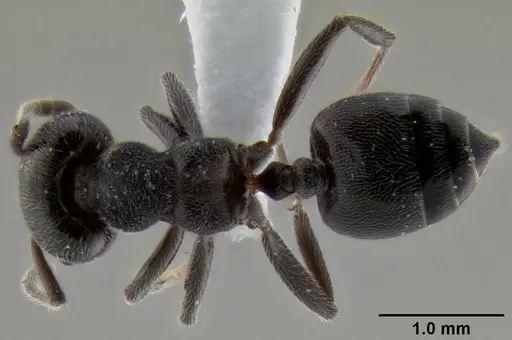
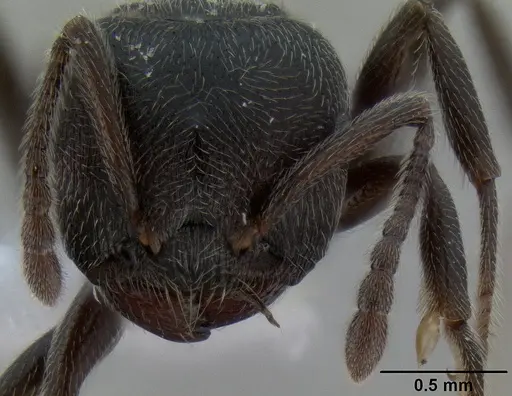
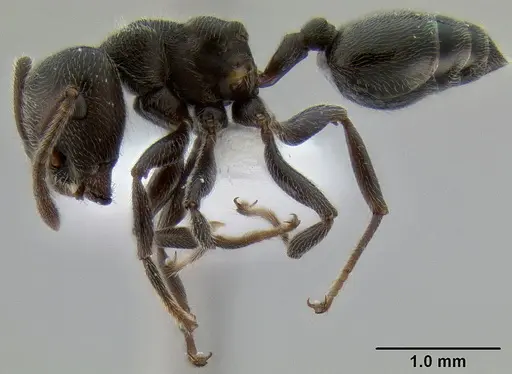
CASENT0922669
View on AntWeb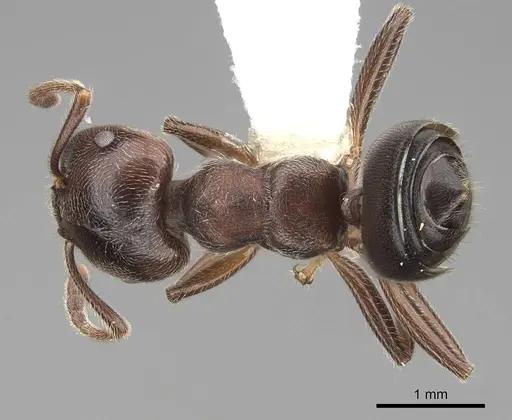
Literature
Loading...Loading products...