Chronoxenus dalyi - "Daly's Dusky Ant"
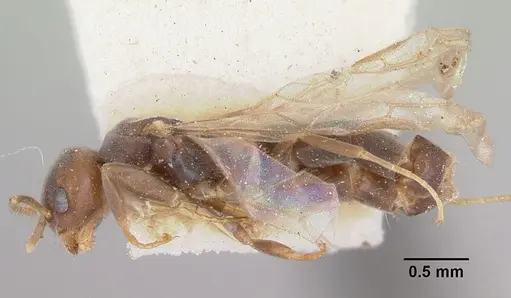
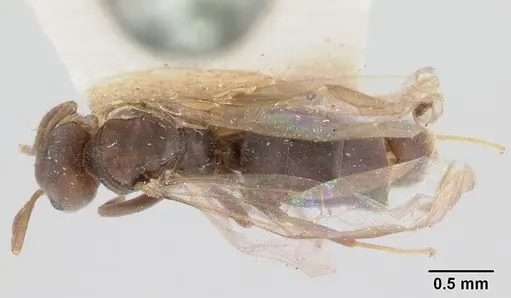
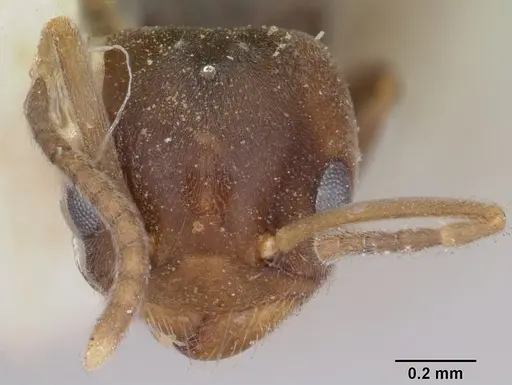
Chronoxenus dalyi is a small, yellowish-brown ant species with an abdomen that can sometimes be dark brown. They are covered in a whitish, dense pubescence, particularly on their head and abdomen, with sparse, pale hairs on the front of the head and the posterior abdomen. Their mandibles are broadly oval with four widely spaced teeth, and their clypeus is wider than it is high. This species is part of the Dolichoderinae subfamily. They are known to be an omnivorous species and typically nest underground or in leaf litter, while also foraging in arboreal environments.
- Difficulty: Medium
- Origin & Habitat: Indo-Australian Region (Singapore), Oriental Region (Bangladesh, India, Nepal), Palaearctic Region (China, Afghanistan) in Subterranean/leaf litter, arboreal environments, and are found in tropical, subtropical, and temperate regions..
- Colony Type: Not parasitic, likely monogyne based on common Dolichoderinae traits, though specific information on C. dalyi is limited., claustral founding.
- Size & Growth:
- Queen: Not specified
- Worker: Not specified
- Colony: Medium (thousands). Medium, as with many smaller ant species, initial growth can be slow but picks up once a decent worker count is established. growth.
- Antkeeping:
- Temperature: Optimal temperatures for Chronoxenus dalyi are likely in the range of 24-28°C, reflecting their natural tropical and subtropical habitat. Consistent temperatures within this range will support steady brood development and active foraging..
- Humidity: A humidity range of 60-80% is recommended, particularly higher humidity in the nesting area to support brood development. Good ventilation in the outworld is still important to prevent mold..
- Diapause: Not required. Not specified at Not specified.
- Nesting: These ants prefer nests that mimic their natural subterranean and leaf litter habitats. Suitable options include acrylic nests with a good hydration system, ytong, or natural setups with sand and loam, ensuring some areas retain higher humidity..
- Behavior: Low (towards handler, but can be competitive with other ant species) aggressiveness.
- Common Issues: Humidity fluctuations, Mold in nest, Colony stalling due to inadequate diet or space, Escapes due to small size and speed.
When setting up a Chronoxenus dalyi formicarium, it's crucial to consider their preference for nesting both underground and within leaf litter. Providing a substrate with varying moisture levels can allow the colony to choose their ideal conditions. A mix of sand and loam in a naturalistic setup, or an acrylic nest with a consistent hydration system, would be beneficial for these adaptable ants. Ensuring a good hydration gradient helps them thrive and avoids common issues like desiccation or mold.
Diet-wise, Chronoxenus dalyi are omnivores, so a varied diet is key to their health and colony growth. Offer a range of small feeder insects like fruit flies, mealworm pieces, or roaches, along with a consistent supply of sugary foods such as diluted honey or sugar water. Observing their foraging habits will help you tailor their diet to their specific preferences and ensure they are receiving adequate nutrition for a flourishing colony.
While specific colony size estimates for Chronoxenus dalyi are not widely documented, ants from the same genus are noted to be non-parasitic and omnivorous, living in hypogaeic (underground) nests. This suggests they form independent colonies. Providing ample space for growth, especially after the first generation of workers, is important to prevent stress and encourage colony expansion. A medium-sized formicarium should be suitable for a nascent colony.
Humidity management is a significant factor for this species, as they are found in tropical and subtropical regions. Aim for a gradient of humidity within the nest, allowing the ants to relocate brood to the most optimal moisture levels. Regular misting of a portion of the outworld can also help maintain ambient humidity, especially if you reside in a drier climate. However, always ensure proper ventilation to prevent stagnant air and mold growth, which can be detrimental to an ant colony's health.
These ants are not reported to sting, which makes them a more approachable species for keepers. However, like many small ants, they can be quite fast and agile. Therefore, exercise caution during feeding and maintenance to prevent escapes. A well-sealed enclosure is essential to contain these active foragers and ensure their safety within your ant setup.
Frequently Asked Questions
What kind of enclosure is best for Chronoxenus dalyi?
For Chronoxenus dalyi, you'll want a formicarium that offers both a hydration gradient and enough space to grow. Acrylic nests with good hydration systems, or natural setups using a sand-loam mix, are excellent choices as they mimic their preferred underground and leaf litter habitats. Ensure the nest allows for areas of higher humidity while still providing ventilation to prevent mold.
What do Chronoxenus dalyi eat?
These ants are omnivores, so they enjoy a varied diet! Offer them a mix of protein from small feeder insects like fruit flies or pieces of mealworms, and carbohydrates in the form of diluted honey, sugar water, or other sweet liquids. Observing their consumption will help you fine-tune their diet.
Do Chronoxenus dalyi need a diapause (hibernation) period?
Given their origins in tropical and subtropical regions, Chronoxenus dalyi generally do not require a diapause period. Maintaining consistent temperatures and humidity throughout the year will support continuous activity and colony development.
How fast do Chronoxenus dalyi colonies grow?
Colony growth for Chronoxenus dalyi is typically medium. Like many ant species, the initial stages might seem slow, but once the first generation of workers matures and starts foraging, colony growth tends to pick up steadily, leading to a thriving population.
Are Chronoxenus dalyi difficult to keep?
We rate Chronoxenus dalyi as 'Medium' difficulty. While they aren't as demanding as some expert-level species, consistent humidity management and a varied diet are crucial for their well-being. Keep an eye on humidity levels and feeding schedules, and you'll do great!
What are the ideal temperature and humidity for Chronoxenus dalyi?
Maintain a temperature range of 24-28°C for optimal activity and brood development. For humidity, aim for 60-80% within the nest, with some gradient if possible. It's always a good idea to have slightly lower humidity in the foraging area for ventilation.
Do these ants sting?
No, Chronoxenus dalyi are not known to sting. This makes them a more docile species to observe and handle, though their small size and quick movements still require careful attention to prevent escapes.
How big do Chronoxenus dalyi get?
Specific worker and queen sizes for Chronoxenus dalyi aren't widely detailed, but they are generally considered small ants. The workers are typically yellowish-brown, and the queens are likely similar in appearance, though larger.
What common problems might I face keeping Chronoxenus dalyi?
Common issues can include humidity fluctuations within the nest, leading to either desiccation or mold if not properly managed. Colony stalling due to an insufficient diet or lack of space can also occur. Their small size means they are excellent at escaping, so a secure enclosure is vital.
Are Chronoxenus dalyi good for beginners?
While not 'easy' like some beginner species, a dedicated beginner with a good understanding of ant care principles, particularly regarding humidity and diet, could successfully keep Chronoxenus dalyi. They offer a rewarding experience for those ready to learn.
How large can a Chronoxenus dalyi colony become?
Chronoxenus dalyi colonies can grow to a medium size, likely reaching into the thousands of individuals over time. Providing ample space as the colony expands will be key to their long-term success.
Where are Chronoxenus dalyi naturally found?
These fascinating ants have a wide natural range, being found across the Indo-Australian Region (like Singapore), the Oriental Region (including Bangladesh, India, and Nepal), and parts of the Palaearctic Region, such as China and Afghanistan.
Are Chronoxenus dalyi a parasitic species?
No, Chronoxenus dalyi are not a parasitic species. They are known to form independent colonies, meaning their queens will found a colony on their own without needing to enslave another ant species.
What kind of foraging behavior do Chronoxenus dalyi exhibit?
Chronoxenus dalyi are known to forage both subterraneously (underground) and in leaf litter, but they also exhibit arboreal foraging behavior, meaning they will explore and forage in elevated areas like plants. This diverse foraging strategy makes them interesting to observe in a well-setup outworld.