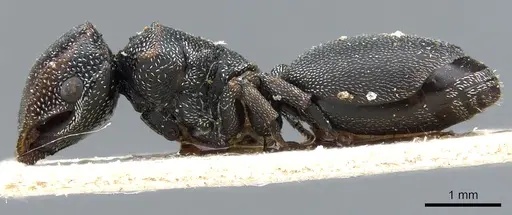
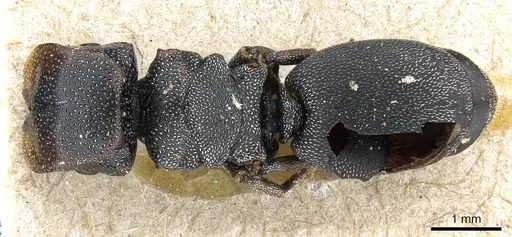
Cephalotes bohlsi - "Turtle Ant"
Cephalotes bohlsi is a fascinating species of 'turtle ant' known for its distinctive, heavily armored appearance. Workers are generally small, while the unique soldier caste boasts a large, flattened, shield-like head. These ants are also famously referred to as 'gliding ants' due to their remarkable ability to steer their fall if they drop from trees, landing safely back on the trunk. They are arboreal, meaning they live in trees, and are a true marvel to observe with their unique morphology and behaviors.
- Difficulty: Medium
- Origin & Habitat: Neotropical Region (Argentina, Brazil, Ecuador, Paraguay) in Arboreal (tree canopies), often found in preformed cavities in live or dead wood within Neotropical forests, bushes, or grass stems..
- Colony Type: Monogyne, claustral founding.
- Size & Growth:
- Queen: Not specified
- Worker: 4.54-4.96mm
- Colony: Medium (thousands) to Large (tens of thousands). Medium growth.
- Antkeeping:
- Temperature: Maintain a stable temperature between 24-28°C for optimal activity and brood development. Avoid significant fluctuations..
- Humidity: High humidity is crucial for this species. Aim for 70-90% in the nesting area. The outworld can be kept at a lower ambient humidity of 50-70%..
- Diapause: Not required. Not specified at Not specified.
- Nesting: Requires an arboreal setup, ideally pre-drilled natural wood pieces or acrylic nests designed to mimic natural tree cavities. They do not excavate their own nests..
- Behavior: Low aggressiveness.
- Common Issues: Humidity fluctuations leading to desiccation or mold, Finding suitable arboreal nesting options, Meeting specific dietary needs (pollen, varied sugars), Colony stalling if conditions are not optimal, Escape risk due to their agility and arboreal nature.
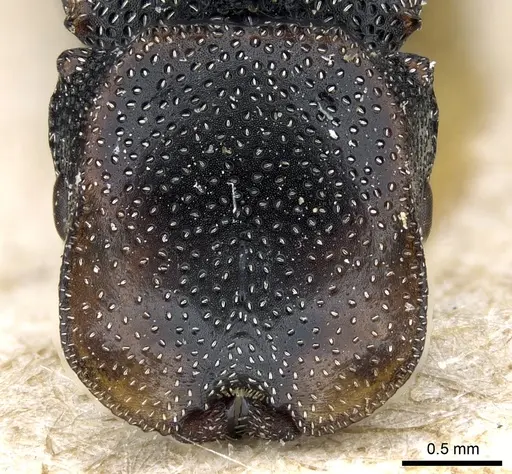
One of the most captivating aspects of Cephalotes bohlsi is their highly specialized soldier caste. These larger ants possess unusually flat, disc-shaped heads, perfectly adapted to act as a 'living door' to their nest entrances. This phragmotic behavior is a key defense mechanism, allowing them to block intruders by sealing off their arboreal cavities. Providing a nest with entrance holes that match the soldier's head size will allow you to observe this incredible adaptation firsthand.
The 'gliding ant' moniker isn't just for show; Cephalotes bohlsi exhibits a remarkable behavior known as directed aerial descent. If dislodged from their arboreal home, these ants can actively steer their fall, allowing them to glide back to the safety of a tree trunk rather than plummeting to the ground. While this is primarily a wild behavior, ensuring your arboreal setup has vertical surfaces and appropriate texture can provide a more natural and secure environment for your colony.
Their diet is quite diverse and somewhat unique among ants. Cephalotes bohlsi are general scavengers with a strong herbivorous inclination. In their natural habitat, they consume various plant-based materials, pollen, extrafloral nectaries, bird feces, and even carrion. For antkeepers, this translates to offering a varied diet that includes pollen, sweet liquids (honey water, sugar water), and small, soft-bodied insects. Don't be surprised if they show less interest in typical insect feeders compared to other ant species.
These ants are exclusively arboreal, meaning they live their entire lives in trees and utilize pre-existing cavities for nesting. They do not burrow in soil or construct complex underground networks. For successful antkeeping, you'll need to replicate this environment. Consider using hollowed-out branches, bamboo sections, or specialized acrylic formicaria designed with pre-made tunnels and chambers that mimic their natural arboreal nests. High humidity within these nests is also crucial, so proper hydration systems are essential.
Compared to many other ant species, Cephalotes bohlsi tend to be relatively unaggressive. They often coexist peacefully with other ant species in their natural environment and are not known for being overtly hostile towards handlers or during feeding. This can make them a calmer species to observe, but it also means they rely more on their physical defenses (like the phragmotic soldiers and gliding) rather than aggressive confrontations. Handle with care, but don't expect a fierce bite or sting.
Frequently Asked Questions
What makes Cephalotes bohlsi different from other ant species?
These 'turtle ants' truly stand out with their distinctive flattened, armored bodies and particularly their soldier caste, which sports a large, disc-shaped head. This unique head is used to plug nest entrances, acting as a 'living door'-a behavior called phragmosis. They also have an incredible ability to 'parachute' and steer their fall if they drop from a tree, which is super cool to learn about! Their arboreal lifestyle and specialized diet also set them apart from common ground-dwelling ants.
Are Cephalotes bohlsi difficult to keep for a beginner antkeeper?
Cephalotes bohlsi are considered a medium difficulty species. While not as easy as a Lasius niger colony, they aren't 'expert' level either. The main challenges for antkeepers lie in providing their specific arboreal nesting setup, maintaining high humidity, and catering to their somewhat specialized diet, which includes pollen. If you're up for a unique challenge and enjoy observing fascinating behaviors, they can be a rewarding species to keep.
What do Cephalotes bohlsi eat?
Unlike many ant species that primarily crave insects, Cephalotes bohlsi are quite the gourmands when it comes to plant matter! They're primarily herbivorous scavengers. In the wild, their diet consists of things like pollen, nectar from extrafloral nectaries, bird droppings, and even carrion. For your colony, offer them a mix of sweet liquids (honey water or sugar water), various pollens, and small, soft-bodied insects. Don't be surprised if they're not huge fans of crickets right away!
What kind of nest do Cephalotes bohlsi need?
These ants are strictly arboreal, meaning they live exclusively in trees, nesting in pre-existing cavities. So, forget those typical soil-based setups! You'll want to provide them with an arboreal formicarium-think hollowed-out wood, bamboo sections, or acrylic nests specifically designed with arboreal chambers. The key is to mimic their natural tree-dwelling environment, focusing on horizontal or vertical tunnels within solid structures, rather than substrate for digging.
Do Cephalotes bohlsi sting or bite?
Good news for antkeepers! Cephalotes bohlsi are not known to sting. While any ant can deliver a nip, their primary defense mechanism is their armored bodies and the soldiers' phragmotic heads used to block nest entrances, rather than aggression or venom. They are generally quite docile, making them less intimidating to observe compared to some more aggressive ant species.
How large do Cephalotes bohlsi colonies get?
Colony sizes for Cephalotes species can vary quite a bit, but Cephalotes bohlsi colonies can grow to a substantial size, often reaching into the thousands of workers, potentially even tens of thousands in mature setups. This means you'll have a bustling, active colony to observe once it gets established and thriving. Remember, growth can be medium-paced, so patience is key for building a large colony.
Do Cephalotes bohlsi need diapause (winter dormancy)?
No, as a species originating from the Neotropical regions, Cephalotes bohlsi do not require diapause. They thrive in consistent, warm temperatures year-round. Maintaining stable conditions throughout the year will ensure continuous activity and brood development for your colony.
How important is humidity for Cephalotes bohlsi?
Humidity is incredibly important for Cephalotes bohlsi, especially within their nesting area. Given their natural habitat in tropical arboreal cavities, they need high humidity, ideally in the 70-90% range, to thrive and for their brood to develop properly. This can be achieved through proper hydration systems in their formicarium, such as hydration sponges or water tubes with good contact to the nest material.
What is 'phragmosis' and how do Cephalotes bohlsi use it?
Phragmosis is a fascinating defense strategy where an ant uses its own body to block the entrance to its nest. In Cephalotes bohlsi, their specialized soldier caste has a large, flattened head that perfectly fits the dimensions of their nest entrance. When danger approaches, the soldier will position itself with its head plugging the hole, creating an impenetrable 'living door' and protecting the rest of the colony within.
Can I keep Cephalotes bohlsi with other ant species?
Absolutely not! Like all ant species, Cephalotes bohlsi colonies should always be kept in isolation. Introducing other ant species, even if they seem docile, will inevitably lead to conflict, stress, and likely the destruction of one or both colonies. Each formicarium should house only one ant colony.
What is the 'gliding' behavior I've heard about with these ants?
The gliding behavior, scientifically known as directed aerial descent, is truly unique! If a Cephalotes bohlsi ant is accidentally knocked off a tree branch, it can orient its body and use its legs and flattened shape to control its fall, effectively 'gliding' back to the tree trunk instead of falling all the way to the ground. This helps them avoid predators and dangerous floodwaters, ensuring they stay in their arboreal habitat.
Are there any common issues to watch out for when keeping Cephalotes bohlsi?
Yes, like any specialized species, there are a few things to keep an eye on. Maintaining consistent high humidity without leading to mold growth can be a challenge. Their unique diet requires some experimentation to find what your colony readily accepts. They are also quite agile arboreal ants, so ensuring your setup is escape-proof is crucial. Stress from vibrations or improper conditions can also cause a colony to stall.