

Cephalotes wheeleri
- Scientific Name
- Cephalotes wheeleri
- Tribe
- Attini
- Subfamily
- Myrmicinae
- Author
- Forel, 1901
- Distribution
- Found in 1 countries
Cephalotes wheeleri Overview
Cephalotes wheeleri is an ant species of the genus Cephalotes. It is primarily documented in 1 countries , including Mexico. Detailed taxonomic data and occurrence records can be further explored via authoritative databases such as AntWeb or the Global Biodiversity Information Facility (GBIF).
Cephalotes wheeleri
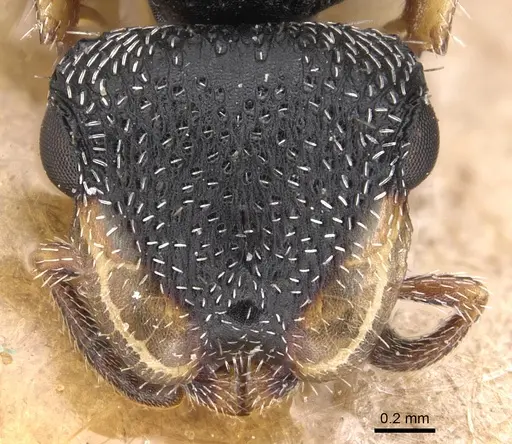
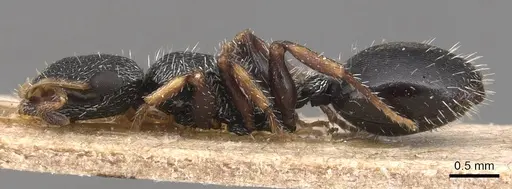
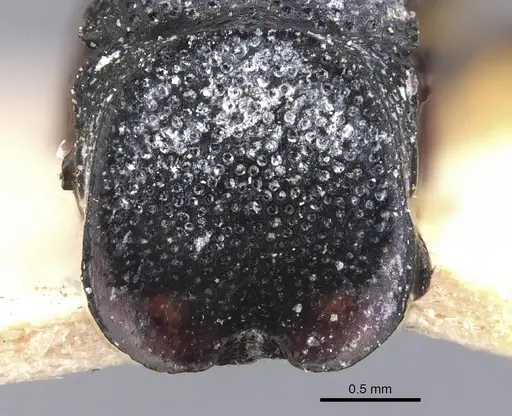
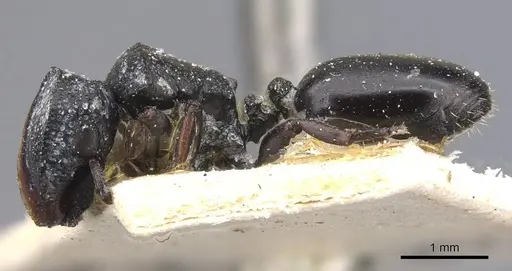
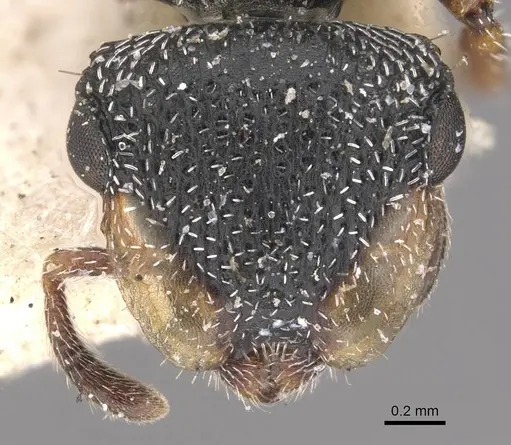
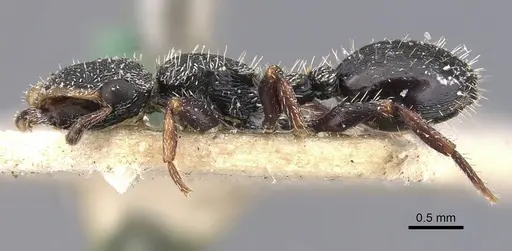
Cephalotes wheeleri is a small, distinctive ant native to Mexico and Central America. Workers are dark brown to black with yellowish frontal carinae (the area above the eyes) and reddish-brown antennae and legs, measuring 3.84-4.28mm. The soldiers are larger at 6.04-6.52mm and possess a remarkable flattened head disc that they can use to block nest entrances, giving them the 'turtle ant' name. This species belongs to the wheeleri clade and was originally described from specimens collected in Cuernavaca, Mexico [1][2].
What makes C. wheeleri particularly interesting is its unusual nesting habit. While most Cephalotes species nest in hollow twigs and stems, this species has been collected from tillandsias, a type of air plant that grows without soil [3]. This arboreal lifestyle means they prefer humid, forested environments with access to plant cavities for nesting.
Quick Summary
- Difficulty: Medium
- Origin & Habitat: Mexico (Morelos, Cuernavaca) and Central America. Found in tropical semideciduous forest, specifically nesting in tillandsias (air plants) [3][1][2].
- Colony Type: Single-queen (monogyne) colonies with distinct soldier caste. Like other Cephalotes, colonies likely have one reproductive queen with workers and soldiers [1].
- Colony: Monogyne
- Founding: Claustral
- Size & Growth:
- Queen: Likely 6-7mm based on soldier size and genus patterns, not directly measured for this species
- Worker: 3.84-4.28mm [1]
- Colony: Unknown for this species, genus Cephalotes colonies typically reach several hundred workers
- Growth: Moderate, typical for tropical tree-dwelling ants
- Development: Estimated 6-8 weeks at tropical temperatures (24-28°C) based on genus patterns for similar species (Development time is inferred from related Cephalotes species, specific data for C. wheeleri is not available)
- Antkeeping:
- Temperature: Keep at 24-28°C. These are tropical ants from Central America, so they need warm, stable temperatures. A heating cable on one side of the nest creates a gradient they can regulate themselves.
- Humidity: High humidity (70-80%). Their natural habitat in tropical forest and tillandsias is consistently humid. Use moist substrate and ensure good ventilation to prevent mold while maintaining moisture.
- Diapause: No, as tropical ants, they do not require hibernation. Keep temperatures stable year-round.
- Nesting: Arboreal nesting. Provide a naturalistic setup with hollow twigs, cork, or a Y-tong/plaster nest with narrow chambers. They prefer tight, enclosed spaces similar to their natural plant cavity homes. Avoid large, open formicaria.
- Behavior: Docile and non-aggressive. Like other Cephalotes, they are slow-moving and rely on their soldiers to block nest entrances when threatened. They are arboreal foragers, likely feeding on honeydew from aphids and scale insects, plus small insects. Workers are modest foragers rather than aggressive defenders. Their small size (under 5mm for workers) means escape prevention is important, use fine mesh barriers and tight-fitting lids. They are not known to sting.
- Common Issues: high escape risk due to small worker size, use fine mesh and tight barriers, colonies may be difficult to establish from queen, limited biological data means founding success is uncertain, requires high humidity consistently, drying out can kill colonies, arboreal nature means they need vertical space and climbing structures, limited availability in the antkeeping hobby, this species is rarely kept
Housing and Nest Setup
Cephalotes wheeleri requires an arboreal-style setup that mimics their natural nesting in plant cavities. The best options include a Y-tong (acrylic) nest with narrow chambers, a plaster nest with tight tunnels, or a naturalistic setup using cork with inserted hollow twigs. The chambers should be appropriately sized, tight enough that soldiers can effectively block the entrance with their head discs. Provide an outworld with climbing structures like twigs, cork, or artificial plants since they naturally forage in vegetation. Test tube setups can work for founding colonies but will need upgrading as the colony grows. Ensure all connections between nest and outworld are secure, these tiny ants can squeeze through surprisingly small gaps. [1][3]
Feeding and Diet
Like other Cephalotes species, C. wheeleri is likely omnivorous with a preference for honeydew and small prey. Feed sugar water or honey water regularly, they will drink these from cotton balls or small containers. For protein, offer small live prey like fruit flies, small crickets, or mealworm pieces. They are not aggressive hunters, so prey should be small and easy to handle. In the wild, they probably foraged on honeydew from scale insects and aphids on vegetation, so providing a sugar source is important for colony health. Feed protein 2-3 times per week and keep sugar water available constantly. Remove uneaten prey after 24 hours to prevent mold.
Temperature and Humidity Management
Maintain temperatures between 24-28°C year-round. These tropical ants do not tolerate cool conditions well, temperatures below 20°C can slow their metabolism and harm brood development. Use a heating cable on one side of the nest to create a gentle gradient, placing it on top of the nest to avoid evaporating moisture. Humidity should stay high at 70-80%. The substrate (if using soil-based setups) should remain consistently moist but not waterlogged. Mist the outworld occasionally and use a water reservoir in the nest setup. Good ventilation is essential to prevent mold while maintaining humidity, avoid completely sealed setups.
Behavior and Colony Dynamics
This species has a distinct soldier caste, the larger workers with flattened head discs. Soldiers serve as living door guards, blocking nest entrances with their shield-like heads when the colony is threatened. Workers are slow-moving and docile, not given to aggressive defense. The colony will likely grow gradually over several years to reach several hundred individuals. Queens are likely claustral founders, they seal themselves in a chamber and survive on stored fat until first workers emerge. The founding period may take 6-8 weeks at optimal temperatures. Colonies should be left undisturbed during founding to reduce stress on the queen. [1]
Understanding Their Unique Nesting Biology
Cephalotes wheeleri has an unusual nesting habit among turtle ants, it has been collected from tillandsias (air plants) rather than the typical hollow twigs used by most Cephalotes species [3][2]. This suggests they are highly arboreal and can adapt to various plant cavity structures. In captivity, this translates to needing an enclosed nest space with a small entrance that soldiers can defend. The natural habitat in tropical semideciduous forest of Central Mexico provides clues about their humidity requirements, consistently warm and moist conditions similar to cloud forests where tillandsias thrive.
Frequently Asked Questions
How long does it take for Cephalotes wheeleri to produce first workers?
Based on related Cephalotes species, expect 6-8 weeks from egg to worker at optimal temperatures (24-28°C). The queen will remain sealed in her founding chamber until the first nanitic workers emerge.
What do Cephalotes wheeleri ants eat?
They accept sugar sources (honey water, sugar water) and small protein prey like fruit flies, pinhead crickets, or mealworm pieces. They are not aggressive hunters, so keep prey items small.
Are Cephalotes wheeleri good for beginners?
They are rated as medium difficulty. While not aggressive, their high humidity requirements and limited availability make them better suited for antkeepers with some experience.
What temperature do Cephalotes wheeleri need?
Keep them at 24-28°C. These are tropical ants that do not tolerate cool temperatures. A heating cable on one side of the nest helps maintain optimal conditions.
Do Cephalotes wheeleri need hibernation?
No, they do not hibernate. As tropical ants from Central America, they need consistent warmth year-round. Do not expose them to temperatures below 20°C.
How big do Cephalotes wheeleri colonies get?
Colony size is not documented for this specific species, but genus Cephalotes typically reaches several hundred workers over several years.
Can I keep multiple Cephalotes wheeleri queens together?
This species is monogyne, colonies have a single queen. Combining unrelated queens is not recommended and has not been documented for this species.
What type of nest is best for Cephalotes wheeleri?
Use a Y-tong or plaster nest with narrow chambers that mimic their natural plant cavity homes. The entrance should be small enough that soldiers can block it with their head discs.
Why are my Cephalotes wheeleri dying?
Common causes include: low humidity (keep at 70-80%), temperatures below 20°C, mold from poor ventilation, or escape through small gaps. Check that your setup maintains proper humidity and has no escape routes.
Where does Cephalotes wheeleri live in the wild?
They are found in Mexico (Morelos, Cuernavaca) and Central America, in tropical semideciduous forest. Uniquely, they nest in tillandsias (air plants) rather than typical twig cavities.
How do I prevent Cephalotes wheeleri from escaping?
Use fine mesh barriers (they are very small, workers are only 3.84-4.28mm), tight-fitting lids, and fluon barriers on smooth surfaces. Check all connections between nest and outworld regularly.
References

This caresheet is licensed under CC BY-SA 4.0 .
CASENT0904913
View on AntWeb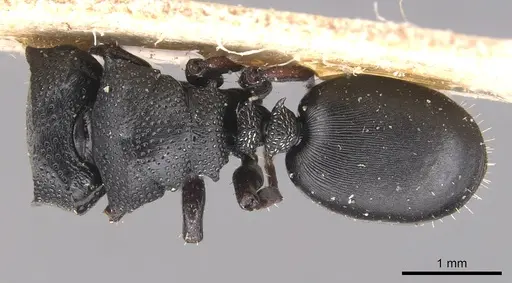
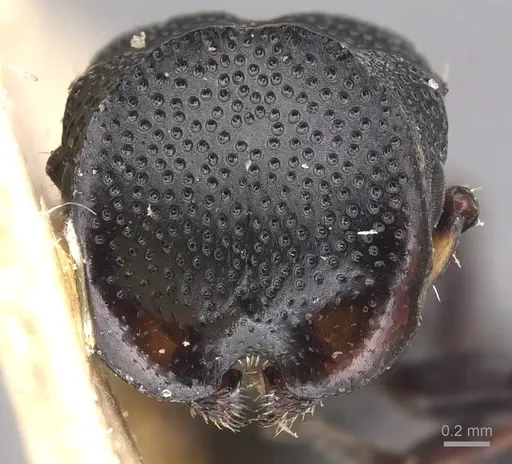
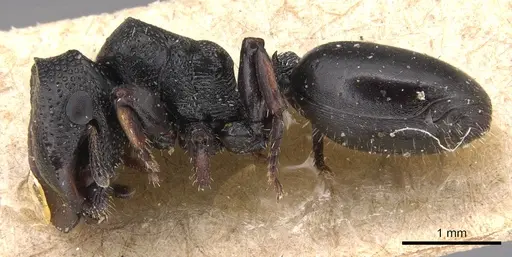
CASENT0904914
View on AntWeb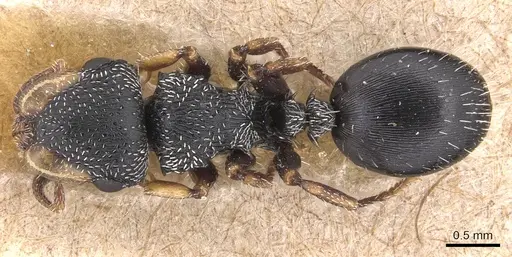
CASENT0909292
View on AntWeb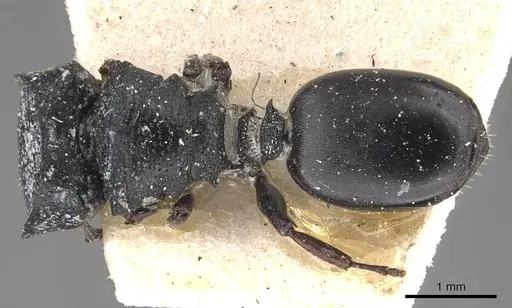
CASENT0909293
View on AntWeb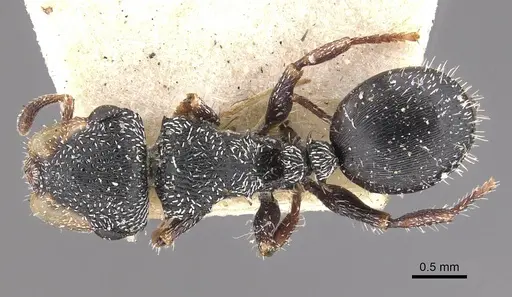
Literature
Loading...Loading products...