

Cephalotes bivestitus
- Scientific Name
- Cephalotes bivestitus
- Tribe
- Attini
- Subfamily
- Myrmicinae
- Author
- Santschi, 1922
- Distribution
- Found in 1 countries
Cephalotes bivestitus Overview
Cephalotes bivestitus is an ant species of the genus Cephalotes. It is primarily documented in 1 countries , including Argentina. Detailed taxonomic data and occurrence records can be further explored via authoritative databases such as AntWeb or the Global Biodiversity Information Facility (GBIF).
Cephalotes bivestitus
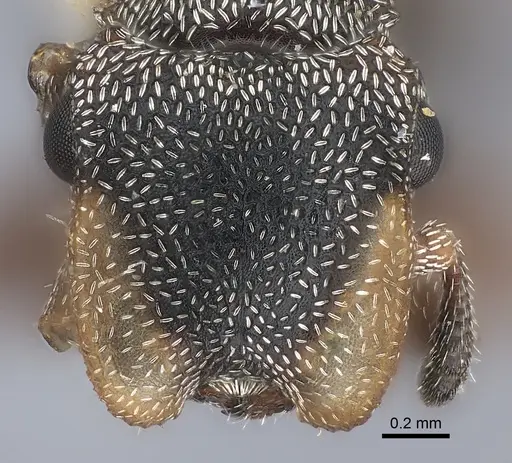
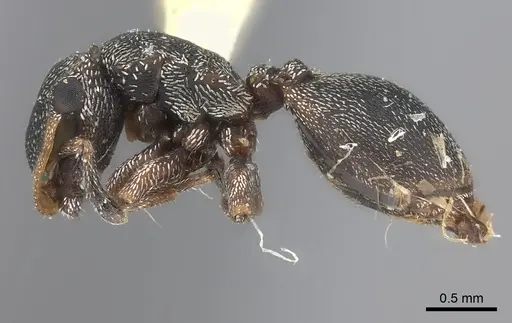
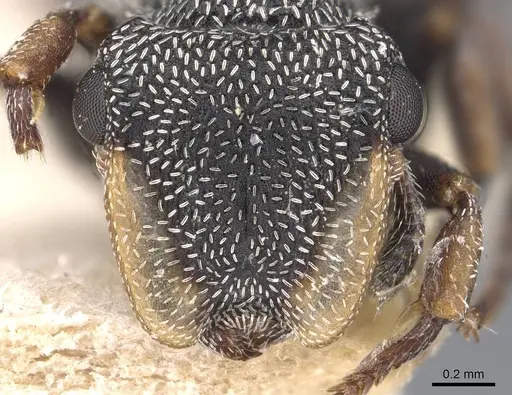
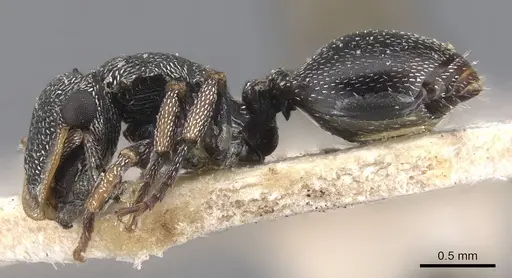
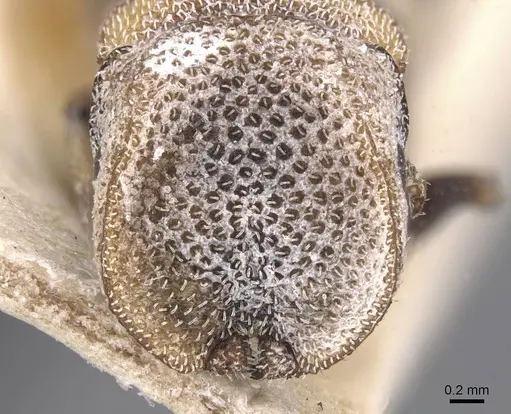
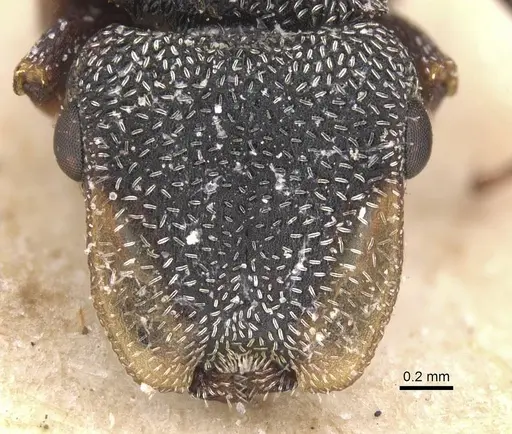
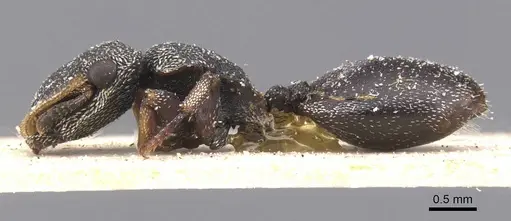
Cephalotes bivestitus is a small to medium-sized turtle ant native to northern Argentina. Workers measure 4.5-5.2mm, soldiers are notably larger at 7.3-7.7mm, and queens reach 8.4-8.8mm. The species is black with distinctive ferruginous (rusty orange) markings on the head disc, legs, and gastral spots. This ant belongs to the prodigiosus clade, a group of turtle ants known for their highly modified, flattened heads especially in the soldier caste [1]. The soldiers have a distinctive broad, concave head disc used for blocking nest entrances, a classic turtle ant defense mechanism. The species was originally described from Catamarca province and has also been recorded in Misiones province [2].
Quick Summary
- Difficulty: Unknown, Biology Unstudied
- Origin & Habitat: Native to northern Argentina in the Neotropical region. Recorded from Catamarca and Misiones provinces. Assigned to the Tropical Climate Specialists functional group, indicating preference for warm conditions [2].
- Colony Type: Colony structure is unconfirmed. As a Cephalotes species, likely monogyne (single queen) like most turtle ants, but this has not been documented for this specific species.
- Size & Growth:
- Queen: 8.4-8.8mm
- Worker: 4.5-5.2mm
- Colony: Unknown, no colony size data exists for this species
- Growth: Unknown, no development data exists
- Development: Unknown, no direct development data exists for this species. Based on typical Cephalotes patterns, expect 6-10 weeks at warm temperatures. (Development timeline is unconfirmed. Turtle ants typically develop relatively slowly compared to other Myrmicinae.)
- Antkeeping:
- Temperature: Based on assignment to Tropical Climate Specialists (TCS) group, likely prefer warm conditions around 24-28°C. Start in this range and observe colony activity.
- Humidity: Likely moderate to high humidity like most neotropical ants. Keep nest substrate slightly moist but not waterlogged. Provide a humidity gradient.
- Diapause: Unknown, no data on overwintering requirements. As a species from subtropical Argentina, may have reduced activity in cooler months but probably does not require true hibernation.
- Nesting: Natural nesting habits are unconfirmed. Related Cephalotes species typically nest in rotting wood, hollow twigs, or under bark. In captivity, Y-tong (AAC) nests or plaster nests with narrow chambers work well. The soldier's head disc suggests they may use cavity-blocking defense, so provide appropriately sized nest chambers.
- Behavior: Temperament is unconfirmed, but Cephalotes species are generally non-aggressive and rely on their defensive soldier caste. Workers are slow-moving and foragers are likely to scavenge rather than hunt aggressively. Escape risk is moderate, workers are 4-5mm so standard mesh barriers should suffice, but soldiers at 7+mm may struggle with very small gaps. The species likely shows typical turtle ant behavior: soldiers block nest entrances with their shield-like heads, and workers may form foraging trails.
- Common Issues: Biology completely unknown, this is one of the least studied Cephalotes species, so all care is speculative, No established captive breeding protocols exist for this species, Wild-caught colonies may have parasites or diseases with no documented treatment, Temperature and humidity requirements are inferred, not confirmed, observe colony response carefully, Slow growth may frustrate keepers expecting rapid development
Species Identification and Classification
Cephalotes bivestitus belongs to the prodigiosus clade, a group within the turtle ant genus Cephalotes. The species was originally described as Cephalotes bivestitus by Santschi in 1922 and later moved through several genera (Paracryptocerus, Zacryptocerus) before being placed in Cephalotes by de Andrade and Baroni Urbani in 1999 [3]. The soldier caste is distinctive with its broad, concave head disc that can block nest entrances, hence the common name 'turtle ant'. Workers are smaller at 4.5-5.2mm, while soldiers reach 7.3-7.7mm and queens 8.4-8.8mm. The species can be distinguished from its relative Cephalotes prodigiosus by its smaller size and subtle differences in the head disc sculpture.
Distribution and Habitat
This species is known only from Argentina, specifically the provinces of Catamarca (where it was first described near Hualfin) and Misiones in the north [2]. The distribution falls within the Neotropical region. Its assignment to the Tropical Climate Specialists (TCS) functional group suggests it prefers warm, likely humid conditions typical of subtropical forests [2]. The exact microhabitat is unknown, but related Cephalotes species typically nest in rotting wood, hollow bamboo, or under bark in forest edges and canopy. This species likely occupies similar niches in the dry forests of Catamarca and the more humid forests of Misiones.
Known Biology and Care Speculation
The biology of Cephalotes bivestitus is completely unstudied, this is explicitly stated in the available literature [4]. No information exists on colony founding, nuptial flight timing, diet preferences, or development. However, we can make educated inferences from related species in the genus. Cephalotes are typically omnivorous, feeding on honeydew, nectar, and small insects. They are not aggressive hunters but will scavenge protein sources. Most Cephalotes species are monogyne (single queen) and claustral (queen seals herself in to raise first workers). The soldier caste uses its shield-like head to block nest entrances, this is a key defense mechanism. For captive care, provide a warm nest (around 24-28°C based on TCS classification), moderate humidity, and offer sugar water or honey alongside small protein sources like fruit flies or mealworm pieces.
Related Species and Phylogeny
Phylogenetic analysis places Cephalotes bivestitus in the prodigiosus clade. Molecular studies show it as sister to Cephalotes fiebrigi in some analyses, or to Cephalotes bruchi in others, reflecting some uncertainty in the exact relationships [5]. These relationships suggest C. bivestitus shares behavioral and ecological traits with other South American turtle ants. The prodigiosus clade is characterized by species with well-developed soldier castes and distinctive head morphology. Understanding these relationships helps antkeepers draw parallels to better-studied relatives when establishing care protocols for this poorly known species.
Frequently Asked Questions
How long does it take for Cephalotes bivestitus to raise first workers?
The egg-to-worker timeline is completely unconfirmed for this species. Based on typical Cephalotes development patterns, expect approximately 6-10 weeks at warm temperatures (around 24-28°C). However, this is an estimate, no specific development data exists for C. bivestitus.
What do Cephalotes bivestitus ants eat?
Diet is unconfirmed for this specific species. Based on related Cephalotes species, they likely accept sugar sources (honey water, sugar water) and small protein items (fruit flies, small insects). They are not active hunters but will scavenge. Offer a varied diet and observe what they accept.
What temperature do Cephalotes bivestitus need?
Temperature requirements are not directly studied. Based on their classification as Tropical Climate Specialists, aim for warm conditions around 24-28°C. Start in this range and adjust based on colony activity, if they seem sluggish, warm slightly, if they avoid the heated area, reduce temperature.
Are Cephalotes bivestitus good for beginners?
No. This species is not recommended for beginners because its biology is completely unstudied. No established care protocols exist, and all guidance is speculative based on related species. This is a species for experienced antkeepers who can adapt care based on colony response.
How big do Cephalotes bivestitus colonies get?
Colony size is unknown, no colony size data exists for this species. Related Cephalotes species typically reach several hundred to a few thousand workers. Expect moderate colony growth over time, but specific maximums are unconfirmed.
Can I keep multiple Cephalotes bivestitus queens together?
Colony structure is unconfirmed for this species. Most Cephalotes are monogyne (single queen), but polygyny has been documented in some species. Without specific data, combining unrelated queens is not recommended, the outcome is unpredictable.
What nest type is best for Cephalotes bivestitus?
Natural nesting is unconfirmed, but related Cephalotes nest in rotting wood and cavities. In captivity, Y-tong (AAC) nests or plaster nests with appropriately sized chambers work well. Provide narrow passages that allow soldiers to block with their heads. Avoid overly large, open spaces.
Do Cephalotes bivestitus need hibernation?
Diapause requirements are unknown. As a species from subtropical Argentina, they likely experience cooler winters but probably do not require true hibernation. Reduce feeding and activity during winter months but maintain room temperature if within their tolerance range.
Where is Cephalotes bivestitus found in the wild?
This species is known only from northern Argentina, specifically Catamarca province (type locality near Hualfin) and Misiones province. It occupies the Neotropical region and is classified as a Tropical Climate Specialist.
References

This caresheet is licensed under CC BY-SA 4.0 .
CASENT0217835
View on AntWeb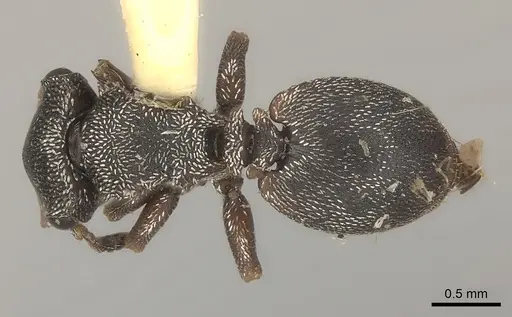
CASENT0909288
View on AntWeb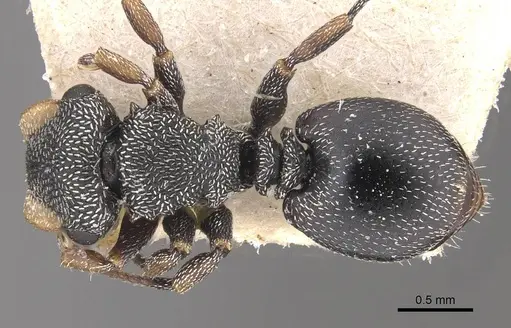
CASENT0912588
View on AntWeb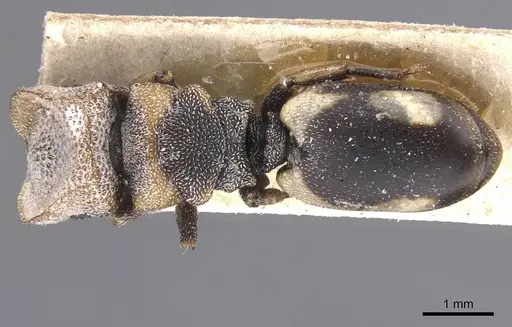
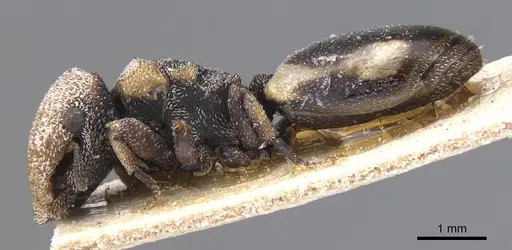
CASENT0912589
View on AntWeb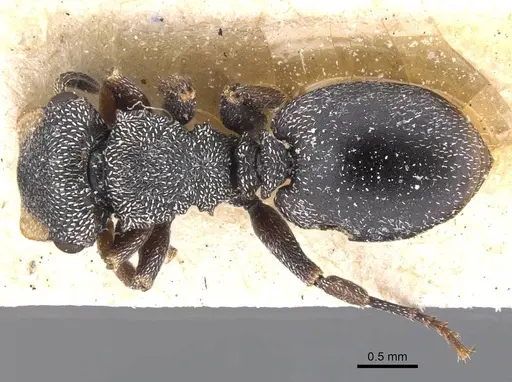
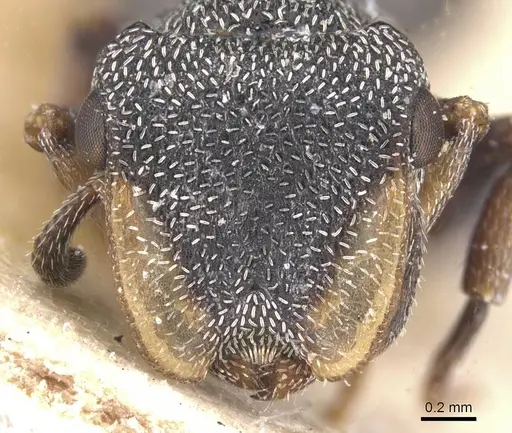
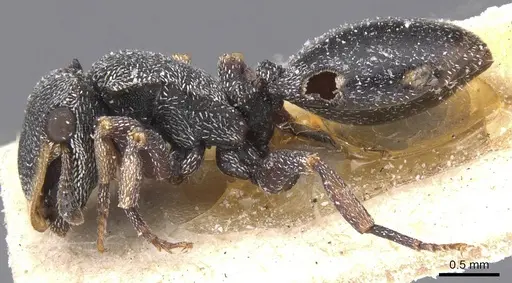
CASENT0912597
View on AntWeb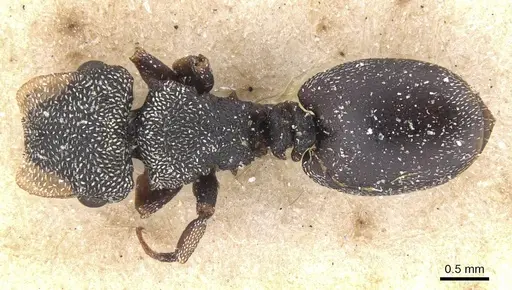
Literature
Loading...Loading products...