

Cataulacus tardus
- Scientific Name
- Cataulacus tardus
- Tribe
- Crematogastrini
- Subfamily
- Myrmicinae
- Author
- Santschi, 1914
- Distribution
- Found in 3 countries
Cataulacus tardus Overview
Cataulacus tardus is an ant species of the genus Cataulacus. It is primarily documented in 3 countries , including Congo, Democratic Republic of the, Gabon. Detailed taxonomic data and occurrence records can be further explored via authoritative databases such as AntWeb or the Global Biodiversity Information Facility (GBIF).
Cataulacus tardus
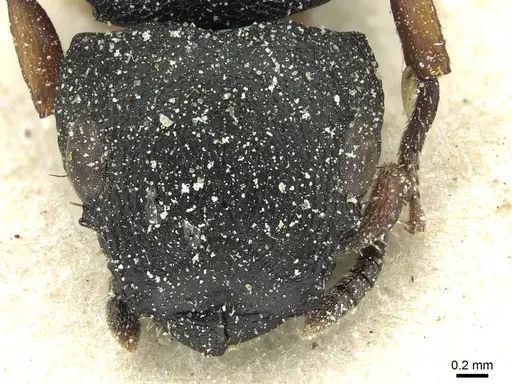
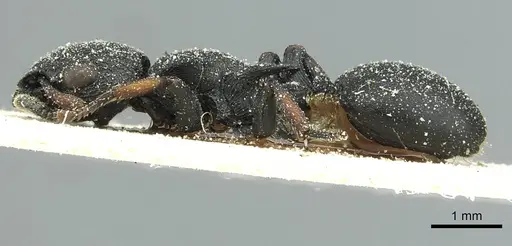
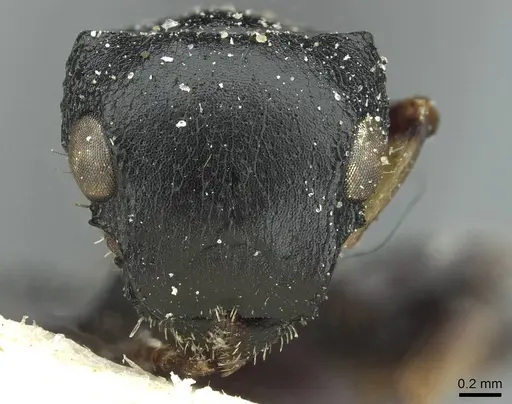
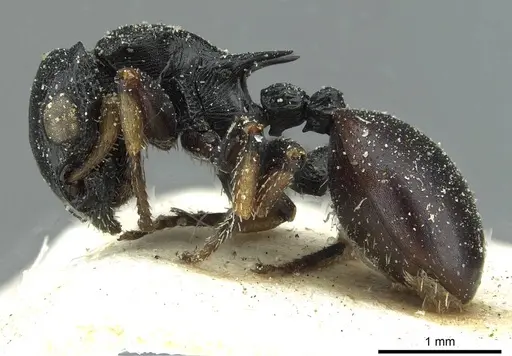
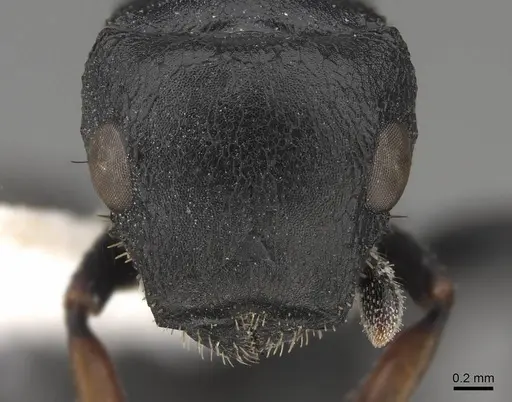
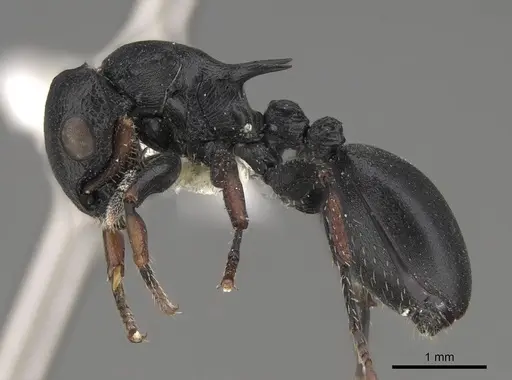
Cataulacus tardus is a medium-sized arboreal ant native to the rainforests of Central and West Africa. Workers measure 5.4-6.8mm with a distinctive stocky build, long propodeal spines, and smooth dorsal surfaces lacking hairs. They belong to the huberi species group and were previously known as Cataulacus tardus before being synonymized. These ants are canopy dwellers, nesting high in the branches of secondary forest trees where they forage among the foliage. The most remarkable feature of this species is its ability to glide, when workers fall or deliberately detach from a tree, they can direct their freefall to glide back and land on the same tree trunk, a behavior shared with other members of the tribe Crematogastrini. This makes them one of the few ants with genuine aerial maneuvering capabilities.
Quick Summary
- Difficulty: Medium
- Origin & Habitat: Rainforests of Central Africa (Democratic Republic of Congo, Congo, Gabon, Guinea, Cameroon, Ghana, Kenya). They nest in the canopy of secondary forest trees, typically found high in tree crowns [1][2].
- Colony Type: Colony structure is not well documented. Cataulacus species typically form moderate-sized colonies in arboreal nests. Based on genus patterns, likely monogyne (single queen) but this requires confirmation.
- Size & Growth:
- Queen: Not specifically documented in available literature, estimated based on worker size and genus patterns
- Worker: 5.4-6.8mm
- Colony: Unknown, likely moderate-sized colonies typical of the genus
- Growth: Unknown, likely moderate growth rate
- Development: Unconfirmed, no direct development data available for this species (Development timeline has not been studied. Based on similar tropical Myrmicinae, expect 4-8 weeks at optimal temperature.)
- Antkeeping:
- Temperature: Keep warm, around 24-28°C. As a tropical rainforest species from Central Africa, they need consistently warm conditions. A gentle gradient allowing them to move between warmer and cooler areas is ideal.
- Humidity: High humidity is essential, these are canopy ants from humid tropical forests. Keep the nest area at 70-80% humidity with good ventilation to prevent mold while maintaining moisture.
- Diapause: No, as a tropical species, they do not require hibernation or winter dormancy. Maintain consistent temperatures year-round.
- Nesting: Arboreal setup is critical. These ants naturally nest in tree branches and hollows. In captivity, they do well in vertical formicariums, acrylic nests with multiple chambers, or naturalistic setups with branches and cork bark. They need climbing structures and vertical space. Avoid ground-based test tube setups, they prefer to stay elevated.
- Behavior: These ants are relatively docile and non-aggressive. In the wild, they show subordinate behavior at food baits, avoiding conflict with more dominant species. Workers are active foragers that patrol tree branches and foliage. They are not known to sting aggressively, and their stingers are small. The most notable behavior is their gliding ability, if a worker falls from the nest tree, it can direct its fall to land back on the trunk. This means they are excellent climbers and will attempt to escape if given the opportunity. Escape prevention should focus on vertical barriers and tight-fitting lids.
- Common Issues: tropical humidity requirements mean mold can be a problem if ventilation is poor, balance is critical, arboreal nature means they need vertical space and climbing structures, ground-based nests will stress them, gliding ability and strong climbing means escape prevention must be excellent despite their larger size, limited availability in the antkeeping hobby means established care protocols are rare, wild-caught colonies may have parasites or diseases that are difficult to treat in captivity
Natural History and Unique Behaviors
Cataulacus tardus is one of the more fascinating ants you can keep due to its unique gliding ability. Research by Yanoviak and colleagues (2005,2007,2008) documented how these canopy ants can direct their freefall when they fall or deliberately detach from a tree. Unlike other insects that simply fall, these ants can maneuver mid-air to glide back and land on the same tree trunk. This behavior helps them survive in the high canopy where falling from the nest could mean certain death. In the wild, they nest in the upper branches of secondary forest trees and forage among the canopy foliage. They are subordinate at food baits, meaning they will retreat from conflicts with more dominant ant species rather than fight. This peaceful temperament carries over to captivity, they are not aggressive and pose minimal threat to keepers. [1]
Housing and Nest Setup
Because Cataulacus tardus is strictly arboreal, your housing setup must reflect their natural tree-dwelling lifestyle. These ants should not be kept in horizontal test tube setups, they will be stressed and may not thrive. Instead, use a vertical formicarium with multiple chambers, or create a naturalistic arboreal setup with cork bark, branches, and other climbing structures. Acrylic nests with tight chambers work well, as do custom-built vertical setups. The key is providing vertical space with multiple chambers at different heights. Include materials they can grip, cork bark strips, twigs, or artificial climbing surfaces. The outworld should also be vertical or include plenty of climbing opportunities. Keep the nest area humid but ensure good air circulation to prevent mold.
Temperature and Humidity
As a tropical species from Central African rainforests, Cataulacus tardus needs warm and humid conditions year-round. Maintain temperatures between 24-28°C, with a slight gradient allowing workers to move between warmer and cooler areas if they choose. Room temperature may be sufficient if your home stays in this range, but a gentle heat source on one side of the nest can help maintain consistency. Humidity should be kept high, aim for 70-80% relative humidity in the nest area. This can be achieved by including a water reservoir or moist chamber in the setup. However, ventilation is equally important to prevent mold growth. Balance moisture with airflow. Unlike temperate species, they do not need any cooling period or diapause, maintain consistent tropical conditions throughout the year.
Feeding and Diet
In the wild, Cataulacus tardus forages among the canopy for honeydew, small insects, and other arthropods. In captivity, they should be offered a varied diet including sugar sources (honey water, sugar water) and protein (small insects like fruit flies, small crickets, mealworms). As subordinate ants in the wild, they are likely not aggressive hunters and may prefer scavenging or collecting honeydew. Offer protein foods 2-3 times per week and keep a sugar source available at all times. Remove uneaten prey after 24-48 hours to prevent mold. These ants are foragers rather than hunters, so smaller, slower-moving prey items may be accepted more readily than fast-moving insects.
Handling and Temperament
Cataulacus tardus is one of the more docile ant species you can keep. They are not aggressive and their small stingers pose minimal threat to humans. Workers are active and alert, constantly patrolling their territory, but they will flee rather than fight when threatened. This makes them a good choice if you want to observe interesting behaviors without worrying about painful stings. However, do not mistake their docility for sluggishness, they are quick movers and excellent climbers. They will explore every gap and seam in their enclosure. Excellent escape prevention is essential, not because they are aggressive, but because they are skilled climbers and will find any opening. Check lids and connections regularly.
Frequently Asked Questions
Is Cataulacus tardus a good species for beginners?
Cataulacus tardus is not ideal for complete beginners due to their specific arboreal housing requirements and need for high humidity. If you are new to antkeeping, start with easier species like Lasius niger or Messor barbarus. However, if you have experience with tropical species and can provide a vertical setup with proper humidity control, they can be a rewarding species to keep.
Can I keep Cataulacus tardus in a test tube setup?
No, test tube setups are not appropriate for this species. Cataulacus tardus is an arboreal ant that naturally nests high in tree branches. They need vertical space with climbing structures. A horizontal test tube will cause stress and likely lead to poor colony health. Use a vertical formicarium or naturalistic arboreal setup instead.
Do Cataulacus tardus ants sting?
Cataulacus tardus has a stinger but it is small and they are not aggressive. They pose minimal sting risk to keepers. Their docile nature means they will flee rather than attempt to sting when handled or disturbed.
How long does it take for Cataulacus tardus to develop from egg to worker?
The exact development timeline has not been documented for this species. Based on similar tropical Myrmicinae ants, you can expect approximately 4-8 weeks from egg to first worker at optimal temperature (24-28°C). Patience is key, do not disturb the queen or nest during this critical founding period.
Do Cataulacus tardus need hibernation?
No, as a tropical species from Central Africa, they do not require hibernation or any cooling period. Maintain consistent warm temperatures (24-28°C) and humidity year-round. Simulating seasons is not necessary and could harm the colony.
What makes Cataulacus tardus special compared to other ants?
The most unique feature of Cataulacus tardus is their gliding ability. When workers fall from the canopy, they can direct their fall to glide back and land on the tree trunk. This is rare among ants and makes them fascinating to observe. They are also one of the few arboreal ants available in the hobby.
How big do Cataulacus tardus colonies get?
The maximum colony size is not well documented, but based on the genus, colonies likely reach dozens to a few hundred workers. They are not among the largest ant species, but a healthy colony should have over 100 workers at maturity.
Can I keep multiple queens together?
The colony structure of Cataulacus tardus has not been well studied. Based on typical genus patterns, they likely form single-queen colonies. Combining unrelated queens is not recommended as it has not been documented as successful for this species.
What should I feed my Cataulacus tardus colony?
Offer a varied diet including sugar sources (honey water or sugar water available at all times) and protein (small insects like fruit flies, small crickets, or mealworms). Feed protein 2-3 times per week. Remove uneaten prey after 24-48 hours to prevent mold.
Why is my Cataulacus tardus colony dying?
Common causes include: incorrect humidity (too dry or too wet without ventilation), temperatures outside their 24-28°C range, stress from ground-based housing, or poor escape prevention. Ensure you have a vertical arboreal setup with proper humidity and temperature. Check for signs of mold or stress.
References

This caresheet is licensed under CC BY-SA 4.0 .
CASENT0170303
View on AntWeb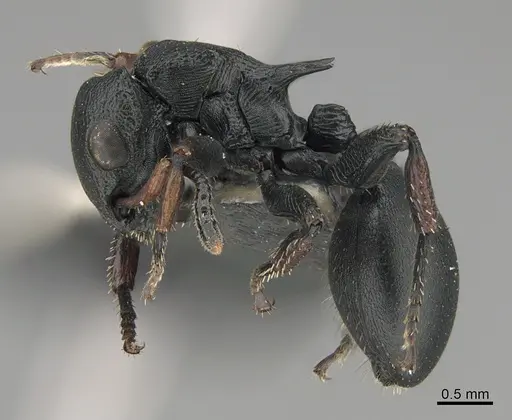
CASENT0217832
View on AntWeb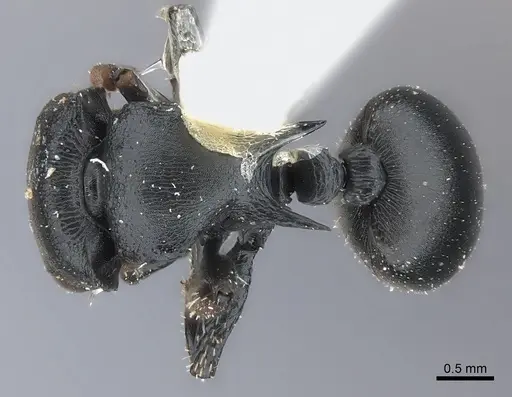
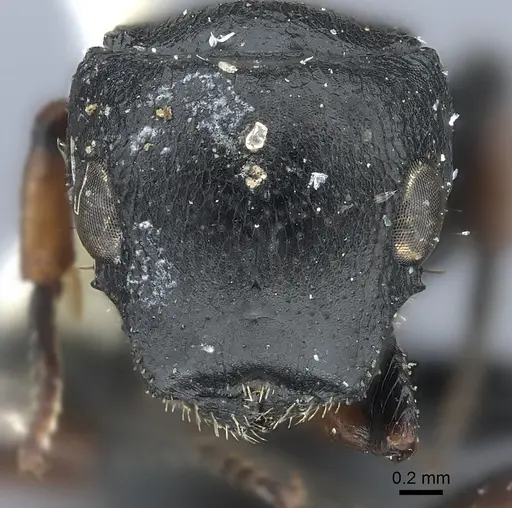
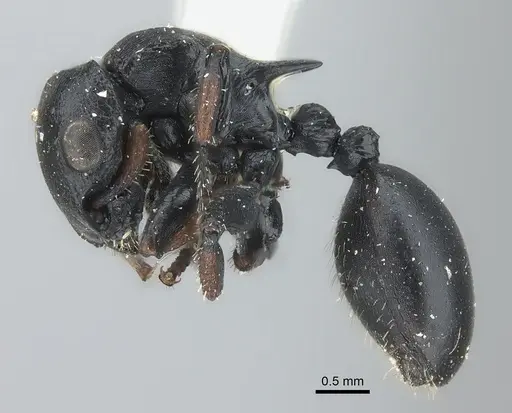
CASENT0912568
View on AntWeb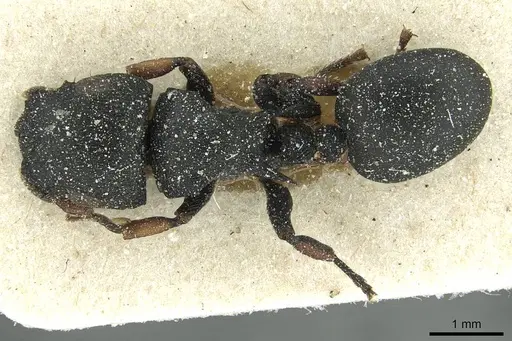
CASENT0912569
View on AntWeb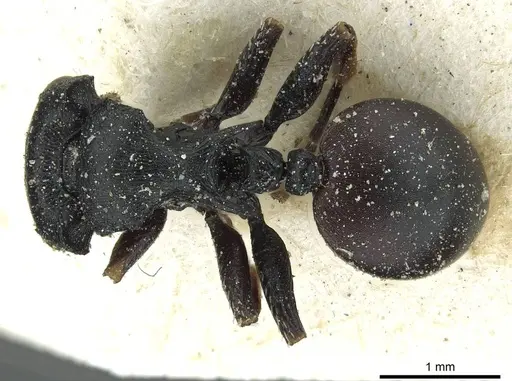
CASENT0922507
View on AntWeb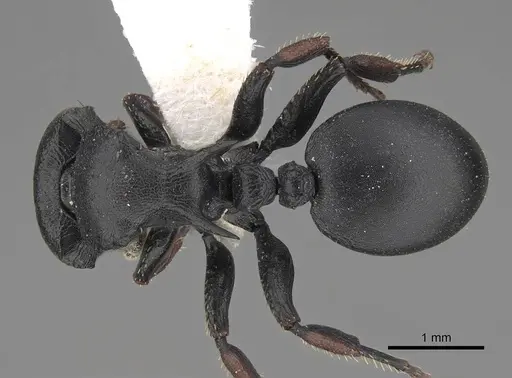
Literature
Loading...Loading products...