

Cataulacus kenyensis
- Scientific Name
- Cataulacus kenyensis
- Tribe
- Crematogastrini
- Subfamily
- Myrmicinae
- Author
- Santschi, 1935
- Distribution
- Found in 1 countries
Cataulacus kenyensis Overview
Cataulacus kenyensis is an ant species of the genus Cataulacus. It is primarily documented in 1 countries , including Rwanda. Detailed taxonomic data and occurrence records can be further explored via authoritative databases such as AntWeb or the Global Biodiversity Information Facility (GBIF).
Cataulacus kenyensis
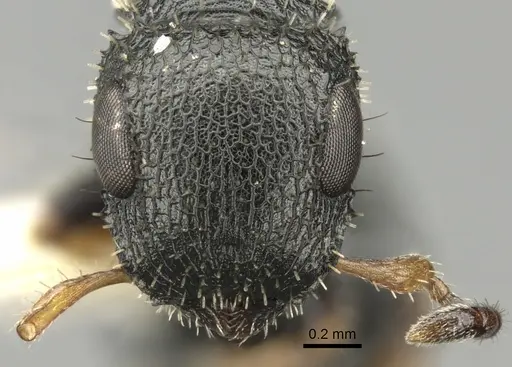
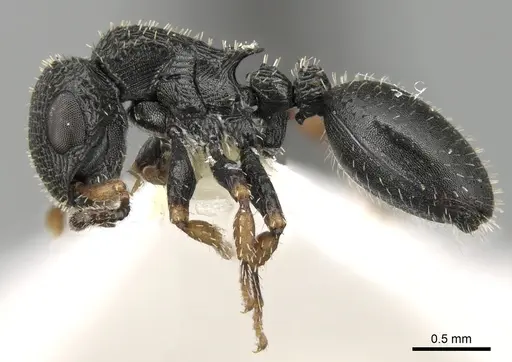
Cataulacus kenyensis is a small arboreal ant measuring around 3.6mm in total length [1]. This species belongs to the Cataulacus tenuis species group and is found across eastern Africa, including Kenya, Rwanda, and recently documented in Tanzania [1][2][3]. Workers are typically about 75% the size of the type specimens but are morphologically identical [1]. The genus Cataulacus is known for their flattened, somewhat cryptic appearance and arboreal lifestyle, these ants live in trees rather than on the ground. In their natural habitat of Kenyan and Rwandan savannah, they are found on Vachellia (acacia) trees and other savannah trees, typically in hollow twigs or under bark [1]. This species remains poorly studied in captivity, with no documented captive breeding records, making it a challenging species for antkeepers.
Quick Summary
- Difficulty: Expert
- Origin & Habitat: Eastern Africa, Kenya, Rwanda, and Tanzania. Found in savannah habitats on Vachellia (acacia) trees and other savannah trees at elevations around 1660m in Nairobi [1][2].
- Colony Type: Colony structure is unconfirmed. Based on genus patterns, likely single-queen (monogyne) colonies.
- Size & Growth:
- Queen: Unconfirmed, no documented queen measurements
- Worker: 3.6mm total length [1]
- Colony: Unknown, no colony size data available
- Growth: Unknown
- Development: Unconfirmed, no development data exists for this species (Development timeline is unstudied. Based on typical Myrmicinae patterns in tropical arboreal species, expect 4-8 weeks at warm temperatures, but this is purely estimated.)
- Antkeeping:
- Temperature: Unconfirmed, likely warm conditions based on African savannah habitat. Start around 24-28°C and observe colony activity. Provide a gentle temperature gradient.
- Humidity: Moderate, arboreal species in savannah environment. Keep nest substrate lightly moist but allow some drying between waterings. Avoid both waterlogging and complete drying.
- Diapause: Unconfirmed, likely no true diapause given the tropical/subtropical range, but may show reduced activity during cooler periods.
- Nesting: Arboreal nester, in captivity, provide vertical or diagonal nesting options like Y-tong nests, acrylic nests with narrow chambers, or setups with twigs/branches. They prefer tight, enclosed spaces scaled to their small size. Avoid horizontal test tube setups, they do best in vertical or angled configurations.
- Behavior: Arboreal and relatively docile. Based on genus behavior, they are not aggressive and lack a potent sting. Small size means escape prevention is critical, they can squeeze through very small gaps. They likely forage on trees for honeydew and small prey. Activity level is moderate. Workers are slow-moving compared to ground-nesting species.
- Common Issues: no captive breeding documentation, this species has never been documented in the antkeeping hobby, escape prevention is critical due to their very small size, lack of species-specific care information means keepers are essentially experimenting, arboreal nature requires different housing than typical ground-nesting ants, wild-caught colonies may have unknown parasites or health issues
Species Overview and Identification
Cataulacus kenyensis is a small arboreal ant belonging to the Myrmicinae subfamily. Workers measure approximately 3.6mm in total length, making them a relatively tiny species [1]. The species was originally described in 1935 by Santschi from Nairobi, Kenya, at an elevation of around 1660m [1]. It was initially classified as a subspecies of Cataulacus jeanneli but was later elevated to full species status. The species has since been recorded in Rwanda (including Akagera National Park and Nyungwe Tropical Rain Forest) and recently documented in Tanzania, representing a range extension [1][2][3]. Members of the Cataulacus genus are characterized by their somewhat flattened body and arboreal lifestyle, typically nesting in hollow twigs, under bark, or in dead wood on trees.
Natural Habitat and Distribution
This species is found across eastern Africa's savannah regions. The type locality is Nairobi, Kenya, where specimens were collected at 1660m elevation in 1932-33 [1]. In Rwanda, they have been recorded in Akagera National Park in the east and the Karamba site in Nyungwe Tropical Rain Forest in the southwest [2][3]. In Tanzania, specimens have been collected from Vachellia zanzibarica (formerly Acacia zanzibarica) and Vachellia nilotica trees, typically in May [1]. The elevation range and association with acacia trees in savannah habitats suggests they prefer warm, relatively dry conditions with access to arboreal nesting sites. The recent collection of sexuals (queen and male) in Tanzania represents the first documented records of reproductive castes for this species [1].
Housing and Nesting Requirements
As an arboreal species, Cataulacus kenyensis requires different housing than typical ground-nesting ants. In captivity, provide vertical or diagonal nest configurations rather than horizontal test tubes. Y-tong (AAC) nests or acrylic nests with narrow chambers work well for their small size. You can also create naturalistic setups with vertical twigs or branches. The nest should have tight chambers scaled to their tiny 3.6mm size, avoid large, open spaces. Since they naturally nest in hollow twigs and under bark, they prefer enclosed, tight-fitting spaces. Ensure excellent escape prevention because their small size allows them to squeeze through standard barrier gaps. Use fine mesh and tight-fitting lids. Provide an outworld with branches or vertical surfaces for foraging, as they naturally traverse trees.
Feeding and Diet
The specific diet of Cataulacus kenyensis is unstudied, but based on genus patterns and their arboreal lifestyle, they likely feed on honeydew from aphids and scale insects, plus small insects they can capture on trees. In captivity, offer sugar water or honey diluted with water as a constant energy source. For protein, provide small live prey appropriate to their size, fruit flies, pinhead crickets, or small mealworms. They are unlikely to accept large prey items. Feed protein sources 2-3 times per week, and keep sugar water available at all times. Remove uneaten prey after 24-48 hours to prevent mold. Their small size means even tiny prey items represent significant meals.
Temperature and Seasonal Care
Temperature requirements are unconfirmed for this species, but their African savannah distribution suggests they prefer warm conditions. Start around 24-28°C and monitor colony behavior, if workers cluster near heat sources, increase slightly, if they avoid heated areas, reduce temperature. Provide a temperature gradient so ants can self-regulate. A heating cable on one side of the nest can create this gradient. Regarding diapause or winter rest, their tropical/subtropical range suggests they likely do not require a true hibernation period. However, they may show reduced activity during cooler periods. Maintain consistent warmth year-round. Avoid temperatures below 18°C or above 35°C.
Challenges and Limitations
Cataulacus kenyensis represents a significant challenge for antkeepers because virtually no captive care information exists for this species. The AntWiki explicitly states that nothing is known about the biology of Cataulacus kenyensis. This means keepers are essentially pioneering captive husbandry for this species with no established protocols to follow. There are no documented captive breeding records, no development timelines, and no confirmed dietary preferences. Success with this species would require careful observation and experimentation. Additionally, their very small size makes escape prevention critical and can complicate feeding. This species is best suited for experienced antkeepers who enjoy the challenge of working with poorly documented species and can invest time in careful experimentation.
Frequently Asked Questions
Is Cataulacus kenyensis a good species for beginners?
No, this species is not recommended for beginners. It is considered an Expert-level species because virtually nothing is known about its captive care requirements. There are no established care protocols, no documented captive breeding records, and no development timelines to guide keepers. You would essentially be experimenting from scratch.
How long does it take for Cataulacus kenyensis to develop from egg to worker?
The development timeline is completely unconfirmed for this species, no research has documented their development. Based on typical Myrmicinae patterns for small tropical arboreal ants, a rough estimate would be 4-8 weeks at warm temperatures (around 26-28°C), but this is purely speculative.
What size colony does Cataulacus kenyensis reach?
Colony size is unknown. No research has documented maximum colony sizes for this species. Related Cataulacus species typically form moderate-sized colonies, but specific numbers are unavailable.
Can I keep Cataulacus kenyensis in a test tube setup?
Standard horizontal test tubes are not ideal for this arboreal species. They prefer vertical or diagonal nesting configurations that mimic their natural tree-dwelling habitat. Use Y-tong nests, acrylic nests, or setups with vertical twigs/branches instead.
Do Cataulacus kenyensis ants sting?
Cataulacus species are not known for having a potent sting. They are relatively docile arboreal ants. However, their small size means any sting would be minimal, and they are not considered dangerous to humans.
What do Cataulacus kenyensis eat?
Specific dietary preferences are unconfirmed, but based on genus behavior, they likely accept sugar sources (honey water, sugar water) and small live prey (fruit flies, tiny insects). Offer sugar water constantly and small protein prey 2-3 times per week.
Do Cataulacus kenyensis need hibernation?
Diapause requirements are unconfirmed, but their African savannah distribution suggests they likely do not require a true hibernation period. Maintain consistent warm temperatures year-round rather than attempting to induce dormancy.
How do I prevent Cataulacus kenyensis from escaping?
Escape prevention is critical due to their very small 3.6mm size. Use fine mesh on all ventilation holes, ensure lids fit tightly, and apply barrier methods like fluon to the edges of the outworld. Even tiny gaps that would not concern larger ants can allow these small ants to escape.
Can I keep multiple queens of Cataulacus kenyensis together?
Colony structure (monogyne vs polygyne) is unconfirmed for this species. There is no data on whether they accept multiple queens or how they establish colonies. Do not attempt combining unrelated queens without documented evidence that this works.
References

This caresheet is licensed under CC BY-SA 4.0 .
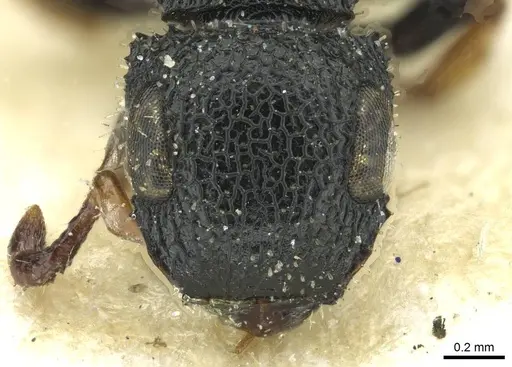
CASENT0280808
View on AntWeb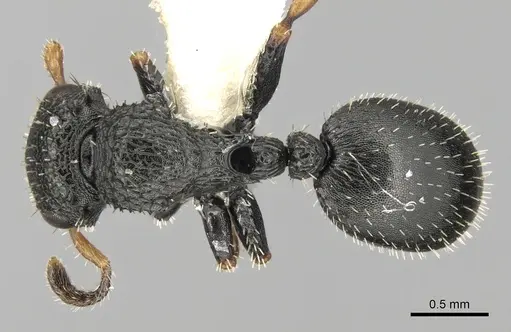
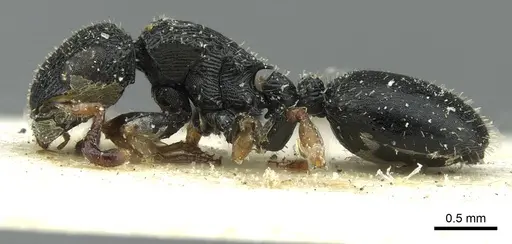
CASENT0912560
View on AntWeb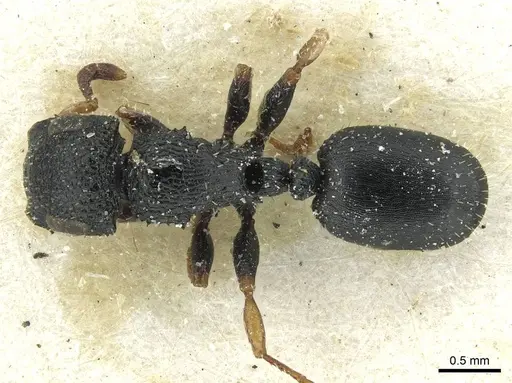
Literature
Loading...Loading products...