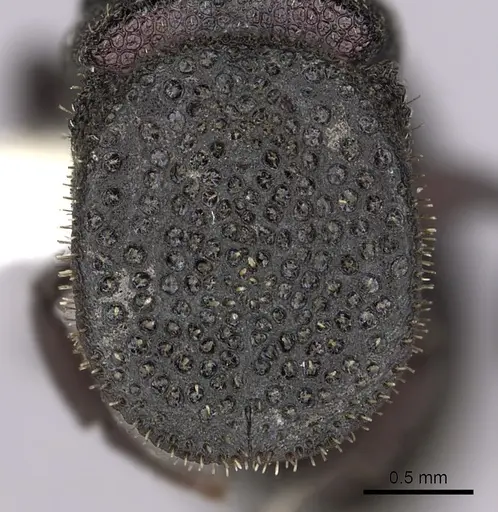
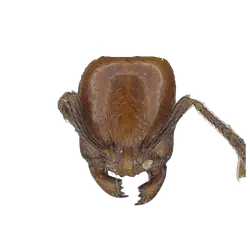
Cephalotes porrasi - "Turtle Ant (a specific species within the Cephalotes genus)"
Cephalotes porrasi, commonly known as a turtle ant, is a fascinating arboreal ant species found in Central and South American rainforests. These ants are known for their unique morphology, particularly the highly specialized, disk-shaped heads of their soldier caste. Minor workers also have distinctive features, including eyes positioned behind a scrobe and a deep, rounded excision on the side of their head. These ants are generally reddish-brown to black in color. A remarkable characteristic of Cephalotes workers is their ability to 'parachute' or steer their fall if they drop from a tree, a behavior also classifying them as 'gliding ants'. They typically nest in pre-existing cavities within dead wood or hollow twigs. They are often found foraging on treefalls or low vegetation.
- Difficulty: Medium
- Origin & Habitat: Central and South America (Mexico, Belize, Nicaragua, Costa Rica, Panama, Colombia, Ecuador) in Rainforest habitats, particularly lowland rainforests and various wet forest types. They are arboreal, nesting in dead stems, hollow twigs, and pre-formed cavities within wood. They can also be found in acacia trees along watercourses and on low vegetation..
- Colony Type: Monogyne (primarily, though some cases of multiple queens have been observed in related Cephalotes species), claustral (based on typical cephalotes founding behavior, though specific details for c. porrasi are limited) founding.
- Size & Growth:
- Queen: 7.4-8.2mm
- Worker: 3.44-4.34mm
- Colony: Medium (hundreds to thousands, with some Cephalotes species reaching over 10,000 workers). Slow to Medium (due to specialized nesting and diet, growth can be slower than more generalist species) growth.
- Antkeeping:
- Temperature: Maintain a temperature range of 22-28°C for optimal activity and brood development. A slight gradient, with a warmer side for the brood, is beneficial..
- Humidity: Aim for a humidity range of 60-80% in the nest, with higher humidity preferred where the brood is kept. They are found in rainforests, so consistent moisture is important..
- Diapause: Not required. Not specified at Not specified.
- Nesting: These ants are arboreal and nest in pre-formed cavities in dead wood or hollow stems. For captive setups, cork nests, natural wood setups, or specialized acrylic nests designed to mimic tree cavities are ideal. They utilize their soldier's disc-shaped heads to plug nest entrances, so ensure nest entrances are appropriately sized..
- Behavior: Low (generally not aggressive towards handlers, primarily defensive using phragmosis) aggressiveness.
- Common Issues: Humidity fluctuations, Finding suitable nesting material, Dietary challenges (ensuring a varied and appropriate diet), Mold in nest (due to high humidity requirements if ventilation is poor).
Cephalotes porrasi, like other turtle ants, are highly specialized in their nesting habits. They don't excavate their own nests, instead relying on pre-existing cavities in dead wood or hollow twigs. This phragmotic behavior, where the soldier's unique disc-shaped head acts as a 'living door' to block the nest entrance, is a critical defense mechanism. When setting up a formicarium, it's crucial to provide nest entrances that match the size of their soldiers' heads to allow them to exhibit this natural and essential defensive behavior effectively. This adaptation is a testament to their ecological specialization.
Their diet in the wild primarily consists of various arboreal resources. While some Cephalotes species are known to consume pollen and liquids like bird feces or extrafloral nectaries, they are generally considered omnivores and scavengers. In captivity, a varied diet is key. Offer a mix of sugar sources like honey water or fruit, along with protein from small feeder insects. Some keepers have noted success with bird droppings and pollen substitutes as well. Observing their feeding habits will help tailor their diet to their specific needs.
A unique aspect of Cephalotes porrasi, and other gliding ants, is their remarkable ability to 'parachute' or steer their fall if they lose their footing high in the canopy. This aerial descent is a fascinating adaptation to their arboreal lifestyle, allowing them to control their descent and land safely on a tree trunk rather than falling to the forest floor. While this behavior isn't directly observable in a standard formicarium, it highlights their specialized adaptations to life in the treetops.
Turtle ants are known to have a peculiar proventriculus, a part of their digestive system, which is structured like a powerful pump and filter. This morphology has led to suggestions that it aids in processing pollen, although they are not strictly specialized pollen feeders. This unique internal anatomy, combined with their external armor, makes them a truly unique ant species to observe and care for. Understanding these biological quirks can help in providing the best possible environment for their long-term health and growth.
The soldier caste in Cephalotes porrasi plays a crucial role beyond just plugging nest entrances. Their specialized head morphology is an adaptation linked to defending very specific types of nesting resources in nature. This means that providing them with appropriate nesting materials, such as cork or wood with pre-drilled holes that allow for this phragmotic defense, is essential for their well-being and the success of the colony. Colonies are known to select nesting sites that maximize soldier performance, emphasizing the importance of suitable housing.
Frequently Asked Questions
What makes Cephalotes porrasi a 'turtle ant'?
Cephalotes porrasi, like other 'turtle ants,' gets its common name from the heavily armored, flattened bodies and the unique disc-shaped heads of their soldiers. These specialized heads are used to plug nest entrances, resembling a turtle withdrawing into its shell. This defensive strategy is known as phragmosis.
Are Cephalotes porrasi difficult to keep for a beginner antkeeper?
Cephalotes porrasi are generally considered a 'Medium' difficulty species for antkeepers. Their specific requirements for humidity, temperature, and specialized nesting materials make them a bit more challenging than common beginner species. However, with proper research and setup, they can be a rewarding species to keep.
What do Cephalotes porrasi eat in captivity?
In the wild, Cephalotes porrasi are omnivores and scavengers, feeding on things like pollen, bird feces, extrafloral nectaries, and carrion. In captivity, you should offer a varied diet including sugar sources (honey water, fruit) and protein (small feeder insects like roaches or mealworms). Some keepers also experiment with pollen substitutes.
Do Cephalotes porrasi sting or bite?
Cephalotes porrasi are not known to sting. They are generally not aggressive towards handlers. Their primary defense mechanism is their phragmotic soldier caste, which blocks nest entrances, and their hard, armored bodies provide protection.
What kind of nest is best for Cephalotes porrasi?
Given their arboreal nature and phragmotic defense, Cephalotes porrasi thrive in nests that mimic natural tree cavities. Cork nests, natural wood setups with pre-drilled holes, or specialized acrylic formicaria designed with appropriate entrance sizes are ideal. The key is to allow their soldiers to effectively plug the entrance.
Do Cephalotes porrasi require diapause (hibernation)?
No, Cephalotes porrasi are tropical ants and do not require diapause or a hibernation period. Consistent warm temperatures and humidity are necessary year-round to mimic their natural rainforest habitat.
How large do Cephalotes porrasi colonies get?
Cephalotes porrasi colonies can reach a medium size, typically numbering in the hundreds to a few thousand workers. While some related Cephalotes species can grow quite large (over 10,000 workers), C. porrasi colonies are generally not considered supercolonies.
Why are Cephalotes workers called 'gliding ants'?
Cephalotes workers, including C. porrasi, are often called 'gliding ants' because of their remarkable ability to control their fall if they drop from a tree. They can 'parachute' or steer their descent, allowing them to land safely on a tree trunk rather than falling to the ground, a vital adaptation for their arboreal lifestyle.
What humidity levels are best for Cephalotes porrasi?
Maintaining a high humidity level is crucial for Cephalotes porrasi, ideally between 60% and 80% within the nest. They naturally inhabit humid rainforest environments, so consistent moisture is vital for their well-being and brood development.
How quickly do Cephalotes porrasi colonies grow?
Cephalotes porrasi colonies generally exhibit a slow to medium growth rate. Their specialized dietary needs and nesting habits contribute to a slower development compared to more generalized ant species. Patience is key when observing the growth of a Cephalotes porrasi colony.