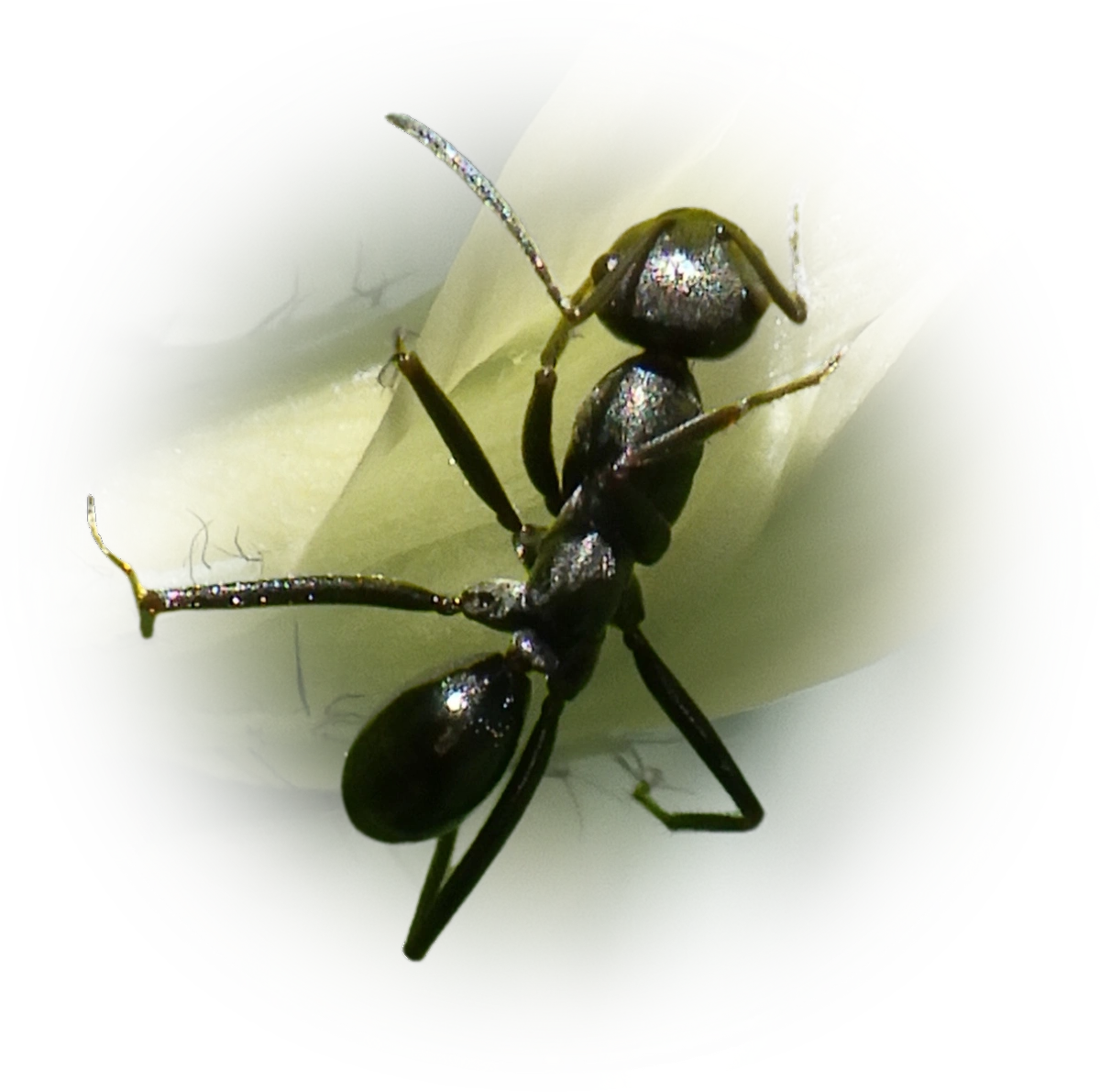
Cataglyphis acutinodis - "Desert Ant"
Cataglyphis acutinodis is a fascinating desert ant species, part of the well-known Cataglyphis genus, celebrated for its remarkable adaptations to extreme arid environments. These ants are highly thermophilic, meaning they thrive in very hot conditions, often foraging when other creatures seek shade. Workers exhibit polymorphism, varying significantly in size within a colony, from smaller minors to larger majors, each contributing to the colony's diverse tasks. They are recognized by their long legs, slender bodies, and exceptional speed, allowing them to traverse scorching sands efficiently. Their unique navigational abilities, utilizing sun position and even counting steps, make them true masters of their harsh habitats.
- Difficulty: Medium
- Origin & Habitat: Palearctic region, spanning arid and semi-arid zones including the Sahara Desert, Mediterranean basin, Near East, Middle East, Arabian Peninsula, and Central Asia. in Dry, hot, and open habitats, typically constructing their nests deep underground in sandy or well-drained soil, often in areas exposed to direct sunlight..
- Colony Type: Typically monogyne (single queen), though some Cataglyphis species can be polygyne., semi-claustral (queen may forage for food during the founding stage, though some species are claustral). founding.
- Size & Growth:
- Queen: 14-18mm
- Worker: 5-15mm
- Colony: Medium (hundreds to a few thousand individuals).. Medium growth.
- Antkeeping:
- Temperature: Maintain a nest temperature of 24-28°C. Their outworld can benefit from a warmer gradient, ranging from 25-35°C, simulating the desert heat they naturally experience..
- Humidity: Keep humidity low in the outworld (around 30-50%) and moderate within the nest (50-70%). A dry environment is crucial, but a slight moisture gradient in part of the nest is beneficial for brood development..
- Diapause: Required. 2-4 months at 15-20°C.
- Nesting: These ants prefer nests with a sand or soil substrate, allowing them to excavate their deep and intricate tunnel systems. Glass or acrylic nests with a deep substrate layer are ideal. Provide a spacious outworld..
- Behavior: Medium (towards other ant species, especially in nest defense) aggressiveness.
- Common Issues: Mold in nest, Humidity fluctuations, Colony stalling if conditions are not met, Destructive excavation habits, Maintaining high temperatures consistently.
One of the most remarkable traits of Cataglyphis acutinodis, and the Cataglyphis genus as a whole, is their incredible thermotolerance. These desert dwellers are active during the hottest parts of the day, scavenging for insects that have succumbed to the heat. In captivity, this means they truly thrive with a warm setup, often requiring a heated section in their outworld to mimic their natural foraging conditions. Providing a heat lamp over a portion of their outworld can encourage their natural behaviors and keep them highly active.
Their sophisticated navigation system is another point of fascination. Cataglyphis ants are known to use the sun's position and polarized light patterns as a compass, and even possess an internal 'pedometer' to count their steps and calculate the distance traveled. This allows them to embark on long, winding foraging trips and then return directly to their nest in a straight line. Observing this precise navigation in a large outworld can be a truly rewarding aspect of keeping them.
Cataglyphis acutinodis workers are highly polymorphic, displaying a wide range of sizes from small minors to large majors. This caste diversity contributes to an efficient division of labor within the colony, with different sized workers specializing in various tasks. While they don't sting, their large size and aggressive nature towards other ant species, especially during nest defense, mean they should be kept isolated from other colonies.
Be mindful of their destructive tendencies in captivity. These ants are skilled excavators and can be quite adept at stuffing substrates into water sources or disrupting carefully arranged outworld decor. Ensuring feeders are secure and using a substrate that can handle their industrious tunneling will save you some headaches. They also require a steady supply of protein, thriving on various small insects, and should always have access to clean water.
Frequently Asked Questions
What's the best setup for a Cataglyphis acutinodis colony?
For these desert sprinters, a formicarium with a deep sand or soil substrate is key. They love to dig, so ample space for tunneling is essential. A large outworld with a heat gradient, mimicking their natural arid environment, will encourage their active foraging behavior. Make sure your feeders are secure, as these ants can be quite industrious with substrate placement!
How do Cataglyphis acutinodis queens establish their colonies?
Cataglyphis acutinodis queens typically found their colonies semi-claustrally. This means the queen might venture out of her initial chamber to forage for food during the founding stage, unlike fully claustral queens who rely solely on stored energy. This behavior is a fascinating peek into their survival strategies in harsh conditions.
Do Cataglyphis acutinodis workers come in different sizes?
Absolutely! Like many species in the Cataglyphis genus, C. acutinodis exhibits polymorphism among its workers. You'll observe minors, media, and majors, with the larger workers often taking on different roles within the colony, such as defending the nest or processing larger food items. It adds a wonderful dynamic to observing your ant colony.
What should I feed my Cataglyphis acutinodis ants?
Being desert scavengers, Cataglyphis acutinodis thrive on a diet rich in protein. Small insects like fruit flies, crickets, and mealworms are perfect. For their carbohydrate needs, offer liquid sugars, like diluted honey or sugar water. Remember, they're not huge fans of standing water in the outworld, so a cotton ball soaked in sugar water or a dedicated liquid feeder is ideal.
Do these desert ants need to hibernate?
Yes, a diapause period is generally beneficial, if not required, for Cataglyphis acutinodis to complete their life cycle effectively. A cooler period for about 2 to 4 months, with temperatures between 15-20°C, can help reset their biological clock and ensure a healthy, productive colony in the following active season.
Are Cataglyphis acutinodis aggressive towards handlers or other ants?
While they are not known to sting, Cataglyphis acutinodis can display medium aggressiveness, particularly towards other ant species if their territories overlap. This behavior is more about defending their nest and resources. Towards handlers, they are generally skittish and fast-moving rather than aggressive, though caution is always advised when interacting with any ant colony.
How do Cataglyphis acutinodis navigate in such hot environments?
Their navigation is truly incredible! These 'master navigators' use celestial cues, primarily the position of the sun and the patterns of polarized light in the sky, as a compass. They also have an impressive ability to 'count' their steps, allowing them to accurately calculate the distance from their nest, even after complex foraging paths. This allows them to make a bee-line back to their home, minimizing exposure to the intense heat.
What are the optimal temperature and humidity levels for Cataglyphis acutinodis?
For optimal health and activity, maintain the nest area between 24-28°C. Their outworld can be warmer, up to 30-35°C, providing a heat gradient for them to regulate their body temperature. Humidity should be on the lower side in the outworld (30-50%) and moderate within the nest (50-70%), as they are adapted to arid conditions.
Can Cataglyphis acutinodis climb smooth surfaces like glass or acrylic?
Cataglyphis ants are generally not the best climbers on perfectly smooth surfaces like glass or acrylic. They can struggle and often fall, making audible 'taps' as they hit the ground. This characteristic can be an advantage for containment, but it's always wise to use an appropriate barrier like fluon or talcum powder around the rim of your outworld for extra security.
What makes Cataglyphis ants so tolerant to heat?
Cataglyphis ants have evolved several remarkable adaptations to tolerate extreme heat. Physiologically, they can sustain very high body temperatures, even above 50°C, partly due to the presence of special 'heat shock proteins'. Behaviorally, they employ 'cooling-off' breaks during foraging, where they pause to shed excess heat. Their long legs also help by keeping their bodies further from the scorching hot ground, and some species can even raise their gaster for better mobility and potentially heat dissipation.