

Cataglyphis isis
- Scientific Name
- Cataglyphis isis
- Tribe
- Formicini
- Subfamily
- Formicinae
- Author
- Forel, 1913
- Distribution
- Found in 2 countries
Cataglyphis isis Overview
Cataglyphis isis is an ant species of the genus Cataglyphis. It is primarily documented in 2 countries , including Egypt, Israel. Detailed taxonomic data and occurrence records can be further explored via authoritative databases such as AntWeb or the Global Biodiversity Information Facility (GBIF).
Cataglyphis isis
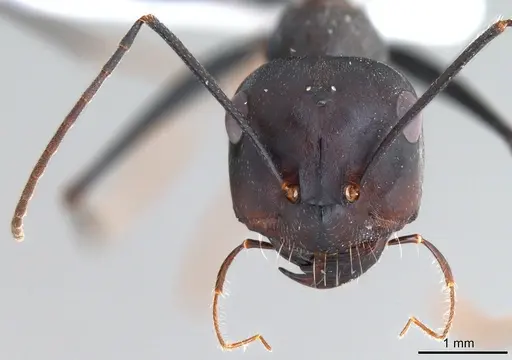
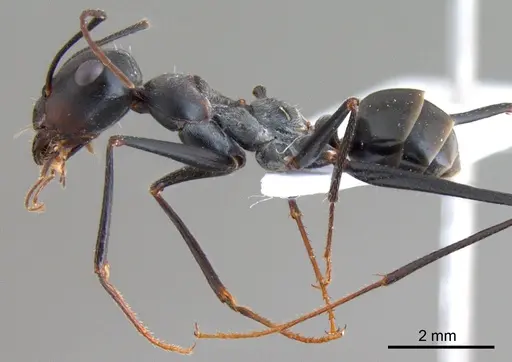
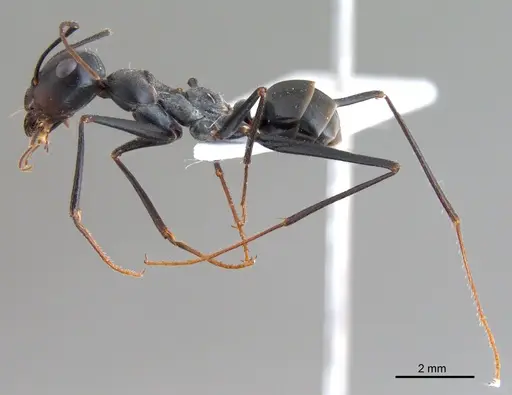
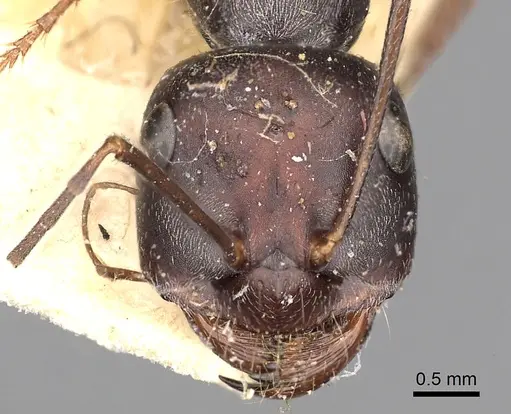
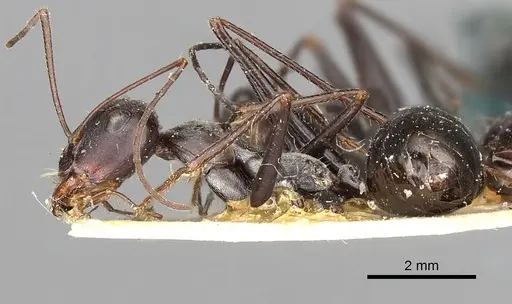
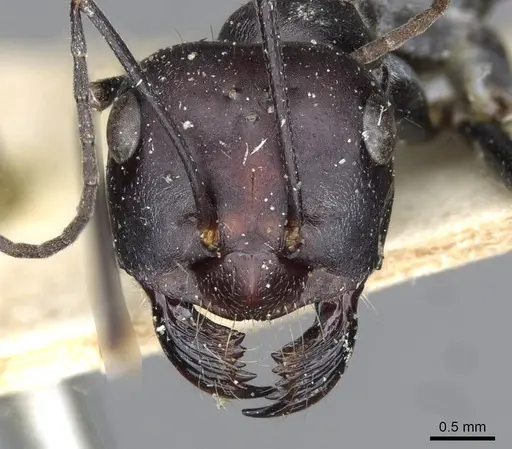
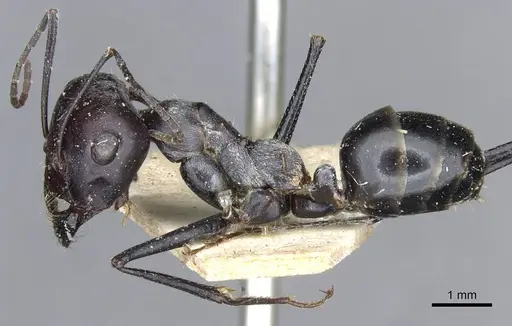
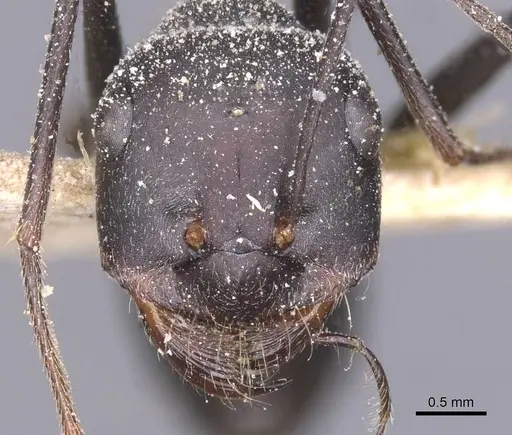
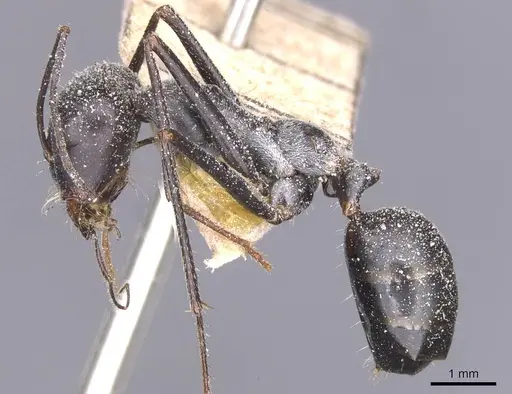
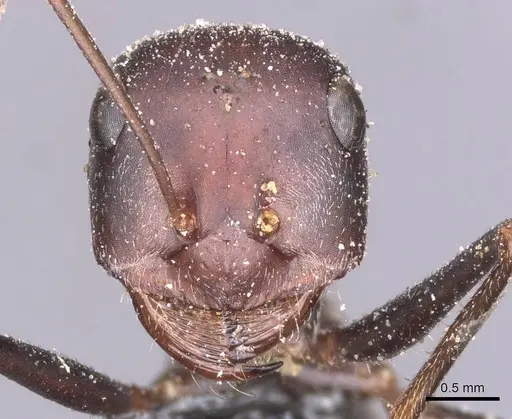
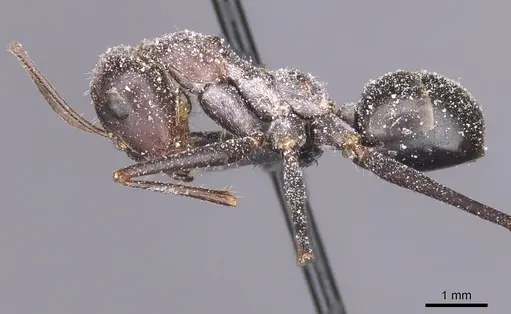
Cataglyphis isis is a medium-sized desert ant belonging to the bicolor species group. Workers measure 5.0-9.6mm with a relatively broad head compared to related species [1]. This ant shows remarkable color variation across its range, specimens range from nearly black to dark brown, with some populations displaying a bright red spot on the forehead [1]. The gaster is slightly shiny while the mesosoma and petiole have dense whitish appressed pubescence [2]. Originally described from Egypt, this species has been recorded across the Middle East from Egypt through Sinai, Saudi Arabia, Oman, UAE, Iraq, Iran, and Israel [3][4]. In Israel, they inhabit the Dead Sea area, central and southern Negev, and the Arava Valley [1]. These ants are fast-running desert foragers, typical of the Cataglyphis genus, and are well-adapted to arid conditions.
Quick Summary
- Difficulty: Medium
- Origin & Habitat: Desert and arid regions of the Middle East and Arabian Peninsula. Found in Egypt, Israel, Saudi Arabia, Oman, UAE, Iraq, and Iran. In Israel they inhabit the Dead Sea area, central and southern Negev, and Arava Valley [1]. Indicator species for Coastal desert habitat in Iran [5].
- Colony Type: Colony structure is not well documented in scientific literature. Based on related species in the bicolor group, likely single-queen (monogyne) colonies. Further research needed to confirm colony structure.
- Size & Growth:
- Queen: Estimated 10-12mm based on genus patterns, queens are larger than workers which reach up to 9.6mm [1].
- Worker: 5.0-9.6mm [1].
- Colony: Likely several hundred workers based on typical Cataglyphis colony sizes.
- Growth: Moderate, development times for related species suggest 6-10 weeks from egg to first worker.
- Development: Estimated 6-10 weeks at optimal temperature based on genus-level data for related bicolor-group species. (Development time is estimated from related Cataglyphis species, specific data for C. isis is not available.)
- Antkeeping:
- Temperature: Warm conditions required, desert species adapted to high temperatures. Aim for 26-32°C in the nest area with a thermal gradient. They tolerate and prefer hot conditions typical of their desert habitat.
- Humidity: Low humidity, keep nest area dry, mimicking desert conditions. Provide a humid water reservoir only, not a moist substrate throughout. Target 30-50% humidity in the outworld.
- Diapause: Likely minimal or no true diapause, desert species may have reduced activity periods during extreme heat rather than cold-induced hibernation. Keep at warm temperatures year-round.
- Nesting: Use dry nest setups, plaster, Y-tong (AAC), or acrylic nests work well. Avoid moist substrates. Provide a temperature gradient so ants can regulate their own warmth. These are surface-foraging desert ants that don't need deep tunnels.
- Behavior: Active and fast-moving foragers. Like other Cataglyphis species, they are aggressive hunters and scavengers. Workers venture far from the nest to search for food. They are well-adapted to hot, dry conditions and will thrive when given access to warmth. Escape prevention should be moderate, while not extremely small, their speed makes containment important. They likely have good escape-checking behavior typical of the genus.
- Common Issues: desert species can die from excessive humidity, keep nesting area dry, overheating can be a risk if temperatures exceed 35°C consistently, fast movement makes them prone to escaping if container lids aren't secure, wild-caught colonies may struggle to adapt to captive conditions if collected from extreme habitats, colonies may be stressed by handling during transport
Natural History and Distribution
Cataglyphis isis is a desert ant species native to the Middle East and Arabian Peninsula. Its range extends from Egypt (the type locality) through Sinai, Saudi Arabia, Oman, United Arab Emirates, Iraq, Iran, and Israel [3][1]. In Israel, these ants are found in the Dead Sea area, central and southern Negev, and the Arava Valley, all extremely arid regions [1]. The species was first recorded in the UAE in 2005 at Al-Ain zoo, representing a new record for the country [4]. Genetic studies confirm C. isis as a distinct species within the bicolor complex, with significant genetic divergence from related species like C. holgerseni and C. savignyi [6]. The mtDNA lineage spans the southern Negev region, and there may be cryptic species within what is currently classified as C. isis due to high mitochondrial diversity [6].
Temperature and Heating Requirements
As a desert species from hot, arid regions, Cataglyphis isis requires warm conditions to thrive. These ants are adapted to temperatures that would kill many other ant species, think of the scorching sand temperatures in Middle Eastern deserts. Keep the nest area at 26-32°C, with the warmer end around 30°C being ideal for brood development. Provide a thermal gradient so workers can move between warmer and cooler areas as needed. A heating cable or heating mat placed on one side of the nest works well, just be careful not to overheat one area. Avoid temperatures above 35°C consistently, as this can stress or kill the colony. Room temperature alone is likely too cool for optimal development, supplemental heating is recommended. The outworld can be at room temperature, but the nest chamber should be heated.
Humidity and Nest Setup
Cataglyphis isis is a desert ant that prefers dry conditions. Unlike rainforest ants that need constant moisture, this species has evolved to survive in arid environments with minimal water availability. Keep the nest substrate relatively dry, a small water reservoir (like a test tube with cotton) provides enough moisture without creating the damp conditions that would harm these ants. Humidity in the 30-50% range is appropriate for the outworld. For nesting, dry setups work best, Y-tong (AAC) nests, plaster nests, or acrylic nests with limited water channels are all suitable. Avoid naturalistic setups with moist soil. The key is to provide a dry, warm nest environment that mimics the desert conditions these ants naturally inhabit.
Feeding and Diet
Like other Cataglyphis species, C. isis is an active forager and predator. In the wild, these ants scavenge and hunt for small insects and other arthropods in the desert. They are well-known for their speed, covering large distances in search of food. In captivity, offer a varied diet including small live insects like fruit flies, pinhead crickets, and mealworms. They will also accept protein-based foods like boiled egg or cat food. Sugar sources like honey water or sugar water should be offered regularly, these ants need carbohydrates for energy. Feed them every 2-3 days, removing any uneaten food to prevent mold. Fresh water should always be available.
Behavior and Colony Dynamics
Cataglyphis isis workers are fast-moving and highly active, characteristic of the genus. They are efficient foragers that will travel significant distances from the nest to find food. The species shows color variation across its range, some populations are nearly black while others are lighter brown, and some have distinctive red markings on the head [1]. Colonies likely grow to several hundred workers over time, though specific colony size data is not available. Workers are aggressive foragers and will defend their colony if threatened. Unlike some ants that are shy or nocturnal, these desert ants are bold daytime foragers, active during the hottest parts of the day when many predators are inactive.
Acclimation and Handling
Wild-caught colonies of C. isis may take time to acclimate to captive conditions. These ants come from extreme desert environments, so the transition to a controlled captive setting can be stressful. When establishing a new colony, minimize disturbances during the first few weeks. Ensure the temperature and humidity are appropriate from day one, getting these right helps the colony settle faster. If you receive a colony that seems sluggish, gradually warm the nest area. Avoid frequent nest inspections until the colony shows clear signs of established activity. With patience, these ants can thrive in captivity and produce workers for years.
Frequently Asked Questions
How long does it take for Cataglyphis isis to produce first workers?
Based on related species in the bicolor group, expect 6-10 weeks from egg to first worker at optimal temperatures (around 28-30°C). This is an estimate since specific development data for C. isis is not available.
What temperature do Cataglyphis isis ants need?
Keep nest temperatures between 26-32°C, with 28-30°C being ideal. These are desert ants adapted to hot conditions, so they need warmth year-round. A heating cable or mat on one side of the nest creates the necessary thermal gradient.
Do Cataglyphis isis ants need hibernation?
No, as a desert species from hot regions, they do not require cold hibernation. Keep them warm throughout the year. They may have reduced activity during extreme heat periods but this is not a true diapause.
What do Cataglyphis isis ants eat?
They are active foragers that need a varied diet. Offer small live insects (fruit flies, pinhead crickets, mealworms) as primary protein, along with sugar sources (honey water, sugar water) for energy. They will also accept boiled egg, cat food, or other protein-based foods.
Are Cataglyphis isis good for beginners?
Medium difficulty, they are not the hardest species but do have specific needs. The main challenges are providing proper warmth and keeping humidity low. If you can maintain warm, dry conditions consistently, they can be a rewarding species to keep.
How big do Cataglyphis isis colonies get?
Based on related species, colonies likely reach several hundred workers over time. Specific maximum colony size for C. isis is not documented, but the genus typically produces moderate-sized colonies.
Can I keep multiple Cataglyphis isis queens together?
The colony structure is not well-documented for this species. Based on related species in the bicolor group, they are likely single-queen colonies. Combining unrelated queens is not recommended without evidence they can coexist successfully.
What humidity level do Cataglyphis isis need?
Keep humidity low, around 30-50% in the outworld, with the nest area being relatively dry. These are desert ants that can die from excessive moisture. A small water reservoir provides enough drinking water without creating damp conditions.
When should I move Cataglyphis isis to a formicarium?
Wait until the colony has at least 20-30 workers and is actively foraging. For a claustral founding colony, keep them in a test tube setup until the first workers (nanitics) appear and the colony grows. Once they need more space for brood and food storage, you can transition to a proper nest.
Why is my Cataglyphis isis colony dying?
The most common causes are: too high humidity (desert ants die in damp conditions), temperatures too cool (below 24°C slows development), or stress from excessive disturbance. Check that your setup provides dry, warm conditions and minimize handling of the colony.
Are Cataglyphis isis escape artists?
They are fast-moving rather than small, so escape prevention is important but not as critical as for tiny species. Secure lids and standard ant-keeping barriers work well. Their speed means they can slip through loosely fitted connections, so check all openings.
References

This caresheet is licensed under CC BY-SA 4.0 .
ANTWEB1008061
View on AntWeb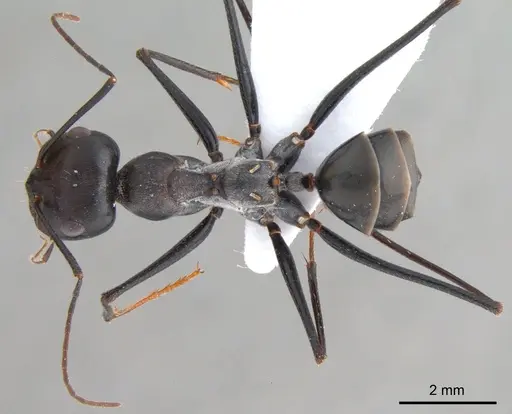
CASENT0249889
View on AntWeb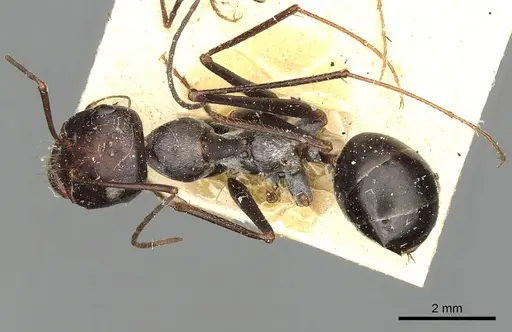
CASENT0911117
View on AntWeb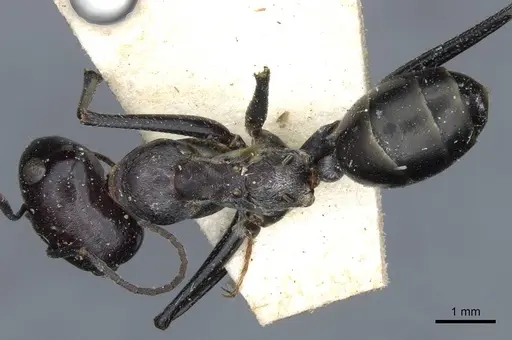
CASENT0912204
View on AntWeb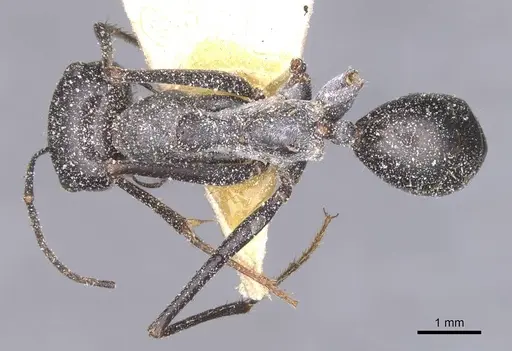
CASENT0912205
View on AntWeb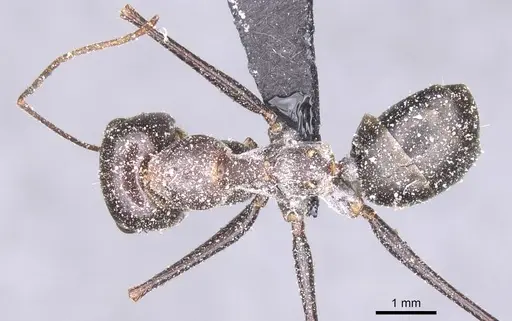
Literature
Loading...Loading products...