

Carebara pilosa
- Scientific Name
- Carebara pilosa
- Tribe
- Crematogastrini
- Subfamily
- Myrmicinae
- Author
- Fernández, 2004
- Distribution
- Found in 1 countries
Carebara pilosa Overview
Carebara pilosa is an ant species of the genus Carebara. It is primarily documented in 1 countries , including Brazil. Detailed taxonomic data and occurrence records can be further explored via authoritative databases such as AntWeb or the Global Biodiversity Information Facility (GBIF).
Carebara pilosa
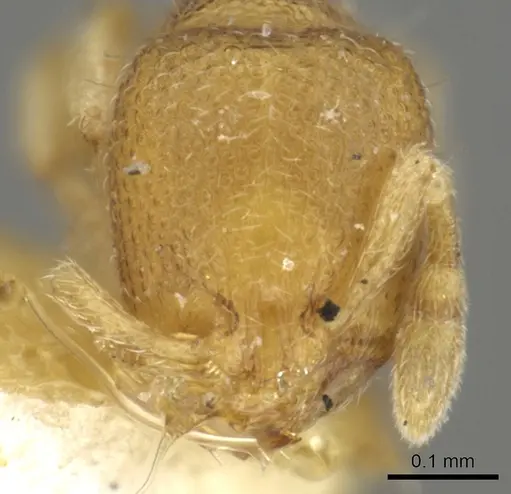
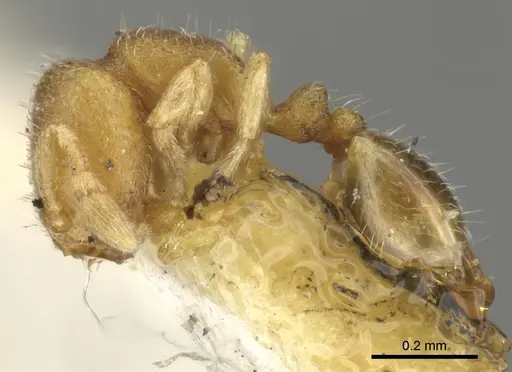
Carebara pilosa is a tiny leaf-litter ant species from southern Brazil, measuring just 1.28mm in total length [1]. Workers have a distinctive appearance with unusually dense body hairs compared to related species, reduced eyes (only 2 ommatidia), and a dark reddish-brown coloration typical of the genus [1]. This species belongs to the Carebara escherichi species complex and is very similar to Carebara brasiliana, but can be distinguished by having more body hairs and several long hairs on the mid and hind tibiae [1]. Found exclusively in Brazil's Atlantic forest region, particularly in Santa Catarina and São Paulo states at elevations of 300-500m, these ants are cryptic leaf-litter dwellers that nest in decaying wood or within the forest floor [2][1].
This is one of the least studied ant species in the hobby, with virtually no published biological data beyond the original species description. What we know suggests a highly specialized, primary-forest dwelling ant that is sensitive to habitat disturbance. Their tiny size and cryptic nature make them a challenging but rewarding species for experienced antkeepers who can provide stable, humid conditions mimicking Brazil's Atlantic forest understory.
Quick Summary
- Difficulty: Expert
- Origin & Habitat: Southern Brazil (Santa Catarina, São Paulo) in Atlantic Semideciduous Forest at 300-500m elevation. A primary forest specialist found exclusively in leaf litter in lowland areas [2][1].
- Colony Type: Colony structure is unconfirmed. Based on Carebara genus patterns, likely single-queen colonies with relatively small colony sizes.
- Size & Growth:
- Queen: Unknown, not described in literature. Estimated 4-5mm based on genus patterns.
- Worker: 1.28mm total length (HW 0.30-0.31mm) [1]
- Colony: Unknown, likely under 500 workers based on typical Carebara colony sizes and being a cryptic leaf-litter species.
- Growth: Unknown, likely slow to moderate based on genus patterns
- Development: Unknown, estimated 6-10 weeks based on related Carebara species and tropical temperature conditions (No direct development data exists. Estimates based on genus-level inference for similar tiny Myrmicinae in tropical conditions.)
- Antkeeping:
- Temperature: Keep at 22-26°C. Being from southern Brazil's Atlantic forest, they prefer warm but not hot conditions with stable temperatures. Avoid temperatures above 28°C.
- Humidity: High humidity required, these are leaf-litter ants from humid forest floors. Keep nest substrate consistently moist but not waterlogged. Provide a humidity gradient with a moist side and a slightly drier area.
- Diapause: Likely no true diapause, being from a tropical/subtropical region, they probably slow down slightly in cooler months but don't require full hibernation. Maintain stable temperatures year-round.
- Nesting: Use a naturalistic setup with moist substrate (soil/peat mix) or a Y-tong/plaster nest with small chambers scaled to their tiny size. They prefer tight, enclosed spaces similar to their natural leaf-litter habitat. Test tubes can work but may need modification for humidity control.
- Behavior: Very cryptic and shy. Workers are tiny and likely forage individually or in small groups through leaf litter rather than forming visible foraging trails. Their reduced eyes suggest they rely more on chemical and tactile cues. Non-aggressive and unlikely to sting, their small size makes them effectively harmless to humans. Escape prevention is critical due to their minute size, standard test tube barriers may need reinforcement with fluon or fine mesh.
- Common Issues: escape prevention is critical, their tiny 1.28mm size means they can squeeze through standard barrier setups, primary forest specialist may be sensitive to environmental changes and enclosure conditions, no published care information means trial-and-error is required, slow growth and cryptic behavior may frustrate keepers expecting visible activity, wild-caught colonies may be difficult to locate due to their rare, specialized habitat
Natural History and Distribution
Carebara pilosa is endemic to southern Brazil, specifically the Atlantic forest regions of Santa Catarina and São Paulo states [1]. The type specimens were collected from Nova Teutonia in Santa Catarina at an elevation of 300-500m, and from Juquitiba in São Paulo [1]. This species is considered a typical leaf-litter ant (serapilheira ant) found in the forest floor layer [2]. Research indicates they are exclusive to lowland areas ('baixada') and are a primary forest specialist, they have not been found in secondary forest or human-modified habitats like rubber plantations [2][3]. This habitat specialization makes them particularly sensitive to environmental disturbance, which explains why they are rarely encountered and poorly studied.
Identification and Morphology
Workers of Carebara pilosa are extremely small, measuring only 1.28mm in total length with a head width of 0.30-0.31mm [1]. They have notably reduced eyes, containing only 2 ommatidia, this is typical of cryptic leaf-litter Carebara species that live in dark, confined spaces. The most distinctive feature is their unusually dense body pilosity (hair coverage) compared to related species. They have about 30 long hairs on the head dorsum,16 on the promesonotum, and 6-8 on the mid and hind tibiae [1]. The clypeus has distinctive parallel carinae (ridge-like structures), and the propodeal spiracle is positioned relatively high. These morphological features help distinguish them from the similar Carebara brasiliana, which has fewer body hairs [1].
Housing and Nest Setup
Given their tiny size and cryptic nature, Carebara pilosa requires careful housing setup. A naturalistic terrarium-style setup with a deep layer of moist forest floor substrate works well, use a mix of soil, peat, and decaying leaves to mimic their natural leaf-litter habitat. Alternatively, a Y-tong or plaster nest with very small chambers (scaled to their 1.28mm size) can work, but ensure humidity is maintained through a water reservoir or regular misting. Test tubes can be used but may dry out quickly, if using test tubes, wrap part of the tube in damp material to maintain humidity. Provide multiple small chambers connected by narrow tunnels. Because they are primary forest specialists, avoid exposing them to direct sunlight or dry air. Escape prevention is critical, even standard fluon barriers may need reinforcement due to their minute size.
Feeding and Diet
Like other Carebara species, these are likely omnivorous scavengers that feed on small arthropods, honeydew, and organic debris in leaf litter. Offer tiny prey items like springtails, fruit flies, and other small insects. Sugar sources like diluted honey or sugar water may be accepted but should be offered sparingly. Given their tiny size, prey items should be appropriately scaled, even small mealworm pieces may be too large. Feed small amounts of protein 2-3 times per week and provide a constant sugar source. Remove uneaten prey after 24-48 hours to prevent mold. Their reduced eyes suggest they may rely more on chemical trails than visual hunting, so place food near established foraging paths.
Temperature and Humidity Requirements
Carebara pilosa comes from southern Brazil's Atlantic forest, which has a subtropical climate with moderate temperatures and high humidity year-round. Maintain temperatures between 22-26°C, avoiding both extremes, temperatures below 20°C or above 28°C may stress colonies. Humidity should be kept high, similar to a damp forest floor. The nest substrate should feel consistently moist but never waterlogged. Allow for a humidity gradient within the enclosure so ants can self-regulate. Good ventilation is important to prevent mold, but avoid excessive airflow that dries out the enclosure. Given their restricted distribution in primary forest, stability matters more than meeting exact parameters, gradual, consistent conditions are better than fluctuating extremes.
Colony Behavior and Observation
This species is extremely cryptic and rarely seen outside the nest. Workers likely forage individually or in very small groups through leaf litter rather than forming visible trails. Their reduced eyes suggest they are nearly blind and navigate primarily using chemical and tactile cues, this is typical of specialized leaf-litter ants. Colonies are probably small (likely under 500 workers based on genus patterns) and the queen remains hidden in the nest like other Carebara species. Do not expect aggressive foraging or visible activity, these ants are masters of concealment. Observation requires patience and may involve carefully searching the leaf litter layer of a naturalistic setup. The dense body pilosity is unusual for Carebara and may serve as a sensory adaptation for navigating through tight spaces in their cryptic habitat. [1]
Frequently Asked Questions
How long does it take for Carebara pilosa to produce first workers?
The egg-to-worker timeline is unconfirmed for this species. Based on related Carebara species and tropical temperature conditions, estimate 6-10 weeks from egg to first nanitic worker. However, this is purely an educated guess since no published development data exists for C. pilosa.
Can I keep Carebara pilosa in a test tube setup?
Test tubes can work but require modification. Their tiny 1.28mm size means escape prevention must be excellent, use fluon or fine mesh barriers. Standard test tubes may dry out too quickly for these humidity-dependent leaf-litter ants. Wrap part of the tube in damp material or use a water reservoir setup to maintain humidity.
Are Carebara pilosa ants aggressive?
No, they are not aggressive. These are tiny, cryptic leaf-litter ants that avoid confrontation. Their small size makes them effectively harmless, they cannot penetrate human skin. Workers will retreat rather than engage when disturbed.
What do Carebara pilosa ants eat?
Based on genus patterns, they are omnivorous scavengers. Offer tiny prey like springtails, fruit flies, or small insect pieces. They likely accept sugar sources like diluted honey or sugar water. Feed small amounts of protein 2-3 times weekly with constant sugar access. Remove uneaten food promptly to prevent mold.
Do Carebara pilosa need hibernation or diapause?
Likely no true hibernation required. Being from southern Brazil's subtropical Atlantic forest, they probably experience year-round activity with slight slowing in cooler months. Maintain stable temperatures of 22-26°C year-round rather than attempting to induce dormancy.
How big do Carebara pilosa colonies get?
Colony size is unconfirmed but likely remains small, probably under 500 workers based on typical Carebara genus patterns for cryptic leaf-litter species. They are not a rapidly expanding colony type.
Why can't I find any information about caring for Carebara pilosa?
This is one of the least studied ant species in the world. Only the worker caste has ever been described, and no biological observations have been published. The original description was in 2004,and beyond distribution records, virtually nothing is known about their behavior, reproduction, or colony structure. Care in captivity is entirely based on inference from related species and general Carebara husbandry.
Are Carebara pilosa good for beginners?
No, this species is not recommended for beginners. They are an expert-difficulty species due to their tiny size (escape risk), unknown care requirements, primary forest specialist status (sensitivity to conditions), and complete lack of published husbandry information. Only experienced antkeepers should attempt this species.
Can I keep multiple Carebara pilosa queens together?
Colony structure is unconfirmed for this species. Based on typical Carebara patterns, they likely form single-queen colonies. Combining unrelated queens has not been documented and is not recommended given how little we know about their founding behavior.
What makes Carebara pilosa different from other Carebara?
Their most distinctive feature is the unusually dense body pilosity (hairs), they have many more long hairs than related species like C. brasiliana. They also have reduced eyes (only 2 ommatidia) and are restricted to primary forest habitats in southern Brazil. Their tiny 1.28mm worker size makes them among the smallest ants in the genus.
References

This caresheet is licensed under CC BY-SA 4.0 .
CASENT0902396
View on AntWeb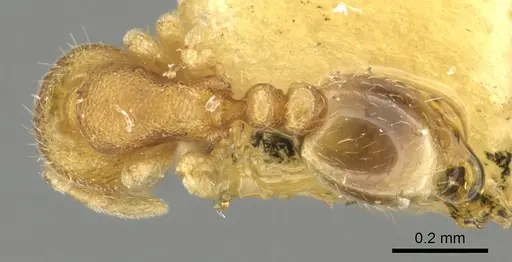
Literature
Loading...Loading products...