

Carebara escherichi
- Scientific Name
- Carebara escherichi
- Tribe
- Crematogastrini
- Subfamily
- Myrmicinae
- Author
- Forel, 1911
- Distribution
- Found in 0 countries
Carebara escherichi Overview
Carebara escherichi is an ant species of the genus Carebara. It is primarily documented in 0 countries . Detailed taxonomic data and occurrence records can be further explored via authoritative databases such as AntWeb or the Global Biodiversity Information Facility (GBIF).
Carebara escherichi
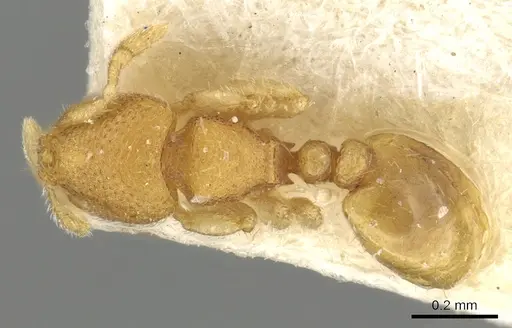
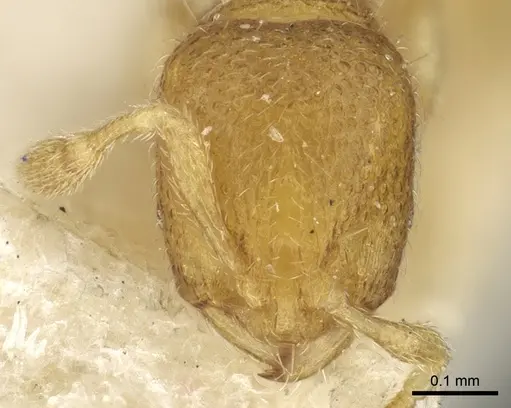
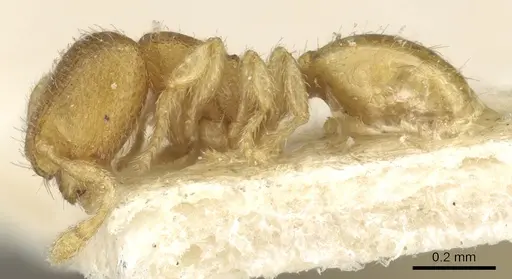
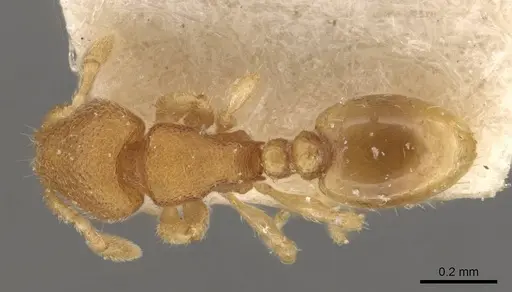
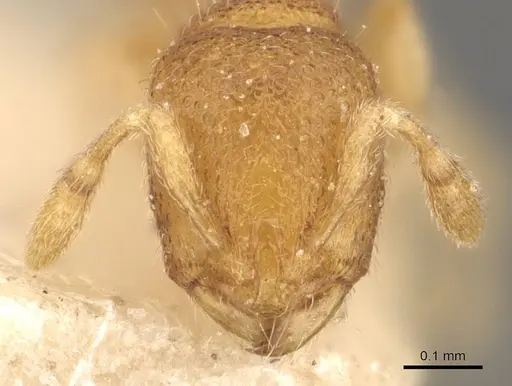
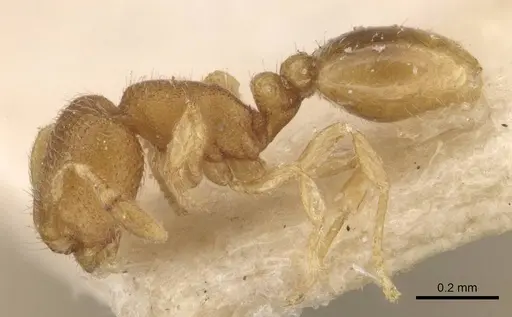
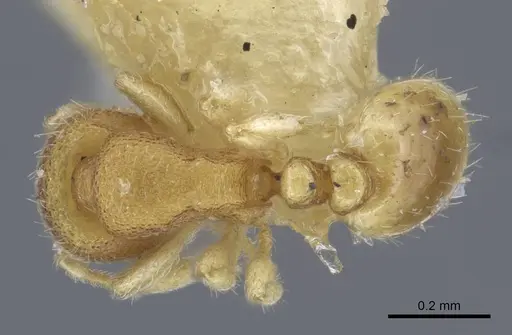
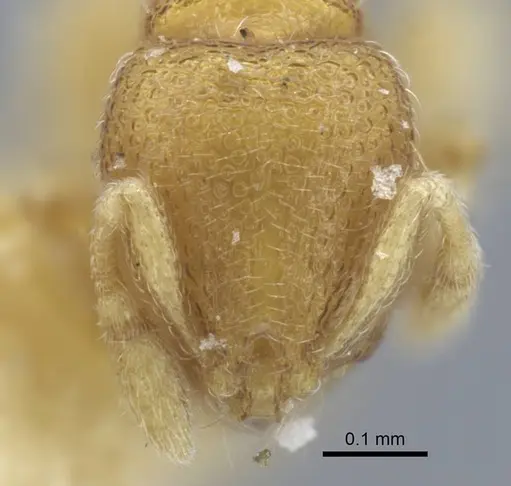
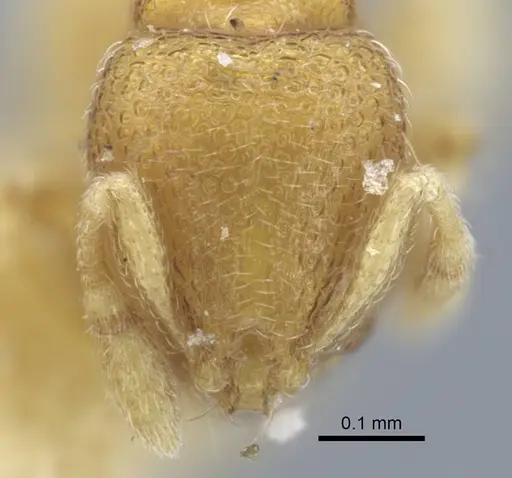
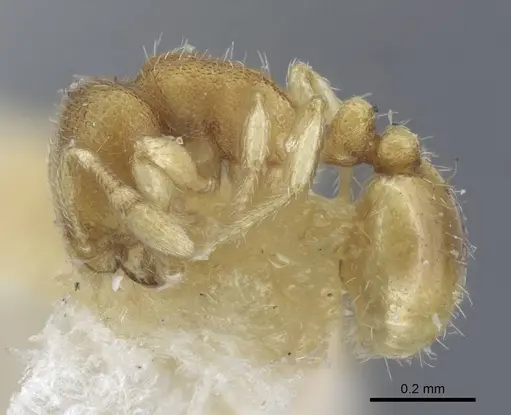
Carebara escherichi is a tiny ant species endemic to Sri Lanka. Workers measure approximately 1.5-2mm with a pale yellowish-brown coloration. They have highly reduced morphology, very small eyes with few ommatidia, antennae with only 8-9 segments, a narrow head, and a short, unarmed propodeum. These reductions are adaptations to their cryptic, subterranean lifestyle. Queens are slightly larger and retain more developed eyes than workers. This species was originally described as Carebara escherichi in 1911 before being moved to the genus Carebara in 2004. [AntWiki][1]
Quick Summary
- Difficulty: Medium
- Origin & Habitat: Endemic to Sri Lanka, specifically the Peradeniya region. They live in tropical forest environments, typically nesting in soil or under stones in shaded, humid areas. [AntWiki]
- Colony Type: Likely single-queen colonies, though colony structure is not well documented. [1]
- Size & Growth:
- Queen:{.size-link} ~3-4mm, inferred from related Carebara species
- Worker:{.size-link} ~1.5-2mm [AntWiki]
- Colony: Up to 100 workers at maturity, inferred from genus patterns
- Growth: Slow
- Development: Unknown, likely 6-10 weeks based on similar tiny Myrmicinae (No direct data available. Estimates based on genus patterns for small tropical Myrmicinae.)
- Antkeeping:
- Temperature: Keep around 24-28°C, they are a tropical species from Sri Lanka. A gentle gradient allowing them to move between warmer and cooler areas is ideal. [AntWiki]
- Humidity: High humidity required, think damp forest floor conditions. Keep the nest substrate consistently moist but not waterlogged. Provide a water tube but ensure the nest has good ventilation to prevent mold. [AntWiki]
- Diapause: No, being a tropical species from Sri Lanka, they do not require hibernation. Keep them at stable warm temperatures year-round. [AntWiki]
- Nesting: They prefer tight, humid chambers. A Y-tong (AAC) nest or plaster nest works well. Given their tiny size, use fine mesh for escape prevention. They do best with a small outworld connected to the nest. [AntWiki]
- Behavior: These ants are extremely cryptic and spend most of their time hidden within the nest or foraging in hidden spaces. Workers are slow-moving and non-aggressive. They are not known to sting and pose no danger to keepers. Their reduced eyes suggest they rely more on chemical and tactile cues than vision. Escape prevention is critical due to their minute size, they can squeeze through standard test tube barriers. [1][2]
- Common Issues: escape prevention is critical, they are tiny enough to slip through standard barriers, colonies are slow-growing and small, which can frustrate keepers expecting rapid development, high humidity needs make them prone to mold if ventilation is poor, they are rarely available in the antkeeping hobby due to their limited range, wild-caught colonies may be stressed from collection and difficult to establish
Housing and Nest Preferences
Carebara escherichi is a minute species that requires careful housing choices. In the wild, they nest in soil or under stones in shaded, humid locations in Sri Lankan forests. For captivity, a Y-tong (AAC) nest or plaster formicarium works well because these materials hold humidity while allowing some ventilation. The chambers should be appropriately scaled to their tiny size, smaller passages than you would use for typical ants. Test tube setups can work but require careful water management to prevent flooding of the colony. Escape prevention is absolutely critical, these ants are so small they can slip through standard cotton barriers and even fine mesh. Use fluon or similar barriers on the rim of any outworld, and ensure all connections are tightly sealed. [AntWiki]
Feeding and Diet
Like other Carebara species, these ants are likely omnivorous with a preference for small protein sources. In captivity, they will accept tiny prey items like springtails, fruit flies, and other small insects. Due to their minute size, prey should be appropriately sized, even a single fruit fly is a substantial meal for these tiny workers. They likely also accept sugar sources, though this is not confirmed. Feed small amounts of protein every few days, removing any uneaten prey after 24 hours to prevent mold in the humid environment they require. A constant sugar water or honey water source is recommended. Given their cryptic nature, they may not readily take food in the open, so placing prey near nest entrances can help. [AntWiki]
Temperature and Humidity
Being a tropical species from Sri Lanka, Carebara escherichi requires warm and humid conditions. Maintain temperatures in the range of 24-28°C, this is warmer than typical room temperature for most keepers, so a small heating cable or heat mat on one side of the nest may be necessary. Create a temperature gradient so the ants can self-regulate. Humidity is crucial, they require consistently damp substrate conditions similar to forest floor microhabitats. However, balance is important: too wet and you risk drowning the colony or promoting mold growth, too dry and the colony will decline. A water tube connected to the nest provides a humidity reservoir, but ensure the nest has adequate ventilation to prevent stagnant, mold-prone conditions. Monitor for condensation on the nest walls as an indicator of proper humidity. [AntWiki]
Behavior and Colony Dynamics
This is an extremely cryptic species that spends most of its time hidden within the nest structure. Workers are slow-moving and not aggressive. Their reduced eyes suggest they rely primarily on chemical pheromone trails and tactile sensations rather than vision for navigation. Colonies remain small throughout their lifecycle, a mature colony likely contains fewer than 100 workers, making them one of the smallest ant colonies you can keep. The queen is somewhat larger than workers but still tiny. These ants are not defensive and pose no sting risk to keepers. The main challenge in keeping them is simply providing appropriate conditions and being patient through their slow growth. Their cryptic behavior means you may not see much activity, which is normal for this species. [1][2]
Acquisition and Establishment
Carebara escherichi is extremely rare in the antkeeping hobby due to its limited endemic range in Sri Lanka. You are unlikely to find them from commercial breeders. If available at all, they would likely come from field collection by researchers or enthusiasts in Sri Lanka. Wild-caught colonies face significant stress from collection and transport, making them difficult to establish in captivity. If you do acquire a colony, expect high mortality during the adjustment period. Quarantine and careful observation for parasites or disease is recommended. Given their slow growth and specific requirements, they are best suited for experienced antkeepers who can provide the precise humidity and temperature conditions they need. [AntWiki]
Frequently Asked Questions
How long does it take for Carebara escherichi to produce first workers?
The exact timeline is unknown, but based on similar tiny Myrmicinae, expect 6-10 weeks from founding to first nanitic workers. They are slow-growing even by ant standards.
Can I keep Carebara escherichi in a test tube?
Yes, a test tube setup can work, but you must use excellent escape prevention. These ants are tiny enough to slip through standard cotton barriers. Consider using fluon on the tube rim and a tightly sealed cotton plug. You will also need to manage humidity carefully, test tubes dry out quickly. [AntWiki]
Do Carebara escherichi ants sting?
No, they pose no sting risk. Their sting is present (typical for Myrmicinae) but they are non-aggressive and too small to penetrate human skin. They are completely safe to handle. [1]
What do Carebara escherichi eat?
They likely accept small protein sources like springtails and fruit flies, plus sugar water or honey. Due to their tiny size, prey items should be appropriately small. They are probably omnivorous like other Carebara species. [AntWiki]
Are Carebara escherichi good for beginners?
No, they are not recommended for beginners. They require precise high humidity and warm temperatures, are extremely tiny (escape risk), grow very slowly, and are rarely available. They are best suited for experienced keepers who can meet their specific needs. [AntWiki]
How big do Carebara escherichi colonies get?
Colony size is likely up to 100 workers at maturity. They are one of the smallest ant species in cultivation, with colonies remaining small throughout their lifecycle.
Do Carebara escherichi need hibernation?
No, they do not require hibernation. Being a tropical species from Sri Lanka, they need warm temperatures year-round. Keep them at 24-28°C consistently. [AntWiki]
Why are my Carebara escherichi dying?
Common causes include: escape (they are tiny), drying out from low humidity, temperatures too cold, mold from poor ventilation, or stress from recently collected wild colonies. Review your humidity levels, temperature, and escape prevention. [AntWiki]
When should I move Carebara escherichi to a formicarium?
Only move them when the colony is well-established with at least 20-30 workers and you can maintain proper humidity in the formicarium. Given their small size and humidity needs, many keepers prefer to keep them in modified test tube setups long-term. [AntWiki]
Can I keep multiple queens together?
This has not been documented. Based on typical Carebara behavior, they are likely single-queen colonies. Combining unrelated queens is not recommended. [AntWiki]

This caresheet is licensed under CC BY-SA 4.0 .
Literature
Loading...Loading products...