Cardiocondyla micropila - "None commonly used"
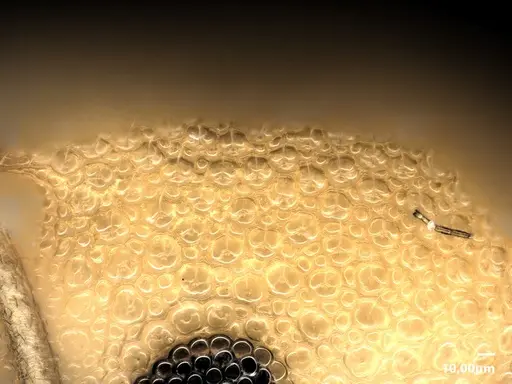
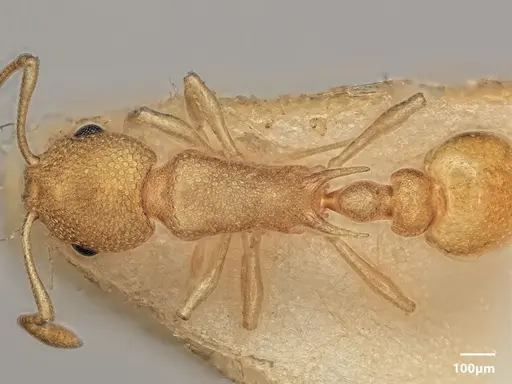
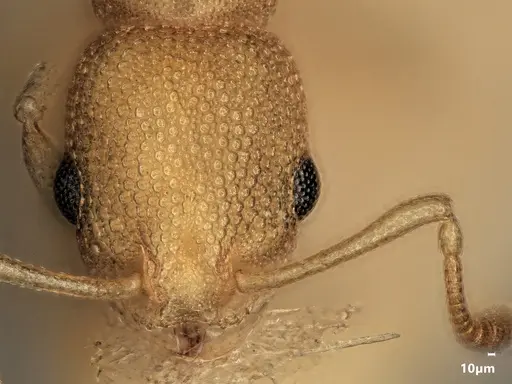
Cardiocondyla micropila is a fascinatingly tiny ant species, often described as very small, with workers measuring around 0.395 mm. These miniature marvels are visually distinct, featuring a foveolate-reticulate texture across their head and mesosoma. A unique characteristic includes deep, cloverleaf-like foveolae on the vertex of their head. Their first gaster tergite, or main abdominal segment, is smooth and shiny with a delicate microreticulum and notably short hairs. The entire ant typically presents in a light yellowish or orange hue. Belonging to the Cardiocondyla argentea group, C. micropila are known for their solitary foraging behavior and their ability to secrete effective repellent substances, a defense mechanism that allows them to coexist with larger, more dominant ant species.
- Difficulty: Medium
- Origin & Habitat: Southeast Asia (Indochina, Malaysia, Philippines, Brunei, Singapore, Thailand), specifically west of the Wallace Line. in Found from sea level up to 1000 meters, typically in disturbed areas, ecotones, primary forests, and secondary forests. Nests are often located in concealed spots such as rock crevices, under stones, or beneath the bark of fallen trees..
- Colony Type: Polygynous (multiple queens), claustral (queens seal themselves in) and also through nest splitting. intranidal mating is common, influencing colony expansion. founding.
- Size & Growth:
- Queen: 1.0-1.5mm
- Worker: 0.3-0.4mm
- Colony: Small (dozens to a few hundred workers). Medium (due to adaptability to lab rearing and small colony sizes) growth.
- Antkeeping:
- Temperature: Preferred temperature range is 24-28°C (75-82°F). Stable warm temperatures are crucial for their tropical origin..
- Humidity: Moderate to high humidity, ideally between 60-80%, to mimic their natural humid forest and soil environments..
- Diapause: Not required. Not specified at Not specified.
- Nesting: These ants thrive in artificial nests that replicate their natural nesting sites. Options include small acrylic nests, Ytong (aerated concrete), or natural setups with a soil substrate. They prefer concealed nesting areas..
- Behavior: Low (towards handler, but can show intranidal queen-queen aggression and use repellents against other ant species) aggressiveness.
- Common Issues: Escape risk due to very small size, Humidity fluctuations, Mold in nest (especially in natural setups).
Keeping Cardiocondyla micropila can be a rewarding experience for ant enthusiasts, though their minuscule size often makes them a bit of a challenge to observe closely. In the wild, these colonies are notoriously cryptic, preferring to build their nests in hidden spots like rock crevices, under loose stones, or even within the bark of fallen trees. Their tiny foragers and highly concealed nest architecture mean that finding them in their native habitat is a real treasure hunt, which also explains why they are less commonly documented than some other ant species.
One of the most intriguing aspects of Cardiocondyla micropila is their polygynous nature, meaning a thriving colony can host multiple fertile queens. While having more queens can lead to faster colony growth, it's worth noting that within the Cardiocondyla genus, there can be surprising dynamics. Some observations suggest queen-on-queen aggression can occur, particularly when new queens try to 'inherit' a nest, with some young alates even facing elimination by established queens and workers if their acceptance isn't smooth. This internal politics is a fascinating glimpse into their social structure.
The male caste in Cardiocondyla species, including C. micropila, presents a unique evolutionary twist: the presence of ergatoid, or wingless, males. Unlike many ant species where males disperse for nuptial flights, these ergatoid males typically remain within their natal colony. They are known for their combative nature, often engaging in fierce battles to monopolize mating opportunities, sometimes even eliminating rival pupal males. This intranidal mating strategy, where the sexuals mate directly inside the nest, is a defining biological characteristic that distinguishes them.
Despite their small stature, Cardiocondyla micropila are quite adept at survival. They maintain an omnivorous diet, foraging for a variety of food sources, including tiny insects and sugary liquids. A remarkable defense mechanism is their ability to produce effective repellent substances. These chemical deterrents are potent enough to ward off larger, more aggressive ant species, allowing Cardiocondyla foragers to navigate their environment and even coexist with potential threats without being easily overwhelmed. This makes them a resilient and adaptable species within their niche.
Frequently Asked Questions
What do *Cardiocondyla micropila* ants typically eat?
These tiny ants are omnivorous foragers, meaning their diet is quite varied. In captivity, you'll want to provide them with a mix of protein sources like small, pre-killed insects (crickets, fruit flies, mealworms) and sugary foods such as diluted honey, sugar water, or nectar. They're not picky eaters, which makes their ant care routine relatively straightforward for ant keepers.
How large do *Cardiocondyla micropila* colonies grow?
Compared to some of the massive ant species out there, Cardiocondyla micropila colonies remain relatively modest in size. A mature colony typically houses anywhere from a few dozen to a few hundred worker ants. This makes them an excellent choice for ant hobbyists who prefer smaller, more manageable formicaria and want to observe their ant colony's growth without it becoming overwhelming.
Is it difficult to locate *Cardiocondyla micropila* queens in the wild?
Yes, finding Cardiocondyla micropila queens and their colonies in their natural habitats can be quite a challenge for ant enthusiasts and researchers alike. These ants are incredibly tiny, and their nests are often cleverly concealed in places like narrow rock crevices, under loose stones, or within the bark of decaying logs. Their solitary foraging workers are also so small that they blend into the environment, making wild collection a true quest.
Do *Cardiocondyla micropila* ants sting?
While Cardiocondyla micropila workers possess effective repellent substances to defend themselves, there's no indication that they deliver a painful sting to humans. You won't need to worry about being stung if you're handling them carefully or working around their formicarium. Their primary defense against larger threats, including other ant species, relies more on these chemical deterrents than physical aggression.
What kind of formicarium setup is best suited for *Cardiocondyla micropila*?
For these small ants, an artificial nest that can maintain consistent humidity is ideal. Options like small acrylic nests with good hydration systems, Ytong (aerated concrete) setups, or even natural soil-based formicaria work well. The key is to replicate their natural preference for nesting in concealed, moderately humid environments found under rocks or in decaying wood. Ensure your outworld is escape-proof, given their minute size!
Are *Cardiocondyla micropila* a good ant species for beginner ant keepers?
While their small size might present some challenges, like preventing escapes, Cardiocondyla micropila can be a rewarding species for beginners who are up for a slightly more involved ant-keeping journey. They are generally adaptable in captivity and some Cardiocondyla species are even noted for their ease of rearing in laboratory settings. With careful attention to their specific temperature and humidity needs, new ant keepers can certainly find success with them.
Can *Cardiocondyla micropila* colonies have multiple queens?
Absolutely! Cardiocondyla micropila are a polygynous species, which means a thriving colony can naturally have several fertile queens laying eggs. This characteristic can contribute to a robust brood production and colony growth, making for a lively ant display within your formicarium. Observing the interactions within a multi-queen colony is a fascinating aspect of keeping these ants.
How long does it typically take for *Cardiocondyla micropila* eggs to develop into adult workers?
The complete development cycle from a tiny egg to an adult worker ant for Cardiocondyla micropila is relatively swift. Based on studies of closely related Cardiocondyla species, you can expect the process to take approximately 7 to 9 weeks, or around 55 days. This quick turnover allows for a steady increase in your colony's worker force.
Do *Cardiocondyla micropila* require a diapause period?
Given their origins in the tropical and subtropical regions of Southeast Asia, Cardiocondyla micropila do not typically require a diapause, or hibernation, period. They are accustomed to consistent warm temperatures year-round, so you can maintain their habitat at stable temperatures without needing to induce a cool down for a resting phase.
What are the ideal temperature and humidity levels for *Cardiocondyla micropila*?
To ensure your Cardiocondyla micropila colony thrives, aim for consistent temperatures between 24-28°C (75-82°F). As for humidity, they prefer moderate to high levels, ideally within the 60-80% range, reflecting the humid environments of their natural habitat. Proper hydration in their nest setup is key to meeting these requirements.
Do *Cardiocondyla micropila* have different types of males?
Yes, Cardiocondyla micropila are known for a unique male polymorphism! Instead of solely producing winged males that leave for a nuptial flight, they also have ergatoid (wingless) males. These specialized males remain within the natal nest, where they are involved in intranidal mating and can even compete aggressively with other ergatoid males to secure their reproductive opportunities. It's a truly distinctive trait within the ant world!