

Cardiocondyla bulgarica
- Scientific Name
- Cardiocondyla bulgarica
- Tribe
- Crematogastrini
- Subfamily
- Myrmicinae
- Author
- Forel, 1892
- Distribution
- Found in 3 countries
Cardiocondyla bulgarica Overview
Cardiocondyla bulgarica is an ant species of the genus Cardiocondyla. It is primarily documented in 3 countries , including Bulgaria, Greece, Türkiye. Detailed taxonomic data and occurrence records can be further explored via authoritative databases such as AntWeb or the Global Biodiversity Information Facility (GBIF).
Cardiocondyla bulgarica
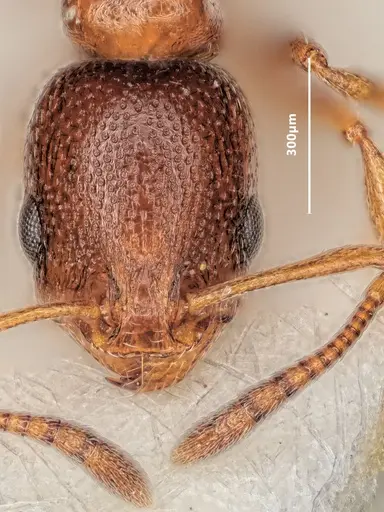
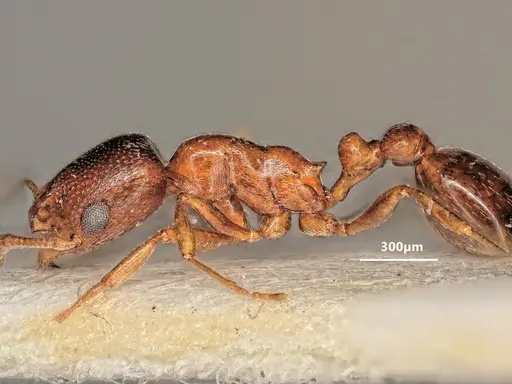
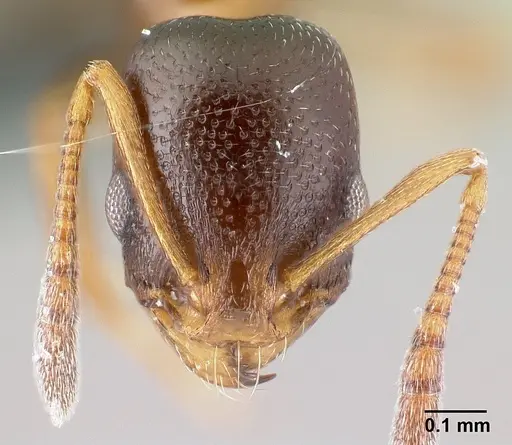
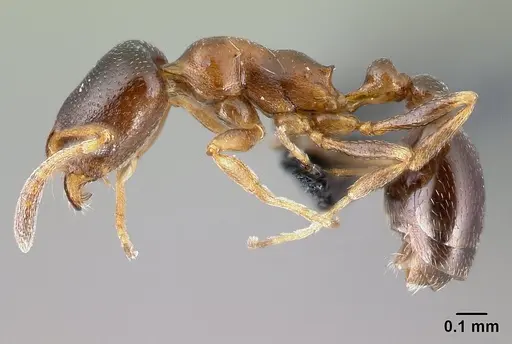
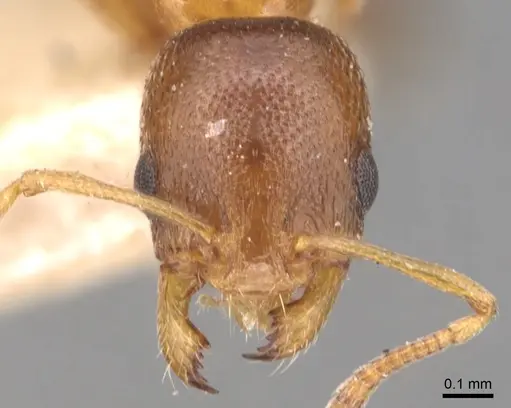
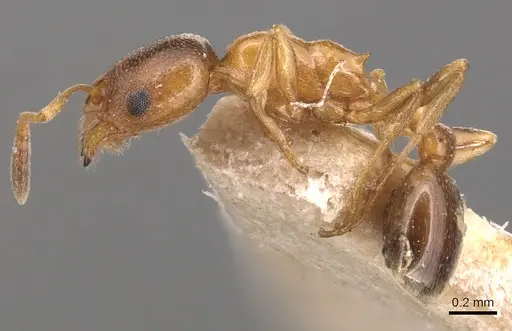
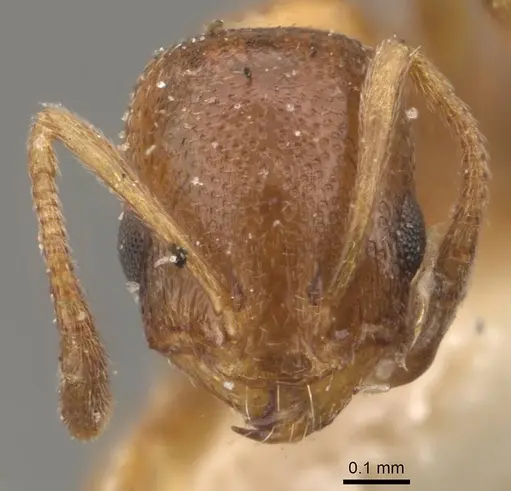
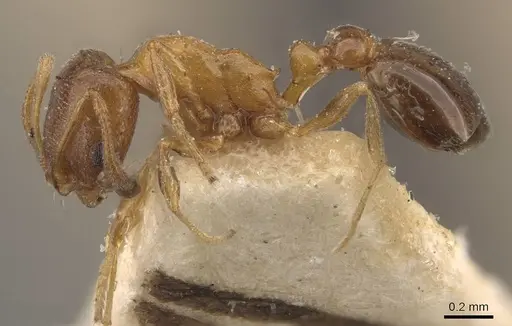
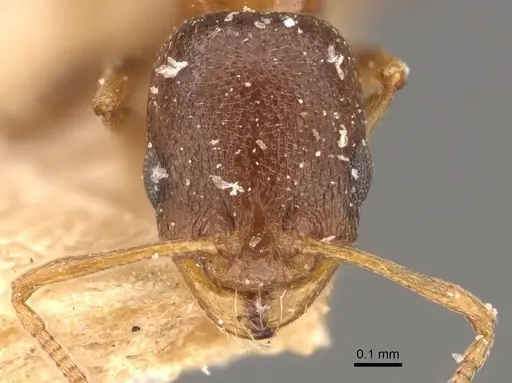
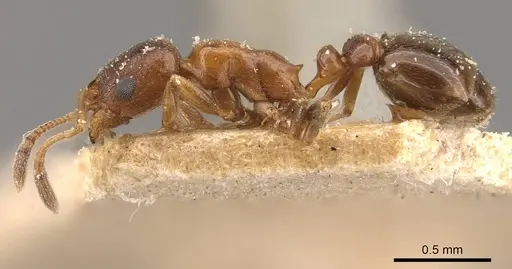
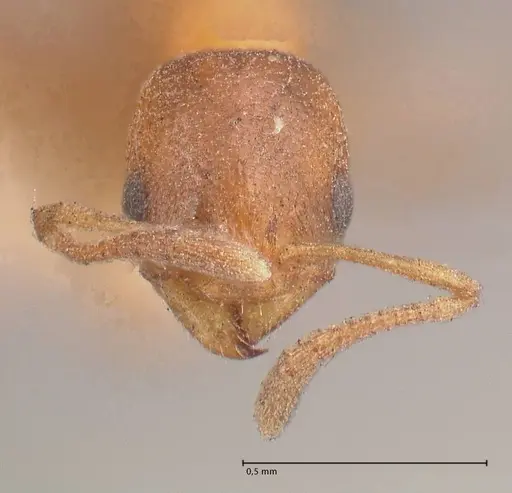
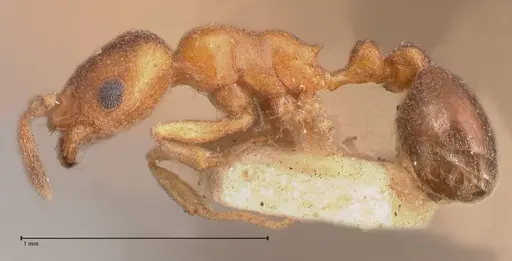
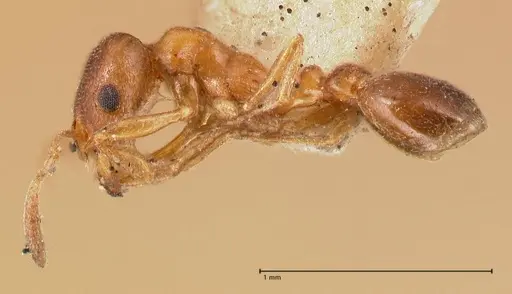
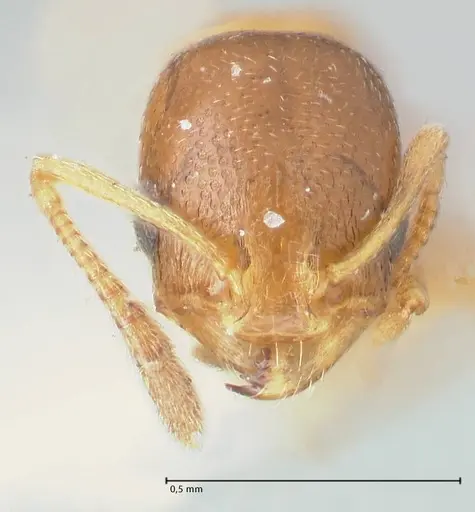
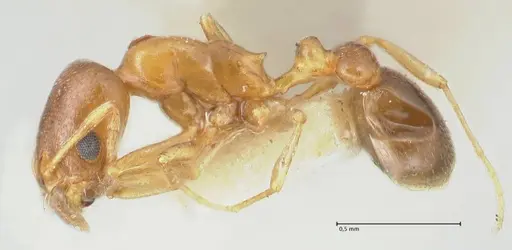
Cardiocondyla bulgarica is a tiny ant species native to the S Balkans and Asia Minor. Workers measure just 0.5-0.6mm, making them among the smallest ants you can keep. They have an elongated head with a warm yellowish mesosoma that contrasts with their darker brown head and gaster. This species is the most abundant Cardiocondyla in its region, found across Bulgaria, Greece, North Macedonia, and Turkey from sea level up to 1800m elevation [1]. Unlike many Cardiocondyla species that have narrow habitat preferences, C. bulgarica uses a remarkably wide habitat spectrum, from xerothermous grasslands and sandy salt marshes to pine forest streams and woodland-steppe [1]. In Greece, they're most often found in human-modified landscapes like gardens, tourist resorts, and olive plantations, typically nesting under stones or on ground near beaches [2].
Quick Summary
- Difficulty: Medium
- Origin & Habitat: S Balkans and Asia Minor (Bulgaria, Greece, North Macedonia, Turkey). Found in xerothermous grasslands, sandy salt marshes, forest-covered stream courses, and woodland-steppe with Pinus. Most abundant Cardiocondyla species in this region [1]. In Greece, observed in anthropogenic habitats, gardens, tourist resorts, olive plantations, and mountain villages at low altitudes 8-305m [2].
- Colony Type: Colony structure is not well documented. Queen number has not been determined [3]. Based on related Cardiocondyla species, likely forms small colonies with single or few queens. Multiple queens may be tolerated in established colonies.
- Founding: Claustral
- Size & Growth:
- Queen: 0.58-0.62mm (mean 0.605mm) [2], extremely small, among the tiniest ant queens
- Worker: 0.53-0.62mm (mean 0.568mm) [2], very tiny ants, barely visible to the naked eye
- Colony: Likely small, probably under 500 workers based on typical Cardiocondyla colony sizes [2]
- Growth: Moderate, typical for small Myrmicinae
- Development: Estimated 6-8 weeks at optimal temperature based on genus patterns (Development time not specifically documented for this species. Cardiocondyla species typically develop from egg to worker in 6-8 weeks under warm conditions. Their tiny size means faster development than larger ants.)
- Antkeeping:
- Temperature: Keep at 22-26°C. This species naturally occurs in warm Mediterranean climates and can tolerate higher temperatures. A gentle gradient with one side slightly warmer allows workers to self-regulate. Avoid temperatures below 18°C for extended periods.
- Humidity: Moderate, they prefer drier conditions than many ants. Allow the nest substrate to dry partially between waterings. Provide a small water tube but avoid constant saturation. Their natural habitats include xerothermous grasslands and sandy areas [1].
- Diapause: Likely, based on temperate origin. Provide a cool period (10-15°C) for 2-3 months during winter, roughly November-February in the Northern Hemisphere. Reduce feeding during this time.
- Nesting: Best kept in test tubes or small acrylic nests. Their tiny size means you need tight-fitting connections and very small water reservoirs. They naturally nest under stones in compact soil or sandy substrates [2]. A small Y-tong or plaster nest with narrow chambers works well. Avoid large, open spaces.
- Behavior: Generally peaceful and non-aggressive. Workers are tiny and slow-moving. They forage individually for small prey and honeydew. Escape prevention is critical due to their minute size, they can squeeze through the tiniest gaps. Use fine mesh barriers and ensure all connections are sealed. They are not known to sting and pose no danger to keepers.
- Common Issues: escape prevention is critical, they are extremely tiny and can squeeze through gaps that other ants cannot, overfeeding can lead to mold in small nests, offer tiny amounts and remove uneaten food, colonies remain small, don't expect the impressive worker numbers of larger species, test tube setups need very small water reservoirs to prevent flooding of tiny colonies, wild-caught colonies may be difficult to locate due to their small size and cryptic nesting
Housing and Nest Setup
Cardiocondyla bulgarica requires careful housing due to their extremely small size. Workers measure only 0.5-0.6mm, making them among the smallest ant species kept in captivity. Test tube setups work well for founding colonies, use tubes with very small water reservoirs to prevent flooding. For established colonies, small acrylic nests (Y-tong style) or plaster nests with narrow chambers are ideal. The chambers should be appropriately scaled to their tiny body size. Escape prevention is absolutely critical, these ants can squeeze through gaps that seem impossible. Use fine mesh (at least 0.5mm or smaller), seal all connections with cotton or foam, and consider using fluon on nest edges. They naturally nest under stones in compact soil or sandy substrates, so a thin layer of soil or sand in a naturalistic setup works well [2]. Keep nesting area dark as they prefer dim conditions.
Feeding and Diet
Like other Cardiocondyla species, C. bulgarica likely has a varied diet consisting of small insects, honeydew, and nectar. Feed tiny amounts of protein such as fruit flies, small springtails, or tiny cricket pieces. They are too small to tackle large prey. Sugar sources like diluted honey water or sugar water can be offered, but ensure the feeding station is very small to prevent drowning. Remove uneaten food promptly to prevent mold, which can be deadly in small nests. Feed every 2-3 days, adjusting based on colony size and consumption. A well-fed colony will have workers actively foraging within hours of food being offered.
Temperature and Seasonal Care
Maintain temperatures between 22-26°C for optimal colony development. This species originates from warm Mediterranean climates (Bulgaria, Greece, Turkey) and can tolerate temperatures into the low 30s°C for short periods. A heating cable on one side of the nest creates a temperature gradient that workers will use to regulate their conditions. During winter (roughly November-February), provide a cool diapause period at 10-15°C. This mimics their natural seasonal cycle and supports healthy colony development. Reduce feeding during diapause and avoid disturbing the colony. They can tolerate brief temperature drops but should not be kept cold for extended periods outside of hibernation. [1]
Colony Dynamics and Growth
C. bulgarica forms small colonies compared to many common ant species. Queens are extremely small at only 0.58-0.62mm, among the tiniest ant queens you can keep [2]. Colony growth is moderate, expect 6-10 workers in the first few months after founding, gradually building to perhaps 100-300 workers over several years. The founding queen seals herself in a small chamber and raises the first brood alone (claustral founding, inferred from genus patterns). Initial workers (nanitics) will be very small but normal workers that follow will be similar in size. Unlike some Cardiocondyla that have ergatoid (wingless) replacement queens, this aspect of their biology is not documented. Be patient with these tiny ants, they will never produce the impressive worker numbers of species like Camponotus or Formica.
Behavior and Handling
These are peaceful, non-aggressive ants that pose no danger to keepers. Workers are slow-moving and spend most of their time foraging individually or tending to brood. They do not have a functional sting and cannot penetrate human skin. Due to their tiny size, they are best observed with magnification rather than hands-on handling. They are not aggressive toward the keeper or other colonies when kept separately. Their main defense is simply being so small they can escape into tiny crevices. When observing, use good lighting and consider a magnifying glass to appreciate their fascinating tiny morphology, the elongated head and contrasting yellow-brown coloration are quite distinctive.
Frequently Asked Questions
How long does it take for Cardiocondyla bulgarica to produce first workers?
Expect first workers (nanitics) approximately 6-8 weeks after the queen lays eggs, assuming temperatures around 24-26°C. This is typical for small Myrmicinae. The exact timeline has not been specifically documented for this species but aligns with genus patterns.
Can I keep Cardiocondyla bulgarica in a test tube?
Yes, test tubes work well for founding colonies. Use a small water reservoir (not more than 1-2cm) and ensure the cotton is packed tightly to prevent flooding. The tiny size of these ants means standard test tube setups are appropriate, but watch for escape routes through the cotton or at connection points.
Do Cardiocondyla bulgarica ants sting?
No, they do not sting. These ants are completely harmless to keepers. Their tiny size and peaceful nature make them safe to handle (though handling is not recommended due to their fragility).
How big do Cardiocondyla bulgarica colonies get?
Colonies remain relatively small, likely under 300-500 workers at maturity. This is typical for Cardiocondyla species. Don't expect the massive worker armies you get from larger ant species.
What do Cardiocondyla bulgarica eat?
Feed tiny insects like fruit flies, small springtails, or tiny cricket pieces for protein. They also likely accept sugar sources like diluted honey water or sugar water. Offer food every 2-3 days and remove uneaten portions promptly.
Are Cardiocondyla bulgarica good for beginners?
They are moderate difficulty, not the easiest but not the hardest. Their tiny size makes escape prevention challenging, and they require more careful attention to housing than larger species. However, they are peaceful, don't sting, and have modest temperature requirements. Experienced antkeepers will have success, complete beginners may struggle with their small size.
Do Cardiocondyla bulgarica need hibernation?
Yes, likely a 2-3 month cool period around 10-15°C during winter (roughly November-February). This matches their temperate Mediterranean origin. Reduce feeding during this time and avoid disturbing the colony.
Why are my Cardiocondyla bulgarica escaping?
Escape prevention is critical with this species due to their extremely small size (workers only 0.5mm). Check all connections, use fine mesh barriers, and consider applying fluon to nest edges. Even seemingly sealed containers may have gaps these tiny ants can squeeze through.
When should I move Cardiocondyla bulgarica to a formicarium?
Move to a small formicarium or larger nest setup when the colony reaches 30-50 workers and the test tube is becoming crowded. They do well in small acrylic or plaster nests with appropriately scaled chambers.
Can I keep multiple Cardiocondyla bulgarica queens together?
The colony structure is not well documented for this species. Based on related Cardiocondyla, they may tolerate multiple queens (polygynous) or may be single-queen (monogynous). Combining unrelated foundress queens is not recommended as it has not been documented and could result in aggression.
References

This caresheet is licensed under CC BY-SA 4.0 .
ANTWEB1048507
View on AntWeb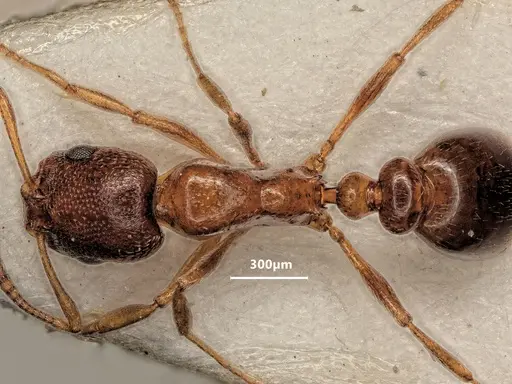
CASENT0179879
View on AntWeb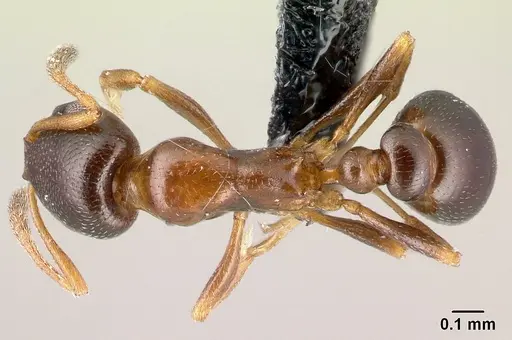
CASENT0904462
View on AntWeb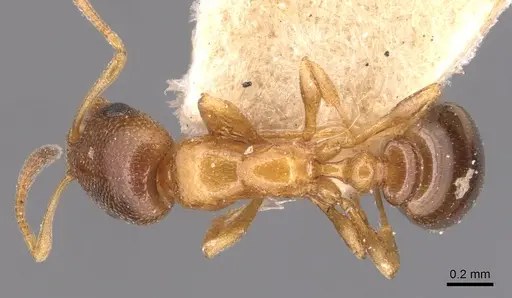
CASENT0908338
View on AntWeb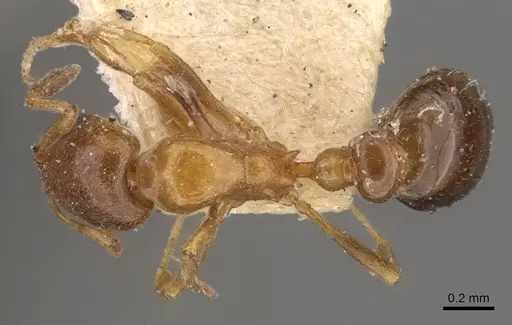
CASENT0908339
View on AntWeb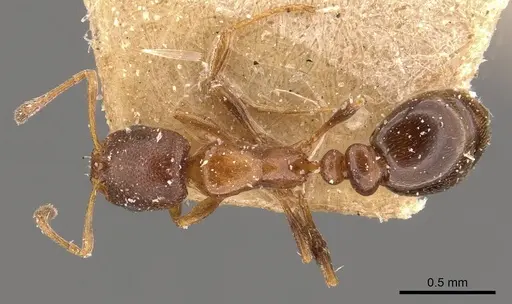
FOCOL0785-1
View on AntWeb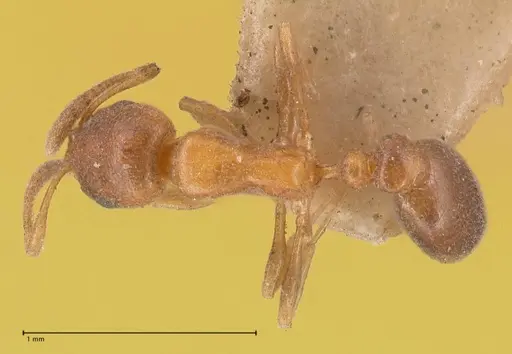
FOCOL0785-2
View on AntWeb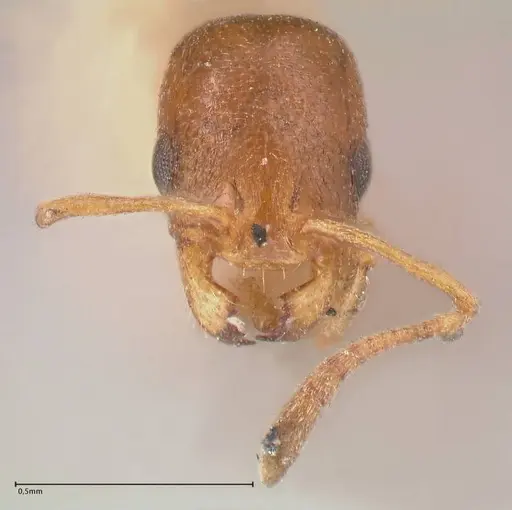
FOCOL1615
View on AntWeb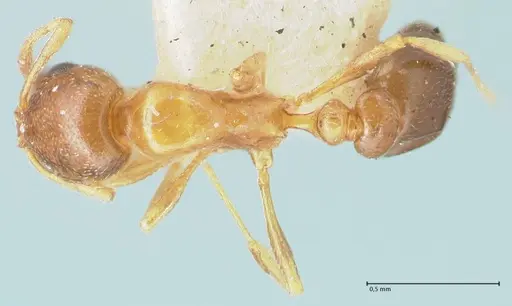
Literature
Loading...Loading products...