
Camponotus vicinus exhibits a clear seasonal flight window. Peak flight activity is concentrated in May, with the overall period spanning March to June.
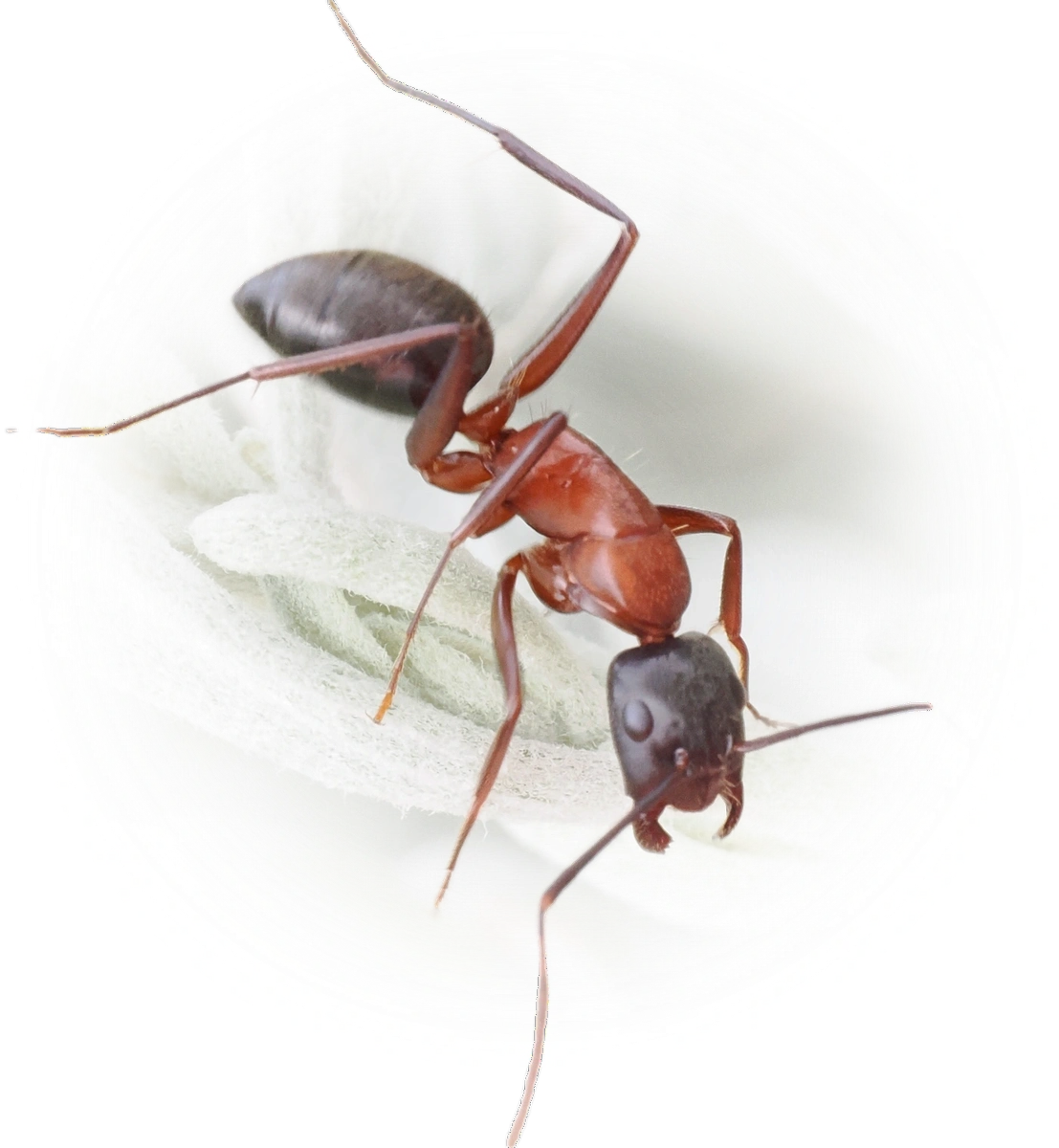
Camponotus vicinus
- Scientific Name
- Camponotus vicinus
- Subgenus
- Tanaemyrmex
- Tribe
- Camponotini
- Subfamily
- Formicinae
- Author
- Mayr, 1870
- Common Name
- Bicolored Carpenter Ant
- Distribution
- Found in 3 countries
- Nuptial Flight
- from March to June, peaking in May
AI Identifiable
try →
Camponotus vicinus Overview
Camponotus vicinus (commonly known as the Bicolored Carpenter Ant) is an ant species of the genus Camponotus. It is primarily documented in 3 countries , including Canada, Mexico, United States of America. Detailed taxonomic data and occurrence records can be further explored via authoritative databases such as AntWeb or the Global Biodiversity Information Facility (GBIF).
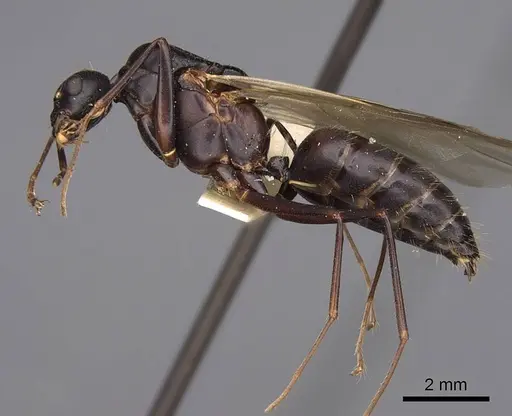
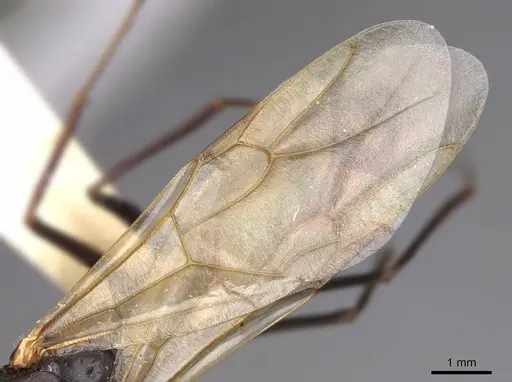
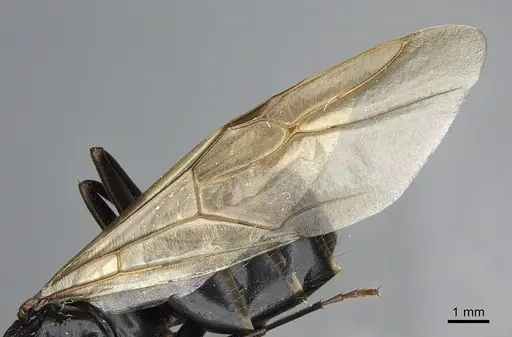
The nuptial flight of Camponotus vicinus is a significant biological event, typically occurring from March to June, peaking in May. During this time, winged queens and males leave the nest to mate and establish new colonies.
Camponotus vicinus - "Bicolored Carpenter Ant"
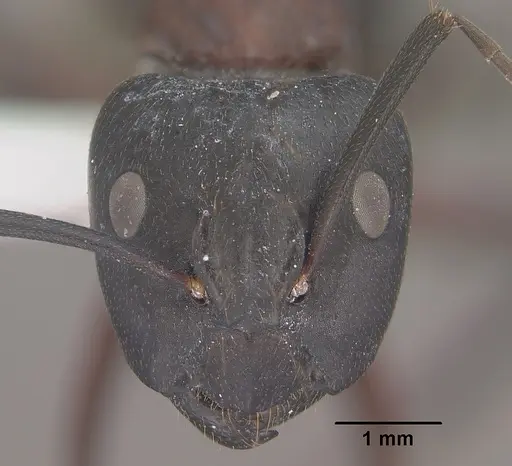
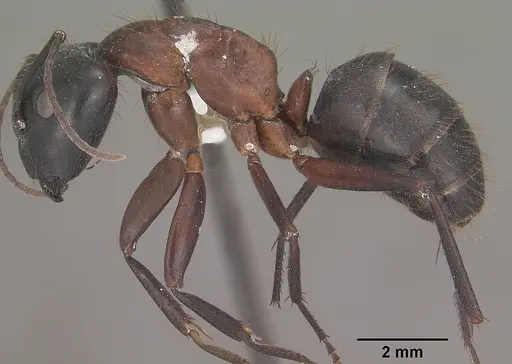
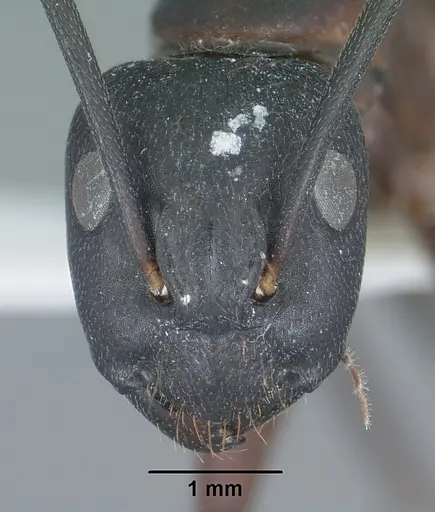
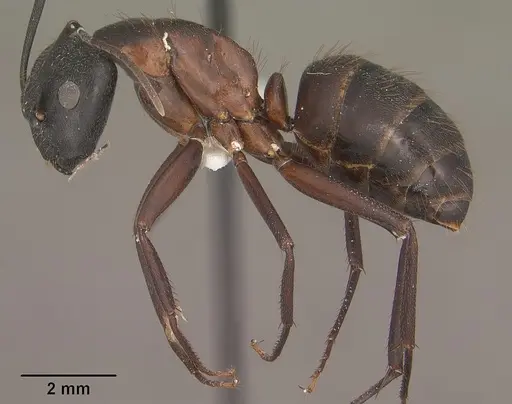
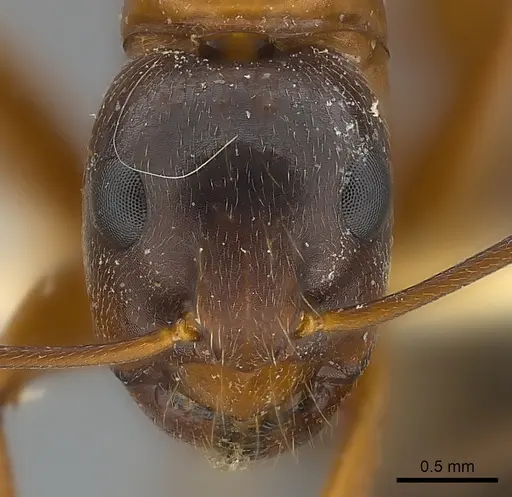
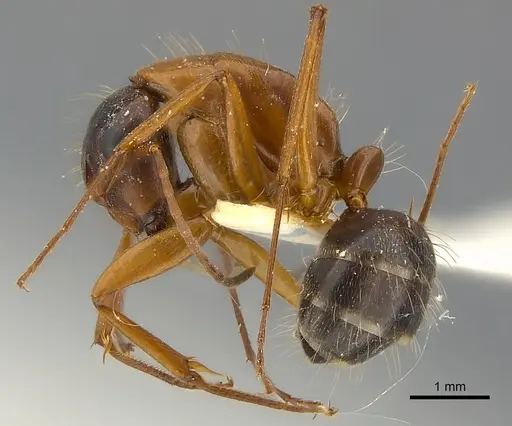
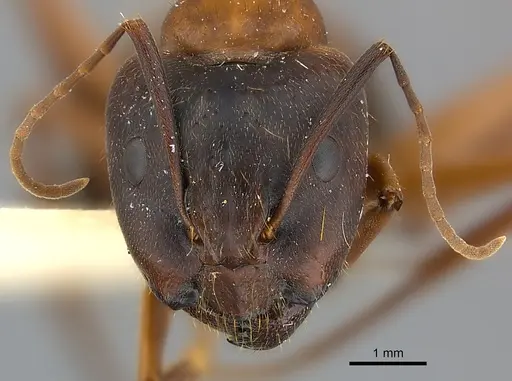
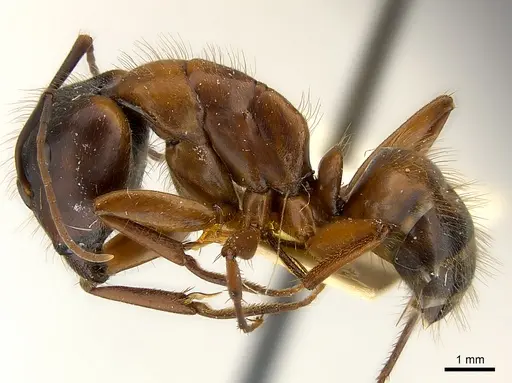
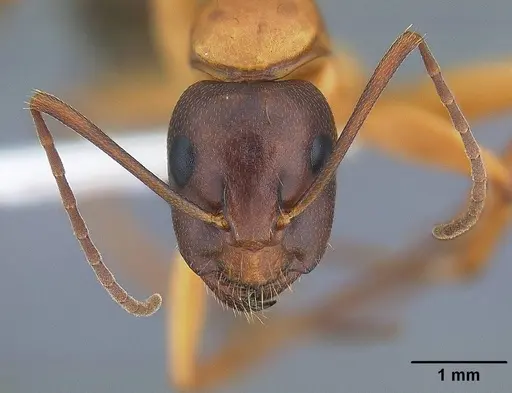
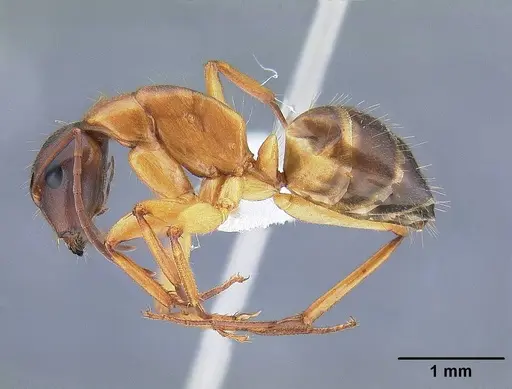
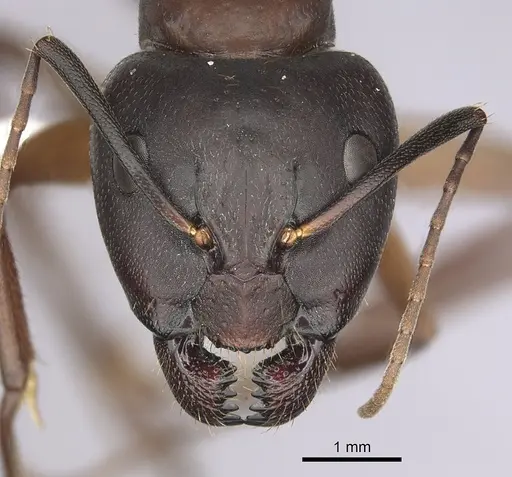
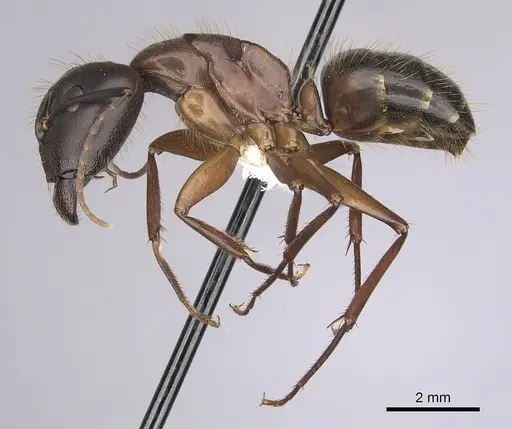
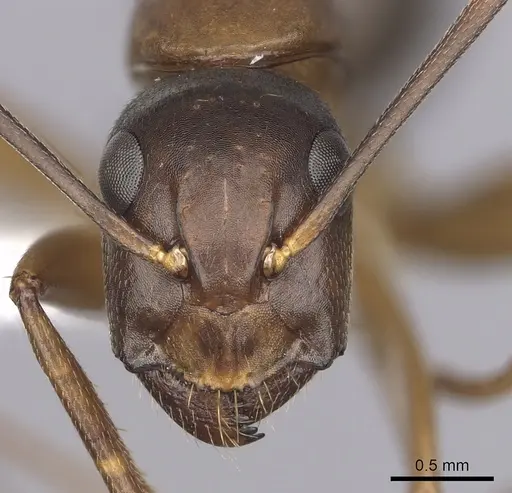
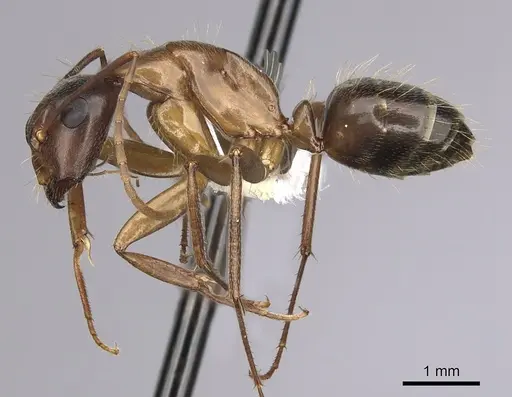
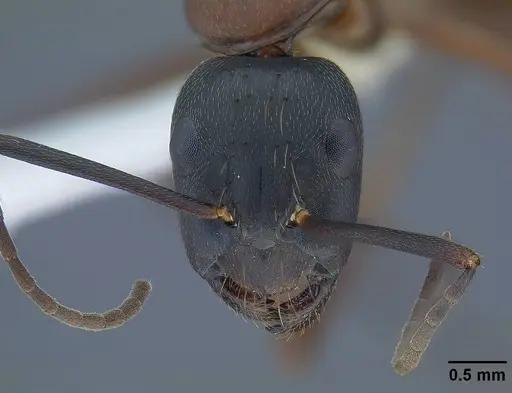
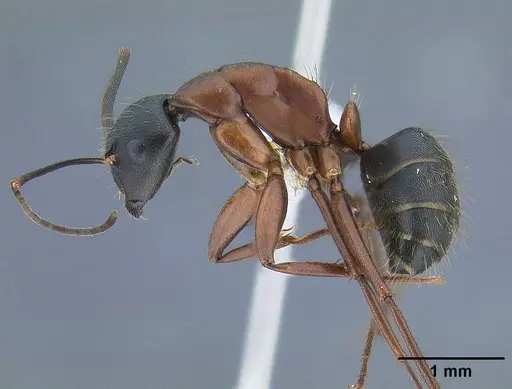
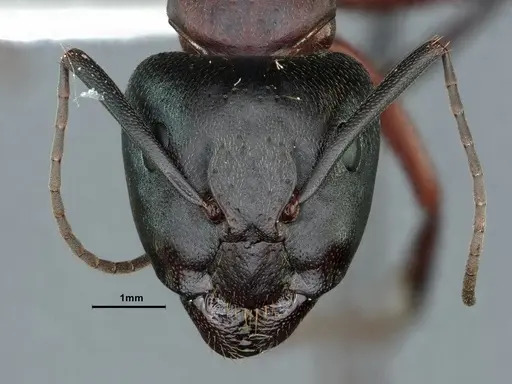
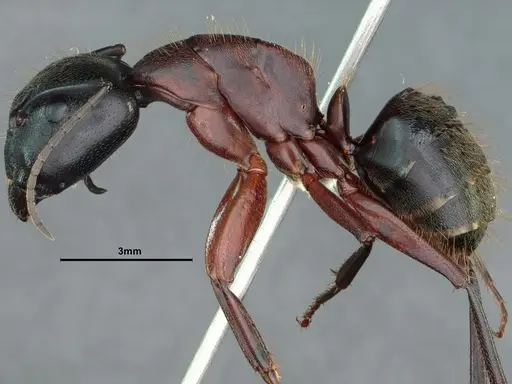
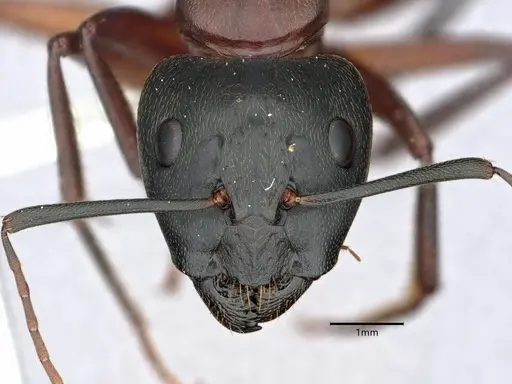
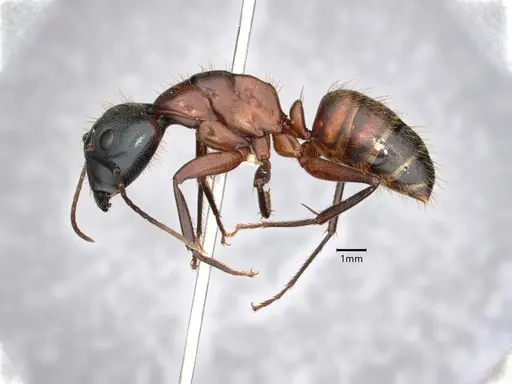
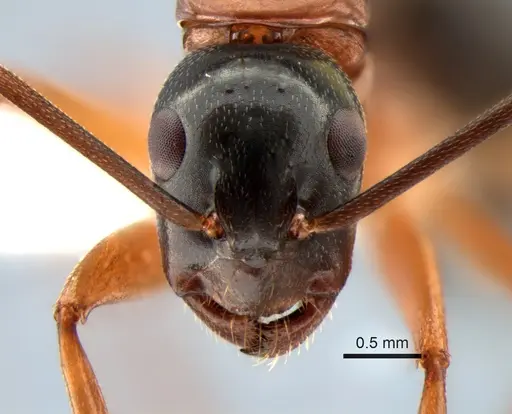
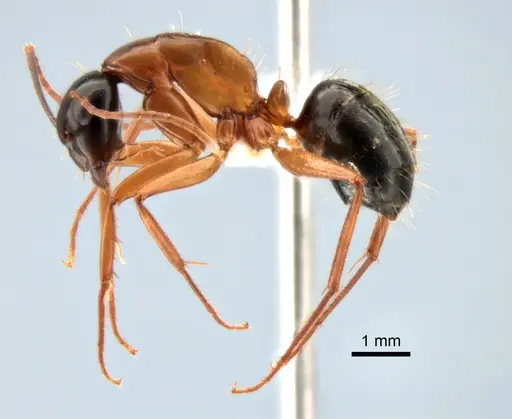
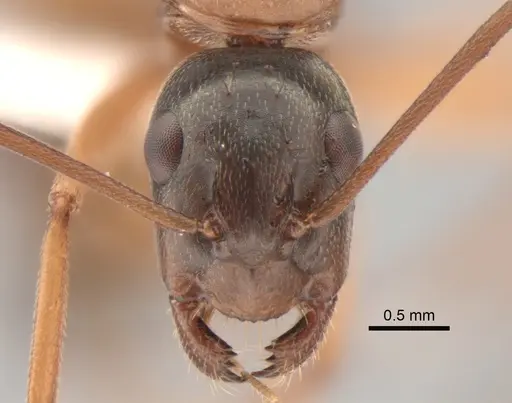
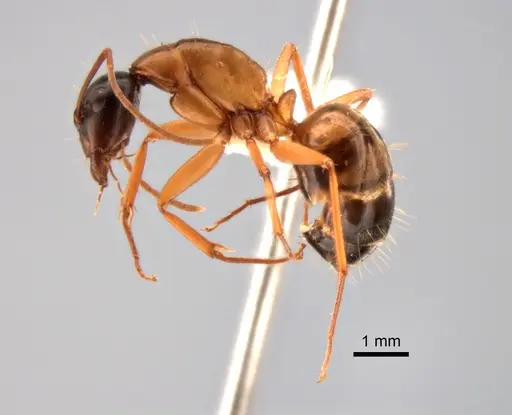
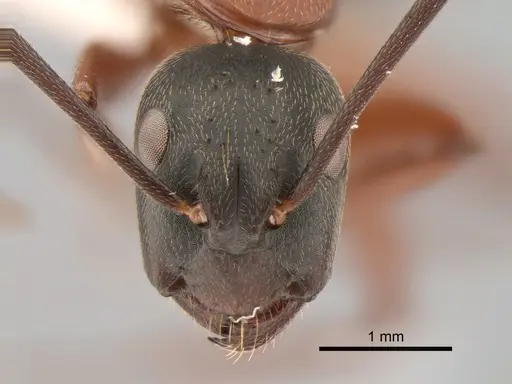
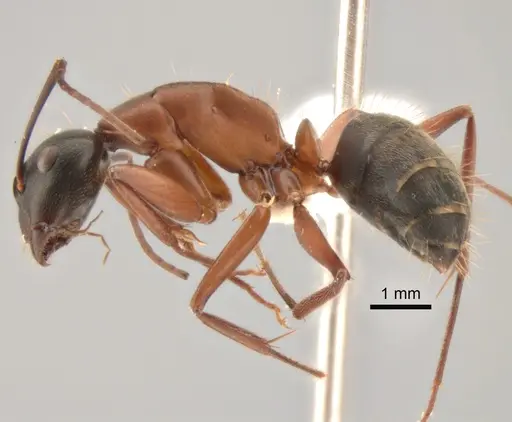
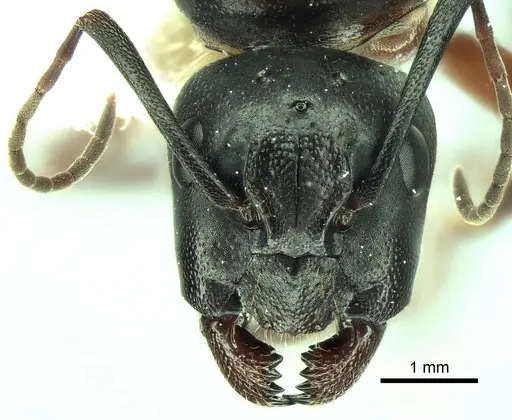
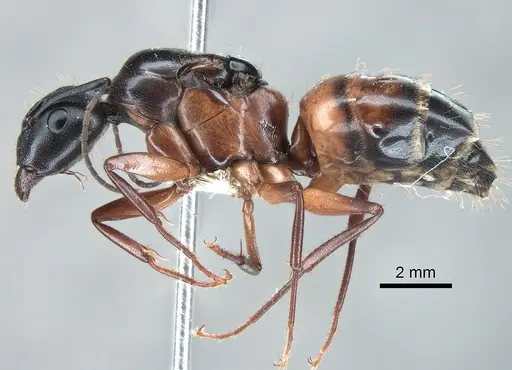
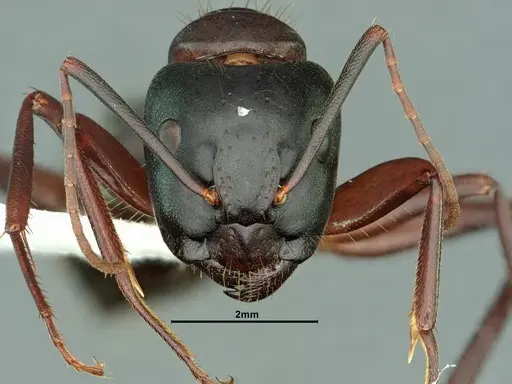
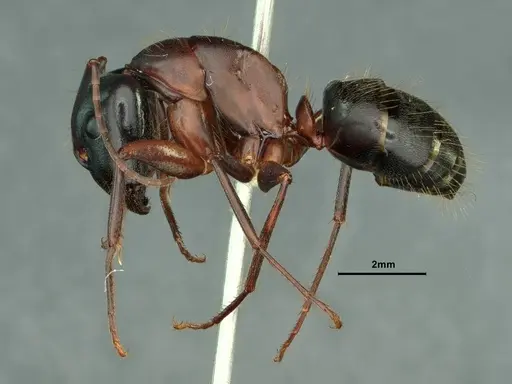
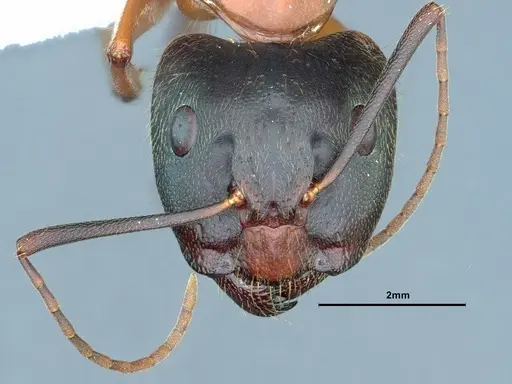
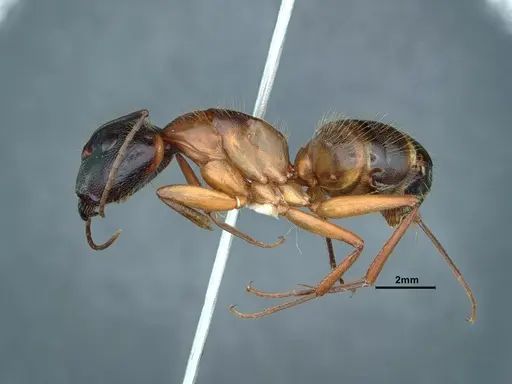
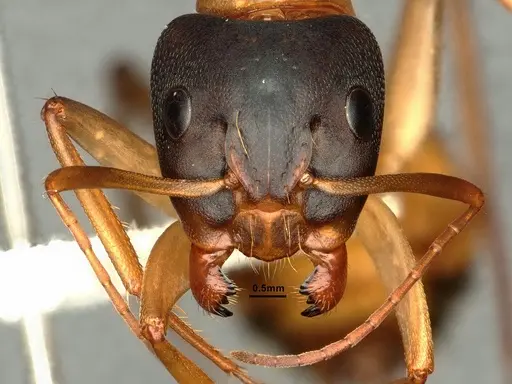
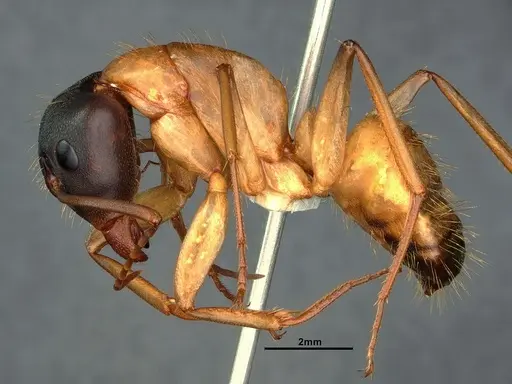
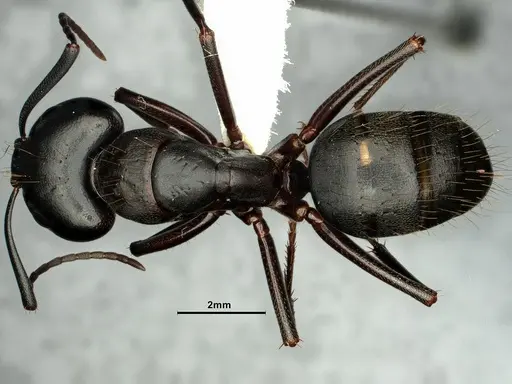
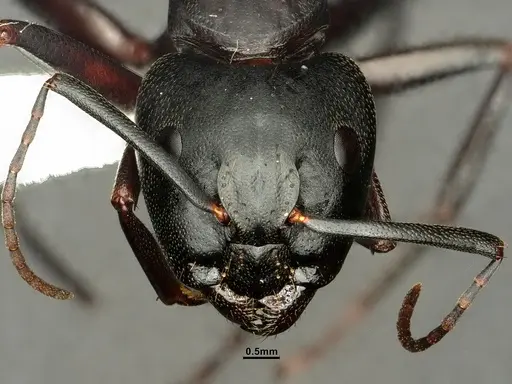
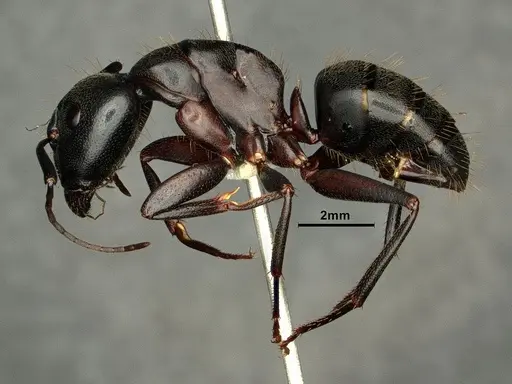
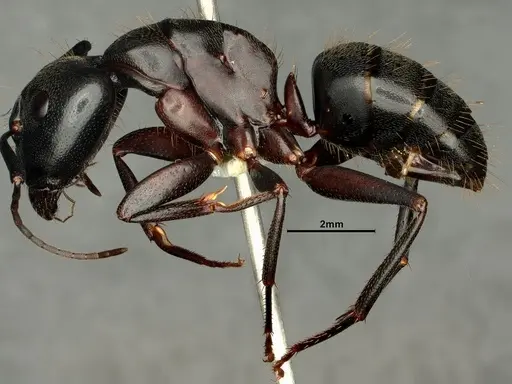
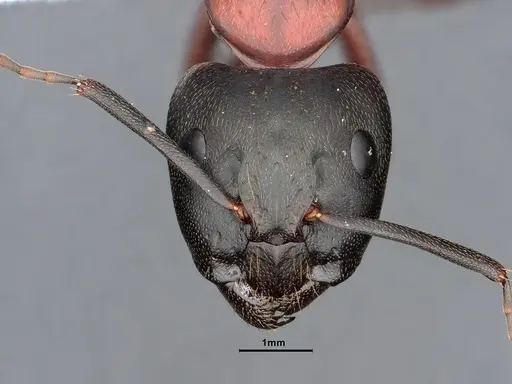
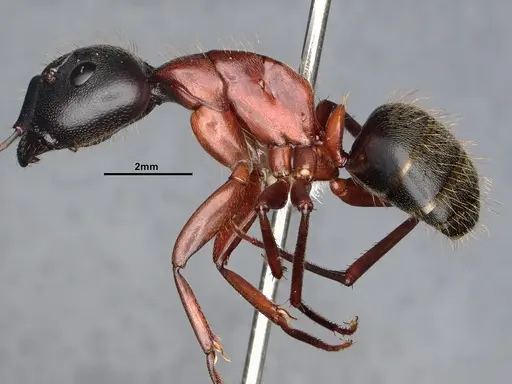
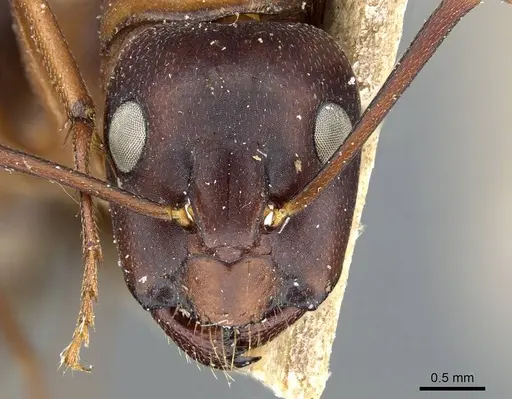
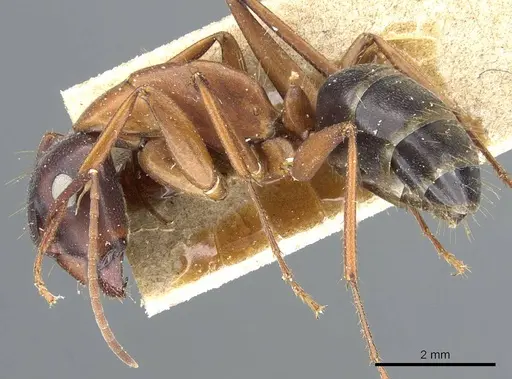
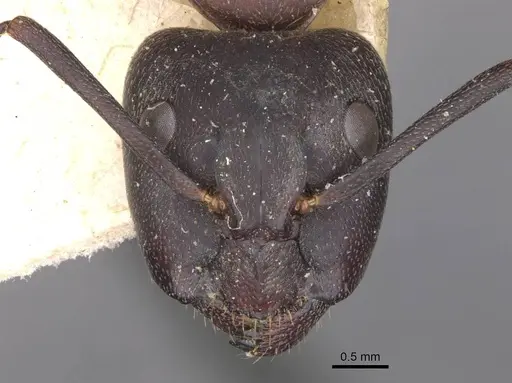
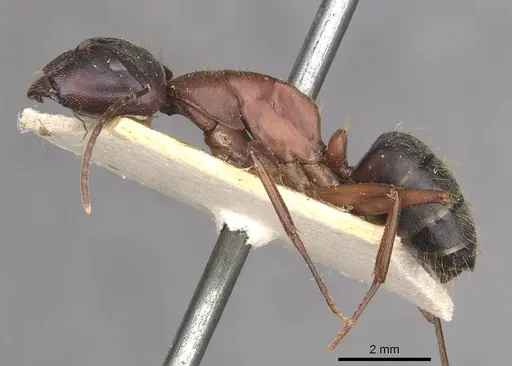
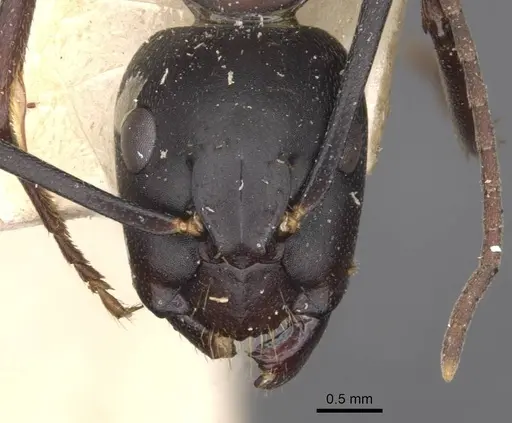
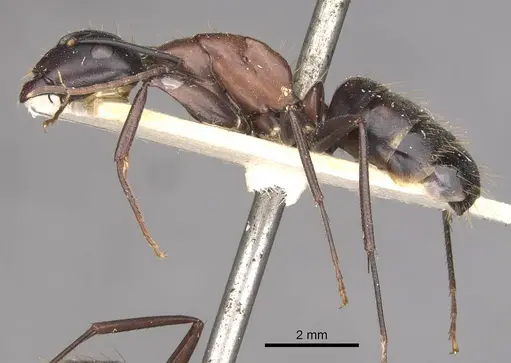
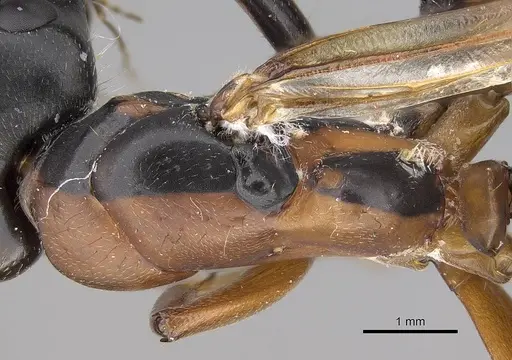
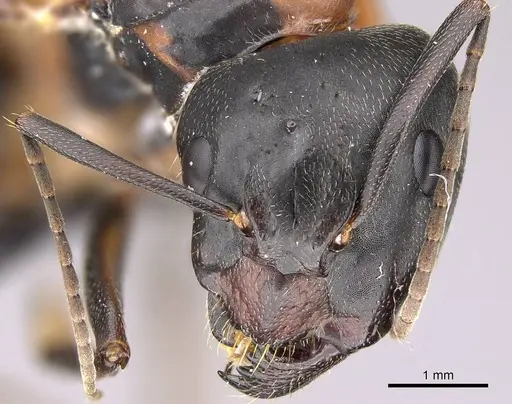
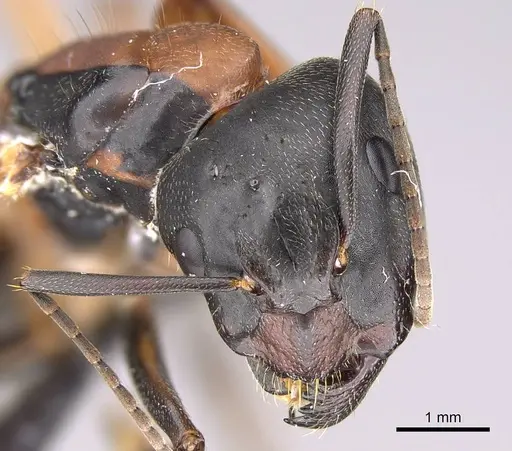
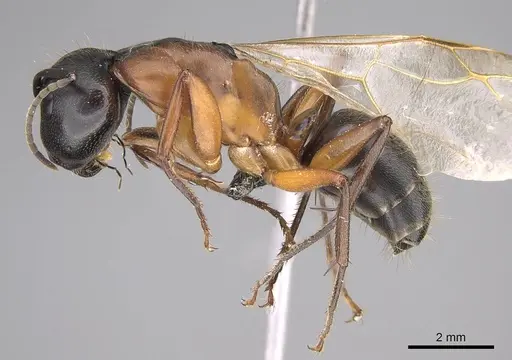
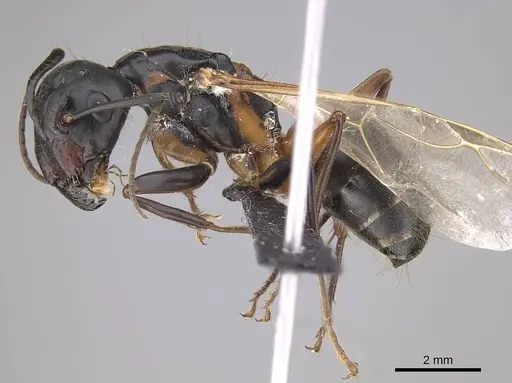
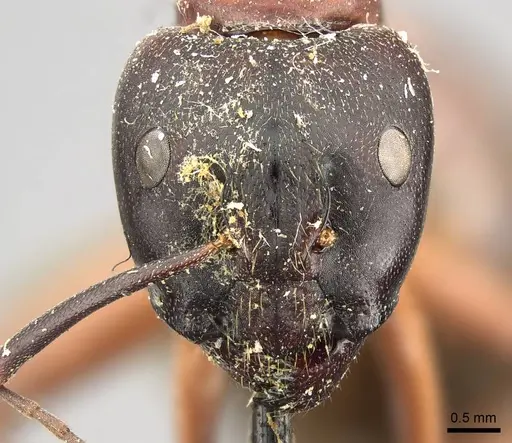
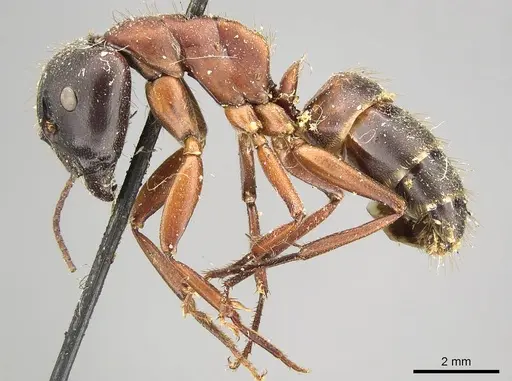
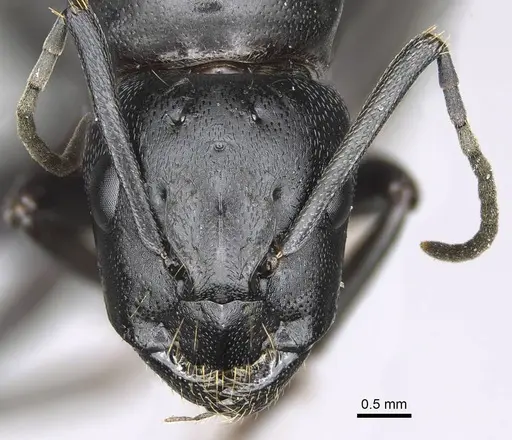
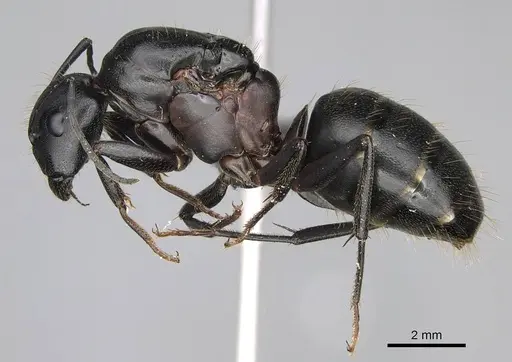
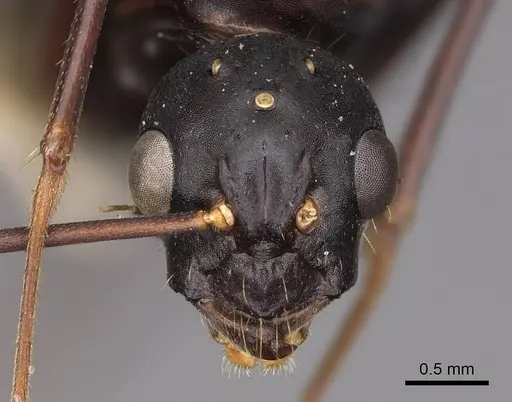
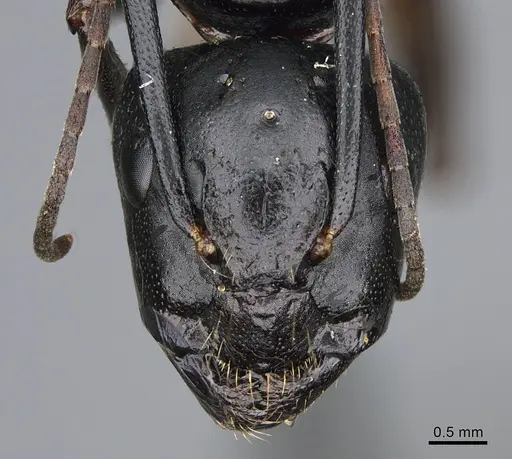
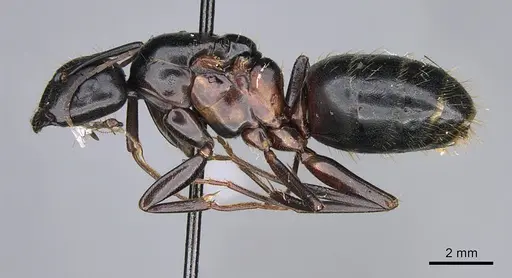
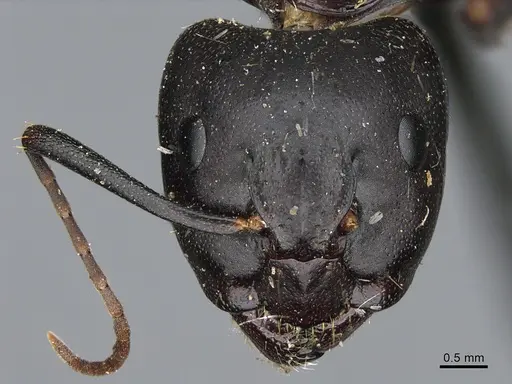
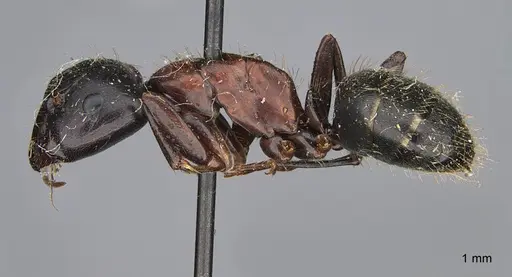
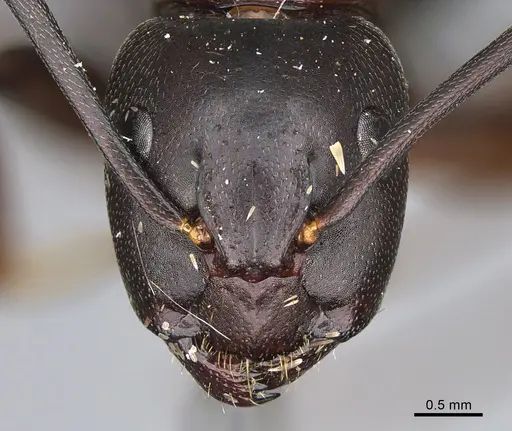
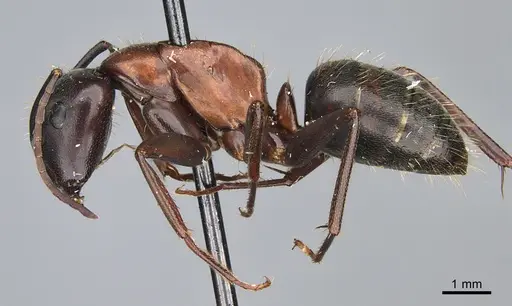
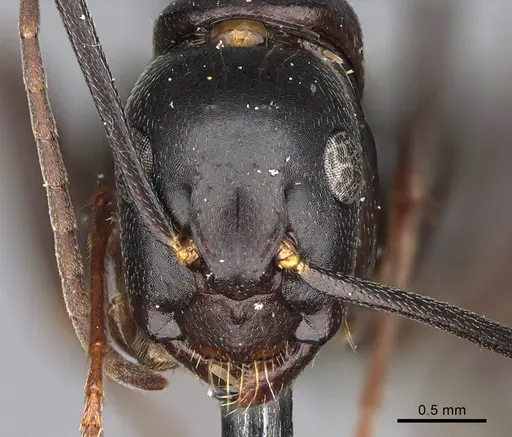
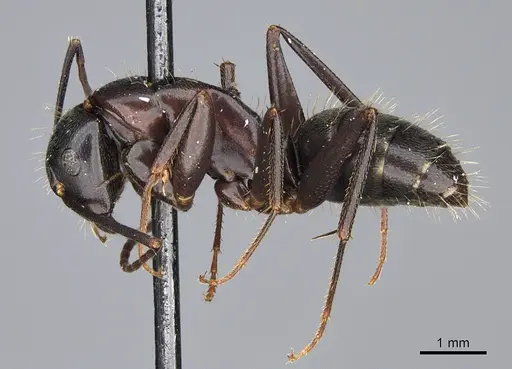
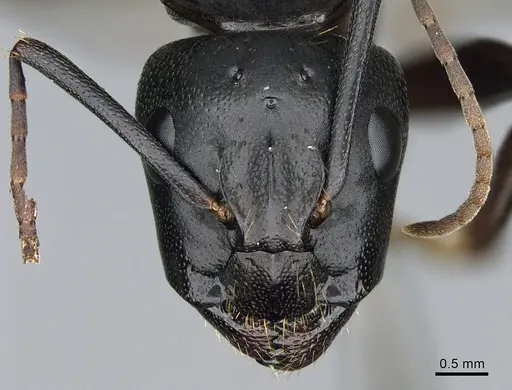
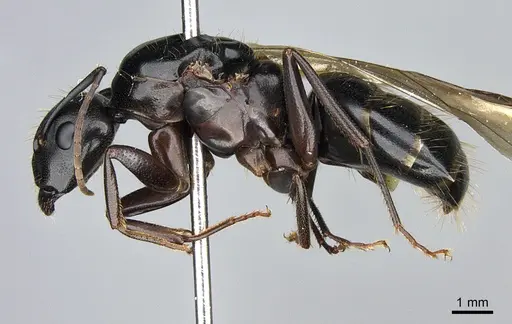
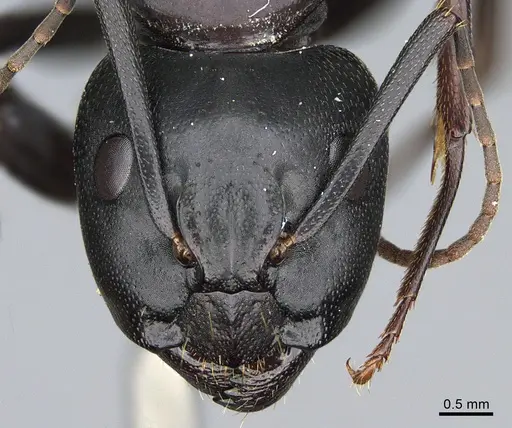
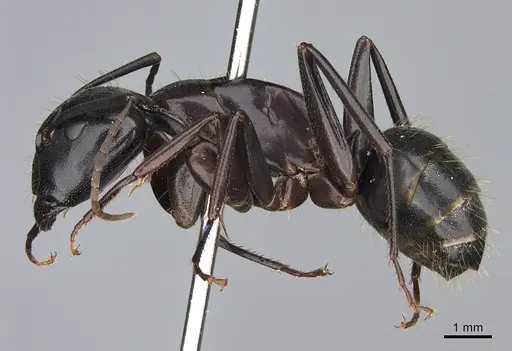
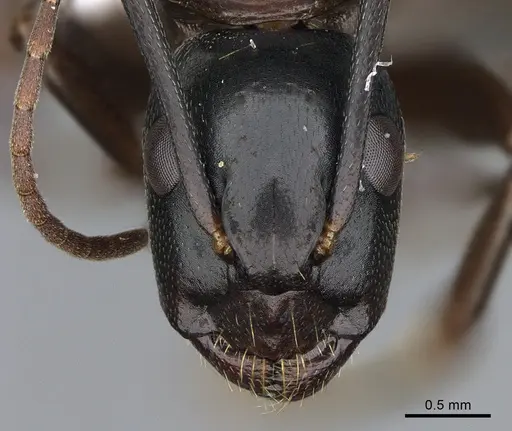
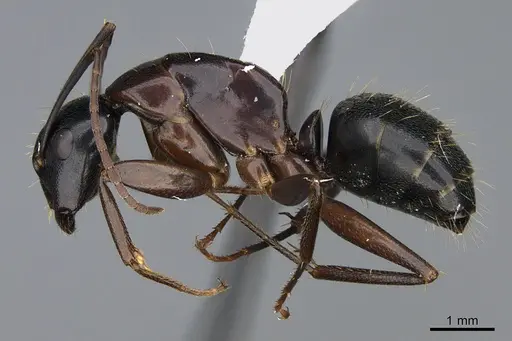
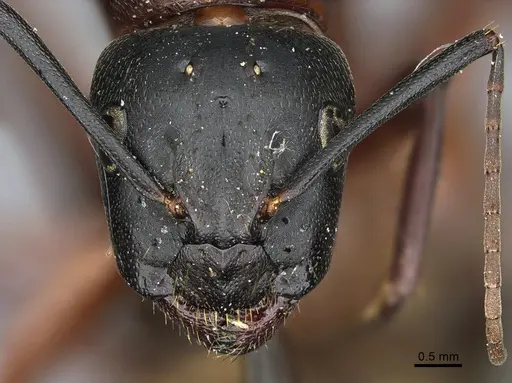
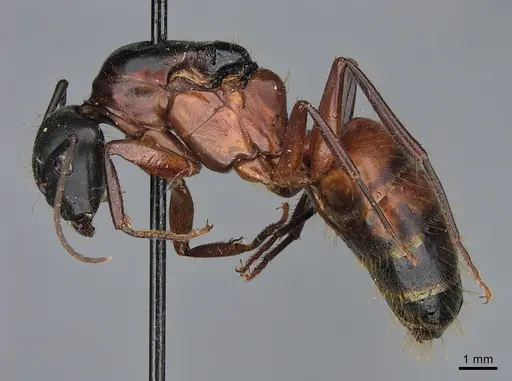
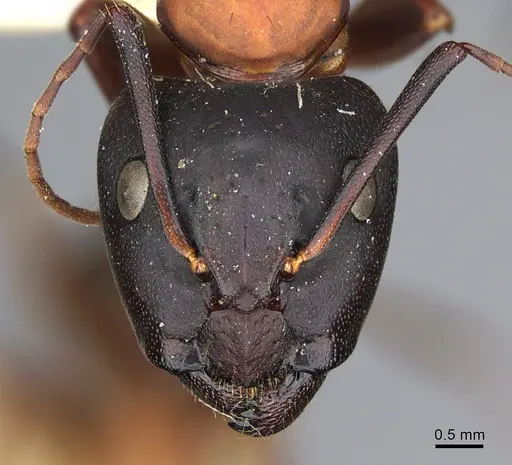
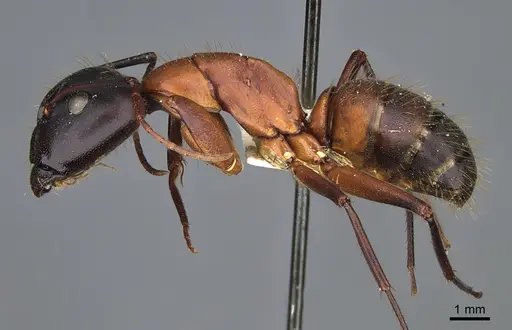
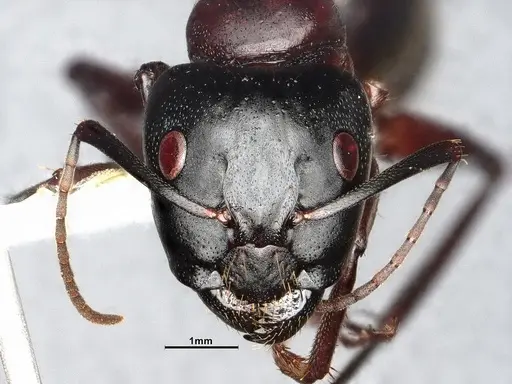
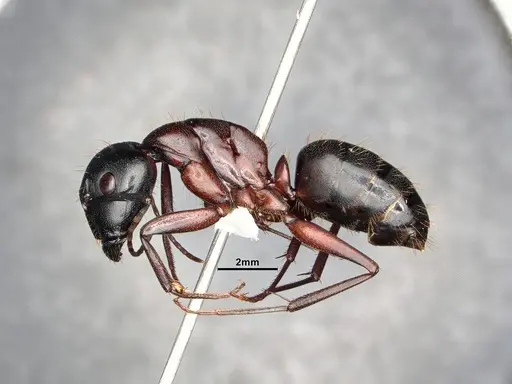
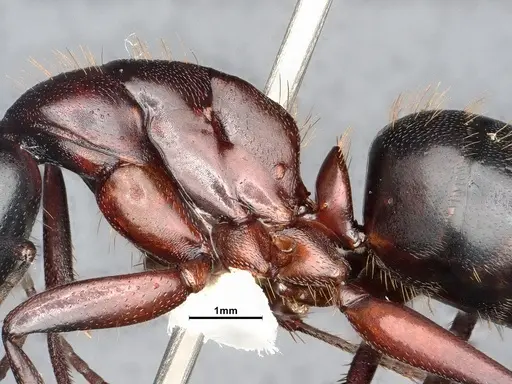
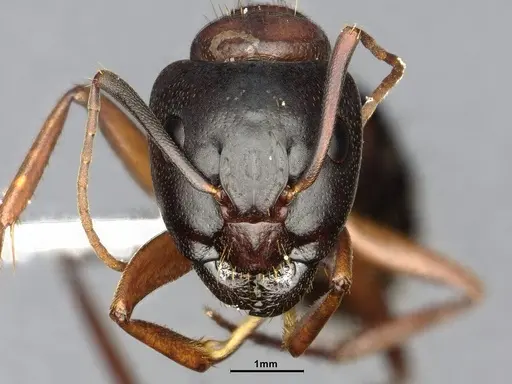
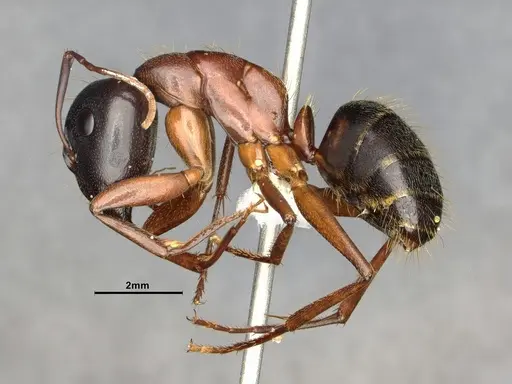
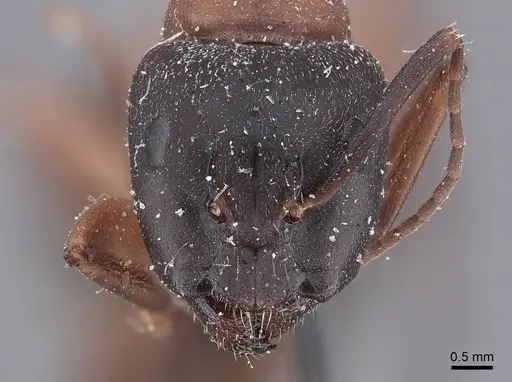
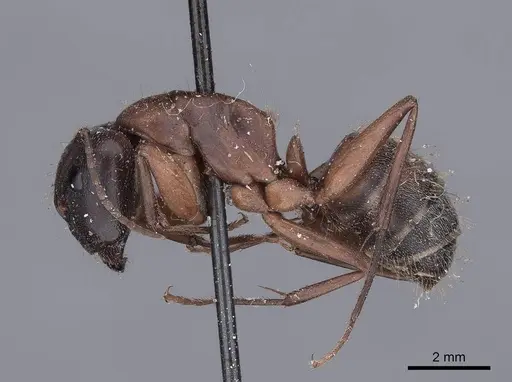
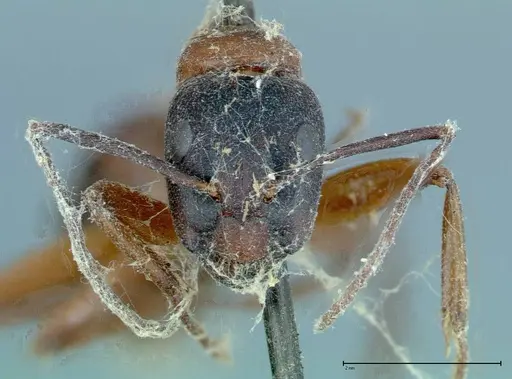
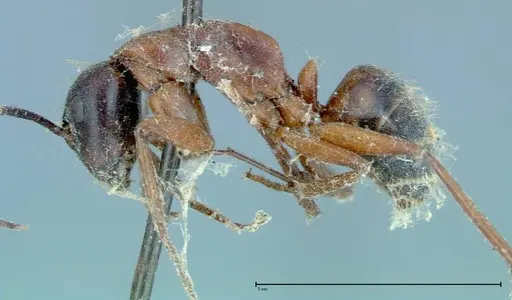
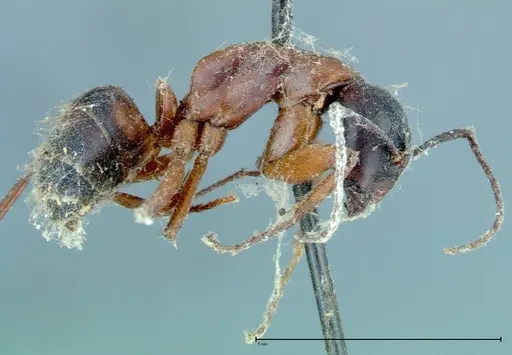
Camponotus vicinus is a large carpenter ant native to western North America, ranging from southwestern Canada through the western United States to northwestern Mexico. Workers measure 7-13mm depending on caste, with majors being significantly larger than minors. The most common color pattern features a black head and abdomen with a reddish-brown mesosoma and legs, though coloration can range from yellow-brown to entirely black. This species belongs to the subgenus Tanaemyrmex and is one of the most widespread and abundant ants in the western United States, nesting under stones and occasionally in rotting wood across diverse habitats from desert to forest [1][2].
What makes C. vicinus particularly interesting is its flexible colony structure, while primarily single-queen colonies, they can form polygynous colonies with up to 40 queens and establish multiple satellite nests connected to a parent colony [3]. They are major foragers of honeydew, tending numerous aphid species including Cinara ponderosae and Cinara edulis, and workers are known to forage both day and night [4][1]. Their relationship with yeast (Schwanniomyces polymorphus) in their infrabuccal pocket plays a significant role in their nutrition and brood development [5].
Quick Summary
- Difficulty: Medium
- Origin & Habitat: Western North America, southwestern Canada, western United States, to northwestern Mexico. Found in diverse habitats including Chihuahuan Desert, mesquite, sagebrush, meadows, deciduous and oak forests, riparian cottonwood forests, pinyon-juniper, ponderosa pine, and Douglas fir communities, typically at higher elevations (1930-2960m) in relatively moist areas [1][2].
- Colony Type: Primarily monogyne (single queen colonies), but can be polygynous with up to 40 queens in a single nest. Multiple satellite nests can be associated with a single parent nest where the queen or queens reside [3].
- Colony: Optionally polygyne
- Founding: Claustral, Pleometrosis
- Size & Growth:
- Queen: 14-16mm [6]
- Worker: Minor workers 7-8.5mm, major workers 11-13mm [6]
- Colony: Can exceed 100,000 workers in mature colonies [7]
- Growth: Moderate, typical for Camponotus species
- Development: 6-10 weeks (estimated based on typical Camponotus development at room temperature) (Development occurs year-round in indoor colonies, wild colonies show brood from March to October in New Mexico [1])
- Antkeeping:
- Temperature: Keep at 22-26°C. They tolerate a range from roughly 18°C to 30°C, but avoid extremes. A gentle temperature gradient allows workers to self-regulate [8].
- Humidity: Moderate humidity (50-60%). They nest under stones in the wild, so they prefer some moisture but not wet conditions. Provide a water tube and occasional misting of the outworld.
- Diapause: Yes, they require a winter rest period. Reduce temperature to 10-15°C for 3-4 months (November-February in the Northern Hemisphere) to simulate natural seasonal cycle. Keep them in a cool basement, garage, or refrigerator during this period.
- Nesting: Y-tong (acrylic) nests work well, or a plaster/wood formicarium. Provide a dark nesting chamber as they prefer enclosed spaces. Given their large colony size, plan for expandability.
- Behavior: Workers are moderately aggressive and will defend the colony vigorously. They are nocturnal foragers in the wild but will forage any time in captivity. They readily accept sugar water, honey, and protein sources like insects. Major workers can deliver a painful bite but lack a functional stinger. They are excellent climbers and can escape through small gaps, escape prevention is essential. They tend aphids and scale insects for honeydew and will aggressively defend these from other ants [4].
- Common Issues: large colonies need significant space, plan for expansion early, escape prevention is critical, they climb well and can squeeze through small gaps, winter diapause is essential for long-term colony health, skipping hibernation weakens colonies, queens can be polygynous, multiple queens may need to be separated if you want single-queen colonies, fungal and yeast issues can affect brood, keep nesting area clean and dry
Nuptial Flight Activity Analysis 356 observations
Flight Activity by Hour 356 observations
Camponotus vicinus nuptial flight activity peaks around 13:00 during the late morning to early afternoon. Activity is spread across a 23-hour window (00:00–22:00). Times may be influenced by human observation patterns.
Housing and Nest Setup
Camponotus vicinus adapts well to various captive setups. Y-tong (acrylic) nests are the most practical choice for most keepers, they provide good visibility, easy humidity control, and enough space for expanding colonies. Plaster nests or wooden formicaria also work well and better simulate their natural nesting in rotting wood. The nesting chamber should be dark or easily coverable, as these ants prefer dim conditions. Given their potential colony size (100,000+ workers), plan your setup with expansion in mind from the start. A test tube setup works for founding colonies, but plan to move them to a larger formicarium once the colony reaches 20-30 workers. Outworld space should include a foraging area with easy access to food and water. Escape prevention is critical, use fluon on container rims and ensure all connections are tight, as these ants can climb glass and squeeze through tiny gaps [3][7].
Feeding and Diet
C. vicinus is omnivorous with a strong preference for sugar sources. They readily accept sugar water, honey, and maple syrup. For protein, offer insects like mealworms, crickets, and fruit flies. They are known to be attracted to baits including liver, especially rotten liver [1]. In the wild, they tend numerous aphid species for honeydew, you can replicate this by offering sugar water or by keeping 'ant-safe' aphid colonies on suitable plants. A 2021 study found that yeast (Schwanniomyces polymorphus) in their infrabuccal pocket significantly affects brood development, non-defaunated colonies fed a basal diet with yeast produced more workers than those without [5]. This suggests providing a varied diet may be beneficial. Feed protein 2-3 times per week and keep sugar water constantly available. Remove uneaten prey after 24-48 hours to prevent mold.
Temperature and Seasonal Care
Maintain temperatures between 22-26°C for optimal colony growth and brood development. They can tolerate a broader range (roughly 18-30°C) but growth slows at cooler temperatures. A heating cable on one side of the nest creates a gradient allowing workers to self-regulate. Place heating on top of the nest, not underneath, to avoid excessive drying. Winter diapause is essential for this species, reduce temperatures to 10-15°C for 3-4 months during winter (typically November-February in the Northern Hemisphere). Keep colonies in a cool basement, garage, or use a refrigerator for smaller setups. During diapause, reduce food offerings but maintain some humidity. Skipping hibernation weakens colonies over time and can reduce queen longevity. In the wild, sexual reproductives are found in nests year-round, and brood is present from March to October [1].
Colony Structure and Growth
C. vicinus colonies can start monogyne (single queen) but become polygynous as they mature, with up to 40 queens in a single nest [3]. Multiple satellite nests form around a parent colony where the queen(s) reside. This means your colony may start with one queen but could eventually accept multiple queens if you introduce them or if colony dynamics shift. Major workers (11-13mm) develop from larger larvae and serve as defenders and food processors, while minors (7-8.5mm) handle most foraging and brood care. Colony growth is moderate, expect 6-10 weeks from egg to first worker (nanitic), and several months to reach 50+ workers. Mature colonies can exceed 100,000 workers and require significant space [7]. If you wish to maintain a single-queen colony, monitor for additional queen production and separate if needed.
Behavior and Defense
Workers are moderately aggressive and will vigorously defend their colony against threats. They deliver a painful bite with their strong mandibles but lack a functional stinger, the bite is their primary defense. Workers are primarily nocturnal foragers in the wild but adjust to captive schedules. They are excellent climbers and can escape through surprisingly small openings, making escape prevention essential. In competitive situations, studies show they persist at bait stations but can be displaced by more dominant species like Aphaenogaster occidentalis and Formica species [9]. They tend aphids and scale insects for honeydew and will aggressively defend these food sources from other ants [4]. When threatened, majors may be recruited to defend the nest entrance.
Frequently Asked Questions
How long does it take for Camponotus vicinus to produce first workers?
Expect 6-10 weeks from egg to first worker (nanitic) at room temperature (22-24°C). This is typical for Camponotus species. The first workers will be smaller than normal majors/minors but will quickly be replaced by normally-sized workers as the colony grows.
Can I keep multiple Camponotus vicinus queens together?
Yes, this species is facultatively polygynous, they can form multi-queen colonies with up to 40 queens [3]. However, if you want a single-queen colony, monitor for additional queen production and separate if desired. Introducing unrelated foundress queens is not recommended as they may fight initially.
Do Camponotus vicinus need hibernation?
Yes, they require a winter diapause period of 3-4 months at 10-15°C. This is essential for long-term colony health. Skip hibernation and the colony will weaken over time. Reduce temperature gradually in fall and restore gradually in spring.
What do Camponotus vicinus eat?
They are omnivorous with a strong sweet tooth. Offer sugar water, honey, or maple syrup constantly. For protein, provide insects like mealworms, crickets, or fruit flies 2-3 times weekly. They also tend aphids in the wild for honeydew.
Are Camponotus vicinus good for beginners?
They are medium difficulty, harder than species like Lasius niger but easier than many tropical species. Their main requirements are space for large colonies, proper escape prevention, and winter diapause. They are rewarding but need commitment to long-term care.
How big do Camponotus vicinus colonies get?
Mature colonies can exceed 100,000 workers [7]. This means you need to plan for significant space expansion. A single colony can have nest chambers under numerous rocks in the wild, so provide expandability in captivity.
When should I move Camponotus vicinus to a formicarium?
Move them when the test tube colony reaches 20-30 workers or when the water reservoir runs low. They need enough space for the brood pile. A Y-tong or plaster nest works well. Ensure the outworld is connected before they escape looking for space.
Why are my Camponotus vicinus dying?
Common causes include: improper humidity (too wet or too dry), temperature extremes, lack of hibernation, mold from uneaten food, or stress from insufficient space. Check these factors and ensure you're providing appropriate protein and sugar. Wild-caught colonies may also carry parasites.
References

This caresheet is licensed under CC BY-SA 4.0 .
CASENT0005353
View on AntWeb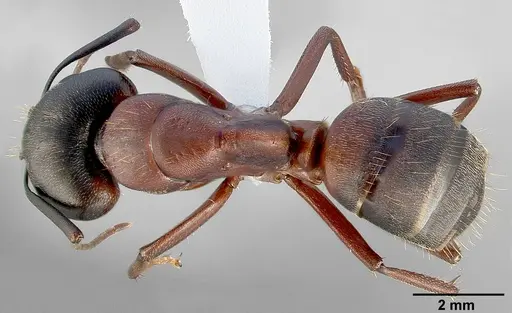
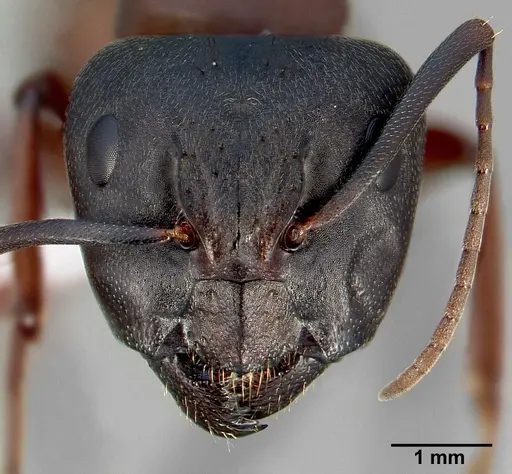
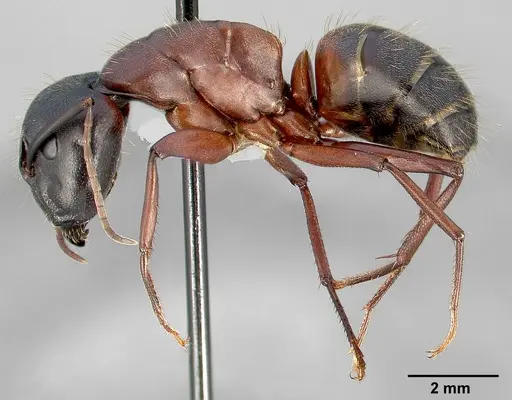
CASENT0102788
View on AntWeb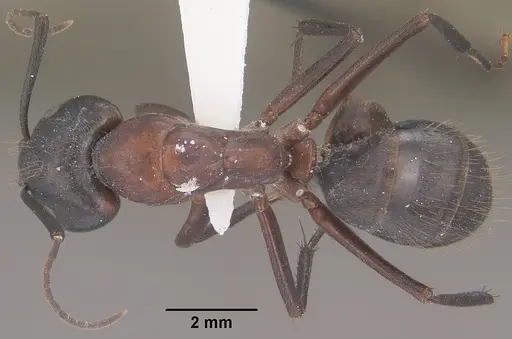
CASENT0102789
View on AntWeb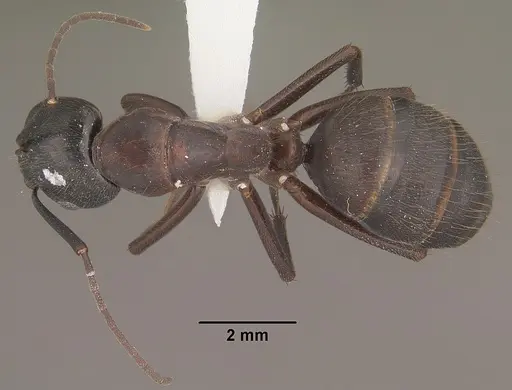
CASENT0217626
View on AntWeb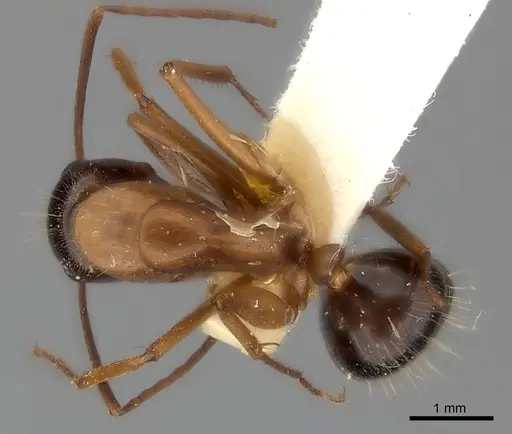
CASENT0217627
View on AntWeb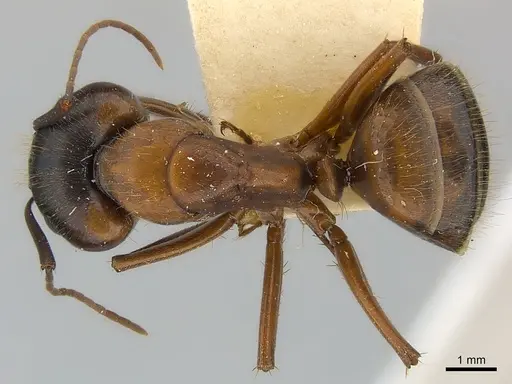
CASENT0221986
View on AntWeb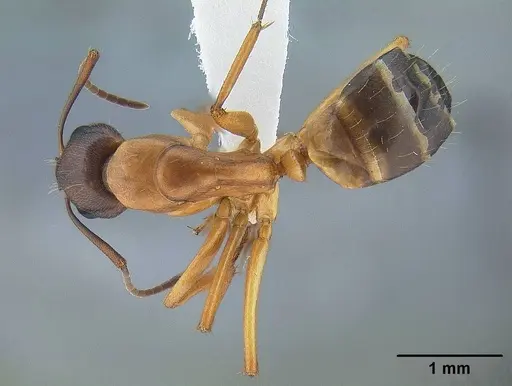
CASENT0280043
View on AntWeb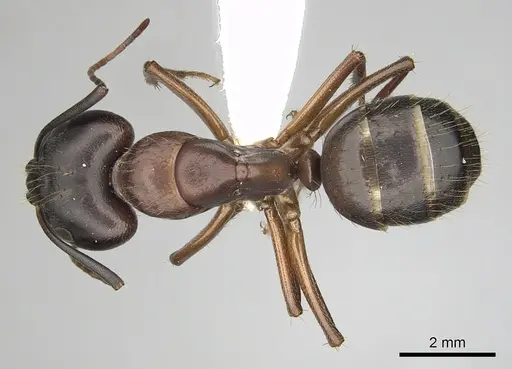
CASENT0280044
View on AntWeb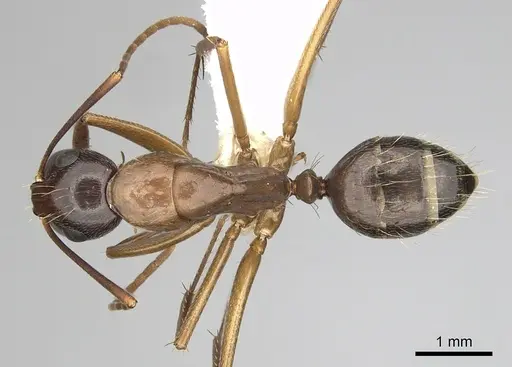
CASENT0761123
View on AntWeb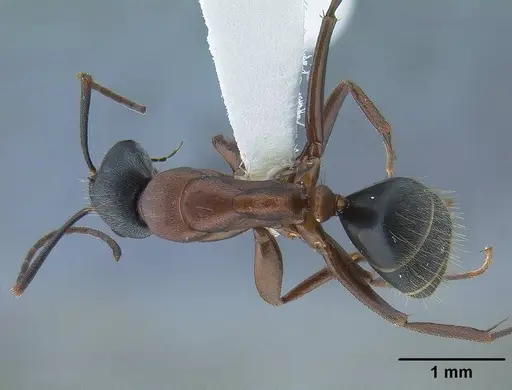
CASENT0862521
View on AntWeb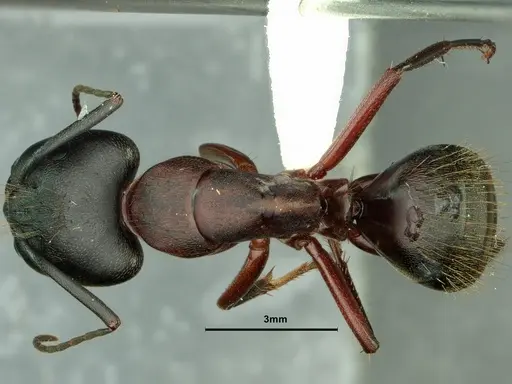
CASENT0882158
View on AntWeb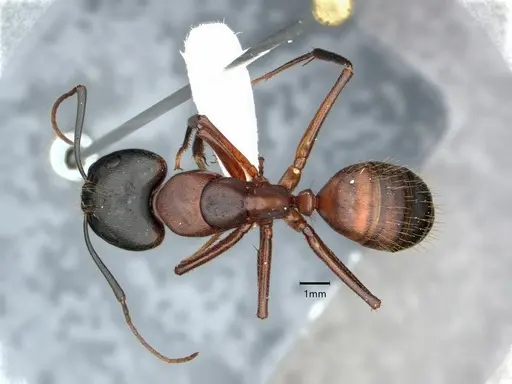
CASENT0882274
View on AntWeb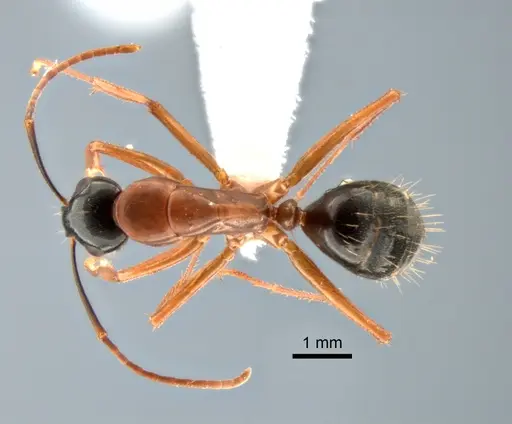
CASENT0882277
View on AntWeb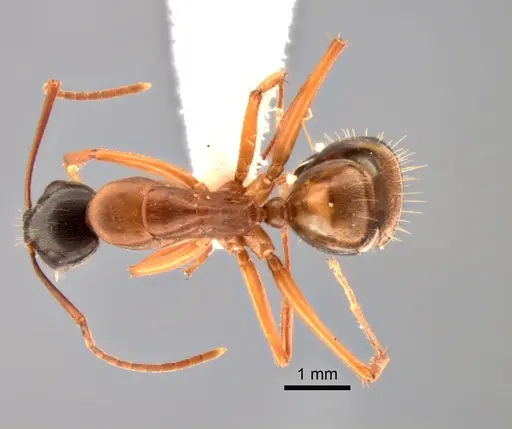
CASENT0882279
View on AntWeb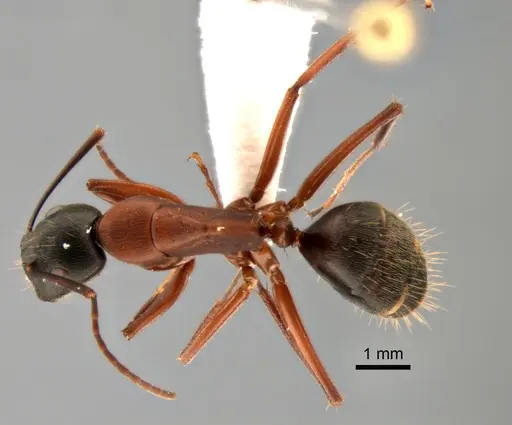
CASENT0882297
View on AntWeb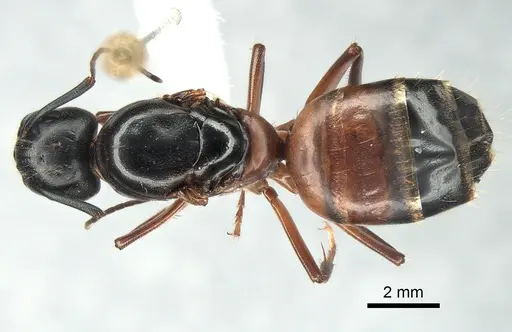
CASENT0883405
View on AntWeb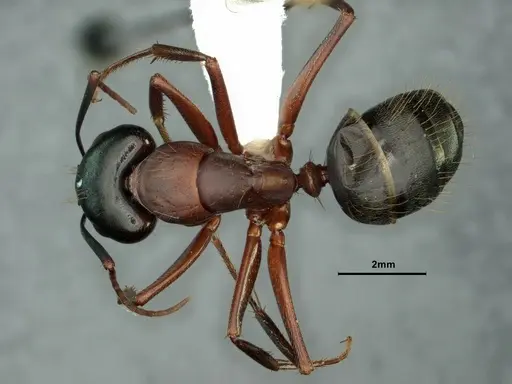
CASENT0883406
View on AntWeb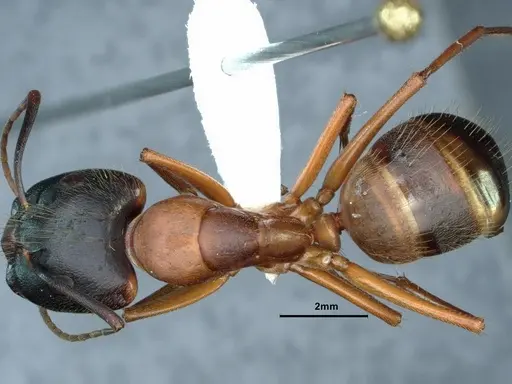
CASENT0883427
View on AntWeb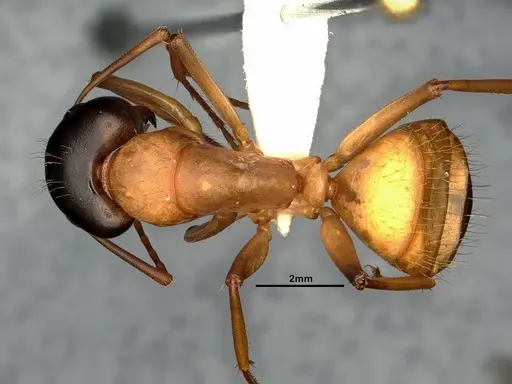
CASENT0883429
View on AntWeb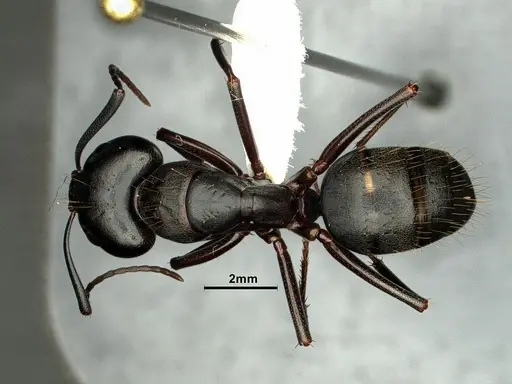
CASENT0886928
View on AntWeb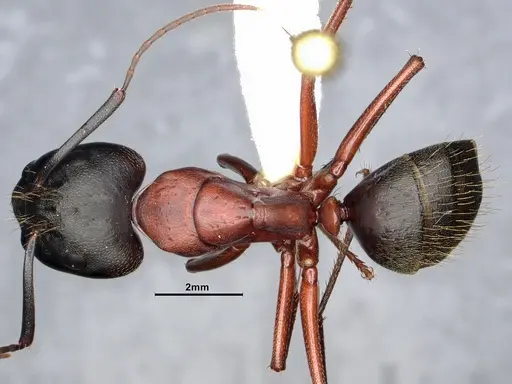
CASENT0905195
View on AntWeb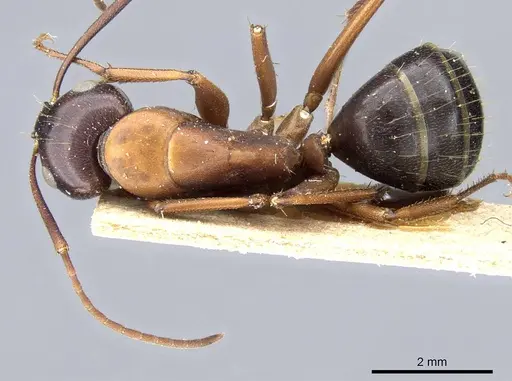
CASENT0909960
View on AntWeb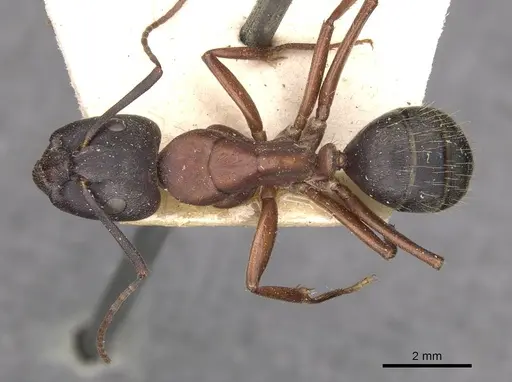
CASENT0909961
View on AntWeb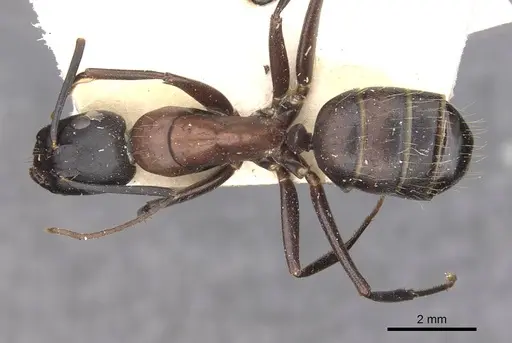
CASENT0914599
View on AntWeb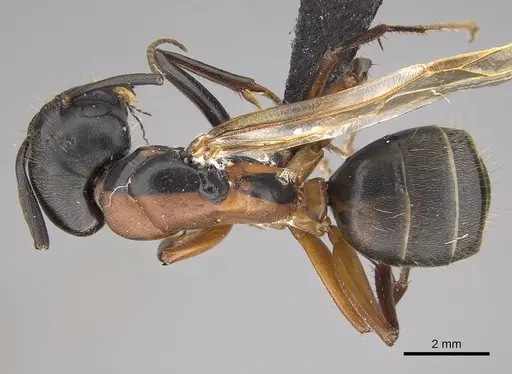
CASENT0915806
View on AntWeb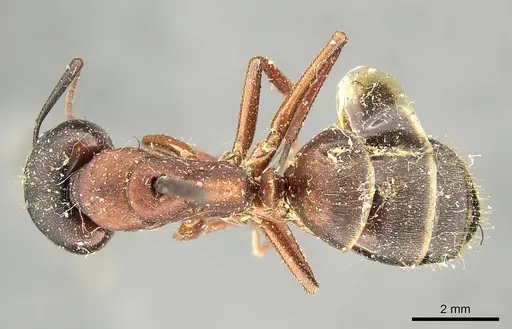
CASENT0919947
View on AntWeb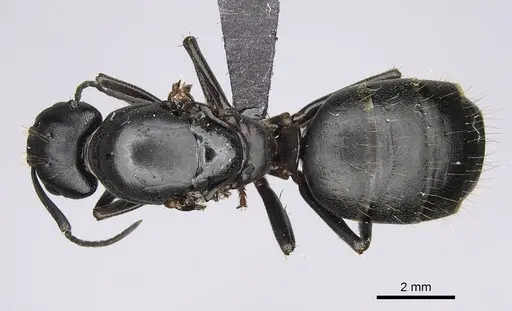
CASENT0923039
View on AntWeb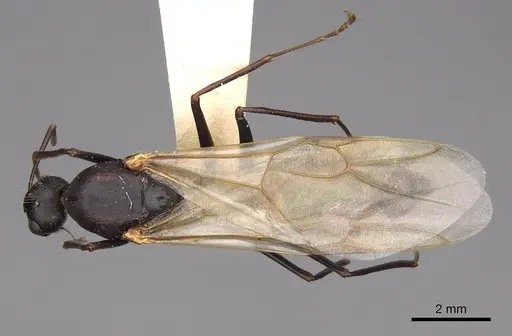
CASENT0923680
View on AntWeb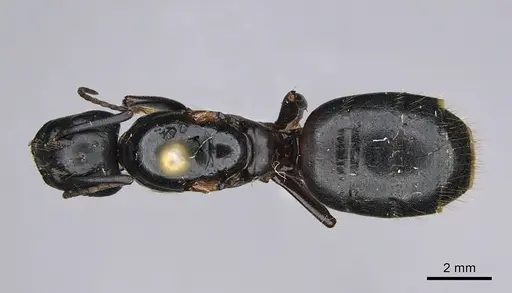
CASENT0923681
View on AntWeb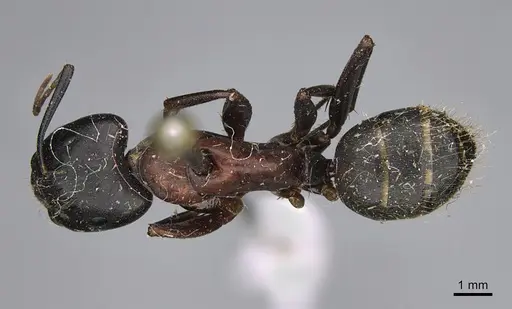
CASENT0923682
View on AntWeb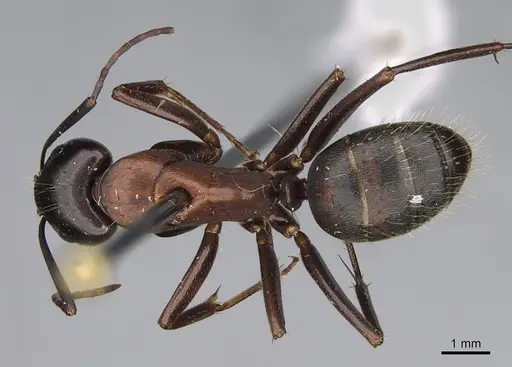
CASENT0923683
View on AntWeb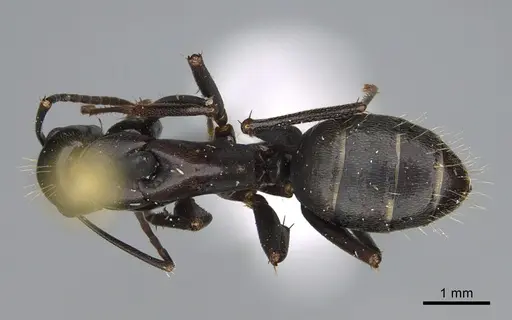
CASENT0923684
View on AntWeb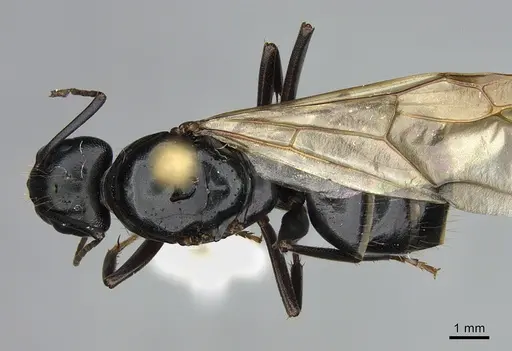
CASENT0923685
View on AntWeb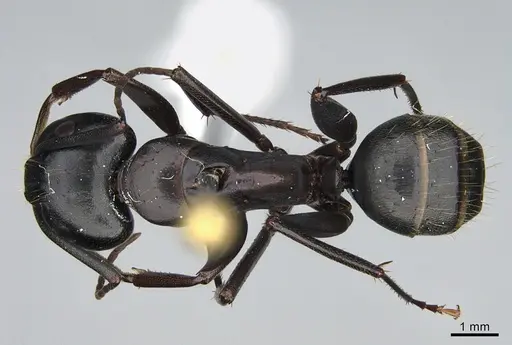
CASENT0923686
View on AntWeb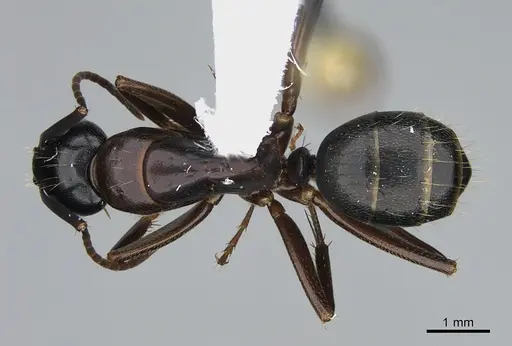
CASENT0923687
View on AntWeb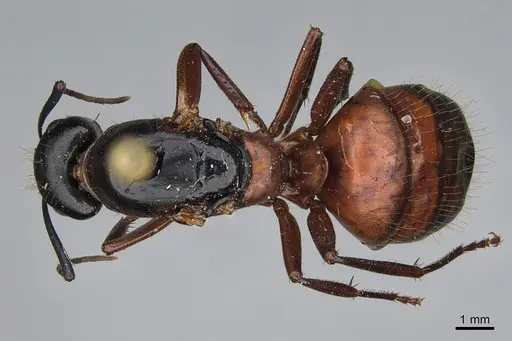
CASENT0923688
View on AntWeb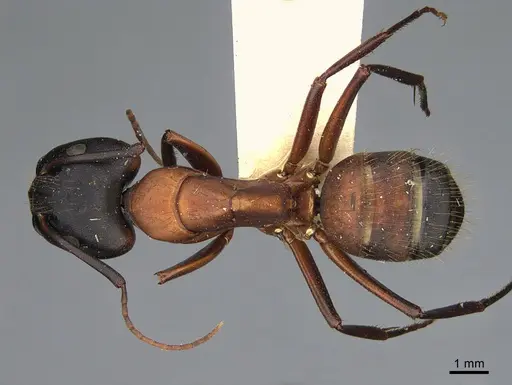
CASENT4031320
View on AntWeb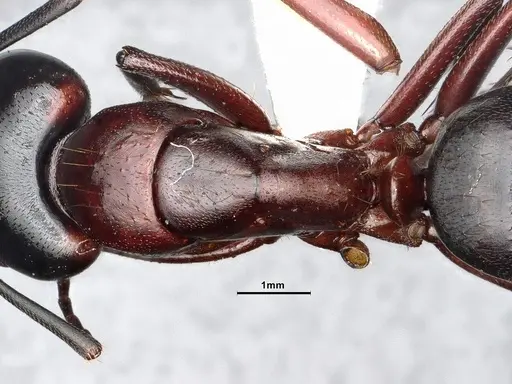
CASENT4031441
View on AntWeb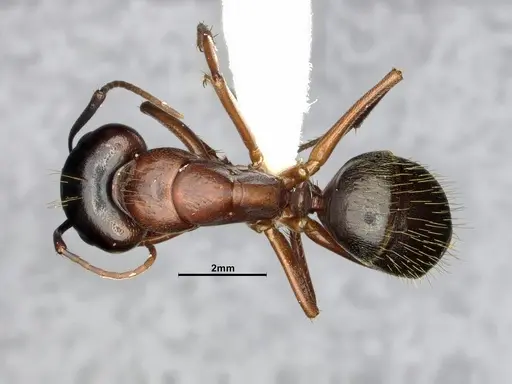
FMNHINS0000045948
View on AntWeb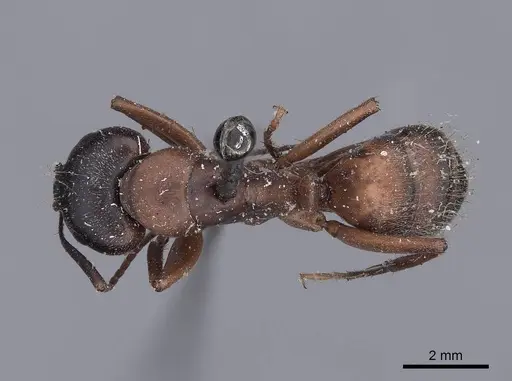
FOCOL0117
View on AntWeb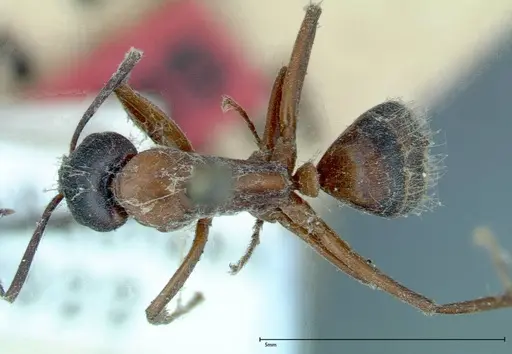
Literature
Loading...Loading products...