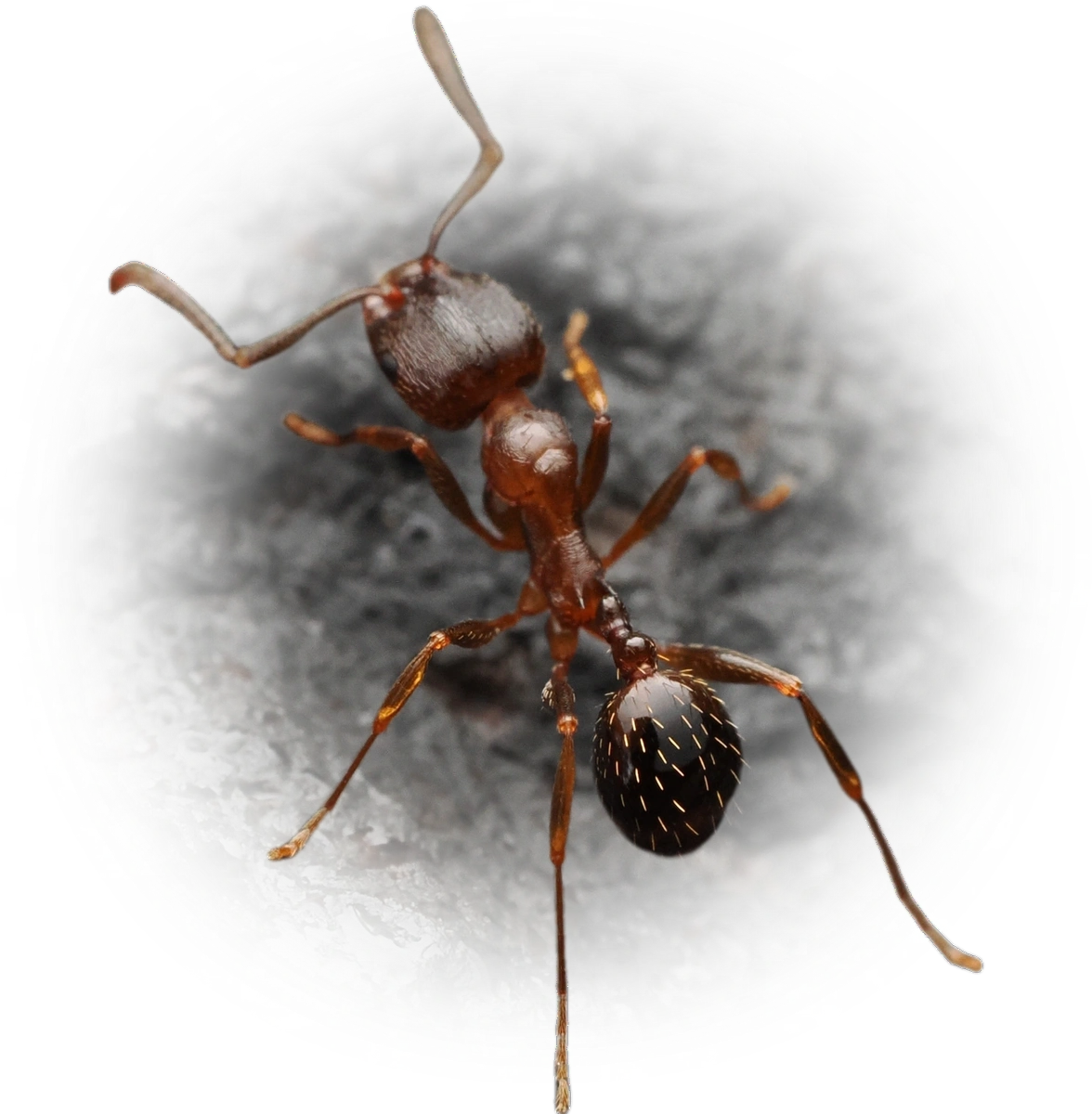

Aphaenogaster occidentalis
- Scientific Name
- Aphaenogaster occidentalis
- Tribe
- Stenammini
- Subfamily
- Myrmicinae
- Author
- Emery, 1895
- Common Name
- Western Collared Ant
- Distribution
- Found in 2 countries
Aphaenogaster occidentalis Overview
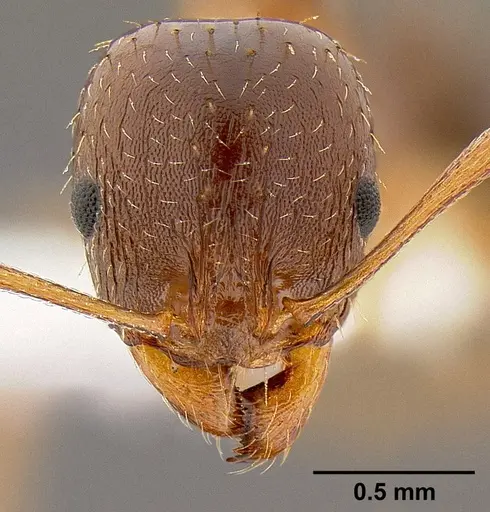
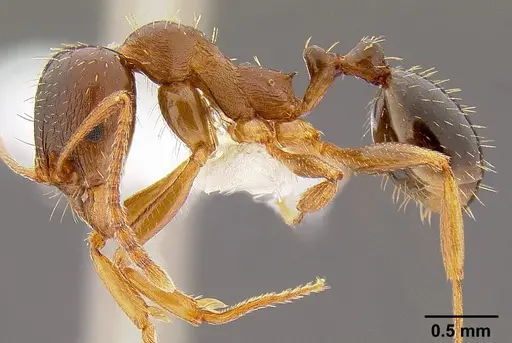
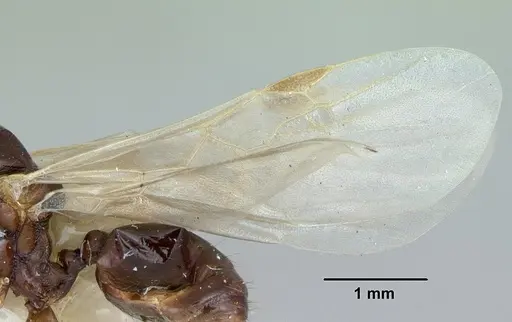
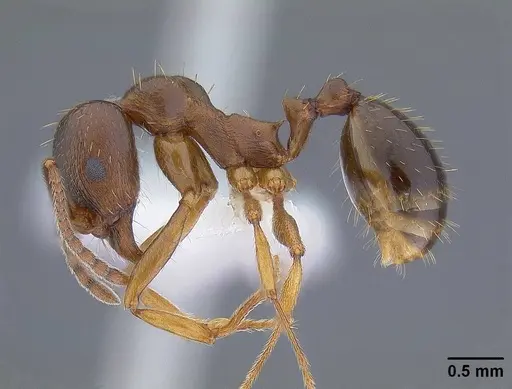
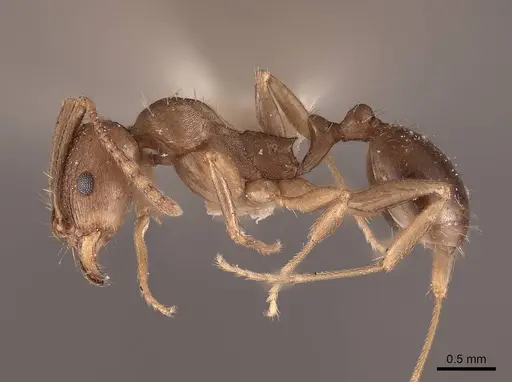
Aphaenogaster occidentalis (commonly known as the Western Collared Ant) is an ant species of the genus Aphaenogaster. It is primarily documented in 2 countries , including Canada, United States of America. Detailed taxonomic data and occurrence records can be further explored via authoritative databases such as AntWeb or the Global Biodiversity Information Facility (GBIF).
Aphaenogaster occidentalis - "Western Collared Ant"
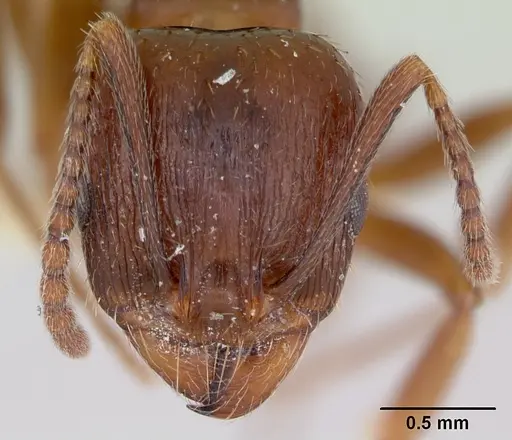
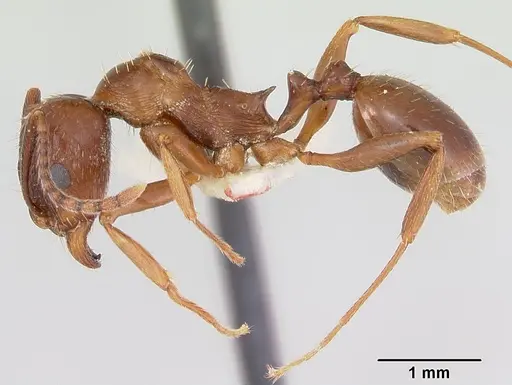
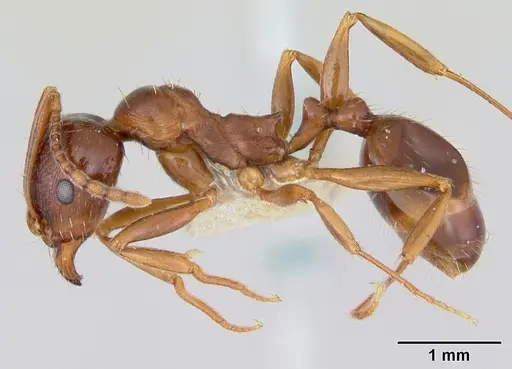
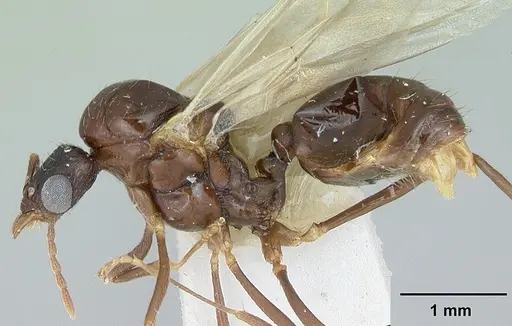
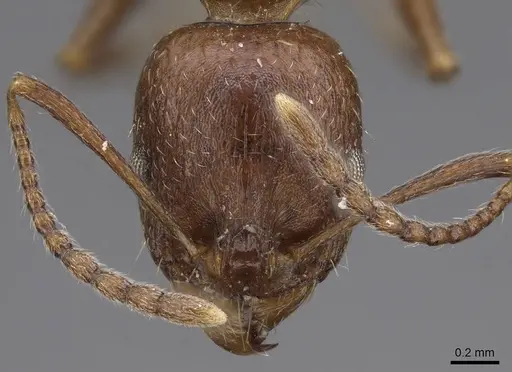
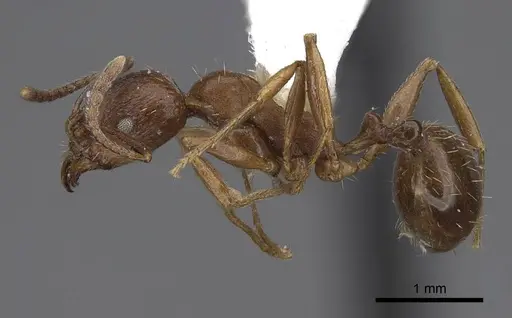
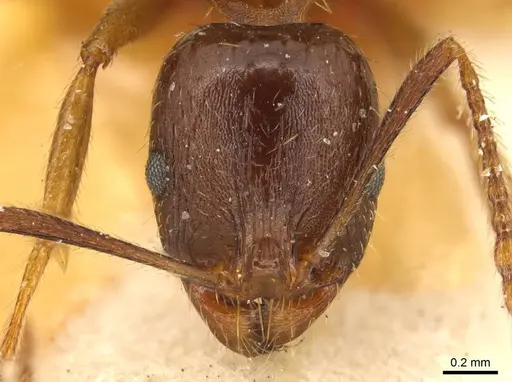
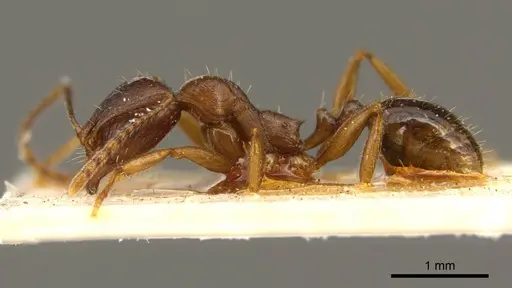
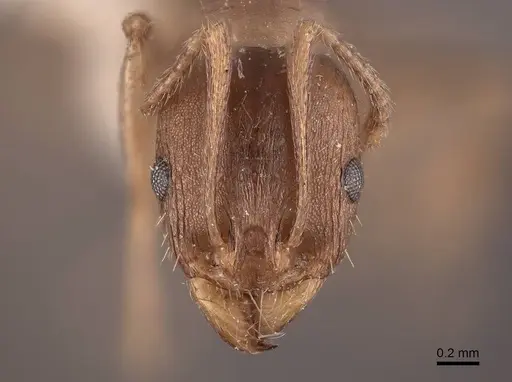
Aphaenogaster occidentalis is a dark brown to blackish ant native to western North America, ranging from British Columbia south through California and east to the Rocky Mountains [1]. Workers measure between 4.5 and 6 millimeters, with western populations averaging slightly smaller than eastern ones [1]. These ground-nesting ants inhabit moist grasslands and forests where they act as generalized scavengers [2][3]. They show unusual behavioral flexibility in their activity patterns, foraging during the day, at dusk, or at night depending on temperature conditions [4]. In Washington State, they are known to enter homes and become occasional pests [5].
Quick Summary
- Difficulty: Easy/Medium
- Origin & Habitat: Western North America (British Columbia to California, east to Montana and Colorado) in mesic grasslands and forests [1][2].
- Colony Type: Likely single-queen, though specific colony structure is unconfirmed.
- Size & Growth:
- Antkeeping:
- Temperature: 20-25°C during activity season, provide winter rest at 10-15°C.
- Humidity: Moderate to high, keep nest substrate damp but not waterlogged [2].
- Diapause: Yes, required for temperate populations.
- Nesting: Soil-based, Y-tong, or plaster nests with moderate humidity.
- Behavior: Generalized scavengers with flexible activity patterns, not aggressive, co-occur with many species [6][4].
- Common Issues: escape prevention is critical, workers are small and can squeeze through tiny gaps., colonies require winter diapause to thrive long-term., wild-caught colonies may contain mites or other parasites., they can become household pests if not properly contained.
Nest Preferences and Setup
In the wild, Aphaenogaster occidentalis nests in the ground in both open and covered areas across grasslands and forest habitats [3][7]. They prefer mesic conditions, neither too dry nor too wet [2]. For captive colonies, provide a nest with soil, Y-tong, or plaster that maintains moderate humidity. The substrate should feel damp to the touch but not soggy. Include a gradient from moist to slightly drier areas so the colony can self-regulate. Because they are ground-nesters, they appreciate some substrate depth for tunneling.
Feeding and Diet
These ants are generalized scavengers that accept a wide variety of foods [2]. Offer protein sources such as dead insects, mealworms, or crickets twice weekly. Provide sugar water or honey for carbohydrates continuously. Their foraging activity varies with temperature, they may forage during the day when cool, or switch to evening and night activity when days are warm [4]. Watch their activity patterns and offer food when they are most active.
Temperature and Seasonal Care
As a temperate species ranging from British Columbia to California, Aphaenogaster occidentalis experiences seasonal temperature changes [1][8]. Maintain the nest at 20-25°C during the spring and summer activity period. For winter care, provide a diapause period of 3-4 months at 10-15°C to simulate natural conditions. Without this winter rest, colonies may gradually decline. Keep humidity moderate during diapause, slightly drier than summer but not completely dry.
Behavior and Activity Patterns
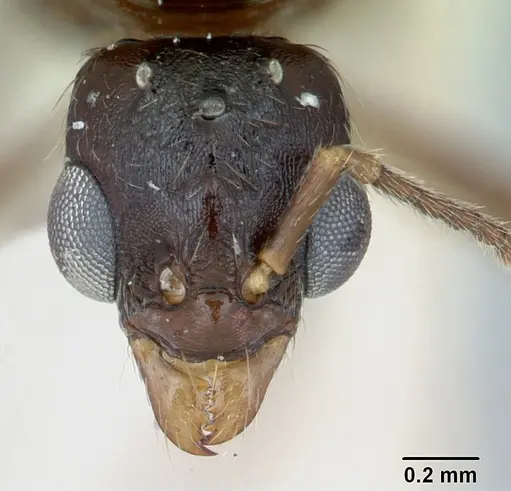
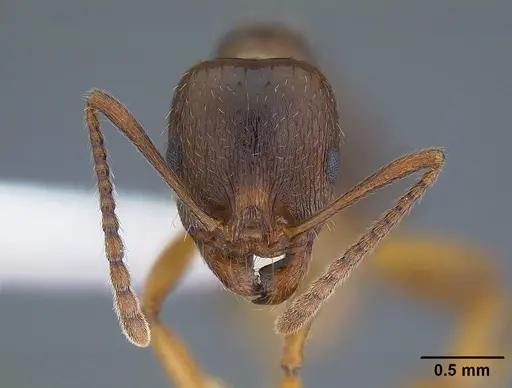
Unlike many ants that stick to strict day or night schedules, Aphaenogaster occidentalis shows flexible foraging behavior based on temperature [4]. They possess unusually large eyes for a dark-colored ant, which may help them forage in dim forest understories or during twilight hours [4]. They are not aggressive toward other ant species and frequently co-occur with Camponotus, Formica, and Temnothorax in natural settings [6].
Colony Founding
Founding behavior has not been directly documented for this species. Queens likely require feeding during the founding stage based on typical Aphaenogaster patterns, but this remains unconfirmed. Start new queens in test tubes with water reservoirs and offer small amounts of protein regularly until the first workers emerge.
Frequently Asked Questions
Can I keep Aphaenogaster occidentalis in a test tube?
Yes, standard test tube setups with water reservoirs work well for founding and small colonies.
Do Aphaenogaster occidentalis need hibernation?
Yes, provide a winter diapause period at 10-15°C for 3-4 months as they are a temperate species from western North America [1].
How long until Aphaenogaster occidentalis get their first workers?
Expect approximately 8-12 weeks at 24-25°C, though specific development data for this species is unconfirmed.
Can I keep multiple Aphaenogaster occidentalis queens together?
Not recommended, they are likely monogyne (single queen) and unrelated queens will probably fight.
Are Aphaenogaster occidentalis good for beginners?
Yes, they are a common, adaptable species that tolerates a range of conditions, making them suitable for new keepers.
Do Aphaenogaster occidentalis ants sting?
They possess a small stinger but it cannot penetrate human skin and is not dangerous.
Why are my Aphaenogaster occidentalis dying?
Common causes include lack of winter diapause, incorrect humidity, or old age in wild-caught colonies.
References

This caresheet is licensed under CC BY-SA 4.0 .
CASENT0005725
View on AntWeb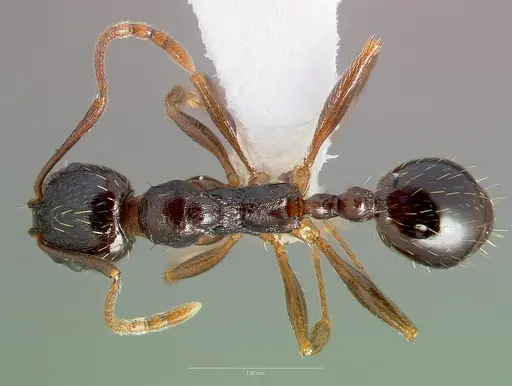
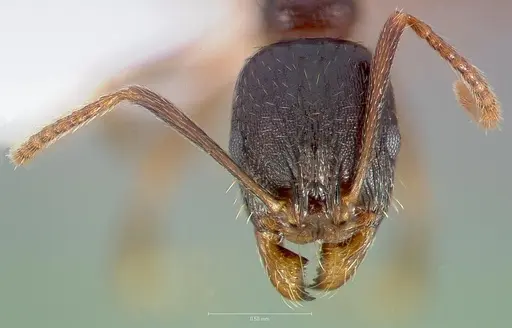
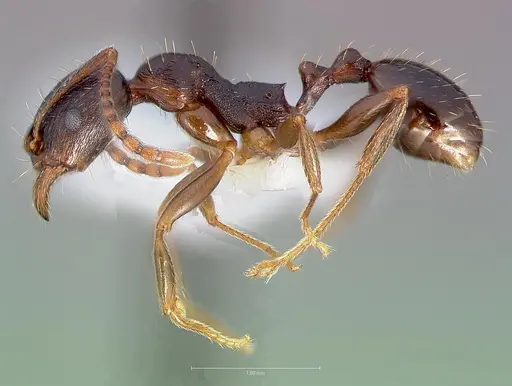
CASENT0106090
View on AntWeb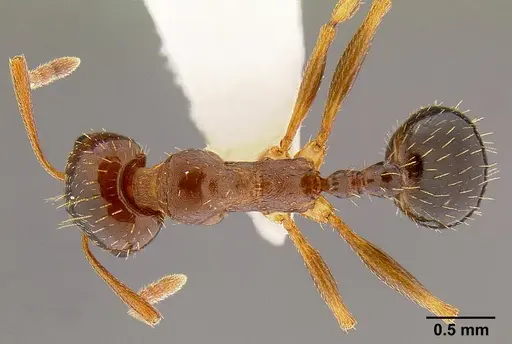
CASENT0172934
View on AntWeb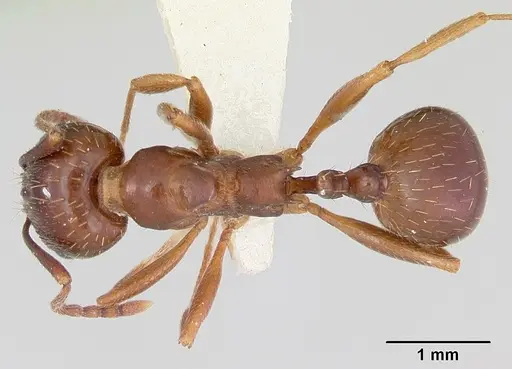
CASENT0172935
View on AntWeb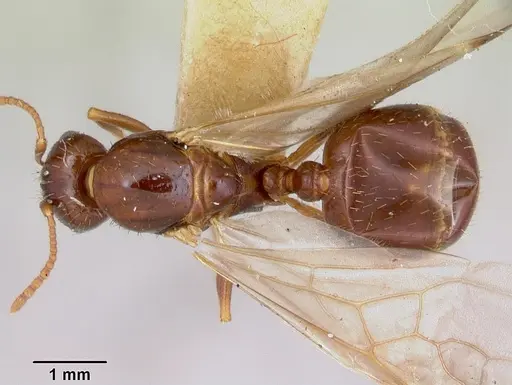
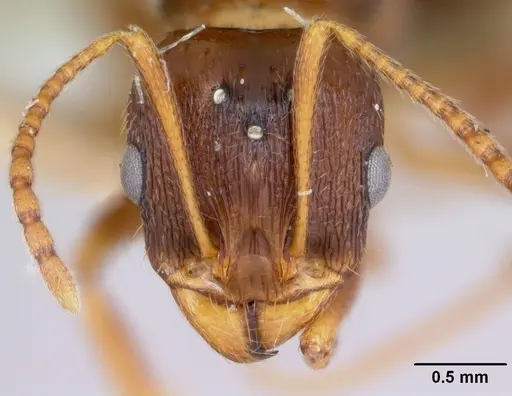
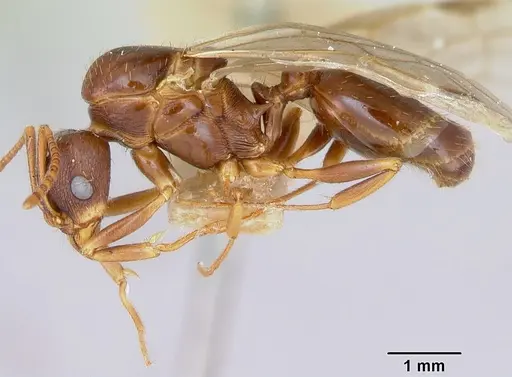
CASENT0172936
View on AntWeb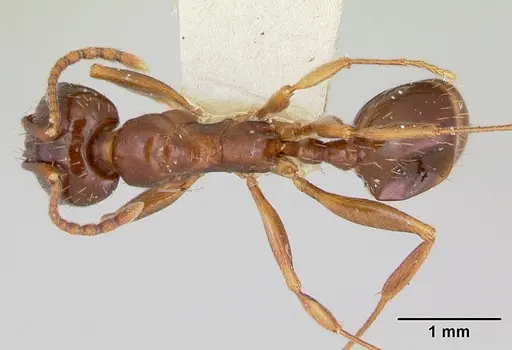
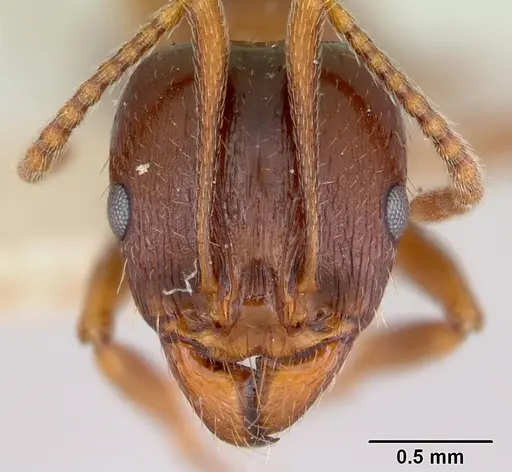
CASENT0172937
View on AntWeb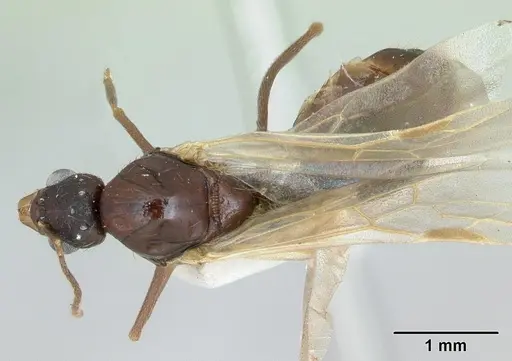
CASENT0221916
View on AntWeb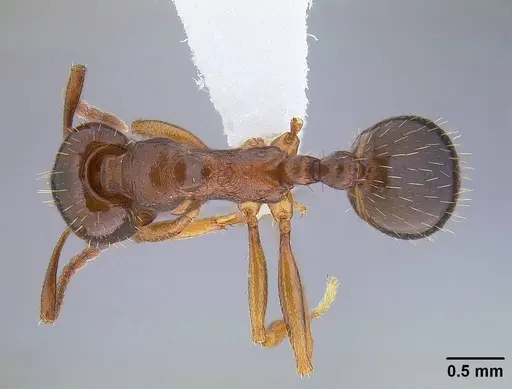
CASENT0317422
View on AntWeb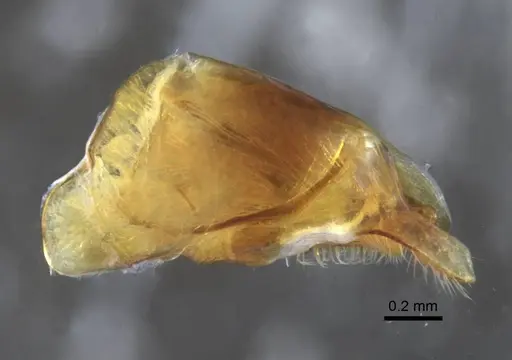
CASENT0724997
View on AntWeb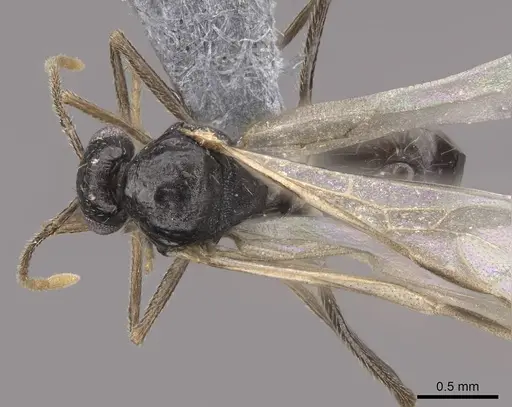
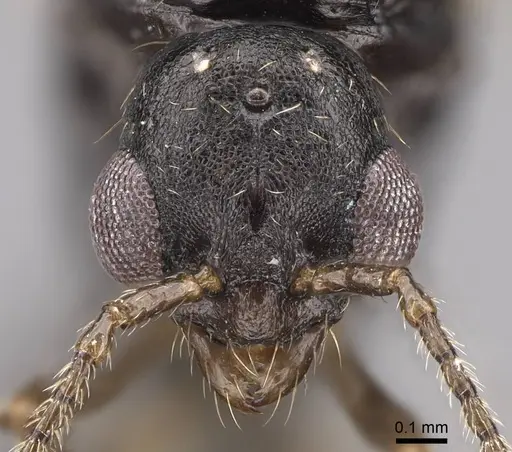
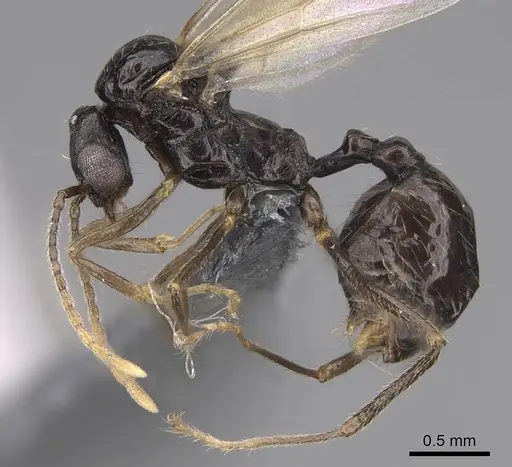
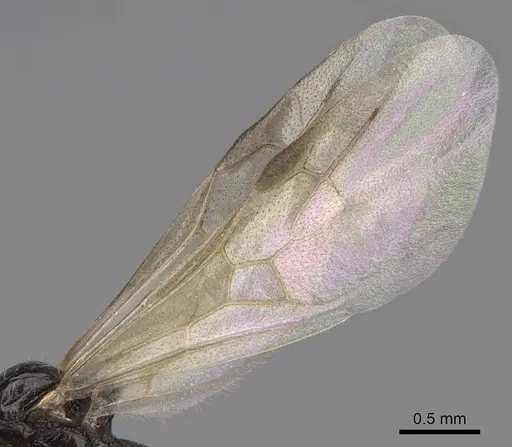
CASENT0882258
View on AntWeb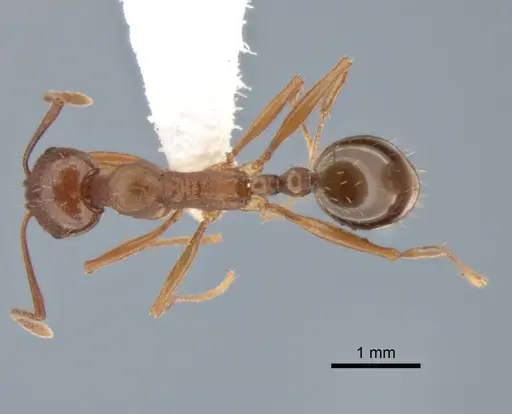
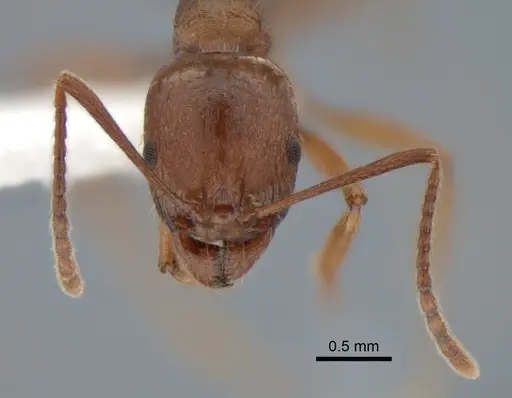
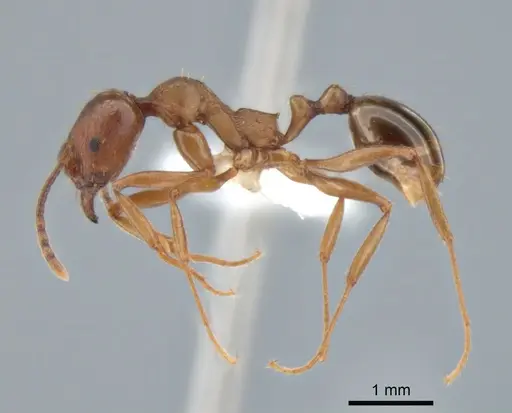
CASENT0914473
View on AntWeb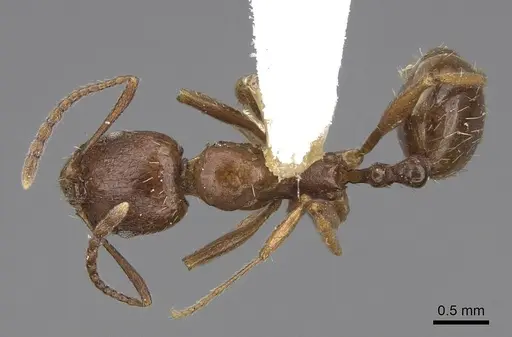
CASENT0916078
View on AntWeb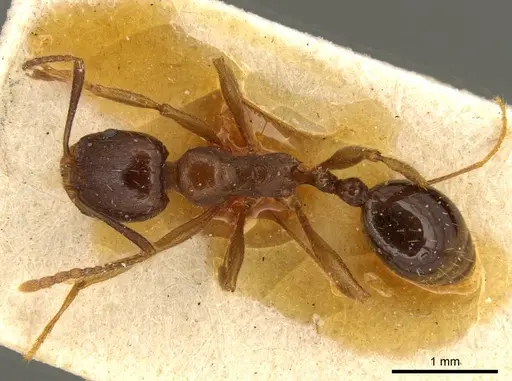
FMNHINS0000049768
View on AntWeb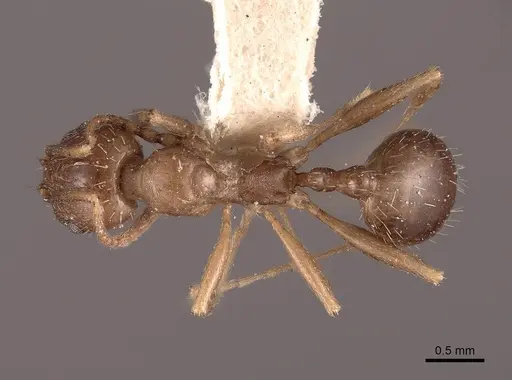
Literature
Loading...Loading products...