

Camponotus thoracicus
- Scientific Name
- Camponotus thoracicus
- Subgenus
- Tanaemyrmex
- Tribe
- Camponotini
- Subfamily
- Formicinae
- Author
- Fabricius, 1804
- Distribution
- Found in 4 countries
Camponotus thoracicus Overview
Camponotus thoracicus is an ant species of the genus Camponotus. It is primarily documented in 4 countries , including Algeria, Morocco, Saudi Arabia. Detailed taxonomic data and occurrence records can be further explored via authoritative databases such as AntWeb or the Global Biodiversity Information Facility (GBIF).
Camponotus thoracicus
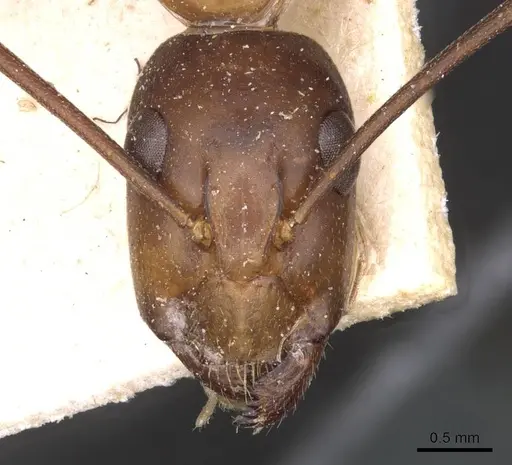
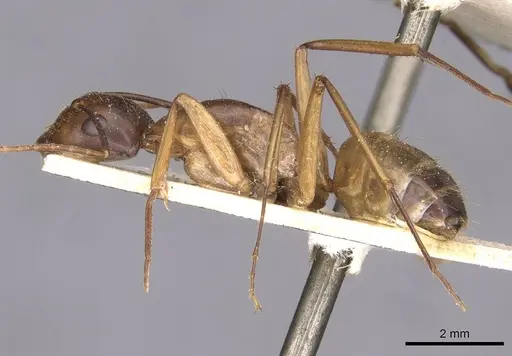
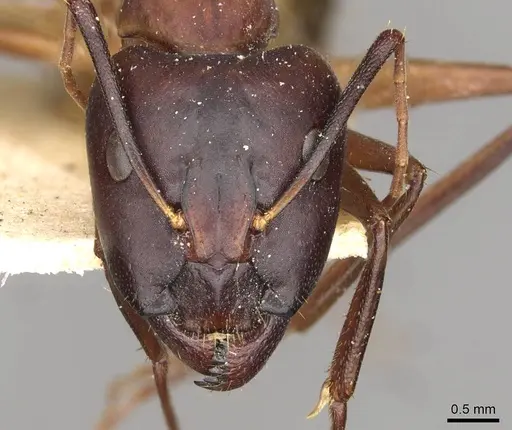
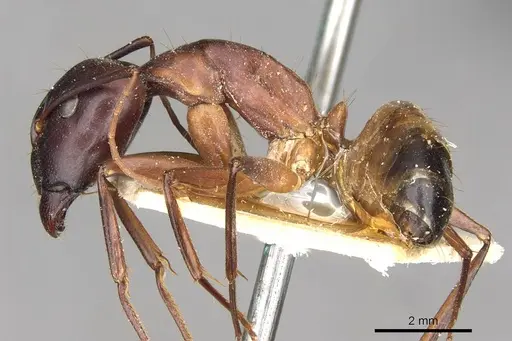
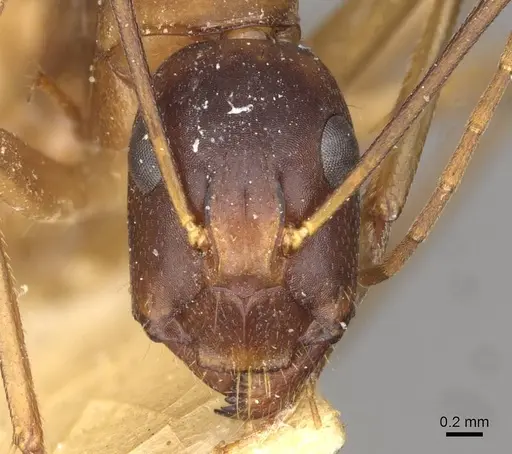
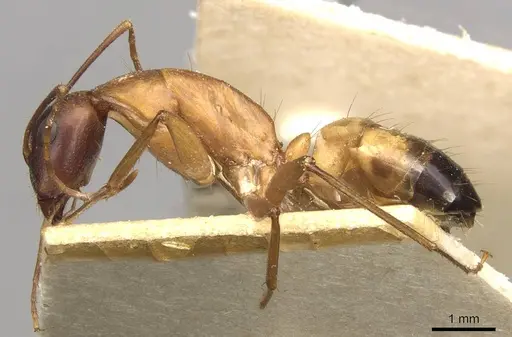
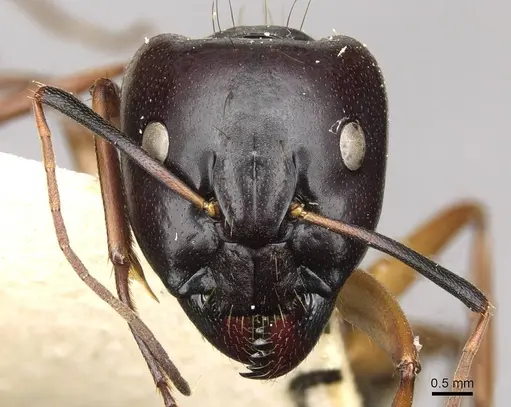
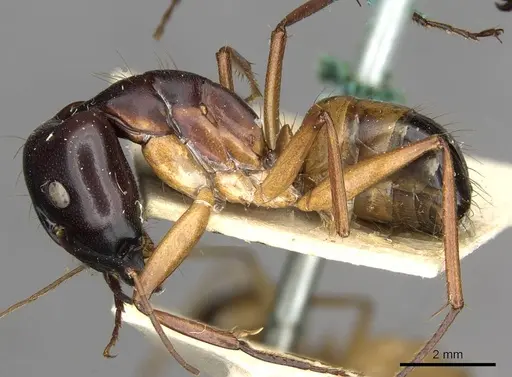
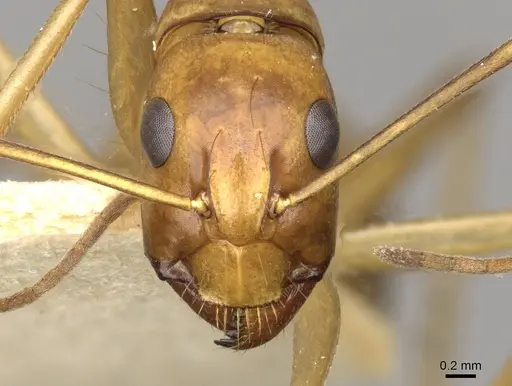
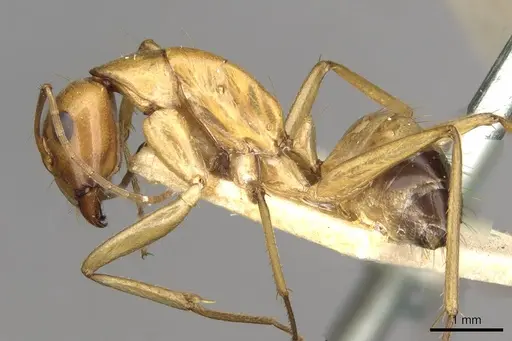
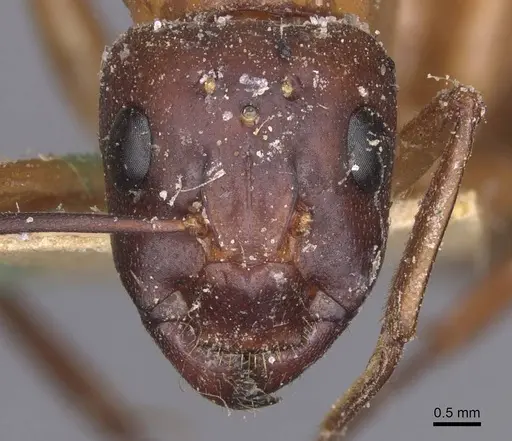
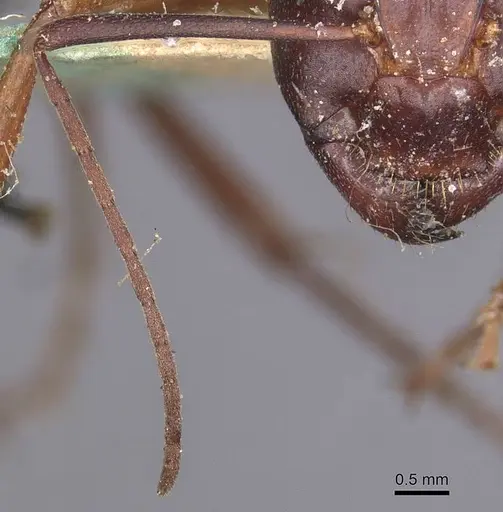
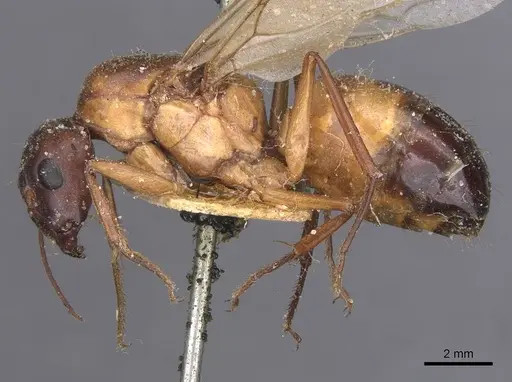
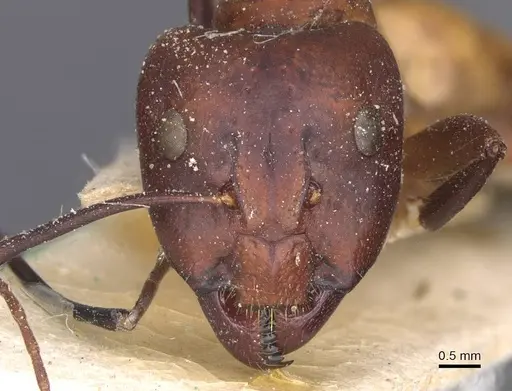
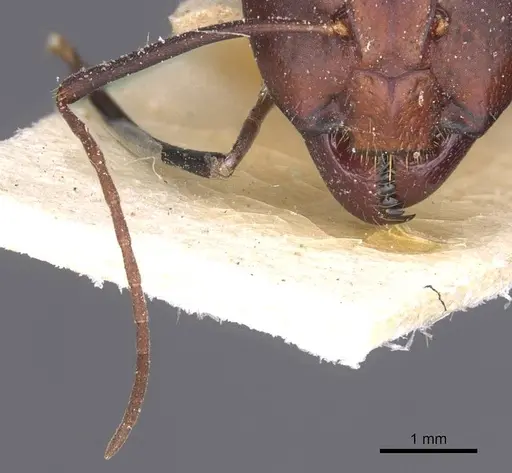
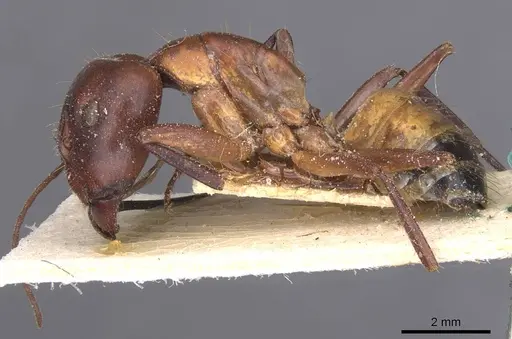
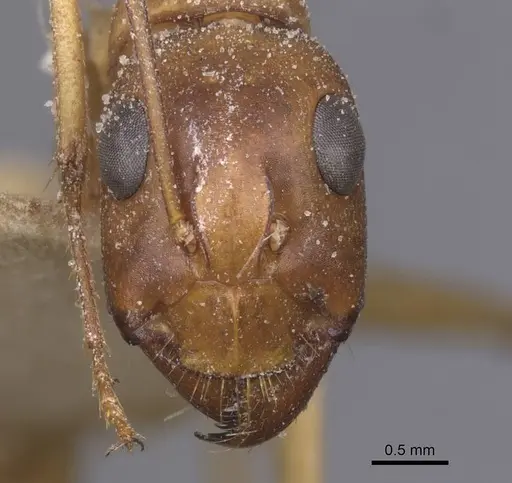
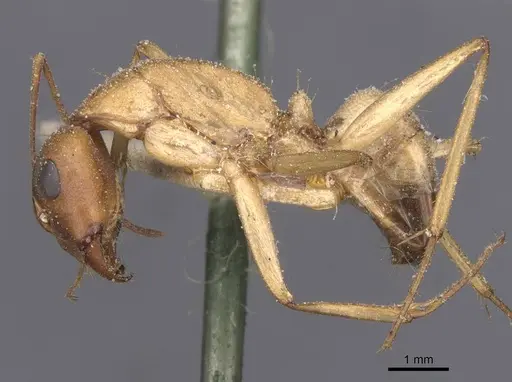
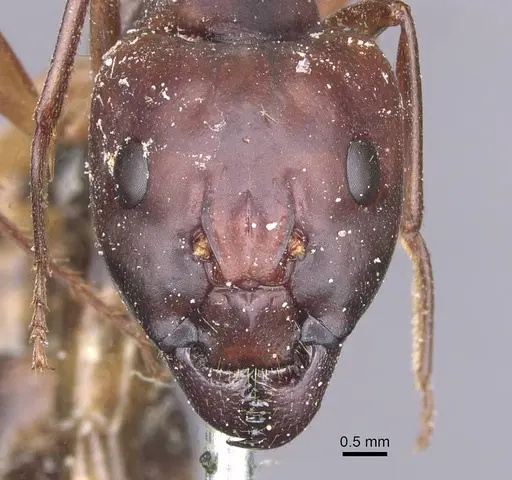
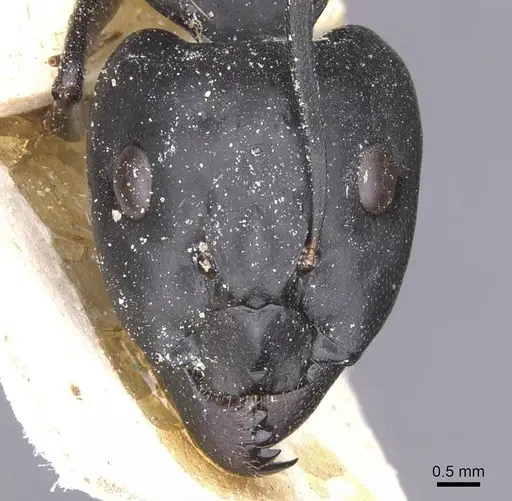
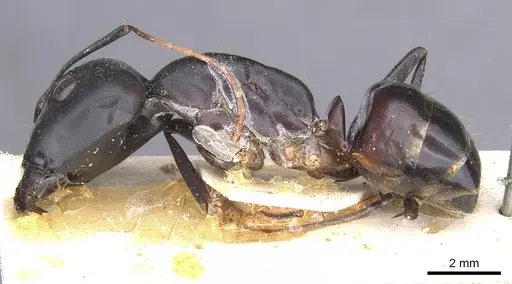
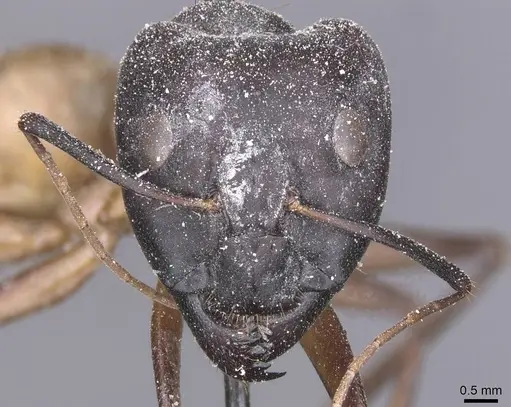
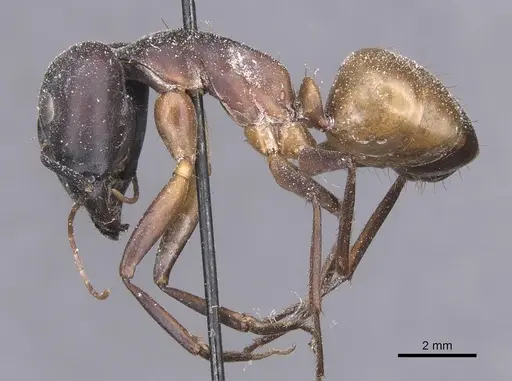
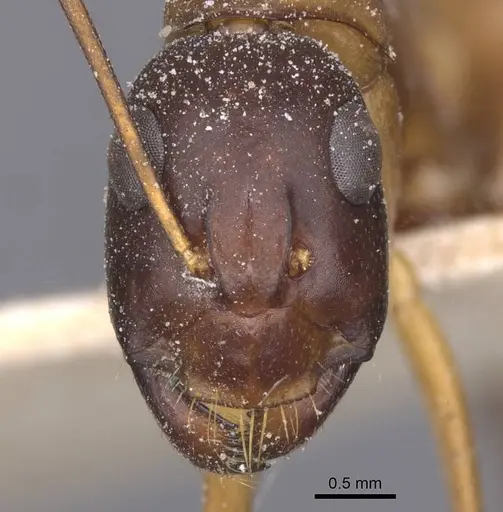
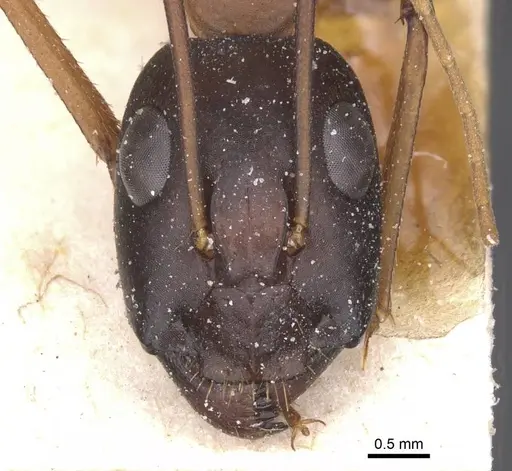
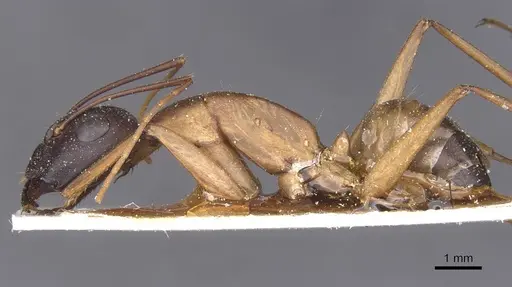
Camponotus thoracicus is a large carpenter ant species native to the Mediterranean region and parts of the Middle East and North Africa. Workers are polymorphic, ranging from 6-12mm, with the characteristic Camponotus body shape, a rounded thorax and relatively smooth body surface. The species is known for its nocturnal habits, with workers rarely observed during the day and instead leaving nests after sunset to forage [1]. This ant inhabits dry to semi-arid environments across its range, from coastal areas in the UAE to inland regions of Morocco, Turkey, and Iran. It is commonly found nesting under stones, in soil, and sometimes around human dwellings in rural areas [2]. The species has a complex taxonomic history, having been previously classified as a subspecies of Camponotus maculatus and Camponotus compressus before being recognized as a distinct species.
Quick Summary
- Difficulty: Medium
- Origin & Habitat: Mediterranean and arid regions of North Africa, the Middle East, and parts of Turkey and Iran. Found in coastal sand dunes, desert areas, and around human settlements [3][4].
- Colony Type: Single-queen colonies (monogyne) are typical for this species. Multiple dealated queens have been observed outside nests at night, suggesting potential for colony foundation events [1].
- Colony: Monogyne
- Founding: Claustral
- Size & Growth:
- Queen: Estimated 12-15mm based on genus patterns, direct measurements not available
- Worker: 6-12mm (polymorphic, major and minor workers) [1]
- Colony: Estimated several thousand workers based on typical Camponotus colony development
- Growth: Moderate, typical for large Camponotus species
- Development: 6-8 weeks (estimated based on typical Camponotus development at warm temperatures) (Development time varies with temperature, warmer conditions (24-28°C) accelerate development)
- Antkeeping:
- Temperature: Keep nest area at 24-28°C. This species tolerates higher temperatures well given its Mediterranean origin. A heating cable on one side creates a gradient allowing ants to self-regulate [5].
- Humidity: Low to moderate. These ants come from dry regions, keep substrate moderately dry with a small water tube for drinking. Avoid overly damp conditions that can cause mold [5].
- Diapause: Yes, a winter rest period of 2-3 months at 10-15°C is recommended to simulate natural seasonal cycles. Reduce feeding during this period [5].
- Nesting: Large chambers work well for this species. Y-tong (AAC) nests or large acrylic/formicarium setups accommodate their size. They do well with a variety of nest materials, plaster, acrylic, or naturalistic setups with stones [5].
- Behavior: Nocturnal foragers, workers primarily search for food after sunset [1]. Generally not aggressive toward keepers, but will defend the nest if threatened. Large workers can deliver a mild sting. Escape prevention should be good, while not tiny, they are strong climbers. Sugar-loving ants that also hunt protein prey. They tend to form well-defined foraging trails.
- Common Issues: colonies may fail if kept too humid, these are dry-climate ants, nocturnal activity means you may not see them foraging until evening, large size requires spacious formicarium as colony grows, winter diapause is essential, skipping it can weaken colonies over time, wild-caught colonies may carry parasites that cause problems in captivity
Nest Preferences and Housing
Camponotus thoracicus is a large species that needs spacious accommodations. In the wild, they nest under stones, in soil, and sometimes in decaying wood, typical carpenter ant nesting sites. For captivity, a Y-tong (AAC) nest or large acrylic formicarium works well. The chambers should be appropriately sized for their large workers, passages too narrow can cause traffic jams. These ants prefer dry conditions, so avoid setups that retain too much moisture. A test tube setup works for founding colonies, but be prepared to move them to a larger formicarium once the colony reaches 20-30 workers. Provide a water tube connected to the nest, they will drink directly from the water reservoir. Escape prevention should be good, but these ants are strong climbers, so standard barriers work adequately. [1][5]
Feeding and Diet
Like most Camponotus species, C. thoracicus is omnivorous with a strong sweet tooth. They readily accept sugar water, honey, or diluted maple syrup as a constant energy source. For protein, offer insects like mealworms, crickets, or frozen fruit flies. They are nocturnal foragers, so place food in the outworld in the evening and check the next morning. In their natural habitat, they tend aphids and scale insects for honeydew, they've been documented associated with soft brown scale (Coccus hesperidum) on citrus in Israel [6]. This means they may tend aphid colonies if given the opportunity. Feed protein 2-3 times per week and keep a sugar source constantly available. Remove uneaten protein after 24 hours to prevent mold.
Temperature and Seasonal Care
Being a Mediterranean species, C. thoracicus tolerates warm temperatures well. Keep the nest area at 24-28°C for optimal brood development. They can tolerate temperatures into the low 30s briefly, but avoid prolonged heat exposure. A heating cable placed on top of the nest (never underneath where it can dry out the substrate) creates a temperature gradient. During winter, a diapause period of 2-3 months at 10-15°C is recommended. This simulates their natural seasonal cycle and helps keep the colony healthy long-term. Reduce feeding during diapause but keep water available. In spring, gradually warm them back to room temperature and resume normal feeding. [5]
Behavior and Colony Dynamics
This species is distinctly nocturnal, workers rarely leave the nest during daylight hours and become active after sunset [1]. This is an important consideration for antkeepers who want to observe their pets. You'll have the best luck seeing activity in the evening hours. Colonies are single-queen (monogyne) and can grow quite large, potentially reaching several thousand workers over several years. The species is not particularly aggressive, but large workers can deliver a mild sting if handled roughly or if the nest is threatened. They form distinct foraging trails and can cover significant distances from the nest in search of food. Queens have been observed leaving nests at night in April, suggesting nuptial flights occur during warmer months [1].
Frequently Asked Questions
How long does it take for Camponotus thoracicus to have first workers?
Expect first workers (nanitics) around 6-8 weeks after the queen lays eggs, assuming temperatures around 24-28°C. Development is temperature-dependent, cooler conditions will slow it down significantly.
Are Camponotus thoracicus good for beginners?
This species is rated as medium difficulty. They're harder than simple species like Lasius but more forgiving than tropical ants requiring high humidity. Beginners should be prepared for their nocturnal habits and the need for winter diapause.
What do Camponotus thoracicus eat?
They need a balanced diet of sugar (honey, sugar water, maple syrup) and protein (insects like mealworms, crickets, fruit flies). They also tend aphids for honeydew if given the opportunity.
Do Camponotus thoracicus need hibernation?
Yes, a winter diapause of 2-3 months at 10-15°C is recommended. This mimics their natural seasonal cycle in the Mediterranean and helps maintain colony health.
When are Camponotus thoracicus most active?
This species is nocturnal, workers become active after sunset and forage through the night. You won't see much activity during the day.
How big do Camponotus thoracicus colonies get?
Colonies can reach several thousand workers over several years. They're a large species that needs a spacious formicarium as they grow.
Can I keep multiple Camponotus thoracicus queens together?
This species is monogyne, single-queen colonies are typical. Combining unrelated queens is not recommended as they will likely fight.
What humidity level do Camponotus thoracicus need?
Low to moderate humidity. These are dry-climate ants from the Mediterranean and Middle East. Keep substrate moderately dry and ensure good ventilation to prevent mold.
When should I move Camponotus thoracicus to a formicarium?
Start them in a test tube setup. Once the colony reaches 20-30 workers and you see the first major workers, consider moving them to a larger formicarium with proper chambers.
Why are my Camponotus thoracicus not coming out during the day?
This is normal, they're nocturnal. Check the outworld in the evening hours, and you'll likely find them actively foraging then.
What temperature is best for Camponotus thoracicus?
Keep nest temperatures at 24-28°C. They tolerate warmer conditions well given their Mediterranean origin, but avoid temperatures above 32°C for extended periods.
References

This caresheet is licensed under CC BY-SA 4.0 .
CASENT0910249
View on AntWeb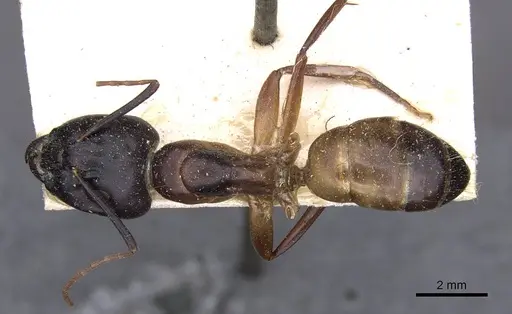
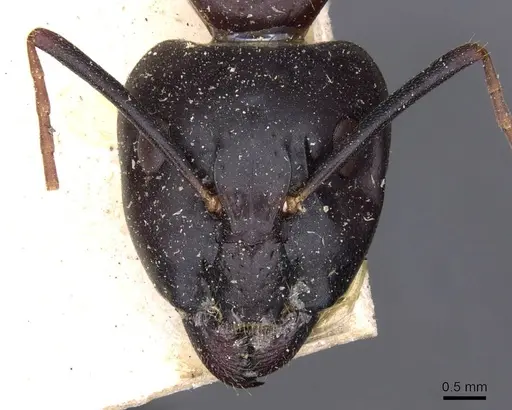
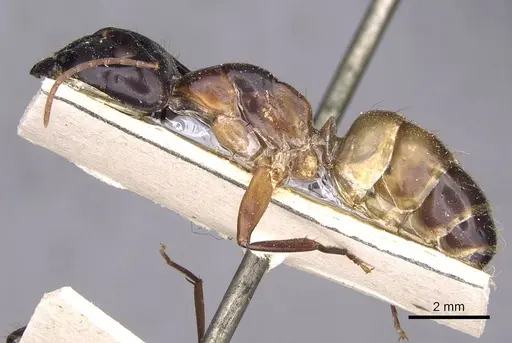
CASENT0910250
View on AntWeb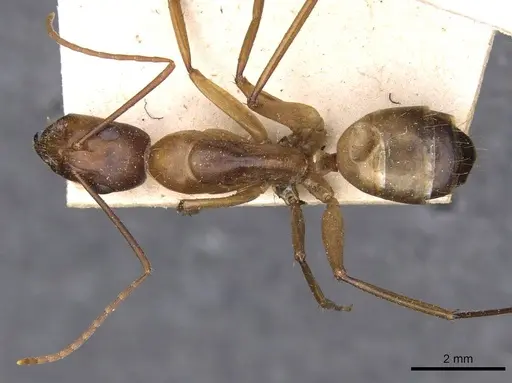
CASENT0910251
View on AntWeb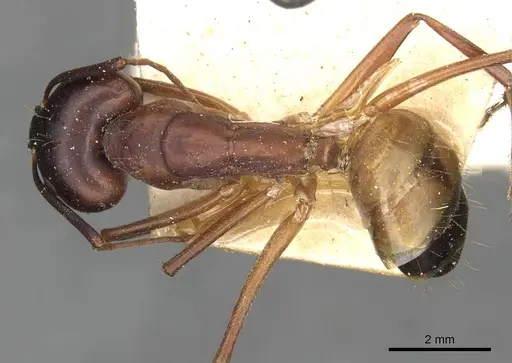
CASENT0910252
View on AntWeb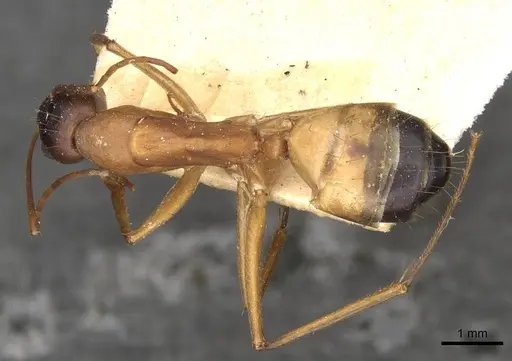
CASENT0910253
View on AntWeb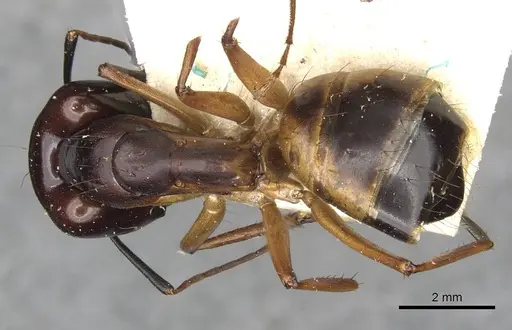
CASENT0910254
View on AntWeb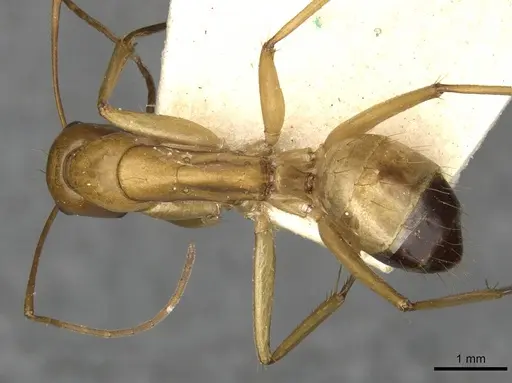
CASENT0912059
View on AntWeb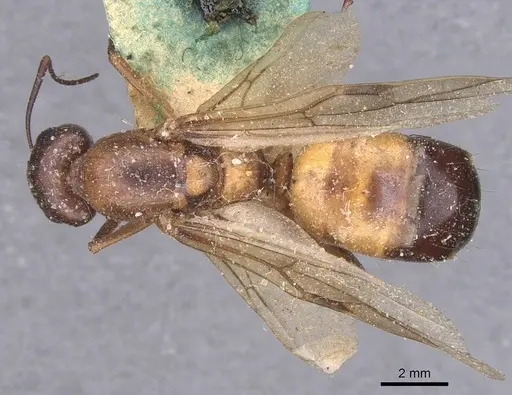
CASENT0912060
View on AntWeb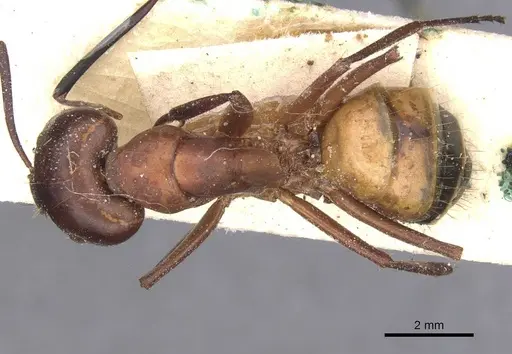
CASENT0912061
View on AntWeb
CASENT0912062
View on AntWeb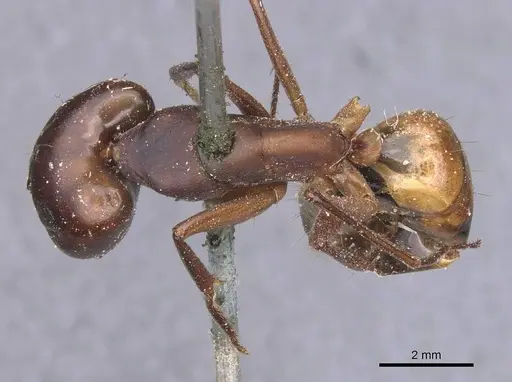
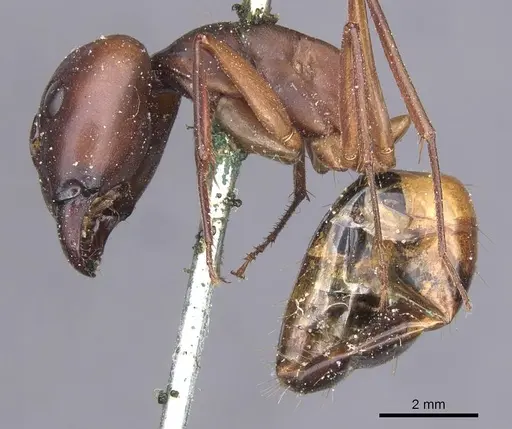
CASENT0912063
View on AntWeb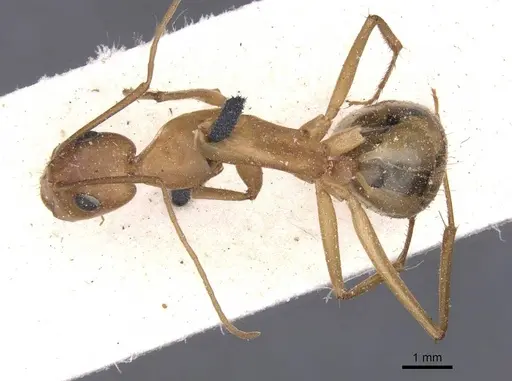
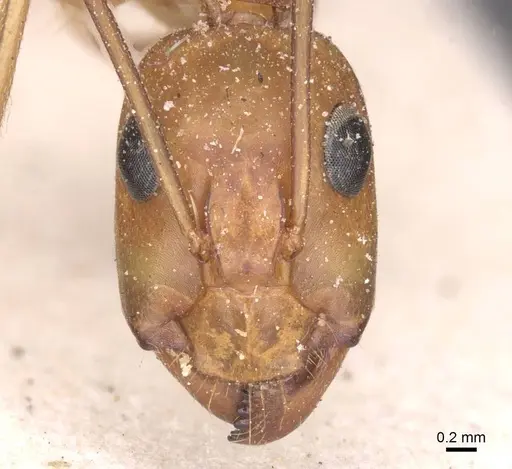
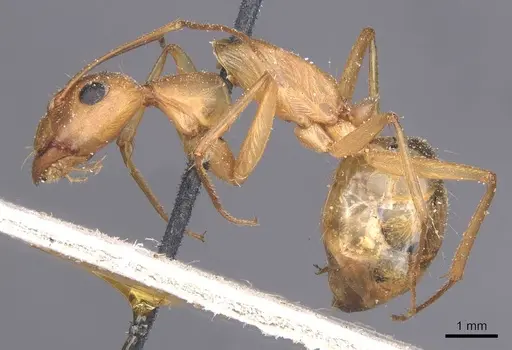
CASENT0912064
View on AntWeb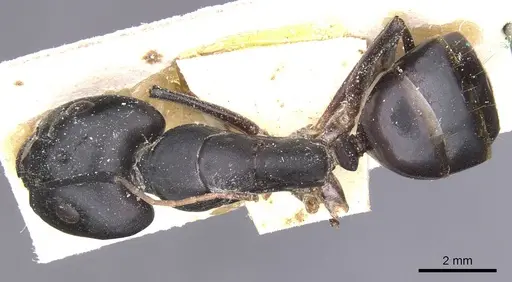
CASENT0912065
View on AntWeb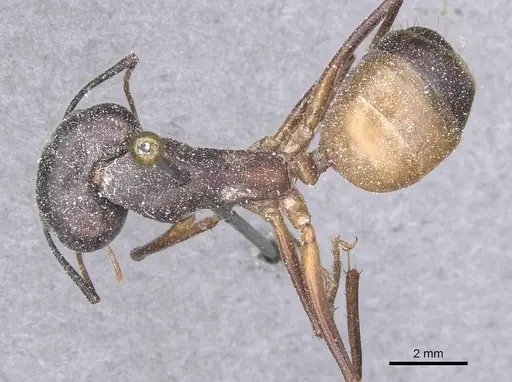
CASENT0912066
View on AntWeb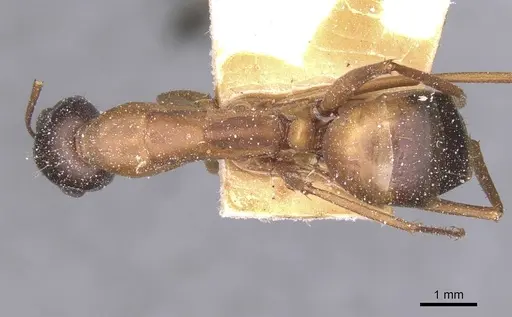
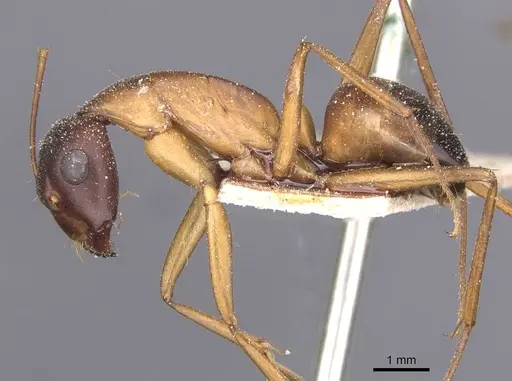
CASENT0912067
View on AntWeb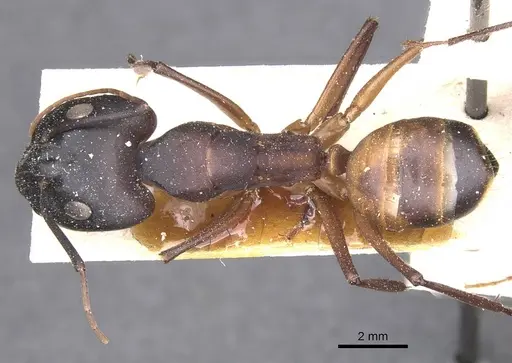
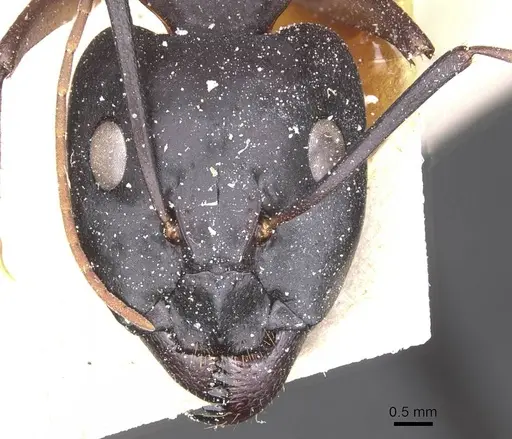
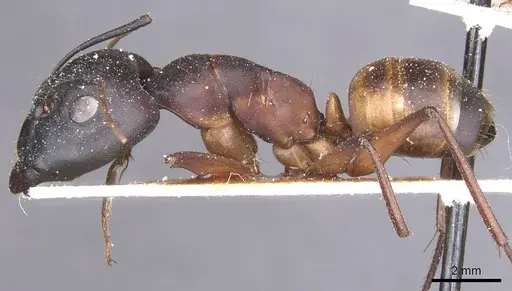
CASENT0912068
View on AntWeb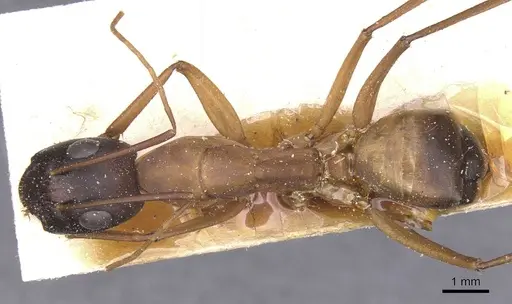
Literature
Loading...Loading products...