
Camponotus compressus shows a April to June flight window. Peak activity occurs in May, with nuptial flights distributed across 3 months.
Camponotus compressus
- Scientific Name
- Camponotus compressus
- Subgenus
- Tanaemyrmex
- Tribe
- Camponotini
- Subfamily
- Formicinae
- Author
- Fabricius, 1787
- Common Name
- Indian Black Ant
- Distribution
- Found in 5 countries
- Nuptial Flight
- from April to June, peaking in May
AI Identifiable
try →
Camponotus compressus Overview
Camponotus compressus (commonly known as the Indian Black Ant) is an ant species of the genus Camponotus. It is primarily documented in 5 countries , including India, Sri Lanka, Maldives. Detailed taxonomic data and occurrence records can be further explored via authoritative databases such as AntWeb or the Global Biodiversity Information Facility (GBIF).
The nuptial flight of Camponotus compressus is a significant biological event, typically occurring from April to June, peaking in May. During this time, winged queens and males leave the nest to mate and establish new colonies.
Camponotus compressus - "Indian Black Ant"
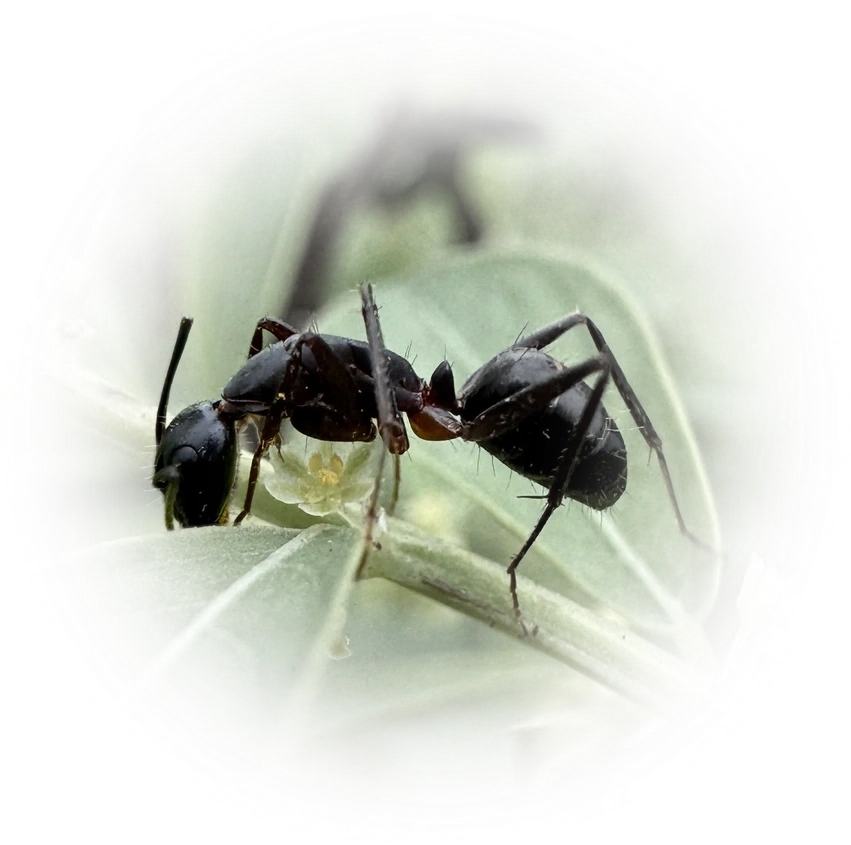
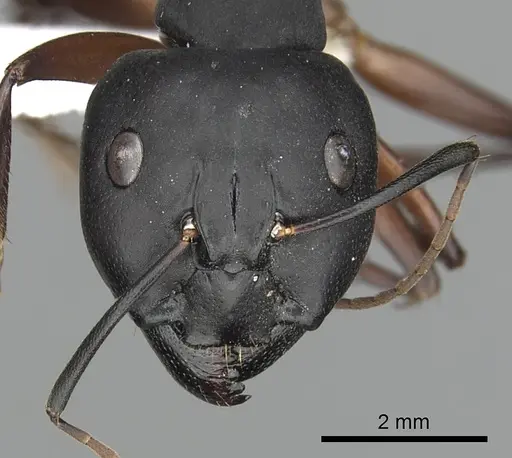
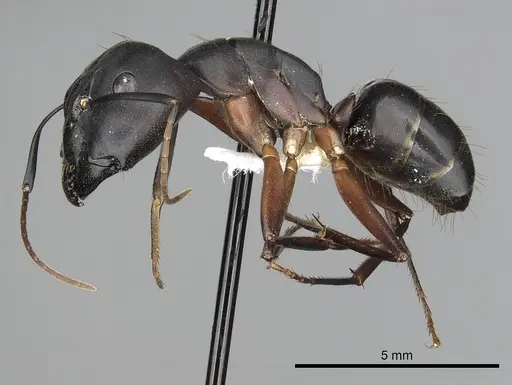
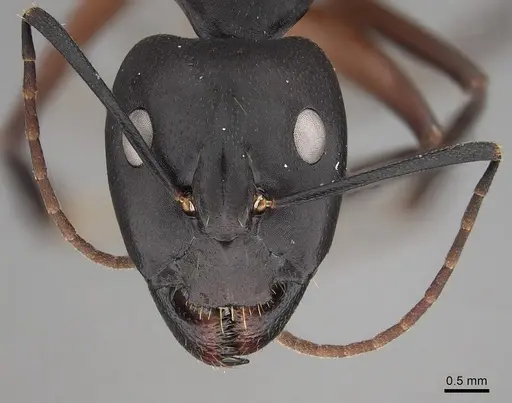
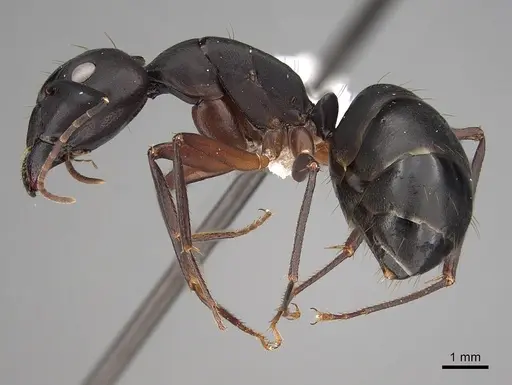
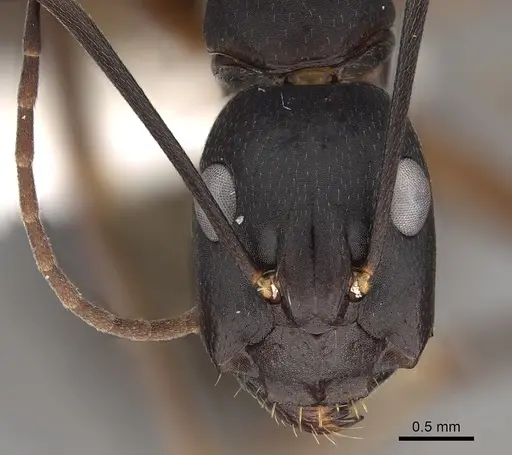
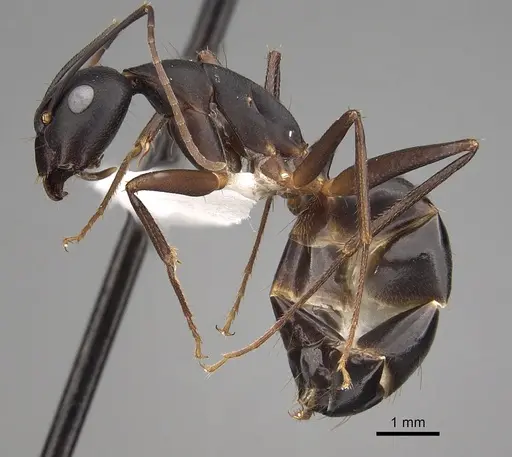
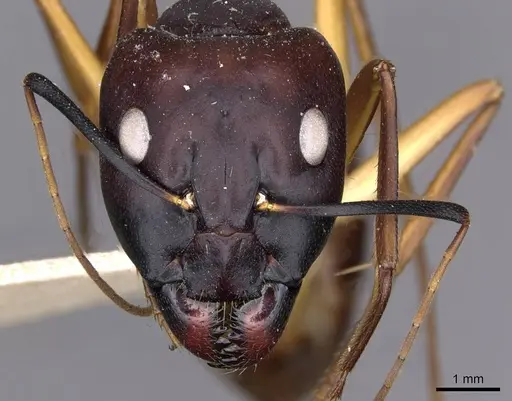
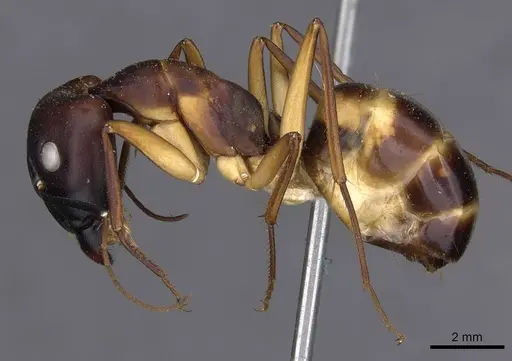
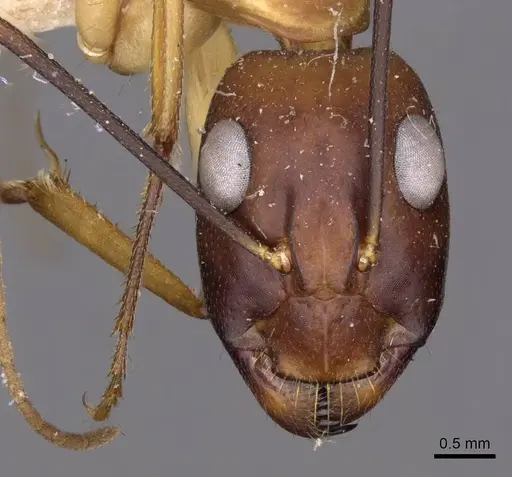
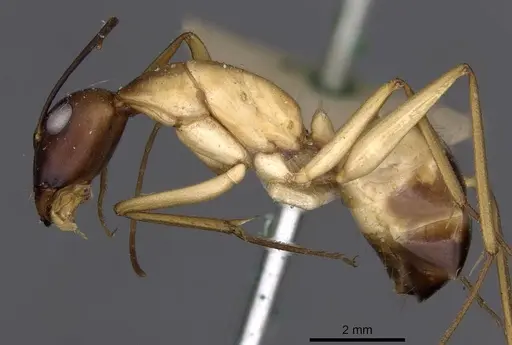
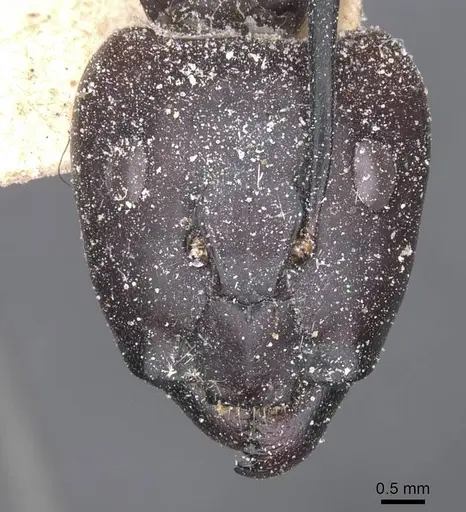
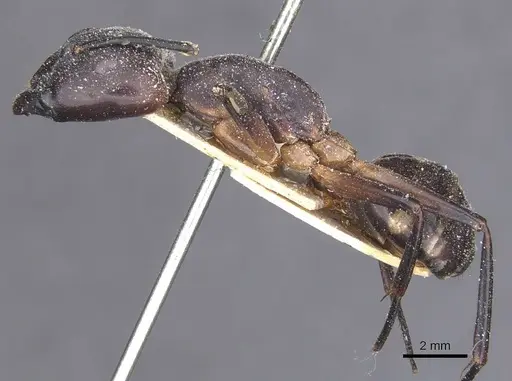
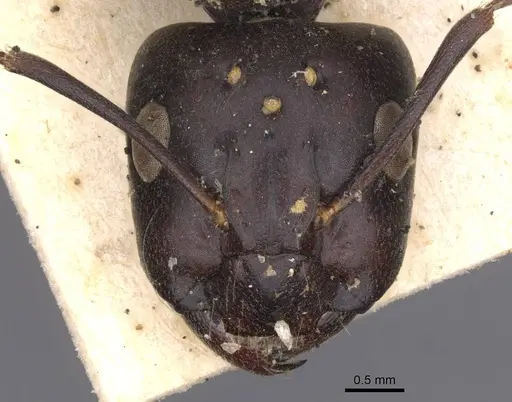
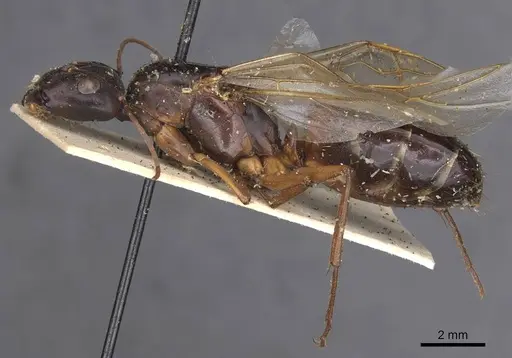
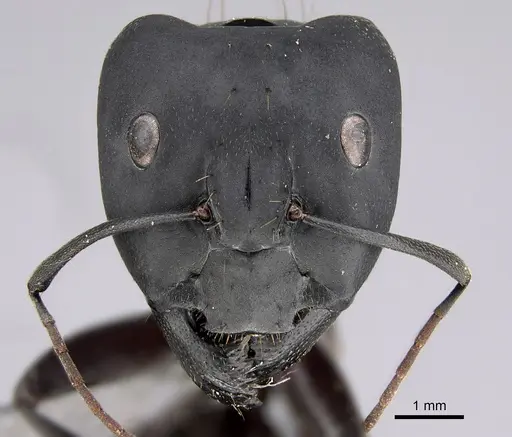
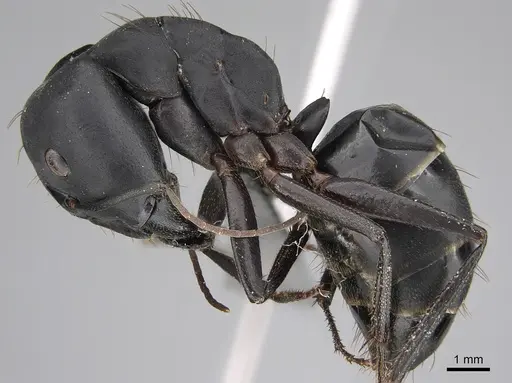
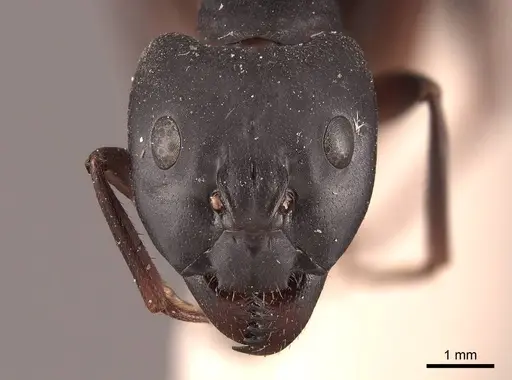
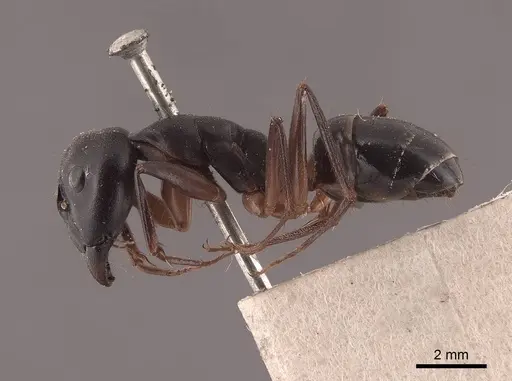
Camponotus compressus is a large, polymorphic carpenter ant native to South and Southeast Asia. Workers measure 11-16mm with distinct minor and major castes, majors have massive heads while minors are more slender [1][2]. The body is black with reddish-brown mandibles, antennae, and legs. This species belongs to the subgenus Tanaemyrmex and is known for nesting in dead wood, soil, and tree hollows [3]. What makes C. compressus particularly interesting is its nocturnal lifestyle and strong mutualistic relationships with honeydew-producing insects like aphids and treehoppers, they tend these 'ant-cattle' for sugar while protecting them from predators [1][4]. They are also one of the few ant species documented as pollinators, known to pollinate coconuts in India [5].
Quick Summary
- Difficulty: Easy
- Origin & Habitat: Native to South and Southeast Asia, found throughout India, Pakistan, Sri Lanka, Bangladesh, Nepal, Myanmar, Malaysia, Indonesia, Philippines, and southern China. Also recorded in UAE, Turkey, and the Mediterranean region. Inhabits elevations from 250-2300m [6][7]. Prefers tropical and subtropical habitats, commonly found in forests, agricultural areas, and urban environments.
- Colony Type: Monogyne (single queen) colonies with polydomous structure, colonies have multiple nest entrances that remain non-aggressive toward each other [4]. Colonies can reach a few thousand workers [8].
- Colony: Monogyne
- Founding: Claustral
- Size & Growth:
- Queen: 16-17mm [9]
- Worker: Minor: 5-8mm, Major: 10-15mm [10]
- Colony: A few thousand workers [8]
- Growth: Moderate
- Development: 8-13 weeks depending on conditions [9] (Development takes 57-92 days from egg to adult. Fastest at 57 days under constant light,65 days under normal light/dark cycle, slowest at 92 days in constant darkness at 25°C [9]. Pupal stage alone is 23-27 days at 25°C [11][9].)
- Antkeeping:
- Temperature: Keep at 24-26°C for optimal development. Lab colonies thrive at ~25°C [8]. They are tropical-adapted so room temperature (22-28°C) works well.
- Humidity: Moderate humidity around 50-70%. They nest in soil and decaying wood so keep the nest substrate slightly moist but not waterlogged.
- Diapause: Not required. As a tropical species, they do not hibernate. However, development slows significantly in constant darkness [9].
- Nesting: Use a formicarium with soil or a Y-tong setup with decaying wood sections. They are carpenter ants that can chew through soft materials. Provide a dark nesting area as they are nocturnal.
- Behavior: Nocturnal and relatively calm temperament. Workers forage individually and use group recruitment rather than chemical trails, a 'leader' ant guides small groups to food sources [4]. They are not particularly aggressive but will defend the nest. Major workers serve as scouts rather than foragers [8]. They produce formic acid as defense and can deliver a painful bite [12]. Escape prevention is important as they are active climbers.
- Common Issues: colonies may fail if kept too cold, maintain temperatures above 22°C, slow development in constant darkness, provide regular light cycles, queens dig deep after mating, provide adequate soil depth for founding, wild-caught colonies may have parasites that kill them in captivity, test tube setups can flood if water reservoirs are too large
Nuptial Flight Activity Analysis 88 observations
Flight Activity by Hour 88 observations
Camponotus compressus nuptial flight activity peaks around 20:00 during the evening. Activity is spread across a 16-hour window (07:00–22:00). Times may be influenced by human observation patterns.
Housing and Nest Setup
Camponotus compressus does well in standard formicarium setups. Since they are carpenter ants, they can be kept in Y-tong nests with wood sections or in naturalistic setups with soil. Provide a dark nesting area as they are nocturnal. A test tube setup works well for founding colonies, use a water reservoir at one end with cotton separation, keeping it humid but not flooded. Once the colony reaches 20-30 workers, you can move them to a larger formicarium. They prefer nesting in areas with some moisture, so keep the nest substrate slightly damp. Outworld space should allow for foraging, these ants are active at night so observe them in evening hours. [3][8][4]
Feeding and Diet
These ants are omnivorous and readily accept both sugar and protein. In nature, they primarily feed on honeydew from aphids, mealybugs, scale insects, and treehoppers, they actively tend these insects for their sugary secretions [1][4]. They also hunt small insects and arthropods. In captivity, offer sugar water or honey regularly, along with protein sources like mealworms, crickets, or other small insects. They are known to consume urine (animal or human) and are attracted to aqueous solutions of urea [13]. Feed protein 2-3 times per week and keep sugar water constantly available. They also visit extra-floral nectaries on plants [14].
Temperature and Seasonal Care
Keep your colony at 24-26°C for optimal development. Research shows development is fastest (57 days egg to adult) under constant light, slower (65 days) under normal light/dark cycles, and slowest (92 days) in constant darkness [9]. This indicates they are adapted to tropical conditions with consistent light. They do not require hibernation as they are not temperate species. Room temperature within their preferred range is usually sufficient. Avoid temperatures below 20°C as this will slow development significantly. They are more active at night in the wild, so observe feeding behavior in evening hours.
Behavior and Colony Dynamics
C. compressus has fascinating social organization. Colonies are polydomous, they have multiple nest entrances that remain non-aggressive toward each other [4]. They use group recruitment where a leader ant guides 8-10 workers to new food sources, rather than chemical trails [4]. There are three worker castes: minor, medium, and major. Interestingly, majors do not forage but serve as scouts when traveling outside the nest [8]. They are largely nocturnal, being most active at night [8][9]. Workers produce formic acid for defense and can deliver a painful bite if threatened [12]. Queens can live for many years, and colonies can grow to several thousand workers.
Growth and Development
Understanding development helps with colony management. Eggs hatch into larvae after 6-9 days. The larval stage has five instars, taking 25-35 days total. Pupal stage lasts 23-27 days at 25°C, with cocoons being spun by mature larvae [15][11][9]. Total egg-to-worker time is 57-92 days depending on conditions. Queens shed their wings 2-3 days before egg-laying after mating flights occur in April-May-June [9][15]. The first workers (nanitics) are typically minor workers. Colonies grow moderately, expect 6-12 months to reach 50 workers from a mated queen.
Unique Ecological Relationships
This species is notable for its mutualistic relationships with other organisms. They are major tenders of aphids, mealybugs, scale insects, treehoppers, and even lycaenid butterfly caterpillars, protecting these insects in exchange for honeydew [1][16]. They also pollinate plants, including coconuts, one of the few ant species documented as pollinators [5]. They visit extra-floral nectaries on many plants [14]. In India, they are considered beneficial in agricultural ecosystems for their pest control services and soil-turning activities. However, they can become pests when they nest in wooden structures.
Frequently Asked Questions
How long does it take for Camponotus compressus to have first workers?
First workers typically appear in 8-13 weeks (57-92 days) from egg, depending on temperature and light conditions. At optimal 25°C with normal light cycles, expect around 9-10 weeks. The pupal stage alone takes 23-27 days [9][11].
Are Camponotus compressus good for beginners?
Yes, they are considered easy to keep. They are adaptable, accept a wide variety of foods, and have moderate growth rates. They are not aggressive but can bite if threatened. The main requirements are maintaining warm temperatures (24-26°C) and providing proper nesting areas.
Do Camponotus compressus need hibernation?
No, they do not require hibernation. As a tropical species from South Asia, they are adapted to year-round activity. However, they do best with normal light/dark cycles, development slows significantly in constant darkness [9].
What do Camponotus compressus eat?
They are omnivorous. Offer sugar water or honey constantly, plus protein sources like mealworms, crickets, or other small insects 2-3 times weekly. They also naturally feed on honeydew from aphids and other sap-sucking insects [1].
How big do Camponotus compressus colonies get?
Colonies can reach a few thousand workers [8]. They are polymorphic with three worker castes, minors (5-8mm), majors (10-15mm). Queens are around 16-17mm.
When do Camponotus compressus have nuptial flights?
Mating flights occur in April-May-June in their native range [9]. Queens mate during these flights, then dig deep into soil to establish new colonies.
Can I keep multiple Camponotus compressus queens together?
No, this species is monogyne, single queen colonies. Research shows colonies have multiple nest entrances but these belong to the same queen, not multiple queens [4]. Combining unrelated queens is not recommended.
Why is my Camponotus compressus colony not growing?
Check temperature first, they need 24-26°C for optimal development. Also ensure proper light cycles (not constant darkness). Poor nutrition or low humidity can also slow growth. Wild-caught colonies may have parasites that affect development.
Are Camponotus compressus nocturnal?
Yes, they are largely nocturnal. Workers are most active at night in the wild [8][9]. You will see more activity in the evening and early morning hours.
References

This caresheet is licensed under CC BY-SA 4.0 .
CASENT0249972
View on AntWeb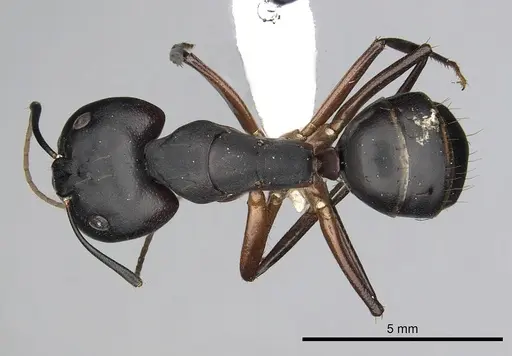
CASENT0280273
View on AntWeb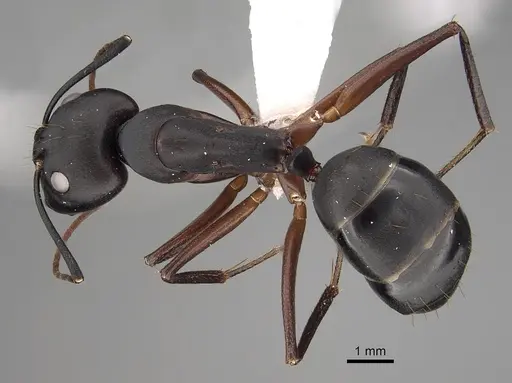
CASENT0280274
View on AntWeb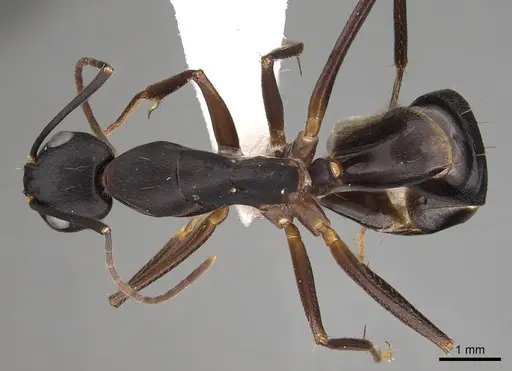
CASENT0910201
View on AntWeb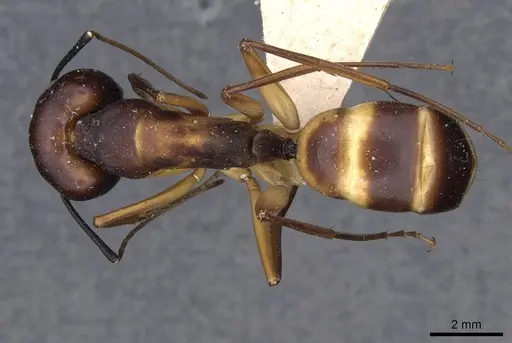
CASENT0910202
View on AntWeb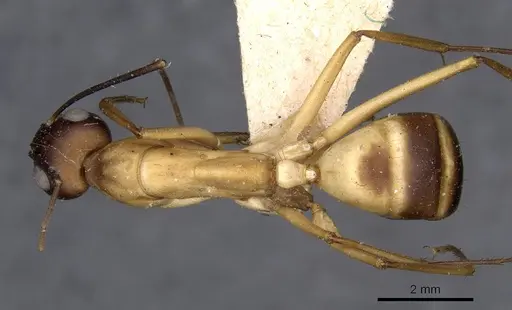
CASENT0911927
View on AntWeb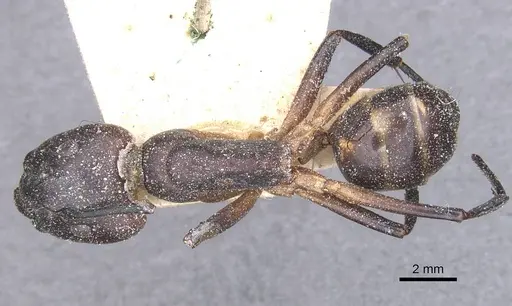
CASENT0913624
View on AntWeb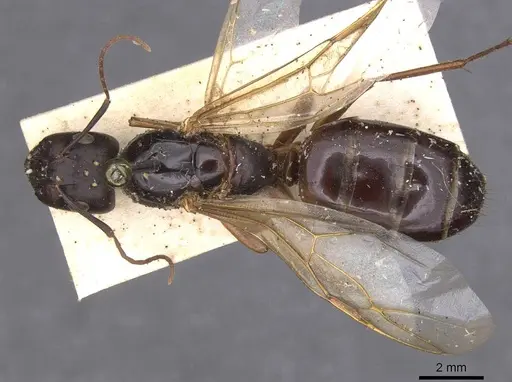
CASENT0923333
View on AntWeb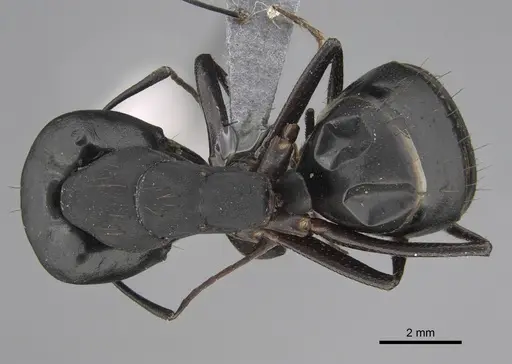
FMNHINS0000045742
View on AntWeb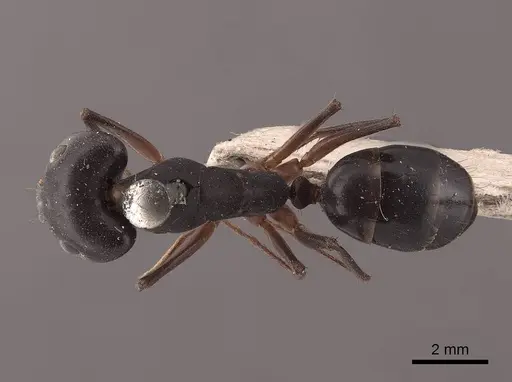
Literature
Loading...Loading products...