Cardiocondyla batesii - "Bates' Heart-Node Ant"
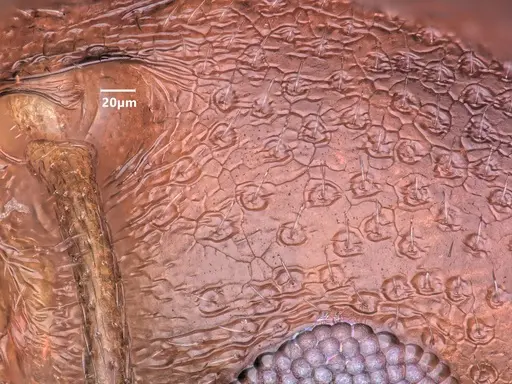
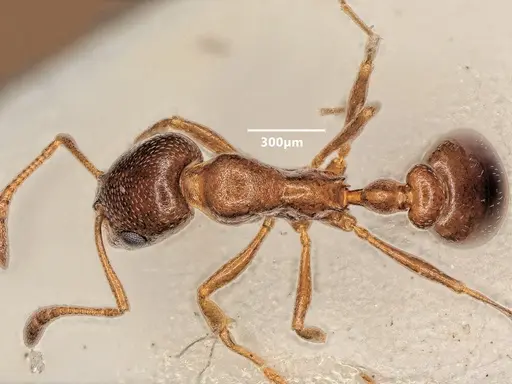
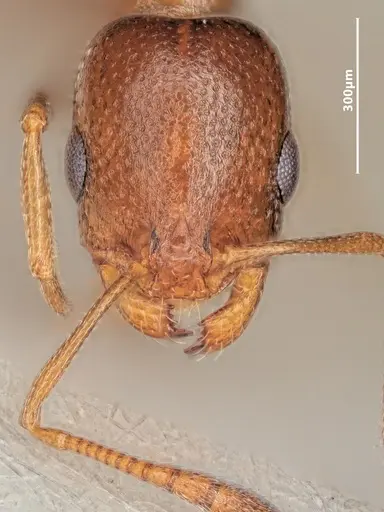
Cardiocondyla batesii is a fascinatingly small ant species, known for its worker-like males (ergatoids) and queens that typically mate within their natal nest. Workers are tiny, usually measuring between 1.5 to 3.5 mm, and possess a distinct postpetiole that is much broader than the petiole, often appearing heart-shaped. Queens also show a remarkable variation in size and wing length, with some being brachypterous (short-winged) and others macropterous (long-winged), yet neither morph typically flies. This species primarily disperses on foot, a unique trait for founding new colonies. They are often overlooked due to their minute size and cryptic nesting habits.
- Difficulty: Medium
- Origin & Habitat: Palaearctic region (Europe, North Africa, Asia, specifically reported in Algeria, Morocco, Spain, and Siberia) in Sunny and dry places, cavities in the soil (down to 1m), semi-deserts, steppes, open habitats on immature soils near rivers, lakes, and seashores. Also found in disturbed man-made habitats..
- Colony Type: Monogyne (single queen), though some reports suggest potential for facultative polygyny or temporary presence of multiple queens., claustral (queens mate intranidally, then disperse on foot after hibernation to found new colonies solitarily, without worker assistance). founding.
- Size & Growth:
- Queen: 3.357-3.527mm
- Worker: 1.5-3.5mm
- Colony: Small (10-120 workers).. Slow growth.
- Antkeeping:
- Temperature: Prefers warmer conditions, mimicking their natural sunny and dry habitats. Laboratory conditions simulating seasons used 24-27°C during summer days and 8-12°C during winter nights..
- Humidity: Requires relatively dry conditions, as they are found in semi-deserts and steppes. However, some moisture is needed in the nest chambers. Soil composition indicates good drainage while retaining adequate moisture..
- Diapause: Required. Not specified at 8-12°C.
- Nesting: Prefers nests in soil with small, concealed entrance holes. Nests can be simple chambers or more complex structures reaching depths of over 1 meter in natural settings. Artificial nests (e.g., test tube setups, small formicariums with soil inserts) would be suitable..
- Behavior: Low (towards handler), Medium (towards rival males in colony). aggressiveness.
- Common Issues: Colony stalling due to incorrect temperature/humidity, Dehydration if humidity is too low, Escape due to small size, Overfeeding leading to waste and mold.
One of the most remarkable aspects of Cardiocondyla batesii is its unique male polymorphism. Unlike many ant species with winged males that take to the skies for nuptial flights, C. batesii exclusively produces wingless, 'ergatoid' males. These specialized males never leave the nest and engage in mating with virgin queens right within their maternal colony. This intranidal mating strategy is quite distinct and plays a crucial role in their reproductive cycle.
Queens of this species also exhibit an interesting dimorphism in wing length, ranging from brachypterous (short-winged) to macropterous (long-winged). Despite the presence of wings, neither queen morph is capable of true flight. Instead, after mating within the nest, inseminated queens shed their wings and disperse on foot to establish new colonies. This pedestrian dispersal, especially in spring after hibernating in the natal nest, is a defining characteristic of their colony founding strategy.
Colony sizes for Cardiocondyla batesii are generally quite small, typically ranging from a mere 10 to 120 workers. This compact colony structure, combined with their tendency to nest in discreet soil cavities, makes them somewhat challenging to locate and observe in the wild. For antkeepers, starting with a queen and a small initial brood is often the most practical approach to establish a colony. Providing a small, secure nesting setup that mimics their natural soil preferences is key to their success in captivity.
While Cardiocondyla batesii colonies are primarily monogynous, meaning they have a single fertile queen, there can be a temporary presence of multiple young queens within the natal nest, particularly during the autumn mating season before dispersal. These young queens will mate internally before setting out to found their own independent nests in the spring. Understanding this life cycle is crucial for providing the right conditions and expectations for colony development.
Diapause is a necessary period of hibernation for Cardiocondyla batesii, reflecting their adaptation to seasonal environments in their native Palaearctic habitats. Mimicking these cooler temperatures during the winter months is vital for the long-term health and successful reproduction of the colony. A period of reduced activity and lower temperatures helps to synchronize their natural cycle and encourages successful colony development in the following spring.
Frequently Asked Questions
What kind of nest is best for Cardiocondyla batesii?
For these tiny ants, a small formicarium with a soil or sand substrate is ideal. They naturally nest in soil cavities, so a setup that allows them to dig their own tunnels or provides pre-made chambers mimicking those conditions would be perfect. Test tube setups can also work for founding stages and small colonies.
Do Cardiocondyla batesii queens fly for their nuptial flight?
Interestingly, no! Unlike many ant species, Cardiocondyla batesii queens, even the winged ones (macropterous), are not strong flyers and don't typically engage in aerial nuptial flights. They mate with wingless 'ergatoid' males inside their home nest and then disperse on foot to establish their own colonies.
How big do Cardiocondyla batesii colonies get?
These colonies are on the smaller side. You can expect a mature colony of Cardiocondyla batesii to have between 10 to 120 workers. This makes them a great option for antkeepers with limited space or those looking for a species with a more manageable colony size.
What do Cardiocondyla batesii ants eat?
Like many ant species, Cardiocondyla batesii are omnivores. They will readily accept small insects (like fruit flies or roach segments) for protein and sugar sources such as honey water or sugar water. Offering a varied diet ensures all their nutritional needs are met.
Do Cardiocondyla batesii need to hibernate?
Yes, Cardiocondyla batesii absolutely require a diapause period. This mimics the cooler winter temperatures they experience in their natural Palaearctic habitats. Providing a cool, dark period, typically around 8-12°C, is crucial for the colony's long-term health and reproductive success.
Are Cardiocondyla batesii aggressive?
Towards antkeepers, they are generally low in aggressiveness. You won't find them trying to sting or bite you without extreme provocation. However, within the colony, their unique ergatoid males can be quite aggressive towards rival males, fighting to monopolize mating opportunities.
Can I keep multiple queens together with Cardiocondyla batesii?
While it's been observed that multiple young queens might be present in the natal nest before they disperse, Cardiocondyla batesii is largely considered a monogynous species, meaning one queen per colony for founding. It's best to keep single queens for individual colony founding to ensure optimal development.
How quickly do Cardiocondyla batesii colonies grow?
Due to their small colony size and the specifics of their life cycle, Cardiocondyla batesii colonies tend to grow at a slow rate compared to some other popular ant species. Patience is a virtue when keeping these tiny ants!
What are ergatoid males?
Ergatoid males are a fascinating aspect of Cardiocondyla batesii! These are wingless, worker-like males that remain within the nest. They are responsible for mating with the virgin queens right inside the colony, a stark contrast to the typical winged males of many other ant species that fly to mate.
Do Cardiocondyla batesii sting?
Yes, Cardiocondyla species, including C. batesii, possess a sting. However, given their small size, the sting is generally considered to be very mild and unlikely to cause significant discomfort to humans.
What kind of environment do Cardiocondyla batesii prefer?
They thrive in warmer, drier environments. Think semi-deserts, steppes, and open areas with good drainage. When setting up their formicarium, aim to replicate these conditions with adequate ventilation and a substrate that doesn't hold too much moisture.
Why is it important for queens to disperse on foot?
Their unique foot dispersal after intranidal mating is a key evolutionary strategy. It allows them to find new nest sites in close proximity, which might be an adaptation to their specific natural habitats and ensures localized population spread, especially in environments where aerial dispersal might be less successful.
Are Cardiocondyla batesii known as 'tramp' species?
While some other Cardiocondyla species are known as 'tramp' species due to their ability to spread globally via human commerce, Cardiocondyla batesii is generally not considered a tramp species. Its distribution is more restricted to its native Palaearctic regions, though it can inhabit disturbed areas within that range.