

Camponotus mitis
- Scientific Name
- Camponotus mitis
- Subgenus
- Tanaemyrmex
- Tribe
- Camponotini
- Subfamily
- Formicinae
- Author
- Smith, 1858
- Distribution
- Found in 4 countries
Camponotus mitis Overview
Camponotus mitis is an ant species of the genus Camponotus. It is primarily documented in 4 countries , including China, Hong Kong, India. Detailed taxonomic data and occurrence records can be further explored via authoritative databases such as AntWeb or the Global Biodiversity Information Facility (GBIF).
Camponotus mitis
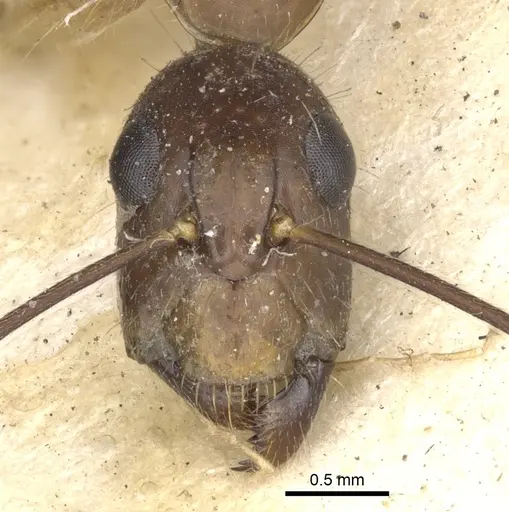
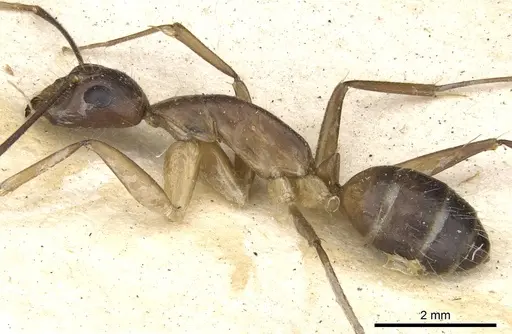
Camponotus mitis is a carpenter ant species native to South and Southeast Asia, found across India, Sri Lanka, China, and the Indo-Malayan region. Workers are polymorphic, with major workers measuring around 6-7mm and minors slightly smaller. They have the typical carpenter ant build with a powerful mandible and smooth, rounded abdomen. The first abdominal segment is noticeably lighter in color than the subsequent segments [1]. This species is highly adaptable, found in forests, grasslands, and even urban areas, making it a versatile forager that nests both under stones and in arboreal locations [2][3].
Quick Summary
- Difficulty: Easy
- Origin & Habitat: Native to South and Southeast Asia including India, Sri Lanka, China, Bhutan, Thailand, Myanmar, Indonesia, Malaysia, and Singapore. Found from lowland areas up to 1600m elevation in Bhutan, with vertical distribution in Sichuan ranging from 574-1030m [4][3]. Inhabits diverse habitats including forest, grassland, and human-modified areas, often nesting under stones [2][3].
- Colony Type: Monogyne, single queen colonies. As a typical Camponotus species, colonies start with one claustral queen who seals herself in to raise the first workers alone.
- Colony: Monogyne
- Founding: Claustral
- Size & Growth:
- Queen: Estimated 10-12mm based on genus patterns
- Worker: Major workers 6-7mm, minor workers 4-5mm [1]
- Colony: Likely up to several thousand workers based on typical Camponotus colony growth
- Growth: Moderate, typical Camponotus development timeline
- Development: 6-10 weeks at optimal temperature based on genus patterns (Development time varies with temperature, claustral founding means queen relies on stored fat reserves until first workers emerge)
- Antkeeping:
- Temperature: Keep at 24-28°C. This is a tropical/subtropical species that thrives in warm conditions. Room temperature within this range works well, or use a heating cable on one side of the nest for a gentle gradient.
- Humidity: Moderate humidity around 50-70%. Provide a water tube and allow the nest to dry slightly between rehydrations. These ants handle varied conditions well given their wide natural distribution.
- Diapause: Not required. As a tropical/subtropical species, they do not need hibernation. However, a slight cooldown during winter months (around 18-20°C) may slow activity naturally.
- Nesting: Y-tong (AAC) nests work well for this species. They also accept plaster nests and naturalistic setups with stones. Provide nesting chambers scaled to colony size, start small for founding colonies and expand as they grow.
- Behavior: Generally calm and non-aggressive for a carpenter ant. Workers are active foragers, both on the ground and in vegetation [2]. They are generalized foragers, collecting honeydew from aphids and small insects [5]. Major workers have powerful mandibles but rarely use them defensively against keepers. Escape risk is moderate, use standard barrier methods but no special escape prevention needed beyond standard care. They are diurnal and actively forage during daylight hours.
- Common Issues: colonies may stall if temperatures drop below 20°C for extended periods, test tube setups work for founding but transfer to formicarium once colony reaches 20+ workers for better growth, overfeeding can lead to mold in nest, remove uneaten protein promptly, wild-caught colonies may carry parasites, quarantine and observe new colonies
Housing and Nest Setup
Camponotus mitis adapts well to various captive setups. For founding colonies, a standard test tube setup with a water reservoir works perfectly, the queen will seal herself in and raise her first brood in the humid microclimate. Once the colony reaches 15-20 workers, consider moving them to a Y-tong (AAC) nest or plaster formicarium which provides better space for expansion. These ants are not particularly fussy about nest materials, acrylic nests, wooden nests, and naturalistic setups with stones all work. Ensure the nest has chambers sized appropriately, too-large chambers can stress smaller colonies. A small outworld area allows workers to forage and dispose of waste. [3][2]
Feeding and Diet
As a generalized forager, Camponotus mitis accepts a varied diet. In captivity, offer protein sources like mealworms, small crickets, and other insects 2-3 times per week. Sugar water, honey, or commercial ant nectar should be available constantly, these ants readily collect honeydew and will happily take sugary liquids. Fresh fruit occasionally is also accepted. Remove uneaten protein within 24-48 hours to prevent mold. Workers forage both on the ground and in vegetation in the wild, so providing some vertical space in the outworld mimics their natural behavior [2][5].
Temperature and Seasonal Care
This tropical to subtropical species prefers warm conditions. Maintain temperatures between 24-28°C for optimal colony growth and development. They can tolerate brief periods slightly outside this range, but prolonged cold slows activity and brood development. No hibernation is required given their natural range. During winter, a slight reduction to around 20-22°C is acceptable but not necessary. If your room temperature falls below 20°C, use a heating cable on one side of the nest to create a warm zone. Avoid direct heat that could dry out the nest too quickly.
Colony Development
Like all Camponotus species, C. mitis is claustral, the founding queen seals herself in a chamber and raises the first brood using energy from her stored fat reserves. She does not leave to forage during founding. The first workers (nanitics) are smaller than normal workers but will quickly be replaced by larger majors as the colony grows. Development from egg to worker takes approximately 6-10 weeks at optimal temperature, depending on conditions. Colonies grow moderately, expect several months to reach 50 workers, then growth accelerates as the colony establishes a steady brood production cycle.
Behavior and Temperament
Camponotus mitis is a relatively calm species that tolerates disturbance reasonably well. Workers are active foragers, both day and night in tropical conditions. They are generalists, foraging on the ground and in vegetation for honeydew, small insects, and nectar. Major workers have strong mandibles but are not particularly aggressive toward keepers. The colony will establish scent trails to food sources and efficiently exploit them. Unlike some carpenter ants, this species is not known for damaging wood in structures, they nest in pre-existing cavities rather than excavating. [5][2][3]
Frequently Asked Questions
Can I keep Camponotus mitis in a test tube?
Yes, test tubes work perfectly for founding colonies. The queen will seal herself in and raise her first brood in the humid tube. Once the colony reaches 15-20 workers, consider upgrading to a formicarium for better growth space.
When should I move my Camponotus mitis colony to a formicarium?
Move them once they reach 15-30 workers or when the test tube becomes crowded. A Y-tong or plaster nest works well for this species.
How long until first workers with Camponotus mitis?
Expect first workers (nanitics) in 6-10 weeks at optimal temperature (24-28°C). This varies based on temperature and feeding.
What do Camponotus mitis eat?
They accept protein (insects like mealworms, crickets) and sugar sources (honey water, sugar water, commercial ant nectar). Offer protein 2-3 times weekly and keep sugar available constantly.
Are Camponotus mitis good for beginners?
Yes, this is an easy species suitable for beginners. They are adaptable, tolerate various conditions, and are not aggressive. Their moderate growth rate also makes them manageable.
Do Camponotus mitis need hibernation?
No, hibernation is not required. As a tropical/subtropical species from South and Southeast Asia, they do not need a winter rest period.
How big do Camponotus mitis colonies get?
Mature colonies likely reach several thousand workers based on typical Camponotus growth patterns. They are not supercolonial.
Why is my Camponotus mitis colony not growing?
Check temperature (should be 24-28°C), ensure protein is being offered regularly, and verify humidity is adequate. Also ensure the queen is still laying eggs and the colony is not stressed by excessive disturbance.
Can I keep multiple Camponotus mitis queens together?
No, this is a monogyne (single-queen) species. Only keep one queen per colony. Introducing additional queens will result in fighting.
References

This caresheet is licensed under CC BY-SA 4.0 .
CASENT0903590
View on AntWeb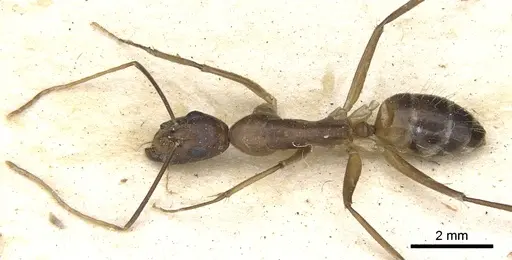
Literature
Loading...Loading products...