

Camponotus brutus
- Scientific Name
- Camponotus brutus
- Subgenus
- Tanaemyrmex
- Tribe
- Camponotini
- Subfamily
- Formicinae
- Author
- Forel, 1886
- Distribution
- Found in 8 countries
Camponotus brutus Overview
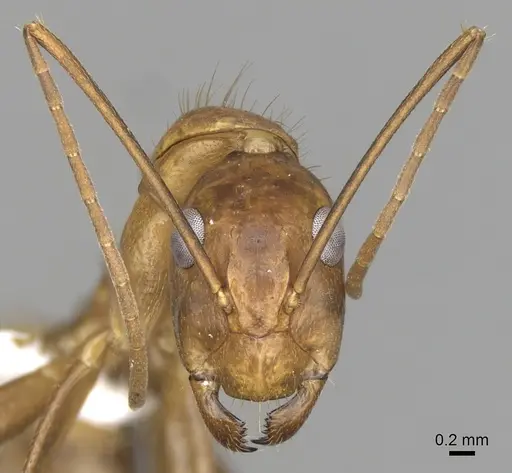
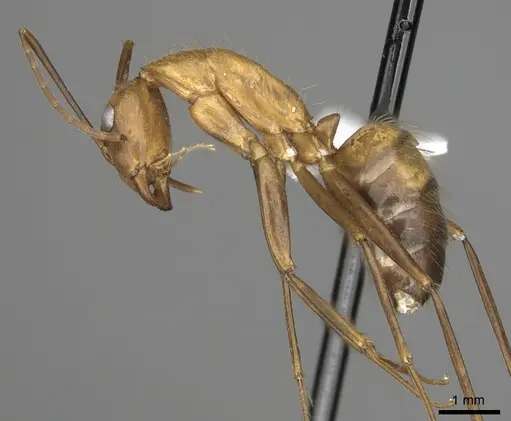
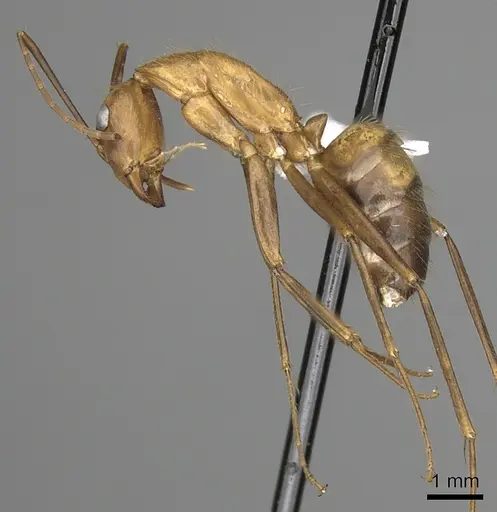
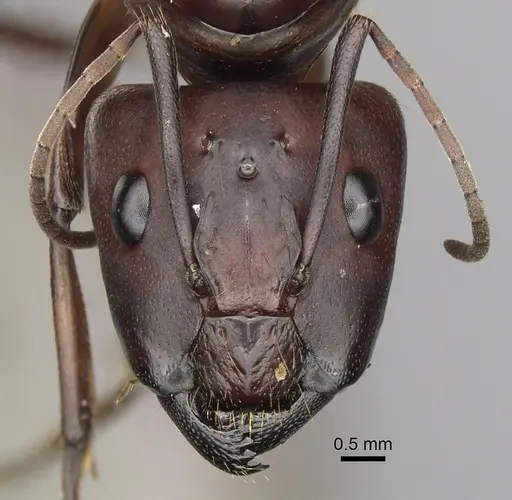
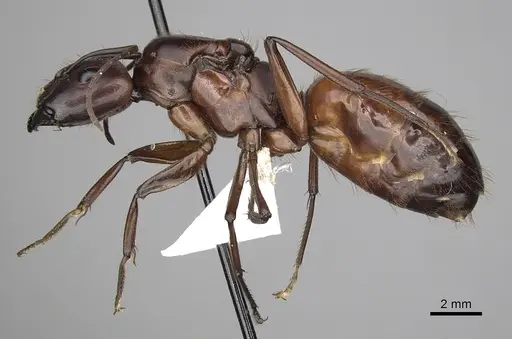
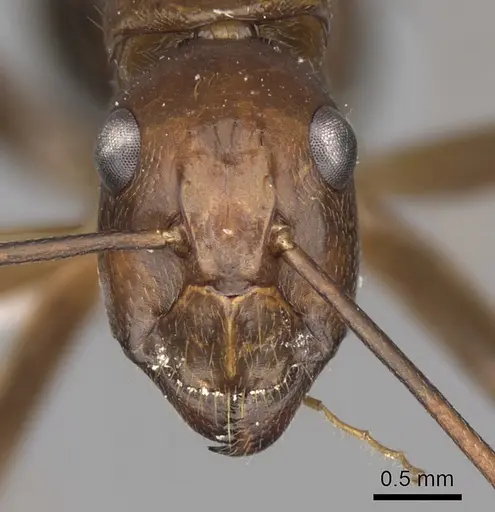
Camponotus brutus is an ant species of the genus Camponotus. It is primarily documented in 8 countries , including Congo, Democratic Republic of the, Central African Republic. Detailed taxonomic data and occurrence records can be further explored via authoritative databases such as AntWeb or the Global Biodiversity Information Facility (GBIF).
Camponotus brutus
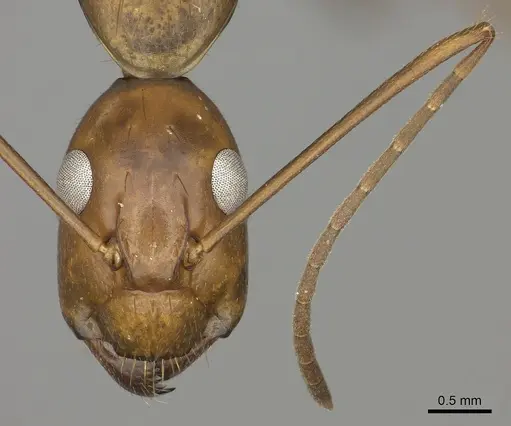
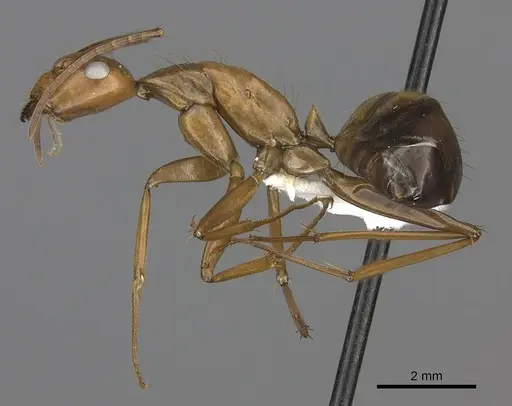
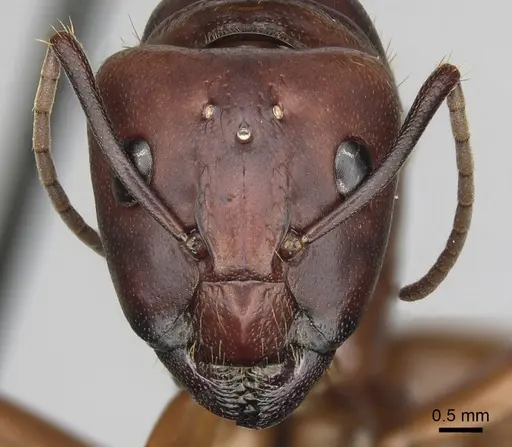
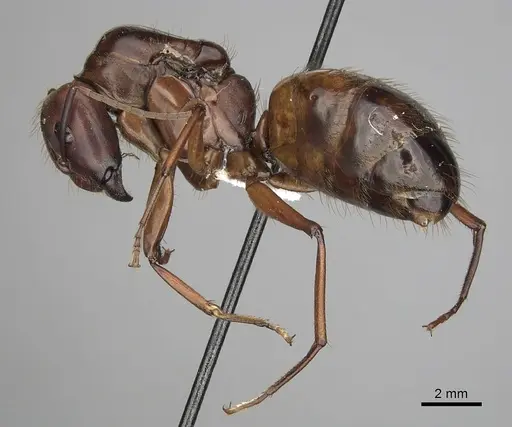
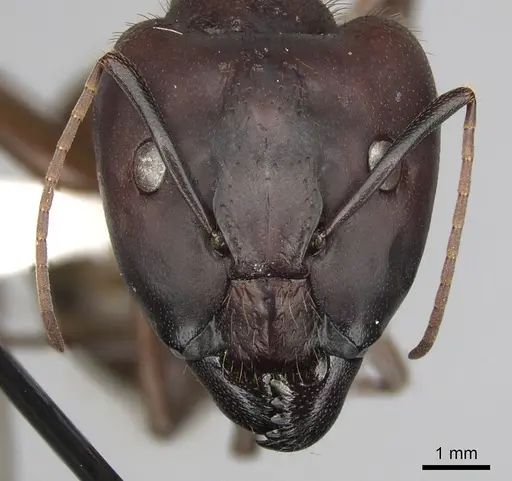
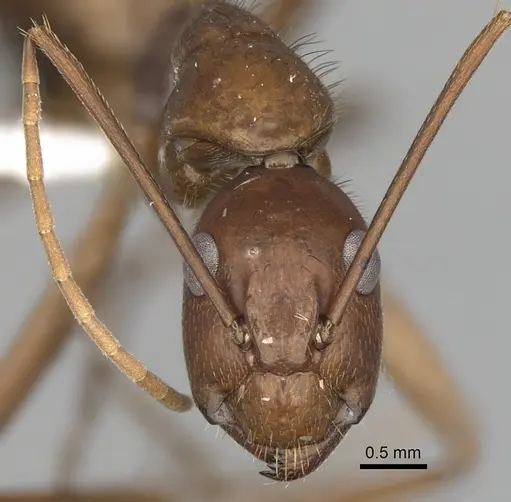
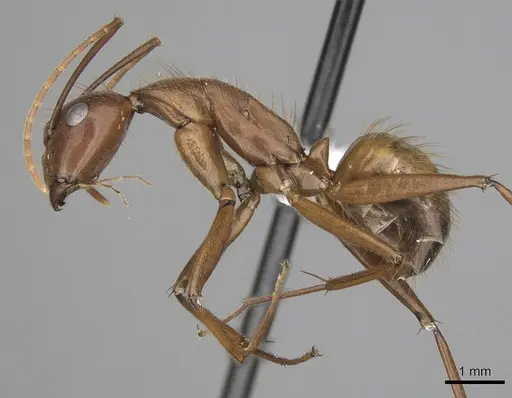
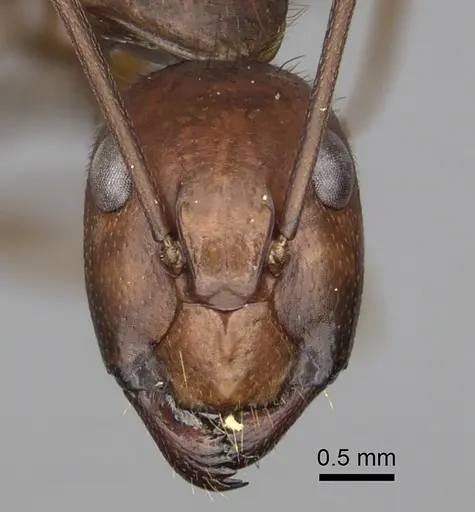
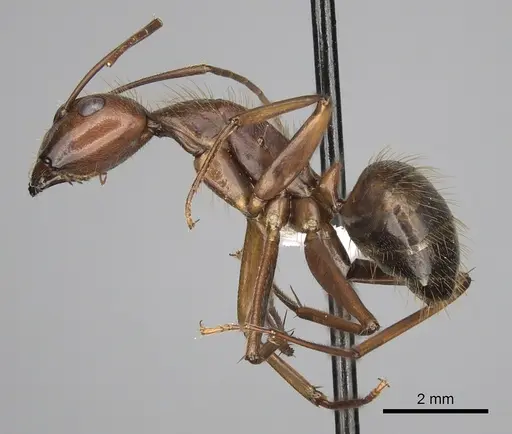
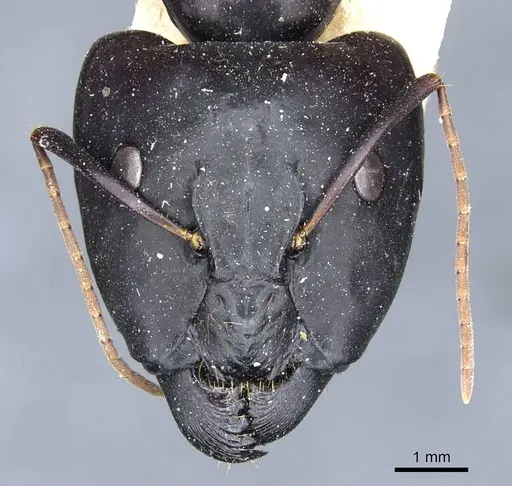
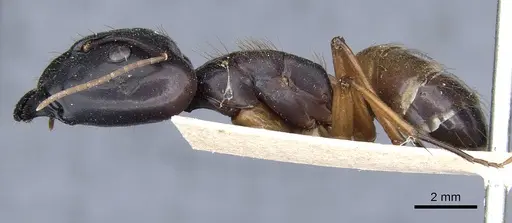
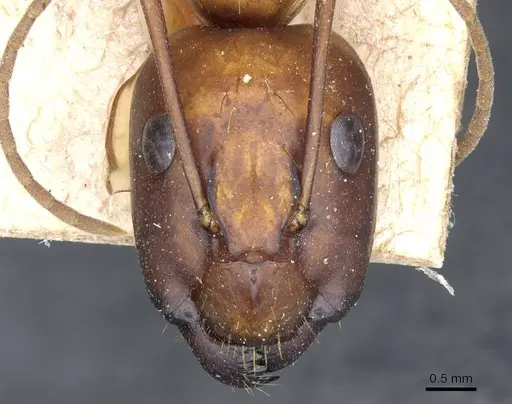
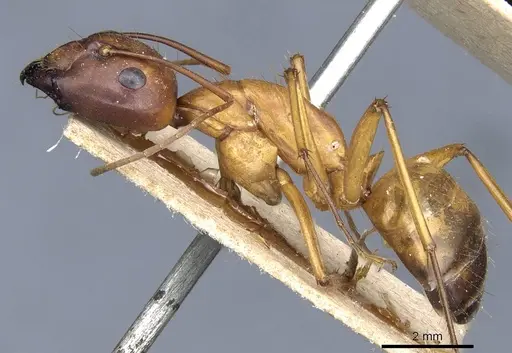
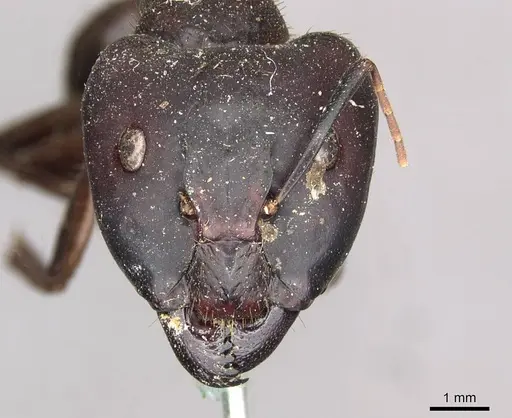
Camponotus brutus is a medium-sized arboreal ant species native to the rainforests of West and Central Africa. Workers measure around 5-8mm with a robust build, typically dark brown to black coloration. This species is forest-dependent, preferring the humid, shaded environments of lowland tropical rainforests where it nests in trees and builds characteristic pavilions to house trophobiont (honeydew-producing insects) [1][2]. Colonies are polydomous, meaning they maintain multiple connected nest sites rather than a single central nest [3]. Camponotus brutus is an omnivore that tends leafhoppers and other hemipterans for honeydew, while also foraging for nectar and small prey [3][4].
Quick Summary
- Difficulty: Medium
- Origin & Habitat: West and Central African rainforests, found in Cameroon, Democratic Republic of Congo, Kenya, Nigeria, Sierra Leone, Angola, and surrounding nations. This species is forest-dependent and thrives in humid, shaded lowland rainforest environments [1][2][5].
- Colony Type: Polydomous, colonies maintain multiple connected nest sites. Likely monogyne (single queen) based on typical Camponotus patterns, though this hasn't been directly documented for this specific species.
- Colony: Monogyne
- Founding: Claustral
- Size & Growth:
- Queen: Estimated 10-14mm based on typical Camponotus queen size range
- Worker: 5-8mm (major workers larger, minor workers smaller)
- Colony: Likely several hundred to a few thousand workers based on related species
- Growth: Moderate, typical Camponotus development
- Development: Estimated 6-10 weeks at optimal temperature based on genus patterns (Development time inferred from typical Camponotus genus patterns. Actual timing may vary with temperature.)
- Antkeeping:
- Temperature: Keep at 24-28°C, they are a tropical species requiring warm, stable conditions. A gentle gradient allowing cooler areas is beneficial.
- Humidity: High humidity required (60-80%). These rainforest ants need consistently moist conditions. Provide a water tube and keep nesting area damp but not waterlogged.
- Diapause: No true diapause, being a tropical species, they do not require hibernation. Maintain warm conditions year-round.
- Nesting: Arboreal species, they prefer elevated nests. Y-tong (AAC) nests work well, or you can provide a naturalistic setup with cork or wood platforms. Avoid fully underground setups.
- Behavior: Camponotus brutus is an arboreal forager with high activity levels. When tending honeydew-producing insects, they become notably more aggressive and territorial [6]. They are subordinate at food baits compared to more dominant species like Pheidole megacephala, but show high resistance to raids from such competitors [7][8]. Workers forage along short-term trails to reach trophobionts and will readily accept sugar sources and protein prey. Escape risk is moderate, use standard Camponotus escape prevention with smooth surfaces and barrier tape.
Housing and Nest Setup
Camponotus brutus is an arboreal species that naturally nests in elevated locations within rainforest trees. In captivity, Y-tong (acrylic aerated concrete) nests work very well because they provide the干燥通风条件 this species prefers while allowing you to maintain humidity. You can also use cork nests or set up a naturalistic terrarium with wooden branches and platforms. Since they are polydomous in the wild (maintaining multiple connected nest sites), providing some extra space or multiple chambers can encourage natural behavior. Keep the nest area humid but ensure good ventilation to prevent mold, these forest ants need airflow while maintaining moisture. An outworld with branches or vertical surfaces gives them opportunities to forage naturally. [1][3]
Feeding and Diet
Camponotus brutus is an omnivore with a strong preference for honeydew and sugar sources. In the wild, they actively tend leafhoppers and other hemipterans, building special pavilions to house their trophobionts [3]. They also visit flowers, they have been recorded as flower visitors on mango trees in Cameroon [9]. In captivity, offer sugar water, honey, or diluted nectar regularly as a staple. For protein, they accept typical ant prey like mealworms, crickets, and other small insects. Their omnivorous nature means they are not difficult to feed, but providing a varied diet with both sugar and protein sources will support colony growth. Given their tropical origin, they are active year-round and will accept food throughout the year.
Temperature and Humidity
As a tropical rainforest species from Central and West Africa, Camponotus brutus requires warm and humid conditions. Keep temperatures in the range of 24-28°C. They can tolerate slightly higher temperatures but should be protected from temperature drops below 20°C. For humidity, aim for 60-80% relative humidity in the nest area. You can achieve this by keeping the water reservoir in your test tube or Y-tong nest topped up, and occasionally misting the outworld. Unlike temperate species, they do not require any diapause or winter cooling period, maintain consistent warm conditions year-round. A small heating cable on one side of the nest can help create a temperature gradient and ensure warmth during cooler room temperatures. [2][1]
Colony Development
Camponotus brutus follows typical Camponotus colony founding behavior. The claustral queen seals herself in a chamber and survives entirely on her stored fat reserves while raising the first brood. This means you do not need to feed the queen during founding, doing so can actually cause problems by attracting mold. First workers (nanitics) will be smaller than normal workers and typically emerge after 6-10 weeks depending on temperature. After the nanitics arrive, the colony enters a growth phase where the queen stops foraging and devotes herself to egg-laying while workers take over all foraging and brood care. Growth rate is moderate, expect several months to reach 50 workers, and potentially a year or more to reach several hundred. Being a polydomous species in the wild, larger colonies may benefit from additional nesting space or multiple connected chambers. [3]
Behavior and Interactions
This species shows fascinating behavioral flexibility, particularly in its interactions with other species. When tending hemipteran trophobionts, Camponotus brutus becomes notably more aggressive and territorial [6]. Despite being classified as a subordinate species at food baits (they are often outcompeted by dominant species like Pheidole megacephala), they show remarkable resistance when those dominant species attempt raids [7][8]. In the wild, they are often found in gallery forests rather than open savannah areas [10]. Workers are active foragers that will establish trails to food sources. They are not particularly aggressive toward humans, like most Camponotus, they may bite if provoked but are not considered dangerous. Their moderate size and active foraging make them an engaging species to observe.
Frequently Asked Questions
How long does it take for Camponotus brutus to produce first workers?
Expect first workers (nanitics) to emerge around 6-10 weeks after the queen lays eggs, assuming temperatures are kept in the optimal 24-28°C range. This is typical for Camponotus species. The exact timing depends on temperature, warmer conditions speed up development, while cooler temperatures slow it down.
What do Camponotus brutus ants eat?
They are omnivores with a strong preference for sugar. Offer sugar water, honey, or nectar regularly. For protein, they accept small insects like mealworms, fruit flies, and crickets. They also naturally tend honeydew-producing insects, so providing varied diet supports colony health.
Do Camponotus brutus ants need hibernation?
No, they do not require hibernation. Being a tropical rainforest species from Central and West Africa, they need warm conditions year-round. Keep temperatures between 24-28°C consistently. Unlike temperate ant species, they do not enter diapause.
Are Camponotus brutus good for beginners?
They are intermediate in difficulty. They require higher humidity and temperatures than some common temperate species, but are not as demanding as some tropical specialists. Their omnivorous diet makes feeding straightforward. If you have experience with other Camponotus species, this is a manageable species.
How big do Camponotus brutus colonies get?
Based on related species, colonies likely reach several hundred to a few thousand workers. Being polydomous (maintaining multiple connected nests), they may spread across several chambers as they grow. A mature colony within a few years can be quite impressive.
Why is my Camponotus brutus colony growing slowly?
Growth rate depends on temperature, feeding, and queen health. Ensure temperatures are in the 24-28°C range, as cooler conditions significantly slow development. Feed a balanced diet with regular protein and constant sugar. Also verify the queen is still laying eggs, without a healthy, laying queen, the colony cannot grow. If conditions are optimal, be patient, Camponotus species are not fast growers.
References

This caresheet is licensed under CC BY-SA 4.0 .
CASENT0235234
View on AntWeb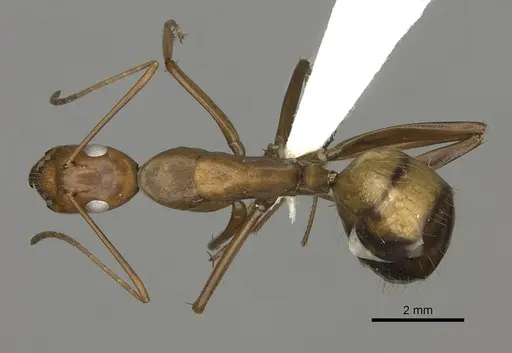
CASENT0316923
View on AntWeb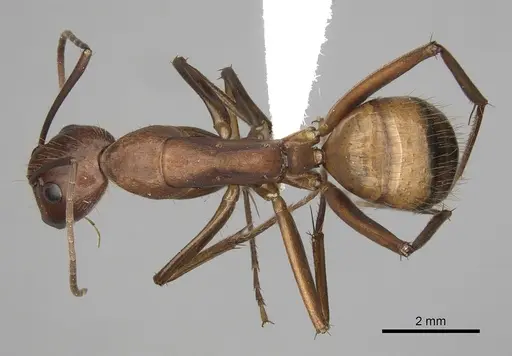
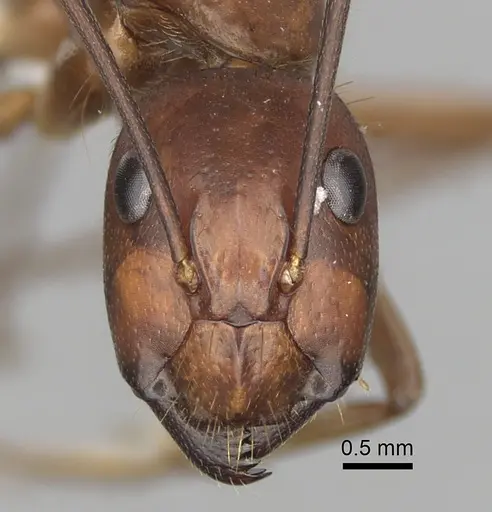
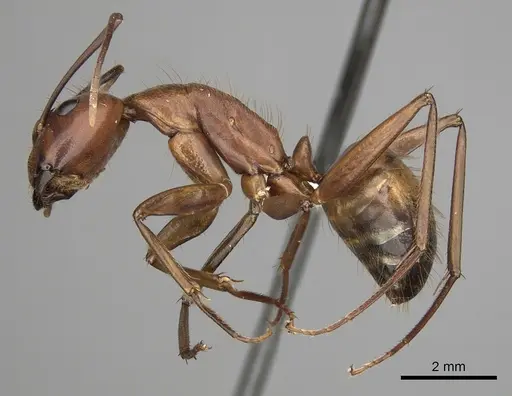
CASENT0316924
View on AntWeb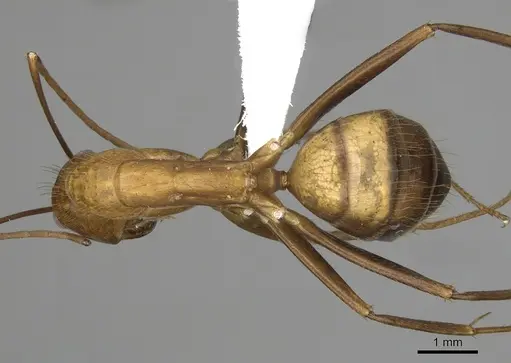
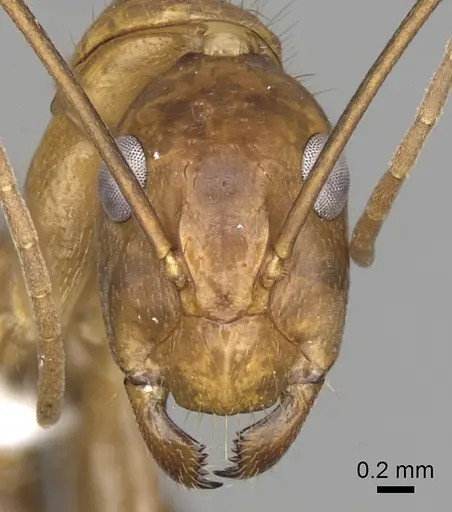
CASENT0316926
View on AntWeb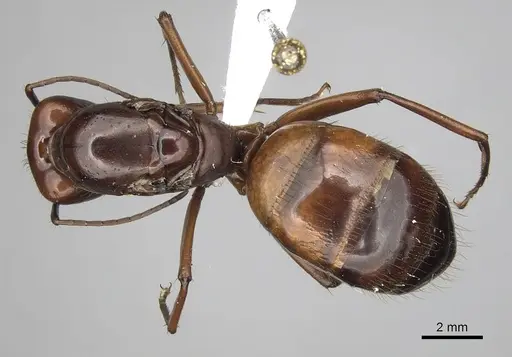
CASENT0316927
View on AntWeb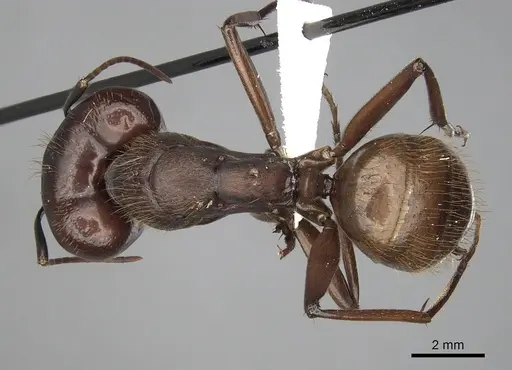
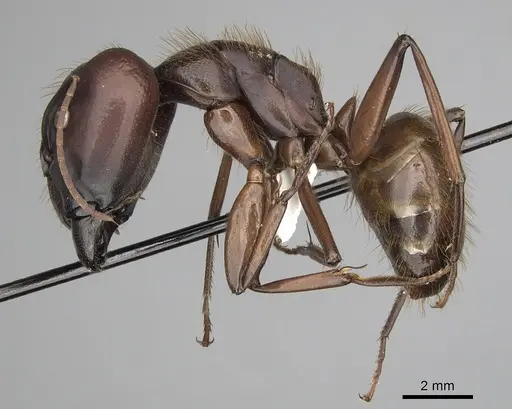
CASENT0316928
View on AntWeb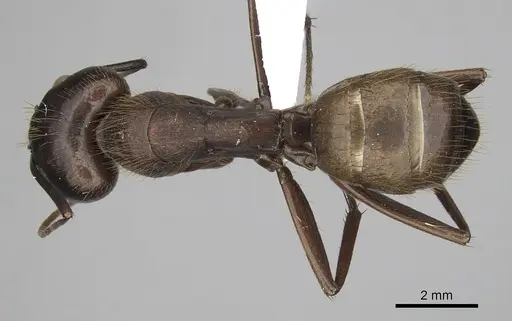
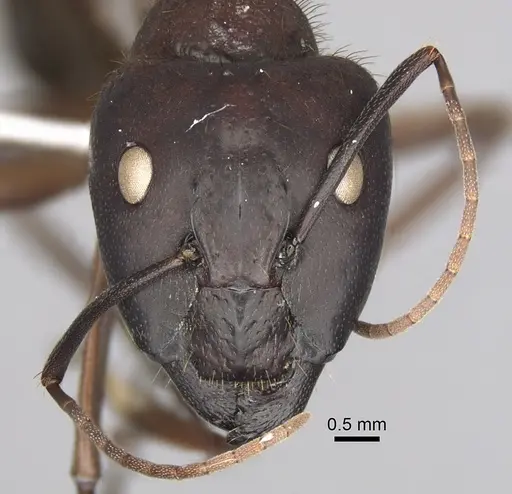
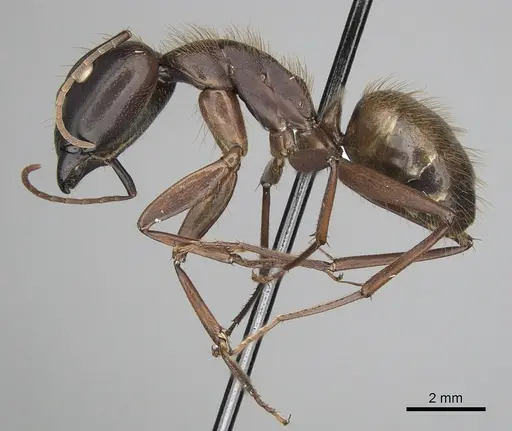
CASENT0316929
View on AntWeb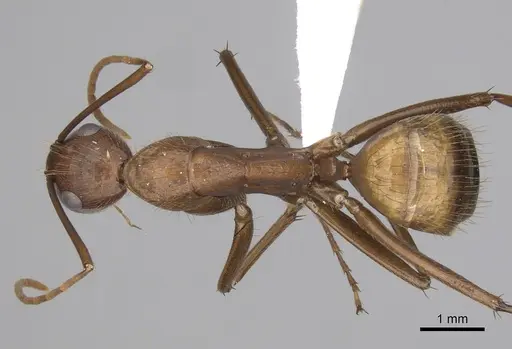
CASENT0403379
View on AntWeb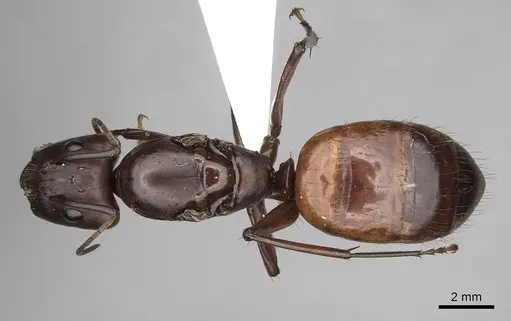
CASENT0405040
View on AntWeb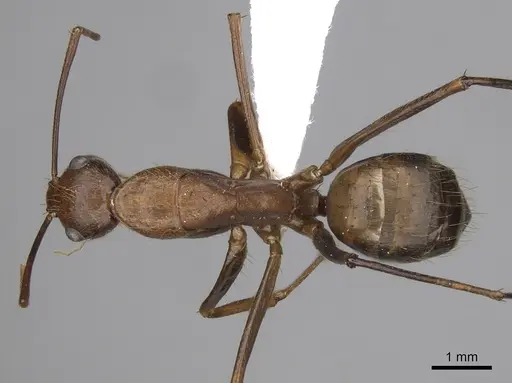
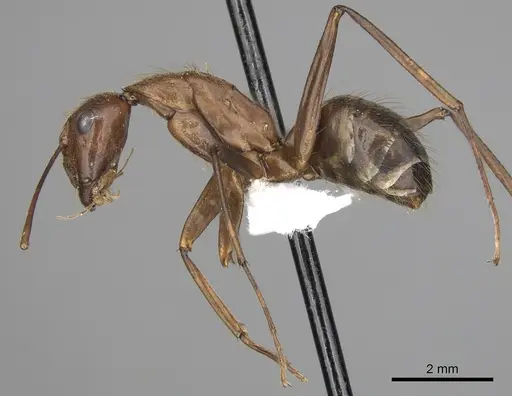
CASENT0405050
View on AntWeb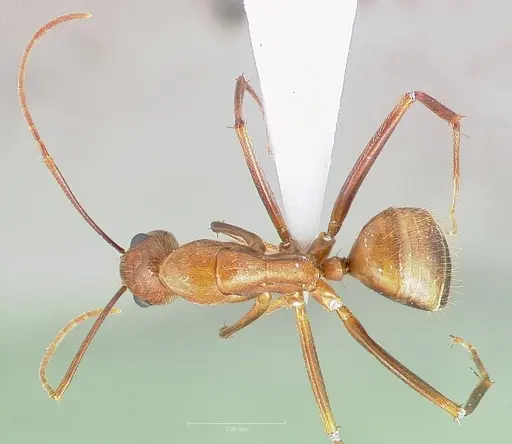
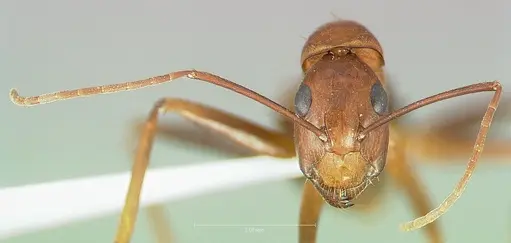
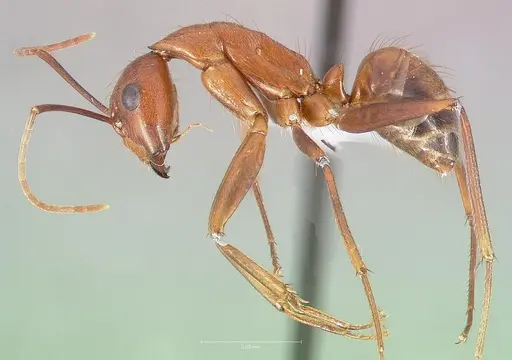
CASENT0415279
View on AntWeb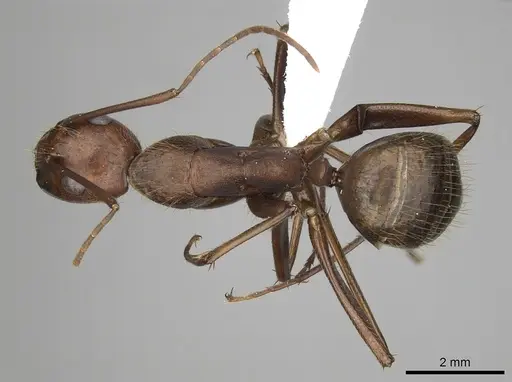
CASENT0415857
View on AntWeb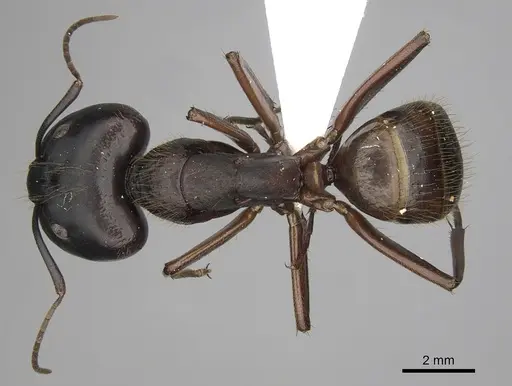
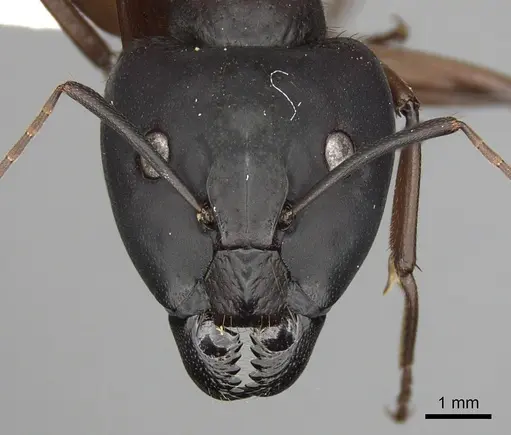
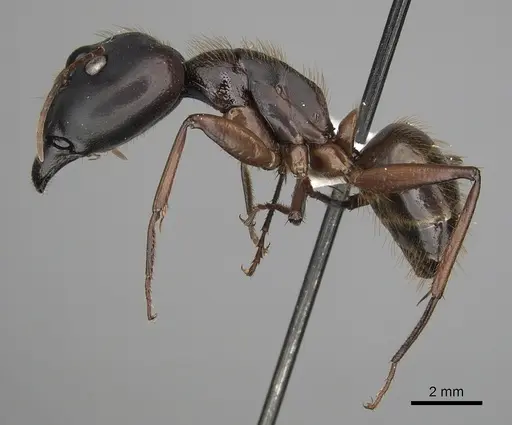
CASENT0763981
View on AntWeb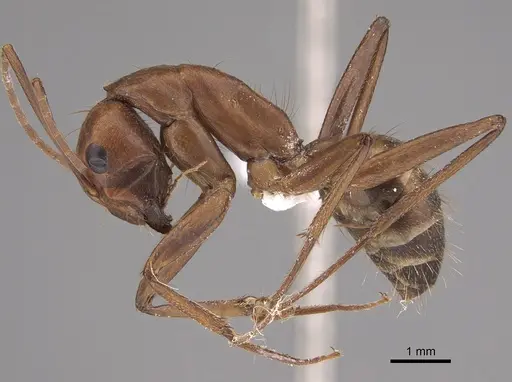
CASENT0797544
View on AntWeb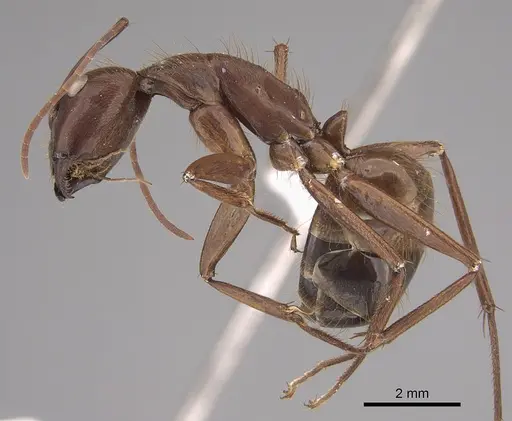
CASENT0905312
View on AntWeb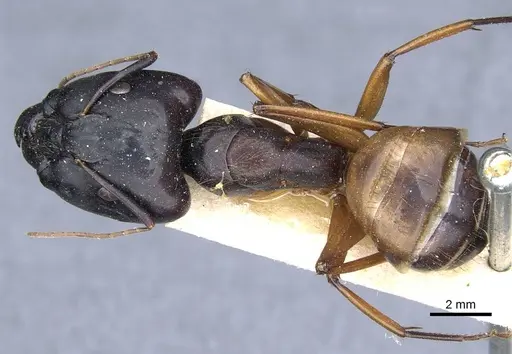
CASENT0905313
View on AntWeb
CASENT0910269
View on AntWeb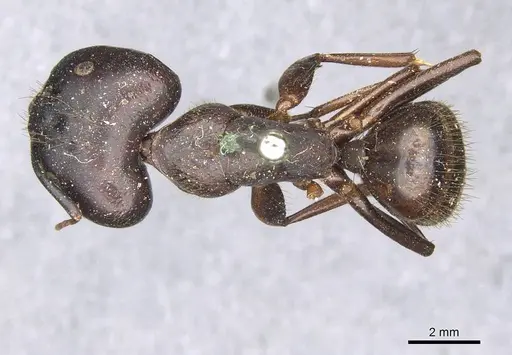
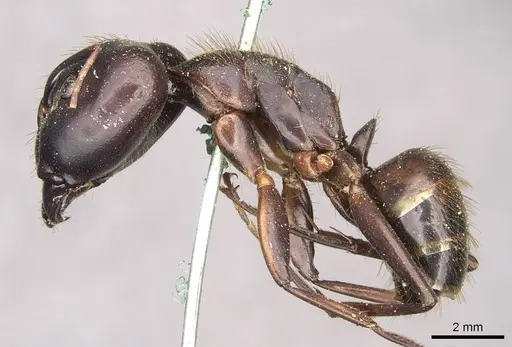
CASENT0910270
View on AntWeb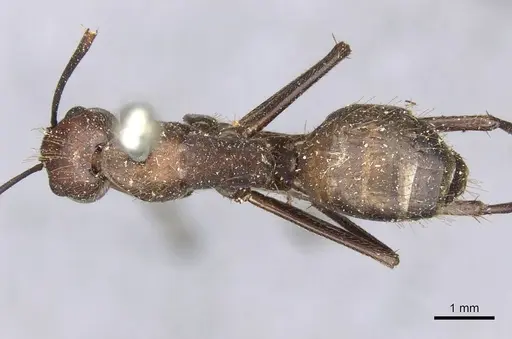
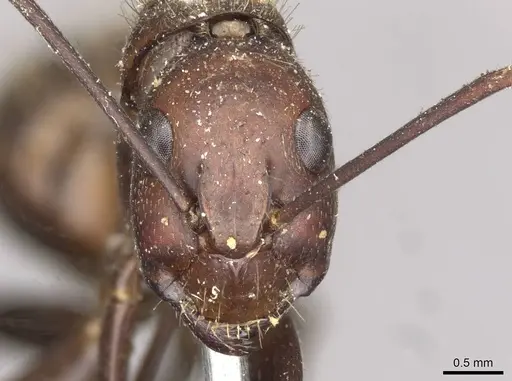
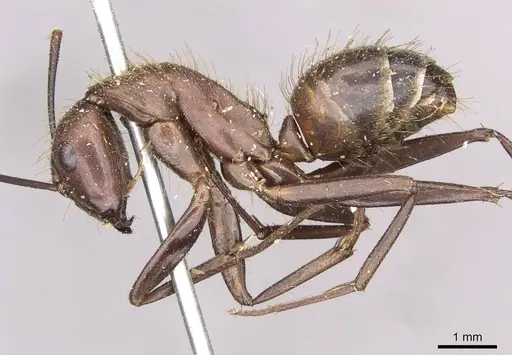
Literature
Loading...Loading products...