

Camponotus solon
- Scientific Name
- Camponotus solon
- Subgenus
- Tanaemyrmex
- Tribe
- Camponotini
- Subfamily
- Formicinae
- Author
- Forel, 1886
- Distribution
- Found in 4 countries
Camponotus solon Overview
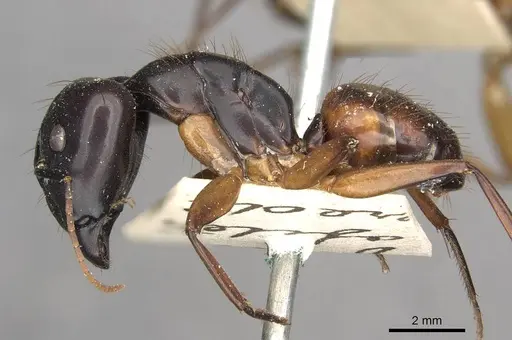
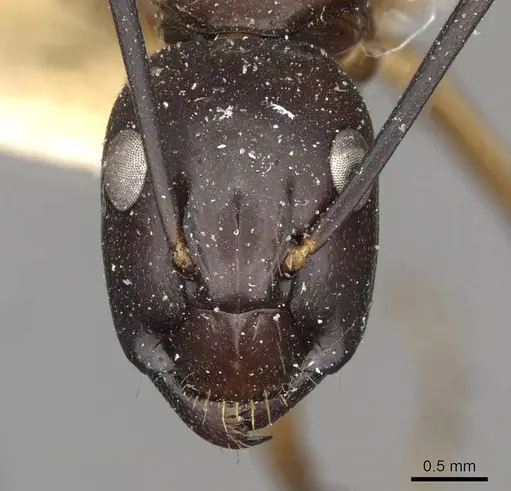
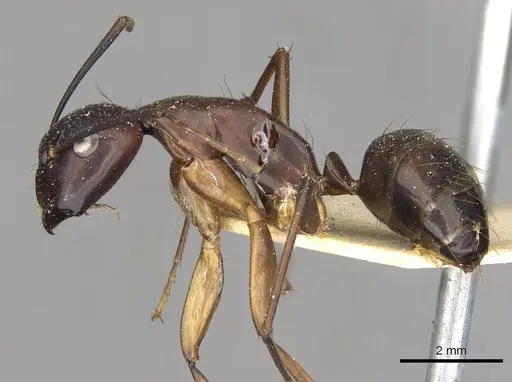
Camponotus solon is an ant species of the genus Camponotus. It is primarily documented in 4 countries , including Congo, Democratic Republic of the, Côte d'Ivoire. Detailed taxonomic data and occurrence records can be further explored via authoritative databases such as AntWeb or the Global Biodiversity Information Facility (GBIF).
Camponotus solon
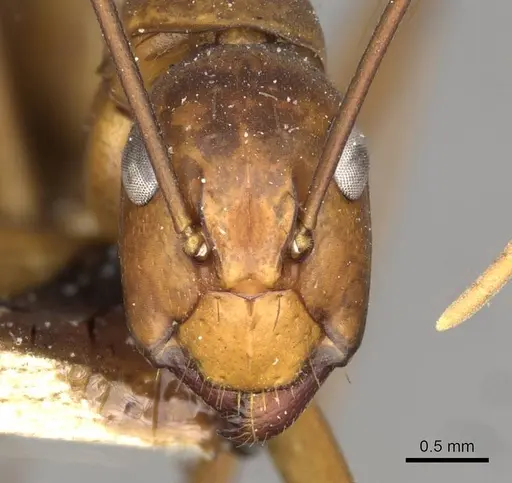
Camponotus solon is a large carpenter ant species native to tropical Africa, found across countries including Angola, Benin, Democratic Republic of Congo, Gambia, Guinea, Ivory Coast, Kenya, Nigeria, and Senegal. Originally described as a subspecies of Camponotus maculatus, this species belongs to the subgenus Tanaemyrmex and is known for its arboreal nesting habits in forest-savanna mosaics. Workers are typically robust with a dark coloration, and queens can reach impressive sizes typical of Camponotus species. This ant competes with other canopy-dwelling species like Oecophylla longinoda, indicating strong territorial behavior in their natural habitat [1].
What makes C. solon interesting for antkeepers is its arboreal nature, unlike many carpenter ants that nest in dead wood on the ground, this species is frequently found in the forest canopy. This influences their humidity requirements and makes them somewhat more moisture-tolerant than typical dry-wood nesting Camponotus. They are active foragers that readily exploit sugar sources and protein, making them relatively straightforward to feed in captivity.
Quick Summary
- Difficulty: Medium
- Origin & Habitat: Tropical Africa, found across West and Central African regions including Angola, Benin, DRC, Gambia, Guinea, Ivory Coast, Kenya, Nigeria, and Senegal. Inhabits forest-savanna mosaic environments where they nest arboreally in the canopy [1][2].
- Colony Type: Monogyne, single queen colonies typical for this species. Like most Camponotus, colonies start with one claustral queen who seals herself in to raise the first brood alone.
- Colony: Monogyne
- Founding: Claustral
- Size & Growth:
- Queen: 15-20mm estimated based on typical Camponotus size range
- Worker: 6-12mm (polymorphic, major and minor workers)
- Colony: Several thousand workers at maturity, typical for large Camponotus species
- Growth: Moderate, Camponotus colonies grow steadily but not as rapidly as smaller species
- Development: 6-8 weeks at optimal temperature, typical for Camponotus genus (Development is temperature-dependent, warmer conditions within safe range speed development. First workers (nanitics) are smaller than mature workers.)
- Antkeeping:
- Temperature: Keep nest area at 24-28°C. A heating cable on one side creates a gentle gradient allowing ants to self-regulate. Avoid temperatures above 32°C as this can stress the colony [1].
- Humidity: Moderate to high, these arboreal ants prefer conditions closer to forest floor humidity rather than dry wood nesting. Keep nest substrate slightly moist but not waterlogged, with some drier areas available.
- Diapause: No, as a tropical species, C. solon does not require hibernation. Maintain warm conditions year-round. A slight reduction in temperature during cooler months (down to around 22°C) may be appropriate but is not required.
- Nesting: Y-tong (AAC) nests or plaster nests work well. Their arboreal nature means they tolerate slightly higher humidity than typical dry-wood Camponotus. Provide a water test tube for humidity. Naturalistic setups with cork bark or wood pieces are also suitable.
- Behavior: Generally calm and less aggressive than some Camponotus species. Workers are robust and can deliver a mild bite if threatened, but they are not particularly defensive. They are active foragers that readily search for food. Escape prevention should be moderate, while not the smallest ants, they can still squeeze through small gaps if not properly contained. They accept a wide variety of foods and are not picky eaters.
- Common Issues: tropical species requires year-round warmth, cold drafts can weaken or kill colonies, arboreal nature means they need slightly higher humidity than typical dry-wood Camponotus, colonies grow large over time and will need expanding housing as they mature, wild-caught colonies may harbor parasites or diseases that can devastate captive colonies, competition with Oecophylla in the wild suggests they can be territorial, provide adequate space to reduce stress
Housing and Nest Setup
Camponotus solon does well in Y-tong (AAC) nests, plaster nests, or naturalistic setups. Their arboreal nature means they tolerate slightly more moisture than typical dry-wood nesting Camponotus, so a plaster nest with a water reservoir works well. Provide a test tube water source attached to the outworld. For the outworld, use a standard foraging area with a secure lid. Escape prevention should be moderate, these are large ants but can still find small gaps. Apply fluon to the rim of the foraging area if needed. A layer of substrate in the outworld is optional but helps with humidity. Keep the nest area darker as ants prefer to nest in sheltered locations. [1]
Feeding and Diet
Like most Camponotus, C. solon accepts a varied diet. Provide a constant sugar source, sugar water, honey, or diluted honey water works well. For protein, offer insects such as mealworms, crickets, fruit flies, or other small arthropods. Feed protein 2-3 times per week, adjusting based on colony size. Remove uneaten prey after 24-48 hours to prevent mold. These ants are active foragers and will readily search for food, so placing food in the outworld is usually sufficient. Colonies with hundreds of workers can consume significant amounts of protein, so be prepared to increase feeding as the colony grows.
Temperature and Seasonal Care
Maintain nest temperatures between 24-28°C year-round. As a tropical African species, C. solon does not require hibernation or diapause. A slight seasonal temperature fluctuation (dropping to around 22°C in winter months) is acceptable but not necessary. Avoid placing the nest near air conditioning vents or drafty windows. If your room temperature falls below 24°C, use a heating cable on one side of the nest to maintain warmth. Place the heating cable on top of the nest material, not underneath, to avoid excessive drying. Monitor colony activity, workers should be actively foraging, if they cluster in one area, they may be seeking heat. [1]
Colony Development and Growth
A newly mated queen will seal herself in a claustral chamber and lay eggs after 1-2 weeks. She feeds the first brood from her stored fat reserves and metabolic byproducts. First workers (nanitics) emerge after 6-8 weeks and are smaller than mature workers. Once nanitics emerge, the queen stops caring for the brood, workers take over all colony tasks. Growth is moderate, expect the colony to reach 50-100 workers in the first year under good conditions. Mature colonies can reach several thousand workers over several years. The colony will become increasingly polymorphic as it grows, with larger major workers developing to handle defensive and seed-processing tasks.
Behavior and Temperament
Camponotus solon is generally calm and not particularly aggressive. Workers may deliver a mild bite if the colony is threatened, but they are not defensive like some ant species. They are active foragers and will readily explore their outworld in search of food. Their arboreal nature means they are comfortable climbing and can often be found on vertical surfaces. In the wild, they compete with Oecophylla longinoda, suggesting they can be territorial, provide adequate space in captivity to reduce potential stress between colony members. These ants communicate through chemical signals and will form trails to food sources once discovered. [1]
Frequently Asked Questions
How long does it take for Camponotus solon to produce first workers?
Expect first workers (nanitics) to emerge 6-8 weeks after the queen lays eggs, assuming optimal temperatures around 24-28°C. The exact timing depends on temperature, warmer conditions within the safe range speed development.
Do Camponotus solon ants need hibernation?
No, as a tropical African species, C. solon does not require hibernation. Keep them warm year-round at 24-28°C. A slight temperature reduction in winter is acceptable but not necessary.
What do Camponotus solon ants eat?
They accept a varied diet: sugar sources (honey, sugar water) for energy, and protein sources like mealworms, crickets, fruit flies, and other small insects. Feed protein 2-3 times per week and provide constant access to sugar.
Are Camponotus solon good for beginners?
They are rated as medium difficulty. They are more forgiving than some species but require year-round warmth due to their tropical origin. Their size makes them easier to observe than tiny ants.
How big do Camponotus solon colonies get?
Mature colonies can reach several thousand workers over several years. They grow moderately, expect 50-100 workers in the first year under good conditions.
What humidity do Camponotus solon need?
Moderate to slightly high humidity. Their arboreal nature means they prefer conditions moister than typical dry-wood Camponotus. Keep nest substrate slightly moist but not waterlogged.
When should I move Camponotus solon to a formicarium?
Keep founding colonies in a test tube setup until they have 30-50 workers. Once the test tube becomes crowded or the water reservoir is depleted, transfer to a Y-tong or plaster nest.
Can I keep multiple Camponotus solon queens together?
No, this species is monogyne, single queen colonies. Combining unrelated queens is not recommended and typically results in fighting.
What temperature range is best for Camponotus solon?
Keep nest areas at 24-28°C. Use a heating cable on one side to create a gradient if needed. Avoid temperatures above 32°C or below 20°C for extended periods.
Where is Camponotus solon found in the wild?
This species is native to tropical Africa, found in countries including Angola, Benin, DRC, Gambia, Guinea, Ivory Coast, Kenya, Nigeria, and Senegal. They inhabit forest-savanna mosaic areas and are arboreal nesters.
Is Camponotus solon invasive?
This is a native African species with no documented invasive behavior outside its natural range. As with all exotic ant species, never release them outside their native habitat.
References

This caresheet is licensed under CC BY-SA 4.0 .
CASENT0910265
View on AntWeb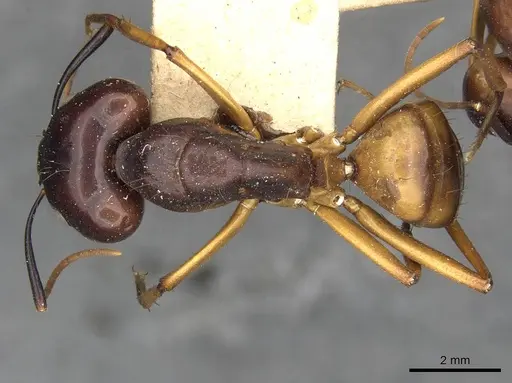
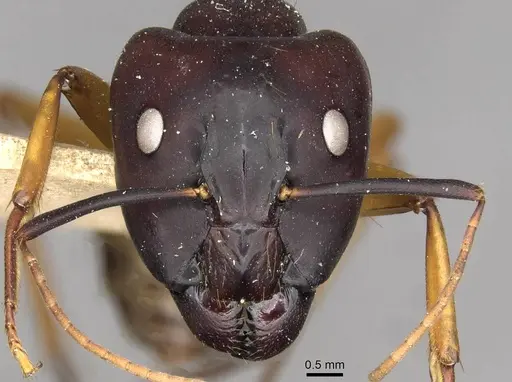
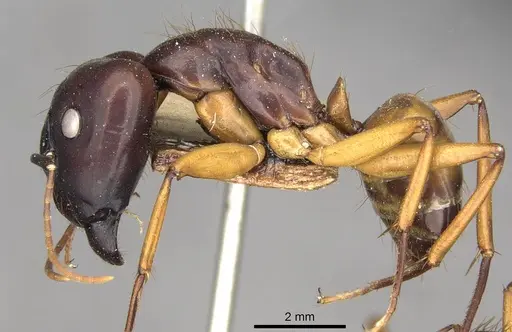
CASENT0910266
View on AntWeb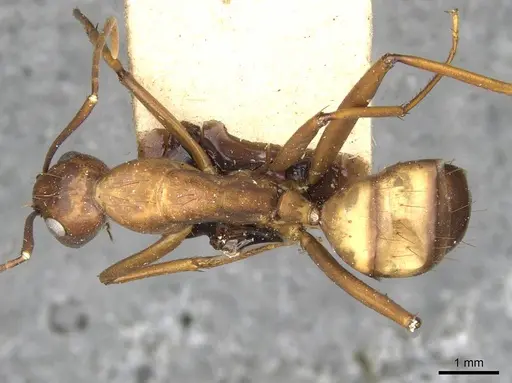
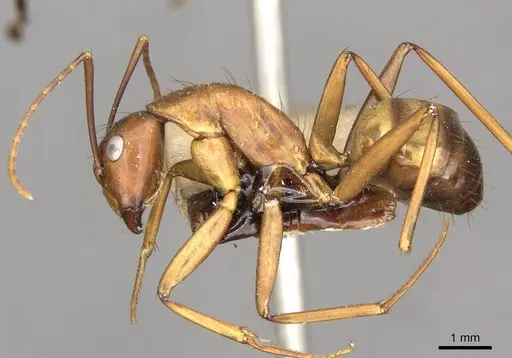
CASENT0910267
View on AntWeb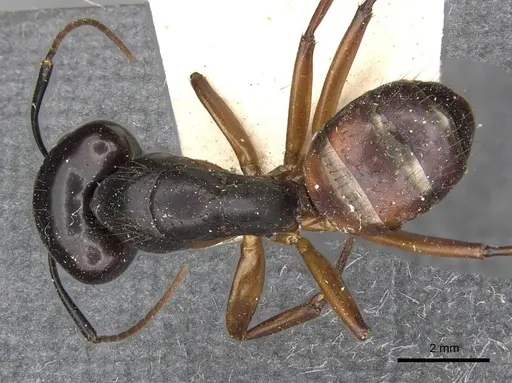
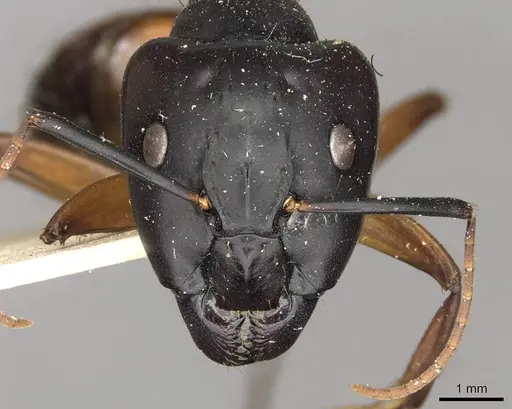
CASENT0910268
View on AntWeb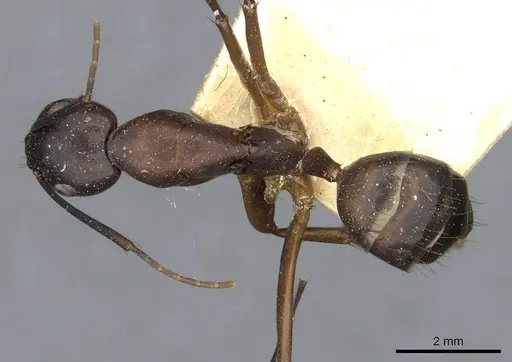
Literature
Loading...Loading products...