

Camponotus socorroensis
- Scientific Name
- Camponotus socorroensis
- Subgenus
- Myrmobrachys
- Tribe
- Camponotini
- Subfamily
- Formicinae
- Author
- Wheeler, 1934
- Common Name
- Socorro Island Carpenter Ant
- Distribution
- Found in 1 countries
Camponotus socorroensis Overview
Camponotus socorroensis (commonly known as the Socorro Island Carpenter Ant) is an ant species of the genus Camponotus. It is primarily documented in 1 countries , including Mexico. Detailed taxonomic data and occurrence records can be further explored via authoritative databases such as AntWeb or the Global Biodiversity Information Facility (GBIF).
Camponotus socorroensis - "Socorro Island Carpenter Ant"
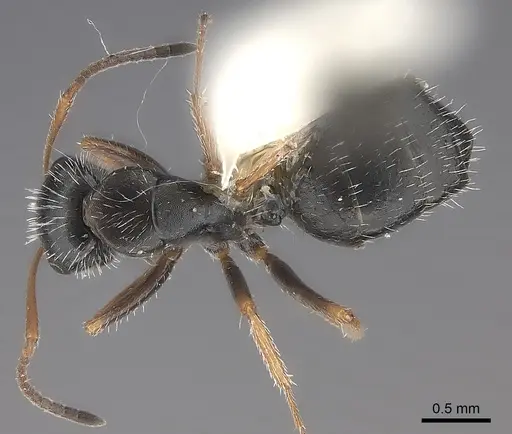
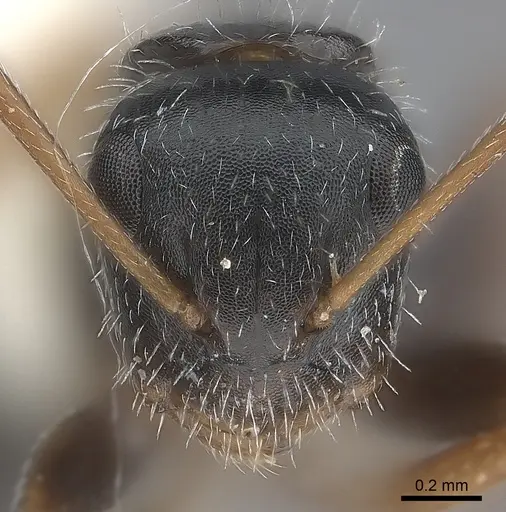
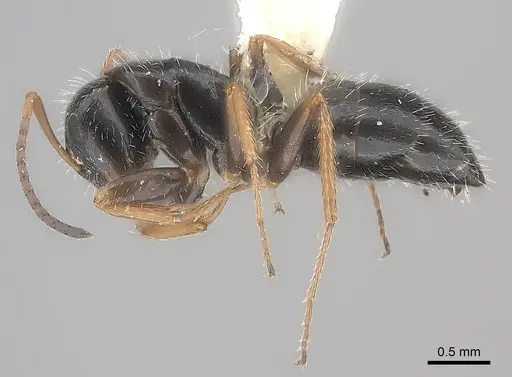
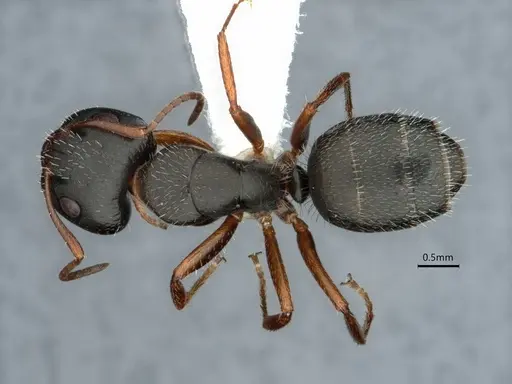
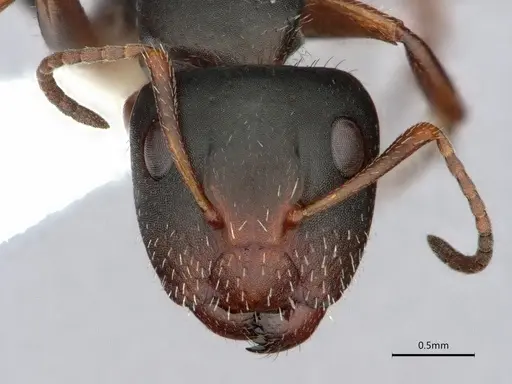
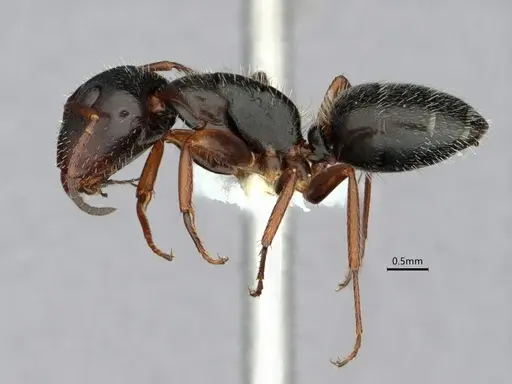
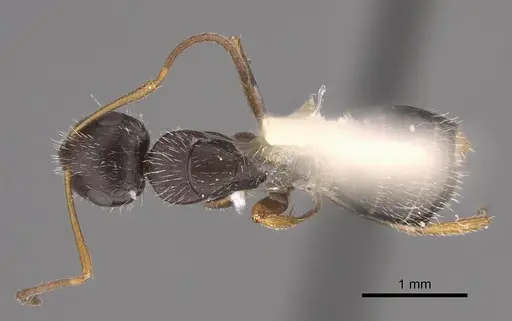
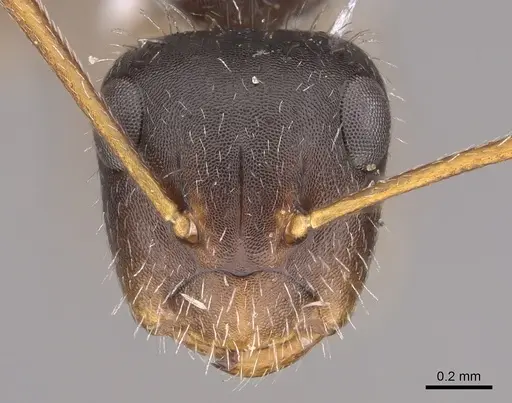
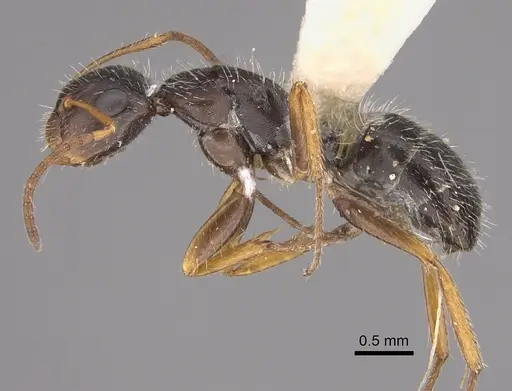
Camponotus socorroensis is a small carpenter ant native to Socorro Island in the Revillagigedo Islands off the coast of Mexico. This species belongs to the Myrmobrachys subgenus and is closely related to Camponotus mina and Camponotus brevis. Major workers measure 5-5.2mm while minor workers are considerably smaller at 3.3-3.5mm, making this one of the smaller Camponotus species. The ants have a distinctive appearance with a black body, red mandibles and antennae, and a reddish anterior portion of the head. Their legs are more yellowish or testaceous in color. This species was originally described by Wheeler in 1934 from specimens collected at Grayson Cove on Socorro Island. As a tropical island species, they likely prefer warmer, more humid conditions typical of the Neotropical region.
Quick Summary
- Difficulty: Medium
- Origin & Habitat: Socorro Island in the Revillagigedo Islands, Mexico, a volcanic island in the Pacific Ocean with tropical/subtropical conditions [1][2]
- Colony Type: Monogyne (single queen colonies), typical for Camponotus species. Colony size reaches unknown numbers but based on related species likely moderate (hundreds of workers).
- Colony: Monogyne
- Founding: Claustral
- Size & Growth:
- Queen: Estimated 6-8mm based on genus patterns for small Camponotus species
- Worker: Major: 5-5.2mm, Minor: 3.3-3.5mm [2]
- Colony: Unknown, likely several hundred workers based on related species
- Growth: Moderate, typical for small Camponotus species
- Development: Estimated 6-8 weeks at optimal temperature based on typical Camponotus development (Development time is temperature-dependent, warmer conditions within acceptable range accelerate development)
- Antkeeping:
- Temperature: Keep at 22-26°C, aim for the lower end of this range as a starting point since this is a tropical island species but not a strict heat-requiring species
- Humidity: Moderate to high humidity, island species typically prefer damp conditions. Keep nest substrate moist but not waterlogged. Provide a water tube for drinking
- Diapause: Likely minimal or no true diapause, being from a tropical island, they may not require hibernation. However, a slight cool period during winter months may be beneficial
- Nesting: In nature they likely nest in rotting wood or under bark, typical of Myrmobrachys species. In captivity, a Y-tong (AAC) nest or wooden formicarium works well. Avoid overly dry conditions
- Behavior: Camponotus species are typically moderate in temperament. Workers are not particularly aggressive but will defend the nest if threatened. They are primarily nocturnal or crepuscular foragers. Minor workers are quite small (3.3mm) so escape prevention must be good, they can squeeze through small gaps. They feed on sugar sources (honey, sugar water) and protein (insects, small prey). Major workers can defend the colony with their mandibles if needed.
- Common Issues: escape prevention is critical due to their very small minor workers, use fine mesh and tight-fitting lids, humidity control is important, too dry and brood will desiccate, too wet and mold becomes an issue, slow initial colony growth can frustrate beginners, claustral founding takes time, limited information means some care aspects are inferred from genus patterns rather than species-specific studies
Nest Preferences and Housing
Camponotus socorroensis belongs to the Myrmobrachys subgenus, which typically nests in rotting wood or under bark in natural conditions. In captivity, a Y-tong (acrylic ant chamber) nest or wooden formicarium works well for this species. The smaller minor workers (3.3mm) mean you should use chambers and passages scaled appropriately, avoid overly large, open spaces that may make the ants feel insecure. A test tube setup works well for founding colonies. Provide a water tube connected to the nest so workers can drink, this is especially important as island species often have higher humidity requirements. The nest material should retain some moisture but not become waterlogged.
Feeding and Diet
Like other Camponotus species, C. socorroensis is omnivorous with a preference for sugar sources and protein. Offer sugar water or honey constantly, workers will consume these and use the energy for colony maintenance and brood production. For protein, offer small insects such as fruit flies, small mealworms, or other appropriately-sized prey. Since minor workers are quite small (3.3mm), prey items should be appropriately sized. Feed protein 2-3 times per week, and ensure sugar is always available. Remove uneaten prey after 24-48 hours to prevent mold issues.
Temperature and Seasonal Care
Being from Socorro Island in the Mexican Pacific, this species is adapted to tropical to subtropical conditions. Aim for temperatures in the 22-26°C range, start at the lower end and adjust based on colony activity. If workers cluster near any heat source, you can increase slightly, if they avoid heated areas, reduce temperature. Unlike temperate Camponotus species that require hibernation, this island species likely does not need a true diapause. However, a slight reduction in temperature during winter months (perhaps dropping to 18-20°C) may help simulate natural seasonal cycles without being harmful. Avoid temperature extremes in either direction.
Colony Founding and Growth
As a Camponotus species, C. socorroensis is claustral, the queen seals herself in a chamber and raises her first brood without leaving to forage. She relies on stored fat reserves to survive until the first workers (nanitics) emerge. This process typically takes 6-8 weeks at optimal temperatures, though it may take longer if temperatures are on the cooler side. The founding chamber should be dark and relatively humid. Once the first workers emerge, the colony will begin accepting food. Initial colony growth is slow, the queen produces only a small number of workers in the first few months. Patience is key during this phase. Colony growth will accelerate once the first cohort of workers is established and foraging begins.
Behavior and Temperament
Camponotus socorroensis has a moderate temperament, they are not particularly aggressive but will defend their nest if threatened. Workers are primarily nocturnal or crepuscular, becoming more active in low light conditions. The major workers (5-5.2mm) can deliver a nip with their mandibles if handled roughly, though they are not considered dangerous to humans. The most significant behavioral consideration is escape risk, the minor workers are very small (3.3mm) and can squeeze through tiny gaps. Use fine mesh on any ventilation holes and ensure all connections are tight. Provide an outworld area for foraging that has barriers to prevent escapes.
Frequently Asked Questions
How long does it take for Camponotus socorroensis to produce first workers?
Expect first workers (nanitics) to emerge in 6-8 weeks after the queen lays eggs, assuming optimal temperatures around 24°C. The exact timing depends on temperature, warmer conditions within their range speed development, while cooler conditions slow it down.
What do Camponotus socorroensis ants eat?
They need a balanced diet of sugar and protein. Provide sugar water or honey constantly for energy. For protein, offer small insects like fruit flies, small mealworms, or appropriately-sized prey 2-3 times per week. Remove uneaten prey after a day or two.
Are Camponotus socorroensis good for beginners?
This species is rated as Medium difficulty. While not the most challenging species, the limited specific information available and the very small size of minor workers (requiring good escape prevention) make it better suited for keepers who already have some experience with Camponotus species.
What temperature do Camponotus socorroensis need?
Keep them at 22-26°C as a starting point. Being from a tropical island, they prefer warmer conditions but don't require extreme heat. Adjust based on colony behavior, if workers cluster near warmth, increase slightly, if they avoid heated areas, reduce temperature.
Do Camponotus socorroensis need hibernation?
Probably not, being from Socorro Island in the tropical Pacific, they likely don't require a true hibernation. A slight temperature reduction during winter months (dropping to 18-20°C) may be beneficial but is not required.
How big do Camponotus socorroensis colonies get?
The maximum colony size is not documented, but based on related species and their small worker size, colonies likely reach several hundred workers. Growth is moderate and takes time, patience is required during the founding phase.
Can I keep multiple Camponotus socorroensis queens together?
This species is monogyne (single queen), like most Camponotus species, only one queen per colony is typical. Combining unrelated queens is not recommended as they will likely fight.
What size nest do Camponotus socorroensis need?
Use a nest with appropriately-sized chambers for their small size. A Y-tong (AAC) nest or wooden formicarium works well. The nest should have small to medium chambers, avoid overly large spaces that may make these small ants feel insecure.
Why are my Camponotus socorroensis dying?
Common causes include: too dry conditions (island species need humidity), escape of small minor workers (check for gaps), mold from overwatering or uneaten food, or temperatures outside their range. Review humidity levels, escape prevention, and temperature before troubleshooting further.
References

This caresheet is licensed under CC BY-SA 4.0 .
Literature
Loading...Loading products...