

Camponotus mina
- Scientific Name
- Camponotus mina
- Subgenus
- Myrmaphaenus
- Tribe
- Camponotini
- Subfamily
- Formicinae
- Author
- Forel, 1879
- Distribution
- Found in 2 countries
Camponotus mina Overview
Camponotus mina is an ant species of the genus Camponotus. It is primarily documented in 2 countries , including Mexico, United States of America. Detailed taxonomic data and occurrence records can be further explored via authoritative databases such as AntWeb or the Global Biodiversity Information Facility (GBIF).
Camponotus mina
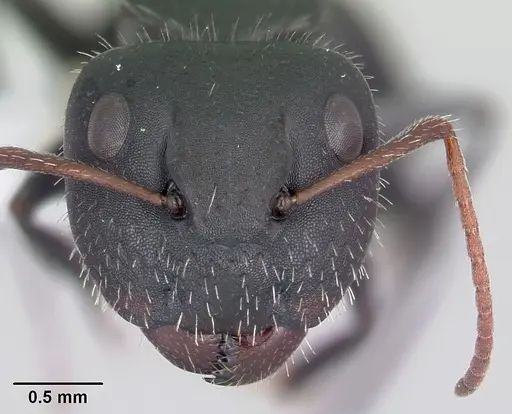
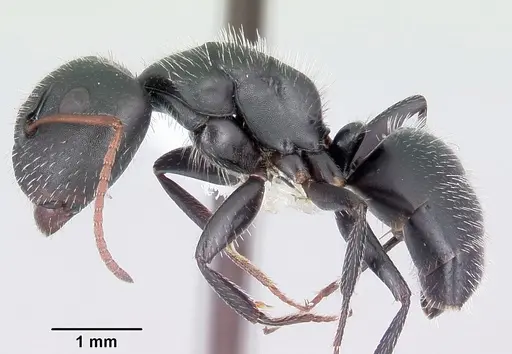
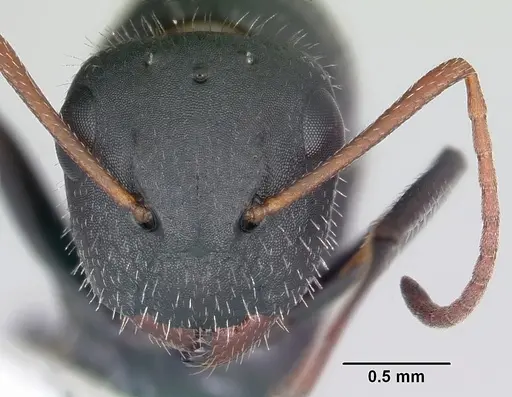
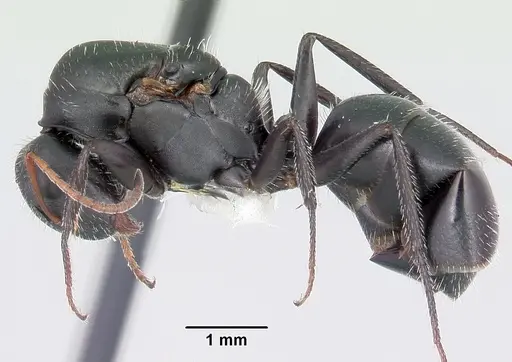
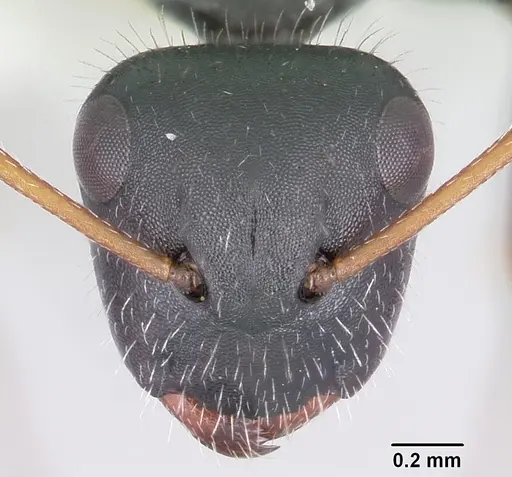
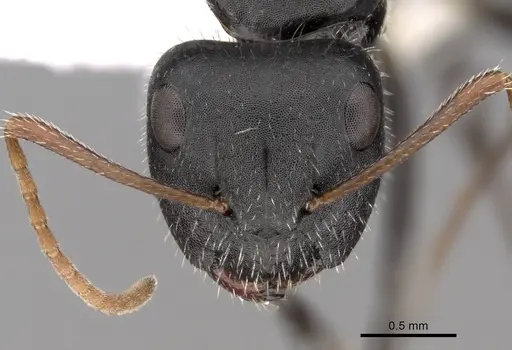
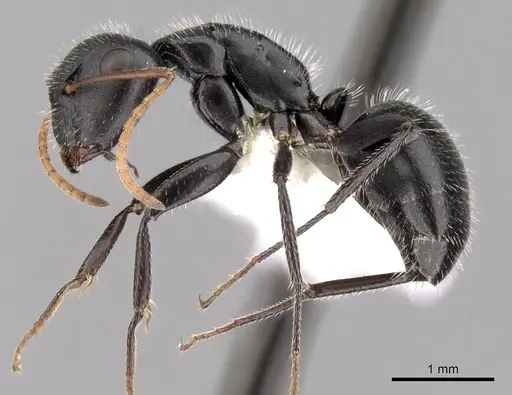
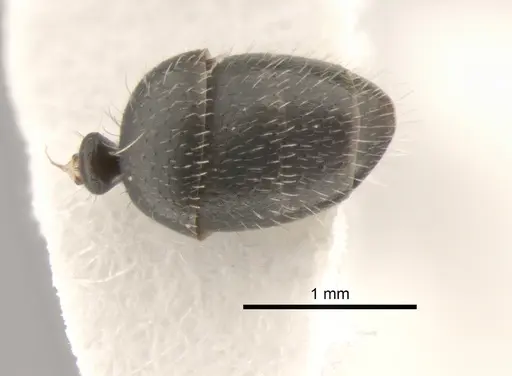
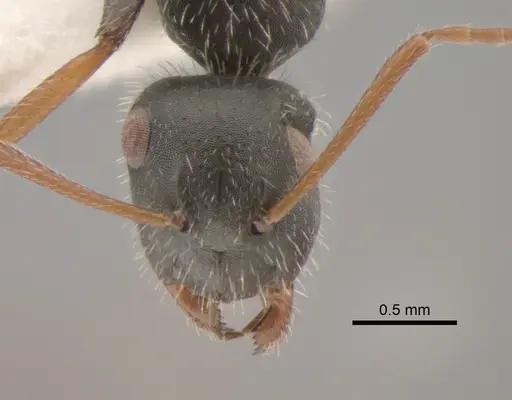
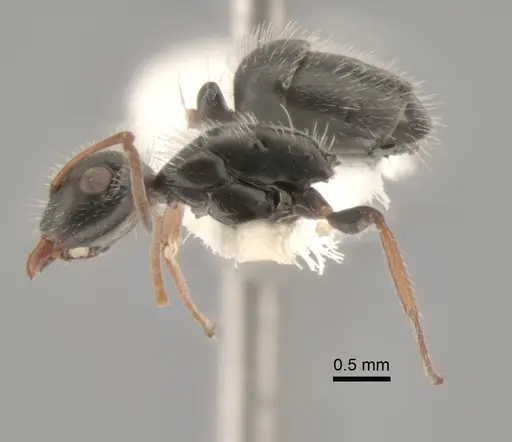
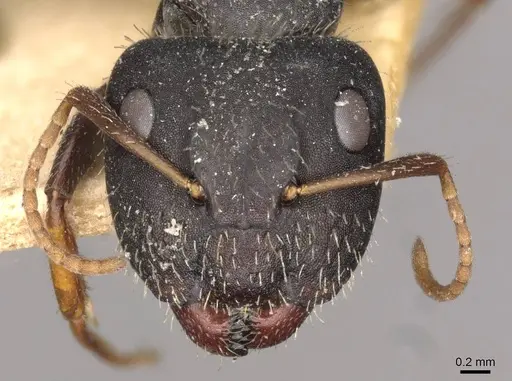
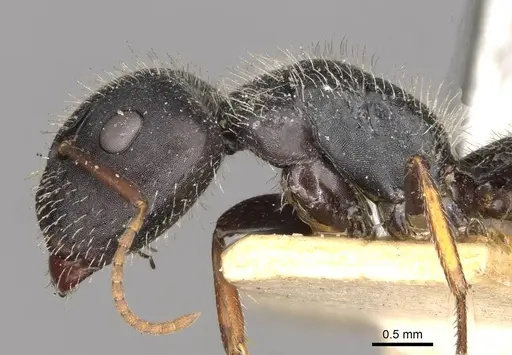
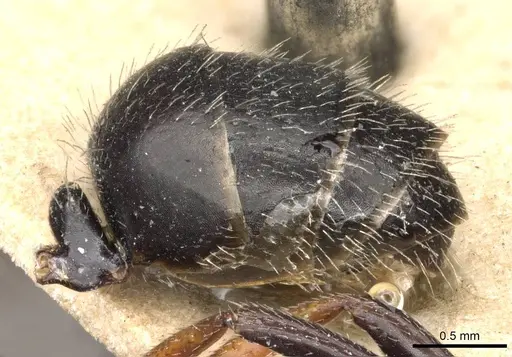
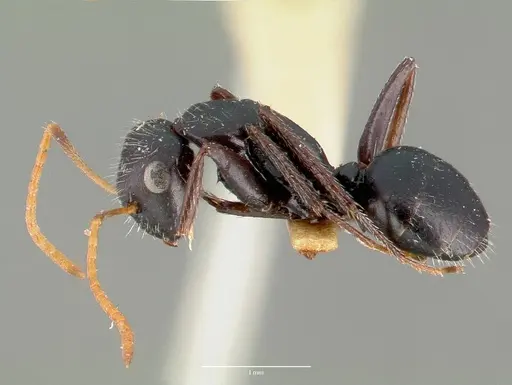
Camponotus mina is a medium-sized carpenter ant native to the desert regions of northern Mexico and the southwestern United States. Workers are black with reddish-brown mandibles, antennae, and tibiae. The major workers have a distinctive appearance with abundant erect hairs covering most body surfaces, these hairs have blunt tips and some are nearly spatulate. The minor workers are similar but have finer hairs. This species belongs to the subgenus Myrmobrachys and is closely associated with mesquite trees, where it typically nests in the branches and trunks of mesquite shrubs (Prosopis glandulosa). [1]
What makes C. mina interesting is its strong preference for mesquite-dominated habitats and its historical presence in the Chihuahuan Desert dating back at least 40,000 years. These ants are arboreal nesters, unlike many other Camponotus species that nest in dead wood or soil. They are often found foraging on vegetation, and Wheeler documented them attending membracids (sap-sucking insects) on plants, a behavior that suggests they farm honeydew. [1]
Quick Summary
- Difficulty: Easy
- Origin & Habitat: Native to the desert regions of northern Mexico (Baja California, Baja California Sur, Sonora, Chihuahua, Morelos, Hidalgo) and the southwestern United States (Arizona). Found in mesquite-dominated desert habitats, nesting in mesquite shrubs. [2][3][1]
- Colony Type: Single-queen colonies (monogyne) are typical for this species, based on standard Camponotus colony structure patterns. No specific data on ergatoid replacement reproductives for this species.
- Colony: Monogyne
- Founding: Claustral
- Size & Growth:
- Queen: Estimated 9-12mm based on typical Camponotus queen size range
- Worker: Major workers 7-10mm, minor workers 5-7mm, inferred from Camponotus genus patterns and description of caste dimorphism
- Colony: Estimated 500-2000 workers at maturity based on typical Camponotus colony sizes
- Growth: Moderate, typical for desert-adapted Camponotus species
- Development: Estimated 6-8 weeks at optimal temperature based on typical Camponotus development (Development time is temperature-dependent, warmer conditions within acceptable range speed up development)
- Antkeeping:
- Temperature: Keep at 22-26°C. These are desert-adapted ants that tolerate warmer conditions, but avoid extreme heat. A temperature gradient allows workers to self-regulate.
- Humidity: Low to moderate humidity (40-60%). These desert ants prefer drier conditions, allow the nest to dry out between waterings. Provide a water tube for drinking but avoid excessive moisture.
- Diapause: Yes, provide a winter rest period of 8-12 weeks at 10-15°C. This mimics their natural seasonal cycle in desert environments where temperatures drop significantly in winter.
- Nesting: Arboreal nester in nature, they nest in mesquite shrubs. In captivity, a Y-tong (AAC) nest or plaster formicarium works well. Provide small twigs or wood pieces in the outworld to simulate their natural arboreal habitat. They do well with moderate space and some climbing structures.
- Behavior: Generally calm and not aggressive. Workers are moderate foragers that search for sugar sources and protein. They are not known for being particularly defensive or for having painful stings, typical of most Camponotus. Escape risk is moderate, use standard barrier methods. They are active foragers and will explore their outworld thoroughly.
- Common Issues: desert species are sensitive to overwatering, too much humidity can cause fungal problems and colony decline, colonies may struggle if kept too cool, maintain warm temperatures within their preferred range, arboreal nesting means they prefer elevated spaces, ensure they have climbing opportunities in the outworld, slow founding phase is normal, claustral queens seal themselves in and may take months before first workers appear, winter dormancy is required, skipping diapause can weaken or kill the colony over time
Housing and Nest Setup
Camponotus mina does well in Y-tong (AAC) nests or plaster formicariums. Since they are arboreal nesters in the wild, consider adding small twigs, cork, or wooden structures in the outworld to give them climbing opportunities. Test tube setups work fine for founding colonies, use a standard test tube with a water reservoir and cotton plug. When the colony reaches 20-30 workers, you can transition to a proper formicarium. These ants don't need high humidity like tropical species, so a standard setup with a separate water tube for drinking is sufficient. [1]
Feeding and Diet
Like most Camponotus, C. mina is omnivorous. They accept sugar sources readily, offer sugar water, honey, or diluted maple syrup. For protein, provide insects like mealworms, crickets, or fruit flies. Based on the observation of workers attending membracids in the wild, they likely consume honeydew in nature, so sugar sources are important. Feed protein once or twice per week, and keep sugar water available at all times. Remove uneaten prey after 24-48 hours to prevent mold. [1]
Temperature and Seasonal Care
These desert ants prefer warm conditions. Keep the nest area at 22-26°C, with room temperature typically being adequate. A heating cable on one side of the nest can create a beneficial gradient if your room runs cool. During winter, provide an 8-12 week diapause period at 10-15°C, this mimics their natural seasonal cycle in the desert Southwest where winters are cool but not freezing. Place the colony in a cool basement, garage, or refrigerator during this period. Do not feed during diapause but ensure they have access to water. [1]
Colony Founding
Claustral founding is standard for this species. A newly mated queen will seal herself in a small chamber and not leave to forage, she lives entirely on her stored fat reserves while laying eggs and raising the first brood. This founding phase can take 2-4 months before the first workers (nanitics) emerge. The queen is relatively large (estimated 9-12mm) with substantial fat reserves, which supports successful claustral founding. Do not disturb the founding chamber during this time, vibrations and light can cause the queen to abandon or eat her brood. Once nanitics appear, the colony enters a slow growth phase as the queen continues laying eggs while workers begin forager duties.
Behavior and Temperament
Camponotus mina workers are generally calm and not prone to aggression. They are moderate foragers that will explore their outworld systematically. Major workers (soldiers) are larger and may defend the nest, but they rarely sting and their sting is mild if present. Workers are active during the day and night, they don't have strong circadian rhythms. They are not known for being particularly escape-prone, but standard barrier methods (Fluon on test tube rims, barrier tape on formicarium edges) should still be used. The species is not invasive or harmful to ecosystems in its native range. [1]
Frequently Asked Questions
How long does it take for Camponotus mina to produce first workers?
Expect 6-8 weeks from egg to first worker at optimal temperature (around 24-26°C). However, claustral founding means the queen seals herself in and the process can take 2-4 months total from when you set up the founding queen. Be patient, disturbing the chamber can cause the queen to abandon her brood.
What temperature do Camponotus mina ants need?
Keep them at 22-26°C. These desert-adapted ants tolerate warmer conditions but do best in this range. A temperature gradient is ideal, allow workers to move between warmer and cooler areas of the nest to self-regulate.
Can I keep multiple Camponotus mina queens together?
No, this is a monogyne (single-queen) species. Combining unrelated queens will result in fighting. Only keep one queen per colony. If you find multiple queens in the wild, they are likely from separate colonies.
Do Camponotus mina need hibernation?
Yes, provide an 8-12 week winter rest period at 10-15°C annually. This is essential for colony health and mimics their natural seasonal cycle in desert environments. Skip diapause only if attempting to accelerate growth, but this can weaken the colony long-term.
What do Camponotus mina eat?
They are omnivorous. Offer sugar water, honey, or maple syrup continuously for energy. For protein, feed insects like mealworms, crickets, or fruit flies once or twice weekly. They likely farm honeydew in the wild, so sugar sources are important.
Are Camponotus mina good for beginners?
Yes, they are considered easy to keep. They are not aggressive, tolerate typical room temperatures, and don't require high humidity. The main challenges are providing proper diapause and being patient during the slow founding phase.
When should I move Camponotus mina to a formicarium?
Move from test tube to formicarium when the colony reaches 20-30 workers. Before then, the test tube provides proper humidity control and security for the colony. Make sure the formicarium has appropriate-sized chambers for their size, too large spaces can stress the colony.
How big do Camponotus mina colonies get?
At maturity, colonies typically reach 500-2000 workers. Growth is moderate, expect several months to a year before you see significant numbers. The colony grows faster once the first major workers appear and forager numbers increase.
Why is my Camponotus mina colony declining?
Common causes include: too high humidity (these are desert ants), temperatures outside their preferred range, skipping winter diapause, or insufficient protein in their diet. Check these factors first. Also ensure the queen is still laying, without a productive queen, the colony will eventually die out.
References

This caresheet is licensed under CC BY-SA 4.0 .
CASENT0104758
View on AntWeb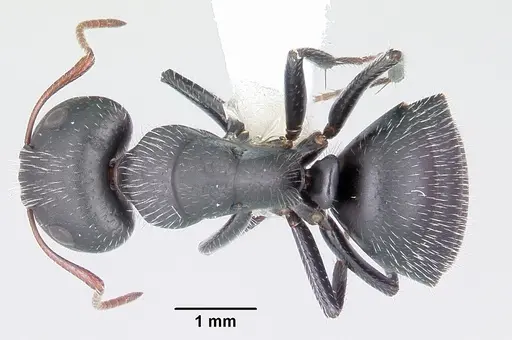
CASENT0104759
View on AntWeb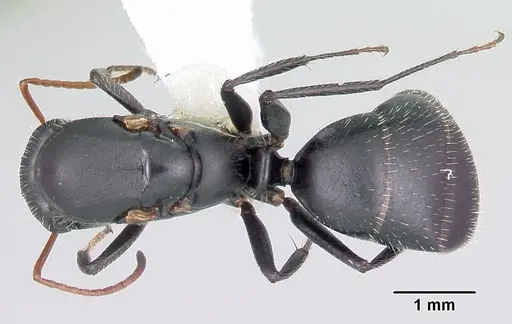
CASENT0104950
View on AntWeb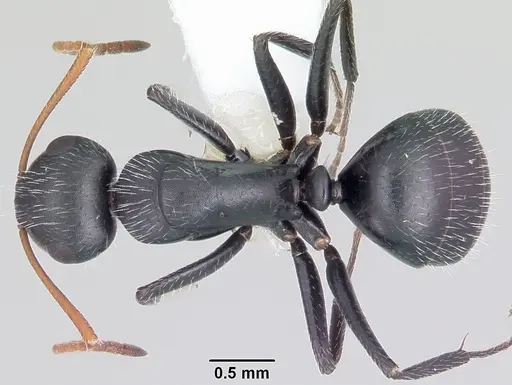
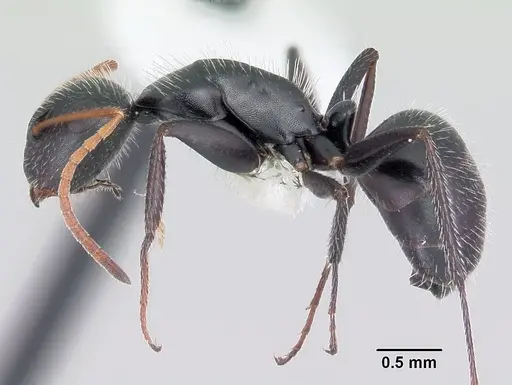
CASENT0280117
View on AntWeb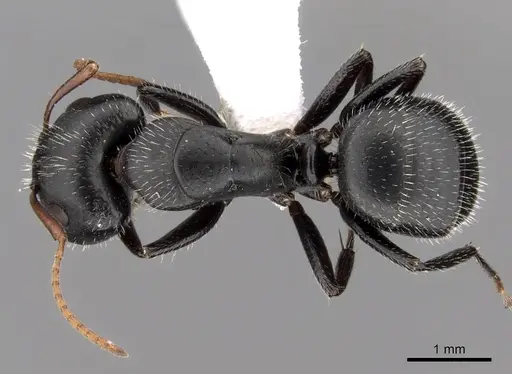
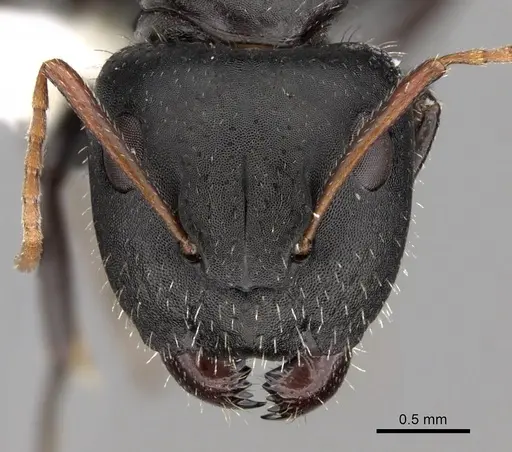
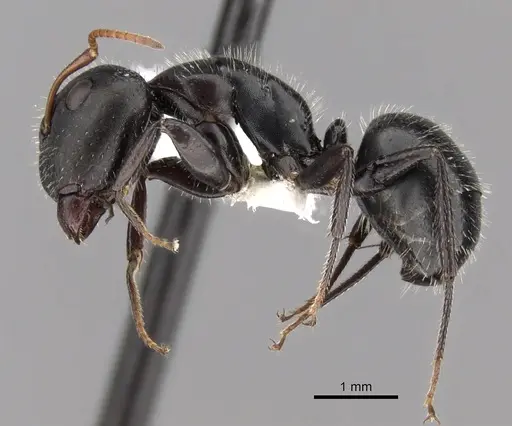
CASENT0280118
View on AntWeb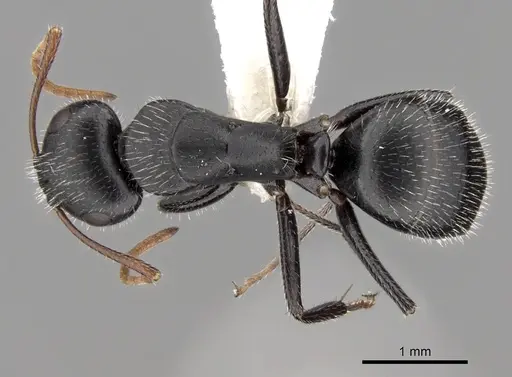
CASENT0882300
View on AntWeb
CASENT0910703
View on AntWeb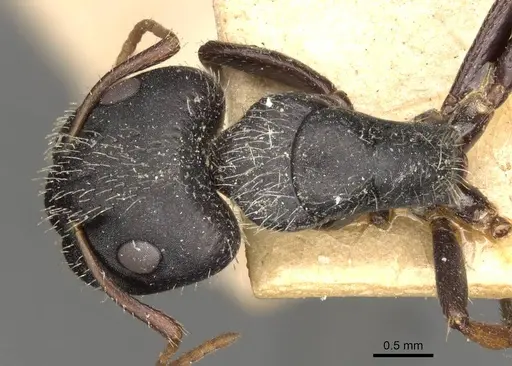
CASENT0910704
View on AntWeb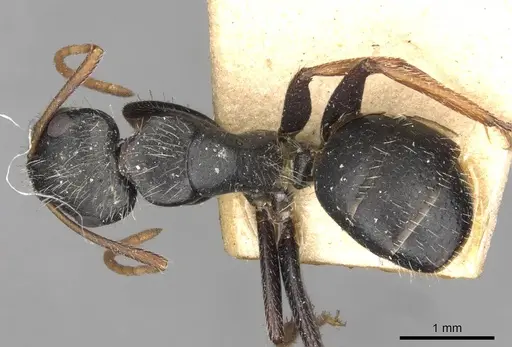
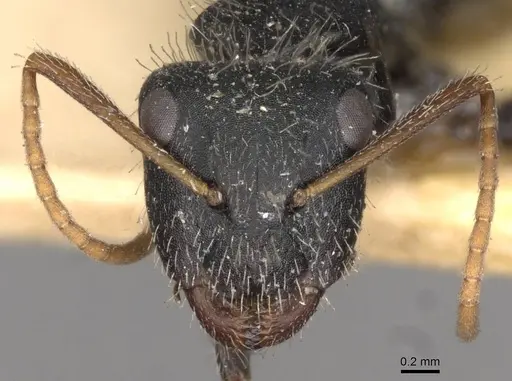
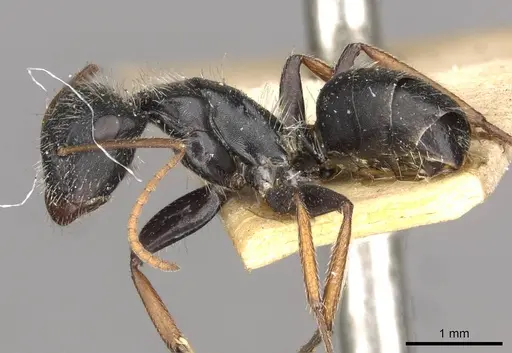
CASTYPE00595
View on AntWeb
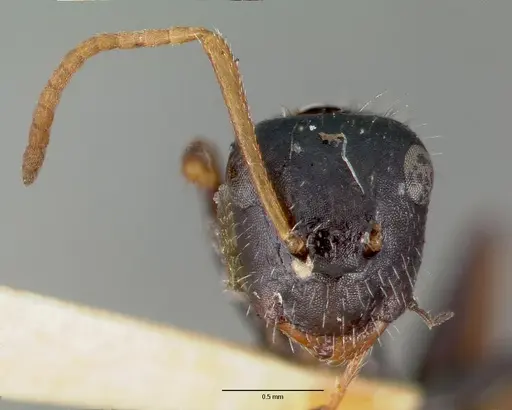

CASTYPE00596
View on AntWeb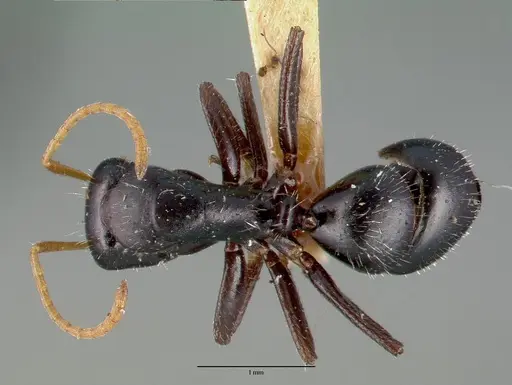

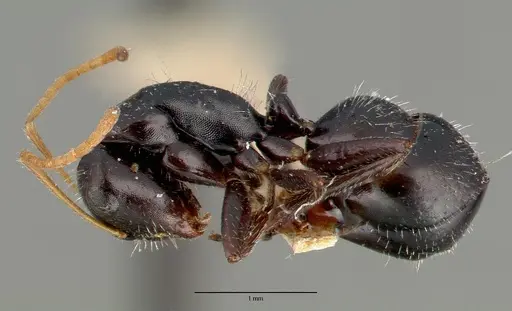
CASTYPE00597
View on AntWeb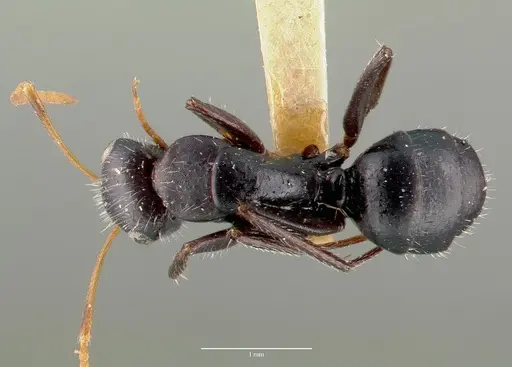

Literature
Loading...Loading products...