

Camponotus brevis
- Scientific Name
- Camponotus brevis
- Subgenus
- Myrmobrachys
- Tribe
- Camponotini
- Subfamily
- Formicinae
- Author
- Forel, 1899
- Distribution
- Found in 4 countries
Camponotus brevis Overview
Camponotus brevis is an ant species of the genus Camponotus. It is primarily documented in 4 countries , including Colombia, Costa Rica, Guyana. Detailed taxonomic data and occurrence records can be further explored via authoritative databases such as AntWeb or the Global Biodiversity Information Facility (GBIF).
Camponotus brevis
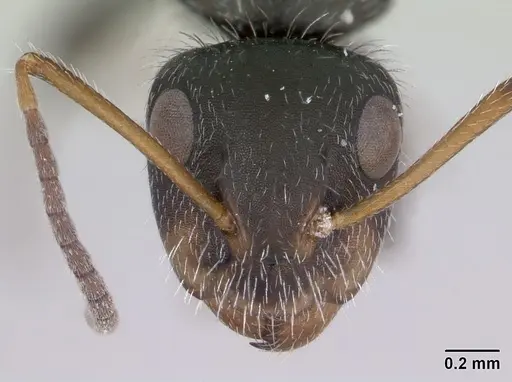
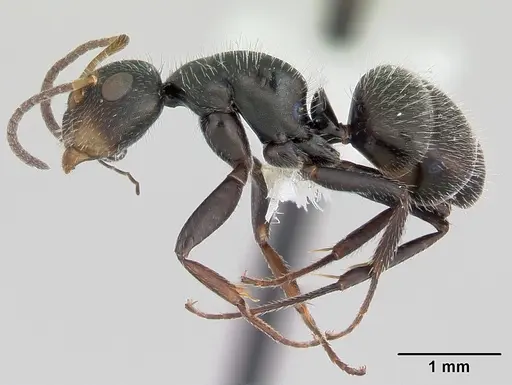
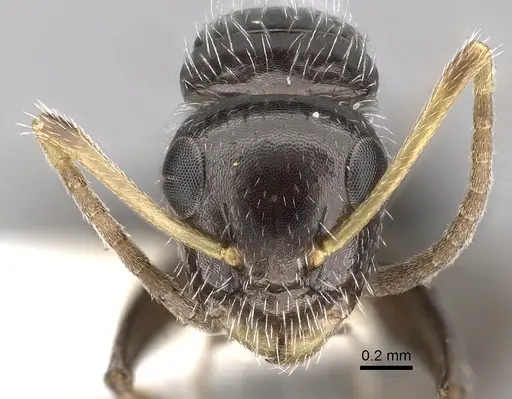
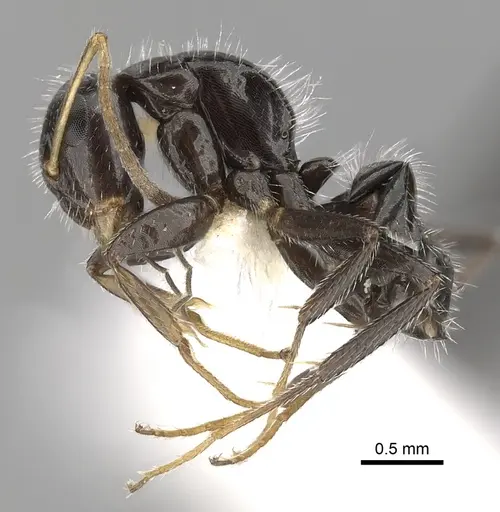
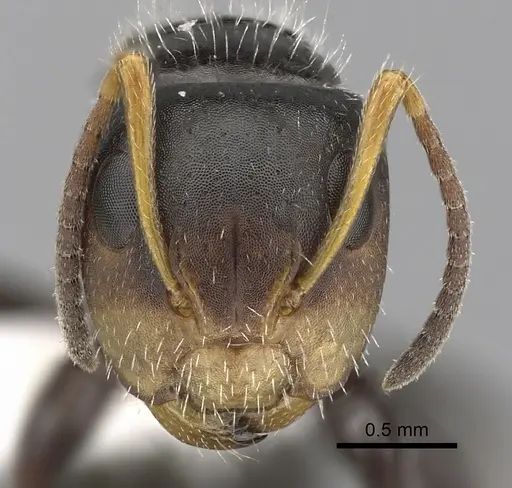
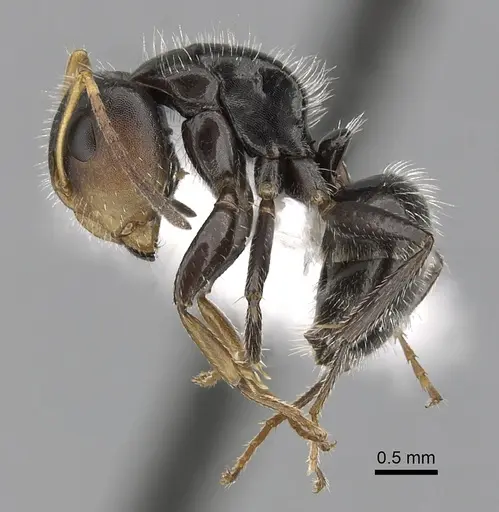
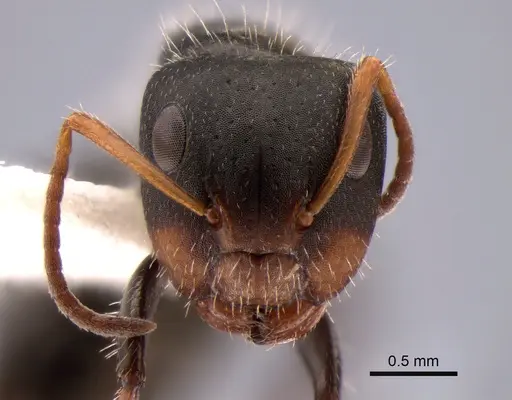
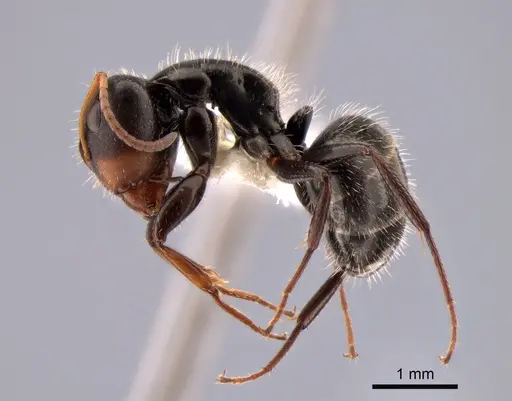
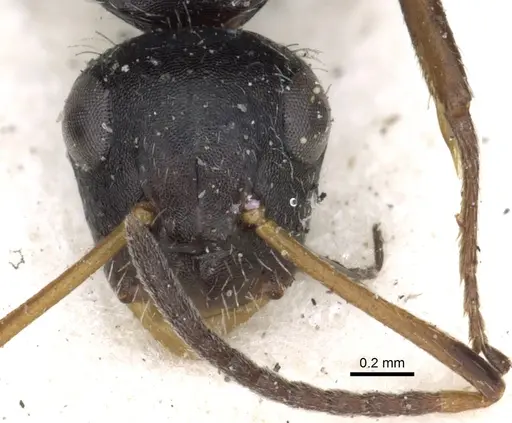
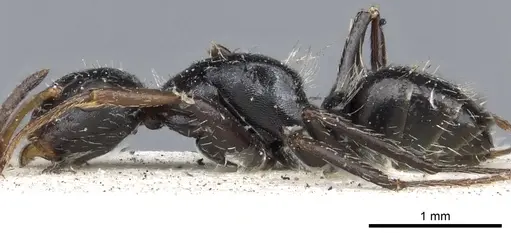
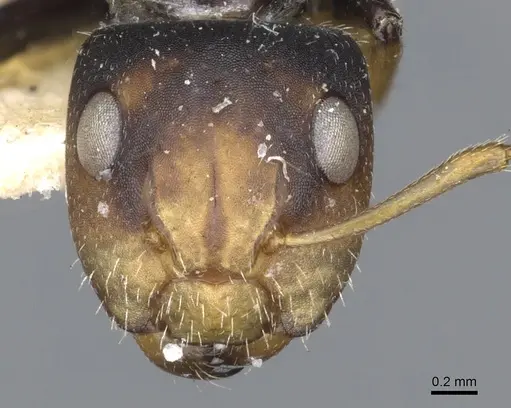
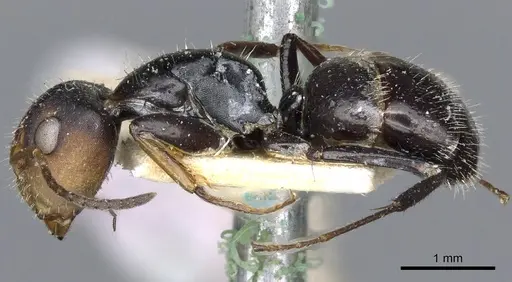
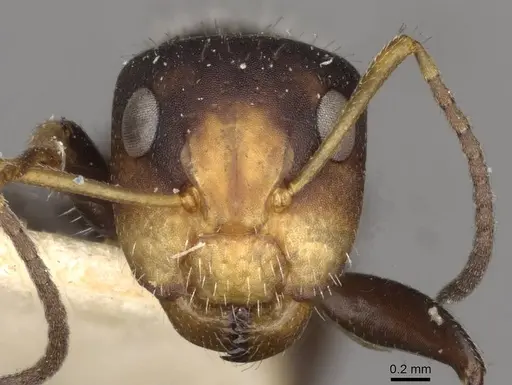
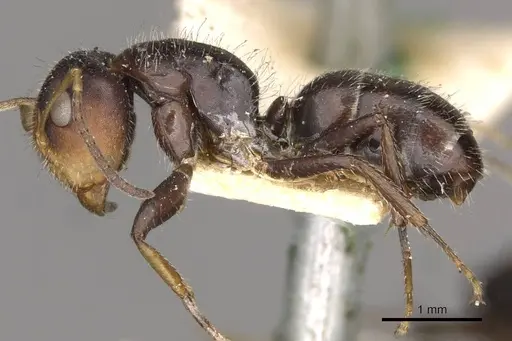
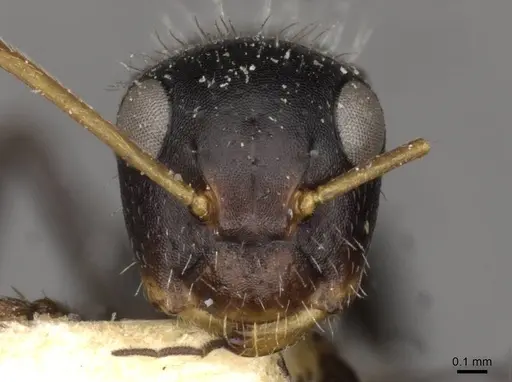
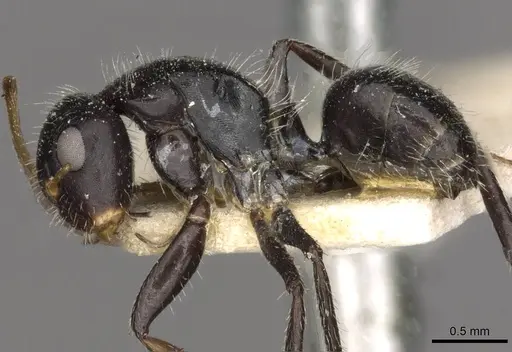
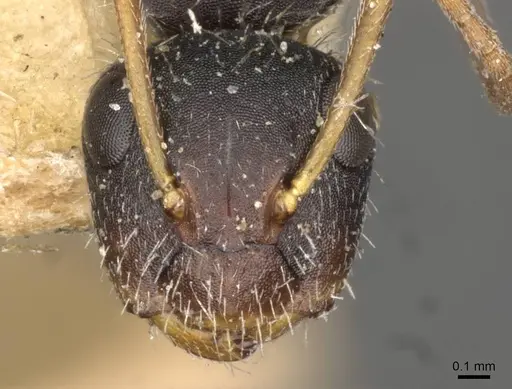
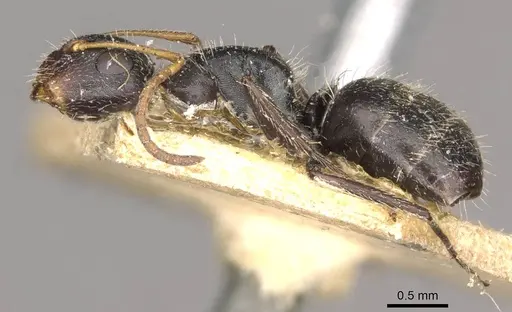
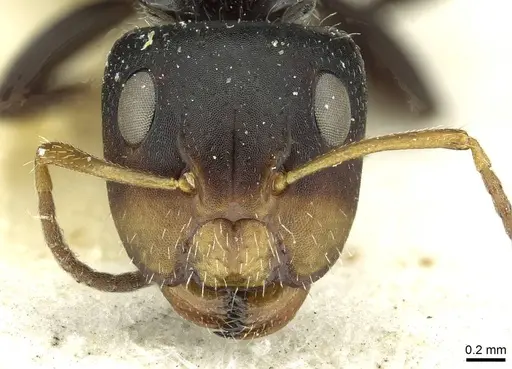
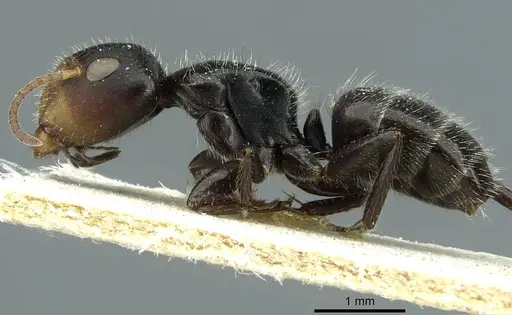
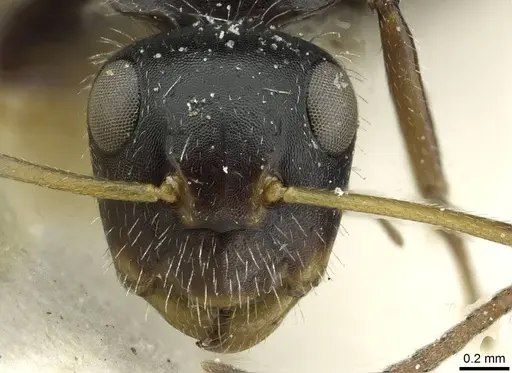
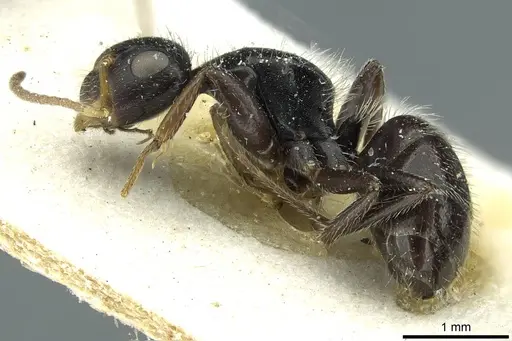
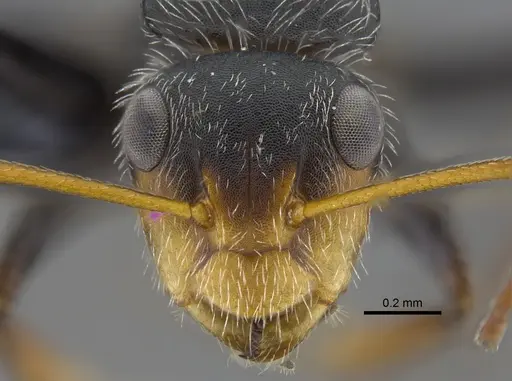
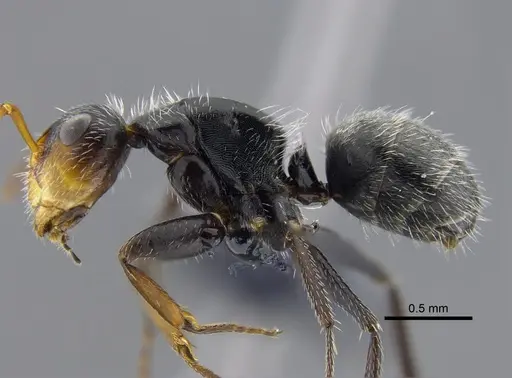
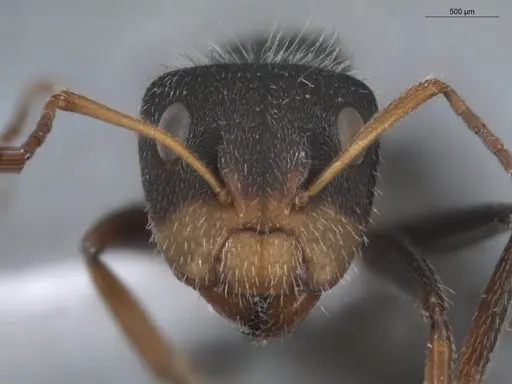
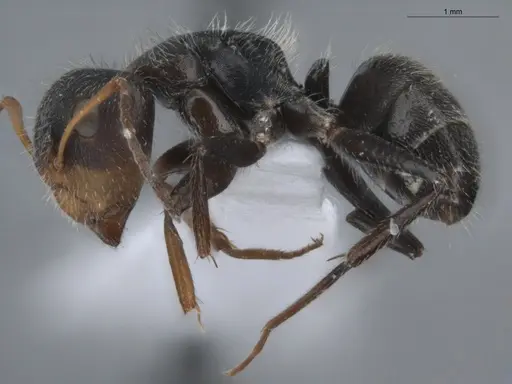
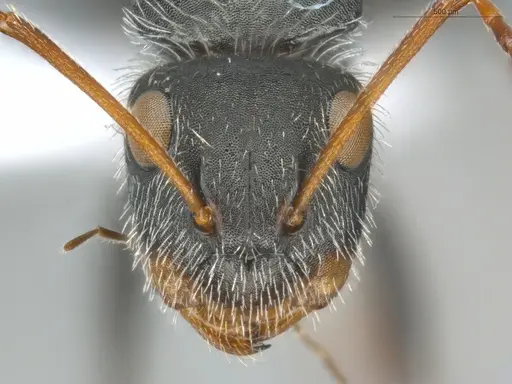
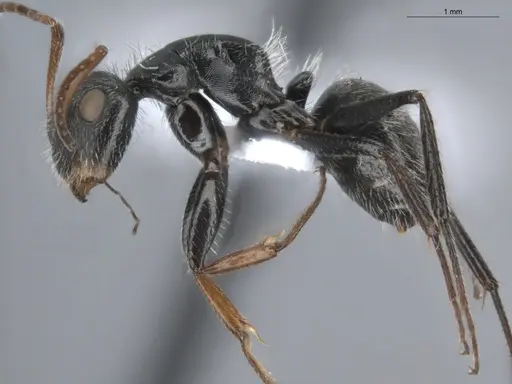
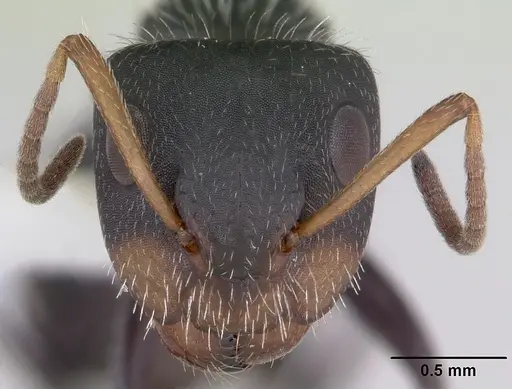
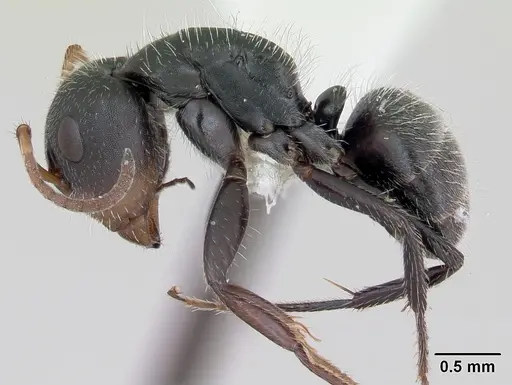
Camponotus brevis is a small Neotropical carpenter ant measuring 3.6-4.5mm for minor workers and up to 5.6mm for majors, with queens reaching 6.5-6.8mm [1]. The species has a distinctive appearance: a black body with yellow banding on the abdominal segments, and the anterior half of the head is red or reddish-yellow, giving them a striking two-toned look [2]. Long yellowish-white hairs are present on most body surfaces, including the sides of the head, cheeks, and mesosoma [1][2]. This ant belongs to the subgenus Myrmobrachys and ranges from Costa Rica through Panama to Colombia, with recent records extending into Ecuador, French Guiana, and even Brazil [3][2]. They inhabit tropical and dry forests, commonly nesting in dry hollow stems of shrubs or under bark in areas with shrubby vegetation [4][1][2].
Quick Summary
- Difficulty: Medium
- Origin & Habitat: Native to Central and South America, ranging from Costa Rica through Panama to Colombia, with additional records in Ecuador, French Guiana, and Brazil [2][3]. Found in tropical dry forests, tropical rainforests, and urban habitats from sea level to approximately 1000m elevation [1][5]. Nests in dry hollow stems of shrubs and under tree bark in areas with shrubby vegetation [4][1][2].
- Colony Type: Colony structure is not well documented in scientific literature. As a Camponotus species, they likely form single-queen colonies (monogyne), which is typical of the genus. Ergatoid (wingless) replacement reproductives have not been documented for this species.
- Size & Growth:
- Queen: 6.5-6.8 mm [1]
- Worker: Minor workers: 3.6-4.5 mm, Major workers: 5.6 mm [1]
- Colony: Unknown, no colony size data available in scientific literature
- Growth: Moderate, typical for small Camponotus species
- Development: Estimated 6-8 weeks based on typical Camponotus development patterns at optimal temperature (Direct development data not available for this species. Estimates based on genus-level patterns for small tropical Camponotus.)
- Antkeeping:
- Temperature: Keep at 24-28°C. As a tropical species from Central America, they prefer warm conditions. A heating cable on one side of the nest can create a gentle gradient [1].
- Humidity: Low to moderate, they naturally nest in dry hollow stems, so avoid overly humid conditions. Keep nest substrate moderately dry, similar to their natural dry stem nesting habitat [1].
- Diapause: No, as a tropical species from lowland Central and South America, they do not require hibernation or winter rest [1].
- Nesting: Provide nests in dry hollow stems, bamboo, or test tube setups with dry conditions. Y-tong (AAC) nests or acrylic nests work well. They prefer tight-fitting chambers and narrow passages scaled to their small size. Avoid overly moist substrates [1][2].
- Behavior: These ants are relatively docile and not aggressive. Workers are active foragers that search for honeydew, nectar, and small insects. They are moderate escape risks due to their small size, use standard barrier methods like Fluon on test tube rims. Workers have the typical Camponotus ability to spray formic acid as a defense, though this is rarely a concern for keepers. They are primarily nocturnal or crepuscular foragers in their natural habitat.
- Common Issues: tropical species may struggle if temperatures drop below 22°C, keep warm, dry nesting preference means overwatering can cause mold problems and colony decline, small size makes escapes possible without proper barriers, wild-caught colonies may have parasites that can devastate captive colonies, slow founding means patience is required, queens may take months to raise first workers
Housing and Nest Setup
Camponotus brevis naturally nests in dry hollow stems of shrubs and under tree bark [1][2]. For captive care, provide a test tube setup as a founding chamber, these work well for the initial colony establishment. Once the colony reaches 10-20 workers, you can transition to a Y-tong (AAC) nest or acrylic formicarium. The key is to keep the nesting area relatively dry, mimicking their natural hollow stem habitat. Avoid setups with high moisture substrates like soil-heavy formicaria, as this can lead to mold issues. Provide a water tube for drinking, but the nest itself should remain dry. Outworld setup can be simple, a foraging area where workers can search for food. Because of their small size, ensure all connections between nest and outworld have proper barriers [4].
Feeding and Diet
Like most Camponotus species, C. brevis is omnivorous with a preference for sugary liquids. Feed them sugar water, honey, or diluted maple syrup as a constant energy source. For protein, offer small insects like fruit flies, small crickets, or mealworm pieces. In their natural habitat, they forage for honeydew from aphids and scale insects, plus small arthropods [1]. Feed minor workers every 2-3 days, providing enough protein for the current brood. Sugar water should be available at all times, changed every few days to prevent fermentation. Remove uneaten prey after 24 hours to prevent mold. This species is not a specialized predator, so live prey is appreciated but not required, they readily accept pre-killed insects.
Temperature and Seasonal Care
As a tropical species from Central America, Camponotus brevis requires warm temperatures between 24-28°C for optimal brood development [1]. Room temperature may be sufficient in warm climates (above 22°C), but a small heating cable or heating mat on one side of the nest can ensure consistent warmth. Avoid temperatures below 22°C, as this can slow development and weaken the colony. Unlike temperate species, they do not require hibernation or diapause, maintain consistent temperatures year-round [1]. The dry forest and tropical habitats they occupy suggest they are adapted to stable, warm conditions without seasonal temperature swings. Monitor colony activity, if workers cluster near the heated side, increase temperature slightly, if they avoid it, reduce heat.
Colony Development and Growth
Colony growth follows typical Camponotus patterns. A newly mated queen will seal herself in a chamber (claustral founding) and raise the first brood using stored fat reserves. The first workers, called nanitics, are typically smaller than normal workers and emerge within 6-8 weeks under optimal conditions. After the nanitics mature, the queen stops foraging entirely and focuses on egg-laying while workers take over all colony tasks. Growth rate is moderate, expect several months to reach 20-30 workers, and a year or more to reach 100+ workers. Colonies can live for many years, with queens potentially surviving 10-15 years in captivity with proper care. The key to successful founding is patience, do not disturb the queen during the founding phase or overfeed, as excess food can cause mold that kills the colony.
Behavior and Temperament
Camponotus brevis is a relatively docile species that poses minimal threat to keepers. Workers are active foragers that will readily search out food in the outworld. They possess the typical Camponotus defense mechanism of spraying formic acid, but given their small size and mild temperament, this is rarely a concern. Workers are primarily crepuscular or nocturnal in the wild, so you may see more activity during evening hours in captivity. They are not aggressive toward humans and can be handled gently if necessary. Their small size (3.6-4.5mm for minors) means they can squeeze through small gaps, use proper escape prevention with Fluon or similar barriers on all connections. The species is not known for being particularly territorial or defensive, making them suitable for observation-focused antkeepers. [1][2]
Frequently Asked Questions
How long does it take for Camponotus brevis queens to raise their first workers?
Expect 6-8 weeks from egg to first worker (nanitics) at optimal temperature (24-28°C). This is typical for small Camponotus species. Patience is key during founding, do not disturb the queen or overfeed during this period.
What temperature do Camponotus brevis ants need?
Keep them at 24-28°C. As a tropical species from Central America, they need warm conditions year-round. A heating cable on one side of the nest can help maintain proper temperature.
Do Camponotus brevis ants need hibernation?
No. As a tropical species from lowland Central and South America, they do not require hibernation or diapause. Maintain consistent warm temperatures year-round.
What do Camponotus brevis ants eat?
They are omnivorous. Feed sugar water, honey, or maple syrup constantly for energy. For protein, offer small insects like fruit flies, crickets, or mealworms twice weekly. They naturally forage for honeydew and small arthropods.
How big do Camponotus brevis colonies get?
Exact colony size is unknown, no published data exists. Based on their small worker size (3.6-4.5mm), colonies likely reach several hundred workers at most, typical of smaller Camponotus species.
Are Camponotus brevis ants good for beginners?
They are moderate difficulty. Their tropical temperature requirements and need for dry nesting conditions may require more attention than beginner-friendly temperate species. However, their docile nature and interesting appearance make them rewarding for intermediate antkeepers.
What size are Camponotus brevis workers?
Minor workers are 3.6-4.5mm, while major workers reach about 5.6mm. Queens are larger at 6.5-6.8mm. They are small ants compared to many other Camponotus species.
Where is Camponotus brevis found in the wild?
They range from Costa Rica through Panama to Colombia, with additional records in Ecuador, French Guiana, and Brazil. They inhabit tropical dry forests and rainforests, nesting in dry hollow stems of shrubs and under tree bark.
Can I keep multiple Camponotus brevis queens together?
Not recommended. While colony structure is not well documented, Camponotus species typically form single-queen colonies. Combining unrelated foundresses has not been studied for this species and could result in aggression.
What nest type is best for Camponotus brevis?
Use test tubes for founding, then transition to Y-tong (AAC) or acrylic nests. Keep nesting areas dry, they naturally nest in dry hollow stems. Avoid overly moist substrates that can cause mold problems.
Why is my Camponotus brevis colony declining?
Common causes include: temperatures below 22°C, overly humid nest conditions causing mold, improper feeding (too much sugar can attract mold, too little protein weakens brood), or parasites from wild-caught colonies. Review temperature, humidity, and feeding practices.
References

This caresheet is licensed under CC BY-SA 4.0 .
CASENT0173555
View on AntWeb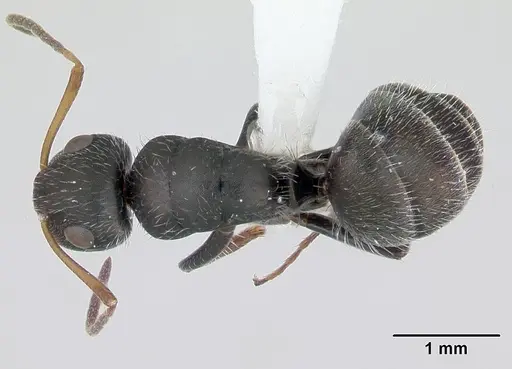
CASENT0280105
View on AntWeb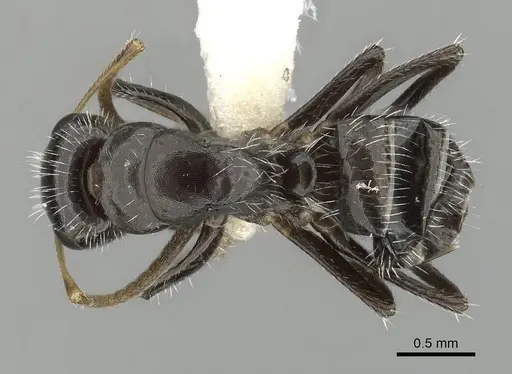
CASENT0280106
View on AntWeb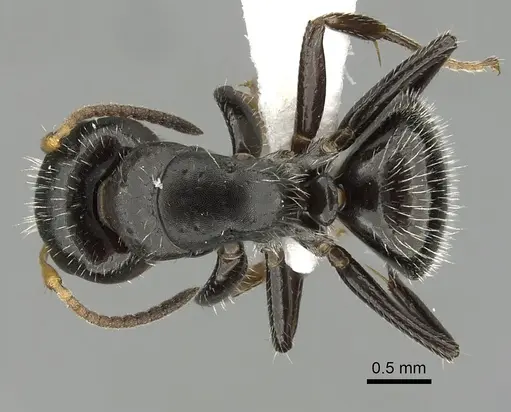
CASENT0882120
View on AntWeb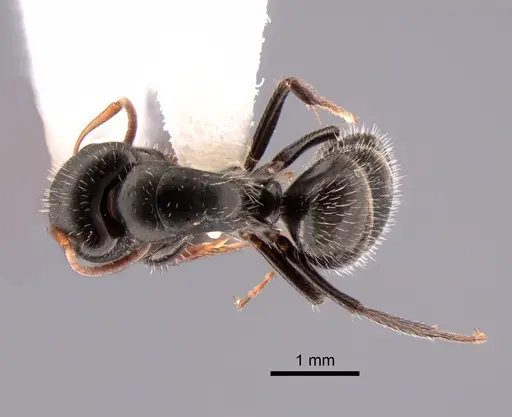
CASENT0903623
View on AntWeb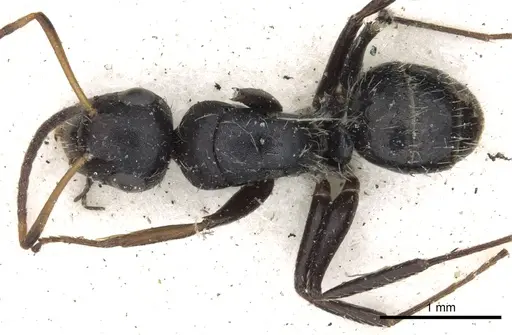
CASENT0903624
View on AntWeb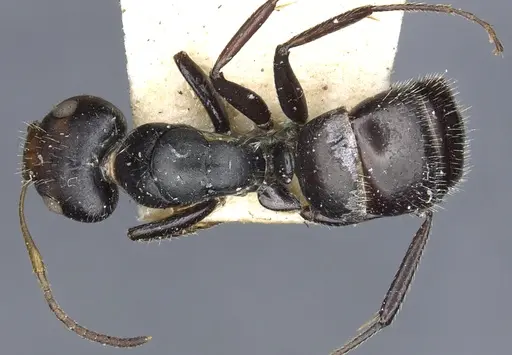
CASENT0910689
View on AntWeb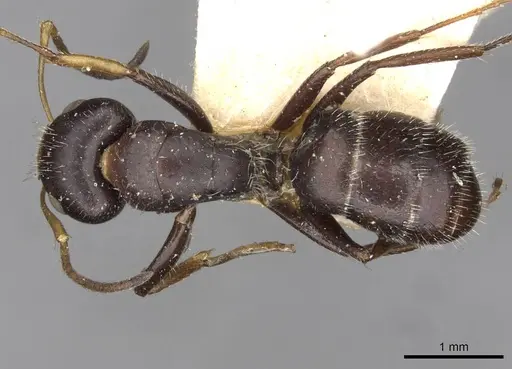
CASENT0910690
View on AntWeb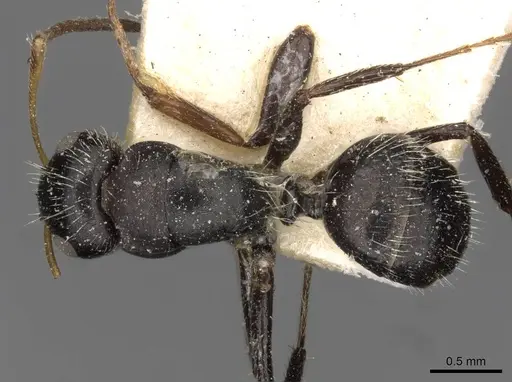
CASENT0910691
View on AntWeb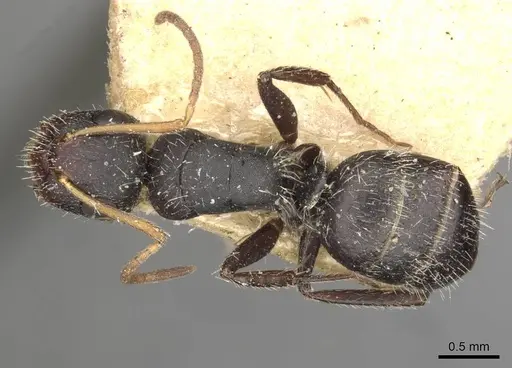
CASENT0911724
View on AntWeb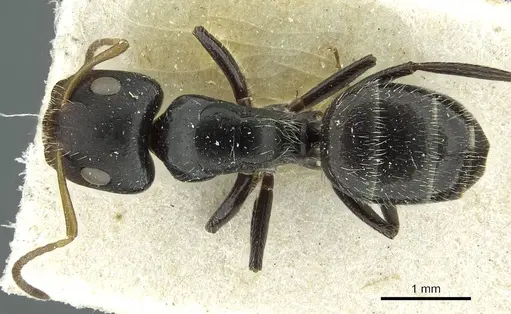
CASENT0911725
View on AntWeb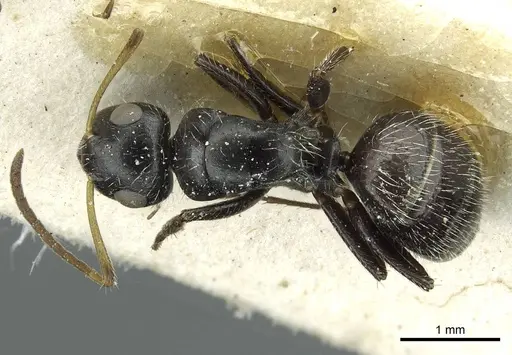
CBUMAGENT41785
View on AntWeb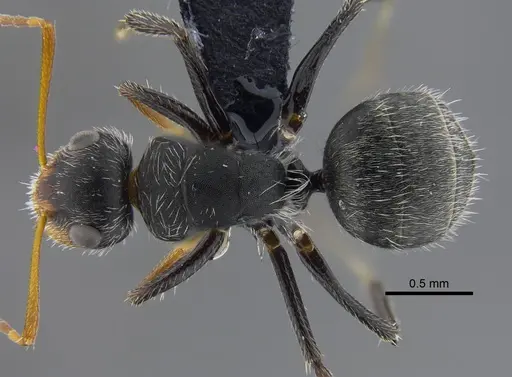
ECOFOG-KR17-0001-04
View on AntWeb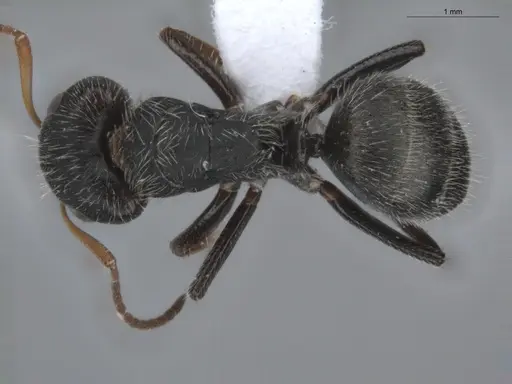
ECOFOG-KR20-0039-09
View on AntWeb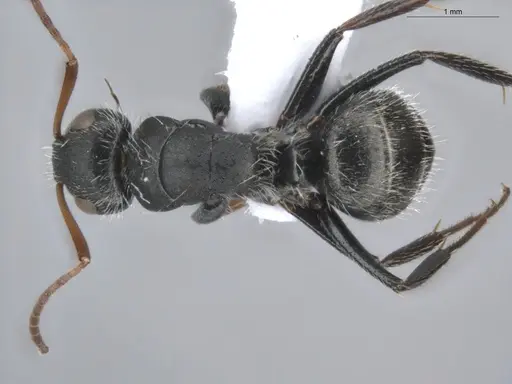
INBIOCRI001282798
View on AntWeb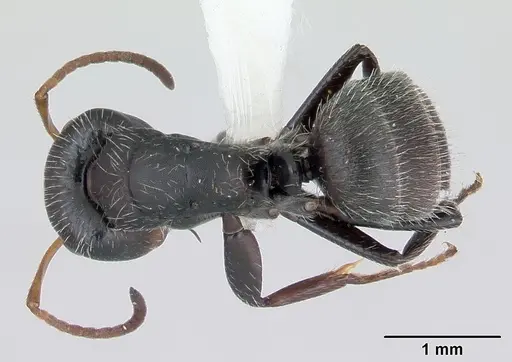
Literature
Loading...Loading products...