

Camponotus sayi
- Scientific Name
- Camponotus sayi
- Subgenus
- Myrmentoma
- Tribe
- Camponotini
- Subfamily
- Formicinae
- Author
- Emery, 1893
- Common Name
- Say's Carpenter Ant
- Distribution
- Found in 2 countries
Camponotus sayi Overview
Camponotus sayi (commonly known as the Say's Carpenter Ant) is an ant species of the genus Camponotus. It is primarily documented in 2 countries , including Mexico, United States of America. Detailed taxonomic data and occurrence records can be further explored via authoritative databases such as AntWeb or the Global Biodiversity Information Facility (GBIF).
Camponotus sayi - "Say's Carpenter Ant"
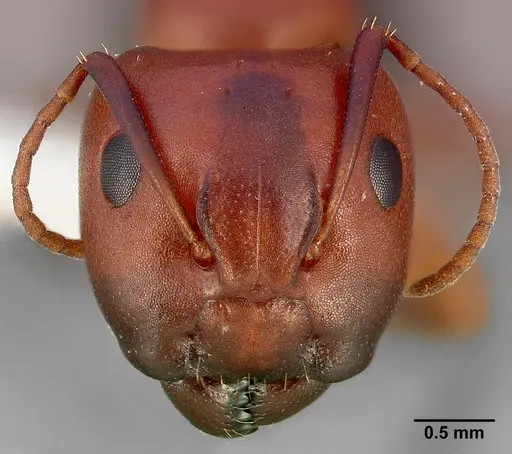
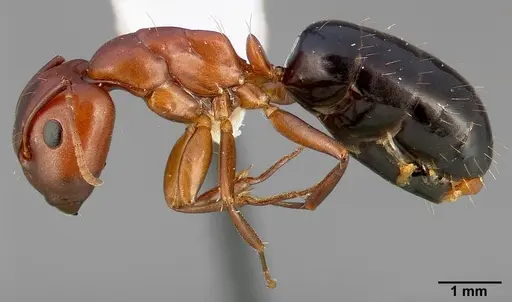
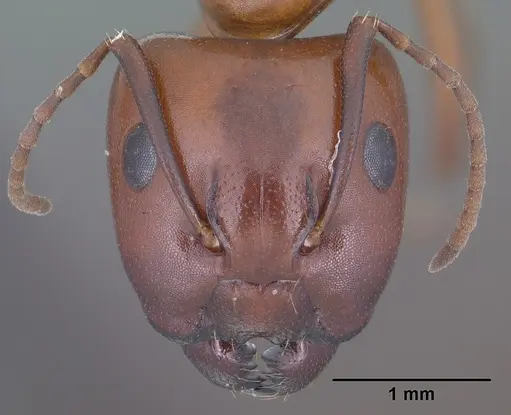
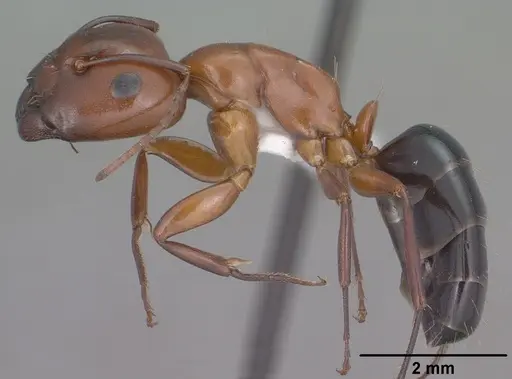
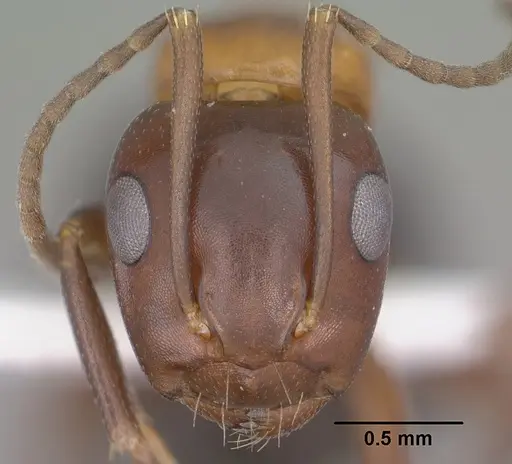
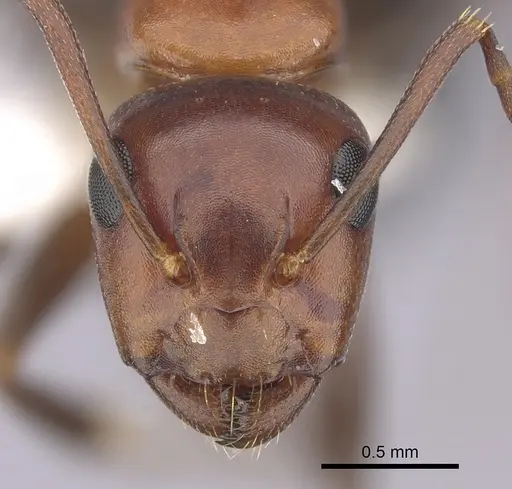
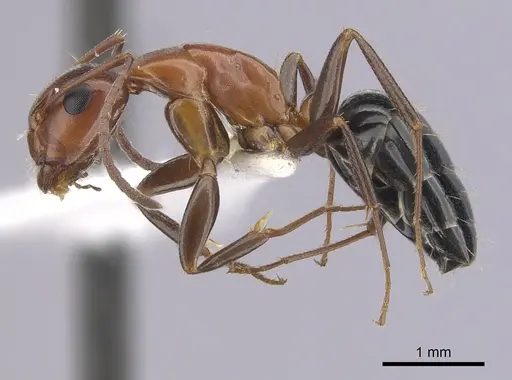
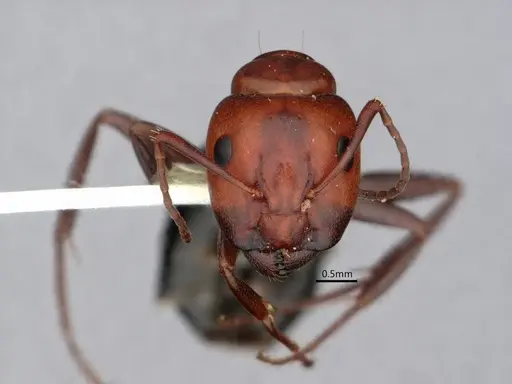
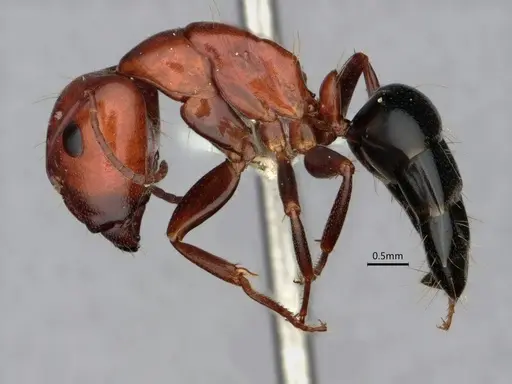
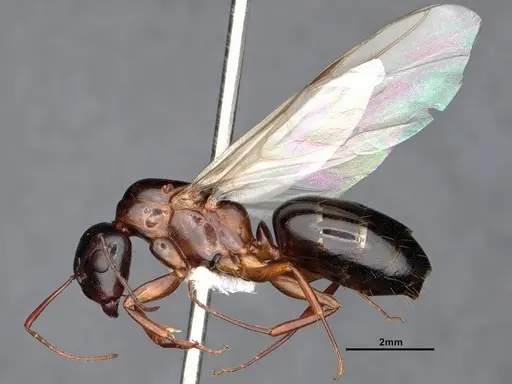
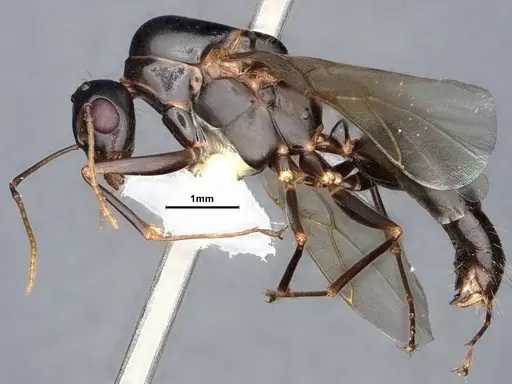
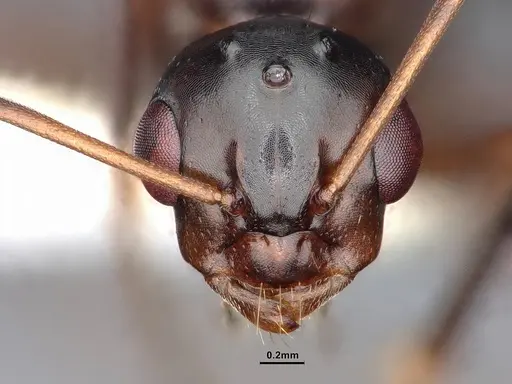
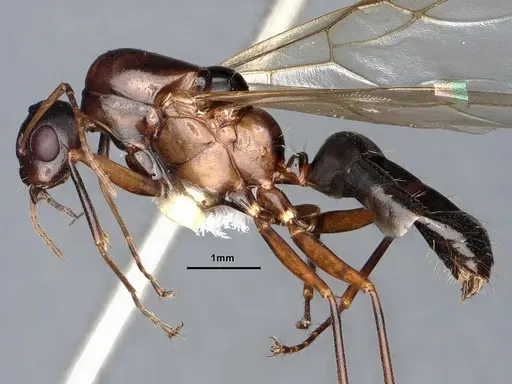
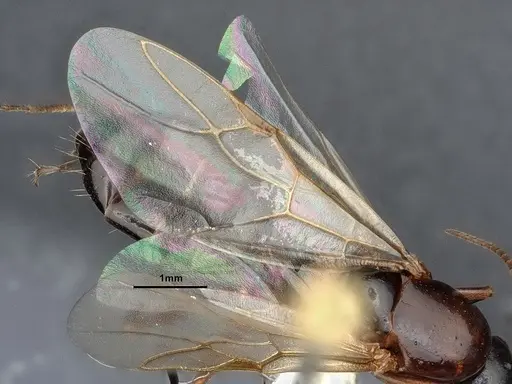
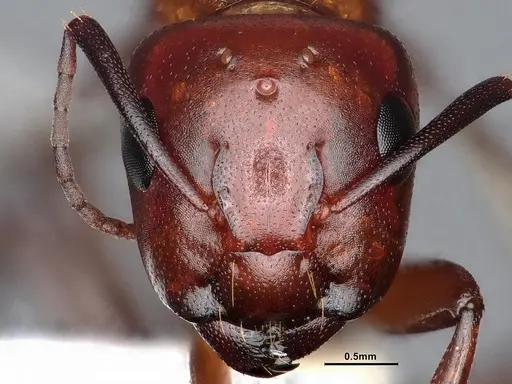
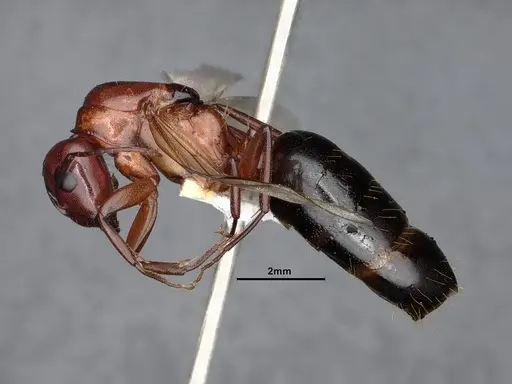
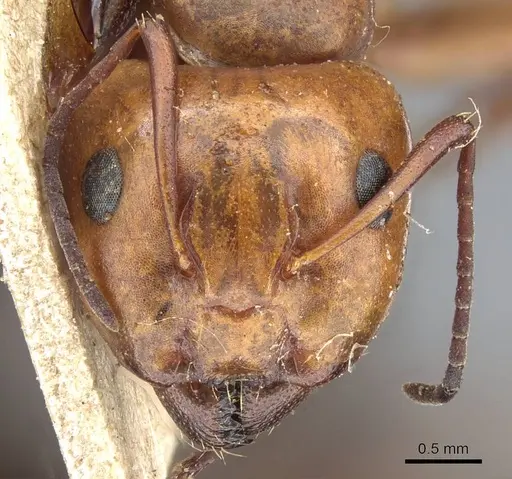
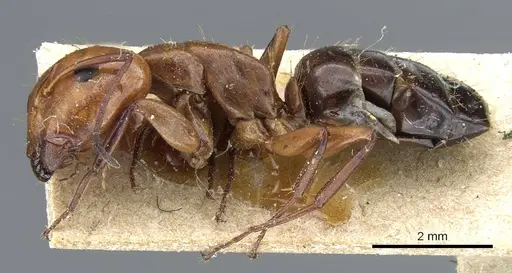
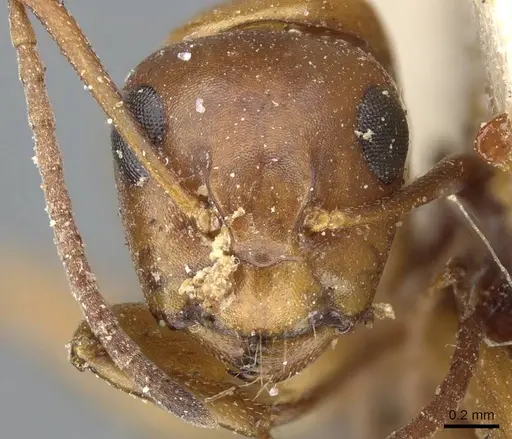
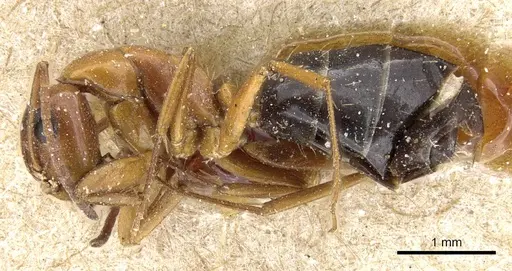
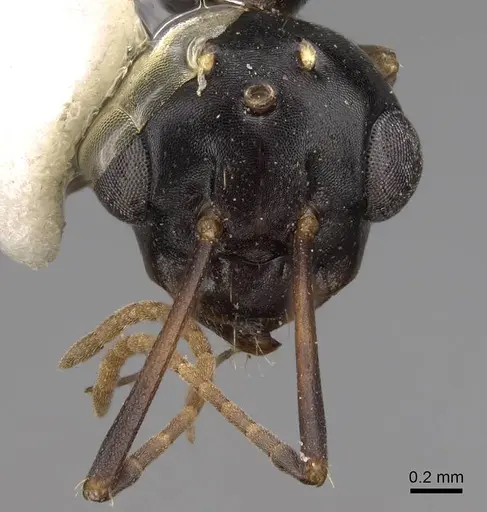
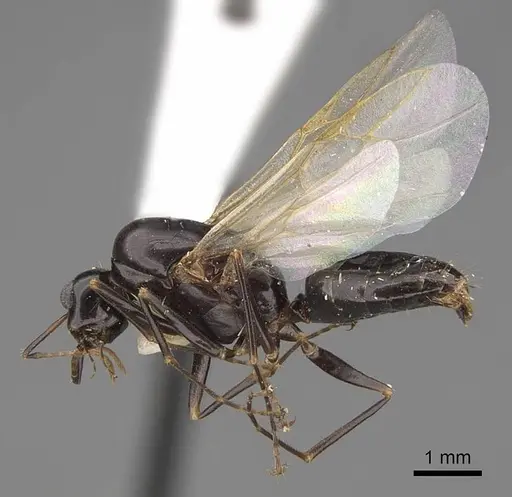
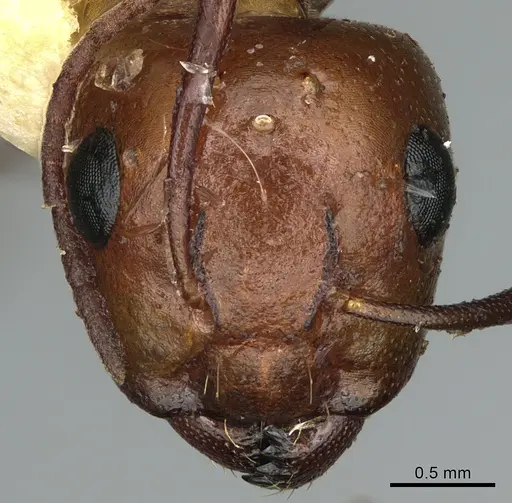
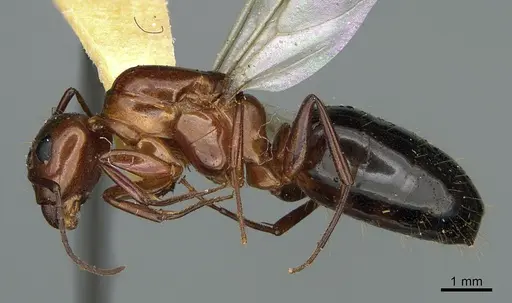
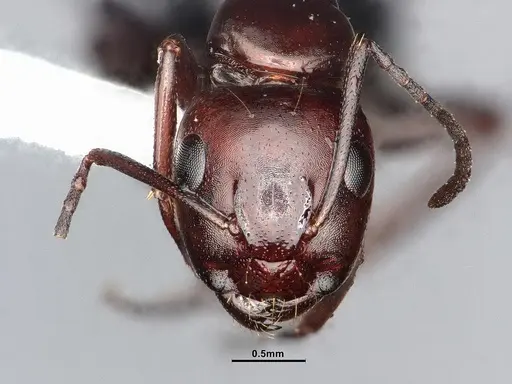
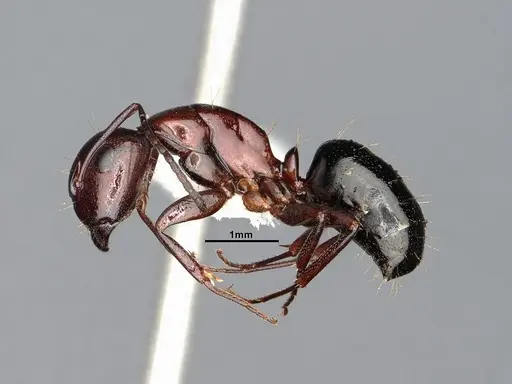
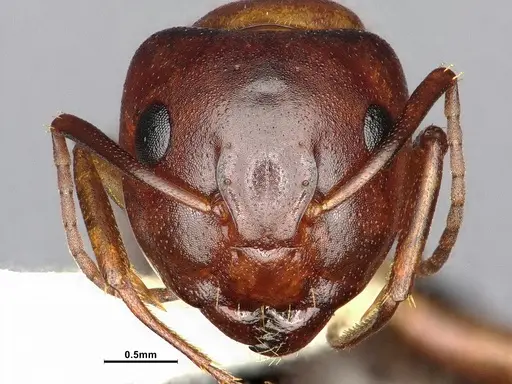
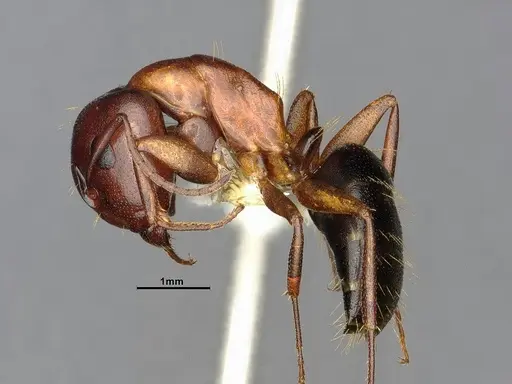
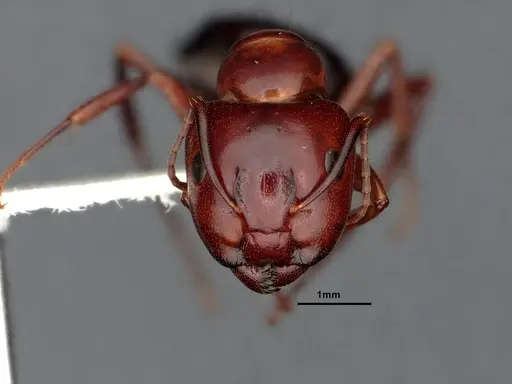
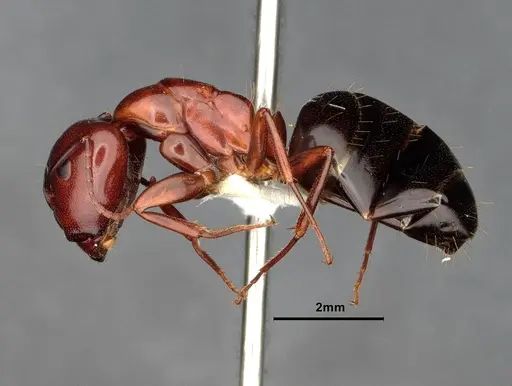
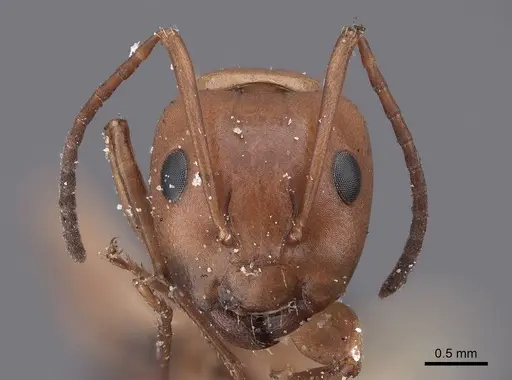
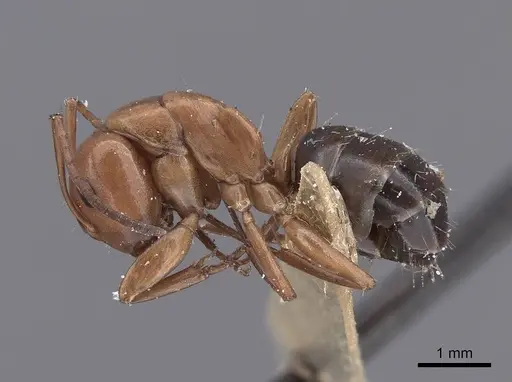
Camponotus sayi is a medium-sized carpenter ant native to the southwestern United States and northern Mexico. Major workers measure 7-8mm while minors are 4.5-6mm [1]. They have a distinctive appearance with a reddish-orange head and thorax contrasting sharply with a black abdomen (gaster), which gives them their unofficial common name 'red carpenter ant' [2]. This species nests primarily in dead tree limbs and branches, typically 2 meters or more above ground, but will also nest in structural voids in buildings, particularly in roofing and wall spaces [3][4]. They are a minor house pest in some areas of their range [1].
What makes C. sayi interesting is its arboreal nesting habits combined with its willingness to nest in human structures. Unlike some carpenter ants that prefer moist wood, these ants will colonize relatively dry, sound wood in buildings. They also have fascinating trophobiotic relationships with other ant species like Liometopum apiculatum, receiving honeydew in exchange for protection [5][6]. Workers are primarily nocturnal, foraging at night using chemical trails and visual cues including moonlight [2].
Quick Summary
- Difficulty: Easy
- Origin & Habitat: Southwestern United States (Arizona, Nevada, New Mexico, Texas, Utah) and northern Mexico (Baja California, Chihuahua, Durango, Sonora). In their southwestern range they inhabit arid ecosystems including Chihuahuan Desert with mesquite and oak trees, while in other areas they occupy habitats ranging from prairies to oak-hickory forests and pinyon-juniper woodland [1][4].
- Colony Type: Single-queen colonies (monogyne) with documented multiple queens possible in some colonies [2]. Colonies can produce winged reproductives when they reach 6-10 years old and contain over 2,000 workers [2].
- Colony: Optionally polygyne
- Founding: Claustral
- Size & Growth:
- Queen: 7-8mm (estimated based on major worker size and typical Camponotus patterns)
- Worker: Major: 7-8mm, Minor: 4.5-6mm [1]
- Colony: Up to 2,000+ workers at maturity (6-10 years) [2]
- Growth: Moderate, typical for Camponotus species
- Development: 6-8 weeks at optimal temperature (estimated based on genus-level Camponotus data) (Development is temperature-dependent, warmer conditions speed development while cooler temperatures slow it. Nanitics (first workers) are smaller than normal workers.)
- Antkeeping:
- Temperature: Keep nest area at 20-26°C with a gentle gradient. They tolerate a range from roughly 18°C up to 30°C, but optimal development occurs in the low-to-mid 20s°C. A heating cable on one side of the nest can create the gradient they prefer [2].
- Humidity: Moderate humidity around 50-60%. They prefer drier conditions compared to many ants since their natural habitat includes arid regions. Allow the nest to dry out somewhat between water additions, aim for consistently damp but not wet substrate.
- Diapause: Yes, they require a winter rest period. In their native range, they experience cold winters and will benefit from a diapause period of 2-3 months at temperatures around 10-15°C. This helps trigger reproductive development and maintains colony health [2].
- Nesting: Prefers nests in wood, dead tree limbs, branches, or cork-based formicaria. In captivity, Y-tong (AAC) nests work well, or you can use a naturalistic setup with cork or wooden structures. They also accept acrylic nests with wooden insert chambers. Avoid overly humid conditions that would cause mold in wooden nests.
- Behavior: Generally calm and non-aggressive compared to some carpenter ant species. Workers are nocturnal by preference but will forage during the day, especially in captivity. They are polymorphic, major workers have large heads for cutting through wood, while minors handle most foraging and colony maintenance [2]. They forage at night using chemical trails and will travel several hundred feet from the nest to find food [2]. Escape risk is moderate, they are not particularly small but can squeeze through small gaps. Use standard barrier methods like Fluon on test tube rims. They are not major stingers and rarely attempt to bite humans.
- Common Issues: colonies often fail during hibernation if kept too wet, ensure dry, cool conditions during diapause, slow growth in first year causes some keepers to overfeed, resist the urge, excess food leads to mold, wild-caught colonies may have parasites that kill them in captivity, quarantine and monitor new colonies, test tube setups can dry out quickly in heated rooms, check water weekly, they may establish satellite colonies in your room if they escape, use excellent escape prevention
Nest Preferences
Camponotus sayi naturally nests in dead tree limbs, branches, and cavities, typically 2 meters or more above ground [1]. In the southwestern part of their range, they nest in mesquite (Prosopis spp.) and oaks (Quercus spp.), particularly in dead limbs 2-8cm in diameter [1]. They also nest in beetle galleries within trees [4]. In human structures, they nest in roofing, wall voids, and other dry wooden areas.
For captive care, they do well in Y-tong (AAC) nests with wooden insert chambers or cork-based formicaria. They prefer tighter chambers scaled to their body size. A naturalistic setup with cork bark or wooden structures works well since it mimics their natural arboreal nesting sites. Acrylic nests with wooden inserts are also suitable. Avoid overly humid conditions that cause mold in wooden nest materials, these ants prefer drier conditions than many tropical species.
Feeding and Diet
Like other carpenter ants, C. sayi has a varied diet that includes living and dead insects, honeydew from aphids, sweets, meat, and fats [2]. They are opportunistic feeders that will accept most ant foods.
For protein, offer small insects like fruit flies, small crickets, mealworms, or waxworms twice weekly. For carbohydrates, provide sugar water, honey, or maple syrup, they readily accept sweet liquids. They also feed on honeydew, so you could offer a small piece of fruit or a cotton ball with diluted honey water. In captivity, they do well on a varied diet of protein insects and sugar sources. Remove uneaten food after 24-48 hours to prevent mold.
They forage primarily at night, so offering food in the evening often yields better results. Workers carry food back to the nest intact or ingest and regurgitate it to feed other colony members [2].
Temperature and Seasonal Care
Keep your C. sayi colony at 20-26°C with a gradient, allowing workers to choose their preferred temperature zone. They are native to the southwestern US where temperatures can get quite warm, so they handle heat better than cold. A heating cable on one side of the nest creates a suitable gradient.
During winter, they require a diapause (hibernation) period of 2-3 months at 10-15°C. This is essential for colony health and triggers reproductive development. In their natural range, swarms have been reported during warm spells in winter, but they still benefit from a cool period [2]. Reduce feeding during diapause and keep the colony relatively dry. Return them to room temperature gradually in spring.
In the early spring, workers from indoor colonies may start foraging for food before it is available outdoors [2]. This is normal, they are simply responding to warmer temperatures and increased activity.
Behavior and Foraging
Camponotus sayi workers are primarily nocturnal but will forage during the day, especially in captivity. In the wild, they leave the colony in late afternoon or early evening, forage during the night, and return in early morning [2]. They can forage several hundred feet from the nest to find food.
These ants use multiple navigation methods including chemical trails, physical guidelines, and visual cues like moonlight and artificial light [2]. When they find food, they lay chemical trails to recruit nestmates. You may observe well-used trails along foundations, sidewalks, or flower beds in outdoor observations.
They are not particularly aggressive and rarely sting humans. Major workers have powerful mandibles but typically only bite if handled roughly. Their main defense is escaping and hiding. Colonies are polymorphic with major and minor workers, majors defend the nest and hollow out wood, while minors handle most foraging and brood care [2].
Colony Growth and Development
C. sayi colonies grow moderately fast compared to other carpenter ants. A claustral queen seals herself in a small chamber and raises the first brood alone, living off stored fat reserves [2]. The first workers (nanitics) are smaller than normal workers but will immediately begin foraging and caring for subsequent brood.
Colonies reach maturity in 6-10 years, at which point they may produce winged reproductives (swarmers) [2]. A mature colony can contain over 2,000 workers. The colony will establish both a main parent colony and satellite colonies, the main colony usually needs moisture and is often outdoors, while satellite colonies (containing workers, larvae, and pupae but never eggs) are common indoors [2].
For keepers, expect slow growth in the first year as the colony establishes. By year two or three, you should see significant growth if conditions are good. Patience is key with this species.
Frequently Asked Questions
Can I keep Camponotus sayi in a test tube?
Yes, you can start them in a test tube setup. Use a standard test tube with a water reservoir plugged with cotton. However, since they naturally nest in wood, you should plan to move them to a wooden or cork-based formicarium once the colony reaches 20-30 workers. Test tubes work well for founding colonies but can become cramped as the colony grows.
How long until first workers with Camponotus sayi?
Expect first workers (nanitics) in about 6-8 weeks at optimal temperature (around 24-26°C). This is typical for Camponotus species. The exact timing depends on temperature, warmer conditions speed development while cooler temperatures slow it. The queen will lay eggs, which hatch into larvae, then pupate, and emerge as workers.
Are Camponotus sayi good for beginners?
Yes, they are considered a good beginner species. They are relatively hardy, tolerate a range of conditions, and are not aggressive. Their main requirements are a proper nesting site (wood or cork), moderate humidity, and a winter diapause period. Their slower growth compared to some species actually makes them more forgiving of beginner mistakes.
Do Camponotus sayi need hibernation?
Yes, they require a winter diapause period of 2-3 months at temperatures around 10-15°C. This is essential for colony health and helps trigger reproductive development. Reduce feeding during this period and keep the colony relatively dry. In spring, gradually warm them back to room temperature.
What do Camponotus sayi eat?
They accept a varied diet including insects (protein), sugar water or honey (carbohydrates), and fruit. Offer small insects like fruit flies or mealworms twice weekly, and keep a constant supply of sugar water. They will also eat honeydew if available. Remove uneaten food after 24-48 hours to prevent mold.
How big do Camponotus sayi colonies get?
Mature colonies can reach over 2,000 workers, typically after 6-10 years of growth [2]. This makes them a medium-sized carpenter ant species, larger than some but not as large as the black carpenter ant (Camponotus pennsylvanicus).
When should I move my Camponotus sayi to a formicarium?
Move them when the test tube becomes cramped, typically around 20-40 workers. Since they prefer wood nesting, a Y-tong nest with wooden insert chambers or a cork-based naturalistic setup works best. Make sure the new nest has appropriate humidity levels, they prefer drier conditions than many ants.
Can I keep multiple queens together with Camponotus sayi?
While some colonies have been documented with multiple queens (polygyny), combining unrelated foundress queens is not recommended. In captivity, multiple queens typically fight until only one remains. If you start with a single queen, the colony will establish normally. Some wild colonies have multiple queens, but this appears to be natural colony development rather than artificial combination.
Why is my Camponotus sayi colony dying?
Common causes include: too much moisture during hibernation (keep them dry and cool), mold from overfeeding or poor ventilation, temperatures too cold (below 15°C year-round), or stress from frequent disturbances. Check that water reservoirs are not flooding the nest and that you are offering appropriate food amounts. Wild-caught colonies may also carry parasites.
References

This caresheet is licensed under CC BY-SA 4.0 .
CASENT0005351
View on AntWeb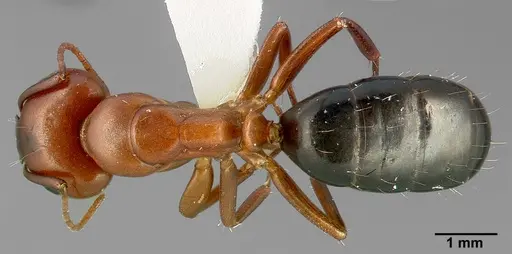
CASENT0102781
View on AntWeb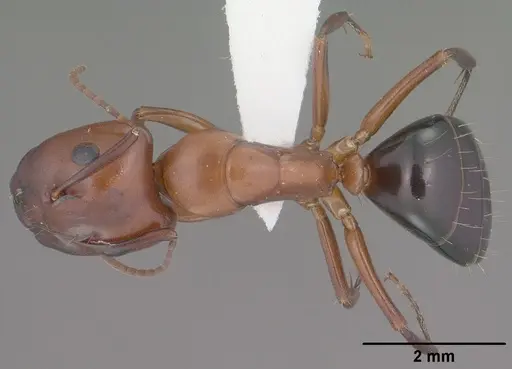
CASENT0102782
View on AntWeb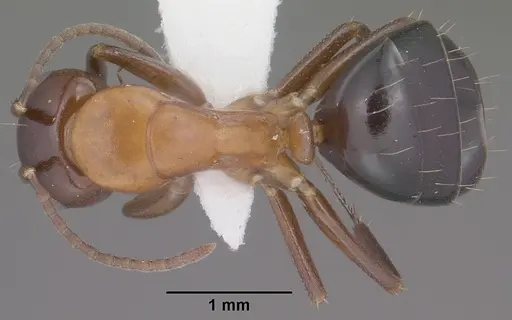
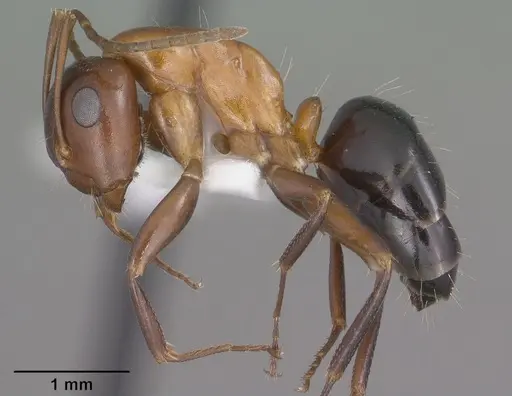
CASENT0249377
View on AntWeb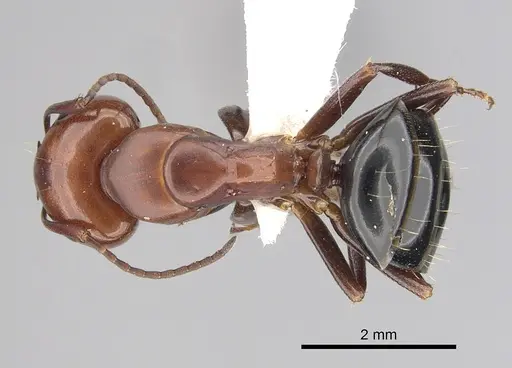
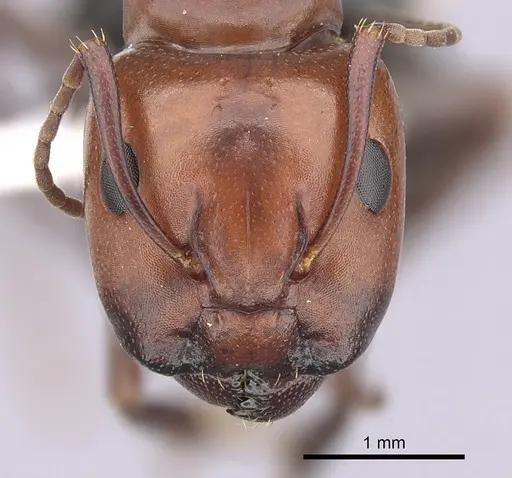
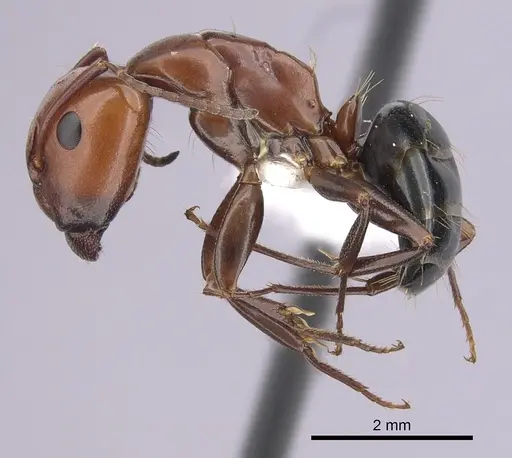
CASENT0249406
View on AntWeb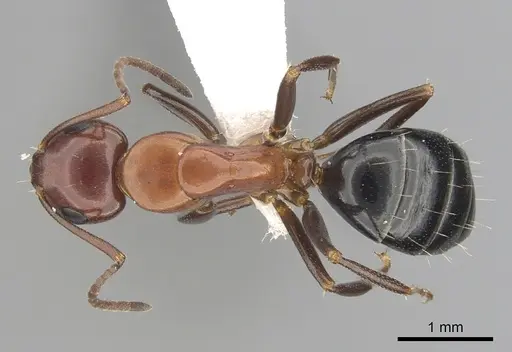
CASENT0882059
View on AntWeb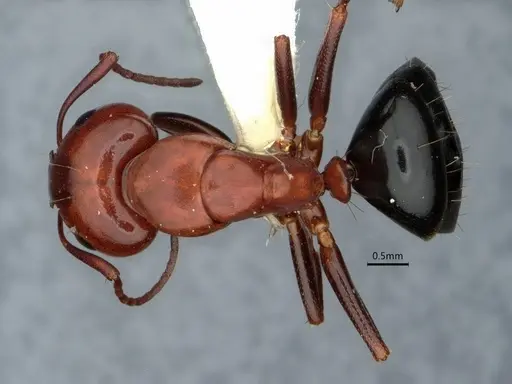
CASENT0883104
View on AntWeb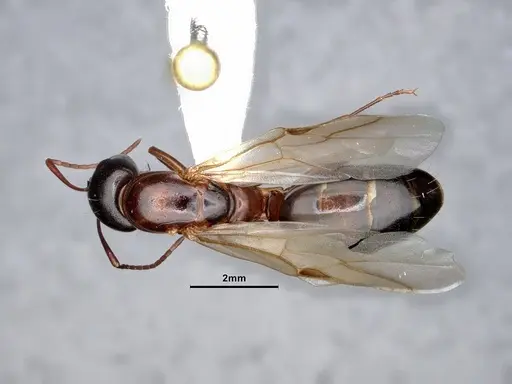
CASENT0884382
View on AntWeb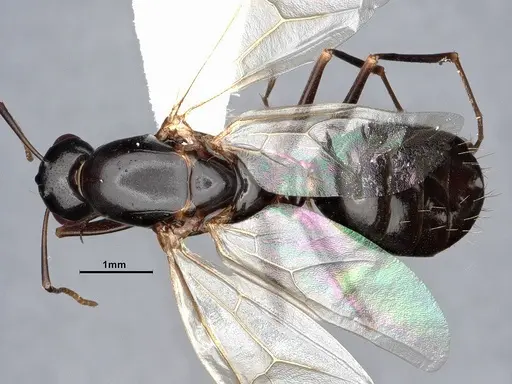
CASENT0884383
View on AntWeb
CASENT0884384
View on AntWeb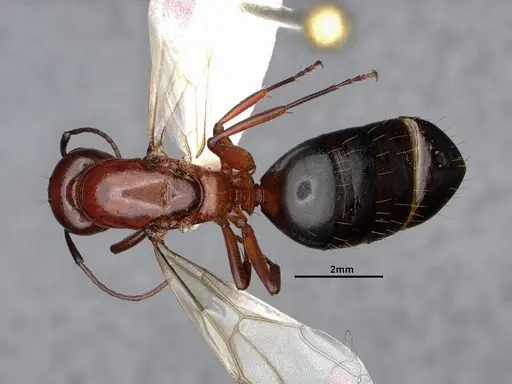
CASENT0905408
View on AntWeb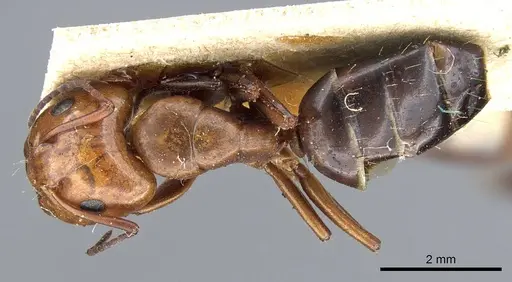
CASENT0905409
View on AntWeb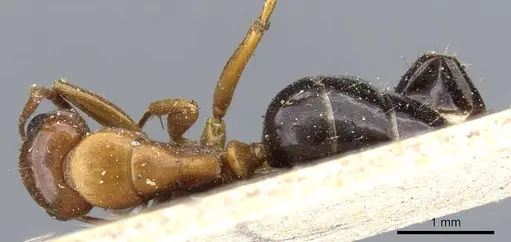
CASENT0923037
View on AntWeb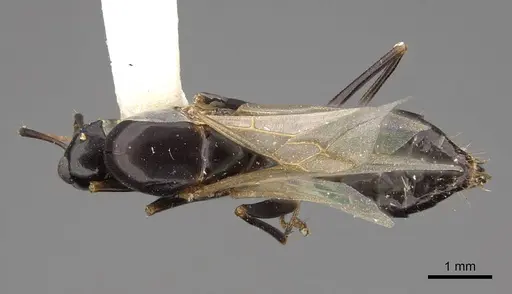
CASENT0923641
View on AntWeb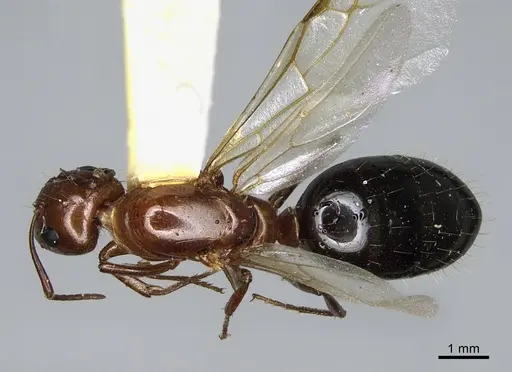
CASENT4031319
View on AntWeb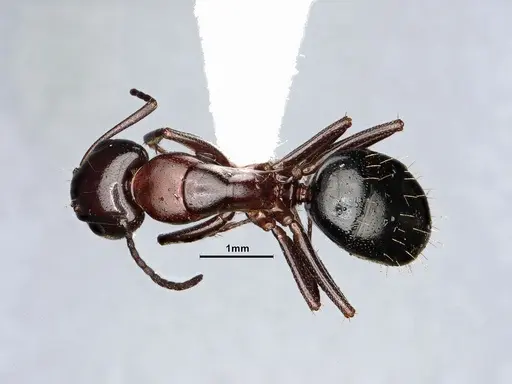
CASENT4031396
View on AntWeb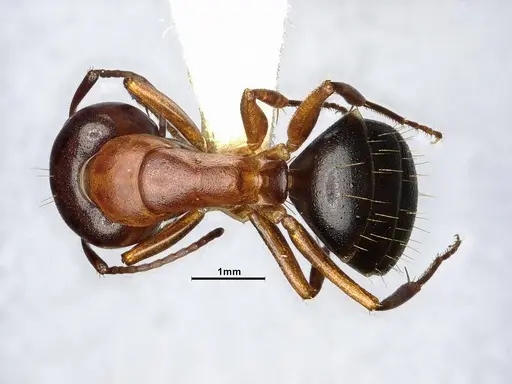
CASENT4032308
View on AntWeb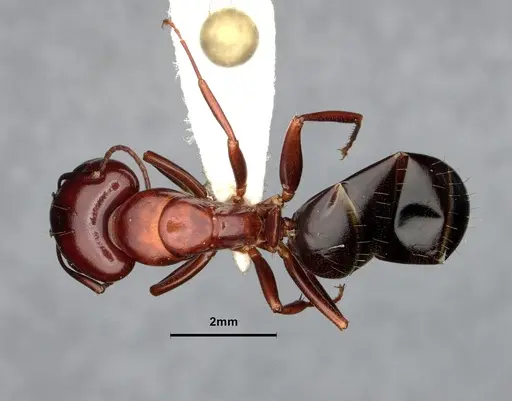
FMNHINS0000045934
View on AntWeb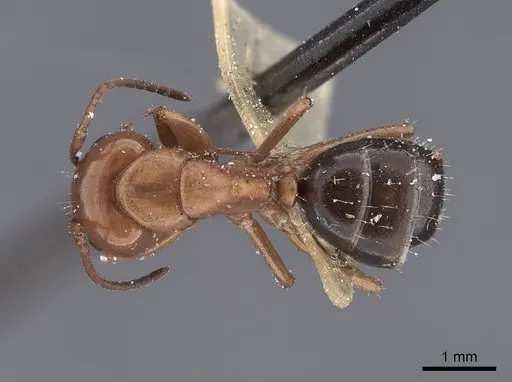
Literature
Loading...Loading products...