
Liometopum apiculatum shows a June to August flight window. Peak activity occurs in July, with nuptial flights distributed across 3 months.
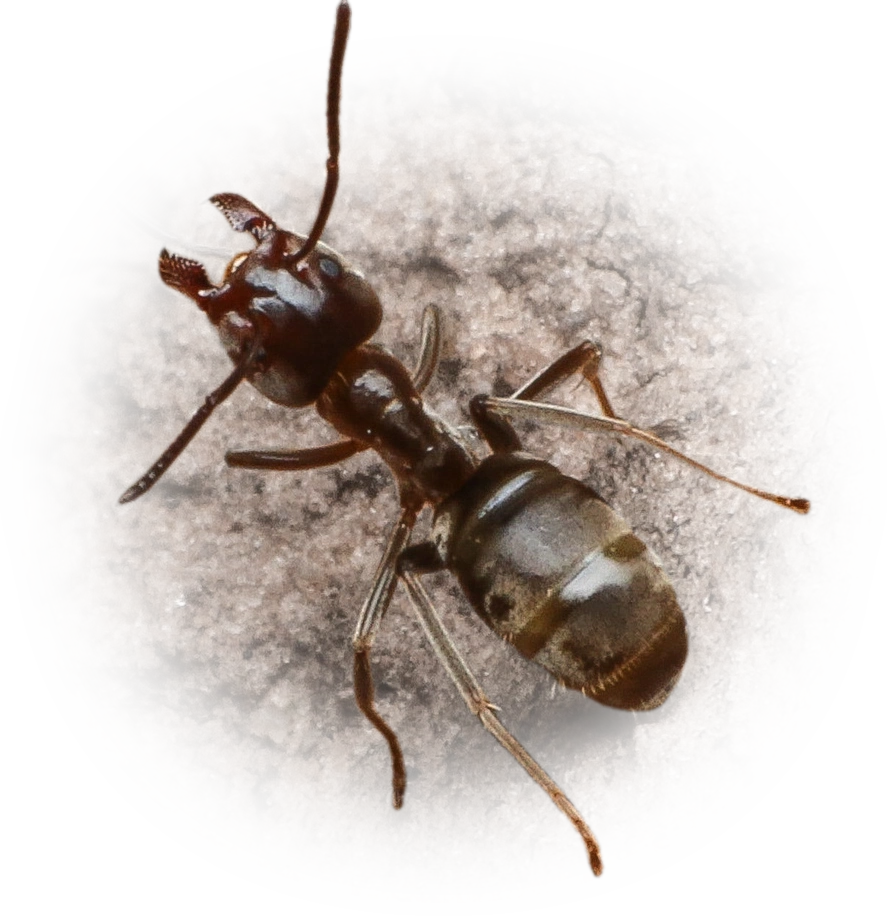
Liometopum apiculatum
- Scientific Name
- Liometopum apiculatum
- Tribe
- Tapinomini
- Subfamily
- Dolichoderinae
- Author
- Mayr, 1870
- Common Name
- Escamolera Ant
- Distribution
- Found in 2 countries
- Nuptial Flight
- from June to August, peaking in July
AI Identifiable
try →
Liometopum apiculatum Overview
Liometopum apiculatum (commonly known as the Escamolera Ant) is an ant species of the genus Liometopum. It is primarily documented in 2 countries , including Mexico, United States of America. Detailed taxonomic data and occurrence records can be further explored via authoritative databases such as AntWeb or the Global Biodiversity Information Facility (GBIF).
The nuptial flight of Liometopum apiculatum is a significant biological event, typically occurring from June to August, peaking in July. During this time, winged queens and males leave the nest to mate and establish new colonies.
Liometopum apiculatum - "Escamolera Ant"
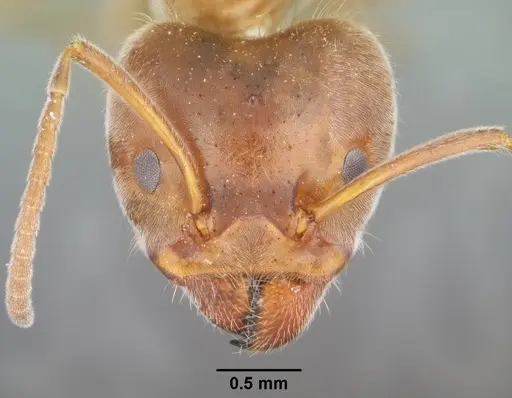
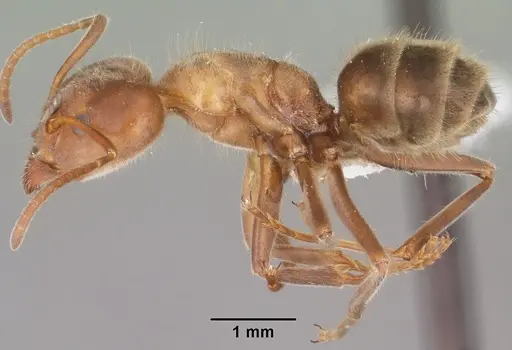
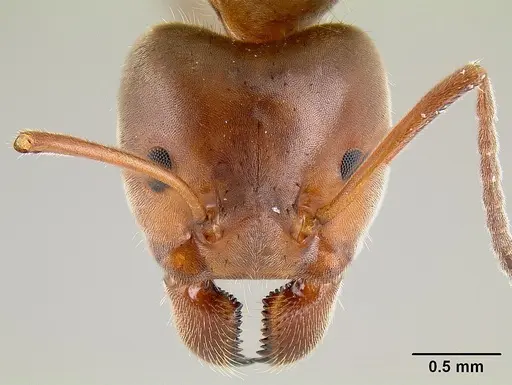
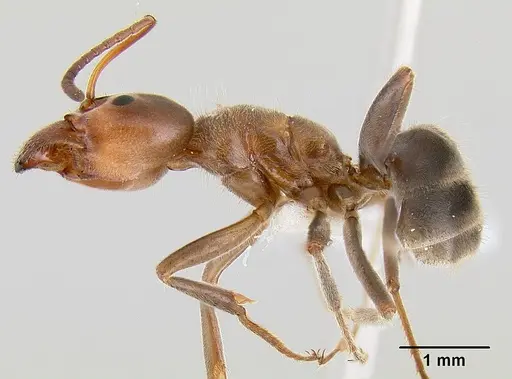
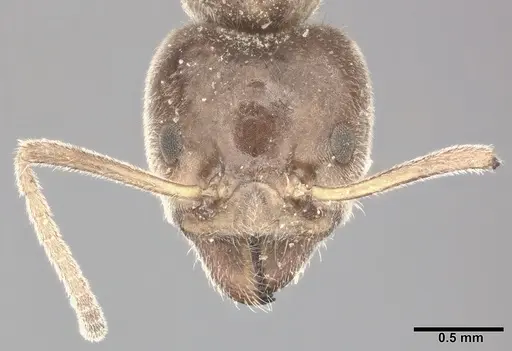
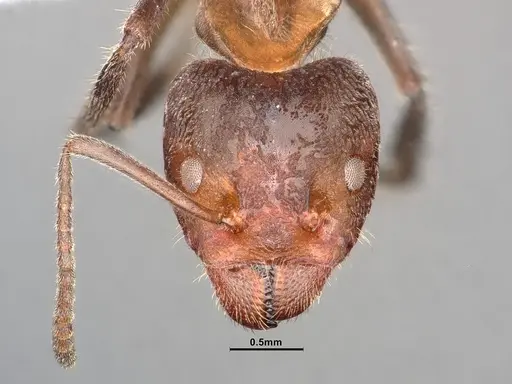
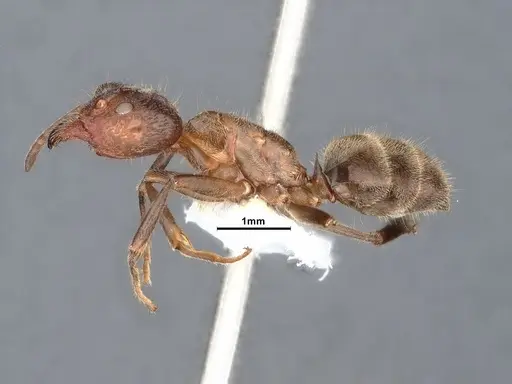
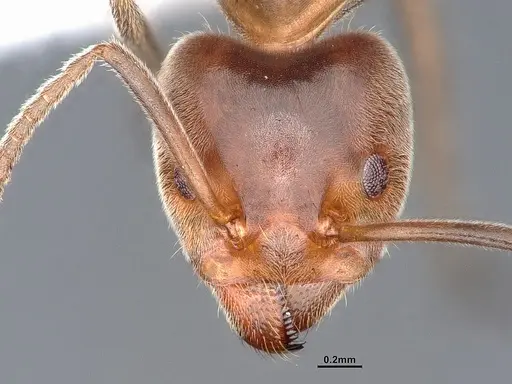
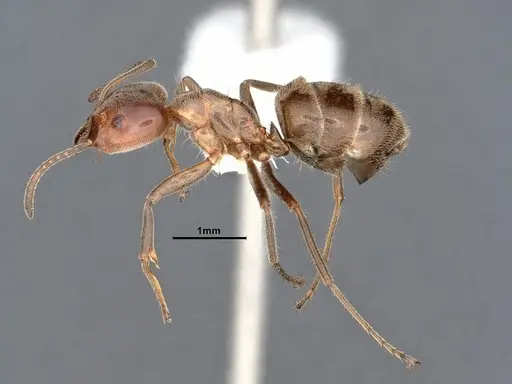
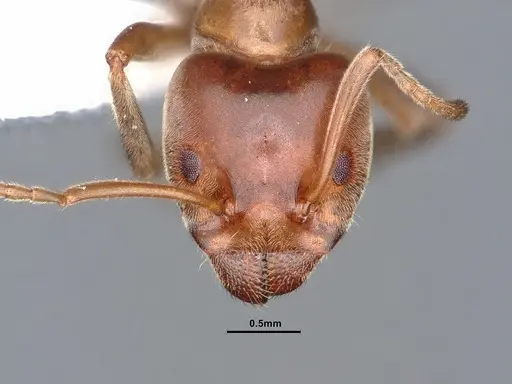
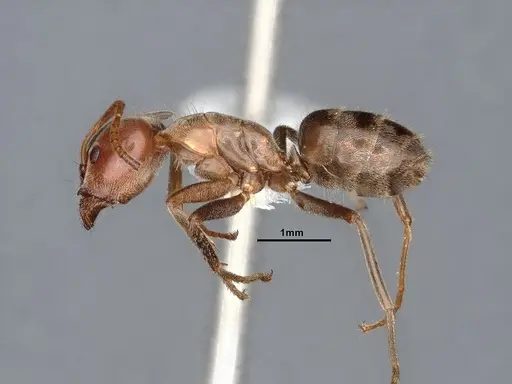
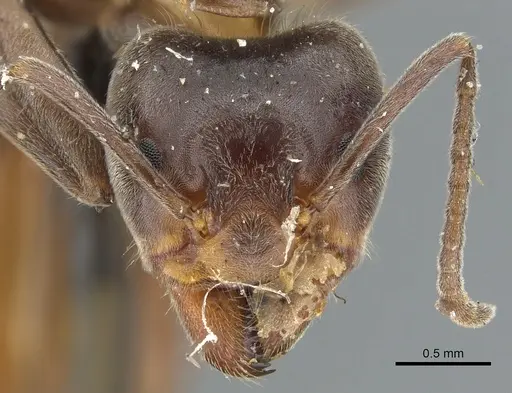
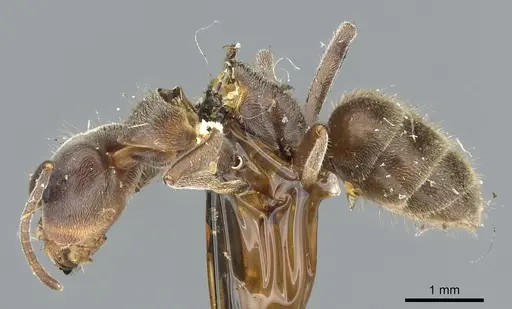
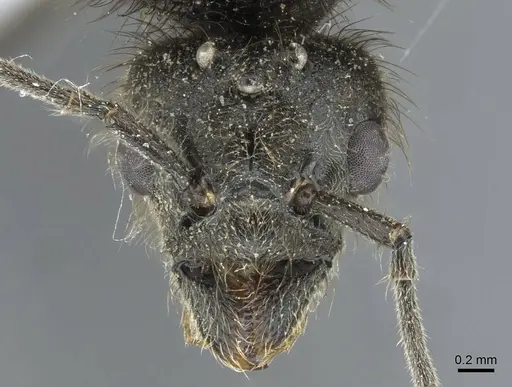
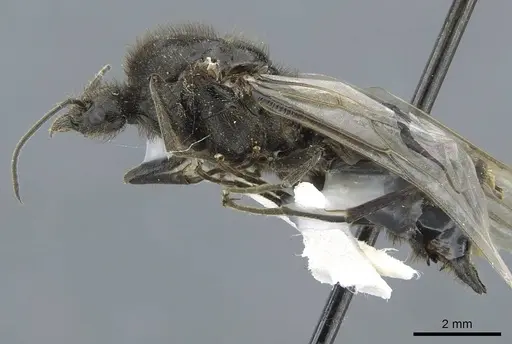
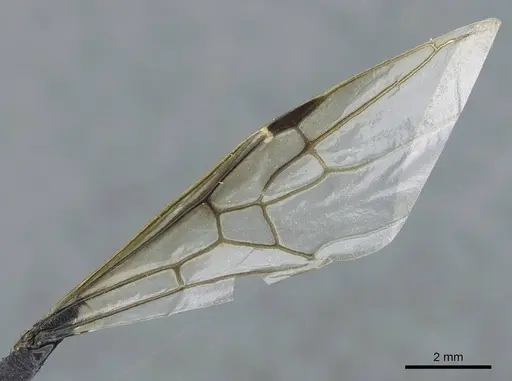
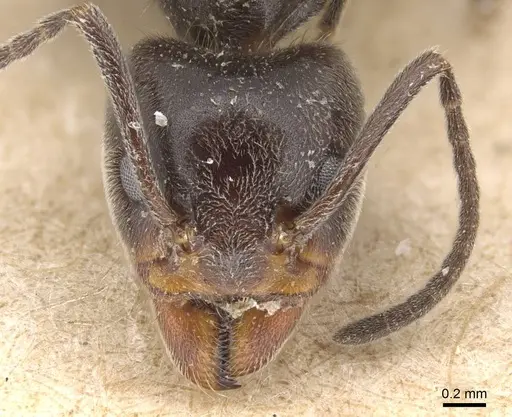
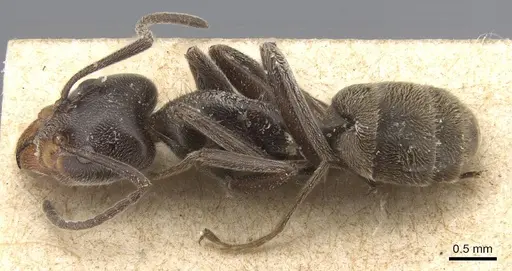
Liometopum apiculatum is a large, striking ant species native to the southwestern United States and central Mexico. Workers are polymorphic, meaning they come in different sizes ranging from 2.5mm to 6.0mm, with the largest workers approaching the size of small Formica ants. Their body is covered in dense, short hairs giving them a velvety appearance, which explains their common name. Color ranges from light yellow-brown to dark chestnut brown. These ants are famous in Mexico for their edible brood, known as escamoles, which have been harvested since pre-Hispanic times and were once tribute food for Aztec emperors. Queens are among the largest in North America at 12-16.5mm, chunky and dark brown to black. Colonies can grow massive, reaching 80,000-100,000 workers in established nests.
Quick Summary
- Difficulty: Medium
- Origin & Habitat: Southwestern United States (Arizona, Colorado, Texas, New Mexico) and central Mexico. Found in oak forests at elevations of 1000-2500m, with prime habitat around 2000m. Also inhabits pinyon pine, ponderosa pine forests, riparian areas, and xerophilous scrublands [1][2][3].
- Colony Type: Monogyne, single queen per colony. Colonies are polydomous with multiple nest segments scattered across the landscape. Queen is long-lived, estimated 15-25 years in natural conditions [1].
- Colony: Monogyne
- Founding: Claustral
- Size & Growth:
- Queen: 12.0-16.5 mm [1]
- Worker: 2.5-6.0 mm (mean 3.9 mm) [1]
- Colony: Up to 82,500-117,000 workers in established nests [1]
- Growth: Moderate, workers develop from egg to adult in 45-60 days [1]
- Development: 6-8 weeks at optimal temperature (approximately 21-22°C inside nest) [1][4] (First workers (nanitics) are smaller than average because queen can only feed them regurgitated wings, legs, and eggs. Colony grows exponentially once established.)
- Antkeeping:
- Temperature: Keep nest area at 20-26°C. In nature, nest interior maintains around 21°C year-round with seasonal variation from 16°C (winter) to 22°C (summer). Provide a gentle temperature gradient using a heating cable on one side of the nest [1][4].
- Humidity: Keep nest substrate moderately moist but not waterlogged. In laboratory tests, ideal relative humidity is 40-50% inside the nest chamber. Overall colony humidity should be higher (around 80-90%) to prevent desiccation. Mist the outworld occasionally and provide a water tube [1][4].
- Diapause: Yes, in cold seasons or harsh conditions, colonies may become less active or enter partial hibernation. In their natural range with cold winters at high elevations, they tolerate temperatures near 0°C and can be active near snow banks. Reduce feeding and keep at 10-15°C for 2-3 months during winter if your colony shows reduced activity [1][5].
- Nesting: Naturalistic setup works best. They nest underground in soil with a distinctive structure called a trabecula, a spongiform network of carton material made from agglomerated soil and ant saliva. Provide deep soil (15-20cm) with a stone or hard surface on top. Y-tong or plaster nests with narrow chambers also work. They need tight spaces and darkness in the nest area [1][6].
- Behavior: These ants are highly aggressive and territorial. When disturbed, workers emit a strong, noxious odor (alarm pheromone containing formic acid, acetic acid, and butyric acid) and swarm aggressively. They lack a sting but can bite and smear formic acid on the attacker. Workers are active 24 hours a day but forage only during daylight (7:00-19:00). They maintain long-term foraging trails that can persist for years. They are escape artists due to their medium size, use fluon barriers and tight-fitting lids. They are dominant in their habitat and will compete aggressively with other ant species [1][7][2].
- Common Issues: Large colony size requires significant space, they need a spacious outworld and will not thrive in small setups, Aggressive defense means frequent disturbances can stress the colony, place the formicarium in a low-traffic area, Temperature sensitivity, they are adapted to stable conditions and may struggle in fluctuating temperatures, Difficult to establish, wild-caught colonies may have parasites or be already stressed, queen founding in captivity is challenging, Polydomous nature means they may establish satellite chambers, provide multiple potential nesting areas
Nuptial Flight Activity Analysis 72 observations
Flight Activity by Hour 72 observations
Liometopum apiculatum nuptial flight activity peaks around 11:00 during the late morning to early afternoon. Activity is spread across a 13-hour window (08:00–20:00). Times may be influenced by human observation patterns.
Housing and Setup
Liometopum apiculatum requires a spacious setup due to their large colony sizes. A naturalistic terrarium-style setup works best, with at least 15-20cm of soil depth for nest building. Use a mix of sandy soil and clay substrate, they prefer soils with good structure for excavation. Place a flat stone or similar hard surface on top of the soil to encourage nesting underneath. Alternatively, a Y-tong (acrylic) nest with narrow chambers can work, but provide a large outworld for foraging. The outworld should be escape-proof, these ants are medium-sized and can squeeze through small gaps. Apply fluon to the inner walls of the outworld and use tight-fitting lids. Include plants, rocks, or other structures that mimic their natural habitat with agave, yucca, or cactus, these provide foraging targets and help the ants feel secure. Lighting should be moderate, they prefer darker nest areas [1][6].
Feeding and Diet
These ants are omnivorous with a strong preference for liquid carbohydrates. In captivity, offer sugar water (1:1 ratio) or honey as a constant food source. They also readily accept extrafloral nectar if you include plants like opuntia or agave in the setup. For protein, provide small live insects (fruit flies, small crickets, mealworms), dead insects, or other protein sources. They will also accept seeds and other plant material. In the wild, they get most of their nutrition from honeydew secreted by hemipteran insects (aphids, scale insects) that they tend. If possible, include a small hemipteran colony on a plant in the outworld. Feed protein 2-3 times per week, and keep sugar water available at all times. Remove uneaten protein after 24-48 hours to prevent mold [1][8][7].
Temperature and Seasonal Care
Maintain nest temperatures between 20-26°C with a gradient. In their natural habitat, nest interiors stay around 21°C year-round (ranging from 16°C in winter to 22°C in summer). Use a heating cable or heat mat on one side of the nest to create a gradient, placing it on top of the nest material to avoid excessive drying. They are thermophilic and become more active as temperatures rise, their speed increases 15-fold with a 30°C temperature increase. However, avoid temperatures above 38°C as they cease activity. During winter (October-March in captivity), reduce temperature to 10-15°C and reduce feeding. This simulates their natural dormancy period at high elevations. They can tolerate near-freezing temperatures and have been observed foraging near snow banks in the wild. Keep humidity stable at 40-50% inside the nest and higher (70-80%) in the outworld [1][5][4].
Behavior and Defense
Liometopum apiculatum is one of the more aggressive ant species kept in captivity. When threatened, workers release a potent alarm pheromone that smells like rotten butter or butyric acid. They will swarm aggressively and bite attackers, smearing formic acid from their anal glands. While they cannot sting, the combination of bites and chemical spray can be quite irritating. This defensive behavior makes them challenging to work with during colony maintenance. Always use red light when observing at night and work quickly but carefully. They maintain long-term foraging trails and can recognize and follow trails of other ant species. Workers are active day and night but forage primarily during daylight hours (7:00-19:00). They are highly territorial and will dominate their outworld, potentially attacking and killing other ant species if present [1][7][2].
Colony Growth and Development
A mature colony can reach 80,000-100,000 workers, making these one of the larger ant species kept in captivity. Growth is exponential once established, a colony with 10,000 workers can double within a year under optimal conditions. Workers are polymorphic with major and minor castes, majors are significantly larger and often serve as defenders. The queen can live 15-25 years and lays 10-60 eggs per day. Development from egg to worker takes 45-60 days. First workers (nanitics) are smaller because the queen can only feed them regurgitated body parts. After the first generation, workers take over all brood care and the queen focuses solely on egg-laying. Colonies produce reproductive castes (males and princesses) seasonally, typically May-August. If you wish to observe nuptial flights, simulate the spring conditions with warming temperatures after winter [1][7].
Frequently Asked Questions
How long does it take for Liometopum apiculatum to raise first workers?
First workers typically emerge 45-60 days after the queen lays her first eggs. These first workers (nanitics) are smaller than normal workers because the queen can only feed them regurgitated wings, legs, and eggs [1].
How big do Liometopum apiculatum colonies get?
Mature colonies can reach 80,000-100,000 workers, with some estimates up to 117,000 in undisturbed natural nests. This makes them one of the larger ant species kept in captivity [1].
What do Liometopum apiculatum ants eat?
They are omnivorous but prefer liquid carbohydrates. Feed sugar water or honey constantly, plus protein sources like small insects 2-3 times per week. In the wild, they primarily feed on honeydew from hemipterans they tend [8][7].
Can I keep multiple queens together?
No. Liometopum apiculatum is monogyne, only one queen per colony. Multiple queens will fight. In the wild, only one queen per nest is supported, and she is well-protected in a remote chamber [1].
Do they need hibernation?
Yes, they benefit from a winter rest period. In their natural high-elevation habitat, they experience cold winters. Reduce temperature to 10-15°C and reduce feeding for 2-3 months during winter (roughly October-March in the Northern Hemisphere) [1].
Are Liometopum apiculatum good for beginners?
No, they are considered intermediate to advanced. Their large colony size requires significant space, they are aggressive and have potent chemical defenses, and they require specific temperature and humidity conditions. They are also difficult to establish from scratch [1][7].
What temperature do they need?
Keep the nest area at 20-26°C with a gradient. In nature, nest interiors stay around 21°C year-round. Use a heating cable on one side of the nest to create a temperature gradient [1][4].
Why do my ants smell bad?
That is their natural defense mechanism. When disturbed, they release alarm pheromones containing formic acid, acetic acid, and butyric acid that smells like rotten butter or sweaty socks. This is normal behavior [1][7].
When will my colony produce alates (reproductives)?
Colonies produce males and princesses seasonally, typically from May to August. This requires the colony to be well-established (usually 2+ years) and may require a proper winter dormancy period to trigger reproductive development [1].
References

This caresheet is licensed under CC BY-SA 4.0 .
CASENT0004189
View on AntWeb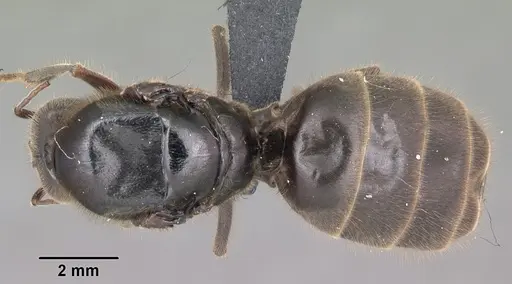
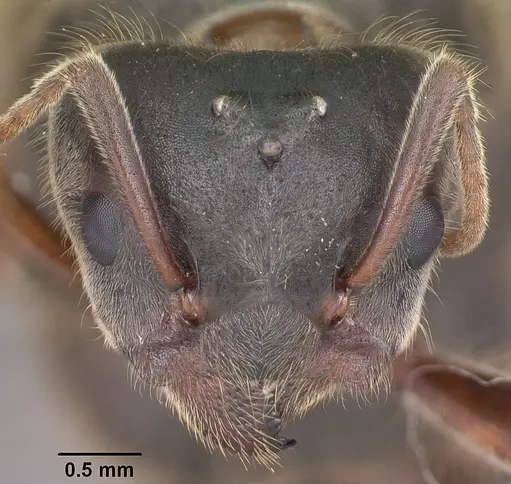
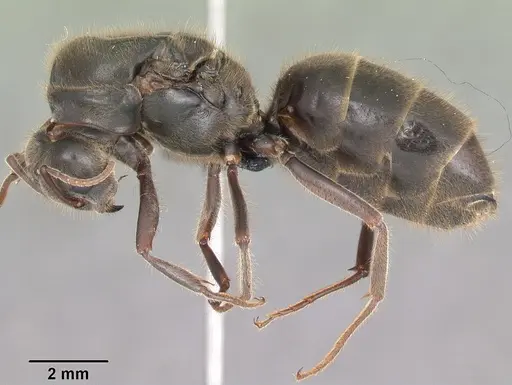
CASENT0102758
View on AntWeb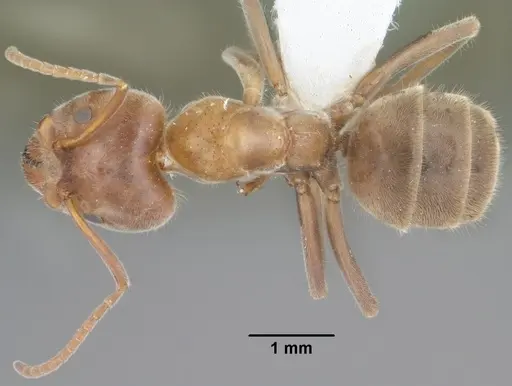
CASENT0106033
View on AntWeb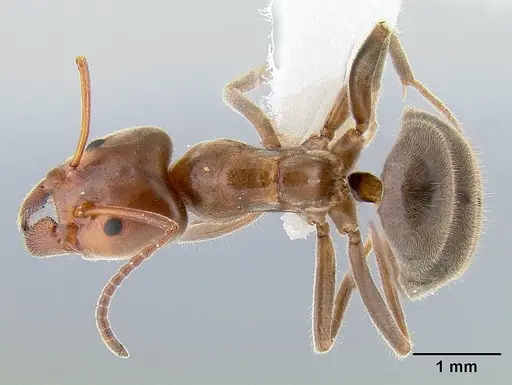
CASENT0246582
View on AntWeb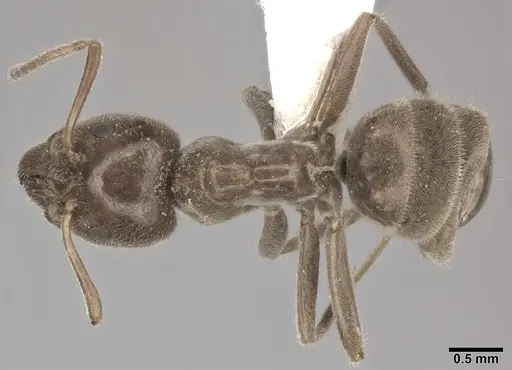
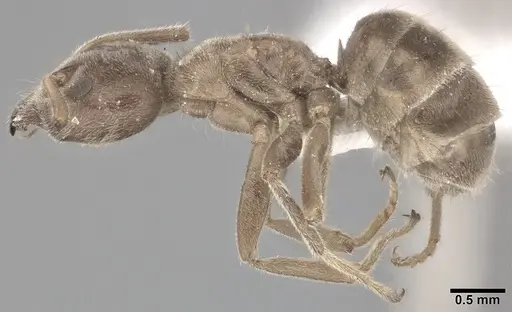
CASENT0249745
View on AntWeb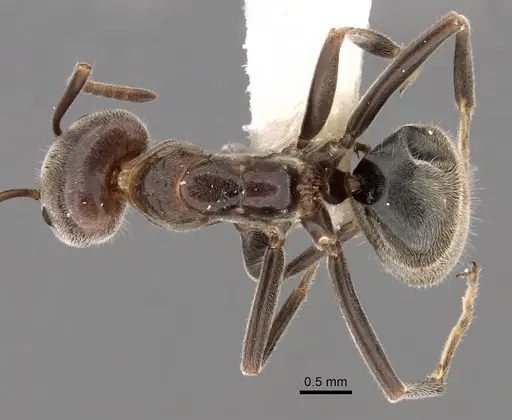
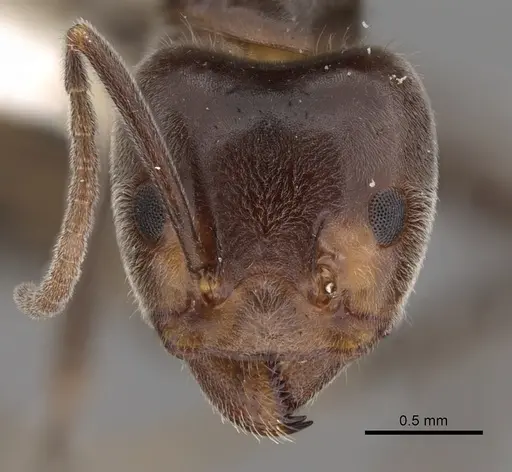
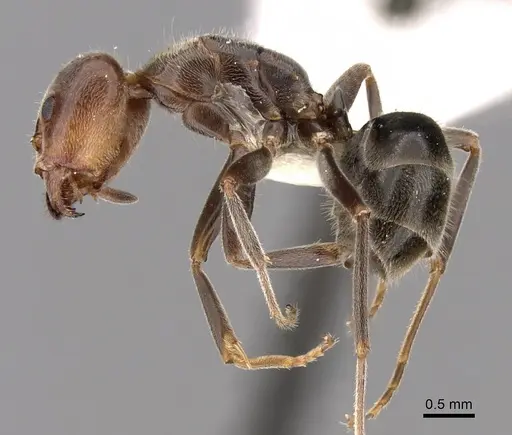
CASENT0349081
View on AntWeb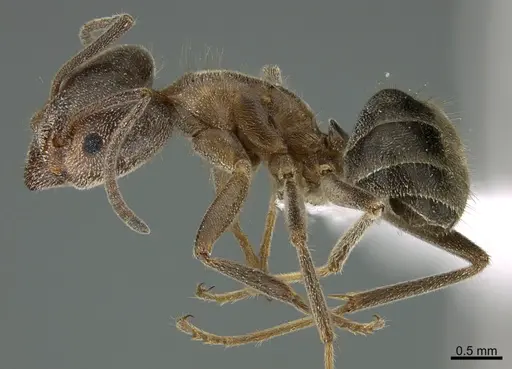
CASENT0884392
View on AntWeb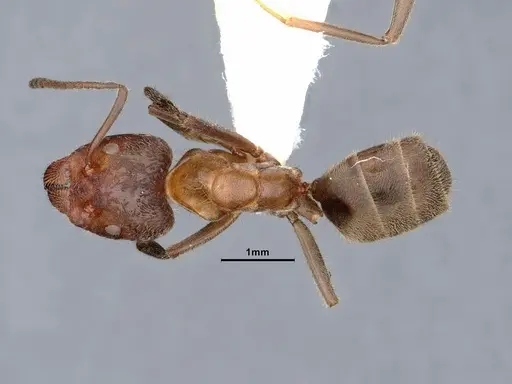
CASENT0884396
View on AntWeb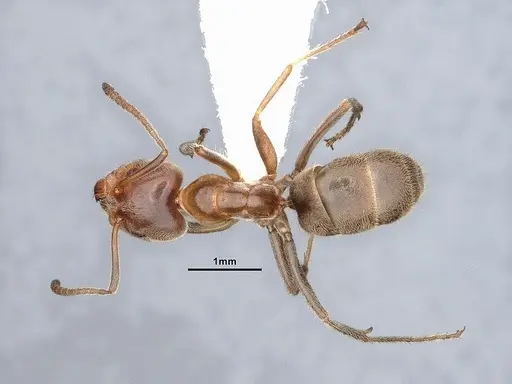
CASENT0884398
View on AntWeb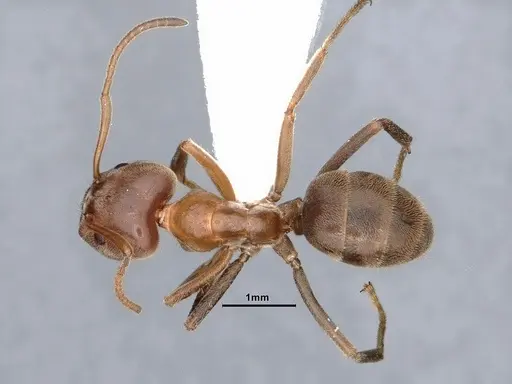
CASENT0902989
View on AntWeb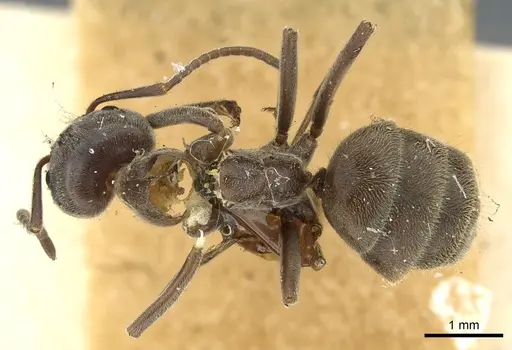
CASENT0911255
View on AntWeb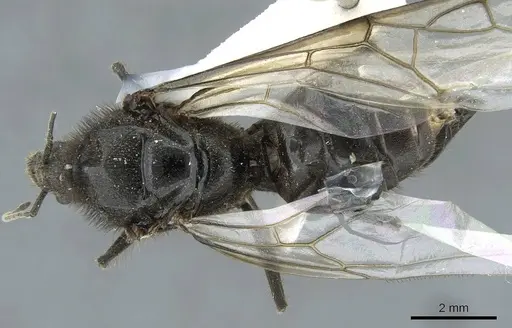
CASENT0915550
View on AntWeb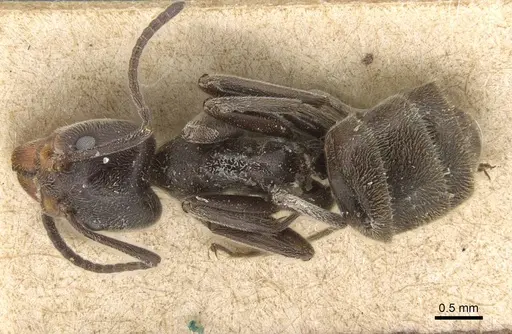
Literature
Loading...Loading products...