
Camponotus pennsylvanicus follows a consistent seasonal pattern with peak activity in June. The flight window runs from May to July, providing several months of opportunity for observations.
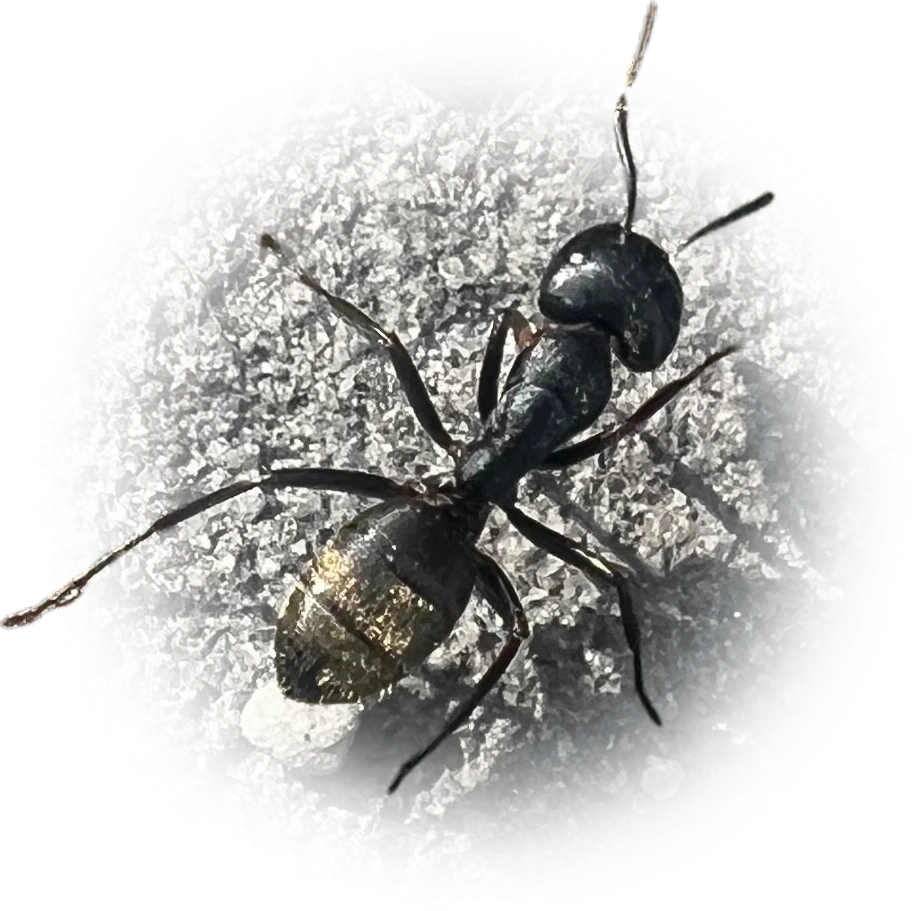
Camponotus pennsylvanicus
- Scientific Name
- Camponotus pennsylvanicus
- Tribe
- Camponotini
- Subfamily
- Formicinae
- Author
- De Geer, 1773
- Common Name
- Black Carpenter Ant
- Distribution
- Found in 2 countries
- Nuptial Flight
- from May to July, peaking in June
AI Identifiable
try →
Camponotus pennsylvanicus Overview
Camponotus pennsylvanicus (commonly known as the Black Carpenter Ant) is an ant species of the genus Camponotus. It is primarily documented in 2 countries , including Canada, United States of America. Detailed taxonomic data and occurrence records can be further explored via authoritative databases such as AntWeb or the Global Biodiversity Information Facility (GBIF).
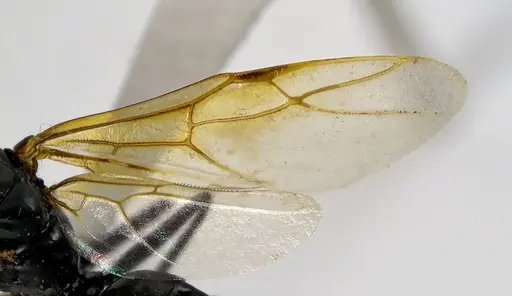
The nuptial flight of Camponotus pennsylvanicus is a significant biological event, typically occurring from May to July, peaking in June. During this time, winged queens and males leave the nest to mate and establish new colonies.
Camponotus pennsylvanicus - "Black Carpenter Ant"
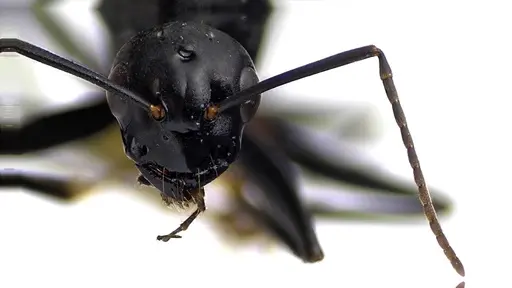
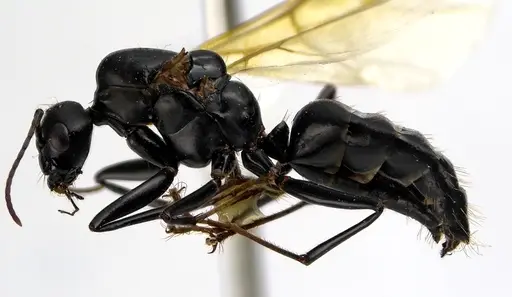
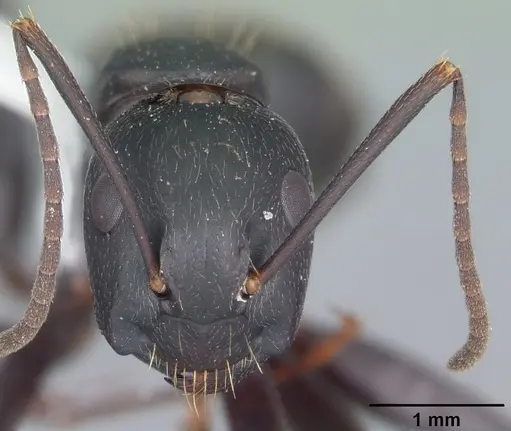
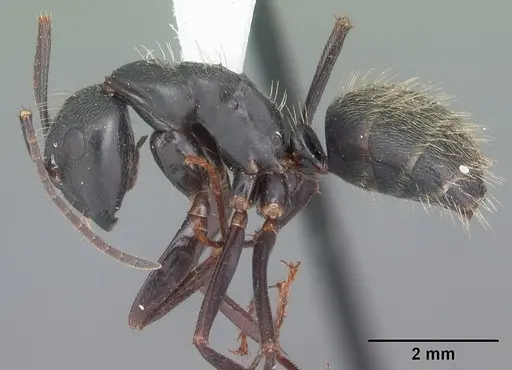
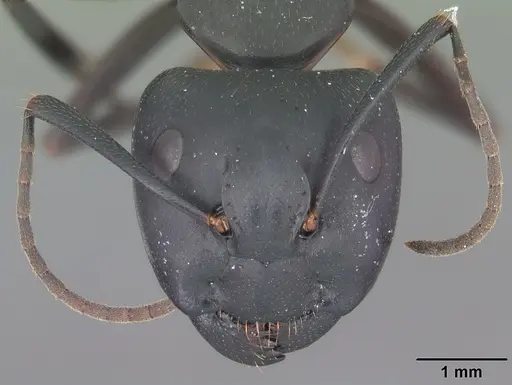
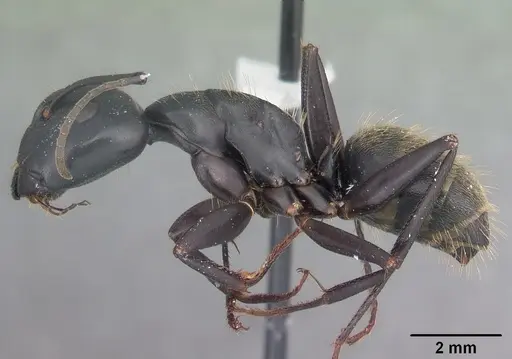
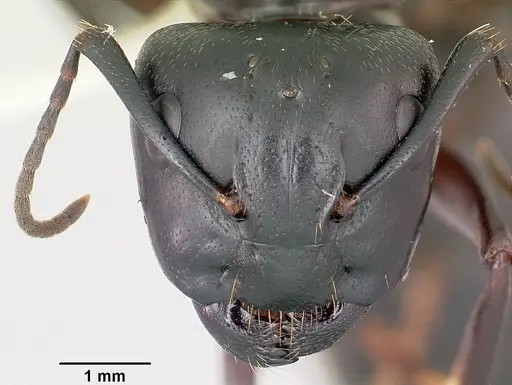
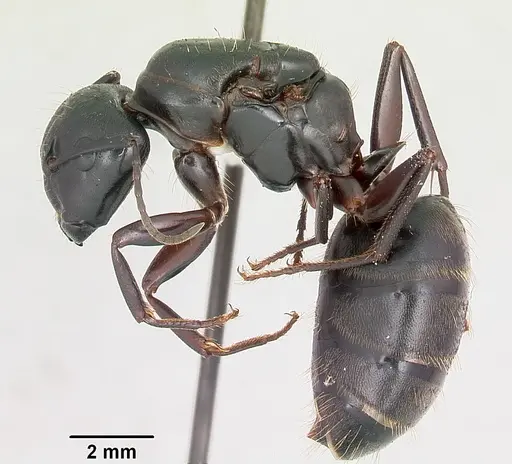
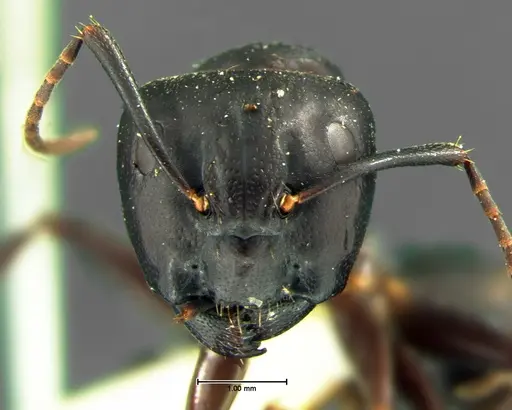
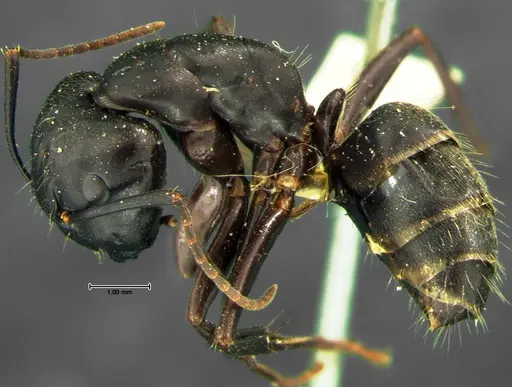
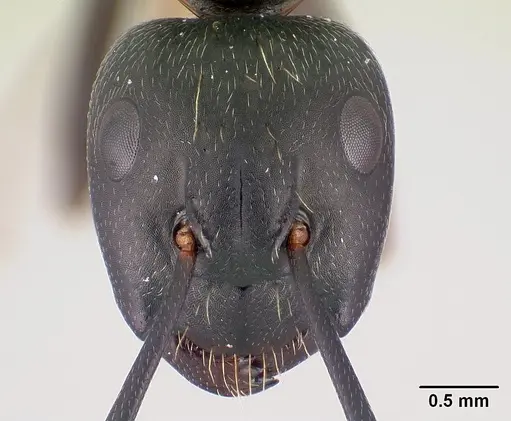
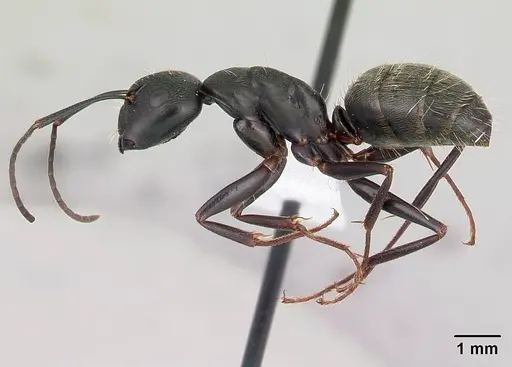
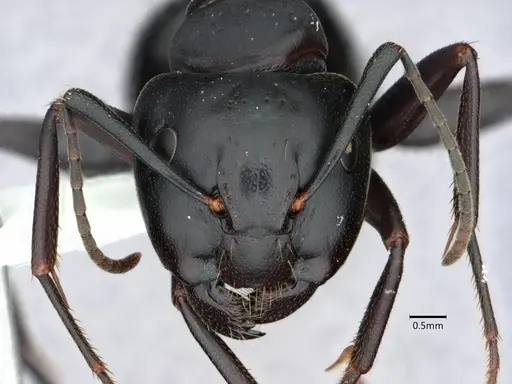
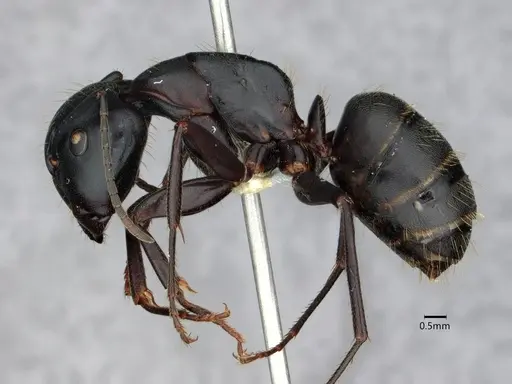
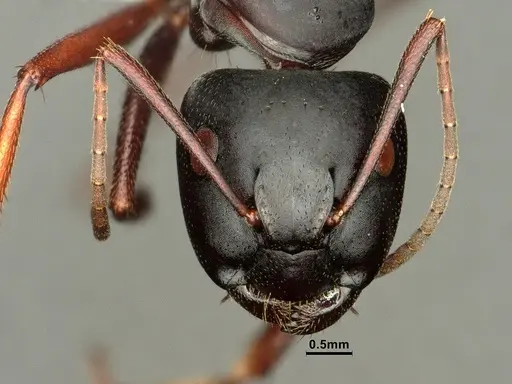
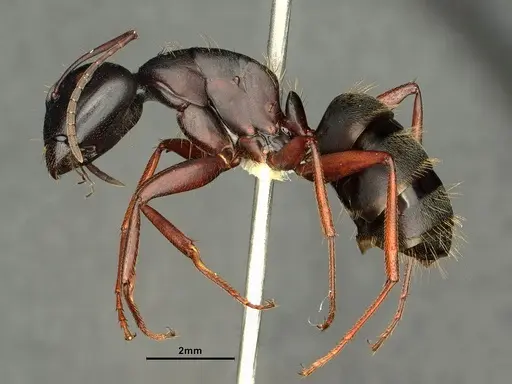
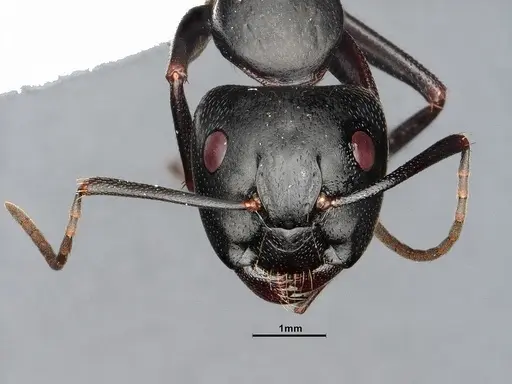
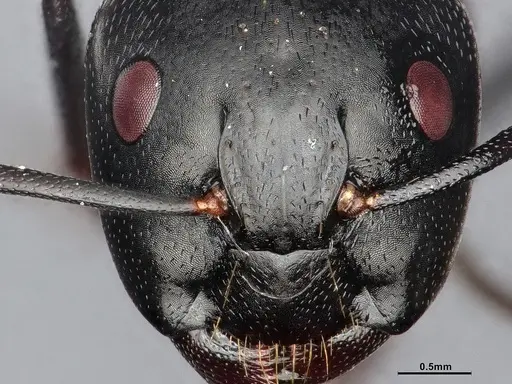
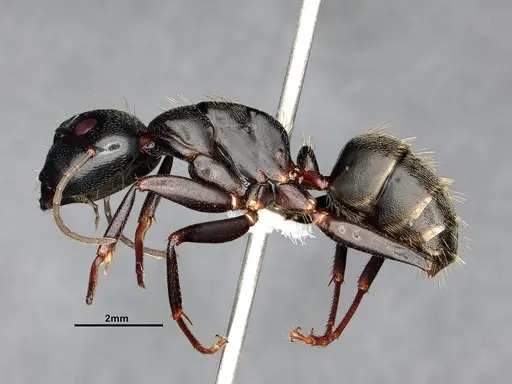
The black carpenter ant is a large, polymorphic species native to eastern and central North America. Workers range from 6-13mm with distinct major (larger) and minor (smaller) castes, all solid black or blackish with long, silvery appressed hairs on the abdomen that give a fuzzy appearance [1][2]. This species was the first North American ant ever described, originally named by De Geer in 1773 [AntWiki].
What makes this species stand out is its dual nature as both a beneficial forest inhabitant and a significant structural pest. In the wild, they nest in dead wood, rotting logs, and tree stumps where they play an important ecological role as decomposers. However, their wood-nesting habits pre-adapt them perfectly for human structures, making them the most destructive carpenter ant in eastern North America [3]. They maintain large colonies with thousands of workers and establish satellite nests around a main nest, allowing them to exploit multiple nesting sites simultaneously [4].
Quick Summary
- Difficulty: Medium
- Origin & Habitat: Eastern and central North America, from southern Canada (Ontario, Quebec) south to Florida and west to North Dakota and Texas [3]. Found in diverse habitats including deciduous forests, urban areas, and occasionally grasslands. Nests almost exclusively in wood, living and dead trees, rotten logs, stumps, and wooden structures [AntWiki][1].
- Colony Type: Single-queen colonies (monogyne) with documented polydomous structure, mature colonies establish satellite nests in multiple trees or structures around the main nest [5][4]. Colonies can live for decades and contain 10,000-15,000 workers at maturity [6].
- Size & Growth:
- Queen:{.size-link} Queens measure approximately 17-20mm including wings [7].
- Worker:{.size-link} Polymorphic: minor workers 4-6mm, media workers around 5mm, majors 6-13mm [8][1].
- Colony: Mature colonies reach 8,000-15,000 workers over 6-10 years [9][6].
- Growth: Slow, development takes 60 days from egg to worker, but colonies require 3-6 years to produce reproductive alates [AntWiki]. First-year colonies consist almost entirely of small minor workers [7].
- Development: Approximately 6-8 weeks at optimal temperature (development takes 60 days) [AntWiki]. (Development time is temperature-dependent. Queens seal themselves in during founding (claustral) and raise first workers alone using stored fat reserves. Nanitics (first workers) are smaller than normal minors.)
- Antkeeping:
- Temperature: Keep nest area at 20-24°C. This species naturally occupies relatively cool chambers in warm environments [10]. They tolerate cooler temperatures better than many ants, in the wild, nest temperature mirrors ambient conditions within their wood nesting sites [AntWiki]. Avoid overheating.
- Humidity: Moderate to high humidity in nest area. Parent colonies need humid conditions for egg and larval development, while satellite nests can be in drier locations [7]. Provide a water tube and keep the nest substrate moist but not waterlogged.
- Diapause: Yes, requires winter hibernation period. Colonies seal themselves in during winter and can survive temperatures as low as -22°C by producing antifreeze compounds (glycerol) [AntWiki]. Reduce temperature to 5-10°C for 3-4 months during winter. This is essential for colony health and triggering reproductive development.
- Nesting: Wood-nesting species, requires nesting material they can excavate or pre-formed cavities. Y-tong (AAC) nests work well, or provide soft wood (like balsa or pine) they can tunnel through. Avoid hard materials they cannot excavate. Can also use plaster nests with added wood sections.
- Behavior: Nocturnal foragers, most active at night, especially during summer months [11]. They use complex trail pheromone systems and visual navigation using moonlight and canopy patterns [12][13]. Workers are aggressive defenders of food sources and will bite if threatened, though they generally avoid confrontation [AntWiki]. They recruit nestmates to food sources using group recruitment. Escape risk is moderate, they are large ants but not particularly agile climbers. Use standard barrier methods.
- Common Issues: colonies grow slowly, beginners may lose patience and overfeed, causing mold problems in the nest, improper hibernation is a common killer, they MUST have a cold period of 3-4 months at 5-10°C, polydomous colonies can be hard to contain, satellite nests may establish in unexpected locations, wild-caught colonies may have parasites (phorid flies, fungi) that can spread to other ants, overheating causes more problems than cold, they naturally prefer cooler nesting sites
Nuptial Flight Activity Analysis 6516 observations
Flight Activity by Hour 6516 observations
Camponotus pennsylvanicus nuptial flight activity peaks around 16:00 during the afternoon. Activity is spread across a 24-hour window (00:00–23:00). Times may be influenced by human observation patterns.
Housing and Nest Setup
Camponotus pennsylvanicus needs a nest they can excavate or that provides appropriate cavities. Y-tong (AAC) nests are ideal because they mimic the wood cavities these ants naturally nest in. You can also use wooden nests (balsa or soft pine) that they can tunnel through, or plaster nests with wood sections added. The nest should be dark, these ants naturally nest inside wood where it's dark. Provide a connected outworld (foraging area) with a water tube and sugar water feeder. Since they are nocturnal, keep their setup away from direct bright light during your observation hours. They do not require arboreal setups, they forage on the ground and in trees alike. [1][7]
Feeding Your Colony
Black carpenter ants are omnivores with a strong sweet tooth. Offer sugar water (1:3 ratio sugar to water) or honey constantly, they will readily take it. For protein, provide dead insects (fruit flies, mealworms, crickets) twice weekly. They are also known to collect honeydew from aphids, so you can occasionally offer aphid colonies or honeydew substitutes. Workers will take protein more readily when the colony has hungry larvae. They do not eat wood, they only tunnel through it to create nesting galleries. Remove uneaten food after 48 hours to prevent mold. [14]
Temperature and Seasonal Care
Keep your colony at room temperature (20-24°C) year-round, with a slight drop at night to mimic natural conditions. Unlike many ants, C. pennsylvanicus naturally occupies relatively cool chambers even in warm environments, avoid placing the nest on a heating cable. During winter (roughly November-February in the northern hemisphere), you must move the colony to a cold location (5-10°C) for hibernation. This cold period is essential for colony health and triggers the development of reproductive alates the following spring. Without proper hibernation, colonies may fail to produce new queens or males and may have reduced lifespans. The colony will become sluggish and seal themselves in during this period. [10]
Understanding Colony Structure
This species forms polydomous colonies, meaning the colony spans multiple nesting sites. There is a main parent nest (where the queen stays and lays eggs) and satellite nests (containing workers, brood, but no queen) in nearby locations [4]. In the wild, colonies typically span 1-4 trees, with an average of about 2 trees per colony. The nests are connected by foraging trails. This explains why they can be difficult to eradicate from structures, there may be multiple nest sites. For antkeeping, this means you should not be alarmed if workers establish secondary chambers in the outworld, this is normal colony behavior. The colony will grow faster when it has multiple active nesting areas.
Behavior and Foraging
These ants are primarily nocturnal, with peak foraging activity at night, especially during hot summer weather [11]. They use sophisticated navigation, their trail pheromone comes from the hindgut, and they also use visual cues including moonlight and canopy patterns [13][14]. When scouts find food, they recruit nestmates using group recruitment with alerting motor displays. Workers will aggressively defend food sources against other ants. They can forage several hundred feet from the nest in search of food. In captivity, you will notice most activity in the evening and night hours. They are also known to groom their antennae extensively to maintain their sense of smell [15].
Growth and Development
A colony starts when a newly mated queen seals herself into a small chamber (claustral founding). She lays eggs and raises the first brood alone, using stored fat reserves. The first workers (nanitics) are smaller than normal minors. Development from egg to worker takes about 60 days at optimal temperature [AntWiki]. The colony grows slowly at first, during the first year, almost all workers are small minors. As the colony expands over 2-3 years, larger major workers are produced. Mature colonies (6-10 years old) can have 8,000-15,000 workers and produce winged reproductives (alates) for nuptial flights. Be patient, this is not a fast-growing species. [7][9]
Frequently Asked Questions
How long does it take for Camponotus pennsylvanicus to get their first workers?
Expect 6-8 weeks from egg to first worker at room temperature. The queen seals herself in and raises the first brood alone, this is called claustral founding. The first workers (nanitics) will be smaller than normal minor workers.
Do black carpenter ants need hibernation?
Yes, they require a winter rest period of 3-4 months at 5-10°C. In the wild, colonies seal themselves in and can survive temperatures as low as -22°C using antifreeze compounds. Without this cold period, colonies may fail to produce alates the following year and can have reduced lifespans.
What do Camponotus pennsylvanicus eat?
They are omnivores with a sweet tooth. Offer sugar water or honey constantly. For protein, feed dead insects (fruit flies, mealworms) twice weekly. They also collect honeydew from aphids in the wild. They do not eat wood, they only tunnel through it for nesting.
How big do colonies get?
Mature colonies reach 8,000-15,000 workers over 6-10 years. This is one of the larger carpenter ant species. They are polydomous, meaning the colony spans multiple nesting sites (typically 1-4 trees or structures).
Are Camponotus pennsylvanicus good for beginners?
They are moderate difficulty, not the easiest but not the hardest. The main challenges are their slow growth (requires patience), need for proper hibernation, and their pest status in the wild. They are fascinating to watch and rewarding once established. Just be prepared for a multi-year commitment.
When do nuptial flights occur?
Mating flights occur from May to July, typically in late afternoon or evening. Reproductives are produced when colonies are 3-6 years old [AntWiki]. Alates (winged reproductives) can be found in nests from April to October.
Can I keep multiple queens together?
No. This species is monogyne, colonies have a single queen. Multiple unrelated queens will fight. In the wild, occasionally more than one queen may be found together during founding, but only one typically establishes the colony long-term.
What nest type is best?
Y-tong (AAC) nests work very well because they mimic natural wood cavities. You can also use wooden nests with soft materials (balsa, pine) they can excavate. Plaster nests with wood sections are another good option. Avoid hard materials they cannot tunnel through.
Why are my ants dying?
Common causes: improper hibernation (too warm or no cold period), overheating (they prefer cool nesting sites), mold from overfeeding or too much moisture, or parasites from wild-caught colonies. Check your temperature, ensure a proper winter rest, and avoid overfeeding.
Report an Issue
The current care sheet is based fully on literature. See inconsistencies, or something that's incorrect? Please , it will be resolved after review from an admin. Contributing to the blogs tab also helps providing information, to make us be able to further improve the caresheets. Thank you for your support!
References

This caresheet is licensed under CC BY-SA 4.0 .
ANTWEB1038001
View on AntWeb
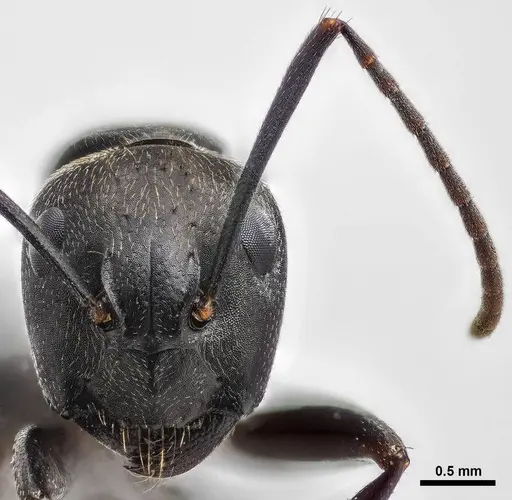
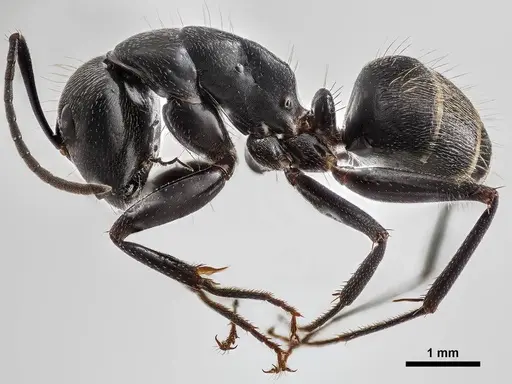
ANTWEB1041590
View on AntWeb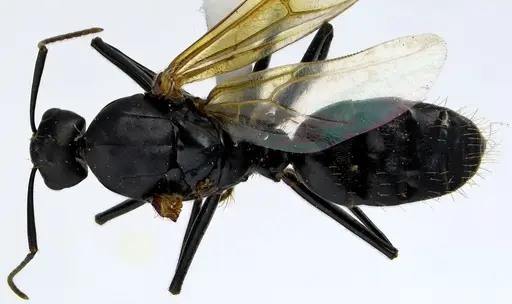
CASENT0103692
View on AntWeb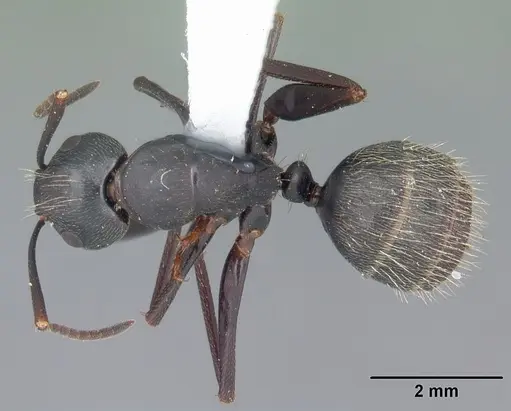
CASENT0103694
View on AntWeb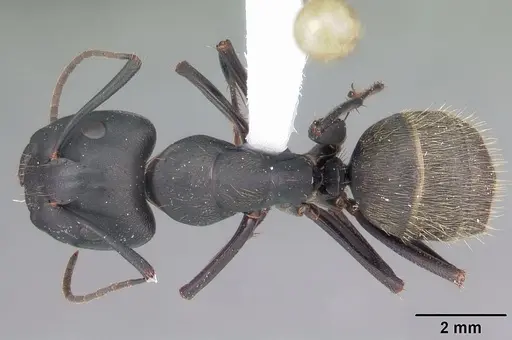
CASENT0104865
View on AntWeb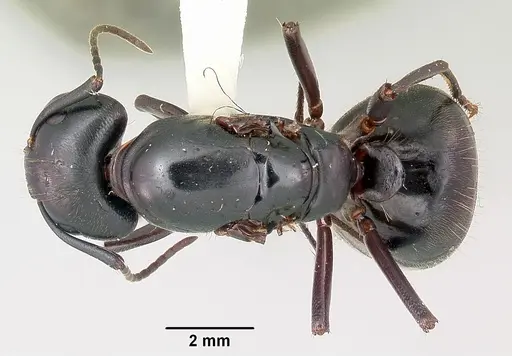
CASENT0105677
View on AntWeb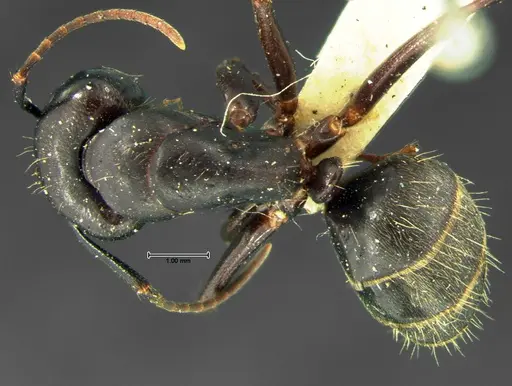
CASENT0179608
View on AntWeb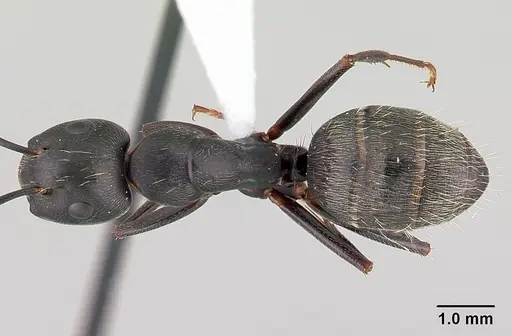
CASENT0882179
View on AntWeb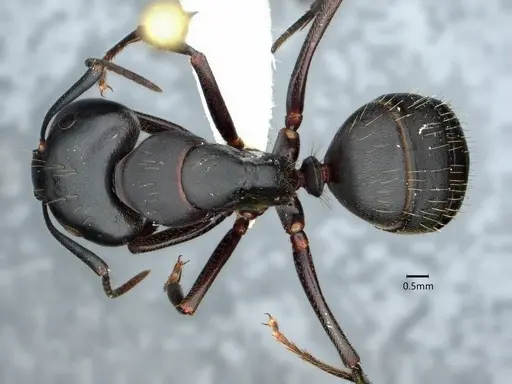
CASENT0884100
View on AntWeb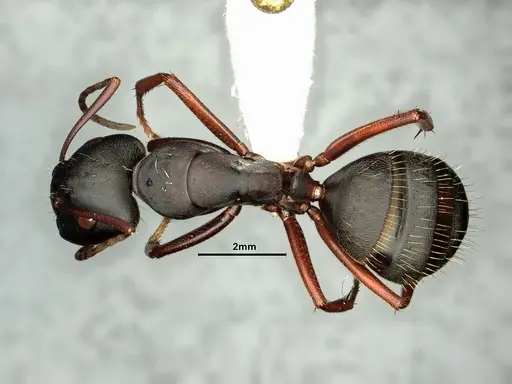
CASENT4031384
View on AntWeb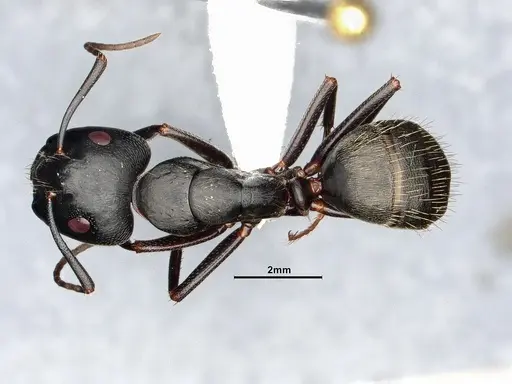
Literature
Loading...Loading products...