

Camponotus pellax
- Scientific Name
- Camponotus pellax
- Subgenus
- Myrmophyma
- Tribe
- Camponotini
- Subfamily
- Formicinae
- Author
- Santschi, 1919
- Distribution
- Found in 1 countries
Camponotus pellax Overview
Camponotus pellax is an ant species of the genus Camponotus. It is primarily documented in 1 countries , including Australia. Detailed taxonomic data and occurrence records can be further explored via authoritative databases such as AntWeb or the Global Biodiversity Information Facility (GBIF).
Camponotus pellax
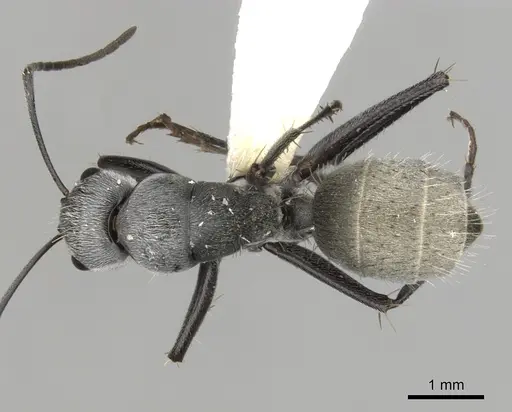
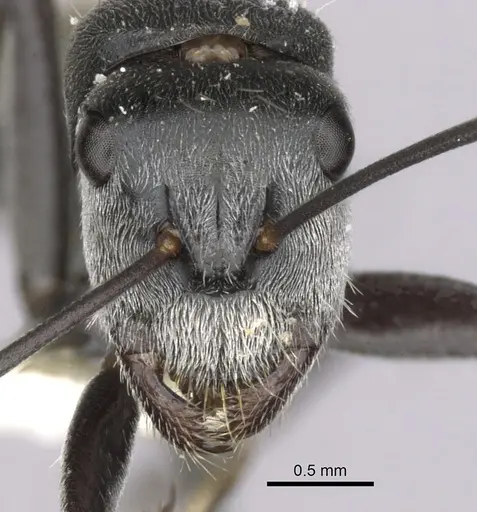
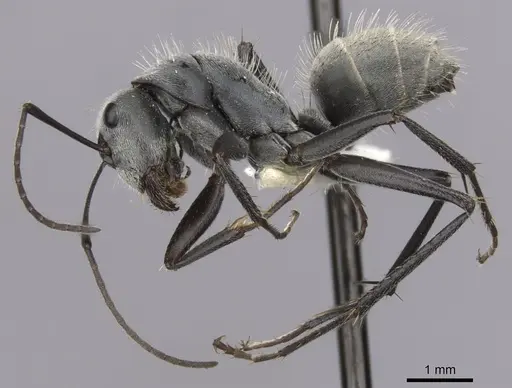
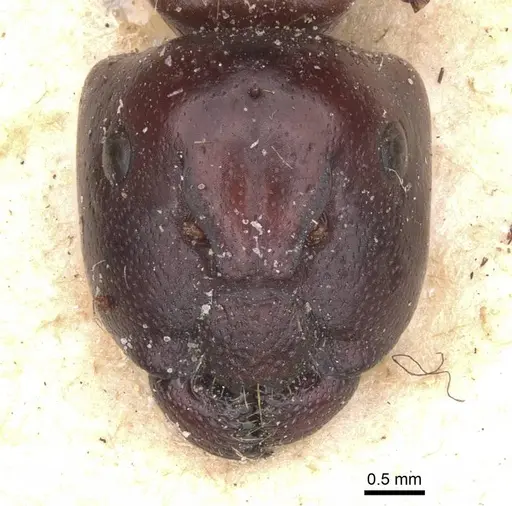
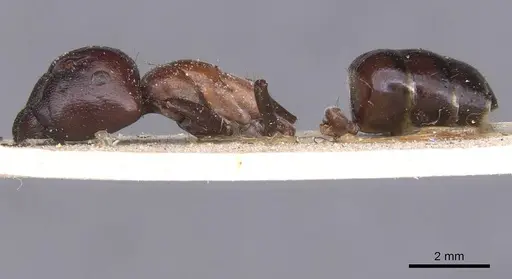
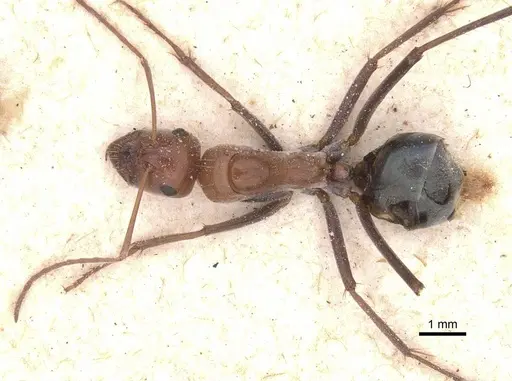
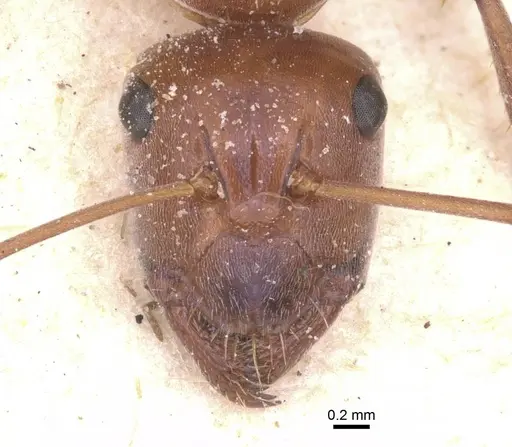
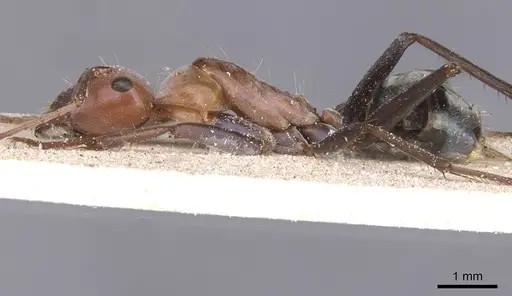
Camponotus pellax is a large Australian carpenter ant species native to Queensland, specifically around Townsville. Major workers reach 10.5-11mm, while minor workers are around 7mm. The species has striking coloration, the thorax, node, and limbs are bright red, with the head transitioning from red at the back to black toward the front. The gaster displays a distinctive purple-blue metallic sheen, giving these ants an almost iridescent appearance. This coloration is so distinctive that it was noted as resembling Iridomyrmex purpureus in size, color, and general aspect when first described. The species belongs to the Camponotus genus within the Formicinae subfamily and is related to Camponotus capito.
Quick Summary
- Difficulty: Medium
- Origin & Habitat: Australia (Queensland, specifically Townsville region). This species inhabits the tropical to subtropical areas of northern Queensland. In the wild, they likely nest in decaying wood or under rocks in forested areas, typical of Camponotus species in this region.
- Colony Type: Monogyne, single queen colonies. This follows typical Camponotus patterns where colonies establish with one founding queen.
- Colony: Monogyne
- Founding: Claustral
- Size & Growth:
- Queen: Estimated 12-15mm based on genus patterns (major workers are 10.5-11mm)
- Worker: Major: 10.5-11mm, Minor: 7mm [1]
- Colony: Estimated several thousand workers based on typical Camponotus colony development
- Growth: Moderate, Camponotus species typically grow steadily but not rapidly
- Development: Estimated 6-8 weeks at optimal temperature based on genus patterns for Camponotus species (Development time is typical for larger Camponotus species, expect several months from founding to first workers (nanitics), then steady growth afterward)
- Antkeeping:
- Temperature: Keep at 24-28°C for optimal development. A heating cable on one side of the nest creates a temperature gradient that allows ants to regulate their own conditions. Room temperature (around 24°C) is often suitable for this tropical Australian species.
- Humidity: Moderate humidity around 50-60%. Provide a water tube for drinking water. The nest should have some moisture but not be waterlogged. These ants are from a relatively dry tropical region so they tolerate drier conditions better than overly wet ones.
- Diapause: Likely minimal or no true diapause required. As a Queensland tropical species, they probably do not need hibernation. However, a slight cool period during winter months (around 18-20°C) may be beneficial to simulate seasonal slowdown.
- Nesting: Y-tong (AAC) nests or wooden formicaria work well. These large ants need appropriately sized chambers. They will excavate in wooden nests or accept acrylic setups with sufficient space. A test tube setup works for founding colonies.
- Behavior: Generally calm temperament typical of larger Camponotus species. They are not particularly aggressive but will defend the colony if threatened. Workers are active foragers, primarily at night (nocturnal patterns common in this genus). They readily accept sugar water and protein sources. Escape risk is moderate due to their larger size, standard barrier methods like fluon work well. They are not known for being escape artists compared to smaller ant species.
- Common Issues: colonies may stall if temperatures drop too low, maintain warmth, overfeeding can lead to mold in the nest, remove uneaten food promptly, large colonies need expanding space, transfer to larger formicarium before they outgrow the setup, founding queens are claustral and seal themselves in, do not disturb during the founding stage, wild-caught colonies may contain parasites, quarantine and monitor new colonies
Housing and Nest Setup
For founding colonies, a simple test tube setup works well. Fill a test tube with water, plug the wet end with cotton, and place the queen in the tube. The queen will seal herself into a chamber and remain there until her first workers emerge. For established colonies, Y-tong (AAC) nests provide excellent visibility and work well for Camponotus species. You can also use wooden formicaria or acrylic nests with appropriately sized chambers. The key is providing chambers large enough for the major workers to move through comfortably. Add an outworld area for foraging and place a water tube for drinking water. Escape prevention is straightforward with these larger ants, standard fluon barriers on the rim of the outworld are usually sufficient. [1]
Feeding and Diet
Camponotus pellax accepts a varied diet typical of carpenter ants. Offer sugar water, honey, or diluted maple syrup as a constant carbohydrate source. For protein, provide insects like mealworms, crickets, or other small invertebrates. These ants are generalist feeders and will readily take most standard ant foods. Feed protein sources 2-3 times per week, and keep sugar water available at all times. Remove any uneaten prey after 24-48 hours to prevent mold. Fresh fruit can occasionally be offered as well. The red coloration of this species suggests they may have active foraging patterns, workers will likely emerge to collect food during evening hours.
Temperature and Seasonal Care
As a Queensland tropical species, Camponotus pellax prefers warmer conditions. Maintain temperatures between 24-28°C for optimal brood development. A heating cable placed on part of the nest can create a gradient, allowing ants to move between warmer and cooler areas. During winter months, a slight reduction to around 20-22°C is acceptable, but avoid cool temperatures below 18°C. Unlike temperate species, they do not require true hibernation. However, reducing activity slightly during winter months can help simulate natural seasonal cycles. Keep humidity moderate, these ants are from a relatively dry region and can tolerate drier conditions better than waterlogged nests.
Colony Development and Growth
The founding stage takes several months. After the claustral queen seals herself in, she will lay eggs and raise the first workers (nanitics) entirely on her stored fat reserves. These first workers are typically smaller than normal workers. Once the nanitics emerge, the colony enters a growth phase. Workers will gradually increase in size as the colony expands. Major workers (soldiers) develop as the colony grows larger, these are the impressive 10-11mm individuals with the distinctive purple-blue gaster sheen. Expect steady growth over 1-2 years to reach several hundred workers, with potential to reach several thousand at maturity. Growth rate is moderate, patience is key with this species. [1]
Behavior and Observation
Camponotus pellax displays typical carpenter ant behavior. Workers are primarily nocturnal, becoming more active during evening and night hours. They are not particularly aggressive toward keepers but will defend the colony if threatened. The major workers, with their striking red coloration and metallic gaster, are particularly interesting to observe. These ants communicate through chemical signals and will recruit nestmates to food sources. They are generalist foragers and will explore their outworld in search of carbohydrates and protein. The species shows the characteristic Camponotus tolerance for handling, they move deliberately rather than frantic scrambling.
Frequently Asked Questions
How long does it take for Camponotus pellax to get first workers?
Expect 6-8 weeks from egg to first worker at optimal temperature (24-28°C). However, the full founding process from claustral queen to nanitics typically takes 2-3 months. Patience is essential, do not disturb the queen during this time.
What do Camponotus pellax ants eat?
They accept a standard ant diet: sugar water, honey, or maple syrup for carbohydrates, and insects like mealworms or crickets for protein. Offer protein 2-3 times per week and keep sugar water available constantly.
Do Camponotus pellax ants need hibernation?
No, as a Queensland tropical species, they do not require true hibernation. A slight temperature reduction during winter months (around 20-22°C) can simulate seasonal slowdown, but cold temperatures below 18°C should be avoided.
Are Camponotus pellax good for beginners?
They are medium difficulty, larger than many beginner species but not as demanding as some exotic ants. Their size makes them easier to observe, and their care requirements are straightforward. The main challenges are their slower growth rate and need for warmth.
How big do Camponotus pellax colonies get?
At maturity, colonies can reach several thousand workers. Major workers (soldiers) develop as the colony grows, reaching impressive sizes of 10-11mm.
When should I move my Camponotus pellax colony to a formicarium?
Move to a formicarium once the colony reaches around 50-100 workers and the test tube is becoming cramped. Make sure the new nest has appropriately sized chambers for these large ants.
Can I keep multiple Camponotus pellax queens together?
No, this species is monogyne (single queen). Combining unrelated queens is not recommended and typically results in fighting. Only keep one queen per colony.
What temperature is best for Camponotus pellax?
Keep them at 24-28°C for optimal development. A heating cable on part of the nest creates a gradient. Room temperature around 24°C is often suitable for this tropical Australian species.
Why is my Camponotus pellax colony not growing?
Check temperature first, they need warmth for proper development. Also ensure they have adequate protein food and sugar water. Slow growth is normal for this species, it takes time to establish. Avoid disturbing the queen too often.
References

This caresheet is licensed under CC BY-SA 4.0 .
Literature
Loading...Loading products...