

Camponotus capito
- Scientific Name
- Camponotus capito
- Subgenus
- Myrmophyma
- Tribe
- Camponotini
- Subfamily
- Formicinae
- Author
- Mayr, 1876
- Distribution
- Found in 1 countries
Camponotus capito Overview
Camponotus capito is an ant species of the genus Camponotus. It is primarily documented in 1 countries , including Australia. Detailed taxonomic data and occurrence records can be further explored via authoritative databases such as AntWeb or the Global Biodiversity Information Facility (GBIF).
Camponotus capito
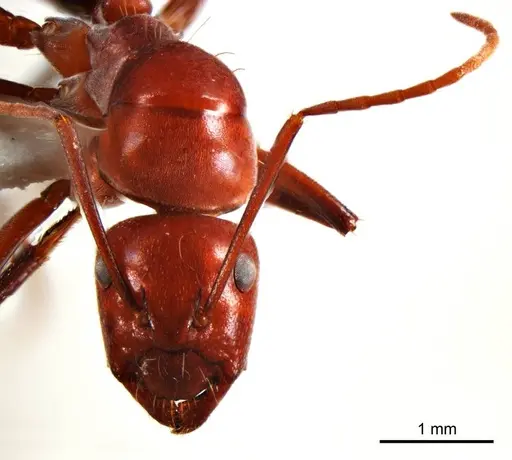
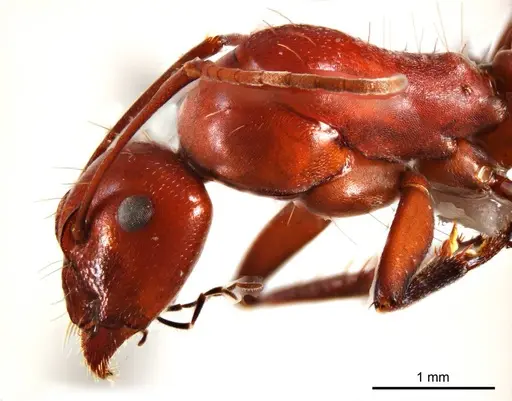
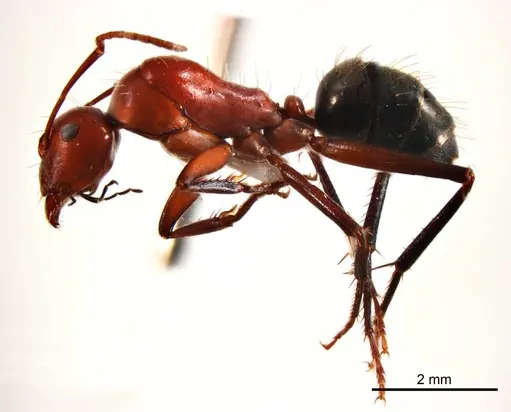
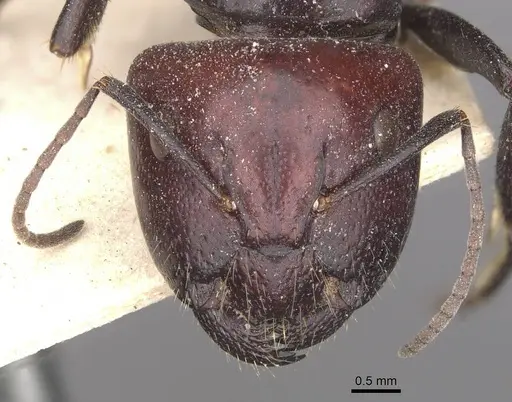
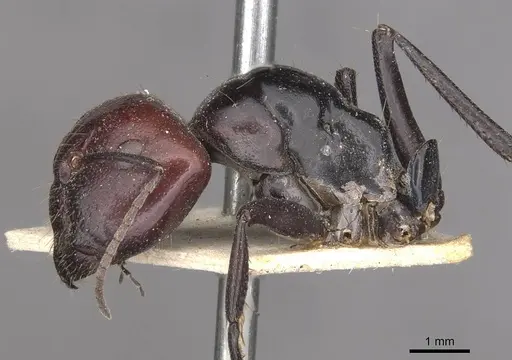
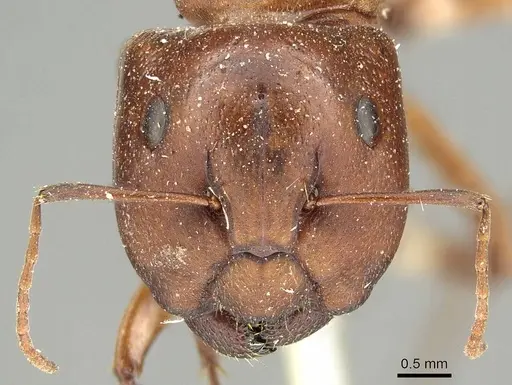
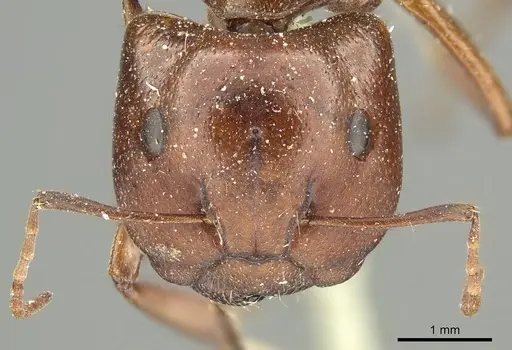
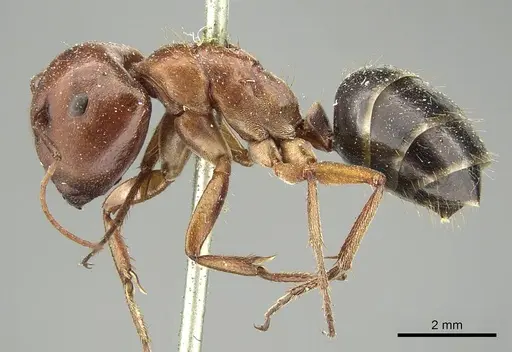
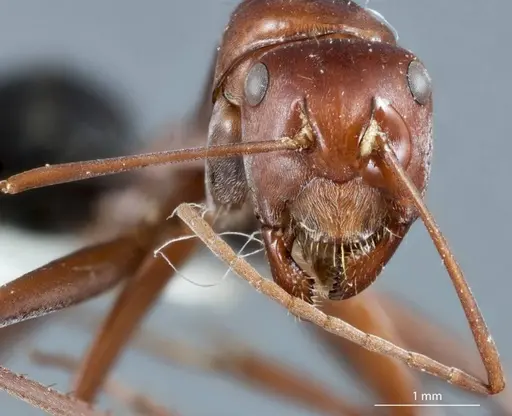
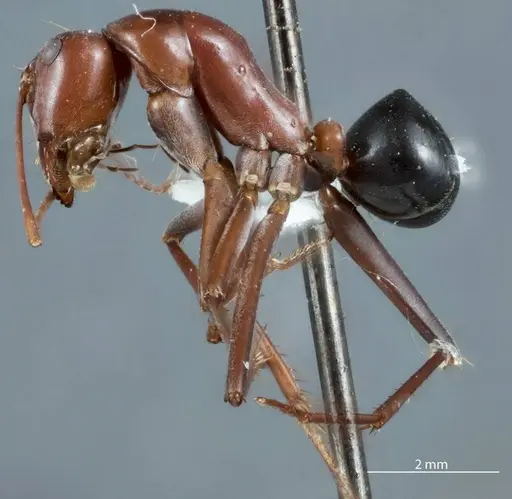
Camponotus capito is a large Australian carpenter ant species. Major workers reach 11-13mm while minor workers are smaller at 7.6-8.2mm [1]. The species has a striking appearance: major workers are rusty ferruginous (reddish-brown) with a black gaster, while minor workers are nearly always black with a distinctive red head [2]. Some regional variations exist, ants from Fitzgerald River National Park may have reddish-orange mesosoma, and specimens from near Westonia are entirely black with no pubescence on the gaster [2]. This species belongs to the Formicinae subfamily and is found across Australia, particularly in Queensland and Western Australia including Barrow Island [3][4].
What makes C. capito interesting is its pronounced size polymorphism. The major workers (sometimes called soldiers) have a distinctly swollen head and are significantly larger than minor workers, creating a clear division of labor within the colony. The mesonotum and propodeum in both castes are elongate and undulant, appearing saddle-shaped in minor workers, a distinctive morphological feature [5]. This polymorphism is visually striking and makes these ants particularly interesting to observe as different worker castes interact.
Quick Summary
- Difficulty: Medium
- Origin & Habitat: Australia (Queensland and Western Australia). Found in arid and temperate regions including Barrow Island off the Western Australian coast [4][6]. The species nests in various habitats across its range.
- Colony Type: Colony structure is not well documented in scientific literature. Based on typical Camponotus patterns, likely single-queen (monogyne) colonies.
- Colony: Monogyne
- Founding: Claustral
- Size & Growth:
- Queen: Not specifically documented in available literature, estimated 13-16mm based on genus patterns for large Camponotus species
- Worker: Major workers: 11-13mm, Minor workers: 7.6-8.2mm [1]
- Colony: Not specifically documented, likely several thousand workers typical of larger Camponotus species
- Growth: Moderate, typical of Camponotus genus
- Development: Estimated 8-12 weeks at optimal temperature based on typical Camponotus development (Development time varies with temperature, warmer conditions accelerate development)
- Antkeeping:
- Temperature: Keep at 24-28°C for optimal brood development. Australian species prefer warm conditions. A heating cable on one side of the nest creates a temperature gradient
- Humidity: Moderate humidity around 50-60%. These are not moisture-dependent ants, provide a water tube but allow the nest to dry partially between rehydration
- Diapause: Likely required. Australian temperate species typically need a winter rest period of 8-12 weeks at 10-15°C
- Nesting: Y-tong (AAC) nests work well for their size. Plaster or acrylic nests with chambers sized to accommodate large majors are suitable. Provide a dry nesting area with access to a water tube
- Behavior: These ants are generally defensive and will bite if threatened. Camponotus species can spray formic acid as a defense mechanism. Workers are active foragers that search for honeydew and protein. Major workers have large mandibles and can deliver a painful bite. Escape prevention is important given their size, standard barriers work well but ensure lids fit tightly. They are primarily nocturnal or crepuscular foragers.
- Common Issues: Queens can be difficult to establish, claustral founding means they seal themselves in and need complete darkness and quiet for weeks, Large size means they need spacious outworlds and proper escape prevention despite not being escape artists, Winter diapause is often neglected and causes colony decline, must provide proper hibernation conditions, Overheating is a risk, direct heating can kill colonies, always use gradient heating, Wild-caught colonies may carry parasites that cause colony failure in captivity
Housing and Nest Setup
Camponotus capito requires spacious housing due to their large size. Major workers reach 13mm, so narrow test tubes can feel cramped. Y-tong (AAC) nests are ideal because they provide appropriately sized chambers and excellent visibility. Acrylic or plaster nests also work well, just ensure chambers are wide enough for majors to move through comfortably. The nest should have a dedicated water tube for humidity control. For the outworld, use a foraging area that's at least 15x15cm with high walls coated with fluon to prevent escapes. These ants do best with a temperature gradient in the nest area, achieved by placing a heating cable on one side. This allows workers to regulate their temperature by moving between warmer and cooler chambers. [2][5]
Feeding and Nutrition
Like other Camponotus species, C. capito is omnivorous. They primarily need sugar sources (honey water, sugar water, or pure honey offered small amounts) for energy, plus protein for brood development. Offer protein sources like mealworms, crickets, or other insects. Camponotus are nocturnal feeders for many keepers, try offering food in the evening and leaving it overnight. Remove uneaten protein after 24-48 hours to prevent mold. A constant sugar source should be available. Some keepers report that larger Camponotus species enjoy tree sap substitutes like our帖子 or specialized ant nectar. Feed protein 2-3 times per week for established colonies, more frequently for growing colonies with lots of brood.
Temperature and Seasonal Care
These Australian ants prefer warm conditions. Maintain nest temperatures between 24-28°C for optimal brood development. Temperatures below 20°C slow development significantly, while temperatures above 30°C can be harmful. Use a heating cable or heat mat on one side of the nest to create a gradient, never apply heat directly to the entire nest. During Australian winter (roughly June-August in the southern hemisphere), colonies benefit from a diapause period. Reduce temperature to 10-15°C for 8-12 weeks. This mimics natural seasonal cycles and helps maintain colony health long-term. Do not feed during deep diapause but ensure water is available.
Colony Founding and Early Development
Newly mated queens are claustral, they seal themselves in a chamber and raise their first brood without leaving to forage. The queen uses stored fat reserves to survive and feed the first brood. This founding period takes 4-8 weeks before eggs hatch into larvae, then another 4-8 weeks for larvae to develop into workers. During this time, the queen needs complete darkness and minimal disturbance. Do not check on her frequently, this causes stress that can lead to colony failure. Once the first nanitic (first-generation) workers emerge, the colony becomes more active and the queen resumes egg-laying. Growth is initially slow but accelerates as the worker population increases.
Behavior and Defense
Camponotus capito workers are defensive and will protect their colony aggressively. Major workers have powerful mandibles and can deliver a painful bite. As Formicinae, they can also spray formic acid as a defensive secretion. These ants are primarily nocturnal foragers in the wild, though captive colonies often adjust to keeper schedules. Workers search independently for food rather than using recruitment trails (unlike some ant species). The caste system is pronounced, majors handle difficult prey and colony defense while minors handle most foraging and brood care. This division of labor makes observing their behavior particularly interesting. [5]
Frequently Asked Questions
How long does it take for Camponotus capito to have first workers?
Expect 8-12 weeks from egg to first worker at optimal temperature (around 26°C). This timeline assumes claustral founding where the queen seals herself in and raises brood without foraging. The first workers (nanitics) are typically smaller than normal workers and the colony grows slowly at first.
What temperature do Camponotus capito need?
Keep nest temperatures between 24-28°C. Use a heating cable on one side of the nest to create a gradient so workers can choose their preferred temperature. Avoid temperatures above 30°C or below 20°C for extended periods.
Can I keep multiple Camponotus capito queens together?
Not recommended. Camponotus are typically monogyne (single-queen) species. Combining unrelated queens usually results in fighting and colony failure. If you catch multiple queens, house them separately.
Do Camponotus capito need hibernation?
Yes, a winter diapause of 8-12 weeks at 10-15°C is recommended. This mimics their natural seasonal cycle in Australia. Reduce feeding during this period but maintain access to water. Skipping diapause can weaken colonies over time.
What do Camponotus capito eat?
They need a balanced diet of sugar (honey water, sugar water, or honey) and protein (insects like mealworms, crickets, or other small invertebrates). Offer protein 2-3 times per week and keep a constant sugar source available.
Are Camponotus capito good for beginners?
They are intermediate difficulty. While not as demanding as some species, they require proper temperature control, hibernation, and spacious housing. Their large size makes them impressive but also requires more space than tiny ant species.
When should I move Camponotus capito to a formicarium?
Wait until the colony has at least 20-30 workers before moving to a formicarium. Test tubes work well for founding colonies and smaller colonies. A formicarium is beneficial once the colony reaches 50+ workers and you want to observe their behavior more closely.
Why is my Camponotus capito colony declining?
Common causes include: improper temperature (too cold or too hot), lack of proper hibernation, overfeeding leading to mold, parasites, or stress from excessive disturbance. Check that temperatures are in the 24-28°C range and that you are providing a proper winter diapause.
How big do Camponotus capito colonies get?
Likely several thousand workers at maturity based on typical Camponotus patterns. Major workers reach 11-13mm while minors are 7.6-8.2mm. Growth is moderate, expect several years to reach maximum size.
References

This caresheet is licensed under CC BY-SA 4.0 .
ANTWEB1008612
View on AntWeb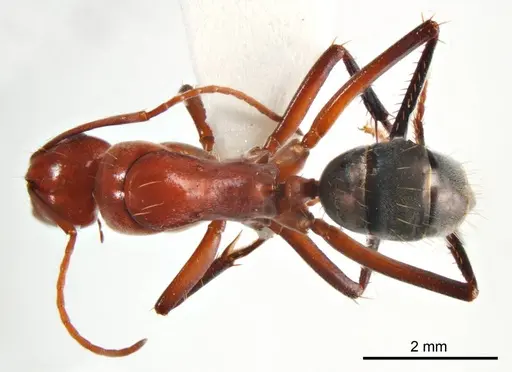
CASENT0887676
View on AntWeb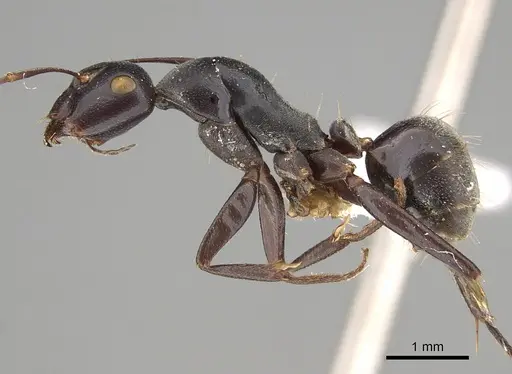
CASENT0910364
View on AntWeb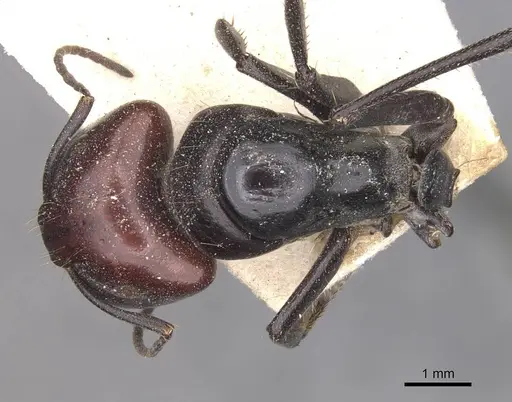
CASENT0915754
View on AntWeb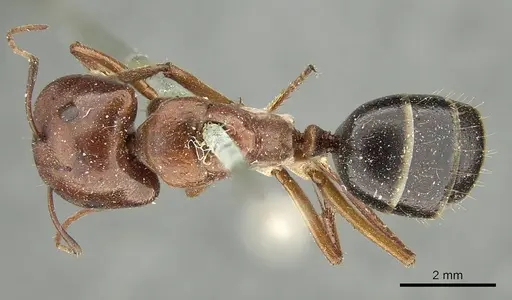
JDM32-000946
View on AntWeb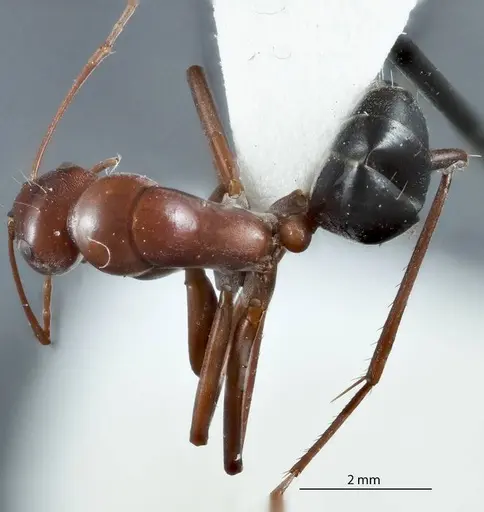
Literature
Loading...Loading products...