

Camponotus laconicus
- Scientific Name
- Camponotus laconicus
- Subgenus
- Tanaemyrmex
- Tribe
- Camponotini
- Subfamily
- Formicinae
- Author
- Emery, 1920
- Distribution
- Found in 1 countries
Camponotus laconicus Overview
Camponotus laconicus is an ant species of the genus Camponotus. It is primarily documented in 1 countries , including Greece. Detailed taxonomic data and occurrence records can be further explored via authoritative databases such as AntWeb or the Global Biodiversity Information Facility (GBIF).
Camponotus laconicus
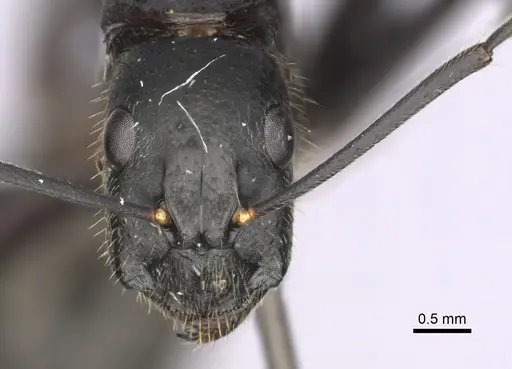
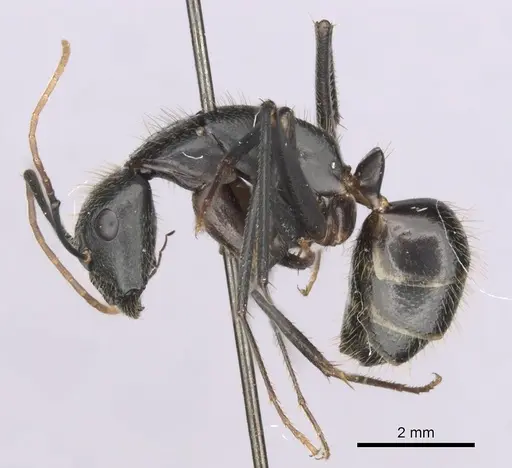
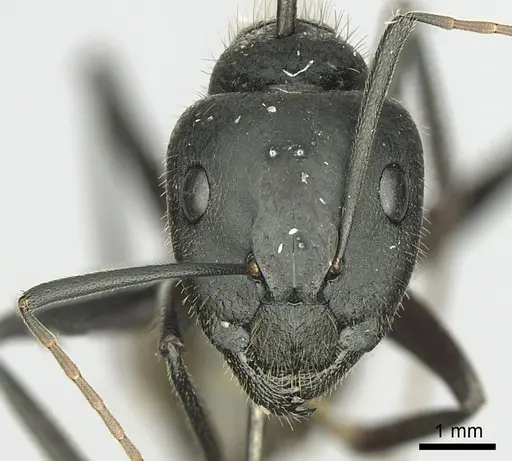
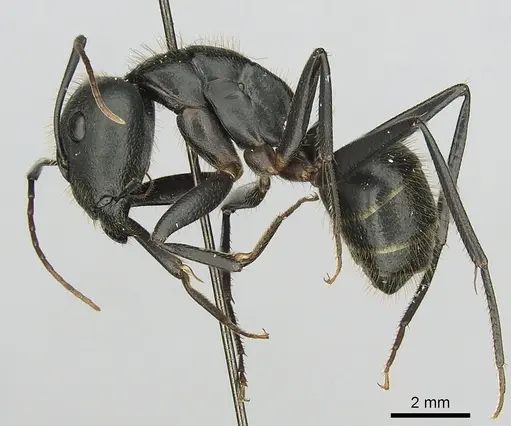
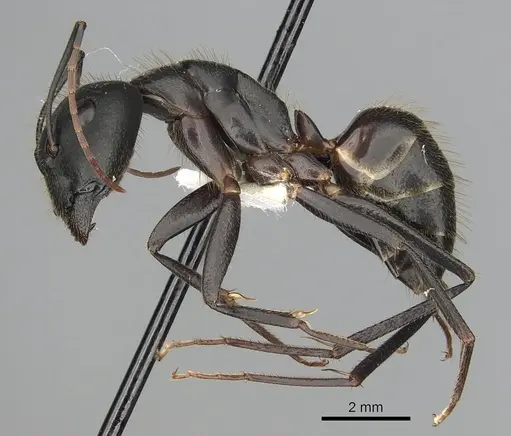
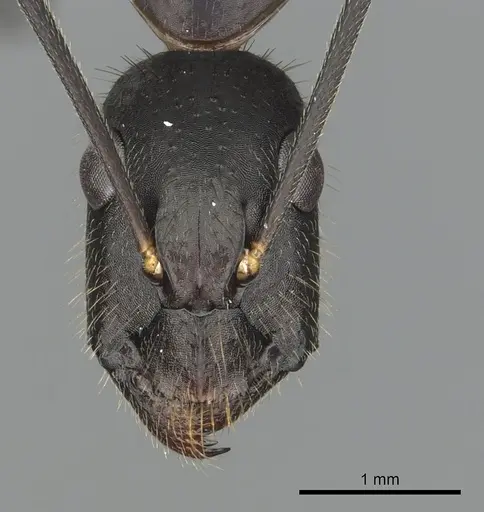
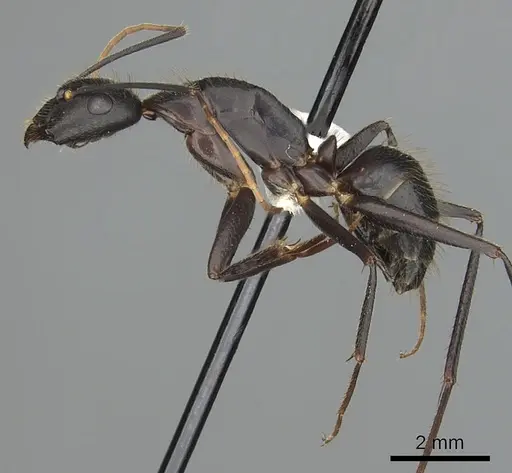
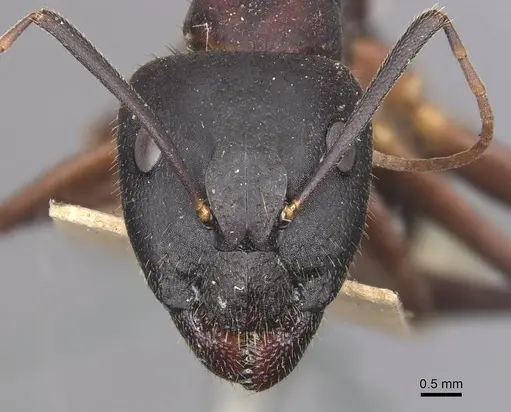
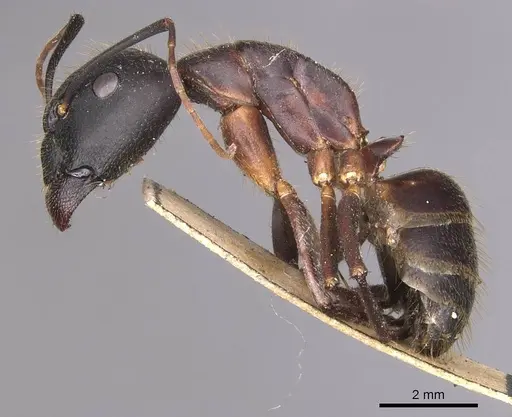
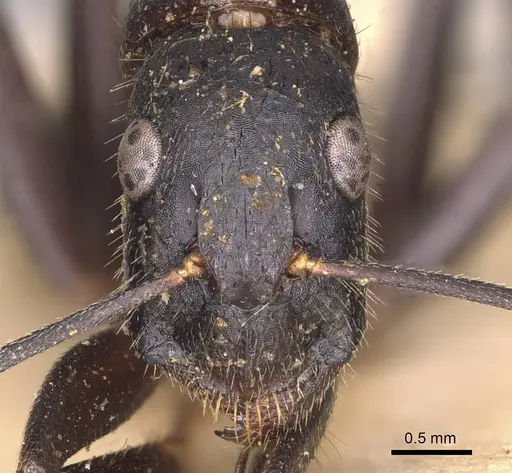
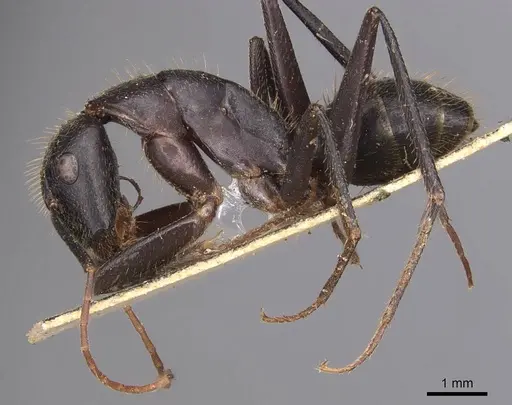
Camponotus laconicus is a moderately large to large polymorphic ant species endemic to Greece. Workers are predominantly black with sometimes brownish mesosoma and petiolar scale, minor workers may have partly reddish-brown legs. The antenna scapes are very long and thin, and the head is distinctly elongate. This species belongs to the Camponotus samius complex within the Tanaemyrmex subgenus. It is an extremely thermophilous species found only in Greece, particularly in the Peloponnese and Sterea Ellas regions, where it nests under large stones in warm, dry pine forests and sunny forest edges [1][2]. Workers are active mainly at dawn, and this species is known to attend butterfly larvae in the wild [3][4].
Quick Summary
- Difficulty: Medium
- Origin & Habitat: Endemic to Greece, found in warm, dry pine forests, Mediterranean shrubs along roadsides, stream valleys with plane trees, and sunny arid forest edges at elevations 4-910m [1][2][5]
- Colony Type: Single-queen colonies (monogyne), typical for Camponotus genus. Colony size reaches up to several hundred workers based on typical genus patterns.
- Colony: Monogyne
- Founding: Claustral
- Size & Growth:
- Queen: Estimated 12-15mm based on genus Camponotus patterns
- Worker: Minor workers: 2.0-2.3mm head length, Major workers: 3.3-3.6mm head length [1]
- Colony: Estimated several hundred workers based on typical Camponotus growth patterns
- Growth: Moderate, typical for Camponotus species
- Development: 6-10 weeks estimated based on typical Camponotus development at optimal temperature (Development time varies with temperature, claustral founding typical for genus)
- Antkeeping:
- Temperature: Keep at 24-28°C, they are a thermophilous species from warm Greek habitats [2]. A heating cable on one side of the nest creates a temperature gradient.
- Humidity: Low to moderate, these ants prefer dry, warm conditions similar to their natural habitat in Greek pine forests and sunny forest edges. Keep nest substrate moderately dry with a small water tube for humidity.
- Diapause: Yes, a winter rest period of 2-3 months at 10-15°C is recommended, consistent with temperate Greek climate
- Nesting: In nature they nest under large stones in warm, dry locations. In captivity, a Y-tong (AAC) nest or plaster nest works well. They prefer tight chambers and narrow passages. Provide a sunny exposure area in the outworld.
- Behavior: Workers are active mainly at dawn. They are not particularly aggressive but will defend the nest if threatened. Major workers are significantly larger and serve as soldiers/defenders. Escape prevention should be moderate, they are large ants but can still climb smooth surfaces. Use standard barrier methods.
- Common Issues: colonies often fail if kept too cold, their thermophilous nature means they need warm conditions, overfeeding can lead to mold in nests given their preference for dry conditions, queen mortality during founding is common if humidity is too high, slow initial growth can lead to keeper impatience and overfeeding, escape through small gaps if outworld is not properly sealed
Nest Preferences and Housing
Camponotus laconicus naturally nests under large stones in warm, dry locations, typically sunny forest edges, pine forests, and sometimes urban areas [1][2]. For captive care, a Y-tong (acrylic) nest or plaster nest works well. These ants prefer tight chambers and narrow passages scaled to their size. Provide a temperature gradient in the nest by placing a heating cable on one side, this allows the colony to regulate its own temperature. The outworld should have a sunny area or bright lighting to simulate their natural Greek habitat. Keep the nest relatively dry with low to moderate humidity, mimicking their preferred warm, arid nesting spots.
Feeding and Diet
Like other Camponotus species, C. laconicus is omnivorous. They primarily need sugar sources (honey water, sugar water, or pure honey) for energy, and protein sources for brood development. Offer protein foods like mealworms, crickets, or other insects. In the wild, they attend butterfly larvae and likely feed on honeydew from aphids [3][4]. Feed sugar water constantly and offer protein prey 2-3 times per week. Remove uneaten prey after 24-48 hours to prevent mold. Colonies will consume more as they grow, adjust feeding accordingly.
Temperature and Seasonal Care
This is an extremely thermophilous species native to Greece, so warmth is essential for their health and development [2]. Keep the nest at 24-28°C, with a slight gradient allowing workers to choose their preferred temperature. A heating cable placed on part of the nest creates this gradient effectively. During winter, provide a diapause (hibernation) period of 2-3 months at 10-15°C to simulate the temperate Greek climate they evolved in. Reduce feeding during diapause and keep the nest slightly cooler. Do not cool suddenly, gradually reduce temperature over 1-2 weeks before hibernation.
Colony Founding and Growth
Camponotus laconicus follows typical Camponotus claustral founding. The queen seals herself in a chamber and raises her first brood alone, living entirely on her stored fat reserves until the nanitic (first) workers emerge. This process typically takes 6-10 weeks at optimal temperature. The first workers (nanitics) are smaller than normal workers but will begin foraging for food once the colony has them. Growth is moderate, colonies reach several hundred workers over 1-2 years under good conditions. Major workers develop later and serve as soldiers/defenders. Be patient during founding, queen mortality is highest at this stage, and disturbing the nest can cause abandonment.
Behavior and Temperament
Workers are active mainly at dawn, which is unusual compared to many ant species that forage during the day [1]. They are not particularly aggressive but will defend the nest vigorously if threatened. Major workers, with their large heads and powerful mandibles, serve as defenders. The species is known to attend Polyommatinae butterfly larvae in the wild, showing a mutualistic relationship where the ants protect the larvae in exchange for honeydew [3][4]. In captivity, they are generally calm and easy to work with. They are large enough that escape prevention is manageable with standard barriers, though they can climb smooth surfaces.
Frequently Asked Questions
Is Camponotus laconicus a good species for beginners?
This is a medium-difficulty species. While not as easy as some beginner species like Lasius niger, it is manageable for intermediate antkeepers. The main challenges are providing adequate warmth and avoiding over-humid conditions. If you can maintain proper temperature and humidity, this species is rewarding.
How long does it take for the first workers to emerge?
At optimal temperature (24-28°C), expect first workers (nanitics) in 6-10 weeks. This is typical for Camponotus species. Growth is slower during cooler temperatures, so maintaining warmth helps.
What temperature do Camponotus laconicus need?
Keep them at 24-28°C. They are a thermophilous (warmth-loving) species from Greece, so they need warm conditions. A heating cable on part of the nest creates a gradient they can regulate themselves.
Can I keep multiple queens together?
No. Camponotus laconicus is monogyne, colonies have a single queen. Multiple unrelated queens will fight. Only introduce a queen to an established colony if you are attempting pleometrosis (multiple queens founding together), which has not been documented for this species and is not recommended.
Do they need hibernation?
Yes. Provide a winter rest period (diapause) of 2-3 months at 10-15°C. This mimics their natural environment in Greece where winters are cooler. Reduce feeding during this time and gradually cool them down over 1-2 weeks.
What do Camponotus laconicus eat?
They need a balanced diet of sugar and protein. Offer sugar water, honey, or pure honey as a constant energy source. For protein, feed insects like mealworms, crickets, or fruit flies. They also attend honeydew-producing insects in the wild.
When should I move them to a formicarium?
Keep founding colonies in a test tube setup until they have 20-30 workers. Moving too early can stress the colony. Once the colony is established and growing well, you can transfer to a formicarium. For this species, a Y-tong or plaster nest works well.
Why are my ants dying?
Common causes include: too cold (they need 24-28°C), too humid (they prefer dry conditions), overfeeding leading to mold, or disturbing the nest too often. Check temperature and humidity first. Also ensure the queen is healthy and laying eggs, without brood, the colony cannot grow.
Where is Camponotus laconicus found in the wild?
This species is endemic to Greece, found only in the Peloponnese and Sterea Ellas regions. It lives in warm, dry pine forests, Mediterranean shrubs, and sunny forest edges, nesting under large stones [1][2].
References

This caresheet is licensed under CC BY-SA 4.0 .
CASENT0249418
View on AntWeb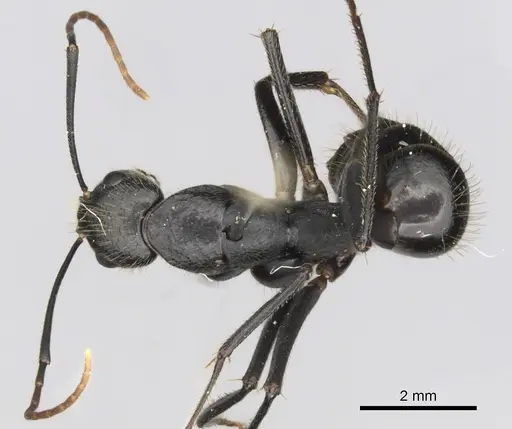
CASENT0249427
View on AntWeb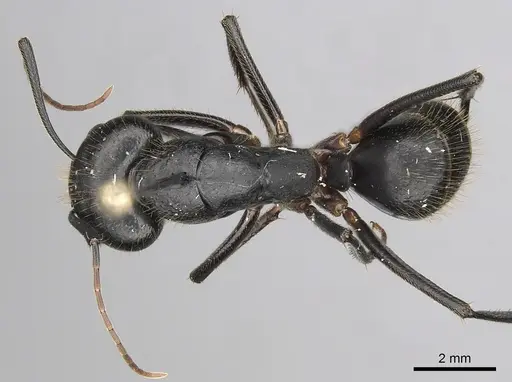
CASENT0249987
View on AntWeb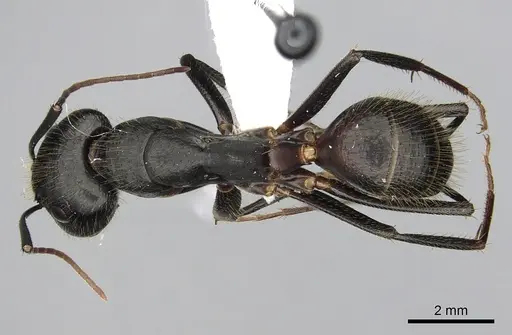
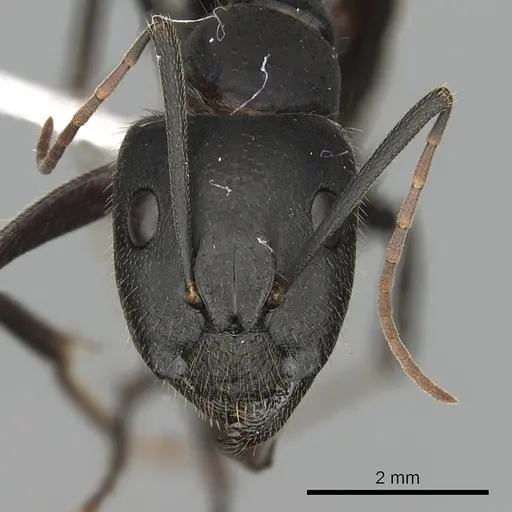
CASENT0249988
View on AntWeb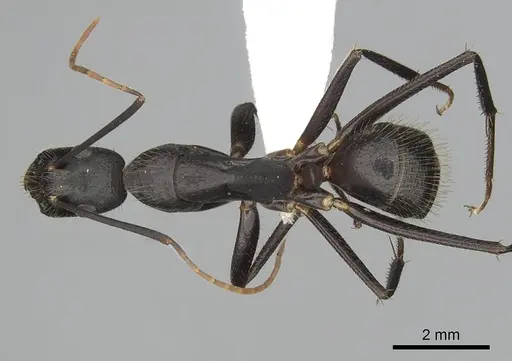
CASENT0905288
View on AntWeb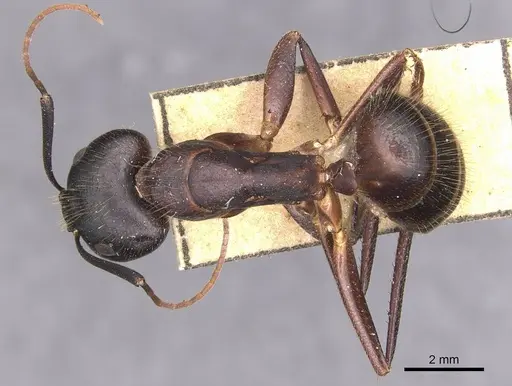
CASENT0905289
View on AntWeb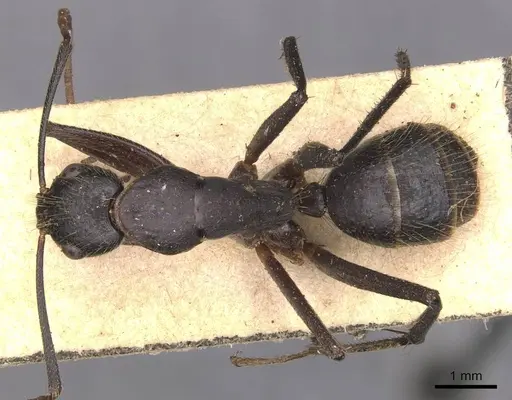
Literature
Loading...Loading products...