

Camponotus samius
- Scientific Name
- Camponotus samius
- Subgenus
- Tanaemyrmex
- Tribe
- Camponotini
- Subfamily
- Formicinae
- Author
- Forel, 1889
- Common Name
- Samos Carpenter Ant
- Distribution
- Found in 4 countries
Camponotus samius Overview
Camponotus samius (commonly known as the Samos Carpenter Ant) is an ant species of the genus Camponotus. It is primarily documented in 4 countries , including Bulgaria, Cyprus, Greece. Detailed taxonomic data and occurrence records can be further explored via authoritative databases such as AntWeb or the Global Biodiversity Information Facility (GBIF).
Camponotus samius - "Samos Carpenter Ant"
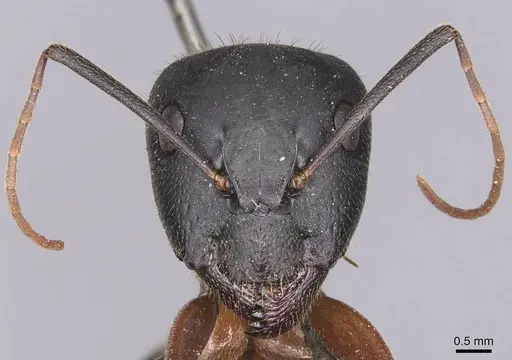
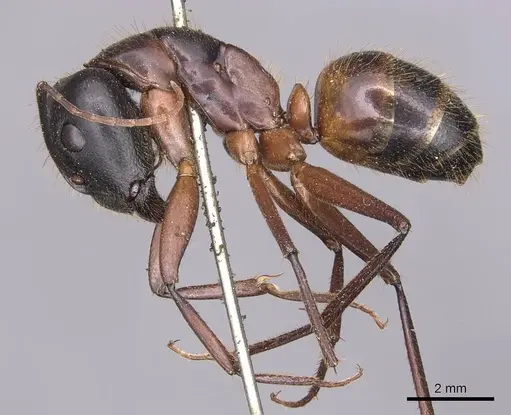
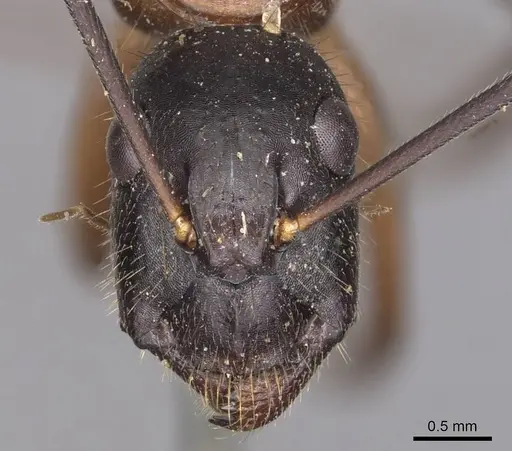
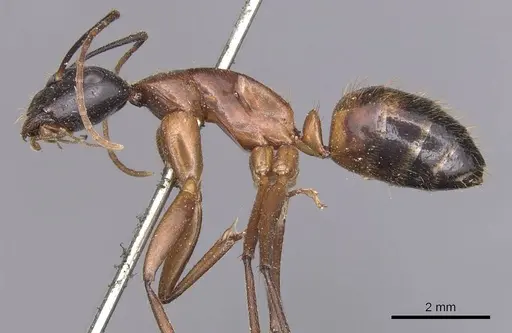
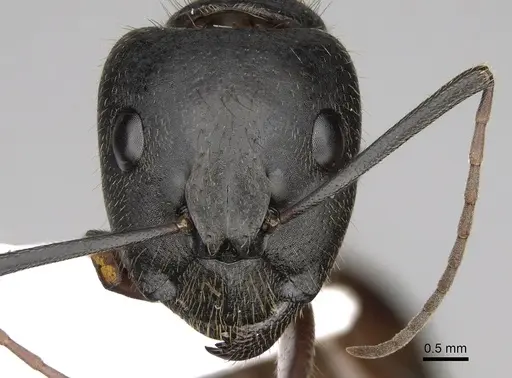
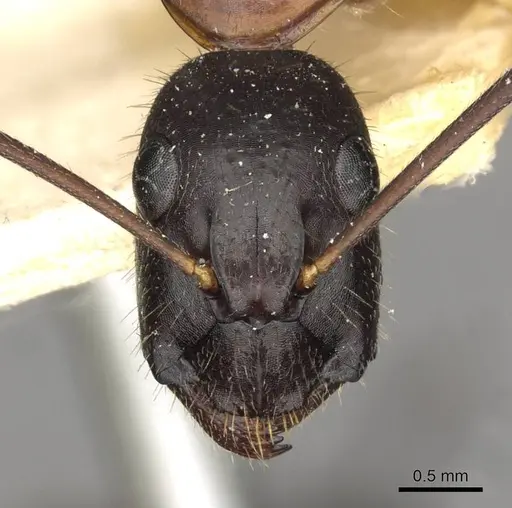
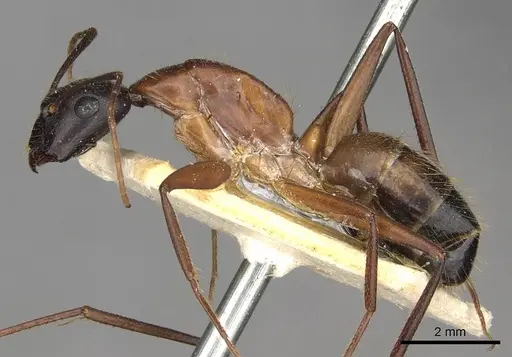
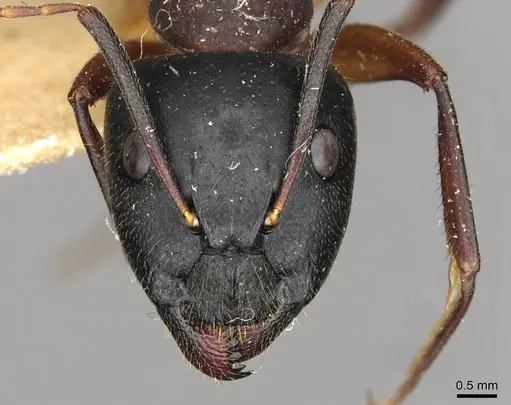
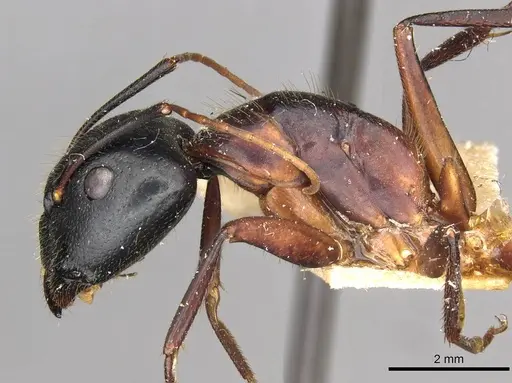
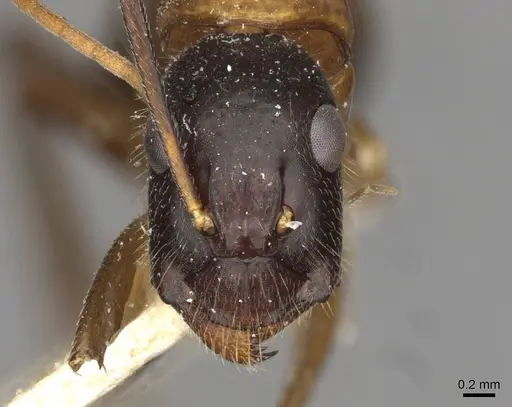
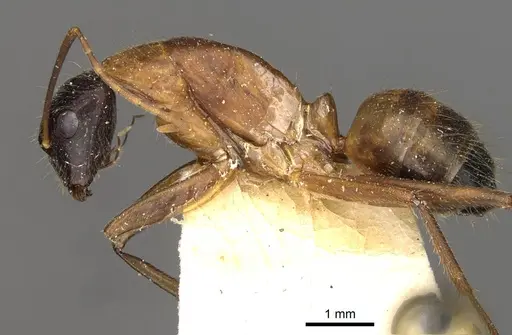
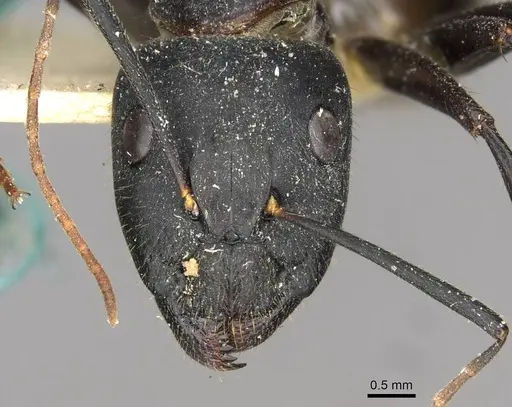
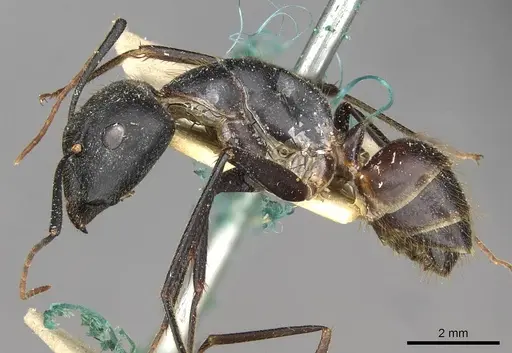
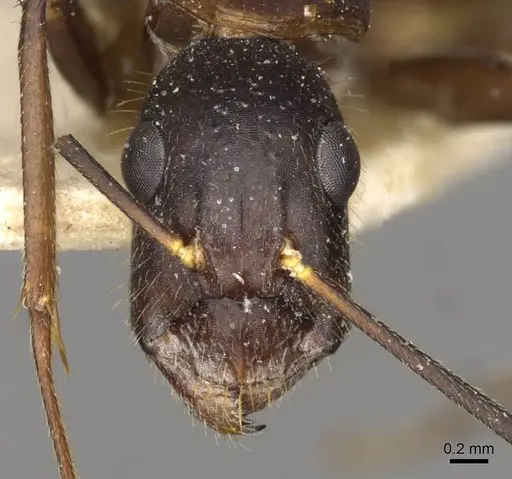
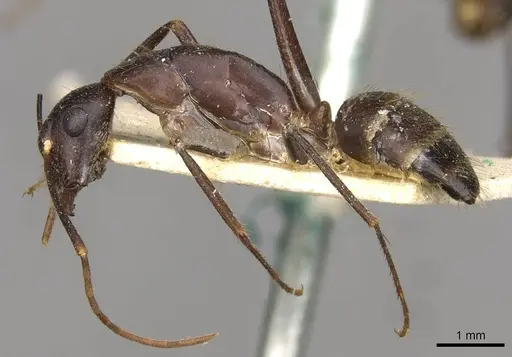
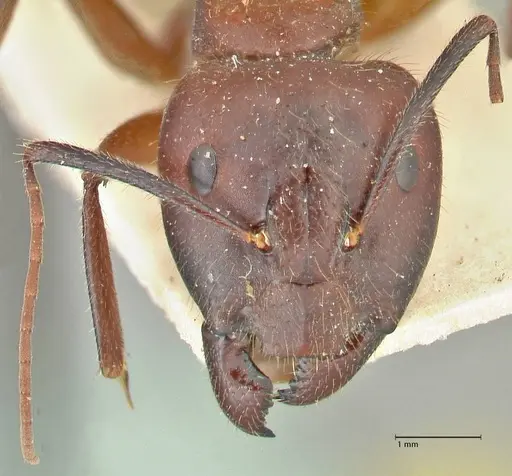
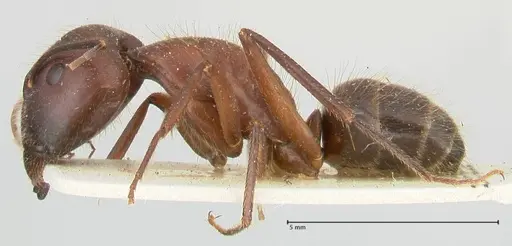
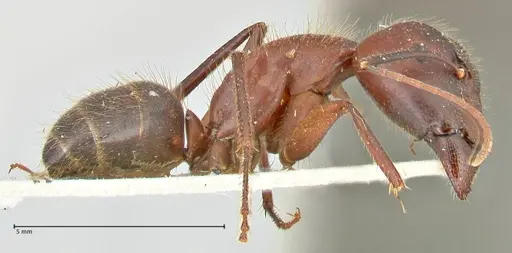
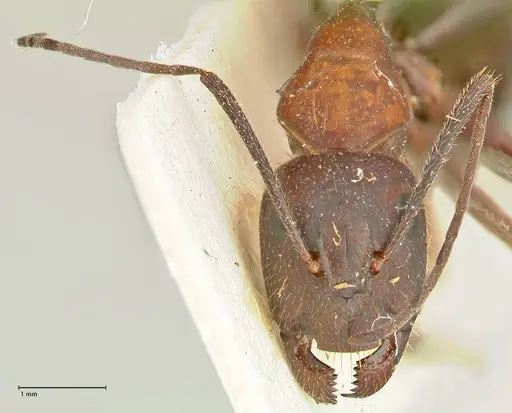
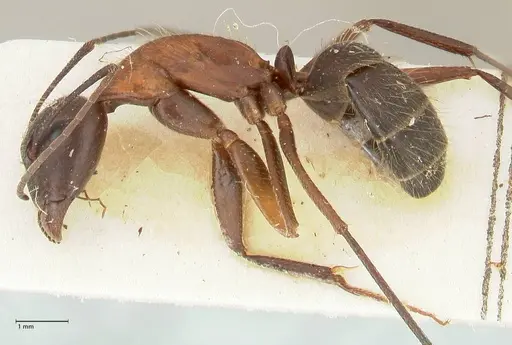
Camponotus samius is a large polymorphic carpenter ant belonging to the Tanaemyrmex subgenus. Minor workers measure 4-6mm with a yellow to reddish-brown coloration, while major workers reach 7-12mm and feature a distinctly dark head contrasting with a lighter mesosoma. The gaster always shows a brighter basal section. This species is a thermophile native to the Mediterranean region, found across Greece, Turkey, Bulgaria, Cyprus, and Sicily [1][2]. They prefer warm, open habitats such as dry hills with sparse vegetation, pastures with shrubs, and pine forests, typically nesting under large stones [1]. Workers are primarily nocturnal, most active at dawn and dusk [1]. This species is a member of the Camponotus samius species complex and is known to host the ant cricket Myrmecophilus orientalis in its nests [3].
Quick Summary
- Difficulty: Medium
- Origin & Habitat: Mediterranean region, Greece, Turkey, Bulgaria, Cyprus, and Sicily. Thermophile species found in pine forests, stream valleys with deciduous trees, suburban areas with maquis, pastures with shrubs, and dry hills in coastal areas. Nests located under large stones at low to mid altitudes [1][2][4].
- Colony Type: Single-queen colonies (monogyne). This follows typical Camponotus patterns where colonies establish with one founding queen.
- Colony: Monogyne
- Founding: Claustral
- Size & Growth:
- Queen: Approximately 12-15mm, inferred from genus patterns and large worker size
- Worker: Minor workers: 4-6mm (HL 1.89-2.09mm), Major workers: 7-12mm (HL 3.18-3.73mm) [1]
- Colony: Likely several thousand workers, typical for large Camponotus species
- Growth: Moderate, typical Camponotus development timeline
- Development: 6-8 weeks at optimal temperature, inferred from typical Camponotus genus patterns (Development time follows standard Camponotus patterns. Major workers (soldiers) appear as colony matures.)
- Antkeeping:
- Temperature: Keep at 24-28°C. This Mediterranean thermophile prefers warm conditions. A heating cable on one side of the nest creates a temperature gradient [4].
- Humidity: Moderate humidity around 50-60%. Provide a water tube as a moisture source. Allow the nest to partially dry between waterings, they naturally nest under stones in well-drained soils [1].
- Diapause: Yes, provide a winter rest period of 8-12 weeks at 10-15°C. This matches other Mediterranean Camponotus species and aligns with their seasonal activity pattern.
- Nesting: Use a Y-tong (AAC) or plaster nest with chambers scaled to their large size. Provide a connection to an outworld. They naturally nest under stones, so a naturalistic setup with flat stones over soil also works well. Ensure the nest has some vertical space for major workers [1].
- Behavior: Nocturnal species, workers are most active at dawn and dusk [1]. Generally docile temperament, but major workers can deliver a painful bite if threatened. They are moderate foragers that search for honeydew and insects. Escape prevention should be moderate, they are large ants but can climb smooth surfaces. Use standard barrier methods like fluon on test tube rims.
- Common Issues: colonies may struggle if temperatures drop below 20°C for extended periods, they are true thermophiles, nocturnal activity means keepers may not see much movement during daytime hours, this is normal, major workers can block nest entrances due to their large size, ensure nest chambers are appropriately sized, wild-caught colonies may harbor parasites like the ant cricket Myrmecophilus orientalis, quarantine and observe new colonies, overheating is more dangerous than slight underheating, avoid temperatures above 32°C
Nest Preferences and Housing
Camponotus samius naturally nests under large stones in well-drained, warm locations [1]. In captivity, they adapt well to various nest types. Y-tong (acrylic) nests work excellently because they provide good visibility and easy temperature control. Plaster nests are also suitable, especially when you want to maintain moderate humidity. For the outworld, use a standard foraging area with a connection tube. Given their large size, ensure the connection tube is wide enough for major workers to pass through comfortably. Some keepers successfully use naturalistic setups with a layer of soil and flat stones on top, mimicking their natural nesting sites. The nest should be placed in a darker area of your setup since this is a nocturnal species that prefers dim conditions.
Feeding and Diet
Like other Camponotus species, Camponotus samius is omnivorous with a preference for protein-rich foods. In captivity, they readily accept sugar water or honey as an energy source. For protein, offer insects such as mealworms, crickets, waxworms, and other appropriately sized prey. They are known to tend aphids in the wild, in captivity, you can occasionally offer small amounts of aphid honeydew or sugar solutions [5]. Feed protein prey 2-3 times per week, depending on colony size. Sugar water should always be available in the outworld. Remove uneaten prey after 24-48 hours to prevent mold. This species shows increased foraging activity during evening hours, so offering food in the late afternoon or evening aligns with their natural rhythm.
Temperature and Seasonal Care
As a thermophile from the Mediterranean, Camponotus samius requires warm temperatures for optimal colony development. Maintain nest temperatures between 24-28°C. A heating cable placed on top of the nest (never underneath where it can dry out the substrate) helps create the warm conditions they need. They can tolerate brief temperature drops but prolonged cold will slow or stop brood development. During winter, provide an 8-12 week diapause period at 10-15°C, this mimics their natural seasonal cycle and helps trigger reproductive behavior in spring. Place the colony in a cool basement or refrigerator during winter hibernation. Do not feed during diapause but ensure a small water source is available. [1][4]
Behavior and Activity Patterns
Camponotus samius is primarily nocturnal, with workers most active during dawn and dusk [6]. This activity pattern means you may see limited movement during standard daytime hours, this is completely normal behavior, not a sign of problems. The colony will become more active in the evening and early morning hours. Major workers (soldiers) develop as the colony matures and serve to defend the nest and process large food items. They have the typical Camponotus bite defense, while not aggressive, they will bite if threatened. The species is known to host the ant cricket Myrmecophilus orientalis, which is a symbiotic guest that lives in their nests [3]. If you observe small cricket-like insects in the nest, this is likely this known symbiont and not a cause for concern.
Colony Development and Growth
As a large Camponotus species, Camponotus samius follows the typical claustral founding pattern. The queen seals herself in a chamber and raises the first brood alone, using stored fat reserves. The first workers (nanitics) are typically smaller than normal workers but grow quickly once foraging begins. Development from egg to worker takes approximately 6-8 weeks at optimal temperature, though this is inferred from typical Camponotus patterns rather than specifically studied for this species. Major workers appear as the colony reaches several hundred workers. Colonies can eventually grow to several thousand workers. Be patient during the founding phase, it can take several months before the first workers emerge, and the colony may appear inactive during this time. [1]
Handling and Interaction
Camponotus samius is generally docile and suitable for antkeeping, though major workers can deliver a moderately painful bite if provoked. They are not aggressive toward the nest and will typically flee rather than attack. When observing the colony, avoid disturbing the nest chamber directly. For feeding and maintenance, use tools rather than your hands. Their large size makes them easier to handle than many smaller ant species. They are good for observation, especially in the evening hours when activity peaks. The clear differences between minor and major workers make them an interesting species to watch as the colony develops polymorphism over time.
Frequently Asked Questions
How long does it take for Camponotus samius to produce first workers?
Expect 6-8 weeks from egg to first worker at optimal temperature (24-28°C). This timeline is based on typical Camponotus development patterns. The queen will be claustral, she seals herself in and raises the first brood alone using stored fat reserves.
What temperature do Camponotus samius need?
Keep them warm at 24-28°C. This Mediterranean thermophile prefers warm conditions. A heating cable on top of the nest can help maintain optimal temperatures.
Are Camponotus samius good for beginners?
They are intermediate-level ants. While not as challenging as some species, their nocturnal activity and temperature requirements make them better suited for keepers who understand basic antkeeping principles. Their large size and docile nature make them rewarding to keep.
Do Camponotus samius need hibernation?
Yes, provide an 8-12 week winter rest period at 10-15°C. This diapause mimics their natural Mediterranean seasonal cycle and helps trigger reproductive behavior in spring.
What do Camponotus samius eat?
They are omnivorous. Offer sugar water or honey constantly, and protein prey (mealworms, crickets, waxworms) 2-3 times per week. They also tend aphids in the wild.
How big do Camponotus samius colonies get?
At maturity, colonies can reach several thousand workers. They are a large Camponotus species with major workers reaching 7-12mm.
When are Camponotus samius most active?
They are nocturnal, most active at dawn and dusk. You will see more activity in the evening and early morning hours. Limited daytime activity is normal.
Can I keep multiple Camponotus samius queens together?
No, this is a monogyne (single-queen) species. Multiple unrelated queens will fight. Only keep one queen per colony.
What nest type is best for Camponotus samius?
Y-tong (AAC) or plaster nests work well. Ensure chambers are sized appropriately for their large major workers. They naturally nest under stones, so a naturalistic setup also works.
Why is my Camponotus samius colony not moving much?
This is likely normal behavior, they are a nocturnal species. Activity peaks during dawn and dusk. If the colony is in a quiet location during the day with no movement, this is typical. However, check temperature and queen status if workers seem lethargic during their active periods.
Is Camponotus samius invasive?
No, this is a native Mediterranean species found in Greece, Turkey, Bulgaria, Cyprus, and Sicily. It is not considered invasive anywhere.
References

This caresheet is licensed under CC BY-SA 4.0 .
CASENT0905290
View on AntWeb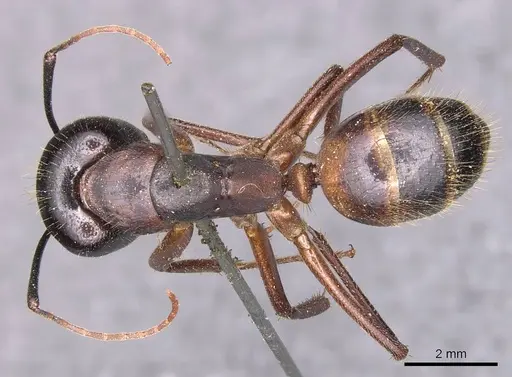
CASENT0905291
View on AntWeb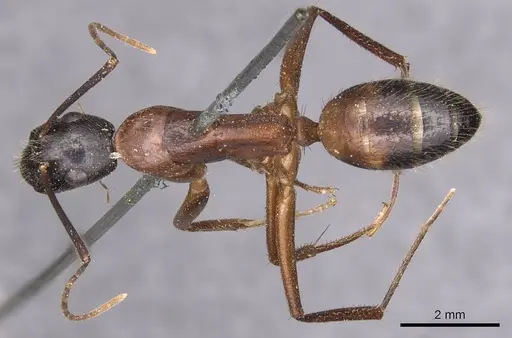
CASENT0906056
View on AntWeb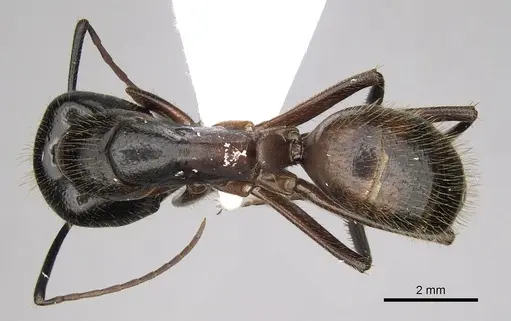
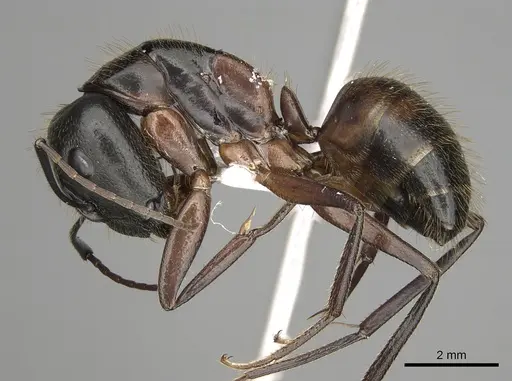
CASENT0906057
View on AntWeb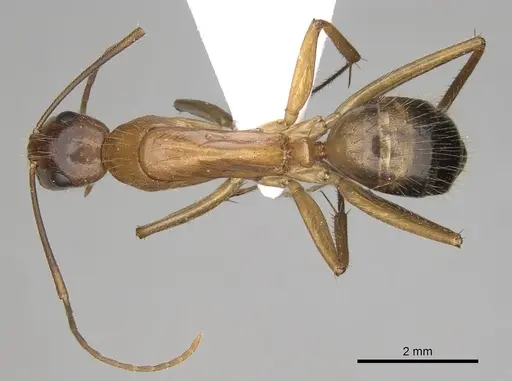
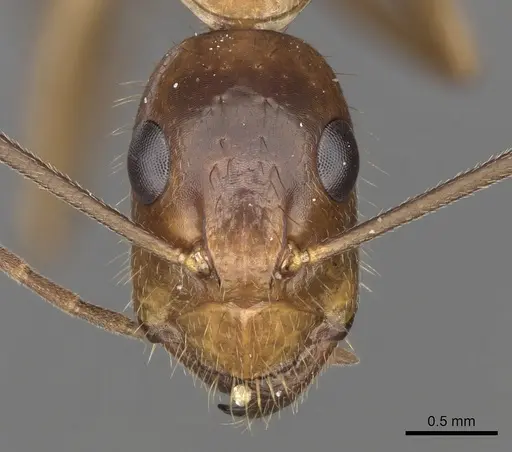
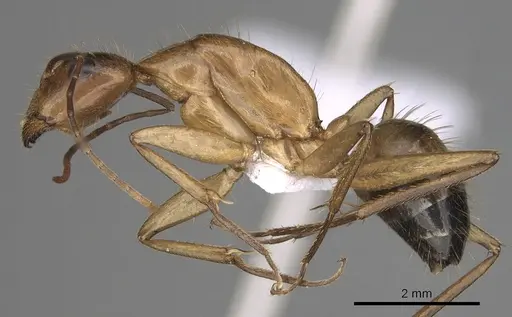
CASENT0910258
View on AntWeb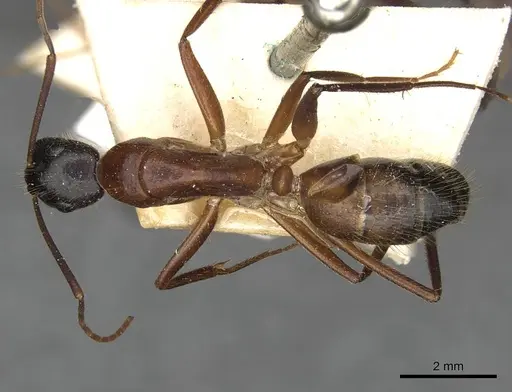
CASENT0910259
View on AntWeb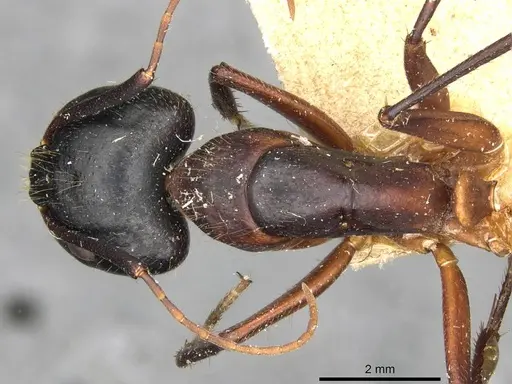
CASENT0910260
View on AntWeb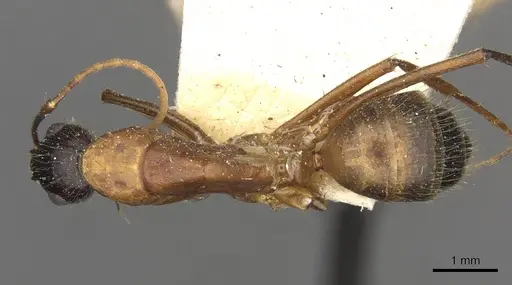
CASENT0910261
View on AntWeb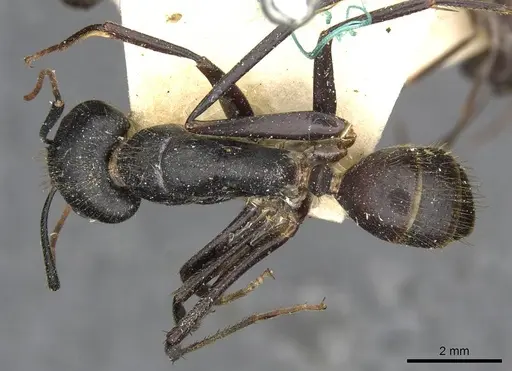
CASENT0910262
View on AntWeb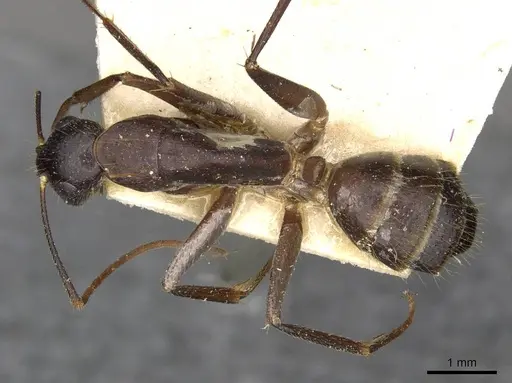
FOCOL2432
View on AntWeb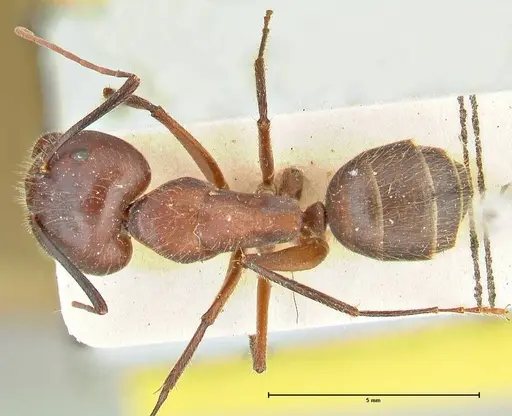
FOCOL2433
View on AntWeb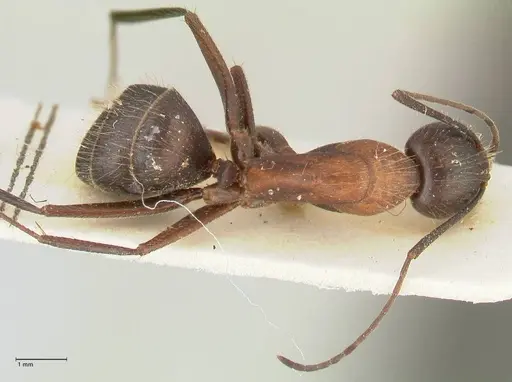
Literature
Loading...Loading products...